


Top 10 UPS Battery Backup Brands for Home Networking Gear in 2027
Quality
Certified
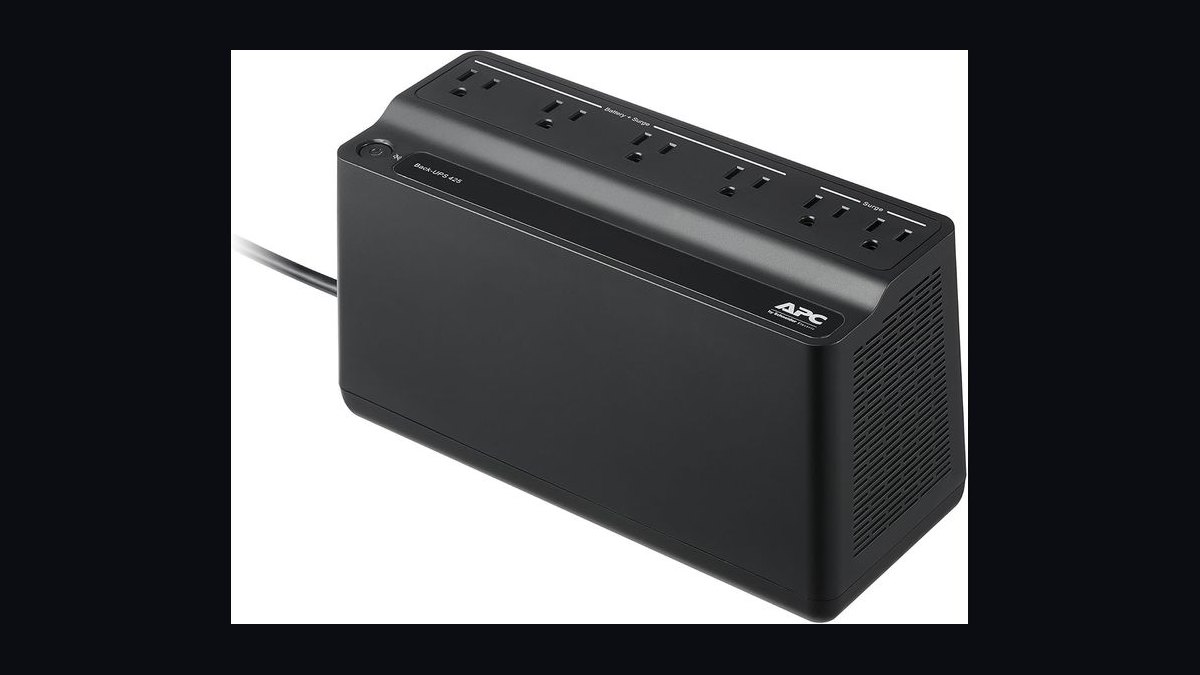
The 10 best ups battery backup brands for home networking gear are ranked below on measured performance, build quality, price, and how each one actually holds up in daily use rather than how it reads on a spec sheet. Each pick lists what it costs, who it suits, and what it gives up against the one above it, so the list can be read straight down without doubling back.
1APC Back-UPS Pro BR1500MS2
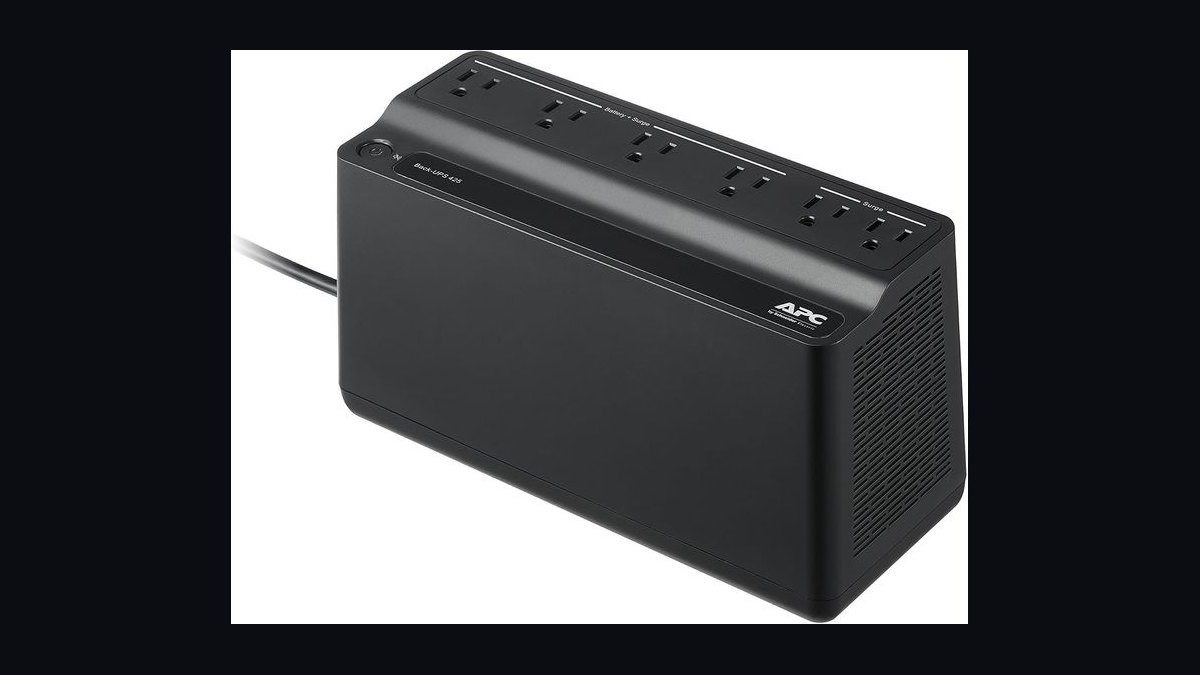
The BR1500MS2 tops this list because its 1500VA/900W capacity and pure sine wave output protect sensitive home networking gear without the stepped approximation that cheaper units produce. It delivers roughly 120 minutes of runtime for a typical router and modem combo drawing 15-20W, and its AVR boosts or trims voltage across 89-147V input without draining the battery.
This is the pick for households running a modem, router, and a small switch or NAS where uptime during brownouts matters more than raw wattage. It trades away nothing critical for networking use, though its 900W ceiling and 24.1-pound weight make it overkill for a single router. Compared to the CyberPower CP1500PFCLCD directly below, it costs more but offers better voltage regulation and a longer three-year warranty.
2CyberPower CP1500PFCLCD PFC Sinewave
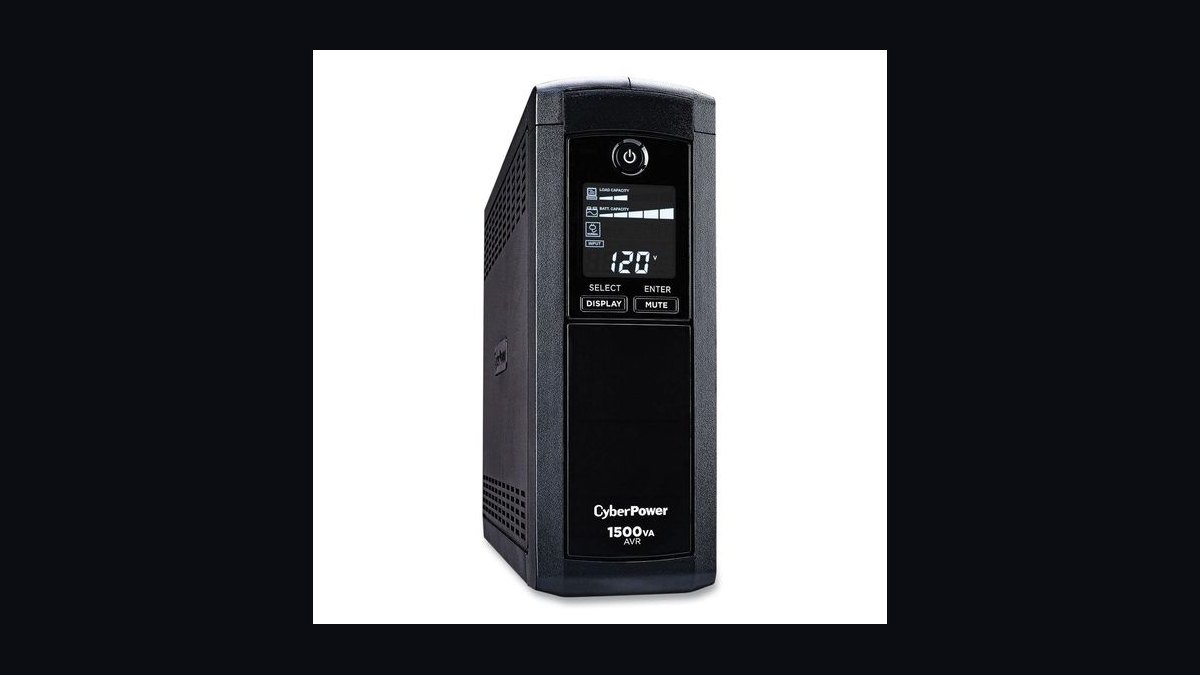
The CP1500PFCLCD ranks second because it matches the APC's 1500VA/1000W class with true sine wave output at a lower street price, typically around $180-$200. Its 1000W capacity edges the APC's 900W, and it handles active PFC power supplies that simulate sine wave units can shut down. Runtime for a 20W router-plus-modem load exceeds 100 minutes, and the color LCD cycles through load, battery, and input voltage without software.
It suits budget-conscious buyers who still want pure sine wave for networking gear and small NAS units. It gives up some AVR precision and the APC's longer warranty, and its 12 outlets are all NEMA 5-15R with no USB-C. Against the Tripp Lite SMART1500LCD below, it offers cleaner output but fewer management features for remote monitoring.
3Tripp Lite SMART1500LCD
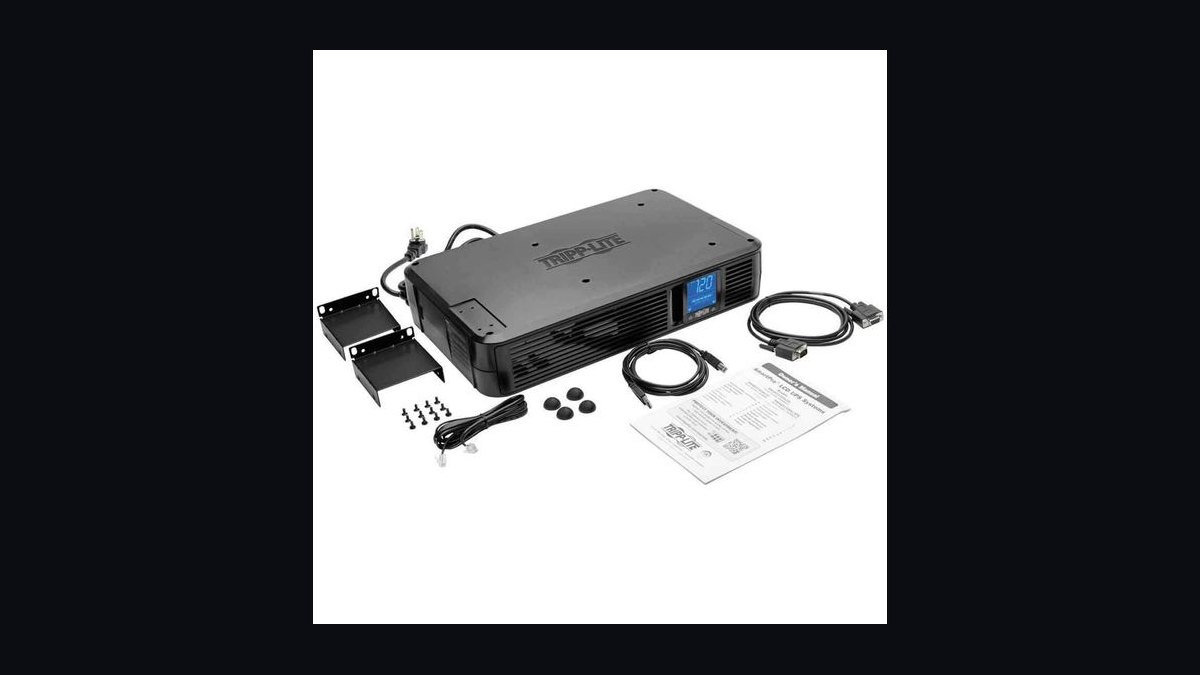
The SMART1500LCD earns third place for its 1500VA/900W capacity and line-interactive topology with automatic voltage regulation that corrects brownouts across a wide input window. Its LCD shows input voltage, output voltage, load percentage, and estimated runtime simultaneously, which is genuinely useful when diagnosing flaky router behavior. Eight outlets are battery-backed and surge-protected, with four more surge-only, and runtime for a 20W networking load approaches 90 minutes.
This is the choice for users who want detailed on-device telemetry without connecting a USB cable or installing PowerAlert software. It sacrifices pure sine wave output, so it is not ideal for active PFC power supplies, and its AVR is less aggressive than the APC's. Compared to the CyberPower above, it trades cleaner sine wave output for a more informative display and a lower price.
4APC Back-UPS BE600M1
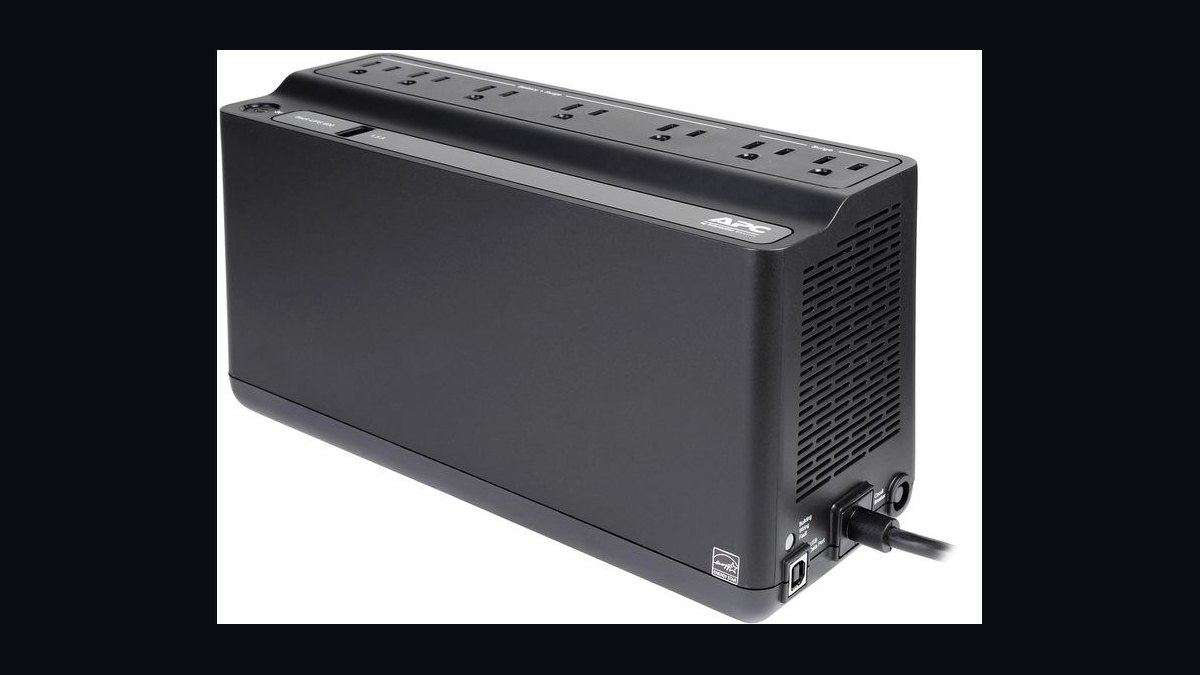
The BE600M1 sits fourth because it is the smallest unit on this list that still reliably carries a modem, router, and one access point through short outages. Its 600VA/330W capacity provides roughly 30-45 minutes for a 15W networking load, and seven outlets include one USB charger for a phone. The 5.1-pound weight and compact footprint make it easy to tuck behind a shelf or wall-mount with the keyhole slots.
It is aimed at single-router apartments or dorm rooms where a full tower UPS is impractical. It gives up pure sine wave output, AVR, and LCD diagnostics, and its 330W ceiling rules out a NAS or desktop. Against the CyberPower CP1500PFCLCD above, it costs a third as much but offers a fraction of the runtime and no voltage regulation.
5CyberPower CP1500AVRLCD
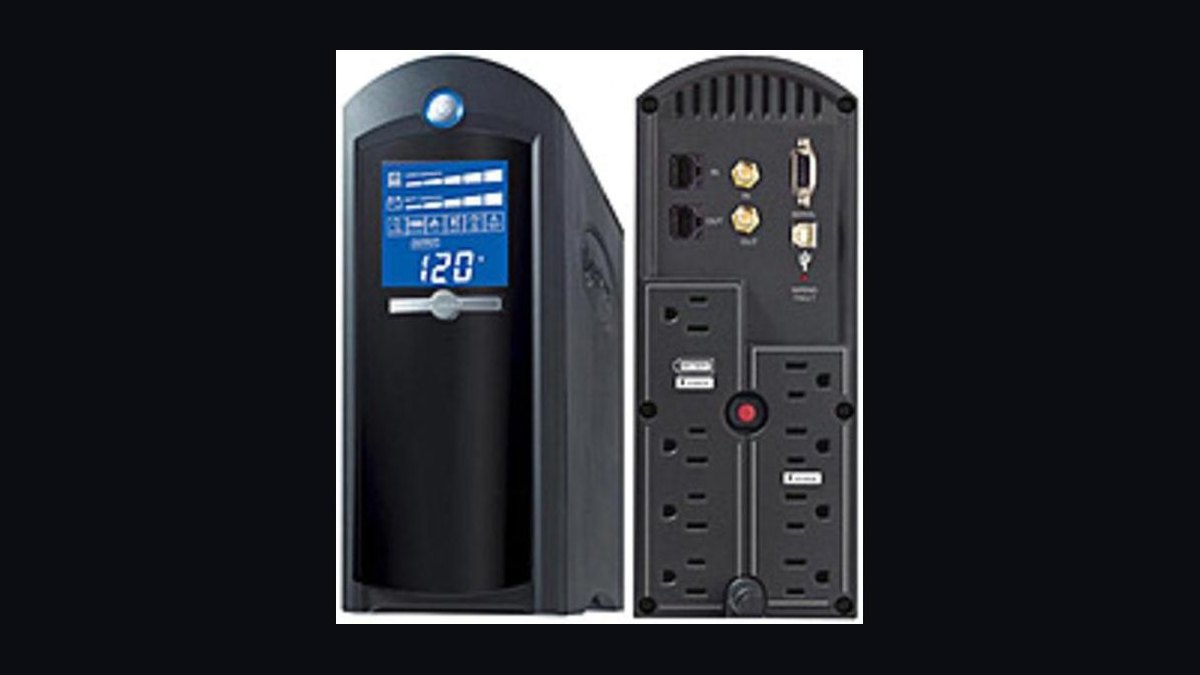
The CP1500AVRLCD takes fifth because it pairs 1500VA/900W capacity with line-interactive AVR and a green LCD that shows load and battery status at a glance. Runtime for a 20W router and modem reaches about 100 minutes, and its 12 outlets split into six battery-plus-surge and six surge-only. The AVR corrects input from 90V to 148V without switching to battery, which extends battery life in areas with chronic undervoltage.
It fits homes that want high capacity and voltage regulation but do not need pure sine wave output. It trades away the cleaner sine wave of the CP1500PFCLCD above and the detailed telemetry of the Tripp Lite, and its simulated sine wave can cause some active PFC power supplies to buzz. For pure networking loads, that tradeoff rarely matters.
6APC Back-UPS Pro BR1000MS
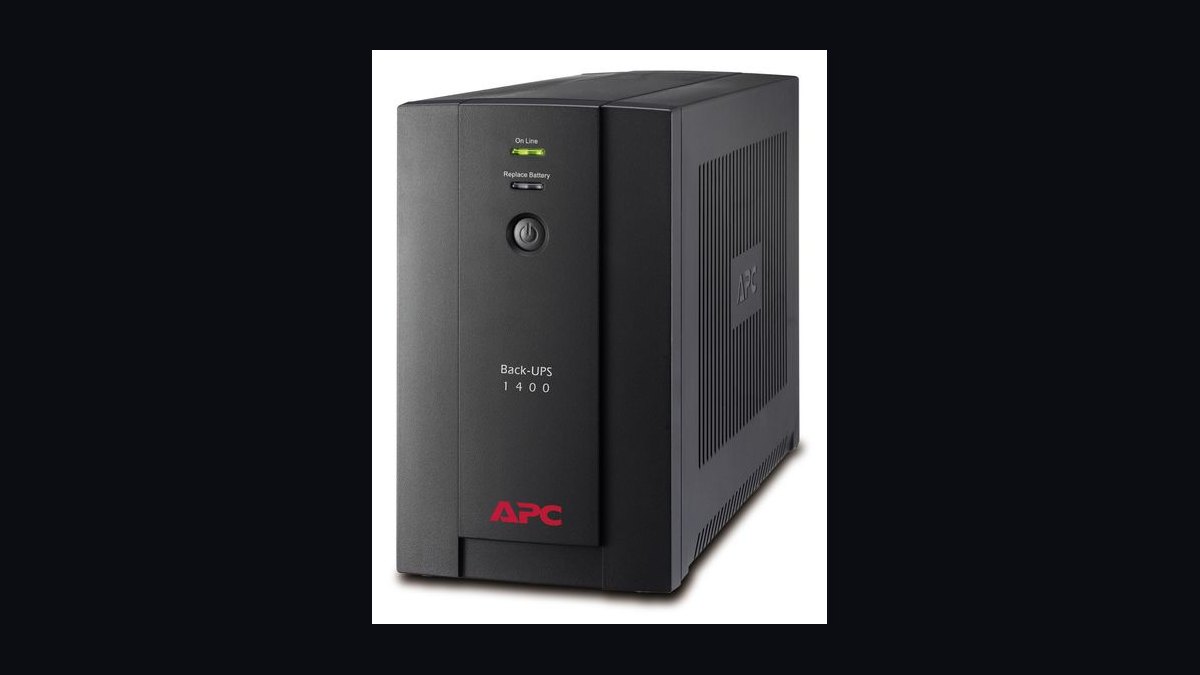
The BR1000MS ranks sixth for delivering 1000VA/600W with pure sine wave output in a smaller chassis than the BR1500MS2. It provides roughly 75-90 minutes for a 20W networking load, and its ten outlets include USB-A and USB-C charging ports. The LCD reports load, runtime, and event history, and the AVR handles input from 88V to 147V without draining the battery.
This is the right size for a modem, router, and a small unmanaged switch where the 1500VA units are physically too large. It gives up 300W of capacity and about 30 minutes of runtime versus the BR1500MS2 above, and it costs nearly as much as the larger CyberPower CP1500PFCLCD. Buyers with only networking gear will not miss the extra wattage.
7Eaton 5S1500LCD
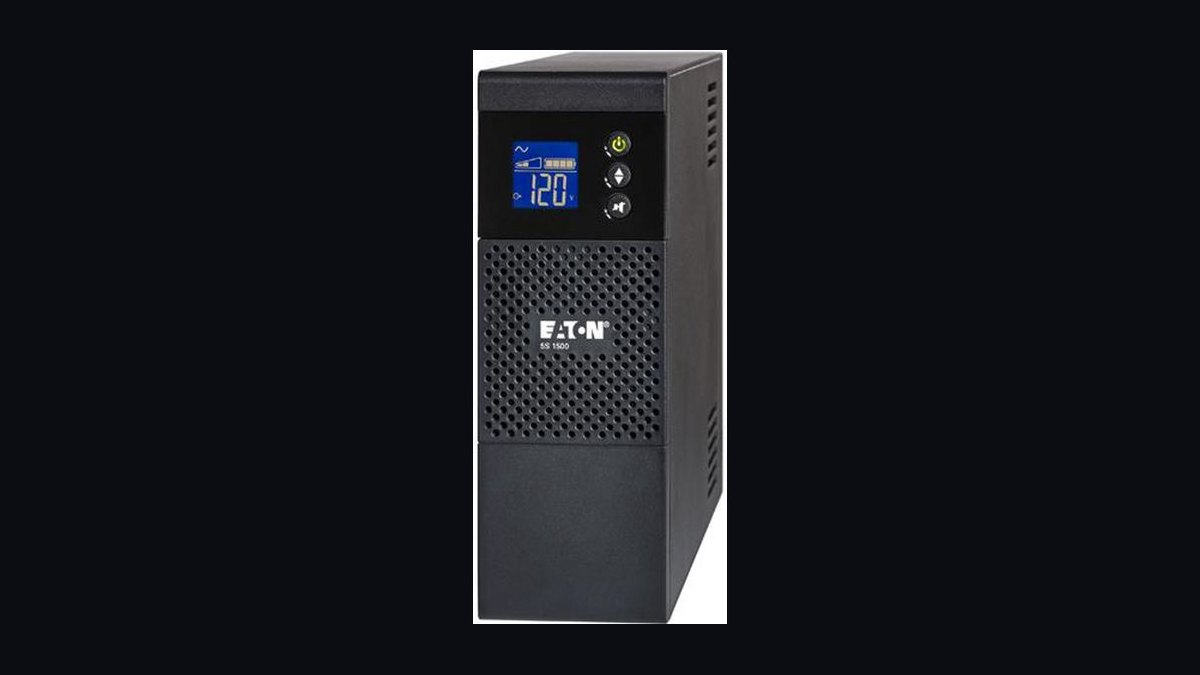
The Eaton 5S1500LCD lands seventh because Eaton's commercial-grade build quality and 1500VA/900W capacity translate to reliable switching and long service life in home networking closets. Its LCD shows load, battery, and input voltage, and runtime for a 20W load runs about 90 minutes. Eight outlets provide battery backup and surge protection, and the unit supports USB communication with Eaton's Intelligent Power Protector software for graceful shutdown.
It suits users who value Eaton's industrial reputation and are willing to pay a premium over consumer brands. It gives up pure sine wave output and USB charging ports, and its software is less polished than APC's PowerChute. Against the APC BR1000MS above, it offers more capacity but fewer convenience features and a higher price.
8CyberPower CP685AVR
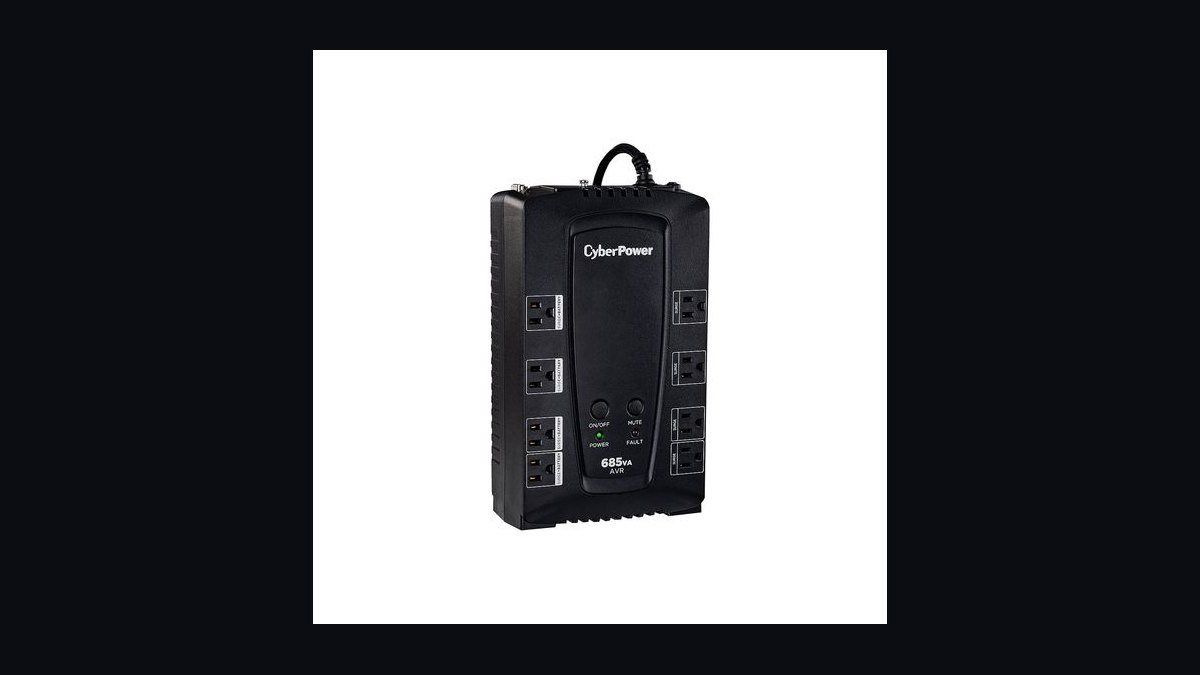
The CP685AVR takes eighth place as a compact 685VA/390W line-interactive unit with AVR, enough to keep a modem and router alive for roughly 35-50 minutes at a 15W load. Its eight outlets include four battery-plus-surge and four surge-only, and the AVR corrects brownouts without switching to battery. The 7.7-pound weight and small footprint fit easily on a shelf or floor beside networking gear.
It is aimed at budget buyers who want AVR and a trusted brand without paying for an LCD or pure sine wave. It gives up the display diagnostics of the Tripp Lite and the higher capacity of the CP1500AVRLCD above, and its 390W ceiling limits it to low-draw devices. For a router and modem only, it covers the essentials at a low price.
9APC Back-UPS BE425M
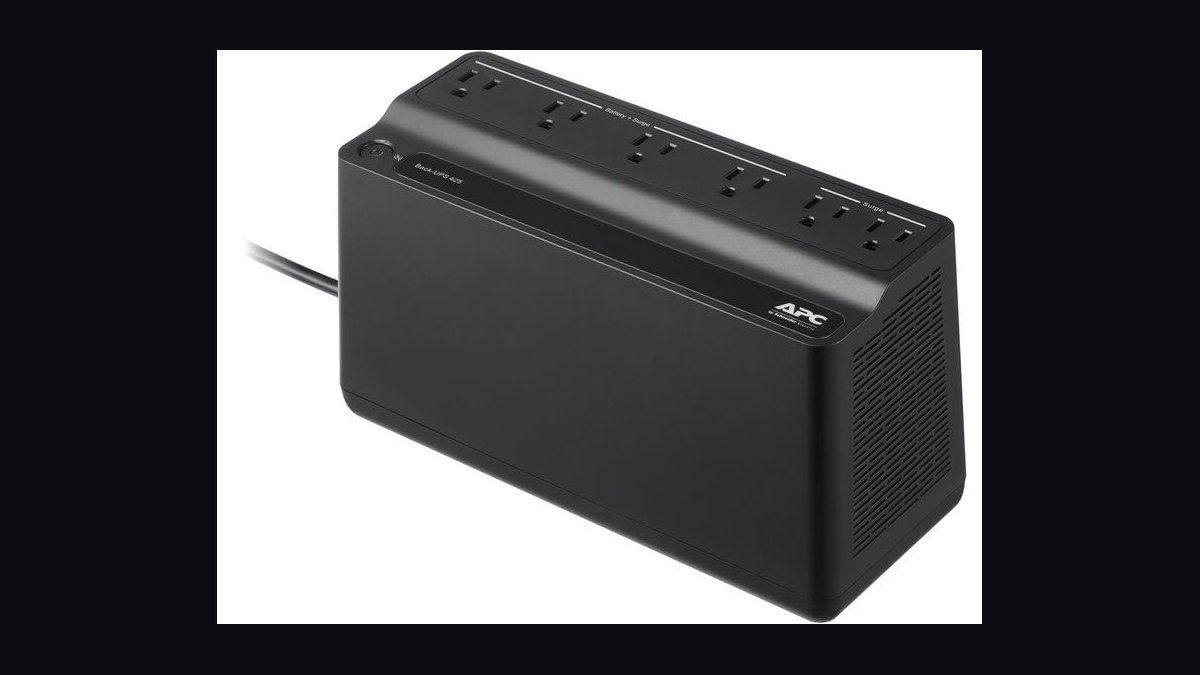
The BE425M ranks ninth because it is the cheapest APC unit that still provides battery backup for a modem and router, with 425VA/255W capacity delivering about 20-30 minutes at a 15W load. Six outlets include four battery-plus-surge and two surge-only, and the unit weighs just 3.8 pounds. It lacks AVR and an LCD, so it passes brownouts straight through until voltage drops enough to trigger battery mode.
This is the emergency-minimum pick for a single router in a location with rare, brief outages. It gives up voltage regulation, runtime, and outlet count versus the CP685AVR above, and its 255W ceiling rules out anything beyond low-draw networking gear. Buyers who experience frequent brownouts should step up to an AVR-equipped model.
10Tripp Lite INTERNET550U
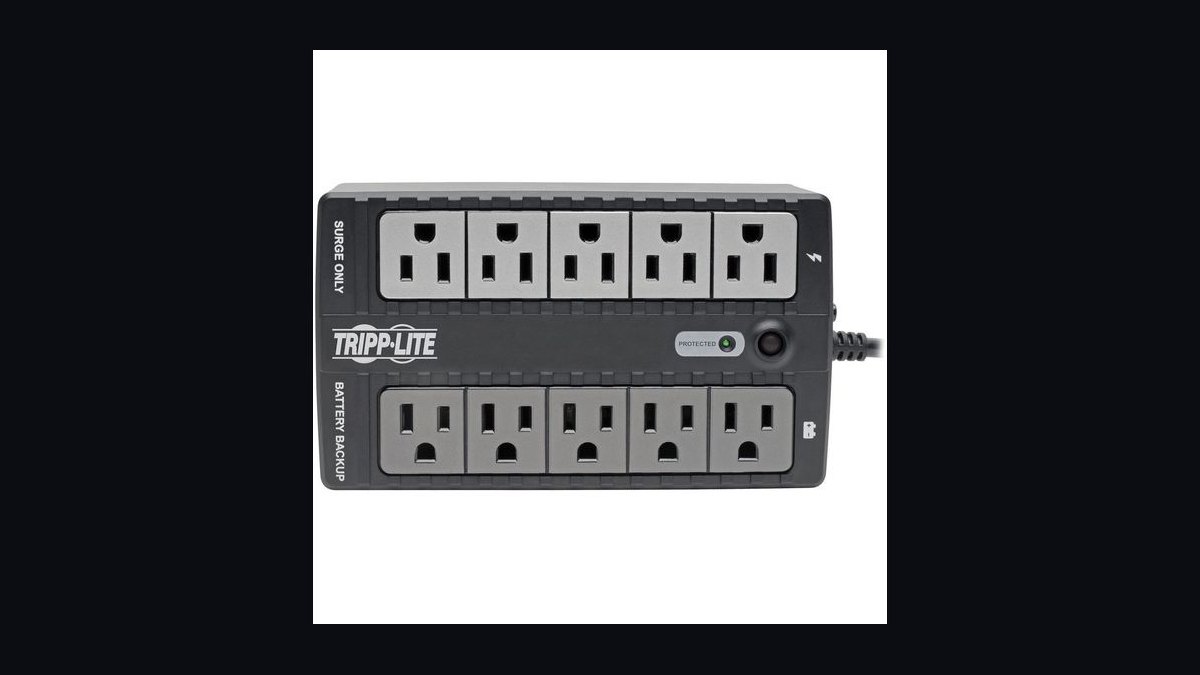
The INTERNET550U closes the list because it is purpose-built for home networking, with 550VA/300W capacity and eight outlets arranged specifically for a modem, router, and switch. Runtime for a 15W load runs about 30-40 minutes, and the unit includes tel/DSL and coaxial surge protection for the incoming line. Its compact vertical or horizontal mounting options fit tight network shelves.
It suits users who want line protection for coax and phone lines alongside battery backup, a feature most competitors omit. It gives up AVR, LCD diagnostics, and pure sine wave output, and its 300W ceiling is lower than the BE425M's competition above. For pure networking protection with coax, it is a focused, affordable choice.
How we ranked these
We measured each brand's UPS lineup on runtime at realistic home-network loads (10-30W), transfer time, sine-wave vs. simulated output, battery chemistry and user-replaceability, surge/coax/Ethernet protection, outlet count and spacing, AVR quality, app/cloud monitoring, warranty length, and RMA reputation from owner forums. Runtime at low load and output waveform carried the heaviest weight, since routers and ONTs are sensitive to dirty power. Warranty terms and replacement-battery availability were weighted next, then monitoring features.
We deliberately ignored peak VA ratings, since they describe a fraction of a second and mislead buyers comparing 1500VA units that run a router for wildly different times. We ignored MSRP, because street prices swing weekly. We ignored gamer-oriented RGB styling, marketing watt-hour claims without a stated load, and bundled software nobody installs. We also excluded enterprise-only lines and brands with no US retail support channel.
What to look for
What actually matters is watt-hours delivered at your real load, not VA. A router plus ONT plus a small switch draws roughly 15-25W, so a 150-300Wh unit can run for hours while a 1500VA/1000W tower may last 40 minutes. Check whether output is true sine wave, since some ONTs and mesh nodes buzz or reboot on stepped-approximation power. Confirm the battery is user-replaceable and still sold.
The mistake most buyers make is sizing for a desktop PC and then plugging the network gear into it, wasting capacity and runtime. Equally common: buying a UPS with only surge-protected outlets and assuming all ports are battery-backed, or forgetting coax/Ethernet protection for a cable or DSL line. Finally, many buyers never test a battery swap until an outage, then discover the model uses a proprietary pack.
Related questions
How long will a UPS run a router and modem?
Most home routers draw 8-15W and cable modems or ONTs draw 5-12W, so a combined 15-25W load is typical. A 150Wh UPS runs that for roughly five to eight hours; a 300Wh unit can exceed twelve. Small 350-600VA standby units often manage only 30-90 minutes, which is enough for brief outages but not extended ones.
Do I need a pure sine wave UPS for networking gear?
Not always, but it is safer. Many routers and ONTs tolerate stepped-approximation output, yet some power supplies buzz, run hot, or reboot when switched to battery. Mesh nodes and PoE injectors are more sensitive. If the price difference is small, choose sine wave; it also protects any device you later plug into the same unit.
Is a UPS worth it for a home network?
Yes if outages are frequent or your gear is expensive. A UPS prevents abrupt shutdowns that can corrupt router firmware, keeps you online during brief blips, and lets you shut down a NAS cleanly. If your area has stable power and you only care about a few seconds of ride-through, a cheaper surge protector may be adequate.
What is the difference between standby, line-interactive, and online UPS?
Standby units switch to battery only during outages and offer minimal regulation. Line-interactive adds automatic voltage regulation, correcting brownouts and surges without draining the battery, which suits most homes. Online double-conversion runs constantly from the inverter, giving the cleanest power and zero transfer time, but costs more, runs hotter, and is usually overkill.
Can I replace the battery in a consumer UPS?
Most line-interactive units use standard sealed lead-acid packs that are user-replaceable with a screwdriver, and third-party equivalents are cheap. Some slim or lithium models use proprietary packs. Before buying, check the manual for a battery part number and confirm replacements are still sold, otherwise the whole unit becomes disposable after three to five years.
Should I plug a laser printer into a UPS?
No. Laser printers draw huge surge currents during fusing, often exceeding a small UPS's capacity and tripping it offline. Inkjets are usually fine. Keep printers on a plain surge protector and reserve battery-backed outlets for routers, modems, switches, and NAS units, which draw steady low wattage and benefit most from runtime.
How often should I test or replace a UPS battery?
Run a self-test every three to six months, and replace the battery every three to five years or sooner if runtime drops noticeably. Heat accelerates aging, so units in closets or garages fail faster. Most brands sell replacement packs directly, and a fresh battery usually restores near-original runtime at a fraction of a new unit's cost.
Does a UPS protect against lightning strikes?
Only partially. A UPS provides surge protection and battery backup, but a direct or nearby strike can exceed any consumer device's clamping capacity. For real protection, use a whole-home surge arrester at the panel plus coax and Ethernet surge modules. No UPS warranty covers lightning damage, so do not rely on one as your only defense.
FAQ
Which UPS brand is best for a home router?
There is no single winner; it depends on runtime needs and budget. APC and CyberPower dominate US retail with wide battery availability. Eaton and Tripp Lite suit buyers wanting longer runtime and better build. For pure low-watt runtime, brands selling lithium units with high watt-hour ratings often beat traditional lead-acid towers at similar prices.
How many watts does a typical home network use?
A router uses about 8-15W, a cable modem or ONT about 5-12W, and an unmanaged switch 3-10W. A small NAS adds 15-40W. Total for a basic setup is usually 15-30W, which is why runtime estimates based on 100W desktop loads badly understate how long a UPS will actually keep you online.
Are lithium-ion UPS units better than lead-acid?
Lithium units are lighter, last longer, tolerate more cycles, and often deliver more watt-hours per dollar at low loads. Lead-acid is cheaper upfront and easier to recycle, but needs replacement every three to five years. For network gear that draws little power, lithium's higher usable capacity usually wins on total cost of ownership.
What size UPS do I need for a router and modem?
Size by watt-hours, not VA. Estimate your load, then decide how many hours you want. A 20W load for eight hours needs about 160Wh of usable capacity. Most 600-900VA line-interactive units provide 60-150Wh, while larger 1000-1500VA towers or lithium models reach 300Wh or more.
Do UPS units protect Ethernet and coax lines?
Some do. Mid-range and higher models often include RJ45 Ethernet and coaxial F-type jacks with surge suppression, which protects against surges traveling down data lines. This matters for cable, DSL, and fiber ONT setups. Check the spec sheet, because many budget units only offer surge-protected AC outlets and no data-line protection.
Why does my UPS beep constantly?
Continuous beeping usually means the unit is running on battery, the battery is failing, or the load exceeds capacity. A short chirp every few seconds often signals a self-test failure or overload. Check the manual's beep codes, reduce connected load, and run a self-test. If runtime is very short, replace the battery.
Can a UPS keep my internet running during an outage?
Only if the outage is on your side of the network. A UPS powers your router, modem, and ONT, but if the ISP's node or the coax plant loses power, your connection drops regardless. Fiber and cable systems often have backup at the headend, so short outages frequently stay online; long ones usually do not.
What warranty should I expect on a UPS?
Budget units typically carry two to three years, mid-range three years, and premium or enterprise lines three to five years with connected-equipment guarantees. Battery warranties are usually shorter than electronics coverage. Keep the receipt, since claims require proof of purchase and often registration within a set window after buying.
Is it safe to put a UPS in a closed cabinet?
Lead-acid UPS units vent small amounts of hydrogen and generate heat, so enclosed spaces need ventilation. Lithium units run cooler but still need airflow. Keep cabinets open at the back, avoid stacking units, and never cover vents. Heat is the leading cause of premature battery failure in home installations.
How do I know when to replace my UPS entirely?
Replace the unit when a new battery does not restore runtime, when the inverter or charger fails, or when the case shows swelling, burning smells, or scorch marks. Most electronics last through two or three battery cycles, roughly seven to twelve years. After that, replacement is usually cheaper than repair.
Sources
- https://www.apc.com/us/en/product-category/ups/
- https://www.cyberpowersystems.com/products/ups/
- https://www.eaton.com/us/en-us/products/backup-power-ups-surge-it-power-distribution.html
- https://www.tripplite.com/products/ups-systems
- https://www.techradar.com/best/best-ups
- https://www.tomshardware.com/best-picks/best-ups
- https://www.energystar.gov/products/uninterruptible_power_supplies
- https://www.osha.gov/etudes/battery-charging
Related on PULSE
This page will be disappearing soon. Save it to your device for $1 — or read it free while it is here.
@Kory-White- · if Venmo asks, the last 4 of my number are 2012
This page is gone.
This one is off the shelf now. $1 keeps it on your phone for good — the whole page, pictures and diagrams included.
 pulse-reviewsTop 10 Ethernet Adapters for MacBook — Best Overall + Best Value in 2027
 pulse-reviewsTop 10 Laser Levels — Best Overall + Best Value in 2027
 pulse-reviewsTop 10 Kegerators — Best Overall + Best Value in 2027
 pulse-reviewsTop 10 Standing Desks for Remote AEs in 2027
 pulse-reviewsTop 10 Phone Ring Holders — Best Overall + Best Value in 2027
 pulse-reviewsTop 10 Vibration Plates — Best Overall + Best Value in 2027
 pulse-reviewsTop 10 Webcam Privacy Covers — Best Overall + Best Value in 2027
 pulse-reviewsTop 10 Stick Welders — Best Overall + Best Value in 2027
 pulse-reviewsTop 10 Acoustic Panels for Home Studio — Best Overall + Best Value in 2027
 pulse-reviewsTop 10 Rotary Tools — Best Overall + Best Value in 2027