
Top 10 Smart Home Builders in 2027
 Curated byKory White · Fractional CRO · Maryland
 PULSEKNOWLEDGE LIBRARY
The Best Overall smart home builder for 2027 is Toll Brothers, whose luxury homes start around $700,000 and routinely cross $2M+, because it pairs national scale with a deep Toll Brothers Smart Home integration program (whole-home automation, structured wiring, EV-ready garages, and pre-wired security) baked in at the construction phase rather than bolted on later.
The Best Value pick is Lennar, whose homes start near $350,000 and ship with the Connected Home package — a standardized Wi-Fi CertifiedTM mesh design plus a Ring, Honeywell Home, and smart-lock bundle — as included equipment, not an upcharge.
This list is built for buyers who want connected, energy-smart living wired in from the slab up, whether the budget sits near $350,000 for a production home or stretches past $3M for a fully custom estate. Every builder, program, and price below reflects real, current 2026–2027 offerings.
How We Ranked the Top 10
We weighted each builder against what connected-home buyers actually pay for and live with daily. We leaned on published data from builder corporate pages, Builder Magazine's Builder 100, Zillow, Realtor.com, Consumer Reports, and Energy Star certification records. The weighting:
- Smart-tech depth and integration quality — 25%
- Build quality and reputation — 20%
- Energy efficiency and EV readiness — 20%
- Value and included tech — 15%
- Availability and market coverage — 10%
- Customization and upgrade path — 10%
A builder that bolts a video doorbell onto an otherwise dumb house scores low; the winners design wiring, power, and software together.
1. Toll Brothers 🏆 BEST OVERALL

Type: National luxury builder | Entry price: ~$0.7M (to $3M+) | Best for: Luxury buyers who want automation engineered in from day one
Toll Brothers is the most complete smart-home builder in the country for buyers with real budgets. Its Toll Brothers Smart Home offering layers structured wiring, whole-home audio, automated lighting and shades, Control4 or comparable hubs, pre-wired security and camera runs, and EV-ready 240V garage circuits into the design phase, so the systems are clean rather than retrofitted. Communities span from Pennsylvania and New Jersey to Texas, Arizona, Nevada, and California, with median selling prices among the highest of any public builder. Buyers here tend to be move-up and luxury households who want a turnkey connected estate without hiring a separate integrator.
Pros:
- Deep, designed-in automation (lighting, shades, audio, security)
- EV-ready garages and high-capacity structured wiring standard on many plans
- Strong build quality and luxury finish reputation
- Nationwide footprint with extensive floor-plan customization
Cons:
- Premium pricing puts entry homes near $700,000
- Full automation packages add meaningful upgrade cost
Verdict: The most complete luxury smart-home builder — automation engineered in, not added after, with the finishes to match.
2. Lennar 💎 BEST VALUE

Type: National production builder | Entry price: ~$0.35M | Best for: Buyers who want included smart tech without paying extra
Lennar pioneered standardizing smart tech as included content rather than an option, and that still makes it the value leader. Its Connected Home design ships every home with a professionally planned Wi-Fi CertifiedTM mesh layout, plus a bundle that typically includes a Ring video doorbell, smart locks, Honeywell Home thermostat, smart switches, and a Sonos-ready or built-in audio prep — all at no separate charge on most plans. Homes start near $350,000 in many markets and Lennar builds in nearly every major U.S. metro. The buyer here is the first-time or move-up family who wants connected basics working on move-in day without a custom-integrator bill.
Pros:
- Smart bundle included, not an upcharge, on most plans
- Professionally designed whole-home Wi-Fi (Wi-Fi CertifiedTM)
- Lowest realistic entry point of any top pick at ~$350,000
- Available in nearly every major U.S. market
Cons:
- Production finishes trail luxury builders
- Less room to customize the automation stack
Verdict: The value champion — real, included connected-home tech at production-home prices.
3. PulteGroup (Pulte / Del Webb / DiVosta)

Type: National production builder | Entry price: ~$0.4M | Best for: Buyers who want curated smart options and strong energy specs
PulteGroup sells across its Pulte, Del Webb, and DiVosta brands and offers a curated smart-home option menu — video doorbells, smart thermostats, keyless entry, garage controllers, and lighting — that buyers add through the design center. Pricing typically opens near $400,000, and Del Webb brings the same connected options to active-adult communities across Florida, Arizona, and the Carolinas. Pulte pairs the tech with strong Energy Star practices and tight building envelopes. The buyer here values a clean, à-la-carte path to a connected home without committing to a full luxury automation system.
Pros:
- Curated, easy-to-select smart option menu
- Strong energy-efficient construction across brands
- Del Webb extends smart options to 55+ communities
- Wide national availability and trusted reputation
Cons:
- Smart features are mostly paid options, not included
- No unified high-end automation hub standard
Verdict: A flexible, well-built pick — ideal if you want to choose your smart features one by one.
4. KB Home

Type: National production builder | Entry price: ~$0.35M | Best for: Energy-conscious buyers who want efficiency plus connectivity
KB Home leads the major builders on energy performance, and that pairs naturally with smart tech. Many KB communities are all-electric, solar-ready, and built to a published Energy Performance Guide, while the KB Smart Home options add Google Nest thermostats, smart locks, video doorbells, and connected lighting. Homes start near $350,000 in markets across California, Texas, Arizona, Nevada, and Florida. KB has shipped microgrid-ready, solar-and-battery communities, making it a standout for buyers who see "smart" as energy intelligence first. The typical buyer is a value-focused, sustainability-minded household.
Pros:
- Class-leading energy efficiency and solar readiness
- Google Nest and connected options across plans
- Pioneering solar-plus-battery microgrid communities
- Competitive entry pricing near $350,000
Cons:
- Automation depth trails luxury integrators
- Best energy tech concentrated in select communities
Verdict: The efficiency-first smart pick — buy it when low energy bills and connectivity matter equally.
5. Taylor Morrison

Type: National builder | Entry price: ~$0.45M | Best for: Move-up buyers who want quality plus a connected option suite
Taylor Morrison blends solid build quality with a flexible smart-options program through its design studios. Buyers can add smart thermostats, video doorbells, smart locks, structured wiring, and whole-home audio prep, and the builder has a strong reputation for customer satisfaction in third-party surveys. Pricing generally opens near $450,000, with communities across Arizona, Texas, Florida, Georgia, and the Carolinas. Taylor Morrison's Canopy smart-tech collaborations have brought curated bundles to select markets. The buyer here is a discerning move-up household that wants better finishes and a connected option path without full-luxury pricing.
Pros:
- Strong customer-satisfaction track record
- Flexible smart-options and structured-wiring upgrades
- Solid finishes a notch above entry production builders
- Broad Sun Belt and Southeast availability
Cons:
- Connected features are upgrades, not standard
- Pricing runs above the value leaders
Verdict: A quality move-up pick — connected options plus better finishes for buyers stepping up.
6. Meritage Homes

Type: National production builder | Entry price: ~$0.4M | Best for: Buyers who want net-zero-capable, energy-smart homes
Meritage Homes built its brand on energy efficiency, and its homes carry standard features that overlap heavily with smart living: spray-foam insulation, high-efficiency HVAC, Energy Star certification, and solar-ready designs, plus smart-thermostat and connected-lock options. Some Meritage communities are marketed as net-zero capable. Pricing typically starts near $400,000 across Texas, Arizona, Florida, the Carolinas, and the Mountain West. The buyer here cares about monthly cost and comfort as much as gadgets, and wants a tight, efficient shell that smart controls can manage well.
Pros:
- Industry-leading standard energy-efficiency package
- Net-zero-capable and solar-ready designs
- Smart thermostat and lock options available
- Reasonable entry pricing near $400,000
Cons:
- Lighter on whole-home automation than rivals
- Smart extras are optional add-ons
Verdict: The net-zero-minded pick — a super-efficient shell that smart controls run beautifully.
7. David Weekley Homes

Type: National private builder | Entry price: ~$0.45M | Best for: Buyers who want customization and a strong service reputation
David Weekley Homes, the largest privately held builder in the country, is known for personalization and consistently high customer-service ratings. Its design centers let buyers specify structured wiring, smart thermostats, video doorbells, keyless entry, and whole-home audio, and its EnergySaverTM program keeps efficiency high. Homes generally start near $450,000 across Texas, Florida, the Carolinas, Colorado, and the Southeast. The buyer here values a hands-on, customizable build and wants a builder that will wire the home exactly how they intend to use it.
Pros:
- Deep personalization and design flexibility
- Excellent customer-service reputation
- EnergySaverTM efficiency program standard
- Structured wiring and smart options readily added
Cons:
- No included smart bundle at base price
- Availability narrower than the largest public builders
Verdict: The customizer's pick — wire it exactly your way with a builder that sweats the service.
8. Tri Pointe Homes
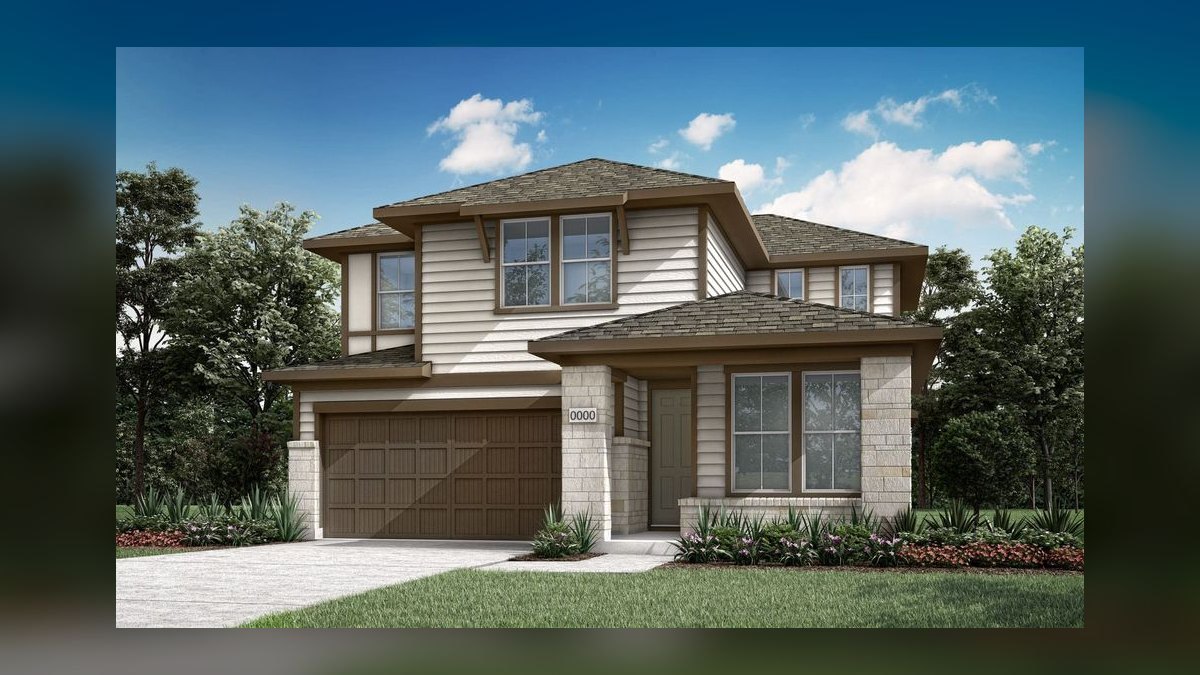
Type: Regional-to-national builder | Entry price: ~$0.5M | Best for: Design-forward buyers who want premium connected finishes
Tri Pointe Homes targets the premium production tier with strong design and a LivingSmart-style efficiency and connectivity approach. Buyers can add smart thermostats, connected security, EV-ready garage wiring, structured cabling, and automated lighting, and the builder's homes lean modern and well-appointed. Pricing typically opens near $500,000 across California, Colorado, Texas, Arizona, and the Carolinas. The buyer here is a design-conscious move-up household that wants a connected home with elevated architecture and finishes without crossing into custom-luxury territory.
Pros:
- Strong, modern design and premium finishes
- EV-ready and structured-wiring options common
- Efficiency-focused construction approach
- Connected security and lighting upgrades available
Cons:
- Higher entry pricing near $500,000
- Smart depth varies by community
Verdict: The design-forward pick — premium architecture with a solid connected-home option path.
9. Thomas James Homes
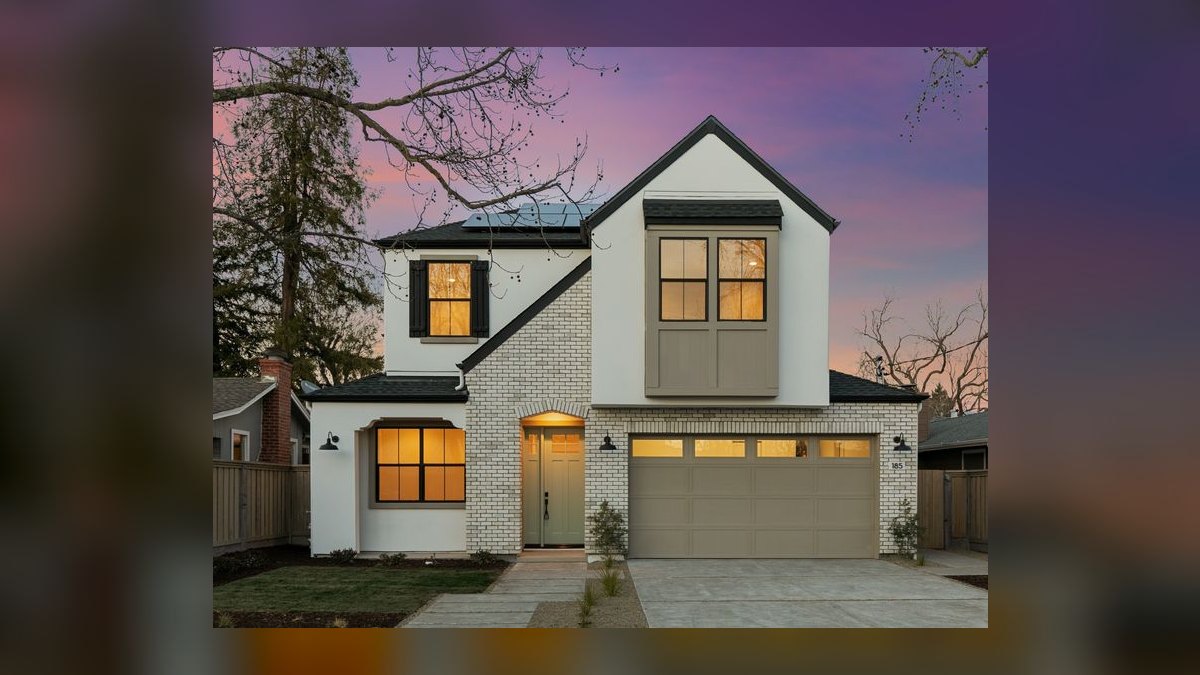
Type: Infill custom-replacement builder | Entry price: ~$1.2M+ | Best for: Urban buyers who want a new smart home on an existing lot
Thomas James Homes specializes in replacement and infill new construction in established neighborhoods, building modern smart-ready homes where the land is the premium. Its homes routinely include pre-wired automation, smart thermostats and locks, EV charging provisions, security pre-wire, and energy-efficient systems, delivered in desirable metros like Los Angeles, the Bay Area, Seattle, Denver, and Phoenix. Pricing reflects high-cost urban land and typically starts well above $1.2M. The buyer here wants a brand-new connected home in an already-built, walkable area rather than a far-out subdivision.
Pros:
- New smart-ready homes in established, premium neighborhoods
- EV charging and automation pre-wire common
- Modern, energy-efficient designs
- Streamlined build-on-your-lot or replacement process
Cons:
- High prices driven by urban land costs
- Limited to specific metro markets
Verdict: The urban-infill pick — a new connected home where location, not lot size, is the draw.
10. Blu Homes / Plant Prefab (smart prefab)
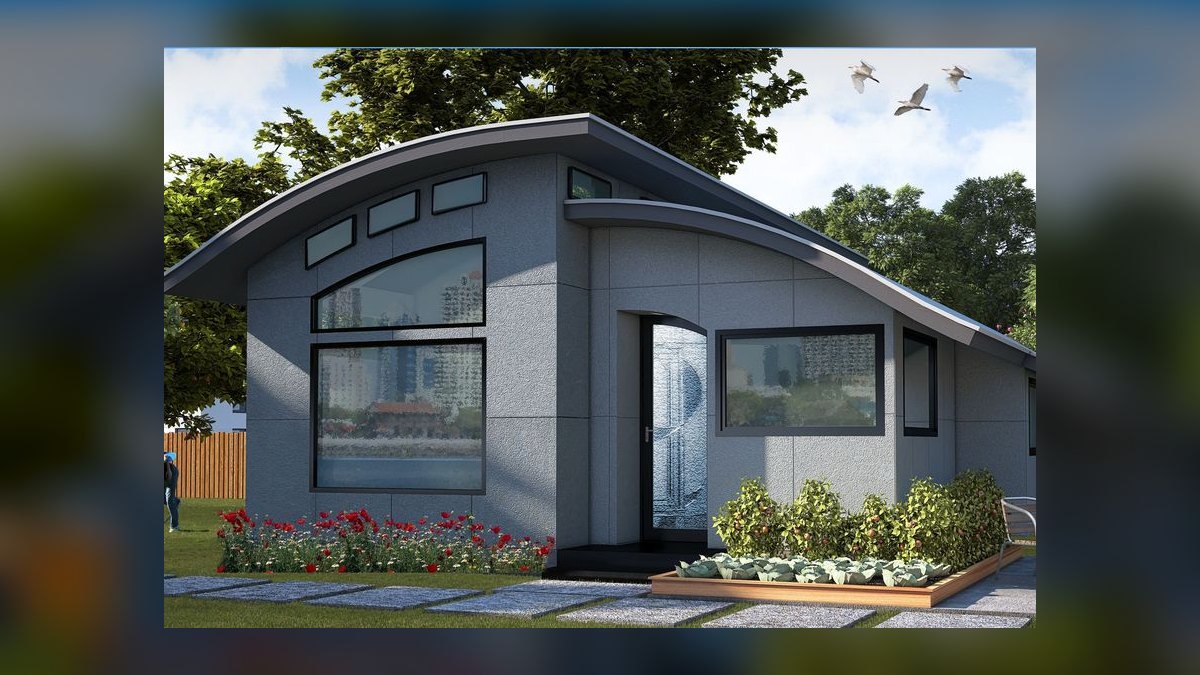
Type: Prefab / modular smart builder | Entry price: ~$0.4M (to $1M+) | Best for: Buyers who want a factory-built, energy-smart connected home
Rounding out the list, Plant Prefab (and the prefab category broadly) delivers factory-built, highly efficient homes with smart and sustainable systems engineered in. Plant Prefab's homes feature tight, energy-efficient envelopes, solar and battery readiness, EV charging provisions, and pre-integrated smart controls, built in a controlled facility for tight quality.
Projects span California and the broader West, with all-in pricing that commonly starts near $400,000 and rises with size and site work past $1M. The buyer here values speed, sustainability, and a connected, factory-precise build.
Pros:
- Factory precision with strong energy efficiency
- Solar, battery, and EV readiness designed in
- Pre-integrated smart controls
- Faster build timelines than site-built custom
Cons:
- Site work and delivery add real cost
- Geographic coverage is limited
Verdict: The factory-smart pick — efficient, connected, and precise for buyers open to prefab.
Which One Is Right for You?
What to Look For
- Designed-in vs bolted-on tech — The best smart homes plan wiring, power, and hubs during construction. Ask whether automation is engineered in (Toll Brothers) or a kit added at the end.
- Structured wiring and Wi-Fi design — A professionally planned Wi-Fi CertifiedTM mesh and structured cabling beat a single router. Lennar plans this for every home.
- EV and electrical readiness — Confirm 240V EV-ready garage circuits and panel capacity; retrofitting later is expensive.
- Energy intelligence — Smart thermostats matter most on an efficient shell. KB Home and Meritage lead on the envelope and solar readiness.
- Included vs upgrade — Clarify what's standard. Lennar includes a bundle; Pulte, KB, and Taylor Morrison sell most smart features as options.
- Upgrade and integrator path — Ask whether you can extend the system later with Control4, Google Home, or Ring without rewiring.
What matters less than the hype: the number of gadgets in a launch-day press kit, voice-assistant brand badges, and app screenshots. Solid wiring, a strong network, EV readiness, and an efficient shell decide how well your smart home actually works in year five.
FAQ
Which builder is the best overall for smart homes in 2027? Toll Brothers earns the top spot because it engineers automation — lighting, shades, audio, security, and EV-ready wiring — into the design phase rather than adding it later, backed by luxury finishes and a national footprint.
Which smart home builder is the best value? Lennar is the value leader: its Connected Home program ships a professionally designed Wi-Fi CertifiedTM mesh plus a Ring, smart-lock, and Honeywell Home bundle as included content on most plans, with entry pricing near $350,000.
Do production builders include smart-home tech for free? Some do. Lennar includes a standard bundle on most plans. Pulte, KB Home, Taylor Morrison, and David Weekley typically sell smart features as design-center options instead.
Which builders are best for energy efficiency? KB Home and Meritage Homes lead on efficiency, with all-electric, solar-ready, and net-zero-capable designs; KB has also built solar-plus-battery microgrid communities.
Can I get a smart home in an established neighborhood instead of a subdivision? Yes. Thomas James Homes specializes in infill and replacement new construction, delivering brand-new smart-ready homes in walkable, already-built metros like Los Angeles, Seattle, and Denver.
Are prefab smart homes any good? Factory builders like Plant Prefab deliver tight, energy-efficient homes with solar, battery, EV readiness, and pre-integrated smart controls; the tradeoffs are limited geography and added site/delivery costs.
Bottom Line
For 2027, Toll Brothers is our Best Overall smart home builder — entry homes near $700,000 rising past $3M, with automation, structured wiring, and EV readiness engineered in from the slab. Lennar is our Best Value, shipping a genuinely included Connected Home bundle and professional Wi-Fi design at production prices near $350,000.
If your priorities lean toward energy intelligence, an established-neighborhood build, or a factory-precise home, the decision tree above points you to KB Home, Meritage, Thomas James Homes, or Plant Prefab. Buy on wiring, network, EV readiness, and the efficiency of the shell — not the size of the launch-day gadget list.
Related on PULSE
- [Top 10 Custom Home Builders in Atlanta](/knowledge/es0347)
- [Top 10 Custom Home Builders in Houston](/knowledge/es0348)
- [Top 10 Custom Home Builders in Austin](/knowledge/es0349)
- [Top 10 Custom Home Builders in Phoenix](/knowledge/es0350)
- [Top 10 Custom Home Builders in Miami](/knowledge/es0346)
- [Top 10 Luxury Custom Home Builders in Florida](/knowledge/es0034)
Sources
- Toll Brothers — smart home and luxury communities
- Lennar — Connected Home everything's included
- PulteGroup — Pulte, Del Webb, DiVosta brands
- KB Home — energy and smart home options
- Builder Magazine — Builder 100 rankings
- Zillow — new construction listings and prices
- Realtor.com — new homes and builder data
- Energy Star — certified new homes
- Wall Street Journal — real estate and new construction
- Plant Prefab — sustainable prefab homes
*Smart home builders review — smart home builder reviews, rating, best smart home builder 2027, and a review of the top connected new-construction builders for buyers.*
People also search for: best smart home builders 2027 · top smart home builders 2027 · top rated smart home builders 2027 · top ranked smart home builders 2027 · highest rated smart home builders 2027 · smart home builders reviews 2027
@Kory-White- · if Venmo asks, the last 4 of my number are 2012
 pulse-aquariumsTop 10 Canister Filters 2027
 aqTop 10 Hang-On-Back Aquarium Filters 2027
 pulse-reviewsTop 10 Cabin Cruiser Boats 2027
 pulse-aquariumsTop 10 Aquarium Filters 2027
 pulse-moviesTop 10 Movies on Netflix 2027
 pulse-moviesTop 10 Movies on Max 2027
 pulse-moviesTop 10 Fantasy Movies of All Time in 2027
 pulse-moviesTop 10 Documentaries of All Time in 2027
 pulse-moviesTop 10 Superhero Movies of All Time in 2027
 pulse-moviesTop 10 Romance Movies of All Time in 2027