

Top 10 Best Places to Retire in Georgia in 2027
 Curated byKory White · Fractional CRO · Maryland
Quality
Certified

Georgia offers retirees a compelling mix of mild climate, tax-friendly policies (including a retirement income exclusion), and diverse landscapes from the Blue Ridge Mountains to the Golden Isles. The Best Overall pick for retirement in Georgia is Savannah, combining historic charm, walkability, coastal access, and a lower cost of living than many other Southern cities.
The Best Value pick is Augusta, where you get strong healthcare infrastructure, golf culture, and affordable housing without the premium pricing of Atlanta suburbs. This list is built for retirees seeking real, verifiable communities with honest notes on cost of living, healthcare access, climate considerations, and lifestyle fit. Every entry below is evaluated as a currently active market with verifiable data and a clear reason to consider it.
How We Ranked the Top 10
We weighted each Georgia location against what retirees actually optimize for, using data from U.S. News Best Places to Retire, Niche, Sperling's Best Places, AARP, and local economic development sources. The weighting:
- Cost of living — 25%
- Healthcare access and quality — 20%
- Climate and natural disaster risk — 15%
- Recreation and lifestyle fit — 15%
- Tax friendliness for retirees — 15%
- Community, walkability, and social opportunities — 10%
A famous name with high hurricane risk or limited healthcare drops fast. A smaller town with fair pricing, good hospitals, and active adult programming climbs. The winners balance all six for retirement living in Georgia.
1. Savannah 🏆 BEST OVERALL

Type: Historic coastal city | Cost of living index: 94.2 (below national average) | Median home price: ~$350,000 | Best for: Retirees seeking walkable historic charm, coastal lifestyle, and cultural richness
Savannah stands out as a retirement destination for its unique combination of historic squares, walkable downtown, and access to the Atlantic coast. The city's Historic District is one of the largest National Historic Landmark districts in the U.S., offering retirees endless opportunities for strolling, photography, and history exploration. The Savannah College of Art and Design (SCAD) brings a vibrant arts scene with galleries, performances, and lectures open to the public.
The numbers work well for retirees. Georgia's retirement income exclusion allows residents 65 and older to exclude up to $65,000 per person ($130,000 for married couples) of retirement income from state income tax. Property taxes in Chatham County are moderate, and the overall cost of living sits below the national average. Healthcare is anchored by the St. Joseph's/Candler Health System and Memorial Health University Medical Center, both providing comprehensive care.
Climate considerations are real — Savannah faces hurricane risk and humid summers. Flood insurance may be required in certain zones. However, the mild winters and extended outdoor season (March through November) appeal to many retirees.
Pros:
- Walkable historic downtown with abundant parks and squares
- Strong arts and cultural scene through SCAD and local theaters
- Coastal access — Tybee Island beaches 20 minutes away
- Tax-friendly for retirement income
- Growing retiree community with active social groups
Cons:
- Hurricane and flood risk — verify insurance costs
- Hot, humid summers with high heat index
- Tourism crowds in Historic District during peak season
- Some areas have limited healthcare specialists
Verdict: Savannah earns its top spot for retirees who value walkability, culture, and coastal living — just underwrite flood insurance and summer heat before committing.
2. Augusta 💎 BEST VALUE

Type: River city | Cost of living index: 89.5 (well below national average) | Median home price: ~$280,000 | Best for: Retirees seeking affordable housing, excellent healthcare, and golf lifestyle
Augusta offers remarkable value for retirees, anchored by the world-class Augusta University Health System and proximity to the Medical College of Georgia. The city is home to the Master's Tournament at Augusta National Golf Club, but the broader area offers dozens of public and private golf courses at a fraction of the cost. The Savannah River provides waterfront recreation, and the Augusta Canal offers walking and biking trails.
Housing affordability is a major draw — you can find a well-maintained 3-bedroom home in a desirable neighborhood for under $300,000. Property taxes in Richmond County are among the lowest in the state. The cost of living index of 89.5 means retirees' dollars stretch significantly further than in Atlanta or Savannah.
The city has invested in downtown revitalization, with new restaurants, breweries, and the Augusta Riverwalk attracting visitors and residents alike. The climate is similar to much of Georgia — hot summers, mild winters — but inland location reduces hurricane risk compared to coastal areas.
Pros:
- Excellent healthcare — Augusta University Health is a regional leader
- Very affordable housing market
- Low property taxes
- Golf mecca with public and private options
- Growing downtown dining and entertainment scene
Cons:
- Hot, humid summers
- Limited public transportation
- Some neighborhoods have higher crime rates — research carefully
- Fewer cultural amenities than Atlanta or Savannah
Verdict: Augusta delivers the best value in Georgia for retirees who prioritize healthcare access and affordable living — verify neighborhood safety before buying.
3. Athens

Type: College town | Cost of living index: 93.8 (below national average) | Median home price: ~$375,000 | Best for: Retirees who want lifelong learning, music scene, and walkable neighborhoods
Athens, home to the University of Georgia, offers retirees access to top-tier education, Division I athletics, and a nationally recognized music scene. The university's Osher Lifelong Learning Institute (OLLI) provides non-credit courses for adults 50+, and the Georgia Museum of Art and State Botanical Garden of Georgia offer free cultural enrichment.
The healthcare landscape is strong, anchored by Piedmont Athens Regional Medical Center and St. Mary's Health Care System. The cost of living remains below the national average, though home prices have risen as Atlanta commuters discover the city. The classic Five Points neighborhood and Boulevard Historic District offer walkable, tree-lined streets popular with retirees.
Athens' location provides easy access to Atlanta (about 70 miles west) for major airport and specialist care, while maintaining a smaller-city feel. The music scene that launched R.E.M. and the B-52s continues to thrive, with venues like the Georgia Theatre and 40 Watt Club hosting live music most nights.
Pros:
- University resources — OLLI, museums, botanical gardens
- Strong healthcare with two major hospitals
- Walkable historic neighborhoods
- Vibrant music and arts scene
- Easy access to Atlanta
Cons:
- Football game day traffic and crowds (fall Saturdays)
- Rising home prices in desirable neighborhoods
- Limited public transit
- Summer heat and humidity
Verdict: Athens is ideal for intellectually curious retirees who want college-town energy without big-city prices — just plan around football season.
4. Blue Ridge

Type: Mountain town | Cost of living index: 97.2 (near national average) | Median home price: ~$425,000 | Best for: Retirees seeking mountain scenery, outdoor recreation, and small-town charm
Blue Ridge sits in the North Georgia mountains, offering retirees a completely different landscape from the rest of the state. The Blue Ridge Scenic Railway runs along the Toccoa River, and the Chattahoochee National Forest provides hiking, fishing, and camping opportunities. The town's historic downtown features boutique shopping, farm-to-table dining, and art galleries.
The climate is a significant draw — summers are milder than the rest of Georgia (temperatures typically 5-10°F cooler), and winters bring occasional snow that adds beauty without major disruption. The mountain setting also reduces hurricane risk compared to coastal areas.
Healthcare is the main trade-off. The Fannin Regional Hospital provides basic care, but specialists and major medical facilities require a drive to Chattanooga, TN (about 60 miles) or Atlanta (about 90 miles). Retirees with significant health concerns should factor this into their decision.
Pros:
- Stunning mountain scenery and outdoor recreation
- Cooler summer temperatures
- Charming walkable downtown
- Lower hurricane risk
- Active retiree community with clubs and organizations
Cons:
- Limited local healthcare — requires travel for specialists
- Higher home prices than state average
- Limited job opportunities for those who want part-time work
- Mountain roads can be challenging in winter weather
Verdict: Blue Ridge is perfect for active retirees who prioritize nature and scenery over urban amenities — plan for healthcare access carefully.
5. Peachtree City

Type: Planned community | Cost of living index: 105.2 (above national average) | Median home price: ~$475,000 | Best for: Retirees who want golf cart living, active adult communities, and Atlanta proximity
Peachtree City is a unique planned community in metro Atlanta famous for its 90+ miles of golf cart paths. Many retirees here use golf carts as primary transportation for errands, dining, and social visits. The city has several active adult communities, including The Landings and Plantation at Pine Lake, with age-restricted options.
The city's location provides easy access to Piedmont Fayette Hospital and Atlanta's major medical centers about 30 minutes north. The Peachtree City Tennis Center and multiple golf courses cater to active retirees. The cost of living is above the national average, reflecting the premium for the planned community lifestyle.
The city's design emphasizes green space, with over 2,000 acres of parks and lakes. The Line Creek Nature Area and Lake Peachtree offer walking trails and fishing. The retiree population is substantial, with many clubs and social organizations specifically for seniors.
Pros:
- Unique golf cart transportation system
- Active adult communities available
- Excellent parks and recreation facilities
- Close to Atlanta healthcare
- Low crime rates
Cons:
- Higher cost of living and home prices
- HOA fees in many neighborhoods
- Limited cultural attractions — requires Atlanta drive
- Summer heat and humidity
Verdict: Peachtree City is ideal for retirees who want an active, social lifestyle with unique golf cart living — budget for HOA fees and Atlanta commutes for culture.
6. St. Simons Island

Type: Coastal barrier island | Cost of living index: 112.5 (above national average) | Median home price: ~$550,000 | Best for: Retirees seeking beach lifestyle, golf, and coastal community
St. Simons Island is one of Georgia's Golden Isles, offering retirees a laid-back coastal lifestyle with year-round mild weather. The island features the St. Simons Island Lighthouse Museum, Driftwood Beach, and miles of biking and walking trails through maritime forests. The King and Prince Beach & Golf Resort and Sea Island Golf Club provide premier golf access.
The Southeast Georgia Health System operates a hospital on the island and a larger campus in nearby Brunswick. The cost of living is significantly above the state average, driven by high housing costs and property insurance premiums. Flood insurance is required in many areas, and hurricane risk is a real concern.
The island has a strong sense of community, with farmers markets, art festivals, and church-based social groups. The Coastal Georgia Audubon Society and local nature centers offer programming for nature-loving retirees.
Pros:
- Beautiful beaches and coastal scenery
- Mild year-round climate
- Excellent golf and outdoor recreation
- Strong community feel
- Active retiree population
Cons:
- Very high cost of living
- Hurricane and flood risk — expensive insurance
- Limited healthcare specialists on island
- Tourist crowds in peak season
Verdict: St. Simons Island is a dream for coastal-loving retirees with the budget to match — just factor in insurance costs and hurricane preparedness.
7. Roswell

Type: Atlanta suburb | Cost of living index: 108.3 (above national average) | Median home price: ~$525,000 | Best for: Retirees who want suburban amenities, historic charm, and Atlanta access
Roswell combines historic downtown charm with suburban convenience. The Roswell Historic District features antebellum homes, boutique shopping, and the Roswell Riverwalk along the Chattahoochee River. The city has invested in senior programming through the Roswell Senior Center and Adult Recreation Center.
Healthcare access is excellent, with Northside Hospital-Forsyth and WellStar North Fulton Hospital nearby, plus Atlanta's major medical centers within 30 minutes. The Chattahoochee Nature Center and multiple golf courses provide recreation options.
The cost of living is above the national average, reflecting the premium for a desirable Atlanta suburb. Property taxes in Fulton County are higher than many other Georgia counties. However, the city offers excellent city services, low crime rates in most neighborhoods, and strong community engagement.
Pros:
- Historic downtown with walkable amenities
- Excellent healthcare access
- Strong senior programming and services
- Chattahoochee River recreation
- Low crime rates
Cons:
- High cost of living and property taxes
- Traffic congestion on major corridors
- Atlanta commuter traffic affects local roads
- Limited public transportation
Verdict: Roswell suits retirees who want suburban comfort with walkable historic charm and Atlanta access — budget for higher taxes and traffic.
8. Macon

Type: Historic mid-sized city | Cost of living index: 81.2 (well below national average) | Median home price: ~$200,000 | Best for: Retirees on a budget who appreciate music history and historic architecture
Macon offers the lowest cost of living on this list, with home prices averaging around $200,000. The city is known as the "Cherry Blossom Capital of the World" and is the birthplace of Little Richard and Otis Redding. The Macon Music Trail celebrates this heritage, and the Grand Opera House hosts performances year-round.
Healthcare is anchored by Atrium Health Navicent and Coliseum Medical Centers, providing comprehensive care. The city has invested in downtown revitalization, with new restaurants, breweries, and the Ocmulgee Mounds National Historical Park offering hiking and history.
The trade-off is that Macon has higher crime rates than many other Georgia retirement destinations. Retirees should research specific neighborhoods carefully — areas like Ingleside and Vineville are popular with retirees for their historic homes and established communities.
Pros:
- Very low cost of living and home prices
- Rich music history and cultural attractions
- Good healthcare infrastructure
- Historic architecture at affordable prices
- Central location — 80 minutes to Atlanta
Cons:
- Higher crime rates in some areas
- Limited walkability outside historic districts
- Fewer retiree-specific amenities
- Hot, humid summers
Verdict: Macon is a budget-friendly option for retirees who value music, history, and affordability — prioritize neighborhood research for safety.
9. Dahlonega
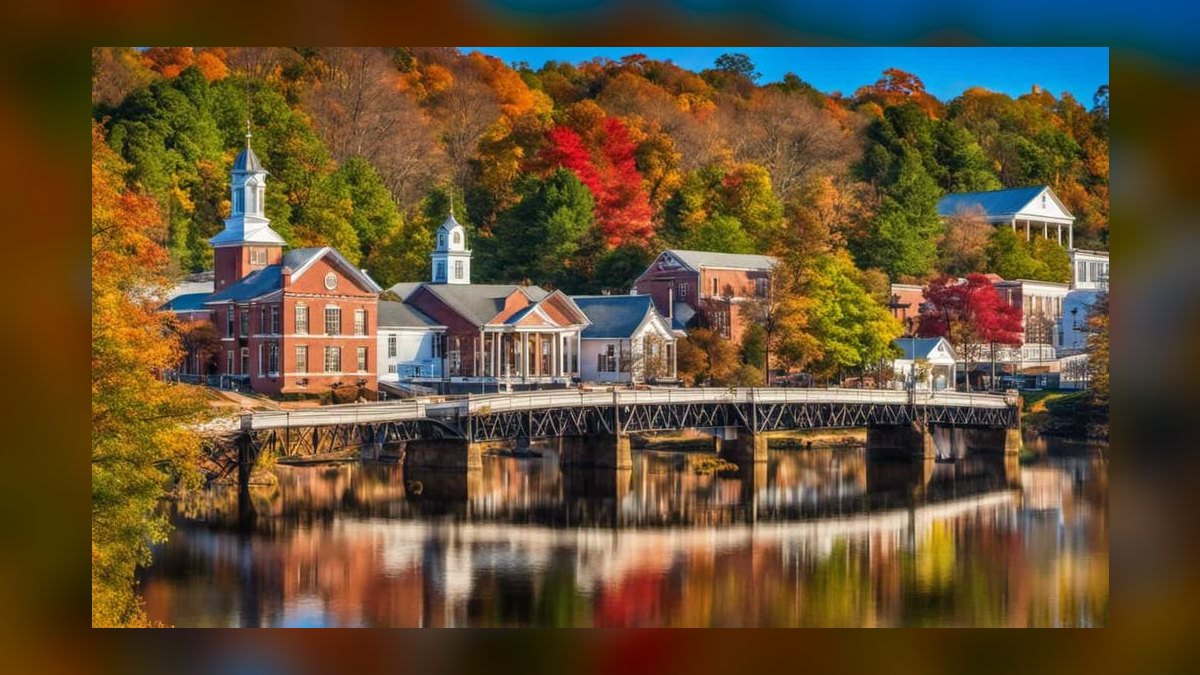
Type: Mountain town | Cost of living index: 95.8 (below national average) | Median home price: ~$400,000 | Best for: Retirees seeking mountain living, wine country, and gold rush history
Dahlonega sits in the North Georgia mountains and is home to the Dahlonega Gold Museum and the site of America's first major gold rush. Today, the area is better known for its wine country — over a dozen wineries and vineyards dot the surrounding hills, many with tasting rooms and mountain views.
The University of North Georgia provides cultural programming and lifelong learning opportunities. The Appalachian Trail begins just north of town at Springer Mountain, offering hiking for all skill levels. The historic downtown square features shops, restaurants, and the Dahlonega Literary Festival each year.
Healthcare is limited locally — the Northeast Georgia Medical Center in Gainesville (about 30 minutes south) provides the nearest comprehensive care. The mountain setting means cooler summers than most of Georgia, but winter can bring occasional ice and snow.
Pros:
- Beautiful mountain scenery and wine country
- Cooler summer temperatures
- Historic walkable downtown
- University resources and programming
- Appalachian Trail access
Cons:
- Limited local healthcare
- Higher home prices than state average
- Winter weather can disrupt travel
- Limited shopping and dining options
Verdict: Dahlonega is ideal for retirees who love mountain scenery, wine, and outdoor recreation — plan for healthcare drives and winter weather.
10. Thomasville
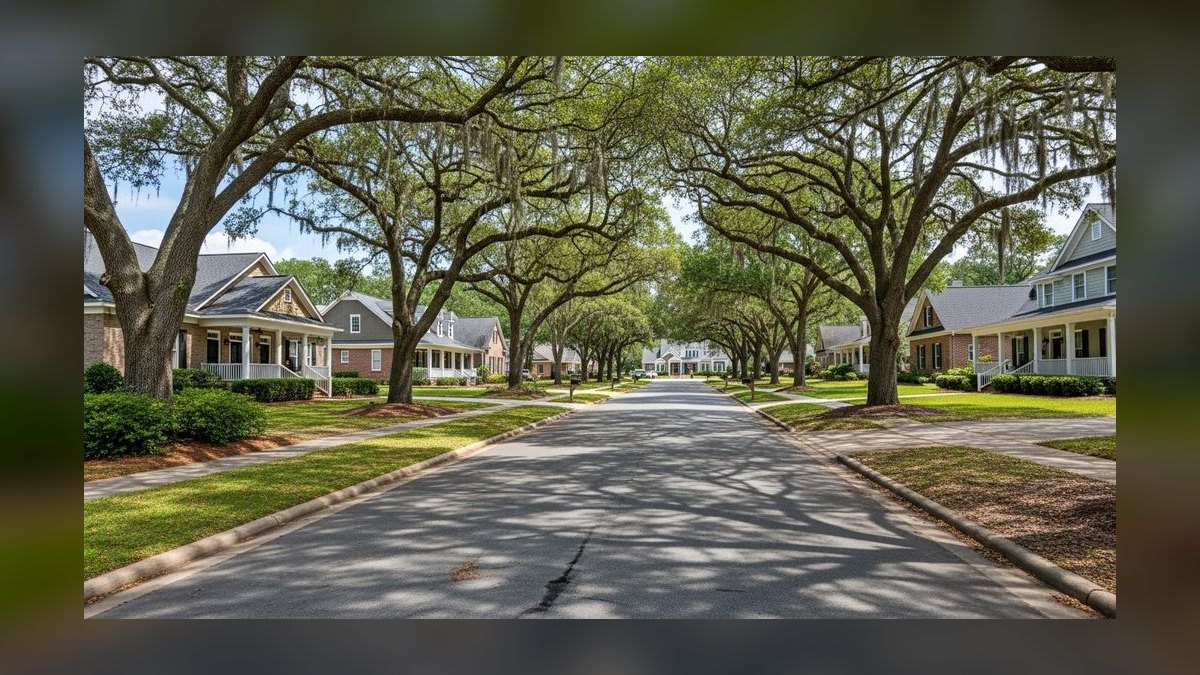
Type: South Georgia town | Cost of living index: 85.3 (well below national average) | Median home price: ~$250,000 | Best for: Retirees seeking small-town charm, quail hunting culture, and historic architecture
Thomasville is a South Georgia gem known for its historic downtown, rose gardens, and quail hunting plantations. The city has one of the best-preserved historic districts in the state, with Victorian and antebellum homes on tree-lined streets. The Thomasville Center for the Arts and Pebble Hill Plantation offer cultural attractions.
Healthcare is provided by Archbold Memorial Hospital, which serves as a regional medical center for southwest Georgia. The cost of living is well below the national average, and home prices are very affordable. The city has a strong sense of community, with festivals like the Rose Show and Festival drawing visitors.
The trade-off is location — Thomasville is about 30 minutes from the Florida border and 45 minutes from Tallahassee. This means access to Florida's Gulf Coast beaches is about an hour away, but Atlanta is a 4-hour drive. Summer heat is intense, and the area faces occasional hurricane impacts.
Pros:
- Very low cost of living and home prices
- Beautiful historic architecture
- Strong community and festivals
- Good regional healthcare
- Close to Florida beaches
Cons:
- Remote location — far from major cities
- Intense summer heat and humidity
- Limited cultural amenities
- Hurricane risk from Gulf storms
Verdict: Thomasville is a hidden gem for retirees who want small-town Southern charm at an affordable price — just be comfortable with the remote location.
Which Market or Community Should You Buy In?
What to Look For When Buying Retirement Property in Georgia
- Total monthly cost — Principal, interest, taxes, insurance, and HOA fees. In coastal areas, flood insurance can add $1,000–$5,000+ annually.
- Healthcare proximity — Map the nearest hospital, primary care, and specialists. Rural areas may require 30–60 minute drives for specialist care.
- Climate risk — Check flood zone maps (FEMA), hurricane evacuation routes, and wildfire risk in mountain areas.
- Tax benefits — Georgia offers a retirement income exclusion up to $65,000/person (age 65+). Property taxes vary significantly by county.
- Social opportunities — Look for active adult communities, senior centers, OLLI programs, and volunteer organizations.
- Walkability — Georgia is car-dependent outside of a few walkable downtowns. Consider your long-term driving ability.
What matters less than the hype: chasing the single "best" list headline. The best retirement location depends on your budget, health needs, climate preferences, and desired lifestyle.
FAQ
What is the best overall place to retire in Georgia? Savannah is our Best Overall pick, combining walkable historic charm, coastal access, cultural richness, and tax-friendly retirement income treatment.
What is the best value place to retire in Georgia? Augusta offers the best value with excellent healthcare, very affordable housing, low property taxes, and golf lifestyle.
Does Georgia tax retirement income? Georgia offers a retirement income exclusion of up to $65,000 per person (age 65+) from state income tax. Social Security is not taxed in Georgia.
What is the cost of living in Georgia for retirees? Georgia's overall cost of living is about 7% below the national average. However, costs vary widely — from 19% below average in Macon to 12% above average on St. Simons Island.
What are the best Georgia towns for mountain retirement? Blue Ridge and Dahlonega are top choices for mountain retirement, offering cooler summers, outdoor recreation, and scenic beauty.
What are the best coastal retirement towns in Georgia? Savannah and St. Simons Island are the premier coastal retirement destinations, with walkable historic areas and beach access.
Which Georgia retirement destination has the best healthcare? Augusta (Augusta University Health) and Atlanta suburbs like Roswell have the strongest healthcare infrastructure.
Is Georgia safe from hurricanes? Coastal Georgia faces hurricane risk. Inland areas like Athens, Macon, and mountain towns have significantly lower risk.
Bottom Line
For retirement in Georgia, Savannah is our Best Overall — the city that most consistently delivers walkable charm, coastal access, and cultural richness. Augusta is our Best Value, giving you excellent healthcare and affordable living without premium pricing. Use the decision tree to route coastal lovers toward Savannah or St. Simons, mountain seekers toward Blue Ridge or Dahlonega, and budget-focused retirees toward Macon or Thomasville.
Underwrite healthcare access and insurance costs first, then match the community to your lifestyle preferences. Georgia rewards retirees who do their homework on climate risk and neighborhood safety.
Related on PULSE
- Top 10 Best Places to Retire in Florida
- Top 10 Best Places to Retire in North Carolina
- Top 10 Best Places to Retire in South Carolina
- Top 10 Best Places to Retire in Tennessee
- Top 10 Golf Communities in Georgia
- Top 10 55-Plus Communities in Georgia
Sources
- U.S. News Best Places to Retire — Georgia
- Niche — Best Places to Retire in Georgia
- Sperling's Best Places — Georgia Cost of Living
- Georgia Department of Revenue — Retirement Income Exclusion
- AARP — Georgia Retirement Guide
- Visit Savannah — Official Tourism Site
- Augusta Economic Development Authority
- [Blue Ridge Mountains Travel Association](https://www.blueridge mountains.com)
- St. Simons Island Tourism
- Georgia State Climate Office
*Top 10 Best Places to Retire in Georgia — comprehensive guide for retirees evaluating cost of living, healthcare, climate, and lifestyle in the Peach State.*
People also search for: best places to retire in Georgia · top retirement towns in Georgia · Georgia retirement communities · best Georgia cities for seniors · affordable retirement in Georgia · coastal retirement Georgia · mountain retirement Georgia
This page will be disappearing soon. Save it to your device for $1 — or read it free while it is here.
@Kory-White- · if Venmo asks, the last 4 of my number are 2012
This page is gone.
This one is off the shelf now. $1 keeps it on your phone for good — the whole page, pictures and diagrams included.
 pulse-estatesTop 10 Lake Communities in Nashville in 2027
 pulse-estatesTop 10 Equestrian Communities in Phoenix in 2027
 pulse-estatesTop 10 Best Places to Buy a Home in South Carolina in 2027
 pulse-estatesTop 10 Golf Course Communities in San Diego in 2027
 pulse-estatesTop 10 Luxury High-Rises in Miami in 2027
 pulse-estatesTop 10 Golf Course Communities in Arizona in 2027
 pulse-estatesTop 10 Luxury Neighborhoods in Boulder in 2027
 pulse-estatesTop 10 Master-Planned Communities in Washington State in 2027
 pulse-estatesTop 10 Golf Course Communities in Virginia in 2027
 pulse-estatesTop 10 Waterfront Estates in Phoenix in 2027