


How much does Espresso cost in 2027?
Quality
Certified
It depends on the drink, the cup size, and where you buy it — but as a working number, a single shot of straight espresso in 2027 costs roughly $3.00 to $5.50 at most U.S. cafés, while milk-based espresso drinks (lattes, cappuccinos, flat whites) run about $4.50 to $8.00. Prices toward the low end come from national chains and lower-cost-of-living areas; prices toward the high end come from independent specialty shops and expensive metros. If you brew the same shot at home, the cost of the coffee itself falls to well under $1.00, though you first have to buy a machine and grinder.
That range is not arbitrary. Espresso pricing in 2027 sits on top of four stacked cost layers: the wholesale price of green (unroasted) coffee, which is set on volatile commodity markets; the roaster's markup for grade, origin, and certification; the café's own operating costs (labor, rent, utilities, milk and alternative-milk inventory); and finally local taxes and market positioning. When any of those layers moves — a bad harvest in a major producing country, a jump in minimum wage, a rent increase in a downtown corridor — the price on the menu board moves with it. A reader who only wants the headline number can stop here: expect $3–$5.50 for a plain shot and $4.50–$8 for anything with steamed milk, with your specific city and café type deciding where you land inside those bands. The rest of this guide explains *why* those numbers look the way they do and how to pay less.
What Determines the Price of Espresso in 2027
The single largest input that consumers never see is the price of green coffee. Espresso is overwhelmingly made from arabica beans (often blended with a small percentage of robusta for crema and body), and arabica trades as a global commodity whose price swings with weather, harvest size, freight rates, and currency movements. Coffee is a climate-sensitive crop grown in a narrow band of tropical highlands, so drought, unseasonal rain, or frost in a major producing country can tighten supply for an entire year. When wholesale green-coffee costs rise, roasters eventually pass those increases down the chain to cafés, and cafés pass them to the cup. This is why espresso prices tend to *ratchet* — they climb during supply shocks and rarely fall all the way back afterward.
The second layer is labor. A properly pulled espresso and a well-textured milk drink require a trained barista, and staffing a café is one of its largest recurring costs. Where minimum wages and the general cost of living are higher, menu prices are higher, almost mechanically. A shop paying premium wages, offering benefits, and operating in an expensive rental market simply has more fixed cost to spread across every cup it sells. That is a major reason the *same* drink can cost $3.50 in a small town and $6.50 in a dense, high-rent city center.
The third layer is the establishment type and its sourcing philosophy. A high-volume chain buys beans in enormous quantities on long contracts and optimizes for consistency and throughput, which keeps unit costs down. An independent specialty shop that buys single-origin or certified lots in small volumes, roasts in small batches, and trains staff to dial in each coffee carries higher per-cup costs — and charges accordingly. Neither is "overcharging"; they are different business models with different cost structures. Finally, there are local factors layered on top: sales tax, occasional city-level beverage taxes, and pure market positioning (a café in a tourist district or airport charges what the location will bear).
The practical takeaway is that no single number "explains" espresso pricing. The menu price is a stack — commodity cost, roaster margin, labor and rent, taxes, and positioning — and any of those can move independently. Understanding the stack is what lets you predict whether a given café will be cheap or expensive before you ever look at the board.
How Espresso Prices Vary by Drink Type
Within a single café, the price ladder from cheapest to most expensive follows the amount of milk, flavoring, and labor each drink requires. A plain espresso — a single or double shot with nothing added — is typically the least expensive espresso-based item because it uses the smallest amount of ingredients and the least station time. An americano (espresso diluted with hot water) usually costs about the same or only slightly more, since water is effectively free; it is often the cheapest way to get a larger, longer drink.
Milk drinks sit higher on the ladder. A cappuccino, flat white, cortado, or latte adds steamed milk, which means more inventory cost and, more importantly, more skilled labor: texturing microfoam and pouring it well takes training and time. Among these, smaller milk drinks (cortado, flat white) often land in the middle of a café's range, while a large latte tends toward the top of the milk-drink band. Add-ons then stack on further: flavored syrups, extra shots, and — a defining feature of 2027 menus — non-dairy milks. Oat, almond, and other plant-based milks are widely available but usually carry a surcharge over dairy because they cost the café more per carton and demand for them is high. That surcharge is one of the most common reasons a customer's actual receipt comes in above the "headline" latte price.
Seasonal and signature drinks (holiday-spice lattes, limited-edition builds) usually sit at the very top because they bundle premium ingredients with marketing. And the broad industry move toward customization — choose your milk, your syrup, your number of shots, your temperature — has effectively turned the menu into a price *ladder* rather than a fixed list: the base drink anchors the low end, and each customization nudges the total upward.
The Role of Coffee Bean Quality and Sourcing
Bean quality is one of the clearest dividers between a cheap espresso and an expensive one. The wholesale cost of green coffee spans a very wide range: commodity-grade lots sit near the bottom, while high-scoring specialty lots, single-origin micro-lots, and beans with recognized certifications (such as organic, Fair Trade, or Rainforest Alliance) command significant premiums. When a roaster pays substantially more per pound for green coffee, that cost has to reappear somewhere — and it reappears in the cup.
Sourcing model matters as much as grade. Direct-trade relationships, where a roaster buys straight from a producer (often paying above the commodity benchmark to reward quality and reward the farm), add transparency and typically add cost. So do experimental processing methods — natural, honey, and anaerobic-fermentation coffees are labor-intensive at origin and scarce, which pushes their price up. A café built around these coffees is selling a different product than a chain pouring a large, consistent house blend, and its prices reflect the more expensive inputs.
There is also a roast-and-blend dimension. Many espresso blends include some robusta, a hardier, cheaper, higher-caffeine species that adds crema and body but a harsher taste; blends leaning heavily on robusta or lower-grade arabica keep costs down and support lower menu prices. All-arabica specialty blends cost more to buy and more to serve. For the consumer, this is the crux of the "why is that shop so expensive?" question: much of the answer is literally in the bag. The higher the grade, the more selective the sourcing, and the more certifications attached, the higher the floor under the retail price — regardless of the café's other costs.
Regional and Global Price Differences
Geography shapes espresso pricing on two levels: the macro (global markets and national economies) and the micro (your specific neighborhood). On the macro level, green coffee is generally priced and traded in U.S. dollars, so exchange rates matter. In countries with weaker local currencies, imported coffee can be relatively more expensive against local incomes, while a strong dollar can make imports comparatively cheaper for U.S. buyers. Broad inflation raises the cost of nearly every input a café touches — beans, milk, cups, labor, rent — and those pressures show up as gradual menu-price increases over time.
National coffee cultures create durable differences too. In much of continental Europe, a small espresso consumed standing at a bar counter is a cheap, everyday staple and is often priced modestly, whereas a sit-down café in a major European capital or a tourist-heavy square can charge far more for the same shot. In coffee-*producing* countries, retail prices for a basic espresso can be lower because beans travel a shorter distance and local competition is fierce — though airports, hotels, and tourist zones in those same countries often charge international prices. The general pattern: proximity to production and local wage levels pull prices down, while tourism, rent, and premium positioning pull them up.
At the micro level, the same forces play out block by block. A café in a dense downtown core with high rent and high wages charges more than one in a quiet suburb or small town. The spread of "third-wave" specialty culture — which emphasizes traceability, careful roasting, and skilled preparation — tends to raise prices wherever it takes hold, because that model costs more to run. Finally, shocks matter: shipping disruptions, port congestion, trade frictions, and weather events in producing regions can all spike green-coffee costs on relatively short notice, and those spikes eventually reach the menu. The clearest way to think about it is that global forces set the *floor* and local conditions set the *ceiling* for what you actually pay.
Café vs. Home: Cost Comparison
For frequent espresso drinkers, home brewing is the most reliable way to lower the per-cup cost — but it front-loads the spending into equipment. A home espresso setup has two essential pieces: the machine and the grinder. Entry-level manual or lever machines sit at the low end of the price range, capable prosumer machines sit in the middle, and high-end automatic machines run well into four figures. The grinder is not optional — espresso is unforgiving about grind consistency, and a quality burr grinder is often the difference between a good shot and a wasted one, so it represents a meaningful second purchase. On top of hardware there are recurring costs: beans, plus maintenance items like descaling solution, filters, and the occasional replacement part.
Once the equipment is paid for, the marginal cost of a home shot is dominated by the beans, which for specialty espresso typically works out to well under a dollar per shot — far below café pricing. That gap is what creates a payback period. For someone who would otherwise buy espresso daily, the equipment can pay for itself over a matter of months; for an occasional drinker, the math is much weaker and café buying may simply make more sense. Capsule systems (such as pod machines) occupy a middle ground: low equipment cost and high convenience, but a higher per-cup price than loose beans and a narrower flavor range, along with packaging-waste considerations.
Home brewing also carries non-monetary costs. There is a genuine learning curve — dialing in grind size, dose, water temperature, and extraction time takes practice, and early shots are often mediocre. There is time and cleanup on every use. And there is the intangible the café sells that a home machine cannot: a professionally prepared drink, a place to sit, and the social experience. The honest framing is that home espresso wins decisively on long-run cost per cup for heavy drinkers, while cafés win on convenience, consistency-without-effort, and atmosphere. Which matters more is a personal call, not a math problem with one right answer.
How to Save Money on Espresso in 2027
If you buy from cafés and want to spend less, a few levers do most of the work. Order simpler. A straight espresso or an americano is almost always cheaper than a large milk drink, and skipping flavored syrups and premium non-dairy milk removes the surcharges that quietly inflate a receipt. Use loyalty programs. Many chains and independents offer points, punch cards, or app rewards that lower your effective per-drink cost over time; if you visit the same shop regularly, these add up. Buy beans, not drinks, for your daily habit. Even accounting for equipment, brewing your everyday cup at home and reserving café visits for weekends or treats is usually the biggest single saving available to a frequent drinker. Buy beans in larger quantities when it makes sense — bags and subscriptions often cost less per ounce than small retail bags, though only buy what you'll use before it goes stale. And watch location. The same chain can price differently across neighborhoods, and airport, hotel, and tourist-zone outlets are reliably the most expensive places to buy a shot. Combining even two or three of these habits — simpler orders, a loyalty program, and shifting your daily cup to home — can meaningfully cut monthly coffee spending without giving up espresso.

FAQ
What is the average price of a single espresso shot in 2027?
In the United States, a plain single or double shot commonly falls between about $3.00 and $5.50. The exact figure depends heavily on region and café type — national chains and lower-cost areas sit near the bottom of that range, while independent specialty shops in expensive cities sit at or above the top.
Why does espresso cost more at specialty shops than at chains?
Specialty shops generally buy higher-grade, often single-origin or certified beans in smaller volumes, roast in small batches, and pay trained baristas to dial in each coffee. All of that raises their per-cup cost relative to a high-volume chain buying on large contracts, so their prices are structurally higher.
Does adding non-dairy milk change the price?
Usually, yes. Oat, almond, and other plant-based milks typically carry a surcharge over dairy because they cost the café more per carton and demand is strong. On many menus the surcharge is one of the most common reasons a milk drink comes in above its listed base price.
Is espresso cheaper in coffee-producing countries?
Often, a basic espresso is less expensive in producing countries because beans travel a shorter distance and local competition is intense. However, tourist areas, hotels, and airports within those same countries frequently charge international prices, so the low local price is not universal.
Is it cheaper to make espresso at home?
Per cup, yes — once you own the equipment, the coffee itself costs well under a dollar per shot, far below café prices. The catch is the upfront cost of a machine and a quality grinder, plus a learning curve. For daily drinkers the equipment can pay for itself within months; for occasional drinkers, café buying may be more economical.
How do inflation and bean prices affect what I pay?
Broad inflation raises a café's costs across the board — beans, milk, labor, rent — which shows up as gradual menu-price increases. On top of that, the wholesale price of green coffee swings with weather and harvests; when it spikes, prices tend to ratchet up in the cup and rarely fall all the way back.
What's the cheapest espresso drink to order?
A straight espresso is typically the least expensive espresso item, and an americano (espresso plus hot water) is usually close behind while giving you a larger drink. Both avoid the milk, syrups, and non-dairy surcharges that make lattes and signature drinks more expensive.
Sources
- National Coffee Association (USA)
- Specialty Coffee Association
- International Coffee Organization
- Statista — Coffee Market Data
- USDA Foreign Agricultural Service — Coffee Reports
- Coffee Quality Institute
- Perfect Daily Grind
- Fairtrade International — Coffee
Related on PULSE
- How much does a latte cost in 2027?
- Why is specialty coffee more expensive than chain coffee?
- What does it cost to set up a home espresso bar?
- How do global commodity prices affect café menu pricing?
- How does climate change influence coffee prices?
Recently Added — Related
- Top 10 Golf Course Communities in San Diego in 2027
- Top 10 55-Plus Active Adult Communities in 2027
- Top 10 Best Places to Buy a Vacation Home in 2027
- Top 10 Luxury High-Rises in San Francisco in 2027
- Top 10 Vineyard Estates in Charlotte in 2027
- Top 10 Best Golf Communities in the Carolinas in 2027
- Top 10 Luxury Neighborhoods in Palm Beach in 2027
- Is the La Marzocco Linea Mini worth the price in 2027?
This page will be disappearing soon. Save it to your device for $1 — or read it free while it is here.
@Kory-White- · if Venmo asks, the last 4 of my number are 2012
This page is gone.
This one is off the shelf now. $1 keeps it on your phone for good — the whole page, pictures and diagrams included.
 pulse-estatesHow do you get started with Espresso in 2027?
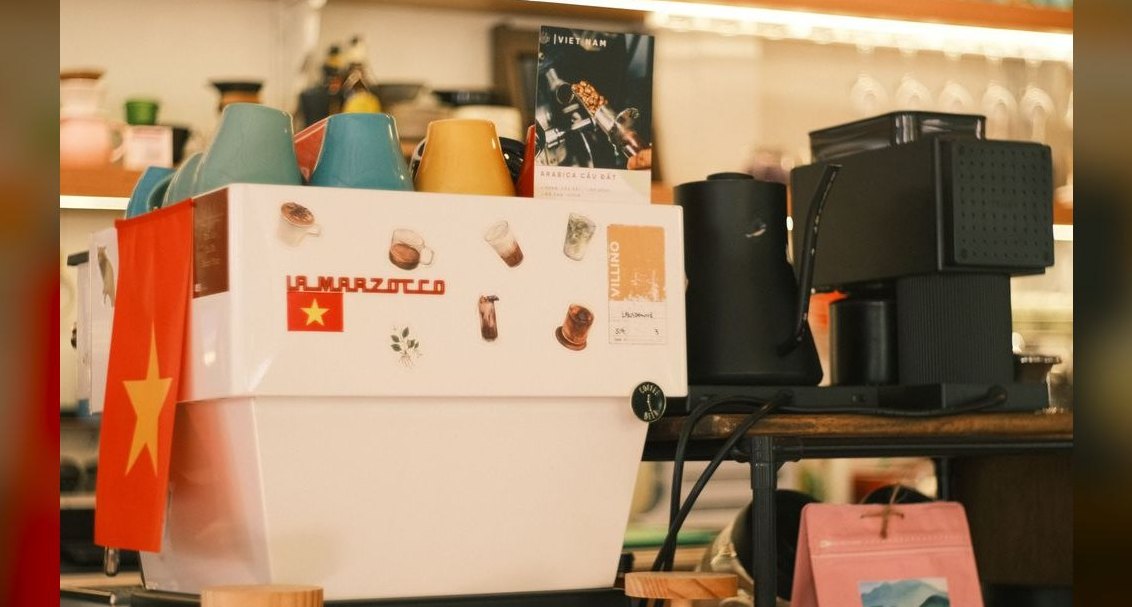 pulse-estatesIs the La Marzocco Linea Mini worth the price in 2027?
 pulse-estatesTop 10 best Espresso options in 2027
 pulse-estatesWhat should you know before investing in Espresso in 2027?
 pulse-estatesIs Espresso worth it in 2027?
 pulse-estatesWhat are the most common mistakes in Espresso in 2027?
 esTop 10 Luxury Neighborhoods in Chicago in 2027
 esTop 10 Luxury Neighborhoods in Aspen in 2027
 pulse-estatesTop 10 Custom Home Builders in Houston in 2027
 pulse-estatesTop 10 Luxury Condos in Denver in 2027