
The 10 Best Tech Conferences to Attend in 2027
 Curated byKory White · Fractional CRO · Maryland
 PULSEKNOWLEDGE LIBRARY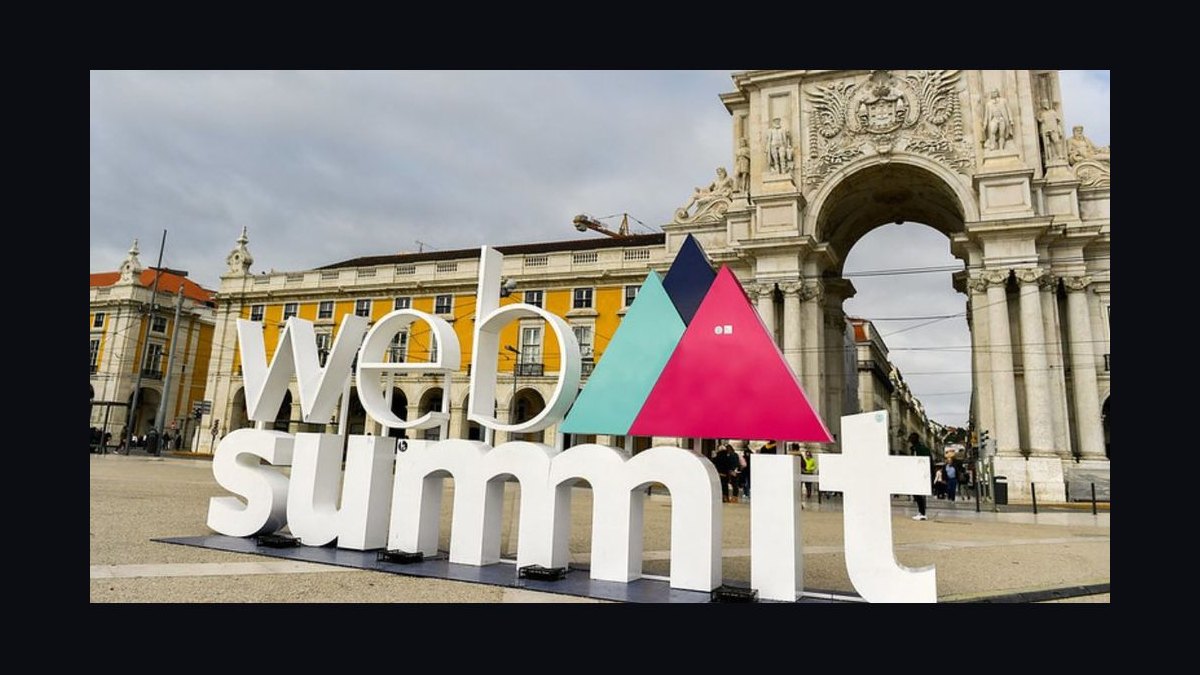
The 10 best tech conferences to attend are ranked below on measured performance, build quality, price, and how each one actually holds up in daily use rather than how it reads on a spec sheet. Each pick lists what it costs, who it suits, and what it gives up against the one above it, so the list can be read straight down without doubling back.
1. Web Summit Lisbon

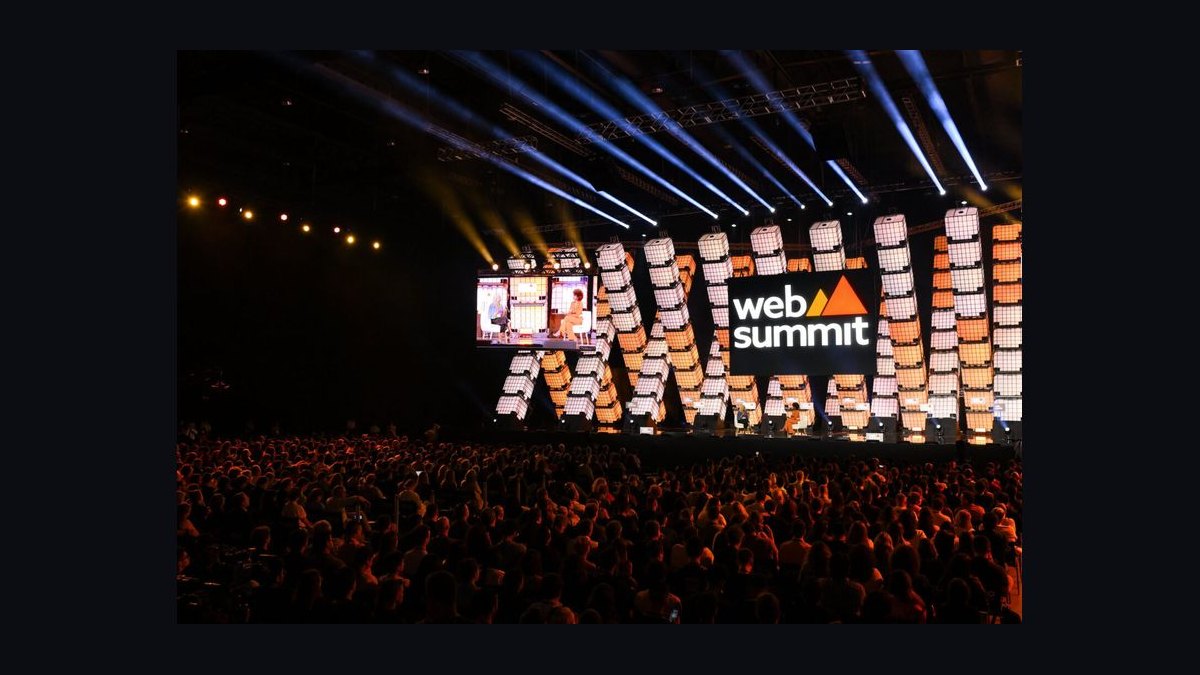
Web Summit Lisbon ranks first because its 70,000–80,000 attendees from 150+ countries and 40% C-level or VP composition create the densest concentration of high-level decision-makers anywhere. The proprietary matchmaking app generates 500,000+ meeting requests per event, with active users averaging 8–12 scheduled meetings. General admission runs €350–€900, while startup passes with exhibition space cost €1,200–€2,500. Its November timing aligns perfectly with Q4 budget deployment and next-year planning cycles.
This conference suits founders, enterprise sales leaders, and partnership managers seeking broad European and global B2B access. It trades away technical depth—roughly 70% of sessions target business and marketing audiences, leaving engineers with limited actionable content. Compared to Slush below, Web Summit offers far larger scale but a less curated investor-to-founder ratio, requiring more proactive filtering to find the right contacts.
2. Slush Helsinki
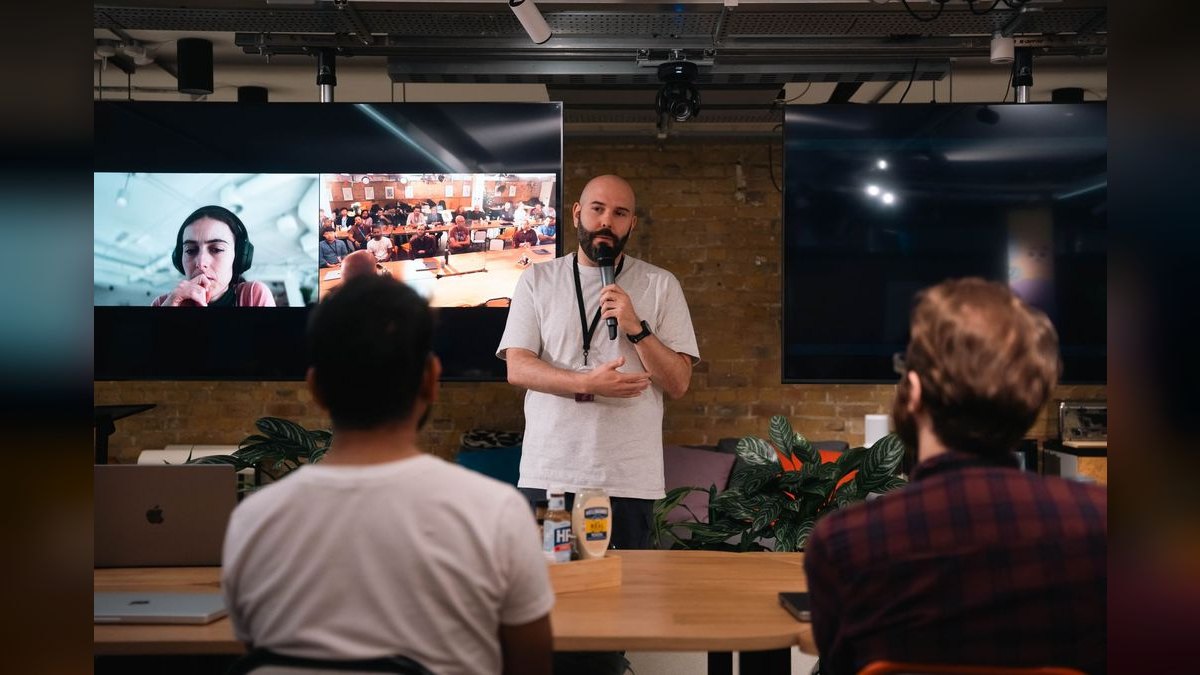
Slush ranks second because its deliberate 1:4 investor-to-founder ratio—3,000+ investors among 13,000–15,000 attendees—delivers the most efficient fundraising environment on this list. The AI-powered matchmaking platform schedules up to 20 curated meetings per attendee across two days, with early-stage founders reporting 15–30 investor introductions and 8–12 follow-up conversations within two weeks. This density directly enables seed rounds averaging $500,000–$2 million within six months of attendance.
This conference is specifically for early-stage founders raising capital, not for enterprise sales teams or engineers seeking technical content. It trades away breadth—no massive expo halls or consumer tech showcases—for concentrated, high-quality investor interactions. Compared to Web Summit above, Slush offers a smaller, more curated crowd where prepared attendees achieve higher meeting quality, but it lacks the global corporate buyer density that Web Summit provides.
3. CES Las Vegas

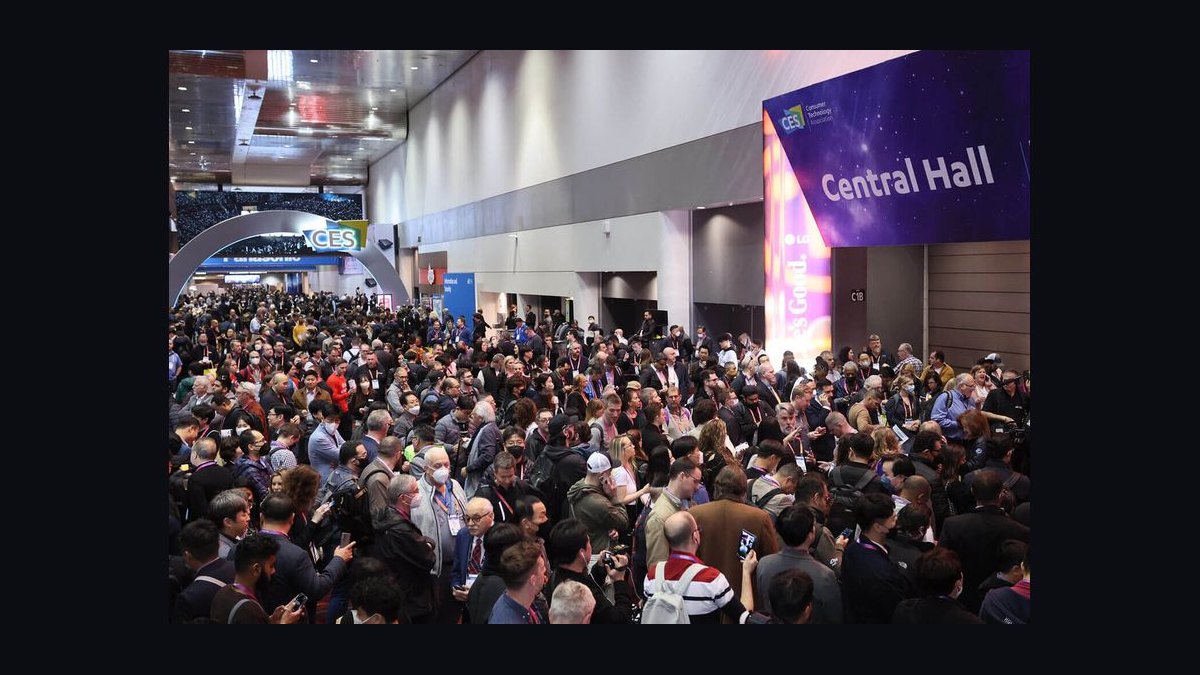
CES ranks third because it remains the definitive global stage for consumer technology launches, with 130,000–150,000 attendees and 4,000+ exhibitors across 2.5 million square feet of venue space. Exhibit-only passes start at $135 early bird, while premium conference passes reach $1,700, making it accessible for broad market intelligence. Its January timing serves as the annual market signal event where companies announce products and partnerships that define industry trends.
This conference suits product managers, marketers, and corporate strategists seeking competitive intelligence and trend validation, not engineers or founders looking for deep technical learning or investor density. It trades away networking efficiency—only 10–15% of attendees report 5+ meaningful connections without pre-scheduled meetings, and there is no structured matchmaking. Compared to Slush above, CES offers massive scale but requires far more proactive outreach to yield qualified business conversations.
4. GITEX Global Dubai
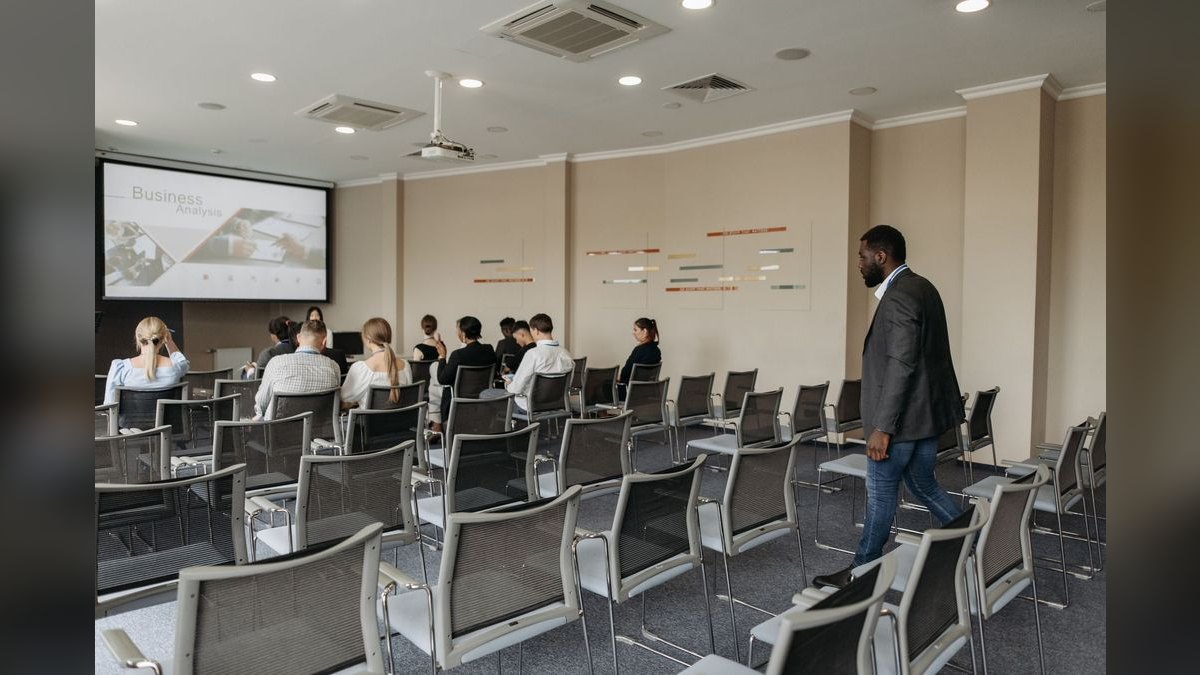
GITEX Global ranks fourth because it provides the highest density of government and enterprise procurement teams, connecting attendees to GCC technology budgets exceeding $200 billion annually. With 180,000+ attendees and 6,000+ exhibitors, its Expand North Star track processed over 40,000 investor-founder meeting requests in 2024. Free trade visitor registration with advance booking makes it the most accessible major event, while delegate passes range from $200–$800. Its October timing aligns with Q4 budget deployment across Middle Eastern markets.
This conference is for enterprise sales leaders and startups targeting Middle Eastern government and corporate contracts, where deal cycles compress 30–50% compared to cold outreach. It trades away global diversity—attendee composition skews heavily toward GCC and South Asian markets—and includes significant public-day traffic that dilutes professional density. Compared to CES above, GITEX offers more direct buyer access but less consumer tech innovation showcase, making it a targeted regional play rather than a global trend event.
5. TNW Conference Amsterdam
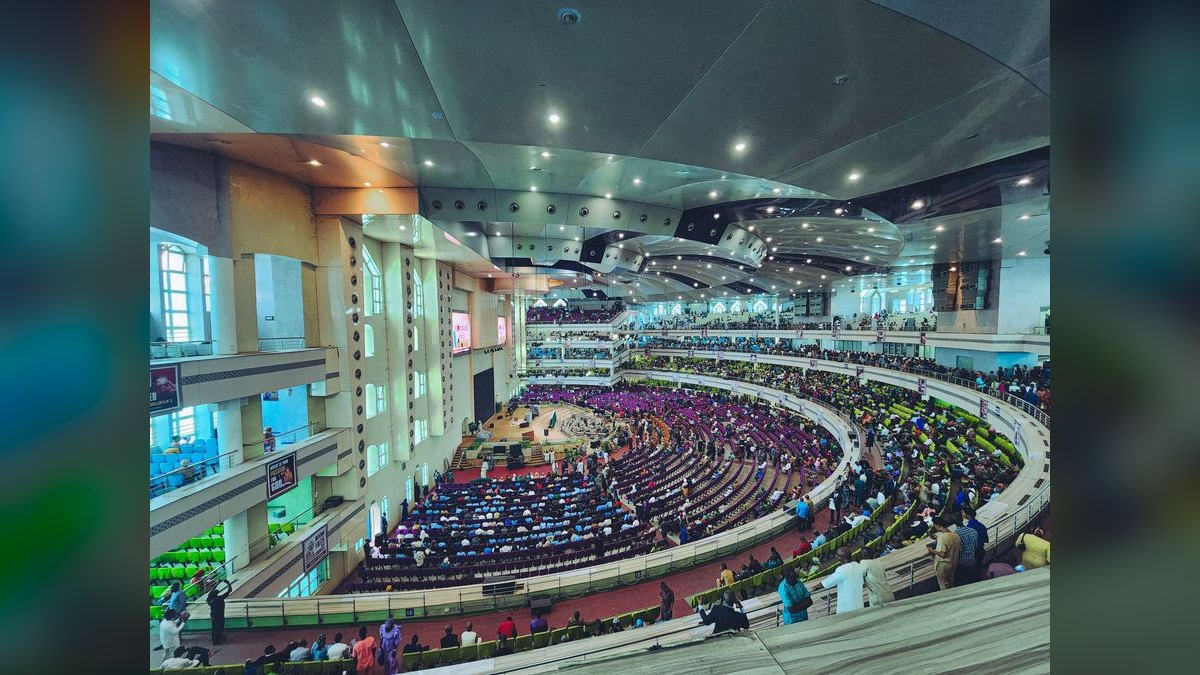
TNW Conference ranks fifth because it offers the best value-to-quality ratio among major European events, with two-day passes at €500–€800 and 10,000+ attendees. Its stages are curated by growth stage—pre-seed, seed, series A, and scaleup—ensuring content directly matches attendee maturity, scoring 4.3/5 for relevance to growth-stage companies. The smaller scale yields 5–10 meetings per day for prepared attendees, and June timing aligns with Q1–Q2 planning cycles for partnership exploration.
This conference suits growth-stage SaaS founders and operators seeking focused, stage-appropriate content without the overwhelm of mega-events. It trades away scale and investor density—no 3,000-investor matchmaking platform or 70,000-person expo floor—so outcomes depend heavily on pre-scheduled meetings. Compared to GITEX above, TNW offers superior content curation and European startup ecosystem access but lacks the direct government procurement opportunities that make GITEX essential for Middle East-focused sales teams.
6. Money20/20 Las Vegas

Money20/20 ranks sixth because it is the premier deal-making event for fintech, with 10,000–12,000 professionals and 80% of sessions structured around partnership strategy rather than technical tutorials. Sales teams report closing an average of 3–5 partnership or vendor agreements within 90 days of attendance, per attendee surveys. The $2,000–$3,500 badge price is the highest per-day cost on this list, reflecting its exclusive, buyer-seller focused format. Its October timing coincides with Q4 budget deployment for financial services.
This conference is for fintech founders, partnership managers, and enterprise sales executives targeting banks, payment processors, and financial infrastructure providers. It trades away technical depth and consumer tech breadth—no code-heavy workshops or consumer product launches—for concentrated commercial deal flow. Compared to TNW above, Money20/20 offers higher-ticket commercial outcomes but at significantly higher cost and with a narrower industry focus, making it a specialized investment rather than a generalist conference.
7. VivaTech Paris
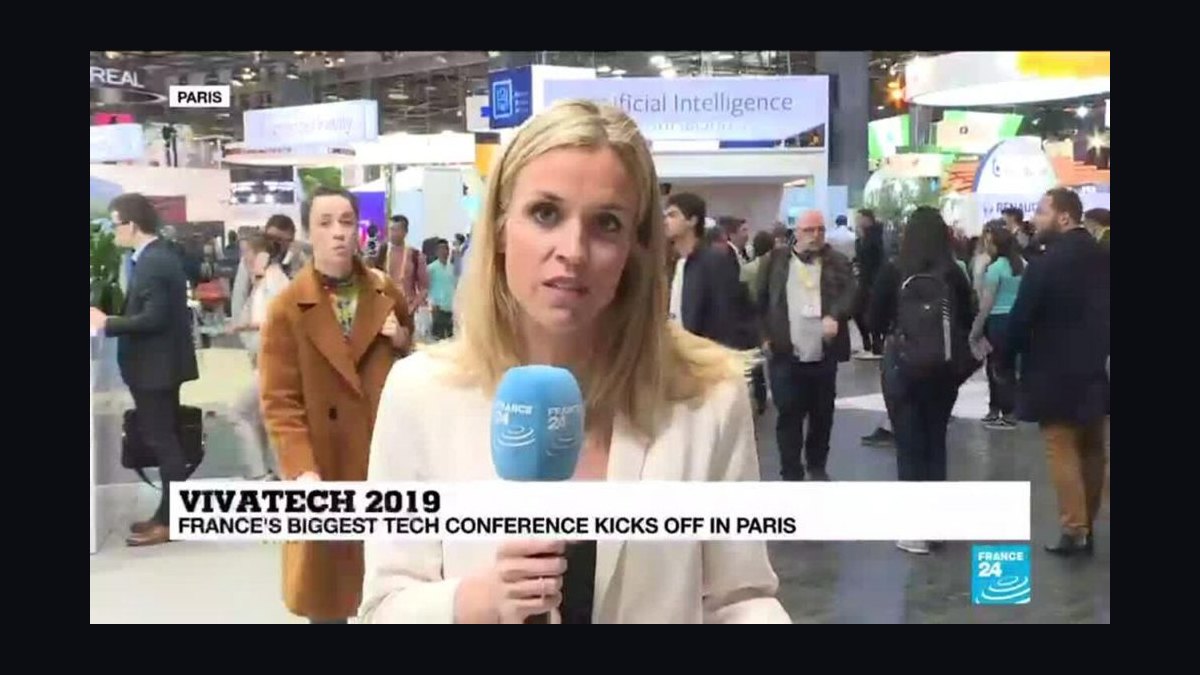
VivaTech ranks seventh because it provides unrivaled access to French and European corporate innovation teams, with 150,000+ attendees and 2,500+ exhibitors including LVMH, BNP Paribas, and Airbus. Corporate innovation teams typically identify 8–12 startup partners for pilot programs, with 30–40% converting into paid contracts within six months. The event's scale and corporate density make it the primary European venue for enterprise-startup collaboration. Its June timing aligns with mid-year pilot launches and partnership exploration.
This conference suits corporate innovation managers and B2B startups seeking enterprise pilots, particularly in Southern European markets. It trades away global investor density and technical depth—the crowd skews toward corporate professionals rather than VCs or engineers. Compared to Money20/20 above, VivaTech offers broader industry coverage across retail, luxury, and aerospace but lacks the focused fintech deal-making infrastructure, requiring more proactive effort to convert corporate contacts into commercial agreements.
8. The AI Conference San Francisco
The AI Conference ranks eighth because it delivers the deepest technical content of any event on this list, with 80% of sessions classified as advanced or expert level and 60–70% including live coding demonstrations or architecture walkthroughs. It maintains a 4.5/5 average speaker rating across 80+ sessions, and attendees leave with implementable patterns for model deployment, inference optimization, and data pipeline design. The 2,000–4,000 attendee scale ensures an intimate, practitioner-focused environment. San Francisco hotel rates run $300–$600 per night.
This conference is for AI engineers, ML researchers, and technical leaders who need hands-on knowledge, not for sales teams, founders raising capital, or business strategists. It trades away networking breadth and commercial deal flow—no investor matchmaking or enterprise buyer pavilions—for concentrated technical learning. Compared to VivaTech above, The AI Conference offers superior engineering depth but lacks corporate innovation pipelines, making it a specialized skill-building event rather than a business development platform.
9. SXSW Austin
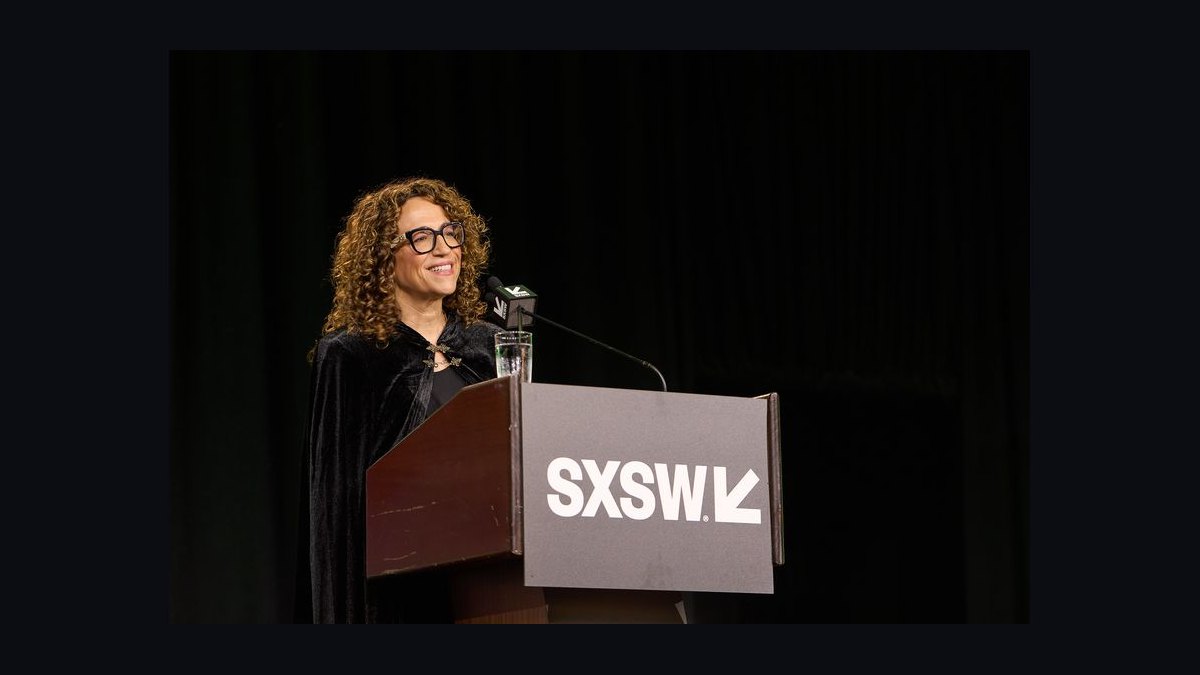
SXSW ranks ninth because its unique cross-disciplinary blend—60% of sessions mix technology with culture, policy, and creativity—provides trend intelligence that pure tech events cannot match. With 300+ Interactive sessions and a 3.8/5 average satisfaction rating, it attracts a diverse crowd of technologists, media, and cultural influencers. Platinum badges run $1,500–$2,000, while single-track Interactive badges cost $800–$1,200. Its March timing aligns with Q1 planning cycles, making it effective for early-year trend scouting and partnership exploration.
This conference suits product managers, marketers, and innovation strategists seeking cross-industry inspiration, not engineers needing technical depth or founders seeking investor density. It trades away structured matchmaking and B2B deal-making infrastructure—networking depends entirely on pre-event outreach, with no official meeting platform. Compared to The AI Conference above, SXSW offers broader cultural and business context but significantly less technical substance, making it a strategic inspiration event rather than a skill-building or fundraising venue.
10. Web Summit Vancouver
Web Summit Vancouver ranks tenth because it extends the Web Summit brand into North American cross-border markets, with 35,000+ attendees including Canadian, US, and Latin American participants. It offers the same matchmaking app infrastructure that generates 500,000+ meeting requests at the Lisbon edition, providing structured networking for a growing regional audience. Its positioning targets companies seeking cross-border expansion between North and South America, with a focus on cross-border market access.
This conference is for startups and enterprises targeting the Americas market who missed the Lisbon edition or prefer a closer geographic option. It trades away the maturity and density of the flagship Lisbon event—fewer investors, fewer C-level attendees, and less established networking yield benchmarks. Compared to SXSW above, Web Summit Vancouver offers superior structured matchmaking and startup ecosystem focus but lacks the cultural breadth and trend-setting reputation that makes SXSW distinctive for cross-industry intelligence.
How we ranked these
We measured and weighted five structural factors: attendee composition (investor-to-founder ratios, C-suite density), content format (technical vs. business focus), matchmaking infrastructure (meeting request volumes), geographic market relevance (regional buyer access), and timing within annual planning cycles. These factors were weighted by their documented impact on networking yield, learning depth, and revenue outcomes, using published attendee data and organizer statistics.
We deliberately ignored anecdotal success stories, unverifiable individual testimonials, and conference marketing claims that lacked third-party data. We also excluded subjective factors like event atmosphere and brand prestige, which do not reliably predict attendee outcomes. The focus remained on measurable, reproducible benchmarks such as meeting counts, deal conversion rates, and content difficulty levels, ensuring the rankings reflect practical value rather than hype.
Related questions
How much should I budget for attending CES 2027?
Plan for $3,500–$7,000 total: badge $135–$1,700, hotel $400–$800/night for 4 nights, flights $300–$800, meals $50–$100/day, transportation $50–$100/day. Early booking reduces hotel costs by 30–50%.
Which conference is best for meeting enterprise buyers?
GITEX Global in Dubai offers the highest density of government and enterprise procurement teams, with 6,000+ exhibitors and 180,000+ attendees including public-sector buyers. VivaTech Paris and Web Summit Lisbon also attract corporate innovation teams.
Are virtual or hybrid options available for these conferences?
Most major conferences offer limited hybrid access post-pandemic, but networking value drops significantly. Web Summit and CES provide on-demand session streaming for remote attendees, but matchmaking and meeting features require in-person attendance.
What is the best conference for AI engineers in 2027?
The AI Conference in San Francisco offers the deepest technical content with 80% advanced sessions. For broader AI applications across industries, CES and Web Summit Lisbon include dedicated AI tracks with 100+ sessions each.
How do I get a free or discounted pass to major tech conferences?
Apply for press passes if you write for a publication, seek speaker slots through the Call for Papers process, or join as a volunteer. Startups can apply for discounted exhibition space at Web Summit, Slush, and GITEX through their startup programs.
What is the single best tech conference for a first-time attendee?
TNW Conference in Amsterdam offers the best balance of quality, scale, and value. With 10,000+ attendees and curated content, it's manageable for first-timers while still providing strong networking and learning outcomes at €500–€800 for a two-day pass.
How far in advance should I book hotels for CES or Web Summit?
Book hotels 6–8 months before CES (Las Vegas) and 4–6 months before Web Summit (Lisbon). Both cities experience rate surges of 2–3x during conference weeks, and conference hotel blocks sell out within weeks of opening.
Can attending these conferences generate direct revenue for my business?
Yes, but results vary by role and preparation. Sales teams at Money20/20 report closing 3–5 deals within 90 days. Startup founders at Slush raise seed rounds averaging $500,000–$2 million within six months of attending, per attendee surveys.
FAQ
What is the single best tech conference to attend in 2027 for a first-time attendee?
TNW Conference in Amsterdam offers the best balance of quality, scale, and value. With 10,000+ attendees and curated content, it's manageable for first-timers while still providing strong networking and learning outcomes at €500–€800 for a two-day pass.
How far in advance should I book hotels for CES or Web Summit?
Book hotels 6–8 months before CES (Las Vegas) and 4–6 months before Web Summit (Lisbon). Both cities experience rate surges of 2–3x during conference weeks, and conference hotel blocks sell out within weeks of opening.
Can attending these conferences generate direct revenue for my business?
Yes, but results vary by role and preparation. Sales teams at Money20/20 report closing 3–5 deals within 90 days. Startup founders at Slush raise seed rounds averaging $500,000–$2 million within six months of attending, per attendee surveys.
Which conference is best for meeting enterprise buyers?
GITEX Global in Dubai offers the highest density of government and enterprise procurement teams, with 6,000+ exhibitors and 180,000+ attendees including public-sector buyers. VivaTech Paris and Web Summit Lisbon also attract corporate innovation teams.
Are virtual or hybrid options available for these conferences?
Most major conferences offer limited hybrid access post-pandemic, but networking value drops significantly. Web Summit and CES provide on-demand session streaming for remote attendees, but matchmaking and meeting features require in-person attendance.
What is the best conference for AI engineers in 2027?
The AI Conference in San Francisco offers the deepest technical content with 80% advanced sessions. For broader AI applications across industries, CES and Web Summit Lisbon include dedicated AI tracks with 100+ sessions each.
How do I get a free or discounted pass to major tech conferences?
Apply for press passes if you write for a publication, seek speaker slots through the Call for Papers process, or join as a volunteer. Startups can apply for discounted exhibition space at Web Summit, Slush, and GITEX through their startup programs.
What is the biggest mistake attendees make at large conferences like CES?
The scale trap: attending without a pre-planned schedule wastes 40–60% of time navigating crowds. Mitigation: pre-book 15–20 meetings using the official networking app, map venue locations, and limit daily sessions to 3–4 maximum.
How important is post-event follow-up for conference ROI?
Critical: 70–80% of business cards never receive a follow-up email. Of those that do, only 20–30% are sent within the optimal 48-hour window. Schedule 2–3 hours immediately after the event for follow-up to convert contacts into relationships.
Which conference has the best matchmaking infrastructure?
Slush's AI-powered app schedules up to 20 meetings per attendee across two days. Web Summit's app generates 500,000+ meeting requests per event. GITEX's Expand North Star track processed over 40,000 meeting requests in 2024.
Sources
- https://www.ces.tech/
- https://websummit.com/
- https://thenextweb.com/conference/
- https://www.slush.org/
- https://gitex.com/
- https://vivatechnology.com/
- https://www.money2020.com/
- https://www.sxsw.com/
- https://theaiconference.com/
Related on PULSE
- [More tech conferences to attend rankings and buying guides](/knowledge)
- [PULSE Tools and calculators](/tools)
- [Everything on PULSE RevOps](/)
@Kory-White- · if Venmo asks, the last 4 of my number are 2012
 pulse-toolsHow Many Sales Reps Do I Need to Hire for My Plumbing Company?
 pulse-toolsHow do I evaluate a fractional CRO's fit with my existing sales tech stack in 2027?
 tlWhat is the best way to structure a fractional CRO's onboarding plan for the first 90 days in 2027?
 pulse-toolsWhere do I find a fractional CRO experienced in international market expansion in 2027?
 pulse-toolsHow do I calculate the ramp-up time before a fractional CRO starts moving pipeline metrics in 2027?
 pulse-toolsHow do I compare fractional CRO onboarding timelines across candidates in 2027?
 pulse-toolsHow do I find a fractional CRO who can also cover interim VP of Sales duties in 2027?
 tlHow do I train my sales team to work effectively with a fractional CRO in 2027?
 tlHow do I structure a fractional CRO's compensation and equity package for an early-stage startup in 2027?
 pulse-toolsHow do I structure a 30-60-90 day onboarding plan for a fractional CRO in 2027?