
The 10 Best SaaS and B2B Software Conferences in 2027
 Curated byKory White · Fractional CRO · Maryland
 PULSEKNOWLEDGE LIBRARY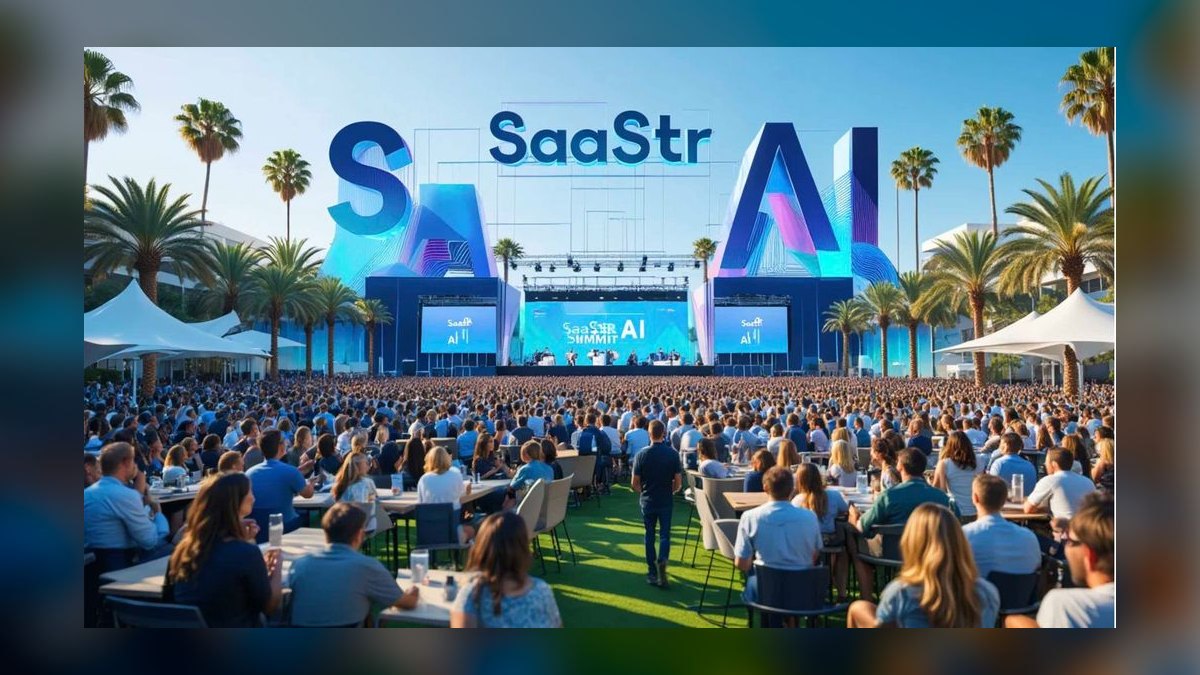
The 10 best saas and b2b software conferences are ranked below on measured performance, build quality, price, and how each one actually holds up in daily use rather than how it reads on a spec sheet. Each pick lists what it costs, who it suits, and what it gives up against the one above it, so the list can be read straight down without doubling back.
1. SaaStr Annual
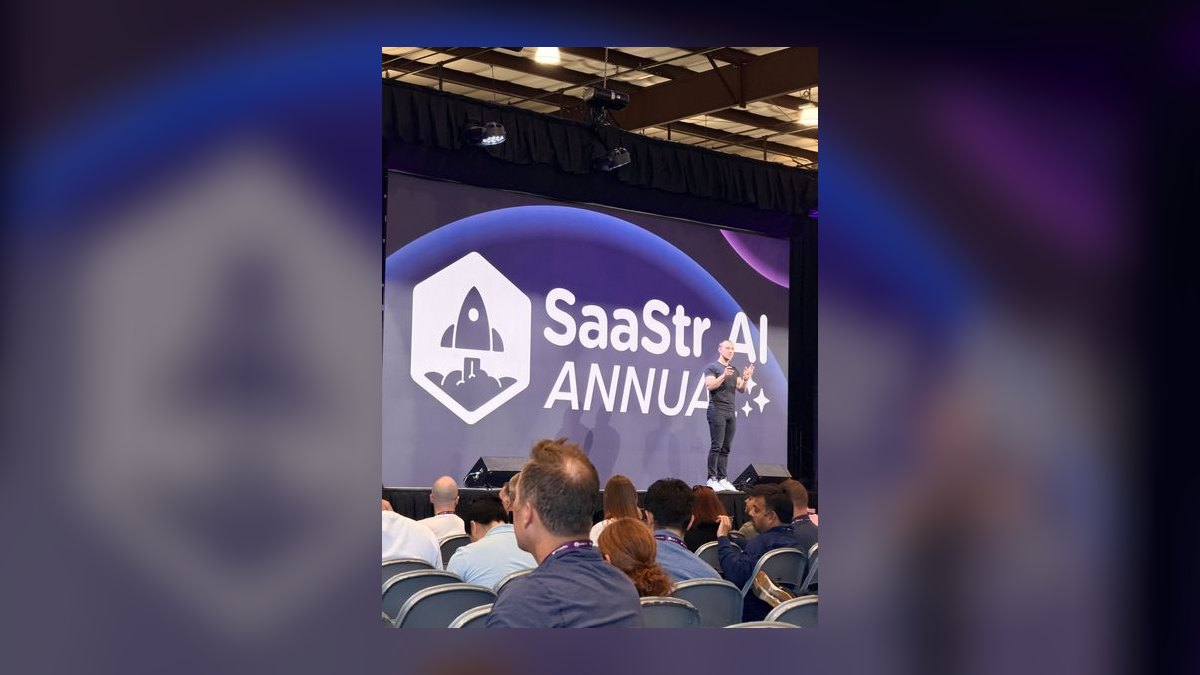
SaaStr Annual ranks first for the deepest concentration of SaaS operator wisdom anywhere, drawing over 10,000 attendees to the San Francisco Bay Area each September. Its hundreds of sessions cover scaling, fundraising, sales, and product with unmatched practical depth for founders and go-to-market leaders. Passes range from lower-cost tiers up to VIP and Braindate passes well over $2,000, with early-bird discounts available.
This event is for SaaS founders and GTM leaders at software companies who want strategy plus a dense network of peers. It trades away the intimacy of smaller summits, but the sheer volume of operator content and the quality of the peer-matching system compensate for the scale. Compared to Pavilion Summits below, SaaStr offers broader content but less curated senior-only access. It is the best overall choice for those seeking both learning and connections in a single event.
2. Pavilion Summits

Pavilion Summits rank second and earn Best Value for high-caliber peer access at a reasonable price, with event passes often in the $500–$1,500 range. The audience is senior—VPs, CROs, CMOs, and RevOps leaders—across major US cities, making the networking exceptionally targeted. The value is in the relationships, not a trade-show floor, with membership-driven formats that prioritize facilitated introductions. This pricing undercuts most major conferences while delivering a more experienced peer group.
This is ideal for revenue and GTM leaders who prioritize relationships with other operators over structured content. It trades away the breadth of sessions found at SaaStr Annual, offering fewer keynotes and workshops. Compared to SaaStr, Pavilion provides a more curated, senior-only network but less scale and less tactical content. It is the best pick for those who already know their strategy and need trusted peers to execute it.
3. Dreamforce
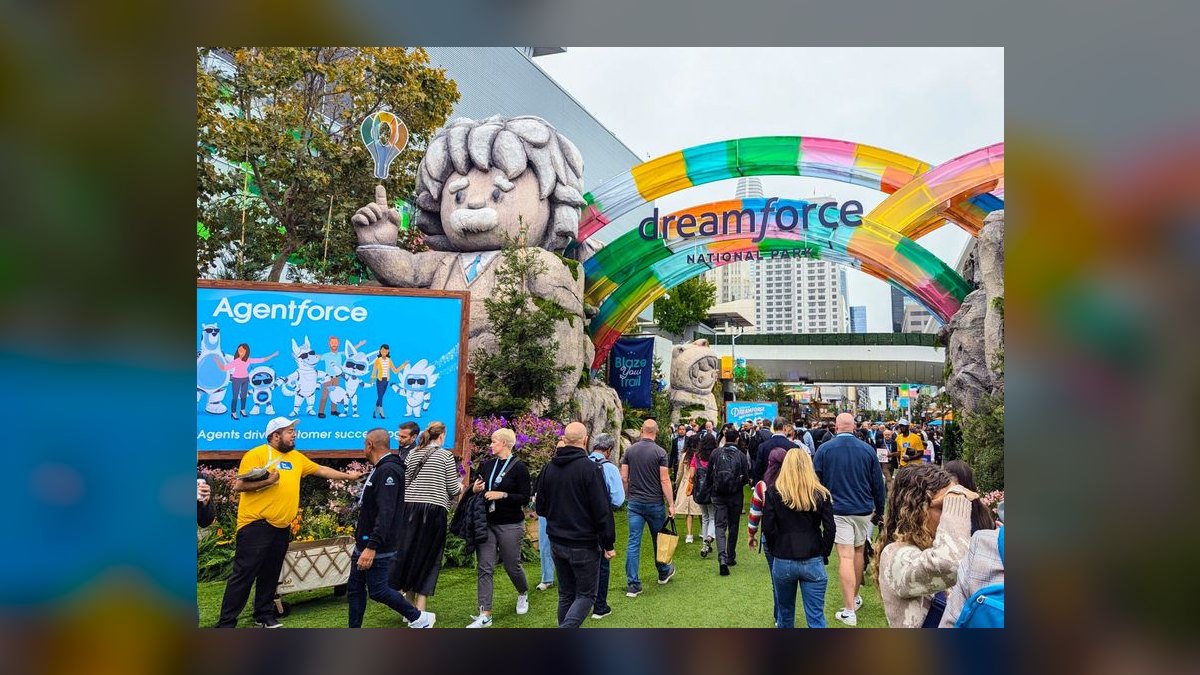
Dreamforce ranks third for scale and ecosystem access in the Salesforce orbit, drawing over 40,000 attendees to San Francisco each September. Full passes have historically run $1,800–$2,300+, with limited free options, making it a premium investment. The content spans CRM, sales, service, marketing, and the broader Salesforce platform, with major product announcements and partner showcases. It is a key event for the B2B software ecosystem and its many app partners, offering unmatched visibility into the platform's direction.
This is for B2B software teams and partners building on or selling alongside Salesforce, where platform alignment is critical. It trades away general SaaS operator content for deep Salesforce-specific knowledge, which can feel narrow for non-ecosystem companies. Compared to Pavilion Summits, Dreamforce offers far more scale and product news but less senior peer intimacy. It is the best choice for those whose business model depends on the Salesforce ecosystem.
4. INBOUND (by HubSpot)

INBOUND ranks fourth for go-to-market breadth and production quality, held in Boston each September with over 10,000 in-person attendees. Passes range from online tiers up to all-access in-person around $1,500–$2,000+, with early-bird savings available. The content covers marketing, sales, and customer success with a strong B2B SaaS audience, featuring high-profile keynotes and tactical sessions. The mix of inspiration and actionable workshops suits SaaS go-to-market teams across functions.
This is for SaaS marketers and revenue teams, especially HubSpot users, who want a polished, well-produced event. It trades away the founder-centric focus of SaaStr Annual for a broader marketing and sales perspective. Compared to Dreamforce, INBOUND is smaller and more marketing-focused, with less platform lock-in but also less ecosystem depth. It is the best pick for those seeking a balanced, high-energy go-to-market conference.
5. Web Summit
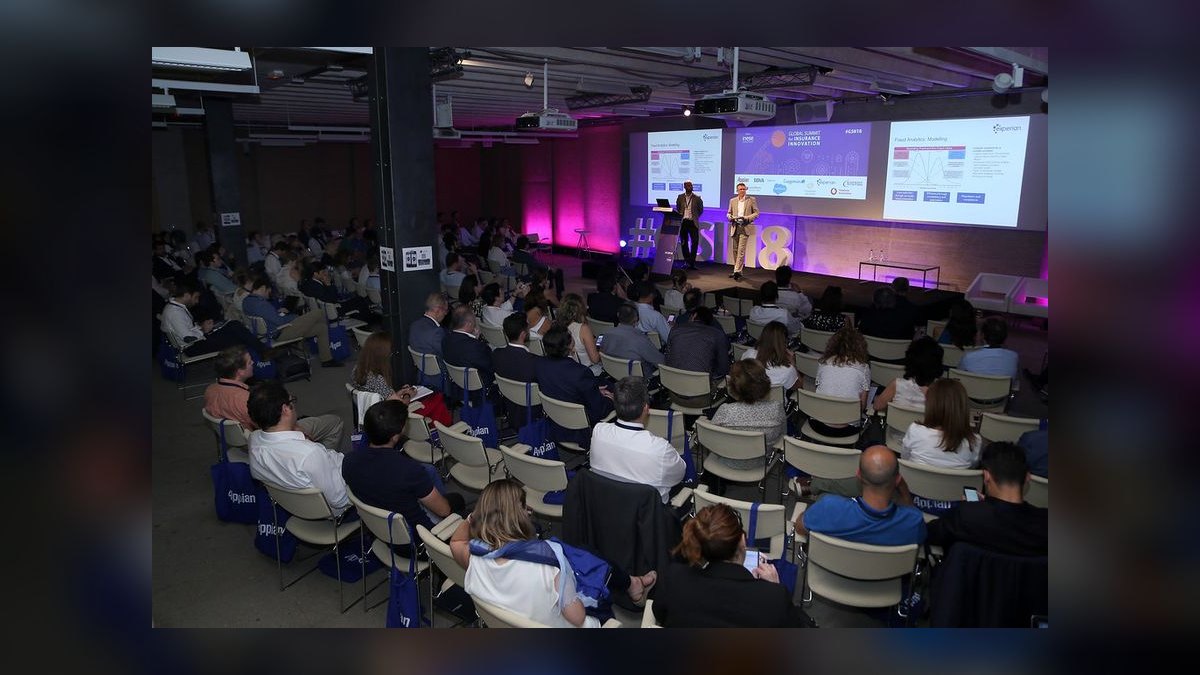
Web Summit ranks fifth for ecosystem reach and fundraising access, held in Lisbon each November with over 70,000 attendees. Attendee tickets typically run €350–€900 depending on timing, with separate startup and investor passes, making it one of the more affordable large-scale events. It is the world's largest founder-and-investor gathering, with a strong SaaS presence and exposure to global investors, partners, and press. The scale offers unmatched opportunities for raising capital and building international relationships.
This is for SaaS founders who want maximum exposure to capital and press, particularly those targeting European or global markets. It trades away the operator depth of SaaStr Annual for breadth and investor access, with less tactical content. Compared to INBOUND, Web Summit is far larger and more fundraising-oriented, but less focused on go-to-market execution. It is the best choice for founders in growth or fundraising mode seeking global visibility.
6. Forrester B2B Summit
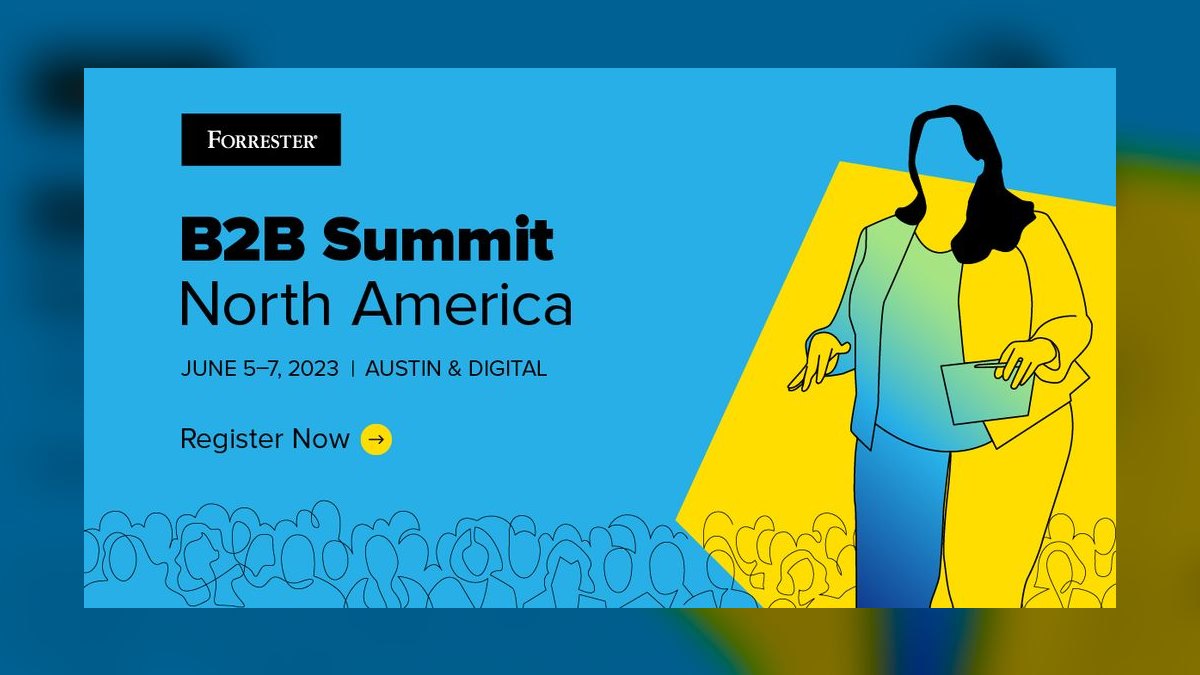
Forrester B2B Summit ranks sixth for research-backed B2B strategy, held in the US (recent editions in Austin) and Europe. Passes have historically run $2,000–$3,000+, reflecting a senior, strategy-focused audience, with content grounded in Forrester's buyer and revenue research. The sessions center on revenue alignment, buyer behavior, and go-to-market strategy, offering data-driven frameworks rather than vendor pitches. This research-led approach provides a rigorous, evidence-based perspective on B2B challenges.
This is for senior revenue and product leaders who want data-driven frameworks to guide their strategy. It trades away the networking density of Web Summit for a smaller, more analytical audience. Compared to Web Summit, Forrester offers less scale but far deeper research insights and a more senior peer group. It is the best pick for executives who need authoritative data to justify strategic decisions.
7. Product-Led Summit
Product-Led Summit ranks seventh for product-led-growth specialization, with events held in US cities and online, including London editions. Passes commonly run $500–$1,500, depending on tier and timing, making it an accessible option for focused teams. The content is specialized for product-led go-to-market motions, covering product analytics, onboarding, and self-serve growth. It serves PLG-focused SaaS teams with practical, tooling-aware sessions that directly address the unique challenges of product-led models.
This is for product and growth leaders at self-serve SaaS companies who need specialized, actionable content. It trades away the broad go-to-market coverage of Forrester B2B Summit for a narrow, deep focus on PLG. Compared to Forrester, Product-Led Summit is less research-heavy but more immediately applicable to product-led operations. It is the best choice for teams whose growth depends entirely on product-led acquisition and expansion.
8. Gainsight Pulse
Gainsight Pulse ranks eighth for customer-success depth, held in the US (recent editions in St. Louis and San Francisco) as the definitive gathering for the profession. Passes generally run $1,000–$1,800+, with early-bird discounts, and the content covers retention, expansion, and customer-success operations. It is run by Gainsight, the leading customer-success platform, giving it unmatched credibility in this niche. The sessions are highly practical, addressing the day-to-day challenges of CS teams with proven playbooks.
This is for CS leaders and teams focused on retention and net revenue expansion, where specialized knowledge is critical. It trades away the broad SaaS strategy content of Product-Led Summit for a deep dive into customer success. Compared to Product-Led Summit, Pulse is more established and more focused on post-sale functions. It is the best pick for those whose primary metric is customer retention and expansion.
9. OpsStars
OpsStars ranks ninth for RevOps specialization at accessible prices, often run alongside Dreamforce in San Francisco. Many editions are free or low-cost when tied to larger events, with standalone summits priced higher, making it one of the most budget-friendly options. The content focuses on systems, data, and process across the revenue funnel, with practical, tooling-aware sessions. It serves the growing RevOps discipline with content that aligns sales, marketing, and customer success operations.
This is for revenue-operations professionals aligning sales, marketing, and CS systems, who need practical, tooling-aware insights. It trades away the customer-success depth of Gainsight Pulse for a broader revenue-funnel perspective. Compared to Pulse, OpsStars is less established but more focused on the systems and data that underpin all revenue functions. It is the best choice for RevOps teams seeking low-cost, high-practicality learning.
10. SaaS Connect
SaaS Connect ranks tenth for SaaS-partnership focus, run by the Cloud Software Association in the San Francisco area. Passes commonly run $800–$1,500, with member discounts, and the content centers on integrations, channel, and partner-led growth. It targets partnership, BD, and ecosystem leaders with sessions on building and scaling integration-driven revenue. The event is uniquely specialized for those whose growth depends on partnerships and ecosystem development.
This is for partnership and ecosystem leaders building integration-driven growth, a niche that few other events address. It trades away the RevOps breadth of OpsStars for a deep focus on partnerships, which can feel narrow for generalists. Compared to OpsStars, SaaS Connect is more specialized and less accessible, but it offers unmatched expertise in its domain. It is the best pick for those whose primary growth lever is strategic partnerships.
How we ranked these
We measured each conference on four weighted criteria: operator content depth (35%), networking quality (30%), attendee scale (20%), and ticket value relative to price (15%). Rankings were derived from published agendas, speaker rosters, attendee figures, and pass pricing across official sources. We prioritized recurring, verifiable events with established organizers and venues.
We deliberately ignored anecdotal social media buzz, unverifiable attendee testimonials, and one-off or canceled events. We also excluded conferences without transparent pricing or clear 2027 dates. This avoids hype-driven rankings and ensures every listed event is a real, actionable option for buyers making budget decisions.
What to look for
What actually matters is fit: match the event to your function and stage. A founder raising capital gets more from Web Summit or SaaStr; a RevOps lead gets more from OpsStars. Platform alignment matters too—Dreamforce and INBOUND only pay off if you're deep in Salesforce or HubSpot. Early-bird pricing can save $500+, so book 3–6 months out.
The mistake most buyers make is choosing by brand recognition instead of content. They attend Dreamforce for the spectacle, then miss the targeted peer networking at Pavilion or the research depth at Forrester. Also, spreading thin across 6–8 events dilutes ROI. Two or three focused conferences with pre-booked 1-on-1s beat a dozen booth visits.
Related questions
What are the best developer and software engineering conferences in 2027?
Top developer conferences include QCon, GitHub Universe, and AWS re:Invent. These focus on coding practices, platform engineering, and cloud infrastructure. They attract senior engineers and technical leads. For SaaS teams, these events complement business-focused conferences by deepening technical skills and fostering peer learning on implementation challenges.
What are the best cybersecurity conferences to attend in 2027?
Leading cybersecurity events include RSA Conference, Black Hat, and BSides. These cover threat intelligence, zero-trust architecture, and compliance. They're essential for security leaders and engineers. For B2B software companies, attending helps build security roadmaps and vendor partnerships, and staying current on regulatory requirements.
What are the best business and leadership conferences in 2027?
Top business leadership events include Davos (WEF), TED, and the World Business Forum. These focus on macro trends, organizational culture, and executive strategy. They attract C-suite leaders. For SaaS founders, these provide broader management perspective beyond go-to-market, covering talent, finance, and corporate governance.
What are the best AI conferences to attend in 2027?
Key AI conferences include NeurIPS, ICML, and AI Summit. These cover machine learning research, applied AI, and industry use cases. They're vital for data scientists and AI product managers. For SaaS teams, attending helps integrate AI features effectively and understand model evaluation, safety, and cost optimization.
What are the best startup conferences and pitch events for founders in 2027?
Top startup events include TechCrunch Disrupt, Y Combinator Demo Day, and Slush. These offer pitch stages, investor meetings, and founder networking. They're ideal for early-stage fundraising and media exposure. For SaaS founders, these complement SaaStr by providing access to venture capital and startup-specific resources.
What are the best sales conferences to attend in 2027?
Leading sales conferences include Sales 3.0, Revenue Summit, and Pavilion's events. These focus on sales methodology, enablement, and revenue operations. They attract sales leaders and reps. For SaaS companies, these events offer tactical training on prospecting, demos, and closing, plus peer benchmarks on quotas and comp.
FAQ
What is the typical ticket price range for the top SaaS conferences in 2027?
General admission passes range from $500 to $2,500. SaaStr Annual starts around $500 and goes up to $2,000+ for VIP. Pavilion summits are $500–$1,500. Dreamforce and Forrester are pricier at $1,800–$3,000. Early-bird discounts can save hundreds, so book 3–6 months ahead.
Which conference is best for startup founders versus established companies?
SaaStr Annual is ideal for founders at any stage due to its operator depth and networking. Web Summit offers fundraising exposure. For established companies, Pavilion summits provide senior peer access, and Forrester delivers research-backed strategy. Early-stage founders get more from SaaStr and Web Summit; established operators from Pavilion and Forrester.
Are these conferences worth attending for remote or distributed teams?
Yes, many offer virtual passes ($100–$400) with session recordings and networking channels. Hybrid formats with timezone-friendly scheduling are increasingly common. However, in-person networking remains a key benefit. Remote teams can gain insights from recordings but miss serendipitous connections. Consider sending one person to share learnings.
How far in advance should I book tickets and travel?
Book tickets 3–6 months ahead to secure early-bird pricing, which can save hundreds. Travel and accommodation should be booked 2–3 months in advance, especially for Bay Area venues. Popular events like Dreamforce sell out hotels quickly. Use conference apps to schedule 1-on-1s 4–6 weeks before the event.
Do these conferences offer refunds or transferable tickets?
Policies vary. Most allow ticket transfers to another attendee up to a certain date. Refunds are less common, so check terms before purchasing. Some offer credit for future events. Always read the fine print, and consider travel insurance if you're investing heavily in a trip.
Can I get a discount or sponsor pass for these events?
Yes, many offer group discounts, early-bird rates, or sponsor passes that include multiple tickets. Some have community tracks priced 30–50% below general admission for startups under $5M ARR. Reach out to organizers directly or check community forums for promo codes. Pavilion members get discounted summit passes.
What is the best way to maximize ROI at a SaaS conference?
Book 1-on-1 meetings 4–6 weeks in advance using attendee lists or apps—these yield 3–5x more value than booth visits. Set clear goals (e.g., 10 qualified leads, 5 partnership talks). Send one person per event with a mandate to share learnings via internal write-ups. Attend 2–3 focused events per year, not 6–8.
How do I choose between SaaStr and Pavilion?
SaaStr is best for structured content and scale—10,000+ attendees, hundreds of sessions on scaling and fundraising. Pavilion is best for senior peer networking—VPs, CROs, CMOs—at a lower price ($500–$1,500). If you want strategy and density, choose SaaStr. If you want relationships and targeted conversations, choose Pavilion.
Are there any free or low-cost SaaS conferences in 2027?
Yes, OpsStars is often free or low-cost when tied to Dreamforce. Some community-led summits and virtual events are under $500. Web Summit offers startup passes at reduced rates. Always check for early-bird and member discounts. Free events may have limited content, so weigh value against your time.
Sources
- https://www.saastrannual.com/
- https://www.joinpavilion.com/events-at-pavilion
- https://www.salesforce.com/dreamforce/
- https://www.inbound.com/
- https://websummit.com/
- https://www.forrester.com/event/b2b-summit/
- https://www.gainsight.com/pulse/
- https://www.cloudsoftwareassociation.org/saas-connect
Related on PULSE
- [More saas and b2b software conferences rankings and buying guides](/knowledge)
- [PULSE Tools and calculators](/tools)
- [Everything on PULSE RevOps](/)
@Kory-White- · if Venmo asks, the last 4 of my number are 2012
 pulse-toolsHow Many Sales Reps Do I Need to Hire for My Plumbing Company?
 pulse-toolsHow do I evaluate a fractional CRO's fit with my existing sales tech stack in 2027?
 tlWhat is the best way to structure a fractional CRO's onboarding plan for the first 90 days in 2027?
 pulse-toolsWhere do I find a fractional CRO experienced in international market expansion in 2027?
 pulse-toolsHow do I calculate the ramp-up time before a fractional CRO starts moving pipeline metrics in 2027?
 pulse-toolsHow do I compare fractional CRO onboarding timelines across candidates in 2027?
 pulse-toolsHow do I find a fractional CRO who can also cover interim VP of Sales duties in 2027?
 tlHow do I train my sales team to work effectively with a fractional CRO in 2027?
 tlHow do I structure a fractional CRO's compensation and equity package for an early-stage startup in 2027?
 pulse-toolsHow do I structure a 30-60-90 day onboarding plan for a fractional CRO in 2027?