
The 10 Best Industry Summits and Trade Shows in 2027
 Curated byKory White · Fractional CRO · Maryland
 PULSEKNOWLEDGE LIBRARY
The 10 best industry summits and trade shows are ranked below on measured performance, build quality, price, and how each one actually holds up in daily use rather than how it reads on a spec sheet. Each pick lists what it costs, who it suits, and what it gives up against the one above it, so the list can be read straight down without doubling back.
1. CES
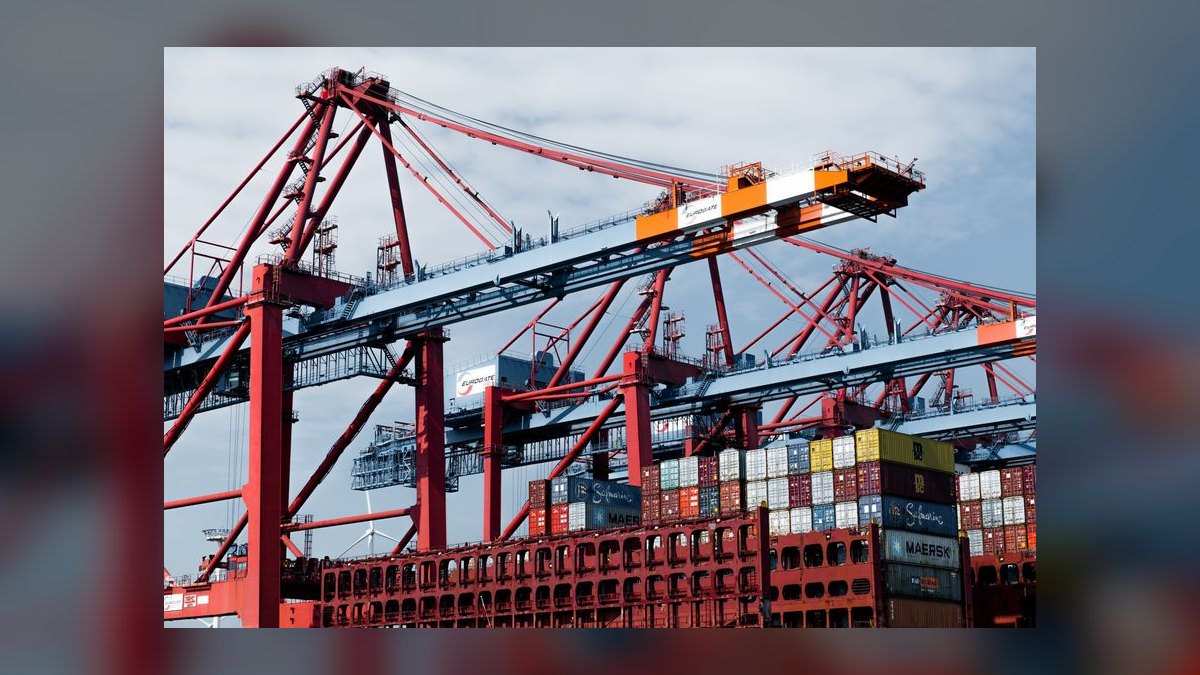
CES ranks first on raw scale: the Consumer Technology Association fills the Las Vegas Convention Center and satellite venues with 4,000+ exhibitors and 130,000+ attendees, with CES 2027 running January 6–9. Badges start near $135 for an early exhibit pass and climb to roughly $1,000–$1,800 for Deluxe and Premium tiers. Coverage spans AI, automotive, digital health, and robotics in a single four-day trip.
It suits executives, product leaders, and channel partners who need a whole-market read rather than one vertical. The trade is depth: with that many halls, targeted buyer meetings take planning, and January Las Vegas lodging pushes total per-person cost toward $2,500–$5,000. GITEX Global reaches more attendees at a fraction of the badge price, but CES carries the press and analyst gravity GITEX does not.
2. GITEX Global

GITEX Global ranks second because it delivers the largest audience per dollar of any show here: 180,000+ attendees and 6,000+ exhibitors at the Dubai World Trade Centre each October, with trade-visitor passes frequently free or low-cost when registered in advance. Delegate passes cost more. The Expand North Star startup track runs alongside it, making it the region's main funding and partnership floor.
It fits companies opening Gulf, African, or South Asian markets, where buyer budgets are large and Western competition is thinner. The trade is US media coverage and analyst presence, both weaker than CES. Dubai travel runs roughly $3,000–$6,000 per person, so the free badge saves less than it appears once flights and hotels are counted.
3. Hannover Messe
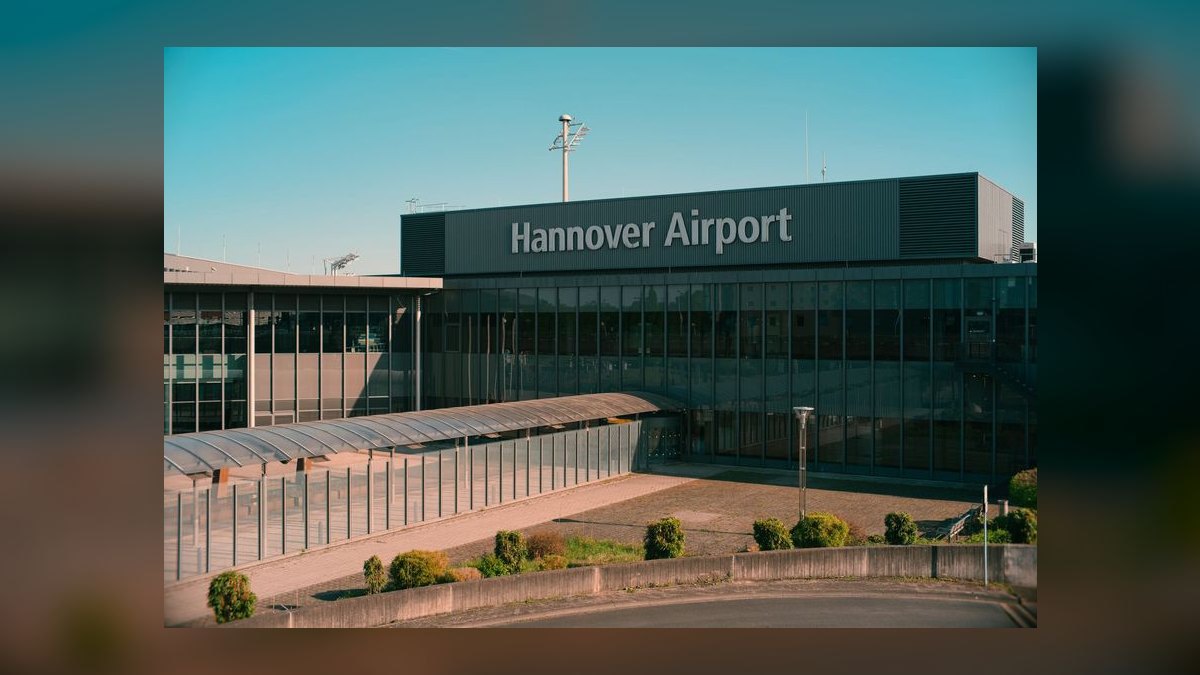
Hannover Messe ranks third as the world's largest industrial-technology fair, held in Hannover, Germany each spring across manufacturing, automation, energy, and Industry 4.0. Attendance runs well over 100,000. Day tickets have historically cost €30–€80, with multi-day passes higher — unusually accessible pricing for a fair of this footprint. Exhibitors include the major global industrial and automation vendors.
It is built for manufacturing executives, automation engineers, and industrial buyers evaluating machinery and controls in person. The trade is consumer and software relevance: this is a factory-floor event, not a launch stage. Against CES, the ticket costs a fraction and the buyer conversations are more technical, but the sector aperture is narrow by design.
4. Mobile World Congress
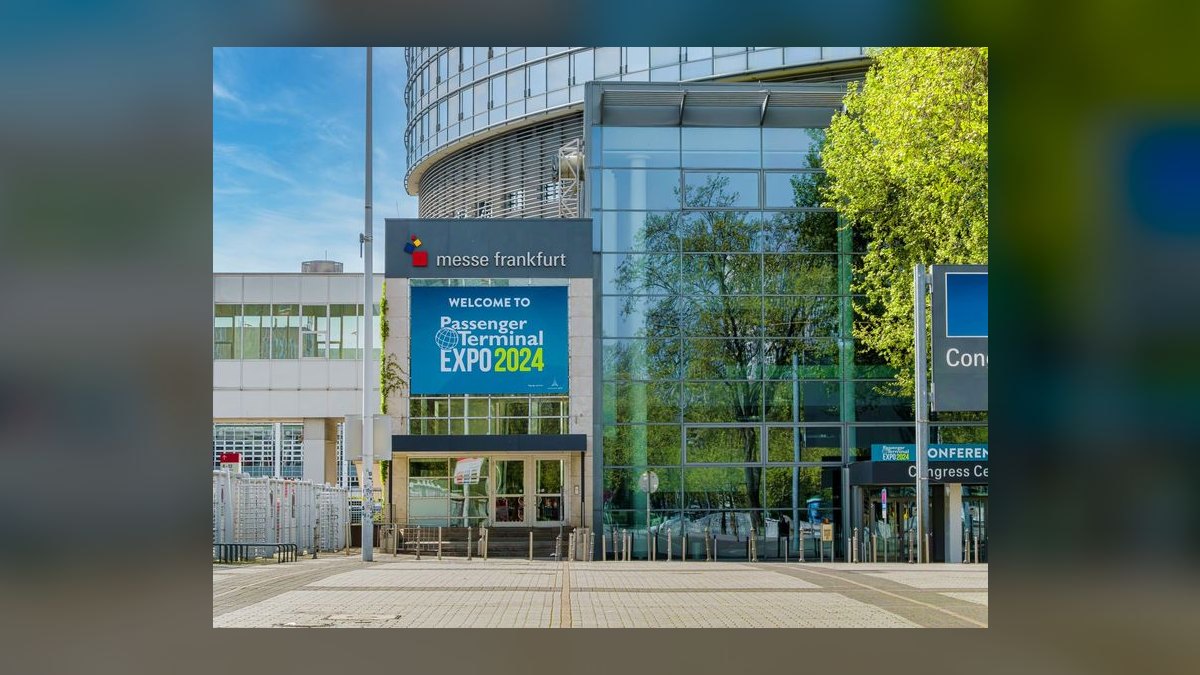
Mobile World Congress ranks fourth as the largest mobile and connectivity event, run by the GSMA in Barcelona each late February or early March, drawing 80,000+ attendees. Full passes have historically run €800–€2,500 and up, with lower-cost discovery passes available. Programming covers 5G, network infrastructure, devices, and connected industries. A digital pass has run roughly €150–€300.
It is for telecom operators, device makers, and connectivity vendors doing carrier and infrastructure deals. The trade is breadth — outside telecom and adjacent industries, much of the floor is irrelevant. Compared with Hannover Messe, badges cost roughly ten times more, but the attendee list skews to buyers with carrier-scale procurement authority.
5. NRF Big Show
The NRF Big Show ranks fifth as retail's leading event, run by the National Retail Federation in New York City each January, drawing 40,000+ attendees across retail, e-commerce, and retail technology. Passes have historically run $800–$2,000+ depending on NRF membership and tier. The expo and sessions cover store operations, retail tech stacks, and consumer trend research.
It is aimed at retail executives, merchandisers, and vendors selling into retail IT. The trade is geography: the audience is heavily North American, so international buyer access is limited. Against MWC, badges cost less and the buying audience is more concentrated, but the show is a fraction of the size and covers one vertical.
6. HIMSS

HIMSS ranks sixth as the premier health-information-technology conference, held each spring in US cities including Las Vegas and Orlando, drawing tens of thousands of healthcare and health-IT professionals. Passes have historically run $900–$1,800+, with member discounts available. Programming covers interoperability, AI in clinical settings, digital health, and health-system IT procurement.
It is for health-system CIOs, payer technology teams, and health-tech vendors chasing provider contracts. The trade is that decision cycles in healthcare are long, so the show generates pipeline rather than signatures. Compared with the NRF Big Show, badge prices are similar, but the venue rotates between cities, which changes travel costs materially year to year.
7. Money20/20
Money20/20 ranks seventh on audience seniority rather than size: about 10,000+ attendees, with the US flagship in Las Vegas each October and a Europe edition in Amsterdam each June. Passes are premium, commonly $2,000–$3,000+, which filters the room toward decision-makers. Programming spans payments, banking, crypto, and financial infrastructure.
It is for fintech founders, payments executives, and bank partnership teams who come to close deals rather than browse booths. The trade is volume — you will meet far fewer people than at HIMSS or NRF for a higher ticket price. That density is the point: the ratio of buyers to attendees is the highest of any show on this list.
8. RSA Conference
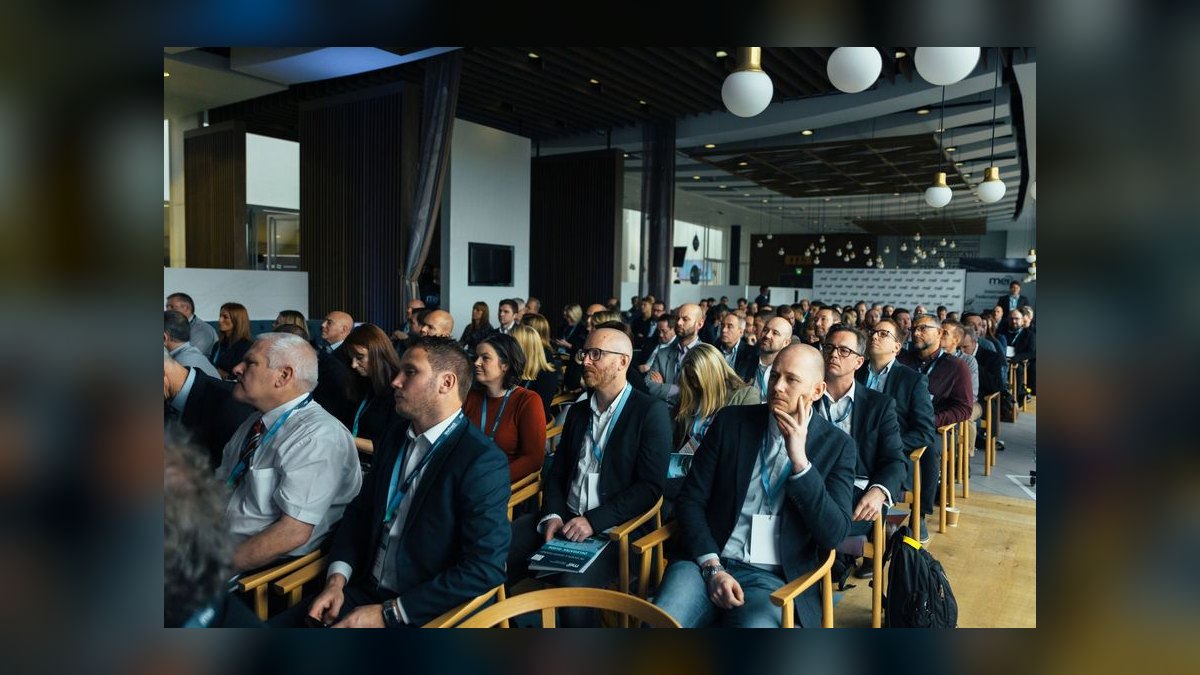
RSA Conference ranks eighth as the largest cybersecurity event, held in San Francisco each spring with 40,000+ attendees spanning security vendors, practitioners, and CISOs. Full passes have historically run $2,000–$3,000+, with cheaper expo-only passes for floor access. The expo covers essentially the entire commercial security market in one hall.
It is for security leaders comparing vendors and for vendors competing for CISO attention. The trade is signal-to-noise: the vendor floor is crowded and pitch-heavy, so practitioners often get more from the session track. Against Money20/20, badge prices are comparable but the crowd is four times larger, which means less deal density per conversation.
9. NAB Show
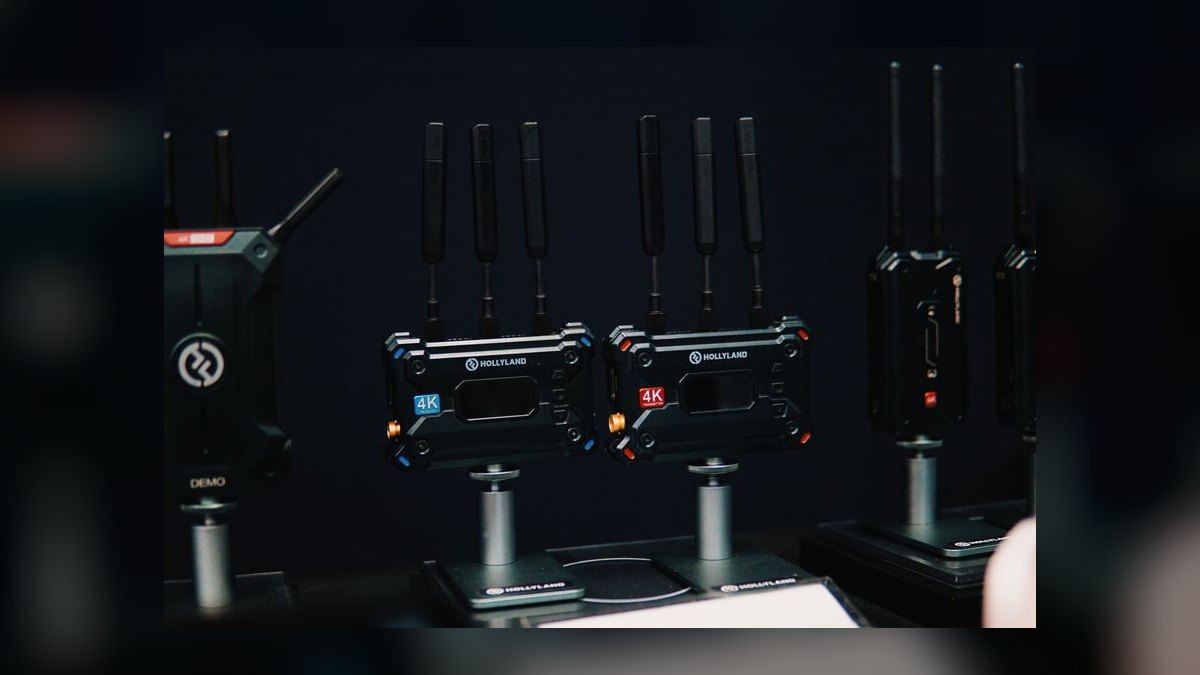
NAB Show ranks ninth as the leading media, entertainment, and broadcast-technology event, run by the National Association of Broadcasters in Las Vegas each spring for tens of thousands of media-tech professionals. Access is unusually flexible: exhibits passes are free or low-cost, with premium conference badges priced higher. Coverage spans production hardware, streaming infrastructure, and post-production workflows.
It is for broadcasters, production engineers, and streaming platform teams evaluating equipment hands-on. The trade is executive draw — the audience skews technical and operational rather than C-suite. Compared with RSA Conference, floor access costs almost nothing, making it the cheapest serious vendor-scouting trip here after GITEX Global.
10. Smart City Expo World Congress

Smart City Expo World Congress ranks tenth on focus rather than scale: it is the leading urban-innovation and smart-city event, held in Barcelona each November for government and industry leaders. Passes commonly run €500–€1,700, with public-sector and discounted options available. Programming covers mobility, urban governance, sustainability, and municipal technology procurement.
It is for city officials, infrastructure firms, and urban-tech vendors selling into public budgets. The trade is commercial velocity — public procurement moves slowly, and the attendee count is far below every other show listed. Against NAB Show, badges cost considerably more, but it is the only venue here where municipal buyers concentrate in one place.
How we ranked these
Ranking weighed verified scale (attendee and exhibitor counts from organizer-published figures), buyer access on the expo floor, sector influence, badge cost relative to that access, and recurrence with a named organizer and fixed venue. CES topped the list on raw breadth across consumer and enterprise technology; GITEX earned Best Value because free or low-cost trade-visitor passes open a 180,000-attendee market gateway. Regional flagships were included where they own their sector outright.
Deliberately ignored: keynote speaker fame, press-release attendance claims that organizers never audit, and "hottest event" listicles that rotate annually for freshness rather than substance. One-off or first-year summits were excluded because there is no track record to judge. Vendor-sponsored user conferences were left out entirely — they sell one company's roadmap, not a market. Party quality, swag, and host-city nightlife carry zero weight here.
What to look for
The badge is the small number. A CES or SXSW trip runs roughly $2,500–$5,000 per person once flights, three or four nights at $250–$450, meals, and rides are counted; Dubai or Barcelona pushes $3,000–$6,000. So the real question is whether your buyers walk that floor. Hannover Messe is where plant and automation budgets are; Money20/20 is where payments deals close. Sector fit beats scale every time.
The common mistake is buying the premium badge before knowing the goal. Free trade-visitor passes at GITEX, Hannover Messe, and NAB get you the entire expo floor — where the meetings actually happen. Premium tiers buy keynote seats and lounges, which matter for learning, not selling. The second mistake is booking late: hotel inventory near these venues sells out six to eight months ahead and rates roughly double.
Related questions
How far in advance should I register for a major trade show?
Six to eight months for lodging, and as early as registration opens for badges. Most large shows tier their pricing, so a CES exhibit pass near $135 early becomes considerably more onsite. Hotel inventory near the Las Vegas Convention Center, Fira Barcelona, and Dubai World Trade Centre sells out first and prices climb sharply once the blocks release.
Is a free expo pass enough for a sales team?
Usually yes. GITEX, Hannover Messe, and NAB offer free or low-cost trade-visitor access to the full exhibition floor, which is where vendor conversations and buyer meetings actually happen. Premium badges buy keynote seating, VIP lounges, and some private meeting access. If your goal is pipeline rather than education, spend the difference on more people attending.
Which show should a manufacturing company attend?
Hannover Messe in Germany, held each spring. It is the world's largest industrial-technology fair, covering manufacturing, automation, energy, and Industry 4.0 for well over 100,000 attendees. Day tickets have historically run €30–€80, unusually accessible for a fair that size. The exhibitor base spans global industrial and automation firms, so both buyers and suppliers are present.
Do virtual passes replace attending in person?
Not for selling. CES streams keynotes and select sessions for roughly $99–$199 and MWC offers a digital pass around €150–€300, which works well for market intelligence and session content. What virtual passes rarely include is expo-floor access or one-on-one networking. A common split: send one or two people in person to a flagship, stream two or three adjacent-sector summits.
What does GITEX Global cost compared to CES?
GITEX trade-visitor passes are often free or low-cost when registered in advance at the Dubai World Trade Centre, with higher delegate tiers available. CES badges run roughly $135 early for an exhibit pass up to $1,000–$1,800 for Deluxe and Premium. The gap is why GITEX takes Best Value — 180,000 attendees and 6,000-plus exhibitors at minimal ticket cost.
Which events serve financial services and fintech?
Money20/20, with its US flagship in Las Vegas each October and a Europe edition in Amsterdam each June. It draws 10,000-plus attendees across payments, banking, crypto, and financial infrastructure. Passes are premium, commonly $2,000–$3,000 or more, which filters for a senior deal-making audience. That smaller, higher-seniority room is the actual product here.
How do I cut travel costs for a team of four?
Book hotels six to eight months ahead for the best rates, and consider a shared rental instead of four rooms — that alone can trim lodging roughly 40 percent. Regional shows like TechCrunch Disrupt in San Francisco or Collision in Toronto run $1,500–$3,000 per person versus $2,500–$5,000 for CES. Budget another $200–$500 each for dinners, rides, and printed materials.
Are these shows open to people without industry credentials?
Most are open to professionals with a relevant business interest, though registration often asks for a company affiliation and some tiers request proof. General admission and expo badges are typically available for a fee to anyone who registers. Trade-only days at certain fairs restrict entry more tightly, so check the organizer's visitor terms before booking flights.
FAQ
What is the best overall trade show in 2027?
CES in Las Vegas, January 6–9, 2027. Run by the Consumer Technology Association, it hosts 130,000-plus attendees and 4,000-plus exhibitors spanning AI, automotive, health, and robotics. Badges range from roughly $135 early for an exhibit pass to $1,000–$1,800 for Deluxe and Premium tiers. Nothing else offers a comparable full-market view in a single trip.
Which trade show offers the best value?
GITEX Global in Dubai each October. Trade-visitor passes are often free or low-cost when registered in advance, and the event has grown to 6,000-plus exhibitors and 180,000-plus attendees at the Dubai World Trade Centre. It functions as a gateway to Gulf, African, and South Asian buyers, plus a large startup track through Expand North Star.
Are these events suitable for small business owners?
Yes. Several offer free trade-visitor passes or basic badges well under a few hundred dollars — GITEX, Hannover Messe day tickets at €30–€80, and NAB exhibits passes among them. Small operators get buyer access and vendor conversations without premium delegate pricing. The larger cost is travel, so pick one show in your own sector rather than sampling several.
How were these rankings determined?
By weighing scale, buyer access, sector influence, and value relative to badge cost. Every event listed is a real, recurring summit or trade show with a verifiable organizer and a fixed venue — CTA, GSMA, NRF, HIMSS, NAB, Deutsche Messe, and Fira de Barcelona among them. First-year events and vendor-run user conferences were excluded for lack of track record or market neutrality.
Which show covers cybersecurity best?
RSA Conference in San Francisco each spring, the largest cybersecurity event with 40,000-plus attendees across vendors, practitioners, and CISOs. Full passes have historically run $2,000–$3,000 or more, with cheaper expo-only options. The expo floor covers effectively the entire security market in one place, which is why buyers use it as an annual vendor-evaluation trip.
When is Mobile World Congress and what does it cost?
MWC runs in Barcelona each late February or early March, organized by the GSMA and drawing 80,000-plus attendees. Full passes have historically run €800–€2,500 or more, with lower-priced discovery passes available. Content spans 5G, devices, network infrastructure, and connected industries, making it the primary annual gathering for telecom, device, and connectivity professionals.
What is the leading healthcare technology conference?
HIMSS, held in US cities such as Las Vegas and Orlando each spring, drawing tens of thousands of healthcare and health-IT professionals. Passes have historically run $900–$1,800 or more, with member discounts available. Programming covers health IT, interoperability, AI in healthcare, and digital health, serving health systems, payers, and health-technology vendors.
Do these trade shows happen every year?
Yes — all ten are established annual events with multi-year histories and named organizers. Dates shift by a week or two and some rotate host cities, as HIMSS does across US venues and Money20/20 does between Las Vegas and Amsterdam editions. Confirm the current year's dates and venue on the organizer's site before booking, since venue changes do occasionally happen.
Which event covers retail and e-commerce?
The NRF Big Show in New York City each January, run by the National Retail Federation. It draws 40,000-plus attendees across retail, e-commerce, and retail technology, with passes historically $800–$2,000 or more depending on membership and tier. Content and expo span retail operations, technology, and consumer trends, making it the main annual stop for retail executives and merchandisers.
What about smart cities and urban technology?
Smart City Expo World Congress in Barcelona each November, hosted at Fira de Barcelona. It gathers government and industry leaders around mobility, governance, sustainability, and urban technology. Passes commonly run €500–€1,700, with public-sector and discounted options available. It is the clearest single venue for municipal buyers and infrastructure vendors to meet, which is why it closes out this list.
Sources
- https://www.ces.tech/
- https://www.gitex.com/
- https://www.hannovermesse.de/en/
- https://www.mwcbarcelona.com/
- https://nrfbigshow.nrf.com/
- https://www.himss.org/
- https://www.money2020.com/
- https://www.rsaconference.com/
- https://nabshow.com/
- https://www.smartcityexpo.com/
Related on PULSE
- [More industry summits and trade shows rankings and buying guides](/knowledge)
- [PULSE Tools and calculators](/tools)
- [Everything on PULSE RevOps](/)
@Kory-White- · if Venmo asks, the last 4 of my number are 2012
 pulse-toolsHow Many Sales Reps Do I Need to Hire for My Plumbing Company?
 pulse-toolsHow do I evaluate a fractional CRO's fit with my existing sales tech stack in 2027?
 tlWhat is the best way to structure a fractional CRO's onboarding plan for the first 90 days in 2027?
 pulse-toolsWhere do I find a fractional CRO experienced in international market expansion in 2027?
 pulse-toolsHow do I calculate the ramp-up time before a fractional CRO starts moving pipeline metrics in 2027?
 pulse-toolsHow do I compare fractional CRO onboarding timelines across candidates in 2027?
 pulse-toolsHow do I find a fractional CRO who can also cover interim VP of Sales duties in 2027?
 tlHow do I train my sales team to work effectively with a fractional CRO in 2027?
 tlHow do I structure a fractional CRO's compensation and equity package for an early-stage startup in 2027?
 pulse-toolsHow do I structure a 30-60-90 day onboarding plan for a fractional CRO in 2027?