


How much does a custom trade show booth cost in 2027?
Quality
Certified
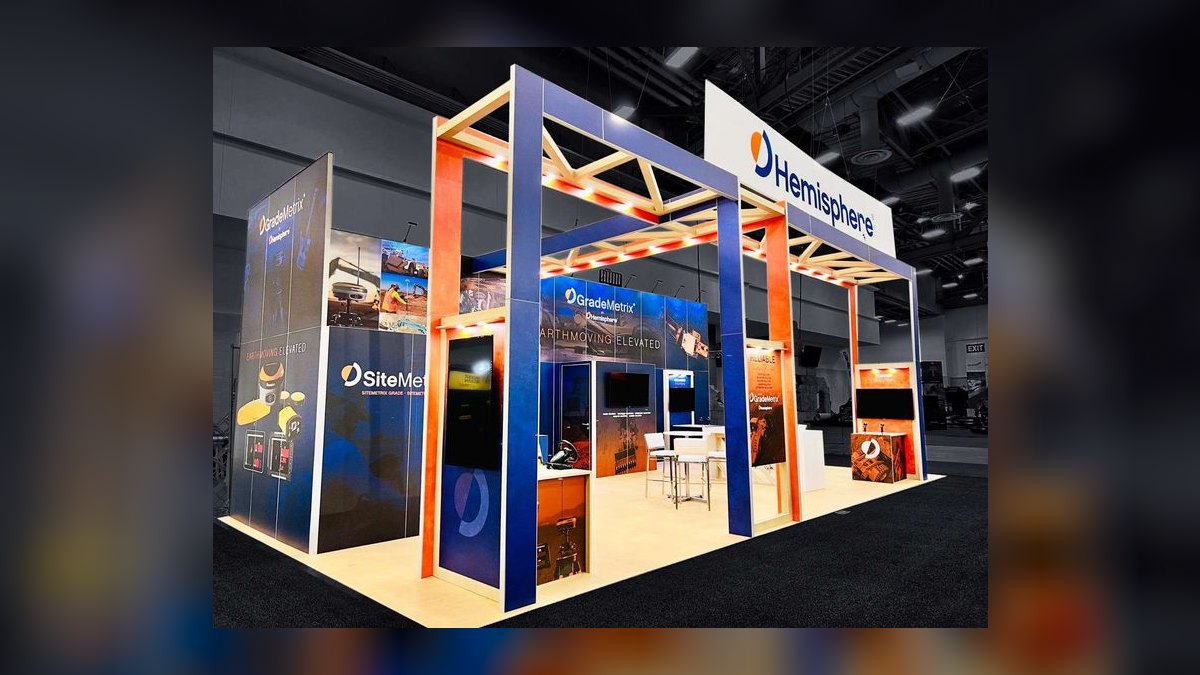
It depends — a custom trade show booth in 2027 is priced mainly by footprint, materials, and how much is fabricated new versus rented, so the same 10x10 inline can cost a fraction of a large custom island. As a rule of thumb the industry still prices custom fabrication on a per-square-foot basis, with a clear step-up as you move from inline to peninsula to island, and again from rental hardware to owned, purpose-built structures.
Before you anchor on any single figure, it helps to separate what you're actually buying: the physical structure, the design and engineering behind it, and the recurring show services (shipping, drayage, labor, electrical) that repeat every time you exhibit. Below we break each layer down so you can build a defensible budget instead of reacting to a quote.
What actually drives the cost of a custom trade show booth?
The single largest lever is size. Custom booths are almost universally quoted per square foot, so moving from a 10x10 inline to a 20x20 island doesn't just quadruple the floor — it introduces double-deck options, hanging structures, and heavier engineering that push the per-foot rate up, not just the total. The second lever is build type: a fully bespoke, from-scratch fabrication with custom millwork and integrated technology sits at the top of the range, while a "custom modular" system that reconfigures aluminum extrusion and printed graphics lands meaningfully lower for a similar visual footprint.
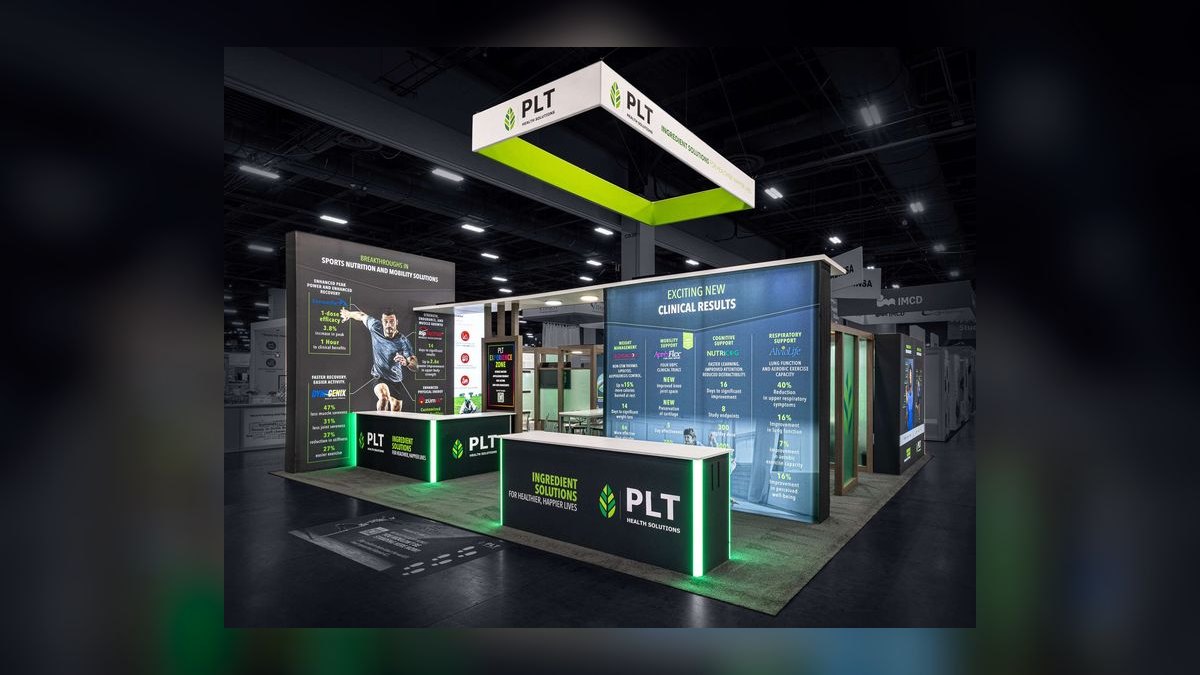
Materials and finish level compound quickly. Backlit fabric, laminated wood, tension-fabric structures, LED video walls, interactive kiosks, and reclaimed or sustainable materials each carry their own premium. So do the "soft" costs buyers routinely underestimate — design and 3D renderings, structural engineering and drawings, and pre-show mockups. When you compare two quotes that look far apart, the gap is usually hidden in these line items rather than in the raw structure. A disciplined budgeting approach treats each of these as its own bucket so nothing gets buried in a single "booth" number.
How does buying compare to renting a custom booth?
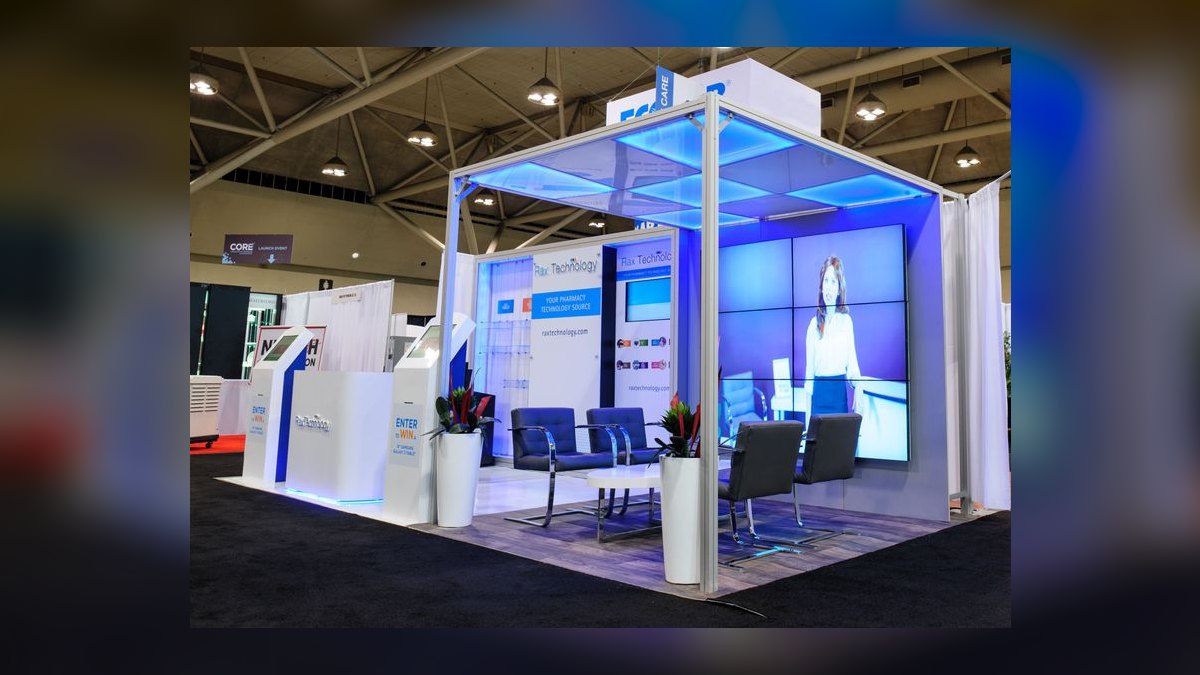
For a one-off show or a first appearance in a market, renting a custom-configured booth almost always wins on upfront cost. You pay for the hardware's use for that show plus graphics you keep, and you avoid storage, refurbishment, and long-term shipping of an asset you rarely use. The tradeoff is that rental economics invert once you exhibit frequently — three to four shows a year is the rough threshold where cumulative rental fees begin to approach the cost of owning, after which owning is typically cheaper per show.
Ownership carries obligations that don't show up in the sticker price: climate-controlled storage between shows, periodic graphics refreshes, repairs to worn components, and the round-trip freight of a heavy crate. Many exhibitors land on a hybrid — owning a core structure and renting supplemental elements (furniture, AV, additional square footage) per event. The decision mirrors a classic total-cost-of-ownership calculation, where the right answer flips based on frequency of use rather than any single quote.
The diagram above is a starting filter, not a verdict — a brand that exhibits at two flagship shows but needs a showstopper presence may still justify owning, while a company doing a dozen small regional shows might rent identical kits to avoid logistics headaches. Frequency sets the default; strategy adjusts it.
What hidden and recurring costs get left out of the initial quote?
The structure is a one-time (or amortized) expense; the show services are forever. Every time you exhibit, you pay for freight to and from the venue, drayage (the charge to move your crate from the loading dock to your space and back), installation and dismantle labor, electrical and rigging, internet, and often a mandatory cleaning fee. On union show floors these labor rates are set by the venue, not negotiable by you, and they can rival the cost of the booth itself over a booth's lifetime. Treating these as an afterthought is the most common way exhibitors blow their budgets.
Drayage in particular surprises first-time exhibitors because it's billed by weight, which means a heavier custom build costs more to move at *every* show, forever. This is why material choices ripple downstream — a lighter tension-fabric or aluminum system trades some durability for meaningfully lower recurring freight and drayage. Smart exhibitors model these repeating costs across a two- to three-year horizon, the same way a pipeline forecast accounts for recurring spend, so the "cheap" booth that's heavy and awkward to ship doesn't quietly become the expensive one.
How should you build a realistic 2027 booth budget?
Start with your footprint and show calendar, because those two facts constrain everything else. Confirm the exact booth dimensions you've contracted for at each show, count how many shows you'll do in the next two years, and note which venues are union versus non-union. From there, split your budget into four buckets: (1) structure — bought or rented; (2) design and engineering; (3) graphics and technology; and (4) recurring show services. Assigning a range to each bucket separately produces a far more defensible number than trying to name one all-in figure.
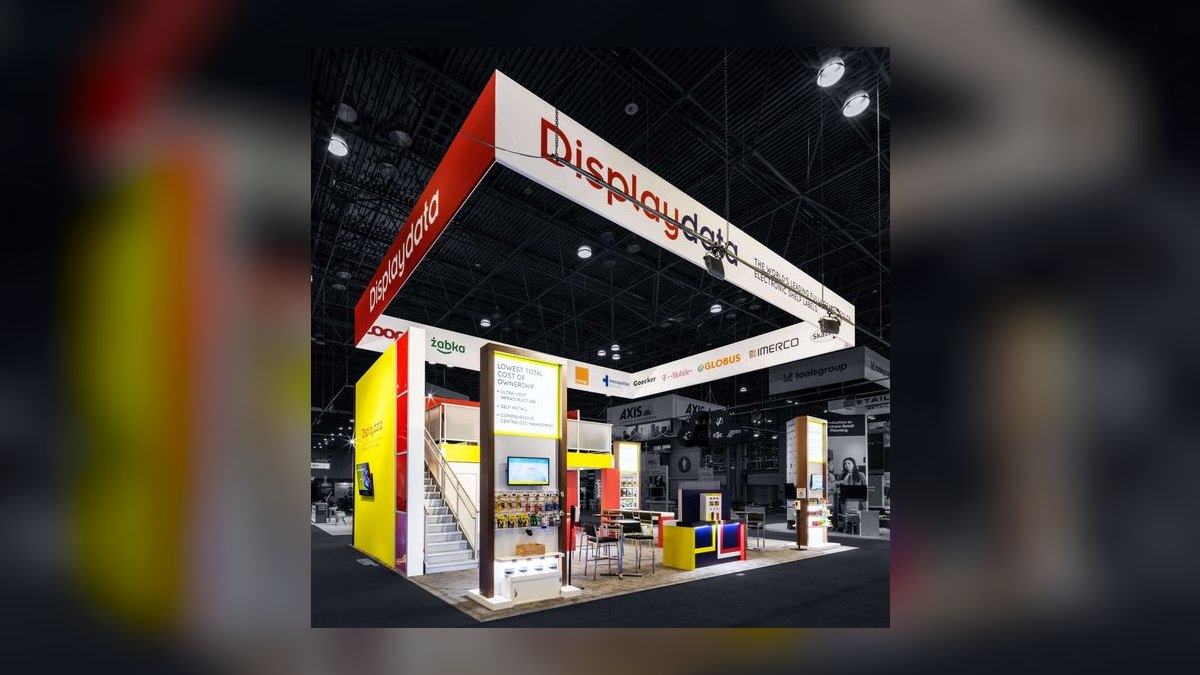
Then apply a contingency — trade shows are notorious for last-minute charges (overtime labor, forgotten electrical drops, expedited reprints), and experienced planners hold back a meaningful reserve rather than spending to the last dollar. Get itemized quotes from at least two or three vendors and normalize them line by line, because a lower headline price frequently excludes engineering, storage, or freight that a higher quote includes. When quotes are apples-to-apples, the real cost picture appears, and you can negotiate specifics instead of arguing over a single lump sum.
Building the number this way turns a vendor negotiation into a structured comparison. Instead of asking "is this booth too expensive?", you can ask "why is this vendor's engineering line double the other's?" — a question that gets you an answer and often a concession.
How is 2027 different from prior years for booth pricing?
Two forces shape 2027 budgets. First, materials and labor inflation has largely persisted from the post-pandemic years, so nominal booth costs sit above where they were mid-decade even for an identical design; buyers reusing an old budget will find it short. Second, technology expectations have risen — attendees now expect LED walls, interactive touchpoints, and content-driven experiences that were premium add-ons a few years ago, and that expectation quietly pushes the "baseline" custom booth up-market.
Working in the other direction, sustainability and modularity are creating genuine savings paths. Reusable, reconfigurable systems that a few years ago were seen as lower-end are now engineered to look fully custom, letting brands amortize one structure across multiple show layouts. Many venues and organizers also now reward or require lighter, greener builds, which aligns cost savings with compliance. The net effect for 2027: the ceiling is higher because of tech and inflation, but the smart-money floor is more achievable than ever if you commit to a reusable, freight-friendly design.
Related questions
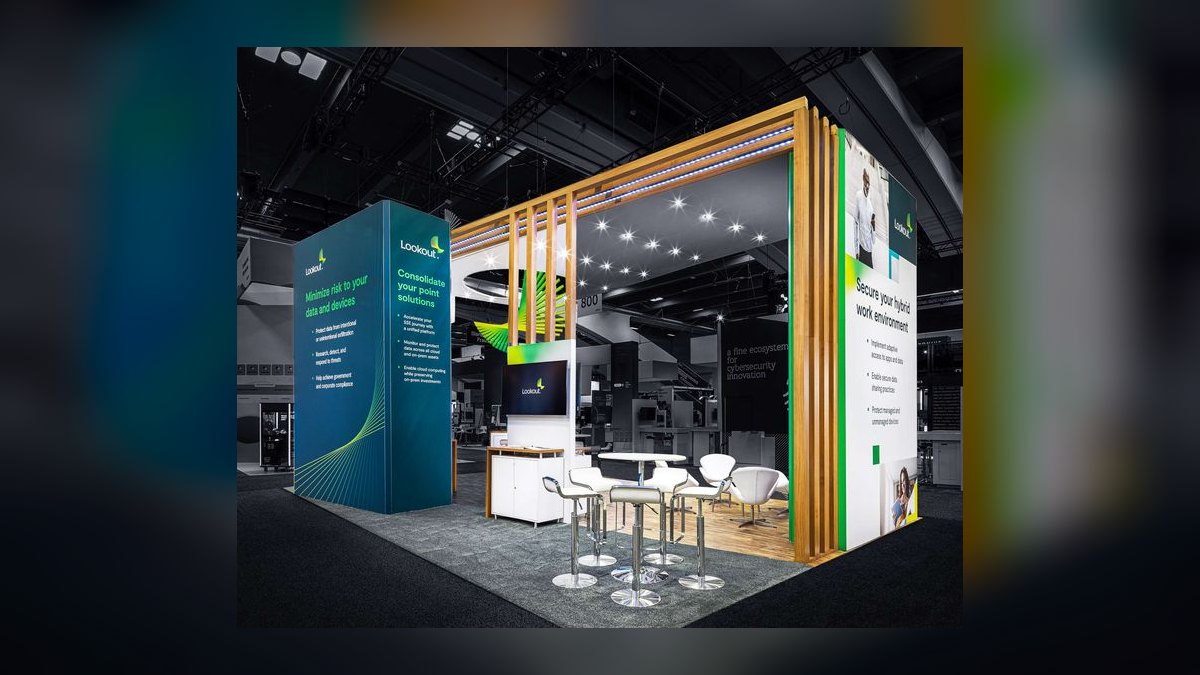
How much does a 10x10 custom booth cost versus a 20x20 island?
The island costs several times more, not just double — larger footprints add double-deck options, hanging signs, heavier engineering, and higher per-square-foot rates, so the jump is disproportionate to the added floor space.
Is it cheaper to rent or buy a trade show booth?
Renting is cheaper for occasional exhibitors; buying wins once you exhibit roughly three or more times a year, at which point cumulative rental fees exceed ownership plus storage and freight.
What is drayage and why does it matter for cost?
Drayage is the fee to move your crate between the venue's dock and your booth space. It's billed by weight, recurs at every show, and makes heavier custom builds more expensive to exhibit over their lifetime.
How far in advance should I order a custom booth?
Plan several months out — custom design, engineering, fabrication, and pre-show mockups all take time, and rushing any stage invites rush fees and reduced material choices.
Do trade show booth costs include installation labor?
Usually not by default. Installation and dismantle labor, often at venue-set union rates, is a separate recurring line and should be budgeted as a show service rather than part of the structure.
FAQ
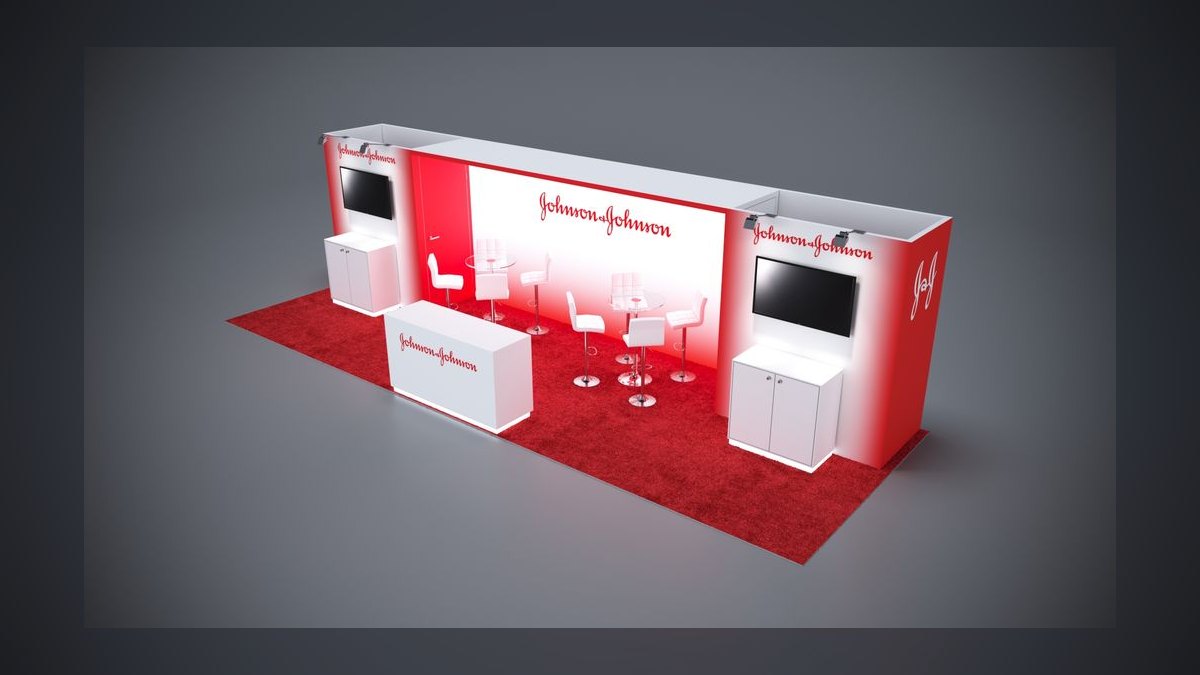
What's the difference between a custom booth and a custom modular booth? A fully custom booth is fabricated from scratch for your brand — bespoke millwork, integrated tech, and a structure designed once for a specific footprint. A custom modular booth uses reconfigurable aluminum extrusion and swappable graphics to achieve a custom *look* while remaining lighter, cheaper to ship, and adaptable to different booth sizes across shows. For most exhibitors who attend multiple events, custom modular delivers the best balance of appearance and lifetime cost.
How much of my budget should go to the structure versus services? There's no universal split, but the mistake to avoid is spending everything on the structure and treating services as a rounding error. Over a booth's multi-year life, recurring show services — freight, drayage, labor, electrical — can collectively rival or exceed the one-time structure cost. Budget both from the start, and weight your material choices toward lighter builds to keep those recurring charges down.
Are design and engineering fees included in a booth quote? Not always, and this is a leading cause of quotes looking far apart. Some vendors bundle 3D renderings, structural engineering, and drawings into the headline number; others itemize them separately. Always confirm what's included and normalize competing quotes line by line before comparing totals, or you'll compare an all-in price against a structure-only one.
Can I reuse a custom booth for different show sizes? Yes, if you design for it. Modular and reconfigurable systems are specifically engineered to reformat from, say, a 20x20 island into a 10x20 inline, letting you amortize one investment across shows with different footprints. A one-off bespoke build locked to a single dimension can't do this, which is why frequent exhibitors increasingly favor flexible systems.
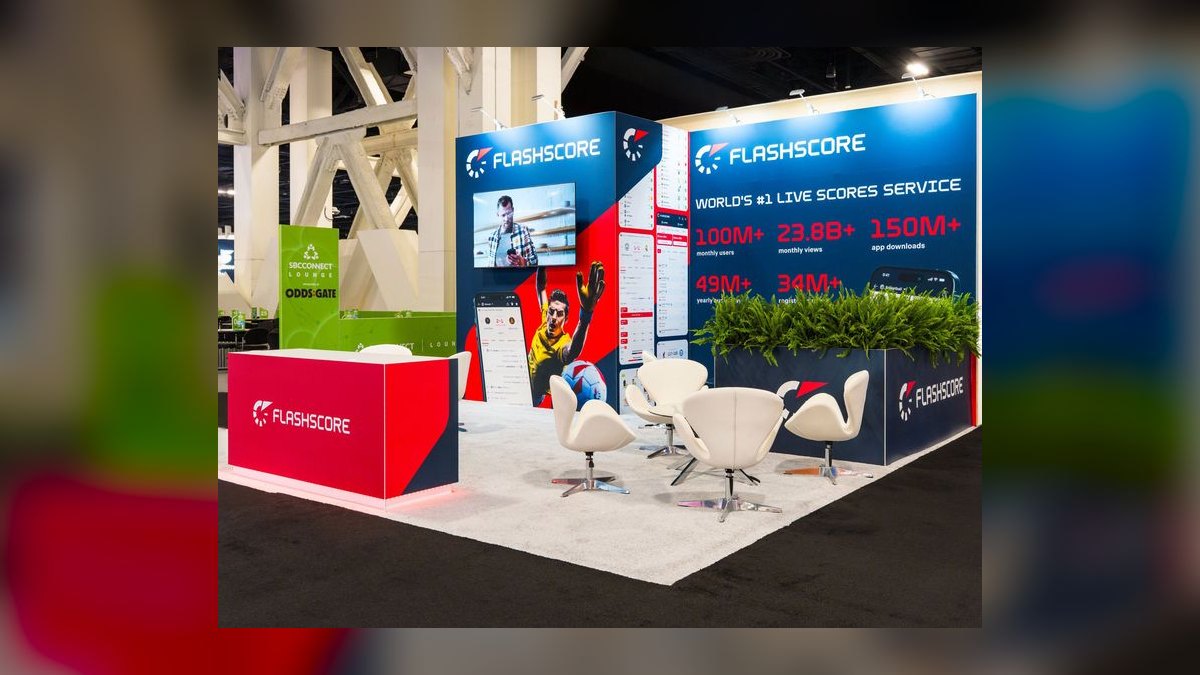
How do union rules affect booth costs? Many major convention venues are union floors where installation, dismantle, electrical, and rigging must be performed by venue labor at set rates you cannot negotiate. These rates vary by city and venue and can significantly change the true cost of exhibiting the same booth in two different locations. Check each venue's exhibitor manual early so labor costs don't surprise you.
What ongoing costs come after I buy a booth? Ownership adds climate-controlled storage between shows, periodic graphics refreshes to keep messaging current, repairs to worn or damaged components, and round-trip freight and drayage every time you exhibit. These recurring costs are why buying only pays off above a certain show frequency — below it, rentals avoid the carrying cost of an asset that mostly sits in a warehouse.
How can I lower my custom booth cost without looking cheap? Favor lighter, reconfigurable materials that cut freight and drayage; rent supplemental elements like furniture and AV instead of owning them; reuse a core structure across multiple layouts; and lock your design early to avoid rush fees. These moves reduce lifetime cost while preserving a fully custom appearance on the show floor.
Should I get multiple vendor quotes? Almost always. Get itemized proposals from two or three vendors and normalize them line by line, since a lower headline price often excludes engineering, storage, or freight that a higher quote includes. Apples-to-apples comparison both reveals the true cost and gives you specific leverage to negotiate individual line items.
Sources
- Center for Exhibition Industry Research (CEIR)
- Exhibitor Magazine
- Trade Show News Network (TSNN)
- International Association of Exhibitions and Events (IAEE)
- Experiential Designers and Producers Association (EDPA)
- U.S. Bureau of Labor Statistics — Producer Price Index
- Skyline Exhibits Resource Center
- Nimlok Exhibit Design Resources
Related on PULSE
This page will be disappearing soon. Save it to your device for $1 — or read it free while it is here.
@Kory-White- · if Venmo asks, the last 4 of my number are 2012
This page is gone.
This one is off the shelf now. $1 keeps it on your phone for good — the whole page, pictures and diagrams included.
 pulse-eventsTop 10 Events strategies for 2027
 pulse-eventsWhat are the most common mistakes in Events in 2027?
 pulse-eventsWhat is the average cost of a 3-day offsite in Napa Valley per person in 2027?
 pulse-eventsHow much does Events cost in 2027?
 pulse-eventsTop 10 best Events options in 2027
 pulse-eventsHow do you get started with Events in 2027?
 pulse-eventsHow much does a custom 20x20 exhibit booth by Skyline cost in 2027?
 pulse-eventsWhat should you know before investing in Events in 2027?
 pulse-eventsIs Events worth it in 2027?
 pulse-eventsWhat is the best way to approach Events in 2027?