
Is Events worth it in 2027?
 PULSEKNOWLEDGE LIBRARY
It depends on your business model, target audience, and execution strategy—events in 2027 can be a powerful revenue driver or a costly distraction. When aligned with data-driven personalization and hybrid formats, events consistently deliver higher-quality leads and accelerated deal cycles, but they require significant investment in technology and human capital to succeed. The key is treating events as an integrated channel within your revenue engine, not a standalone tactic.
Events in 2027 are not what they were a decade ago. The landscape has shifted dramatically, with virtual and hybrid experiences becoming the norm, and in-person gatherings demanding more intentionality and value. While some companies have scaled back, others have doubled down, using advanced analytics and AI to measure ROI with unprecedented precision. The decision to invest in events hinges on your ability to execute with purpose and measure outcomes effectively.
What makes events effective in 2027?
The most successful events in 2027 are deeply personalized and data-driven, moving far beyond the generic trade show booth. Attendees expect tailored experiences—from pre-event content recommendations based on their CRM profile to post-event follow-ups that reference specific conversations. This shift requires a robust tech stack that integrates event platforms with your CRM and marketing automation tools, enabling real-time lead scoring and routing. For example, a company using a platform like HubSpot can trigger automated workflows when a prospect engages with a virtual booth, ensuring immediate follow-up from a sales rep. This level of integration transforms a one-time interaction into a continuous conversation, dramatically improving conversion rates.
Moreover, events in 2027 are increasingly hybrid, offering both in-person and virtual attendance options. This flexibility expands your reach to global audiences while maintaining the intimacy of face-to-face networking. However, success demands careful orchestration—virtual attendees need dedicated engagement channels, such as live Q&A, breakout rooms, and networking lounges, to prevent passive participation. Companies that master this balance often see a significant increase in qualified leads compared to traditional events, as they can cater to diverse buyer preferences without sacrificing quality. The ability to capture intent signals from both in-person and virtual interactions provides a richer dataset for lead scoring and prioritization, making events a cornerstone of modern revenue operations.
How do you measure the ROI of events in 2027?
Measuring event ROI in 2027 goes beyond counting leads and revenue attribution; it requires a holistic view of pipeline impact and customer lifetime value. Advanced attribution models, such as multi-touch attribution, allow you to track how event interactions influence multiple stages of the buyer's journey. For instance, a prospect who attended a keynote might later download a white paper and then book a demo—each touchpoint can be credited proportionally. Tools like Bizible or Full Circle Insights are commonly used to automate this process, providing a clear picture of event influence across the entire funnel. This granularity enables you to optimize event investments based on which activities drive the highest conversion rates.
Beyond direct revenue, consider softer metrics like brand awareness, customer retention, and net promoter score (NPS). Events can strengthen relationships with existing customers, leading to higher renewal rates and upsell opportunities. For example, a customer-exclusive dinner at a conference can generate referrals that are worth significant returns. To capture this, implement post-event surveys and track engagement in your CRM over the following quarter. A comprehensive ROI dashboard should include cost-per-lead, pipeline velocity, and customer satisfaction scores, giving you a balanced view of event value.
What are the hidden costs of events in 2027?
The visible costs—venue, travel, and marketing—are just the tip of the iceberg. Hidden costs include the time spent by sales and marketing teams in preparation, follow-up, and travel, which can amount to hundreds of hours. Additionally, technology costs for event platforms, data integration, and analytics tools can add up quickly, especially if you're running multiple events per year. These expenses often go unaccounted for in traditional ROI calculations, skewing the true cost of event participation.
Another often-overlooked cost is the opportunity cost of not engaging with prospects through other channels. If your team is tied up for a week at a trade show, they are not making calls, sending emails, or closing deals. This trade-off can be significant, especially for smaller teams. To mitigate this, use a cost-benefit analysis framework that compares event investment against other high-ROI activities, such as account-based marketing or webinars. Only proceed if the projected lift in pipeline velocity outweighs the opportunity cost. Additionally, consider the cost of data cleanup and enrichment post-event, as poor data quality can lead to wasted follow-up efforts and missed opportunities.

How do you choose the right event format for 2027?
The choice between in-person, virtual, or hybrid events depends on your audience's preferences and your goals. In-person events excel at building deep relationships and closing high-ticket deals, while virtual events offer scalability and cost efficiency. Hybrid events provide the best of both worlds but require meticulous planning to ensure both audiences feel equally valued. For example, a company targeting enterprise buyers might prioritize an exclusive in-person summit for key accounts, while a SaaS company with a broad SMB base might invest in a virtual conference with on-demand content.
This decision tree illustrates how aligning event format with specific goals can maximize ROI. For instance, if your primary goal is lead generation, an in-person booth at a major industry conference might be ideal, but a hybrid summit could also work if you have a global audience. Always test different formats with a pilot event before scaling. The key is to match the format to the buyer's journey stage—top-of-funnel events can be more virtual and broad, while bottom-of-funnel events should be intimate and in-person to facilitate decision-making.
What role does AI play in events in 2027?
AI is revolutionizing events by enabling hyper-personalization and real-time optimization. From AI-powered chatbots that answer attendee questions to predictive analytics that identify high-value prospects, the technology is a game-changer. For example, an AI tool can analyze attendee behavior during a session—such as questions asked or content downloaded—and automatically score them based on buying intent. This data feeds directly into your CRM, allowing sales reps to prioritize follow-ups with the hottest leads. Platforms like Salesforce are increasingly embedding these capabilities, making it easier to integrate AI into your event strategy.
Moreover, AI can optimize event logistics, such as scheduling meetings, recommending sessions, and even suggesting networking connections based on mutual interests. For instance, an AI-driven networking tool might pair a prospect from a target account with a sales rep who has a similar background, increasing the likelihood of a meaningful conversation. As AI continues to evolve, its role will expand to include predictive attendance modeling and dynamic pricing for tickets, further enhancing the value proposition of events.

This flowchart illustrates how AI can be applied across the event lifecycle, from pre-event personalization to post-event attribution. By automating manual tasks and providing actionable insights, AI reduces the burden on your team while increasing the quality of interactions. The ability to dynamically adjust event content based on real-time feedback ensures that every attendee has a unique and valuable experience, driving higher engagement and conversion rates.
How do you ensure events align with your overall revenue strategy?
Events should not exist in a silo; they must align with your broader revenue operations framework. This means coordinating with marketing, sales, and customer success teams to ensure a seamless handoff of leads and consistent messaging. Start by defining clear objectives—such as pipeline generation, account penetration, or customer retention—and map them to specific event activities. For example, if your goal is to penetrate a new vertical, you might host a targeted workshop for decision-makers in that industry, followed by a dedicated nurture sequence. This alignment ensures that every event activity contributes directly to your revenue goals.
Integration with your CRM is critical. Use event data to enrich contact records, trigger automated workflows, and track engagement over time. For instance, a prospect who attended a session on product features might be tagged as "high-intent" and routed to a senior sales rep. This alignment ensures that event ROI is measured against the same metrics as other channels, providing a clear picture of its contribution to revenue. Additionally, consider creating a feedback loop where sales teams report on lead quality from events, allowing marketing to refine targeting for future events.
How do you optimize event follow-up in 2027?
Event follow-up in 2027 is no longer a manual, one-size-fits-all process; it is a data-driven, automated sequence that respects the attendee's preferences and timing. The first step is to segment attendees based on engagement level—those who visited a booth, attended a session, or downloaded content should receive different follow-up messages. For example, a high-intent attendee who asked a question during a session might receive a personalized email from the speaker within 24 hours, while a passive attendee might get a general recap with a call to action to book a meeting.
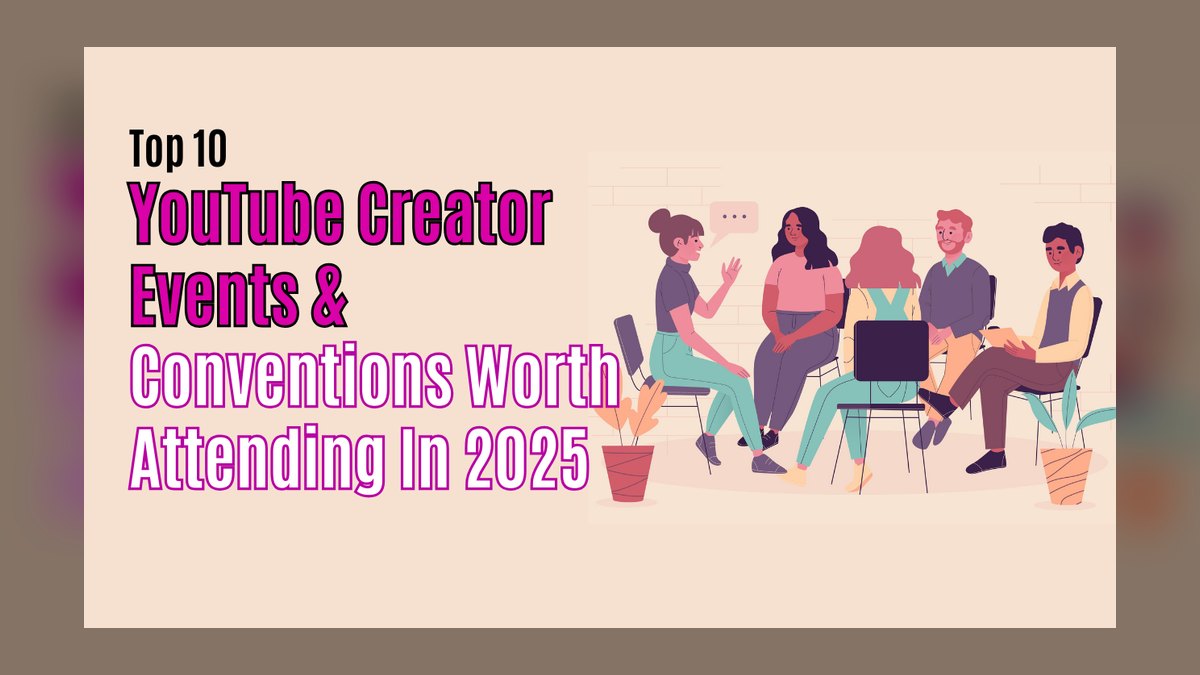
Automation tools can trigger these sequences based on event data, ensuring timely and relevant follow-up without overwhelming your sales team. For instance, a platform like HubSpot can automatically assign leads to the appropriate sales rep based on territory or product interest, and send a series of emails that include personalized content based on the attendee's session history. The goal is to move the prospect from event engagement to a sales conversation within a week, as momentum is critical. Additionally, use A/B testing to optimize email subject lines, content, and timing, and track open rates and click-through rates to refine your approach. A well-executed follow-up strategy can significantly increase the ROI of your event by converting warm leads into pipeline opportunities.
FAQ
Do I need a dedicated events team? Yes, for consistent success, assign a team or individual responsible for event strategy, execution, and measurement. This ensures accountability and avoids ad-hoc planning.
How do I handle no-shows at events? Implement a confirmation and reminder sequence, and consider charging a small deposit that is refunded upon attendance. For virtual events, offer on-demand replays to capture some value.
Can events work for startups with limited budgets? Yes, focus on virtual events, webinars, or co-hosted sessions with partners. Start small, measure results, and scale only when you see positive ROI.
What is the biggest mistake companies make with events? Not integrating event data into their CRM, leading to lost leads and missed follow-ups. Always have a post-event nurture plan in place.
How do I keep virtual attendees engaged? Use interactive elements like polls, Q&A, and networking rooms. Keep sessions short (20-30 minutes) and offer on-demand content for flexibility.
Should I charge for event tickets? It depends on your goal. Free events maximize attendance but may attract lower-quality leads. Paid tickets filter for serious buyers and can cover costs.
How do I measure brand awareness from events? Use surveys, social media mentions, and website traffic spikes. Track branded search volume and referral traffic from event-related content.
What is the role of event sponsorships in 2027? Sponsorships can amplify reach but require careful selection. Partner with brands that share your target audience to maximize mutual benefit.
How do I handle data privacy at events? Ensure compliance with GDPR and CCPA by obtaining explicit consent for data collection. Use secure platforms and anonymize data where possible.
Can events help with customer retention? Absolutely. Exclusive customer events, user groups, and appreciation dinners can deepen loyalty and generate referrals, often with higher ROI than acquisition-focused events.
How do I integrate events with my sales cadence? Map event touchpoints to specific stages in your sales process. For example, a booth visit might trigger a discovery call, while a workshop attendance could lead to a demo. Use CRM workflows to automate these handoffs.
What metrics should I track for virtual events? Track attendance rate, engagement score (based on polls, Q&A, and chat), content consumption, and conversion to demo or trial. Compare these to in-person events to gauge effectiveness.
How do I handle multi-day events? Plan for fatigue by offering breaks, varied session formats, and networking opportunities. Use data from day one to personalize recommendations for day two, keeping attendees engaged.
Sources
- HubSpot Event Marketing Guide
- Salesforce Events and AI Integration
- Bizzabo Hybrid Event Best Practices
- Gartner on Event ROI Measurement
- Forrester Report on Event Technology
- CMO Survey on Event Spending
- Event Marketer Benchmark Study
- LinkedIn Event Marketing Insights
- Demand Gen Report on Event Lead Quality
- PULSE RevOps Event Strategy Guide
Related on PULSE
 pulse-eventsHow do you get started with Events in 2027?
 pulse-eventsTop 10 best Events options in 2027
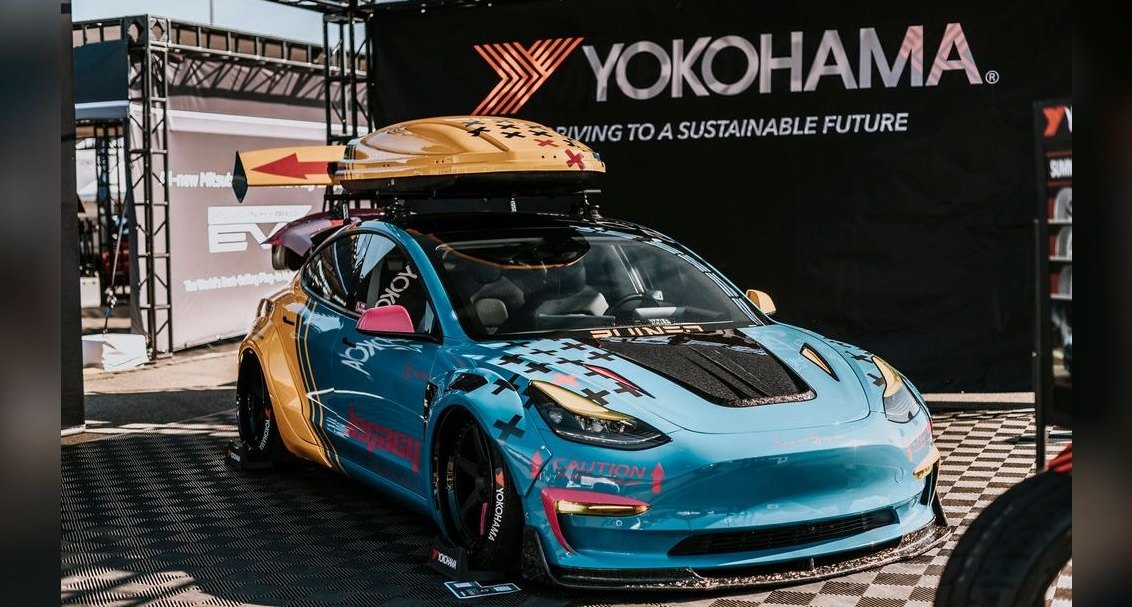 pulse-eventsHow much does a custom 20x20 exhibit booth by Skyline cost in 2027?
 pulse-eventsHow much does a custom trade show booth cost in 2027?
 pulse-eventsWhat are the most common mistakes in Events in 2027?
 pulse-eventsTop 10 Events strategies for 2027
 pulse-eventsWhat is the best way to approach Events in 2027?
 pulse-eventsWhat is the average cost of a 3-day offsite in Napa Valley per person in 2027?
 pulse-eventsWhat should you know before investing in Events in 2027?
 pulse-eventsHow much does Events cost in 2027?