
How much does a custom 20x20 exhibit booth by Skyline cost in 2027?
 PULSEKNOWLEDGE LIBRARY
It depends — a custom 20x20 exhibit booth from Skyline in 2027 is priced per project, so the total swings widely based on whether you buy or rent, how much custom fabrication is involved, and which add-ons (lighting, large-format graphics, AV, storage) you include. As a general rule, a custom-built 20x20 (a 400-square-foot island or peninsula) sits well above a modular or rental version of the same footprint, because you are paying for original design, one-off structural elements, and long-term ownership.
To budget accurately, treat the booth as a program rather than a purchase: the physical structure is one line item, and design, graphics, shipping, drayage, installation, and show services are separate — often adding up to as much as the structure itself over the life of the exhibit. Anyone who anchors on a single fabrication quote and then gets blindsided by the recurring bills at their first show has misread the model; the smarter approach is to price the whole three-to-five-year program up front so finance sees the true commitment, not just the opening invoice.
What actually drives the price of a custom 20x20 Skyline booth?
The single biggest lever is custom versus modular versus rental. A fully custom fabricated 20x20 is engineered from scratch — bespoke towers, hanging structures, millwork counters, and unique finishes — so it carries the highest upfront cost but the lowest per-show cost if you exhibit frequently. A modular custom-hybrid uses reconfigurable aluminum framing dressed with custom graphics, landing in the middle. A rental 20x20 has the lowest upfront cost and no storage or refurbishment burden, which is why first-time or occasional exhibitors often start there. Each path is a different bet on how many times you'll actually use the asset, and the right answer changes as your show calendar grows or contracts.
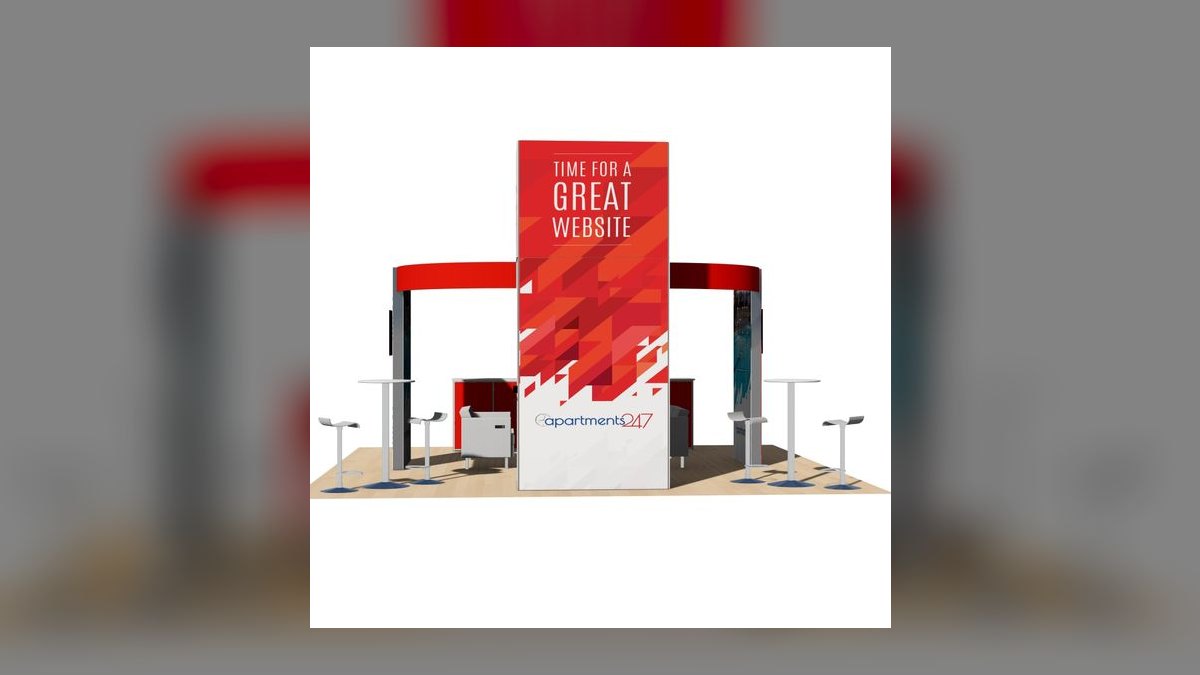
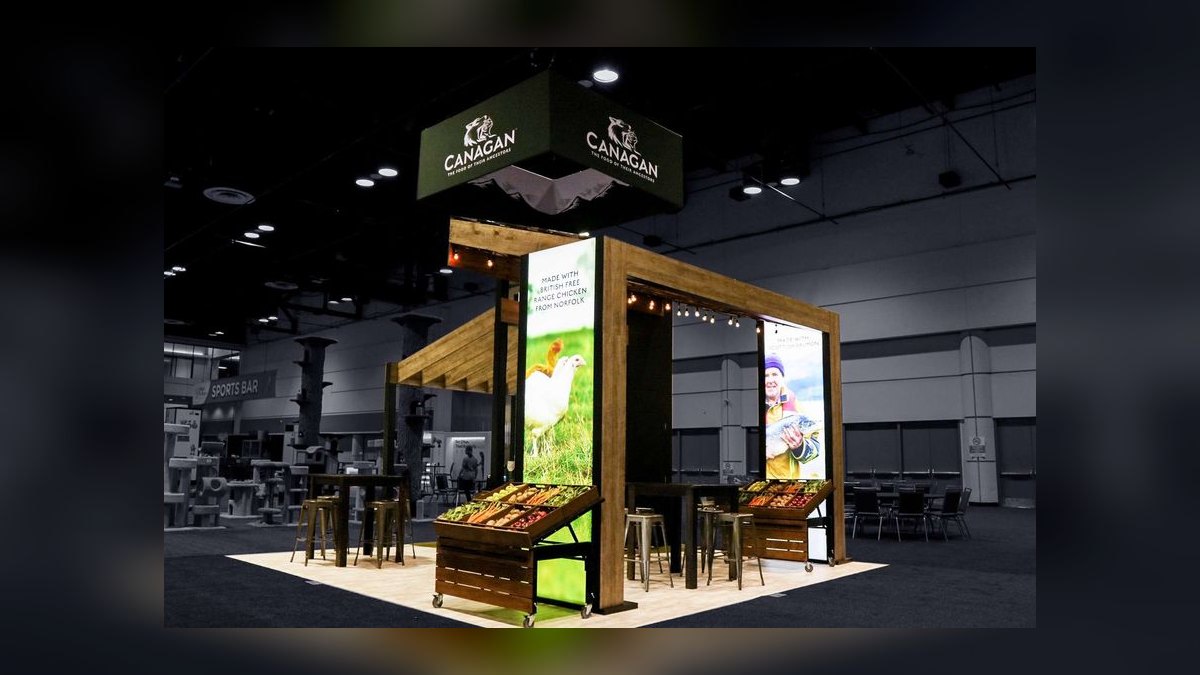
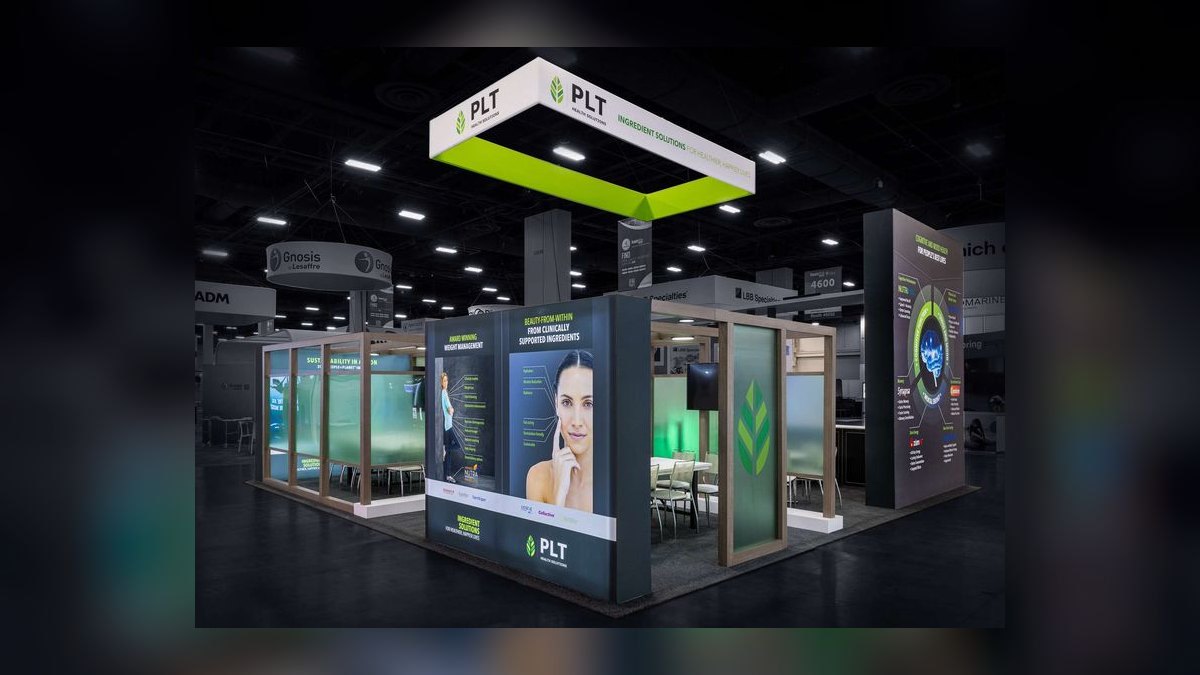
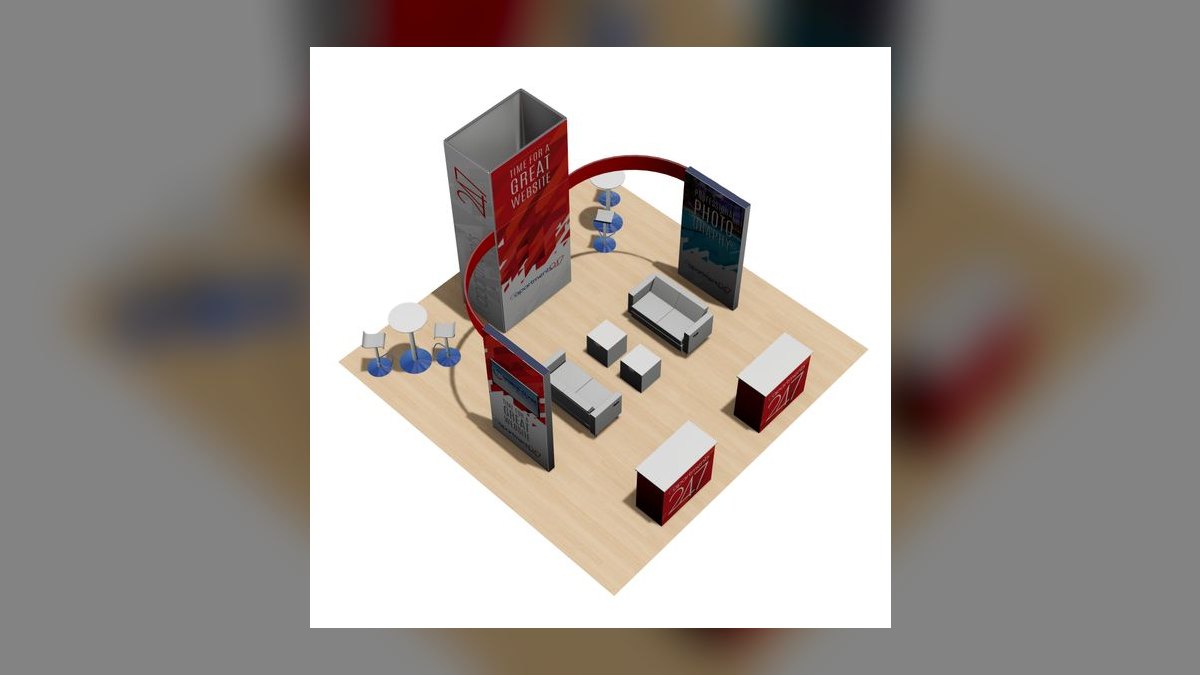
The second lever is content and complexity within the footprint. A 20x20 island is open on all four sides, so it typically needs a hanging sign, multiple product-display or demo zones, seating or meeting space, and a reception counter — each of which adds material, labor, and electrical load. Two booths with identical square footage can differ dramatically once you factor in double-deck structures, backlit fabric, integrated video walls, or interactive kiosks. If you're mapping how these choices compound, our breakdown of trade show booth cost drivers walks through each line item.
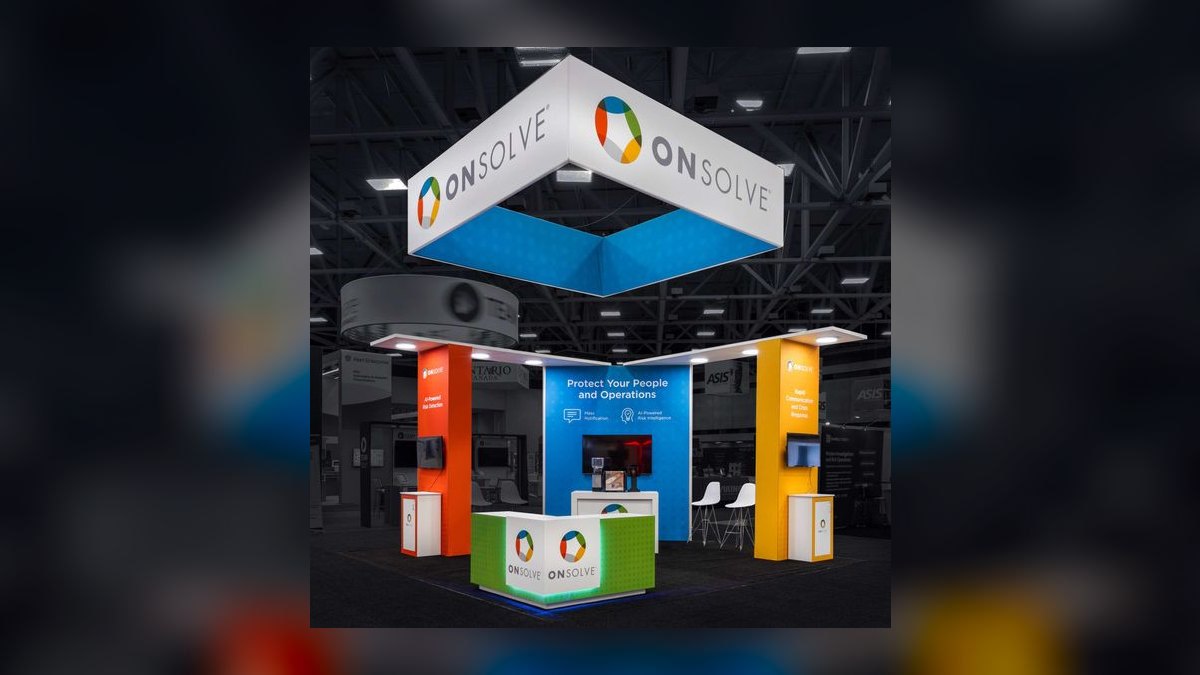
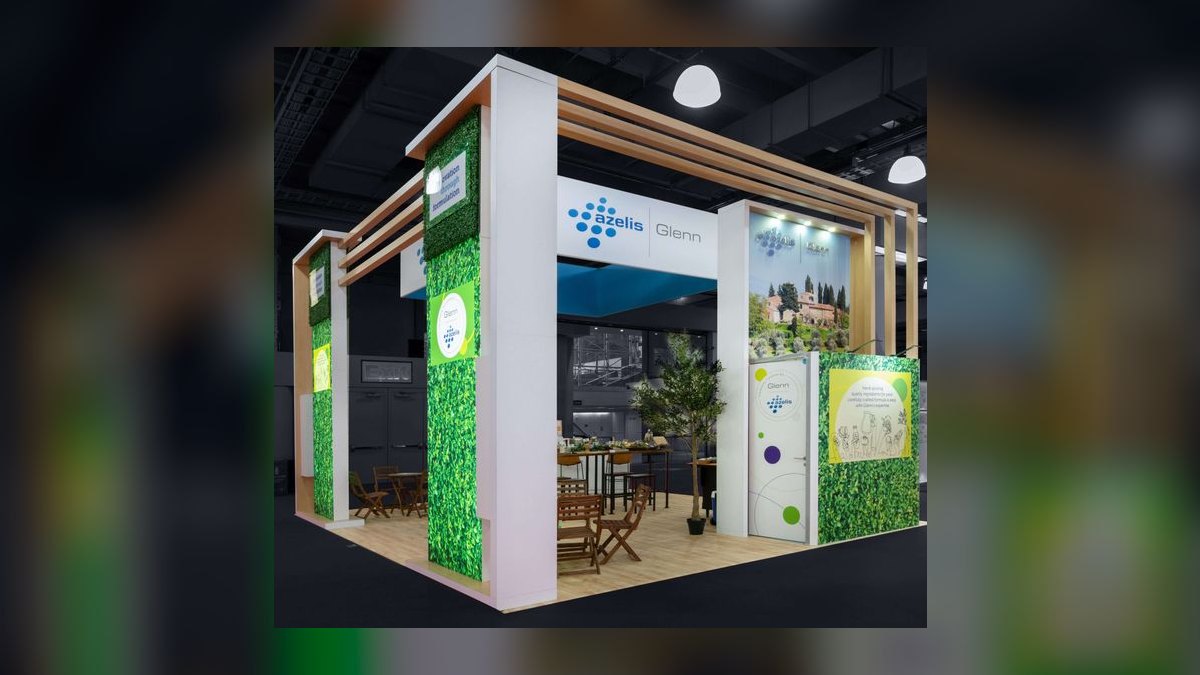
A third, quieter lever is finish quality and materials. The same 400-square-foot outline can be skinned in tension fabric or in laminated hard panels, lit with basic spots or with fully programmable LED washes, and floored with rented carpet or a raised custom deck. Higher-grade finishes cost more to fabricate, but they also photograph better, survive more shows before looking tired, and signal brand seriousness to buyers walking the aisle. Because a 20x20 is a premium island position on the floor, a visibly cheap build undercuts the very reason you paid for the larger space — which is why experienced exhibitors treat finish as strategy, not decoration.
What's included in the sticker price versus what's extra?
It's easy to anchor on the fabrication quote and forget that a trade show program has a long tail of recurring costs. The structure and graphics are capital or one-time; nearly everything that happens at the show is recurring and billed by the venue or general contractor, not by Skyline. Confusing the two is the most common budgeting mistake first-year exhibitors make, and it is the fastest way to blow past an approved number.
Recurring costs that recur at every event typically include shipping (freight both directions), drayage (material handling from the dock to your booth space — one of the most consistently underestimated charges), installation and dismantle labor, electrical and rigging, internet/AV, and storage between shows for an owned booth. Because these are billed per event and scale with weight and complexity, a heavier custom structure costs more to move and set up than a lightweight modular one — a real consideration if you exhibit at many shows a year. Our guide to trade show drayage and material handling explains why these fees surprise so many first-year exhibitors.
Because the recurring column repeats for the life of the exhibit, the total cost of ownership over three to five years is often two to three times the original fabrication invoice. That's the number to plan against — not the quote alone. A useful discipline is to build a simple per-show cost sheet that lists every recurring line, then multiply it by the number of events on your calendar; the result is usually sobering and almost always more persuasive to finance than the fabrication quote by itself. It also reframes the buy-versus-rent decision, because the recurring column is roughly the same whether you own or rent, which means ownership only pays off once the amortized structure cost drops below what repeated rentals would total.
Should you buy custom, buy modular, or rent a 20x20 for 2027?
The decision comes down to show frequency, brand-differentiation needs, and cash-flow preference, not just headline price. Buying custom makes sense when you exhibit at several major shows per year, your booth is a core part of a competitive brand story, and you can amortize the upfront investment across many appearances. Custom also gives you exact control over layout, materials, and experiential elements that modular systems can approximate but rarely match. If your booth is essentially a physical extension of the product — a place where prospects touch, demo, or experience what you sell — the case for owning a purpose-built structure gets much stronger.
Renting makes sense when you're testing a market, attending only one or two shows, or want to avoid storage, refurbishment, and obsolescence. A rental lets you refresh your look every year without owning depreciating inventory, and it converts a large capital outlay into a predictable per-event expense. The modular-custom hybrid is the pragmatic middle: you own reconfigurable framing that can shrink to a 10x20 or grow to a 20x20 depending on the show, dressing it with new graphics each season. If you're weighing this trade-off, see our comparison of renting versus buying a trade show booth.
For a RevOps or marketing leader, the cleanest way to frame this internally is cost-per-qualified-lead across the program, not cost-per-booth. A more expensive custom island that drives more booth traffic and better conversations can outperform a cheaper rental on the metric that actually matters to pipeline. When you present the options to leadership, run each scenario — rent, hybrid, custom — against the same projected lead volume and the same recurring show-services cost, so the comparison isolates the structure decision instead of tangling it with venue fees you can't control either way.
How do 2027 conditions change the estimate?
Three forces shape 2027 pricing generally. First, materials and labor: exhibit fabrication is sensitive to aluminum, lumber, electronics, and skilled-labor costs, so any inflationary pressure in those inputs flows into quotes. Second, show-services costs at the venue level — drayage, electrical, and union labor rates — tend to rise independently of what you pay Skyline, and they vary widely by city and convention center. Third, technology expectations: attendees increasingly expect large video walls, touchscreens, and lead-capture integrations, and adding these raises both the build cost and the on-site electrical and AV load.
The practical implication is that you should request a fresh, itemized quote for your specific show calendar rather than relying on a prior year's figure or a generic online estimate. Ask your Skyline distributor to separate the structure, graphics, and estimated per-show services so you can see which costs you control (design choices) and which the venue controls (drayage, electrical). Building that itemized view early is also what makes the ROI conversation credible with finance — our note on trade show ROI measurement covers how to tie booth spend to pipeline. A further wrinkle for 2027 is that the most expensive venues and the busiest show weeks concentrate demand on the same regional labor pools, so where and when you exhibit can move your all-in cost as much as the booth design itself — a reason to weigh secondary-city shows or shoulder-season dates when your audience allows.
How can you reduce the total cost without cheapening the booth?
The goal is lower total cost of ownership, not the lowest sticker. The highest-leverage moves are structural. Design for weight and packability — lighter, denser-packing structures cut drayage and shipping at every single show, which compounds fast across a multi-show year. Reuse a modular core and reskin it with new graphics per event rather than rebuilding. Standardize your electrical and AV so you're not re-engineering power and rigging at each venue. These decisions are made once, at design time, but they pay you back at every event for the entire life of the exhibit — which is exactly why they outrank one-time discounts.
Operationally, order show services early to avoid on-site and late-order surcharges, consolidate freight, and keep a maintained storage-and-refurbishment plan so an owned booth doesn't degrade into an unplanned rebuild. Finally, right-size the footprint to the show: if a given event doesn't justify a full 20x20 island, a modular system that collapses to a 10x20 saves space rental, drayage, and labor without buying a second booth. Each of these decisions trims the recurring column — the part of the budget that repeats — which is where the real money is over three to five years. Treat every show as a chance to refine the kit: track what shipped, what got used, and what sat in the crate, then cut the dead weight before the next event so the program gets leaner rather than heavier over time.
Related questions
Is a 20x20 booth considered an island?
Usually yes — a 20x20 (400 sq ft) is typically sold as an island space open on all four sides, though some venues offer it as a peninsula open on three. Island layouts need a hanging sign and 360-degree design.
How long does a custom Skyline booth take to build?
Plan for several weeks to a few months from design approval to shipping, depending on complexity, custom fabrication, and graphics production. Start early — rushing a custom build risks rush fees and limited design iteration.
Does the booth price include shipping and setup?
Generally no. Fabrication quotes cover the structure and initial graphics; shipping, drayage, installation labor, and electrical are separate and billed per show, often by the venue's general contractor rather than by Skyline.
Can I rent a 20x20 booth instead of buying?
Yes. Skyline and most exhibit houses offer rental 20x20 packages, which lower upfront cost and eliminate storage. Rentals suit occasional exhibitors or brands wanting a yearly refresh without owning inventory.
What's the difference between custom and modular?
Custom is fabricated from scratch for maximum differentiation and higher cost; modular uses reconfigurable framing dressed with custom graphics for lower cost and flexibility. Hybrid approaches combine a modular core with custom accents.
FAQ
How much does a custom 20x20 exhibit booth by Skyline cost in 2027? There's no single fixed price — it's quoted per project. A fully custom fabricated 20x20 costs the most upfront, a modular-custom hybrid less, and a rental the least. The right number depends on your design complexity, buy-versus-rent choice, add-ons like lighting and AV, and your show calendar. Request an itemized quote from a Skyline distributor for your specific shows, and ask them to break out structure, graphics, and estimated per-show services separately so you can compare options on equal terms.
Why is a custom booth more expensive than a rental of the same size? Because you're paying for original design, engineering, and one-off fabrication that you then own. A rental spreads a shared inventory cost across many customers, so the per-event price is lower, but you never build equity in the asset and can't customize as deeply. Over enough shows, the owned structure's amortized cost falls below repeated rental fees — the point where buying starts to win.
What hidden costs should I budget for beyond the booth itself? Drayage (material handling), shipping both directions, installation and dismantle labor, electrical, rigging, internet/AV, and storage between shows. These recur at every event and are frequently underestimated — drayage in particular can be a large, weight-based line item billed by the venue's contractor. Build a per-show cost sheet early so these recurring charges are visible in the budget from day one.
Does exhibiting at more shows make buying more cost-effective? Generally yes. The upfront cost of a custom or owned modular booth amortizes across appearances, lowering the effective per-show cost. If you only exhibit once or twice, a rental usually wins on total cost because you avoid storage, refurbishment, and depreciation. Map your realistic two-to-three-year show calendar before deciding — the break-even point depends almost entirely on frequency.
How do I lower the cost without making the booth look cheap? Design for light weight and dense packing to cut shipping and drayage at every show, reuse a modular core with fresh graphics, standardize electrical and AV, order show services early to dodge surcharges, and right-size the footprint per event. These reduce the recurring costs that repeat over the booth's life while protecting the finish quality that justifies a premium island space.
How far in advance should I order a 20x20 booth for a 2027 show? As early as possible — ideally several months out. Early planning gives you room for design iteration, avoids rush fabrication and late-order show-service surcharges, secures better freight and labor scheduling, and gives finance time to review an itemized program budget rather than a single lump quote. For a major show with a custom build, working backward from the ship date and adding buffer for graphics approval is the safest way to avoid rush fees.
Is Skyline the only option for a custom 20x20? No. Skyline is one established exhibit provider among several, and pricing is competitive across vendors. It's reasonable to get comparative quotes, but weigh design quality, distributor support, refurbishment services, and total cost of ownership — not just the fabrication price — when choosing. A local distributor's ability to store, service, and set up your booch reliably at each show often matters more to the multi-year cost than the opening quote.
Sources
- Skyline Exhibits — Official Site
- Trade Show News Network (TSNN)
- Exhibitor Magazine
- Center for Exhibition Industry Research (CEIR)
- International Association of Exhibitions and Events (IAEE)
- Experiential Designers and Producers Association (EDPA)
- U.S. Bureau of Labor Statistics — Producer Price Index
- Trade Show Exhibitors Association (TSEA)
Related on PULSE
- [How much does a custom trade show booth cost in 2027?](/knowledge/ev109)
- [How much does Events cost in 2027?](/knowledge/ev107)
- [The 10 Best Music Festivals in the World in 2027](/knowledge/ev0002)
- [What is the average cost of a 3-day offsite in Napa Valley per person in 2027?](/knowledge/ev110)
Recently Added — Related
- [What is the average cost of a 3-day offsite in Napa Valley per person in 2027?](/knowledge/ev110)
 pulse-eventsHow much does a custom trade show booth cost in 2027?
 pulse-eventsHow do you get started with Events in 2027?
 pulse-eventsTop 10 best Events options in 2027
 pulse-eventsIs Events worth it in 2027?
 pulse-eventsWhat are the most common mistakes in Events in 2027?
 pulse-eventsTop 10 Events strategies for 2027
 pulse-eventsWhat is the best way to approach Events in 2027?
 pulse-eventsWhat is the average cost of a 3-day offsite in Napa Valley per person in 2027?
 pulse-eventsWhat should you know before investing in Events in 2027?
 pulse-eventsHow much does Events cost in 2027?