


How long do the 10 largest music festivals in the world last in 2027?
Quality
Certified
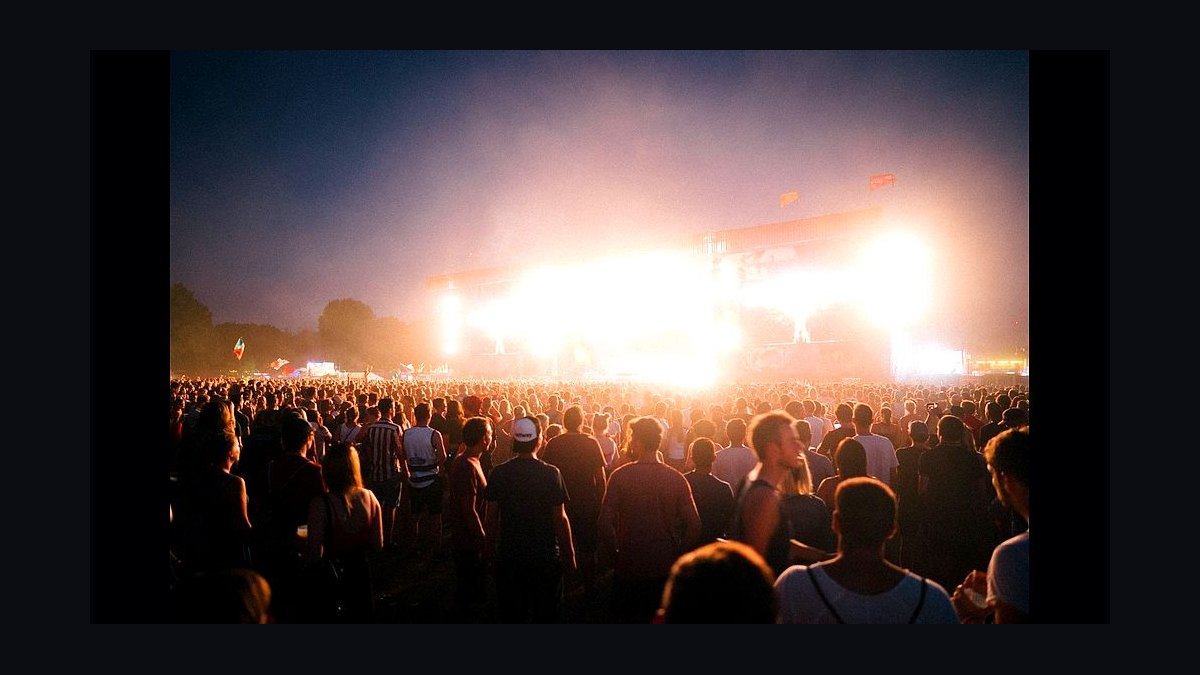
In 2027 the ten largest music festivals in the world cluster at three to four days each. The outliers run longer: Summerfest and Mawazine stretch about nine to ten days, Rock in Rio and Roskilde seven to eight. Two-weekend events like Coachella and Tomorrowland sell three-day tickets twice, spanning roughly ten calendar days.
What festival duration actually measures
"How long does it last" sounds like one number and is actually four, and the ten largest music festivals in the world disagree about which one they publish. Before comparing anything, separate them.
Show days are the days on which the main stages actually program music. This is the number printed on a ticket. Coachella's show-day count is three. Glastonbury's is three — Friday, Saturday, Sunday on the Pyramid and Other stages — even though the festival is universally described as a five-day event.
Gate days are the days the site is open to ticket holders. Glastonbury opens its gates Wednesday morning, which is why five is the honest figure for anyone actually attending: two of those days are campsite, cabaret, theatre, circus, and the smaller fields, with the headline stages dark. Roskilde takes this further and formalizes it — roughly four warm-up days of camp programming, DJ stages, and site build-up, followed by roughly four days of main program. Eight gate days, four show days, one wristband.
Calendar span is first date to last date inclusive, and it is the number that inflates the two-weekend festivals. Coachella runs Friday–Sunday, dark for four days, then Friday–Sunday again. Six show days, ten calendar days, one venue that never fully strikes in between. Tomorrowland does the same in Boom. Austin City Limits and New Orleans Jazz & Heritage do the same. If a comparison table lists Coachella at "10 days," it is measuring span; if it lists three, it is measuring one weekend's ticket. Neither is wrong, and neither is comparable to Summerfest without conversion.
On-site hours are the only unit that makes an electronic festival comparable to a camping festival. EDC Las Vegas is a three-day event by every conventional count, but it is a dusk-till-dawn event — roughly 7pm to 5:30am — so each of its "days" is about a ten-hour overnight session and the three of them total around thirty hours of programmed music. Glastonbury's site is live essentially around the clock for five days; the late-night fields do not close when the Pyramid does. Three EDC days and three Glastonbury days are not the same quantity of festival.
Why this matters practically: duration drives every cost line that is not the ticket. A three-day festival is a two-night hotel booking or three nights of camping. A two-weekend festival forces a choice — pick a weekend, or pay for both, in which case the mid-week gap either becomes four nights of accommodation in a market with surge pricing or a flight home and back. A nine-day festival split across three Thursday–Saturday blocks, which is Summerfest's current shape in Milwaukee, is not a nine-day trip for anyone; it is three separate weekend decisions sold under one brand.
Duration also drives the physical demand. Four consecutive days of ten-to-thirteen hours on your feet in April desert heat is a different endurance problem than nine days of nights-only sets. Attendance figures reflect this: the festivals reporting the largest crowds in the world — Donauinselfest in Vienna, Mawazine in Rabat — are free, city-integrated events where the reported number is a cumulative footfall estimate across a long span, not a turnstile count of unique ticketed bodies. Vienna's three-day free festival on the Danube island reports crowd figures in the millions precisely because people drift in and out over three days without a ticket. Summerfest, ticketed, reports in the high hundreds of thousands over nine days. Those two numbers are measuring different things, and the duration figure is what makes the difference legible.
So the working definition for this page: for each of the largest festivals, state gate days, show days, calendar span, and note whether it is a single block or a weekend pair. That is the only way "how long" produces an answer you can plan against.
The step-by-step process for pinning a 2027 duration
Because 2027 dates are largely unannounced as of mid-2026, the reliable method is not to look up an answer but to derive one. Six steps, in order.
Step one: confirm the edition exists in 2027. Not every large festival is annual, and this trips up more comparisons than any other factor. Glastonbury periodically takes a fallow year to let Worthy Farm's pasture recover — the organizers confirmed 2026 as fallow, which places the next edition in 2027. Rock in Rio has never been annual in any single city; its Rio de Janeiro editions run on a roughly biennial cadence and the brand alternates across Rio, Lisbon, and other host cities, so a given calendar year may contain a Lisbon edition, a Rio edition, both, or neither. Before you assign a duration, verify the year has an edition at all.
Step two: find the organizer's own announced dates. Official sites are the only primary source. Large festivals announce a year ahead — often within days of the previous edition closing — and the announcement usually names dates before it names a single act. Aggregator sites and festival-listing databases copy each other and propagate errors for years, especially around the gate-day-versus-show-day distinction.

Step three: separate gate opening from first set. Read the site-opening information, not just the poster. If the festival camps, the poster's first date and the wristband's first valid date frequently differ by a day or two. Roskilde and Glastonbury both do this by design.
Step four: count show days per ticket unit. Ask what one full-price pass actually buys. At Coachella and Tomorrowland, one pass buys three days and there are two identical three-day units for sale. At Summerfest, the calendar contains nine show days but they are arranged as three Thursday–Saturday blocks, and admission is sold by day and by multi-day pass rather than as one nine-day wristband.
Step five: add the weekend-pair multiplier only when you mean span. Two weekends of three days is six show days across ten calendar days. Write it as "3 + 3" rather than "6" or "10," because the two ordinary readings both mislead.
Step six: convert to on-site hours. Multiply show days by the daily open window. Roughly twelve to thirteen hours for a daytime-to-midnight festival like Coachella or Lollapalooza; roughly ten hours for a nights-only event like EDC Las Vegas; effectively twenty-four for a camping festival where the late fields never close, of which perhaps thirteen are main-stage programming.
The output of this process is a four-part figure rather than a single integer, and that is the correct shape of the answer. Anyone publishing "Coachella: 6 days" or "Glastonbury: 3 days" has collapsed the four parts into one and lost the information that would let a reader book a trip.
Typical duration ranges, costs, and timelines
Working through the festivals most commonly ranked among the largest by attendance, here is what the duration picture looks like heading into 2027. Figures are the established recent patterns; confirm against official announcements before booking.
Donauinselfest, Vienna — three days. Friday through Sunday, late June, free entry, no ticket at all. Reported crowd figures run into the millions because the count is a cumulative footfall estimate across a public island, not admissions. Three days is the shortest duration among the world's biggest-by-attendance events and the reason its per-day crowd numbers look extraordinary.
Mawazine, Rabat — around nine days. Programmed across multiple stages spread through Rabat and Salé, late June, with a mix of free and ticketed stages. Its length and its city-wide layout are what put its cumulative attendance in the same conversation as Vienna's.
Summerfest, Milwaukee — nine days across three weekends. Historically eleven consecutive days on the lakefront; restructured in 2021 into three Thursday–Saturday blocks spanning late June into early July. Calendar span is roughly seventeen days; actual show days are nine; realistic attendance for any one person is three.
Rock in Rio — seven days across two weekends. The Rio format runs a Friday–Sunday and a Thursday–Sunday at Cidade do Rock in September, span of about ten days. Biennial in Rio; confirm the year.
Coachella, Indio — three days, twice. Two identical Friday–Sunday weekends in April, roughly a ten-day span, gates typically around late morning with music to around midnight. Six show days exist; nobody buys all six as one unit.
Tomorrowland, Boom — three days, twice. Two Friday–Sunday weekends in July, same structure, with the DreamVille campsite extending gate days beyond show days for camping ticket holders. Anniversary editions have occasionally added a third weekend, so treat the two-weekend pattern as the base case rather than a guarantee.
Glastonbury, Worthy Farm — five gate days, three show days. Gates Wednesday, main stages Friday through Sunday, closing Monday morning. Following the 2026 fallow year, a 2027 edition would land in its usual late-June slot. The two pre-show days are a genuine part of the product, not overflow.

Sziget, Budapest — six days. Reduced from its long-running seven-day format in recent editions. Camping-based on Óbuda Island in August, effectively a continuous six-day residency rather than a commute-in event.
Roskilde, Denmark — eight gate days, four show days. Roughly four warm-up days followed by a Wednesday-to-Saturday main program in late June/early July. The longest gate-day count of any major camping festival.
EDC Las Vegas — three nights. Dusk to dawn at Las Vegas Motor Speedway in May, roughly ten hours per night, about thirty hours of music total across the weekend.
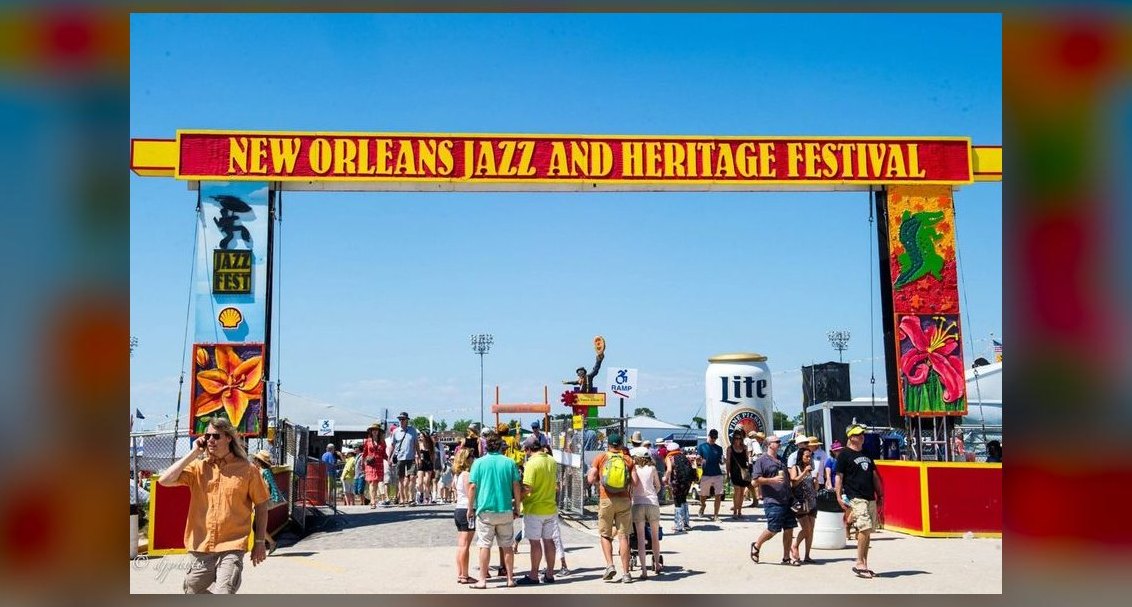
Lollapalooza Chicago — four days. Grant Park, late July into early August, a rare four-day single block among the majors. New Orleans Jazz & Heritage runs seven days over two weekends; Exit in Novi Sad runs four nights; Pol'and'Rock in Poland runs three free days.
Cost implications. Duration converts directly into spend. A three-day domestic festival is typically two to three nights of lodging; a four-day event like Lollapalooza or Bonnaroo adds a night; a two-weekend event doubles both ticket and lodging if you attend twice. Camping festivals fold accommodation into the ticket and therefore look expensive per pass and cheap per day — Glastonbury's five gate days at one price is a very different per-day figure than its three show days suggest. Multi-weekend markets surge: Indio-area and Boom-area lodging prices are set by weekend, not by night, and mid-week gap nights are often the cheapest part of a two-weekend stay.
Booking timelines. Big festivals announce dates roughly eleven to twelve months out and open registration or presale well before the lineup drops. Glastonbury's coach-and-ticket sales famously happen in autumn for the following June, months before any act is named. Coachella sells advance passes for the next year immediately after the current one ends. Practically: for a 2027 edition, dates are typically knowable by late 2026, and the highest-demand passes are frequently gone before a single artist is confirmed.
Where the day counts get miscounted

Five recurring errors, each of which produces a wrong answer to a duration question.
Counting a weekend pair as one continuous event. The most common one. Listing Coachella or Tomorrowland at "10 days" implies a ten-day trip. It is two three-day trips with a four-day dark period between them, and the two weekends are deliberately programmed as near-identical lineups so that nobody needs to attend both. If a table cannot express "3 + 3," it should list three.
Counting show days when the ticket is a gate ticket. Glastonbury at three days and Roskilde at four days undercount the actual experience by two and four days respectively. Anyone budgeting food, water, sunscreen, and phone power off a three-day assumption at Worthy Farm will run out on Sunday morning. The camping festivals are the ones where gate days, not show days, is the planning number.
Assuming annual recurrence. Fallow years and biennial cadences break year-specific questions. A 2027 answer that lists a festival with no 2027 edition is simply wrong, and this is not hypothetical — Glastonbury's fallow years and Rock in Rio's rotating host cities both create empty years. Verify the edition before you verify the length.
Treating historical formats as current. Summerfest ran eleven consecutive days for decades; quoting eleven today is out of date by five years. Sziget ran seven days for a long stretch and now runs six. New Orleans Jazz Fest has run at eight days and at seven. Duration is not a fixed property of a brand; it gets reformatted for weather windows, municipal permits, staffing costs, and demand.
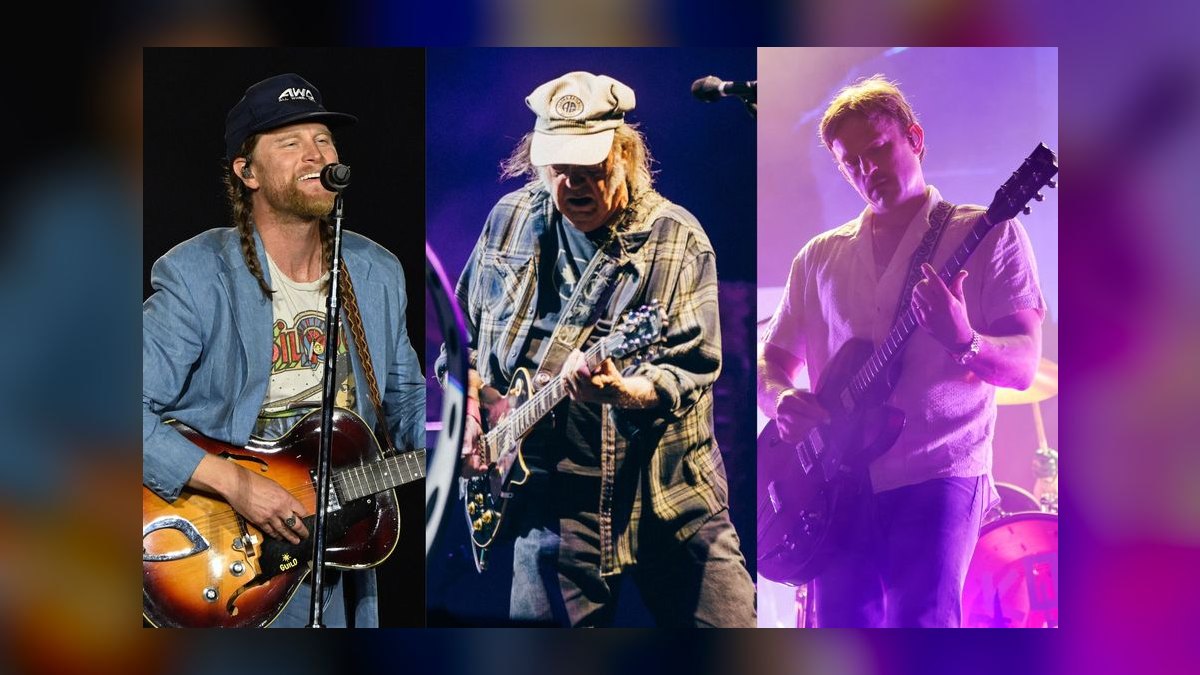
Confusing attendance rank with duration rank. These correlate weakly and in a counterintuitive direction. The two events most often cited as the largest music festivals on earth by raw crowd numbers — Vienna's three-day free island festival and Rabat's multi-venue city festival — sit at opposite ends of the duration range, three days and nine. Free admission and cumulative footfall counting inflate attendance far more than length does. A ticketed three-day festival with a 125,000 daily cap will never report the number a free city festival reports, no matter how long it runs.
One more trap worth naming: curfews and session hours are part of duration. Municipal noise ordinances cap end times at most urban festivals, so an urban four-day event and a rural four-day event can differ by ten or more hours of total programming. Grant Park's evening curfew is why Lollapalooza's four days are earlier-ending than a rural camping festival's three. When someone asks how long a festival lasts and means "how much festival do I get," hours beat days.
Decision framework: which duration number to use
Which figure you should quote depends entirely on what the number is for. Match the unit to the decision.
If you are booking travel: use gate days plus one. You need lodging for the night before the first gate day if you are flying in, and either a very late departure or an extra night after the last set. For Glastonbury that is six nights, not three. For Coachella one weekend that is four nights, not three. This is the number that determines actual cost.
If you are comparing festivals to each other: use show days, and footnote the weekend pairs. Show days is the only unit that treats one Coachella weekend and one Lollapalooza fairly. Adding a note that Coachella's three days are available twice preserves the information without corrupting the comparison.
If you are estimating total music consumed: use on-site hours. Show days times daily open window. This is the only framing under which EDC Las Vegas's three nights and Glastonbury's five days can be honestly ranked against each other.
If you are writing a ranked list or a schema-marked data table: publish all three, labeled. A festival row that reads "Gate days: 5 · Show days: 3 · Span: 5 days · Format: single block" is unambiguous and survives being copied. A row that reads "5" does not.
If the question is year-specific, as this one is: verification of the edition comes before any duration figure. No edition, no answer.
The practical upshot for 2027: the honest headline is three to four days for most of the ten largest music festivals in the world, seven to ten for the long-format outliers, and a hard requirement to check for fallow and biennial years before quoting any of it. Anyone who needs a single number should say four days, note that it is the median rather than the mode of a bimodal distribution, and link the per-festival breakdown underneath.
Related questions
Which of the largest festivals runs the longest in 2027?
On show days, Summerfest and Mawazine lead at roughly nine days each, though Summerfest splits its nine across three separate Thursday–Saturday weekends. On gate days at a single continuous site, Roskilde's eight-day format — four warm-up days plus four main-program days — is the longest uninterrupted stay.
Does Coachella last three days or ten?
Both, depending on what you count. One pass buys three show days, Friday through Sunday. Two identical weekends are sold, separated by a dark mid-week, producing a calendar span of about ten days. Write it as "3 + 3." No single ticket covers all six show days.
Is Glastonbury happening in 2027?
Glastonbury takes periodic fallow years to rest Worthy Farm's land, and 2026 was confirmed as one. That places the next edition in 2027 in the usual late-June slot, running the standard five gate days — Wednesday gates, Friday-through-Sunday main stages. Confirm against the organizer's announcement before booking.
Why do free festivals report bigger crowds than longer ticketed ones?
Free events like Vienna's Donauinselfest count cumulative footfall estimates across an open public site, not unique ticketed admissions. Three free days on a city island generates a larger reported figure than nine ticketed days at a capped venue. Duration and attendance rank correlate weakly.
How many hours of music is a three-day festival?
Roughly thirty-six to forty hours for a daytime-to-midnight event with twelve-to-thirteen-hour daily windows, and roughly thirty hours for a dusk-till-dawn electronic festival running about ten hours nightly. Urban curfews trim several hours off the total versus rural sites with no fixed end time.
FAQ
What is the typical length of the world's largest music festivals in 2027?
Three to four days is the dominant format. Coachella, Tomorrowland, EDC Las Vegas, Donauinselfest, Wacken, and Pol'and'Rock all run three; Lollapalooza, Exit, Bonnaroo, and Roskilde's main program run four. The long-format exceptions — Summerfest, Mawazine, Rock in Rio, Sziget, Roskilde's full gate span, New Orleans Jazz Fest — run six to ten days, usually by splitting across weekends or by adding warm-up days ahead of the main program.
Which festivals use the two-weekend format?
Coachella and Tomorrowland are the best-known, both running identical Friday–Sunday weekends with a dark mid-week gap. Austin City Limits, New Orleans Jazz & Heritage, and Rock in Rio use variations of the same structure. Summerfest goes further with three consecutive Thursday–Saturday blocks. The pattern exists to roughly double capacity without expanding the site, and it means the calendar span always overstates what one attendee experiences.

How far ahead are 2027 festival dates announced?
Most major festivals announce dates about eleven to twelve months in advance, frequently within days of the previous edition closing and long before any artist is confirmed. Registration, presale, and advance passes commonly open on the date announcement alone. For 2027 editions, expect dates to be public by late 2026, with the highest-demand passes selling out before lineups appear.
Do longer festivals cost more per day?
Usually less. Camping festivals fold accommodation into the ticket, so a five-gate-day Glastonbury pass or an eight-gate-day Roskilde pass spreads a large headline price across more days than a three-day commute-in festival where lodging is a separate line item. The two-weekend festivals are the expensive case: attending both weekends doubles ticket and lodging with no per-day discount.
Why did some festivals shorten their runs?
Format changes track weather windows, municipal permitting, staffing and security costs, and demand patterns. Summerfest moved from eleven consecutive days to nine across three weekends in 2021. Sziget trimmed from seven days to six. Shorter, weekend-anchored blocks concentrate attendance into higher-yield days and reduce the cost of keeping a site staffed through low-traffic weekdays.
Does a festival's length predict its attendance rank?
Barely. The largest reported crowds belong to free, city-integrated events — Vienna's three-day Donauinselfest and Rabat's nine-day Mawazine sit at opposite ends of the duration range with comparable headline figures. Admission model and counting method drive reported attendance far more than duration does. Compare ticketed festivals to ticketed festivals before drawing conclusions.
Sources
- https://www.summerfest.com/
- https://www.glastonburyfestivals.co.uk/
- https://www.coachella.com/
- https://www.tomorrowland.com/
- https://www.roskilde-festival.dk/
- https://szigetfestival.com/
- https://www.rockinrio.com/
- https://www.nojazzfest.com/
- https://www.lollapalooza.com/
- https://www.donauinselfest.at/
Related on PULSE
- How many people attend the 10 largest music festivals in the world in 2027?
- What do tickets cost at the 10 largest music festivals in 2027?
- Which countries host the most large-scale music festivals in 2027?
- How do two-weekend festivals plan capacity and staffing?
- What months do the world's biggest music festivals cluster in?
This page will be disappearing soon. Save it to your device for $1 — or read it free while it is here.
@Kory-White- · if Venmo asks, the last 4 of my number are 2012
This page is gone.
This one is off the shelf now. $1 keeps it on your phone for good — the whole page, pictures and diagrams included.
 pulse-recentHow many attendees do the 10 largest corporate retreats in the U.S. host in 2027?
 pulse-recentThe 10 Music Festivals with the Largest Total Area in 2027
 eventsThe 10 Best Jazz Festivals vs. Blues Festivals in the United States in 2027
 pulse-recentThe 10 Best Corporate Retreat Venues Under $5,000 Per Person in 2027
 eventsThe 10 Longest Music Festivals in the World by Duration in 2027
 pulse-eventsBest Milestone Birthday Party Venues in New York City (2027)
 pulse-recentHow many portable restrooms do the 10 largest music festivals in the world provide in 2027?
 pulse-events10 Best National Parks for Family Reunions in 2027
 pulse-recentThe 10 Music Festivals with the Largest Number of Food and Drink Vendors in 2027
 pulse-recentHow many days does the average corporate retreat last in 2027?