


The 10 Music Festivals with the Most Number of Artists Performing in 2027
Quality
Certified
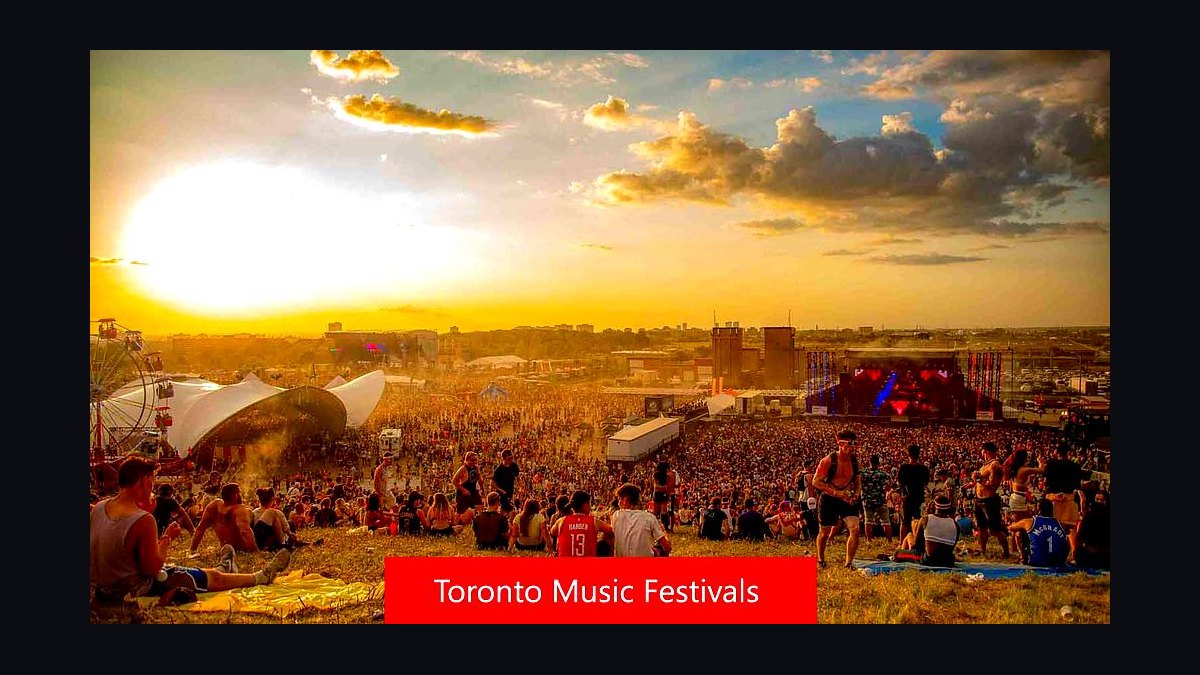
Ranked by artist count rather than attendance, 2027's largest lineups should again come from showcase and multi-stage marathons: SXSW, Glastonbury, Summerfest, Sziget, Donauinselfest, New Orleans Jazz Fest, Tomorrowland, Reeperbahn, The Great Escape and Eurosonic Noorderslag. Each historically bills roughly 350 to 2,000-plus acts. Full 2027 lineups are not yet published.
Two very different Festivals wear the same word
The question "which festival has the most artists" only has a clean answer once you accept that the word *festival* covers two businesses that barely resemble each other, plus a third that most rankings forget.
The showcase model exists to move a large volume of unknown acts past a small volume of decision-makers. SXSW, Reeperbahn, The Great Escape, Eurosonic Noorderslag, Canadian Music Week and Iceland Airwaves all work this way. There is no field, no main stage, no 90-minute headline set. Instead the festival rents or partners with 30 to 100 existing venues inside a walkable city core — bars, clubs, churches, record shops, hotel ballrooms — and runs 30- to 40-minute slots back to back from roughly 8pm to 2am, often with daytime programming on top. The arithmetic is brutal and simple: 50 venues × 6 slots per night × 4 nights = 1,200 performances before you have booked a single famous name. The economics work because emerging acts are paid little or nothing directly (they are paid in exposure, and increasingly in travel grants from national export offices like Music Norway, Sounds Australia or the Center for Music Export), while revenue comes from delegate badges, sponsorship and conference programming rather than from ticketed capacity.
The destination model is the opposite trade. Coachella, Reading and Leeds, Lollapalooza, Rock am Ring, Wacken, Primavera Sound and Bonnaroo sell a fixed capacity — 40,000 to 125,000 people a day — against a small number of very expensive acts. A single 2020s-era stadium headliner can absorb a seven-figure fee, and once you have paid three of those per weekend the remaining budget only stretches to a couple of hundred supporting acts. These festivals typically bill 100 to 220 artists. They dominate revenue, press coverage and ticket-price headlines, and they lose the artist-count contest by an order of magnitude. Coachella's roughly 150-act poster is not a small lineup by any normal standard; it is simply playing a different game than a 1,000-slot showcase week.
The civic/multi-genre model is the one that quietly wins on volume and rarely gets counted. Donauinselfest in Vienna, Summerfest in Milwaukee, New Orleans Jazz & Heritage Festival, Montreux Jazz Festival and Sziget in Budapest all run for a week or longer, across 10 to 60 stages, mixing paid headline programming with free or low-cost local, folk, jazz, brass, children's and community stages. Because the local stages cost a fraction of what a touring headliner costs, the marginal price of adding another act is low, and the schedule expands to fill every stage-hour available. Jazz Fest's craft and heritage stages, Summerfest's neighbourhood-band slots and Donauinselfest's free island stages are why these events bill hundreds of acts on budgets far smaller than Coachella's.
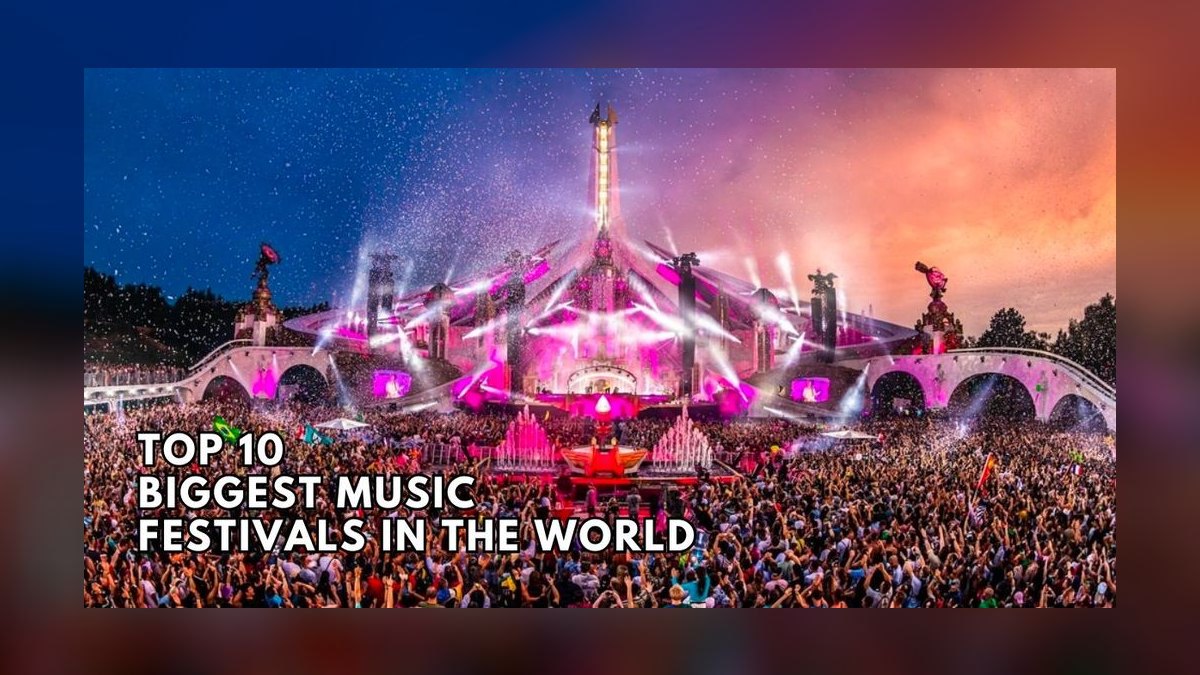
The practical consequence: any list of the ten Festivals with the most artists performing in 2027 will be dominated by showcase weeks and week-long civic events, and will contain almost none of the festivals a casual fan would name first. If your ranking returns Coachella at the top, you have accidentally ranked something else — fame, attendance, or gross.
There is also a timing wrinkle specific to 2027. Glastonbury runs on a fallow-year cycle, resting Worthy Farm's land roughly every five years; organisers signalled a fallow year for 2026, which puts a full-scale 2027 edition back on the calendar. When Glastonbury runs, it is not close: the festival advertises well over 3,000 performances across 100-plus stages and areas. The honest asterisk is that this figure spans theatre, circus, cabaret, spoken word and dance alongside music, so a strict music-only count lands lower — but still comfortably in four figures.
How to decide which ranking you actually want
Before you compare festivals, fix the counting rule, because four defensible rules produce four different top tens.
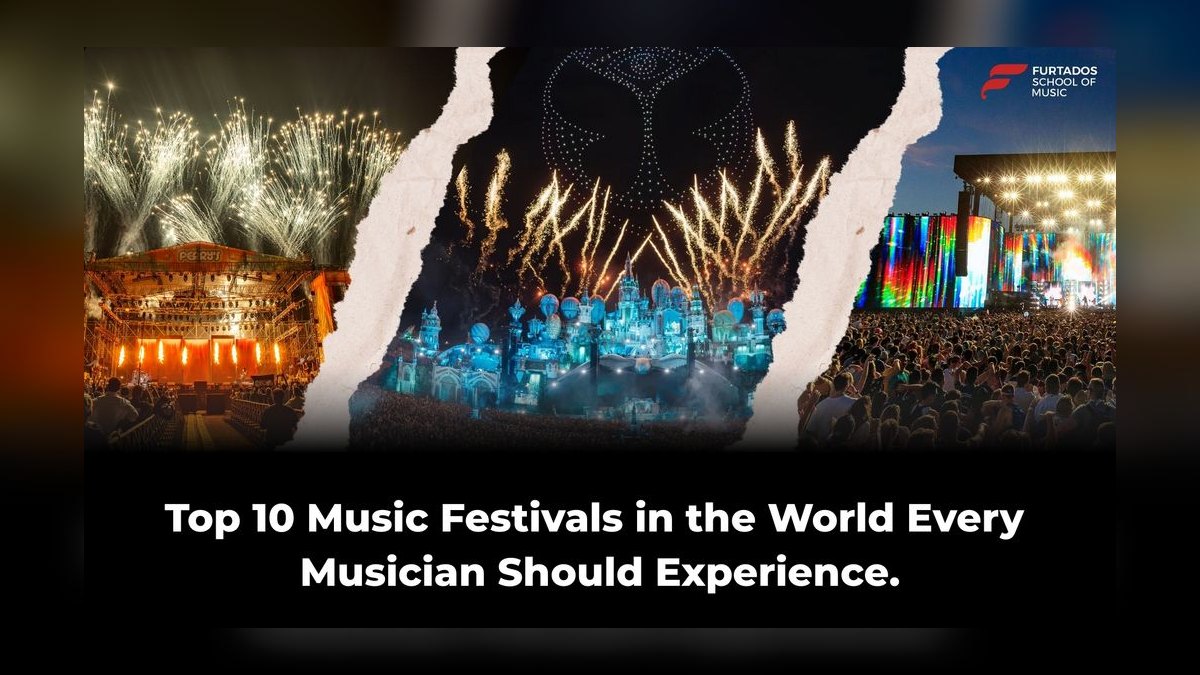
Rule A — unique billed artists. Count each named act once, regardless of how many times it plays. This is the fairest cross-festival comparison and the hardest to game. It penalises Tomorrowland, where a single DJ may play both weekends and a B2B set, and it penalises Glastonbury, where an act may appear on a main stage and again in a late-night area.
Rule B — total performances/sets. Count every scheduled slot. This is what most festivals publish, because it is the biggest available figure. Two-weekend events roughly double under this rule.
Rule C — music-only. Strip theatre, comedy, circus, DJ-between-band filler, panels, film and installations. This is the rule that matters if the question is literally about musicians performing, and it is the rule that cuts Glastonbury and Sziget hardest, since both are properly multi-arts events.
Rule D — official programme only. Exclude unofficial parties. SXSW is the extreme case: alongside roughly 1,000-plus official showcasing acts there is a vast unofficial economy of brand-sponsored day parties, and counting those can inflate the Austin figure by several hundred more.
Pick one rule and apply it to every festival on the list. Mixing rules — Rule B for the festival you like, Rule A for its rival — is the single most common error in published rankings and it is usually invisible to the reader.
A second decision sits underneath the first: are you ranking the 2027 *edition* or the festival brand? Several large events are biennial, cyclical or multi-city. Rock in Rio alternates its Brazilian and international editions, Glastonbury takes fallow years, and SXSW now runs an additional overseas edition. A brand-level ranking blends editions that will never share a calendar year; an edition-level ranking is the one a reader planning 2027 travel actually needs. Use edition-level, and say so.
Artists per stage: the concrete numbers behind each model

Figures below are historical baselines from recent editions, not announced 2027 lineups — most 2027 posters land between roughly October 2026 and March 2027. Treat every number as an approximate range for the scale of the event, and re-verify against the official 2027 programme when it drops.
SXSW — Austin, Texas, March. The reference case for volume. Historically the official music programme has run from roughly 1,000 to 2,000 showcasing acts across 80 to 100 downtown venues over about six nights, with hundreds more playing unofficial day parties. Recent editions have trended smaller as the event restructured and leaned harder into film, tech and its newer overseas edition, so a conservative 2027 planning figure is "four figures, at the lower end." Even a reduced SXSW is the largest single-city concentration of Artists performing in a week anywhere.
Glastonbury — Worthy Farm, Somerset, late June. Advertises more than 3,000 performances across 100-plus stages and areas when it runs. Music-only counts land lower but still in the high hundreds to low thousands. The 2027 edition is expected to follow a 2026 fallow year.
Summerfest — Milwaukee, late June to early July. Holds a Guinness recognition as the world's largest music festival by scale, historically billing several hundred to 800-plus acts across roughly 12 stages over nine days spread across three weekends. Its volume comes from long duration plus a deep bench of regional and tribute acts filling side stages all afternoon.
Sziget — Budapest, August. A week-long island event with roughly 50 or more venues and stages, publishing programme counts around 1,000 performances. As with Glastonbury, that figure spans circus, theatre, world music, workshops and DJ programming, so the music-only Number is substantially smaller — still likely 300 to 500 acts.
Donauinselfest — Vienna, June. Free admission, three days, historically around 600 acts across a dozen-plus stages on the Danube island. The free model is exactly why the count is so high: without ticket revenue to protect, the programme is built from local and national acts at low per-act cost, and the stage-hours get filled.
New Orleans Jazz & Heritage Festival — late April to early May. Historically more than 500 acts across roughly 14 stages over seven or eight days across two weekends. The heritage, gospel, brass and Cajun stages contribute far more names than the marquee stage does.
Tomorrowland — Boom, Belgium, July. Two weekends, roughly 15 or more elaborately built stages, with published DJ counts commonly in the 600 to 800 range. Under Rule A the figure drops sharply, since a large share of the roster plays both weekends; under Rule B it is one of the highest in the world.
Reeperbahn Festival — Hamburg, September. Europe's largest club festival by act count, historically around 500 to 600 acts across roughly 90 venues in the St. Pauli district over four nights, wrapped in a conference for industry delegates.
The Great Escape — Brighton, May. Roughly 450 to 500 emerging acts across about 30 to 35 venues in three days. Almost entirely new and unsigned artists; the density per square mile is arguably the highest of any event listed.

Eurosonic Noorderslag — Groningen, January. Around 300 to 400 acts across roughly 40 venues over four days, deliberately weighted toward European acts seeking festival bookings for that same summer. Because it runs in January, it is usually the first major 2027-edition lineup to be confirmed.
Near misses worth checking against your rule. Montreux Jazz Festival runs about two weeks with a large free-stage programme and can clear 400 shows. Exit in Novi Sad, Dour in Belgium, Fusion in Germany, Pukkelpop, Fuji Rock and Primavera Sound all sit in the 150 to 300 range — big by any normal measure, but a tier below. Ultra and EDC bill roughly 200 to 300 DJs. Roskilde, despite its size and reputation, typically bills under 200 acts.
Set against that, the destination tier is instructive: Coachella at roughly 150 acts across two identical weekends, Lollapalooza Chicago at roughly 170, Wacken at roughly 150 metal bands, Bonnaroo at roughly 130. None of them belong on a most-artists list, and none of them are trying to.
Number games: what inflates a lineup and how to normalize it
Published counts are marketing artifacts. Five specific inflators account for most of the discrepancy between a festival's headline claim and a defensible count.
Double-weekend duplication. Coachella and Tomorrowland run two weekends with substantially the same roster. A "total sets" figure doubles; a unique-artist figure does not. Always check whether the two weekends share a poster.
Non-music programming. Glastonbury's theatre and circus fields, Sziget's workshops and installations, Montreux's talks and Summerfest's comedy all count as "performances" internally. If your question is about musicians, subtract them — and expect the subtraction to be large, sometimes half the total.
DJ and support filler. Many electronic-leaning events count every changeover DJ, every local warm-up and every silent-disco host. This is legitimate under Rule B and misleading under Rule A.
Unofficial and fringe programming. SXSW's day parties, Brighton's Alternative Escape and the free fringe around Reeperbahn are real performances that no official poster lists. Some rankings quietly include them.
Collaborations and aliases. A B2B DJ set, a supergroup one-off, a tribute or an artist's second project under another name can each appear as a distinct billed name. Deduplicating by person rather than by billing can shave 5 to 10 percent off a large electronic lineup.
To normalize, build a single spreadsheet with one row per billed name and columns for: festival, edition year, official/unofficial, music/non-music, weekend, and whether the name is a duplicate of another row. Pull names from the official downloadable schedule or the festival's own app export where available, not from a press article. Then produce three totals — unique music acts, total music sets, total programme items — and publish all three. A ranking that shows its three totals side by side is almost impossible to argue with; a ranking that shows one is almost impossible to defend.
One more sanity check: divide total acts by (stages × days). A showcase festival should land near 5 to 7 acts per stage per day, matching 30- to 40-minute club slots. A destination festival should land near 4 to 6, matching 45- to 75-minute slots. If your arithmetic returns 15 acts per stage per day, you have double-counted a weekend or swept in unofficial programming.
Performing slots, booking sequence, and how a 2027 lineup gets built

Understanding the booking calendar tells you when a 2027 count becomes knowable, and why the showcase Festivals can commit to enormous rosters that destination events cannot.
The destination path starts earliest and moves slowest. Headliner negotiations for a summer 2027 European or North American festival typically begin 12 to 18 months out, in the first half of 2026, because those acts are routing whole world tours and festival dates are anchors within them. Radius clauses — contractual restrictions preventing an act from playing a competing event within a set distance and time window, often something like 200 to 300 miles and 60 to 90 days — mean one signature can lock a region. Only after the top three to five slots are settled does the promoter know the remaining budget, and only then do the 100 to 200 mid- and lower-tier names get filled in, usually between November 2026 and March 2027.
The showcase path runs on an application funnel instead. Submissions open roughly 8 to 11 months ahead, frequently via a paid application platform, and a single event may receive 5,000 to 20,000-plus submissions for its slots. Selection is done by committees, often organised by territory and genre, and heavily influenced by export-office delegations that arrive with funding attached. Because the per-act cost is low and the venue network is fixed, the showcase promoter can announce in waves — a first drop of 100 to 200 names, then successive waves until the grid is full — which is why these counts are usually confirmed later but grow more predictably.
The civic and week-long events sit between the two. They anchor two or three paid headline nights early, then fill hundreds of free-stage and community slots through local booking relationships in the final four to six months, often at fees in the low hundreds to low thousands per act.
For anyone tracking this in practice, the useful sequence is: watch Eurosonic in January 2027 first, since it confirms earliest; treat SXSW's official showcasing-artist page as the volume benchmark once March 2027 approaches; check Glastonbury's fallow-year status before assuming it appears at all; and pull Tomorrowland, Sziget and Summerfest counts only after deciding whether you are counting sets or names. Do that and the top ten stops being a matter of opinion — it becomes arithmetic you can show your work on.
Related questions
Which single festival books the most artists in one year?
Under a total-performances rule, Glastonbury's 3,000-plus programme items lead in years it runs. Under a music-only, unique-artist rule, SXSW's four-figure official showcasing roster is usually the largest concentration of musicians at one event.
Why does Coachella never appear on most-artists lists?
Coachella bills roughly 150 acts. Its budget concentrates in a handful of very expensive headliners against a fixed daily capacity, so there is little room for a long tail of smaller names. It leads on gross and attention, not act count.
Do two-weekend festivals count double?
Only under a total-sets rule. Tomorrowland and Coachella largely repeat their rosters across both weekends, so unique-artist counts stay flat while set counts roughly double. Publish which rule you used.
When will 2027 lineups actually be announced?

Expect Eurosonic in autumn 2026, most European summer events between December 2026 and April 2027, and showcase festivals to announce in waves right up to the event. Nothing about 2027 rosters is confirmed today.
Are free festivals really that big?
Yes. Donauinselfest in Vienna is free and has historically billed around 600 acts, because without ticket revenue to protect it can fill every stage-hour with local and national talent at low per-act cost.
FAQ
Is there an official record for the most artists at a music festival?
Summerfest in Milwaukee holds a Guinness World Records recognition as the world's largest music festival, a designation tied to its overall scale rather than to a single audited artist count. No neutral body currently certifies a per-edition artist tally, which is exactly why published rankings disagree — each outlet applies its own counting rule to numbers the festivals themselves supply.
How many Artists does a typical big destination festival book?
Roughly 100 to 220 across three or four days. That is set by arithmetic: five or six stages, running eight to eleven hours a day, with 45- to 75-minute slots and long changeovers. Showcase festivals hit four figures by using 30-minute slots across dozens of small existing venues instead of building a handful of large stages.
Does a bigger lineup mean a better festival?
No, and often the opposite for an attendee. A 1,200-act showcase week guarantees you will miss almost everything and see mostly unfamiliar acts in 30-minute fragments — which is the point if you are an industry delegate scouting talent, and frustrating if you wanted long sets from acts you already love. Match the model to your purpose.
Can I verify these counts myself?
Yes. Download the official schedule or app export for each edition, dedupe by billed name, and tag each row as music or non-music, official or unofficial, weekend one or two. Then report unique music acts, total music sets and total programme items separately. Press articles are unreliable here because they rarely state which of the three they quoted.
Will SXSW still be the volume leader in 2027?
Probably, though by a narrower margin than a decade ago. Recent editions have trended smaller as the event restructured its music programme and expanded into other cities and formats. Even at the low end of its historical range it remains the densest concentration of Artists performing in a single city in a single week.
Why do national governments fund artists to play these festivals?
Export offices treat showcase slots as trade missions. A four-song set in front of hundreds of bookers, agents and sync supervisors can generate a season of festival offers, so agencies underwrite flights, freight and fees. This subsidy is a structural reason showcase festivals can afford enormous rosters that ticketed destination events never could.
Sources
- https://www.sxsw.com/
- https://www.glastonburyfestivals.co.uk/
- https://www.summerfest.com/
- https://szigetfestival.com/
- https://www.nojazzfest.com/
- https://www.tomorrowland.com/
- https://www.reeperbahnfestival.com/
- https://greatescapefestival.com/
- https://www.eurosonic-noorderslag.nl/
- https://www.montreuxjazzfestival.com/
Related on PULSE
- Which music festivals draw the largest attendance worldwide
- How festival headliner fees are negotiated and what radius clauses do
- Showcase festivals versus destination festivals for emerging artists
- How festival lineup announcement timing affects ticket sales
- What it costs to run a multi-stage festival for a week
This page will be disappearing soon. Save it to your device for $1 — or read it free while it is here.
@Kory-White- · if Venmo asks, the last 4 of my number are 2012
This page is gone.
This one is off the shelf now. $1 keeps it on your phone for good — the whole page, pictures and diagrams included.
 eventsHow long do the 10 largest music festivals in the world last in 2027?
 eventsThe 10 Best Corporate Retreat Venues with On-Site Golf in 2027
 pulse-recentThe 10 Music Festivals with the Most Number of Attendees Per Day in 2027
 events10 Best Rooftop Party Venues in Major U.S. Cities in 2027
 eventsThe 10 Music Festivals with the Largest Camping Capacity in 2027
 pulse-eventsBest Retirement Party Venues in the Washington, D.C. Area (2027)
 pulse-events10 Best Cruise Lines for Family Reunions in 2027
 pulse-recentThe 10 Music Festivals with the Largest Number of Food and Drink Vendors in 2027
 pulse-recentThe 10 Music Festivals with the Highest Total Attendance Over the Full Event in 2027
 eventsHow many days do the 10 largest music festivals in the world run in 2027?