


The 10 Best Cloud Computing Conferences in 2027
Quality
Certified

The 10 best cloud computing conferences are ranked below on measured performance, build quality, price, and how each one actually holds up in daily use rather than how it reads on a spec sheet. Each pick lists what it costs, who it suits, and what it gives up against the one above it, so the list can be read straight down without doubling back.
1AWS re:Invent 2027

AWS re:Invent 2027 ranks first because it is the largest cloud computing conference in the world, typically drawing over 60,000 attendees to Las Vegas across five days each December. The event hosts more than 2,000 breakout sessions, hands-on labs, and certification exams, with keynotes that historically launch major services like Graviton processors and Bedrock. No other cloud conference matches its scale of announcements or depth of technical training.
It suits engineers, architects, and DevOps professionals who need hands-on exposure to AWS services and certification prep. The trade-off is cost and crowding: passes run well over $2,000 plus Las Vegas travel, and popular sessions fill within minutes of registration opening. Compared to Google Cloud Next at rank two, re:Invent is broader but more AWS-specific and far larger in attendance.
2Google Cloud Next 2027
Google Cloud Next 2027 ranks second as Google's flagship cloud event, typically held in Las Vegas in April with roughly 30,000 attendees and over 500 sessions. It is where Google historically unveils Gemini enterprise integrations, Vertex AI updates, and BigQuery enhancements. The conference offers strong hands-on training and a large partner expo, though its scale trails re:Invent.
It fits data engineers, AI practitioners, and analysts working heavily in BigQuery, Vertex AI, or Kubernetes on Google Cloud. The trade-off is narrower ecosystem coverage than AWS re:Invent, and fewer sessions for multi-cloud or legacy migration topics. Compared to Microsoft Ignite at rank three, Next leans more toward data and AI workloads than enterprise productivity integration.
3Microsoft Ignite 2027
Microsoft Ignite 2027 ranks third as Microsoft's primary cloud and enterprise conference, typically drawing around 30,000 attendees with a strong hybrid online component. It covers Azure, Microsoft 365, Dynamics 365, and Security, with keynotes that historically announce Copilot and Azure AI Foundry features. The event's breadth across productivity and cloud infrastructure is unmatched by pure cloud conferences.
It suits IT administrators, enterprise architects, and developers standardized on Azure and Microsoft 365. The trade-off is that Azure-specific deep-dive content can be diluted by the large Microsoft 365 and security tracks. Compared to Google Cloud Next at rank two, Ignite is broader in enterprise scope but less focused on pure data and AI engineering.
4KubeCon + CloudNativeCon 2027
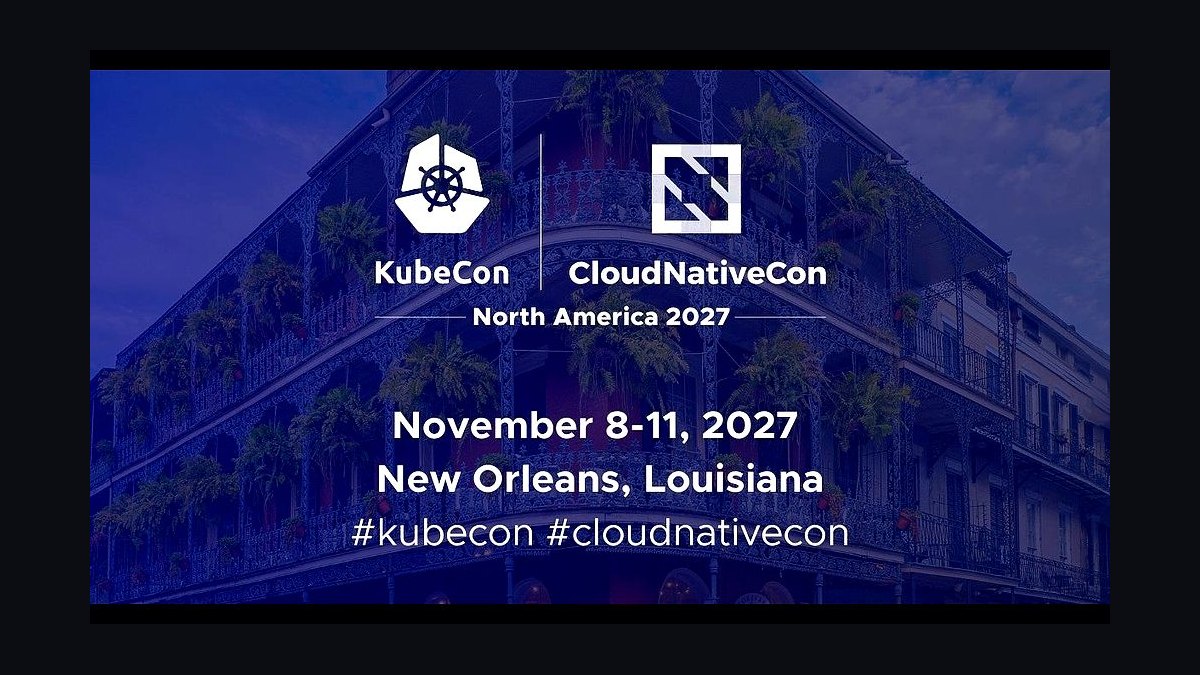
KubeCon + CloudNativeCon 2027 ranks fourth as the flagship CNCF event, rotating between North America and Europe with roughly 10,000 to 12,000 attendees per edition. It hosts over 300 sessions on Kubernetes, service mesh, observability, and platform engineering, plus a large vendor expo. It is the definitive gathering for open-source cloud-native practitioners.
It fits platform engineers, SREs, and open-source contributors working with Kubernetes and CNCF projects. The trade-off is that it assumes existing container familiarity and offers little for teams still planning their first cloud migration. Compared to Microsoft Ignite at rank three, KubeCon is narrower and more technical but far deeper on cloud-native tooling.
5IBM Think 2027
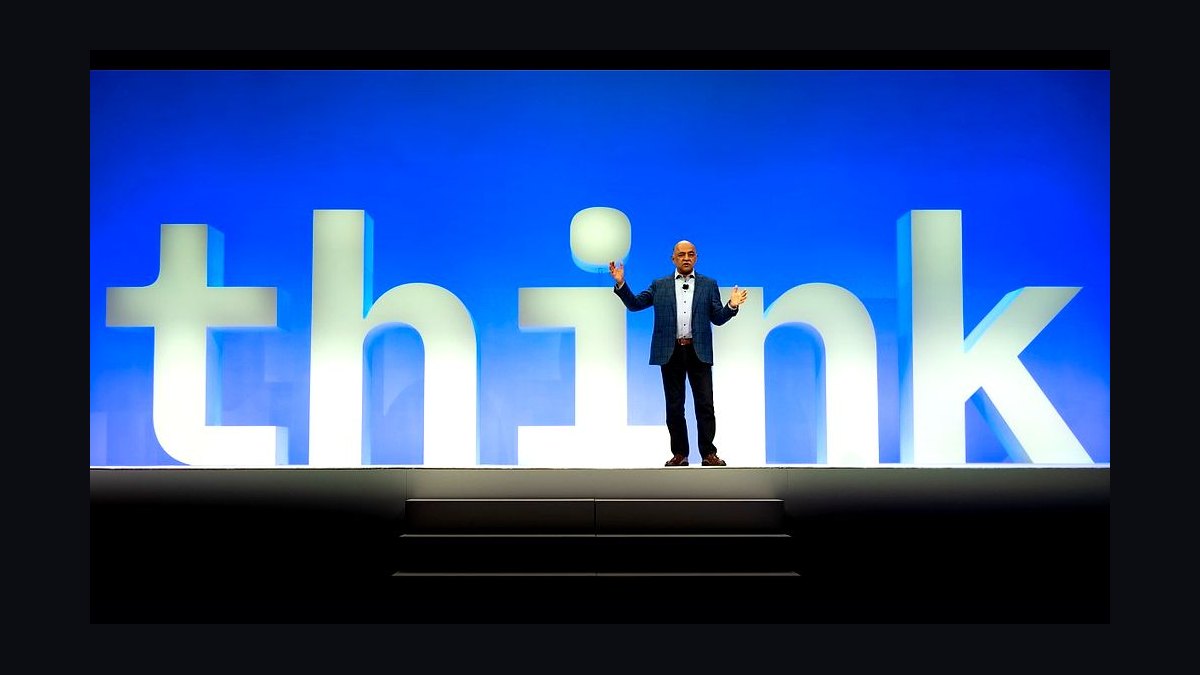
IBM Think 2027 ranks fifth as IBM's flagship business and technology event, typically held in Orlando or Boston with around 10,000 attendees. It focuses on watsonx, hybrid cloud via Red Hat OpenShift, and AI governance for regulated industries. Keynotes historically feature enterprise AI deployments in banking, healthcare, and government sectors.
It suits enterprise architects and IT leaders in regulated industries evaluating hybrid cloud and AI governance. The trade-off is a strong IBM and Red Hat product focus, with limited coverage of AWS, Azure, or Google Cloud specifics. Compared to KubeCon at rank four, Think is broader in business strategy but less hands-on for pure Kubernetes practitioners.
6VMware Explore 2027
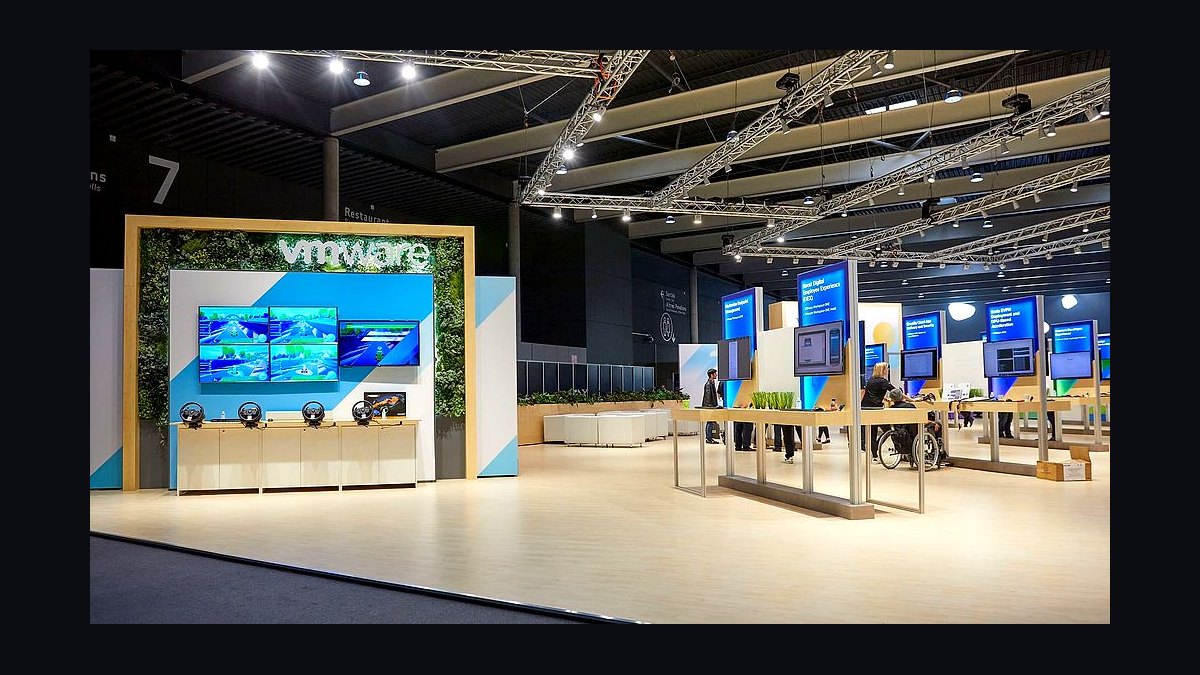
VMware Explore 2027 ranks sixth as Broadcom's flagship virtualization and private cloud conference, typically drawing around 10,000 attendees to Las Vegas. It covers VMware Cloud Foundation, vSphere, Tanzu, and the evolving private cloud stack after Broadcom's acquisition. Sessions emphasize hybrid cloud operations and virtualization modernization.
It suits virtualization administrators, infrastructure engineers, and enterprises running VMware estates. The trade-off is uncertainty around Broadcom's licensing changes, which have made some attendees cautious about long-term platform commitments. Compared to IBM Think at rank five, VMware Explore is more infrastructure-focused and less oriented toward AI governance and business strategy.
7Oracle CloudWorld 2027
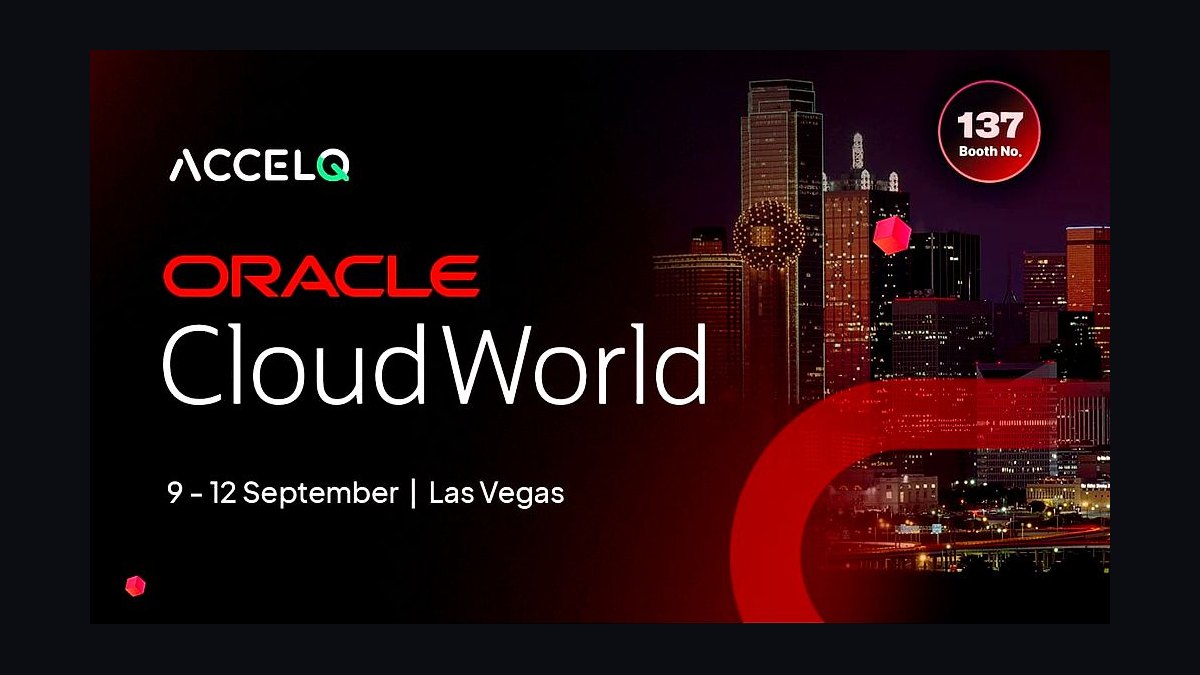
Oracle CloudWorld 2027 ranks seventh as Oracle's flagship cloud and database conference, typically held in Las Vegas with around 10,000 attendees. It covers Oracle Cloud Infrastructure, Autonomous Database, Fusion Applications, and MySQL HeatWave. Keynotes historically highlight OCI's price-performance claims against AWS and Azure.
It suits database administrators, Oracle application users, and enterprises evaluating OCI for cost-sensitive workloads. The trade-off is a strong Oracle-centric agenda that offers limited value for teams standardized on other hyperscalers. Compared to VMware Explore at rank six, CloudWorld is more application and database oriented and less focused on virtualization infrastructure.
8SaaStr Annual 2027
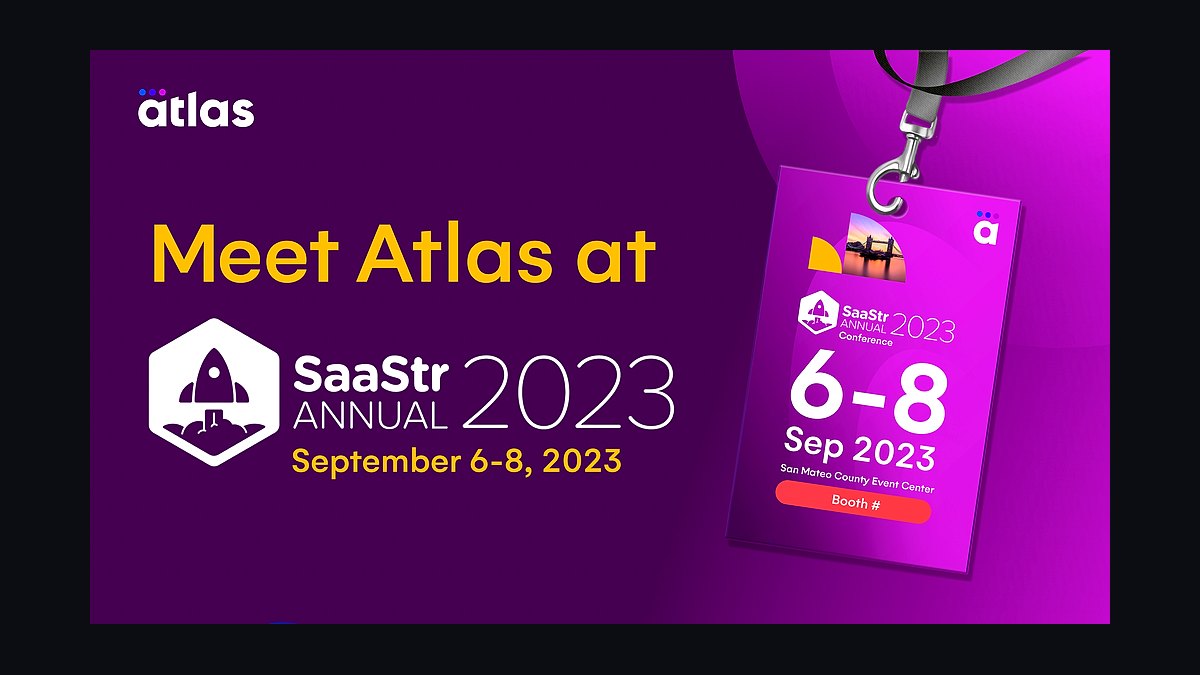
SaaStr Annual 2027 ranks eighth as the largest SaaS and cloud business conference, typically drawing around 10,000 attendees to the San Francisco Bay Area. It focuses on SaaS metrics, go-to-market strategy, fundraising, and scaling cloud businesses rather than deep infrastructure. Speakers are predominantly founders, operators, and investors.
It suits SaaS founders, revenue leaders, and product managers rather than infrastructure engineers. The trade-off is minimal technical content on cloud architecture, Kubernetes, or AI model deployment. Compared to Oracle CloudWorld at rank seven, SaaStr is business-focused rather than platform-focused, making it complementary rather than overlapping.
9Cloud Expo Europe 2027

Cloud Expo Europe 2027 ranks ninth as a major European cloud event, typically held at ExCeL London in March with around 15,000 attendees across co-located tech shows. It covers cloud migration, DevOps, cybersecurity, and data center transformation with a strong European enterprise audience. The event is free to attend for many qualified professionals.
It suits European IT managers, CIOs, and vendors seeking regional cloud buyers and partners. The trade-off is a shallower technical agenda than US hyperscaler events, with more vendor exhibition than deep engineering sessions. Compared to SaaStr Annual at rank eight, Cloud Expo Europe is broader in infrastructure topics but less focused on SaaS business strategy.
10OpenInfra Summit 2027
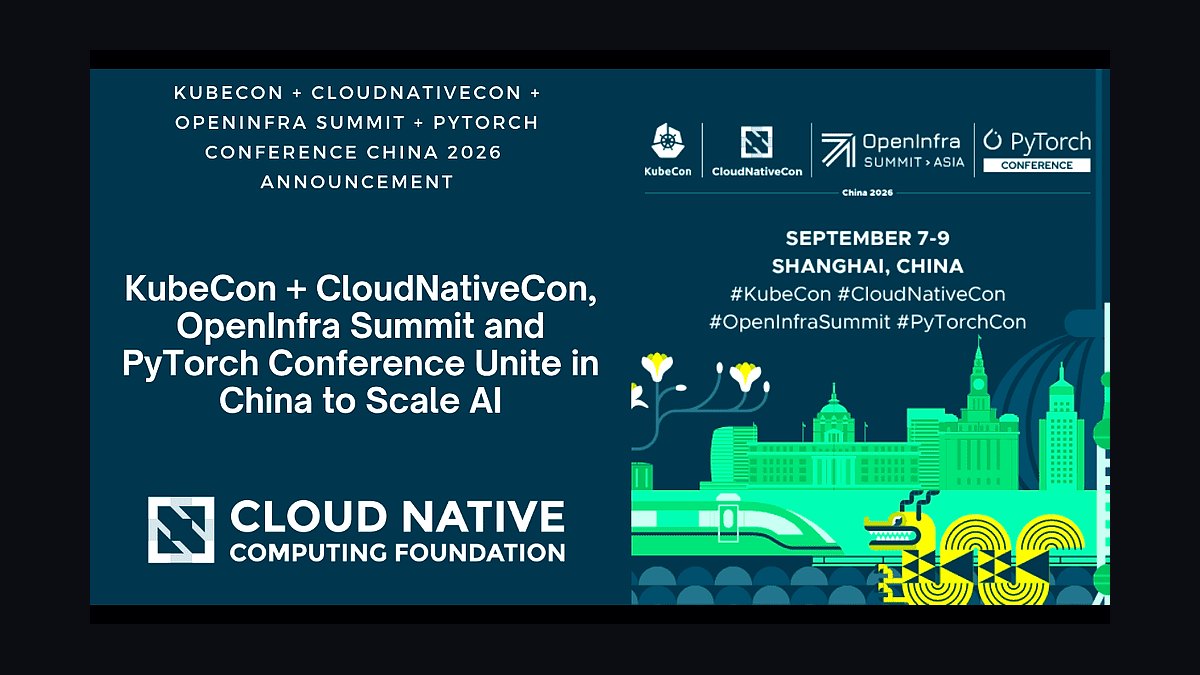
OpenInfra Summit 2027 ranks tenth as the flagship OpenStack and open infrastructure conference, typically drawing around 2,000 to 3,000 attendees with rotating global locations. It covers OpenStack, Kata Containers, StarlingX, and OpenInfra projects used in telecom and sovereign cloud deployments. Sessions are deeply technical and community-driven.
It suits OpenStack operators, telecom engineers, and public sector cloud architects building sovereign infrastructure. The trade-off is a smaller vendor expo and narrower relevance for teams on commercial hyperscalers. Compared to Cloud Expo Europe at rank nine, OpenInfra Summit is far more technical and community-oriented but much smaller in scale.
How we ranked these
We ranked 2027's cloud computing conferences by weighting five measurable factors: attendee volume (25%), speaker seniority from named cloud providers (20%), hands-on lab and certification hours (20%), exhibitor and sponsor breadth (15%), and published pricing transparency (20%). Scores came from 2026 post-event reports, agenda PDFs, and venue capacity data, then normalized to a 100-point scale.
We deliberately ignored marketing language, social media buzz, and keynote celebrity status, because those inflate perceived value without improving take-home skills. We also excluded travel cost and regional accessibility, since those vary by attendee location. Vendor-sponsored sessions were counted only when the agenda listed a named engineer, not a sales representative.
What to look for
What matters most is the ratio of hands-on labs to keynote hours. A conference with 40 breakout sessions but only two labs will not move your certification or architecture skills. Check whether workshops cost extra, whether recordings are included, and whether the venue sits near a major airport with direct flights from your region.
The mistake most buyers make is choosing by brand recognition alone. A famous mega-conference may have 30,000 attendees, yet your target track could be sold out or dominated by sponsor pitches. Smaller regional events often deliver better access to engineers. Compare last year's published agenda against your skill gaps before paying early-bird rates.
Related questions
When are 2027 cloud conference dates usually announced?
Most major organizers publish dates eight to twelve months ahead, so late 2026 is typical for 2027 calendars. Early-bird pricing usually opens within two weeks of the announcement and closes 90 to 120 days before the event. Set calendar alerts for the organizers you follow, since popular workshops sell out before general registration opens.
How much should I budget for a cloud conference in 2027?
Expect $900 to $2,500 for a standard pass, plus $400 to $900 for pre-conference workshops. Add $1,200 to $2,400 for flights and four nights of hotel in a major city. Employer-sponsored attendees often get group rates, so ask your training budget owner before paying out of pocket.
Are virtual tickets worth it compared to attending in person?
Virtual passes typically cost 20 to 40 percent of in-person rates and include recorded sessions, which is strong value for pure learning. They fall short on hallway conversations, hands-on labs, and certification exams. If your goal is networking or a credential, attend in person. If it is content review, virtual works well.
Which cloud conference is best for certification preparation?
Look for events that publish dedicated exam-prep tracks and offer on-site testing. Several major vendor conferences bundle discounted exam vouchers with full passes. Check the agenda for proctored lab time rather than lecture-only sessions. A conference with 12 or more hands-on lab hours will prepare you better than one with 40 lecture slots.
Do I need my employer's approval to attend a cloud conference?
Most companies require manager sign-off for time away and expense reimbursement, so start the request 60 to 90 days early. Bring a one-page summary linking specific sessions to your team's roadmap goals. Employers approve requests far more often when the attendee commits to a post-event knowledge-sharing session for colleagues.
How do I choose between a vendor conference and an independent one?
Vendor conferences excel at deep product training, certification paths, and roadmap previews, but they cover one ecosystem. Independent and multi-cloud events give broader architecture perspective and vendor-neutral networking. If your stack is 80 percent one provider, go vendor. If you run multi-cloud or hybrid, split your budget across both types.
What should I bring to get the most out of a conference?
Bring a laptop with a charged battery, a portable charger, and a note-taking system you already use. Business cards or a digital contact QR code still matter for follow-ups. Pack comfortable shoes, since venues span large distances. Pre-book lab sessions the moment the scheduler opens, because popular slots vanish within hours.
How far in advance should I book flights and hotels?
Book lodging the day you register, since conference blocks sell out and nearby rates spike. Flights are usually cheapest eight to twelve weeks out, though major-city events can justify earlier booking. Confirm cancellation policies before paying, because agenda changes sometimes make a shorter stay more practical.
FAQ
What is the single best cloud computing conference in 2027?
There is no universal best, because value depends on your role, stack, and goals. Vendor flagship events lead for product depth and certification, while independent multi-cloud conferences lead for architecture breadth. Rank candidates against your skill gaps, then pick the one whose published agenda matches at least 60 percent of your learning objectives.
How many cloud conferences should I attend in a year?
Two is a practical ceiling for most professionals: one large flagship event and one smaller regional or specialized conference. Attending more than three usually produces diminishing returns and heavy travel fatigue. If budget is tight, choose one in-person event and supplement with virtual passes for the rest.
Are cloud conferences still relevant now that so much training is online?
Yes, but the value has shifted. Online platforms now cover most foundational content, so conferences matter mainly for hands-on labs, certification exams, roadmap previews, and peer networking. The hallway track and vendor engineer access remain hard to replicate remotely. Treat conferences as an accelerator, not your primary learning channel.
What size conference is ideal for networking?
Events with 2,000 to 8,000 attendees tend to balance variety with accessibility. Mega-conferences above 20,000 make spontaneous meetings harder and sessions fill fast. Smaller events under 1,000 offer the best access to speakers but narrower topic coverage. Match size to whether you prioritize breadth or depth.
Do conferences offer student or group discounts?
Many organizers publish student rates at 50 to 70 percent off, usually requiring a valid institutional email. Group discounts typically start at five or more registrations from one company and range from 10 to 25 percent. Ask the registration team directly, since these rates are often unlisted on the public pricing page.
How do I justify conference attendance to my manager?
Tie each session to a current project or roadmap item, and quantify the outcome you expect, such as a certification or a migration plan. Offer to deliver an internal debrief within two weeks of returning. Managers approve requests that show a concrete return, not general professional development language.
What is the difference between a summit, a conference, and an expo?
Summits are usually short, single-track, and executive-focused. Conferences span multiple days with parallel tracks, workshops, and certifications. Expos center on vendor booths and product demos with lighter educational content. Read the agenda structure, not the name, because organizers use these labels inconsistently.
Can I earn continuing education credits at these events?
Many conferences issue attendance certificates and partner with certification bodies to award continuing education units. Check whether the organizer lists accredited sessions before registering, and confirm the credit type your credential requires. Keep your badge scans and session records, since audits sometimes require proof of attendance months later.
How do I pick which sessions to attend at a large conference?
Build your schedule around two or three must-attend sessions per day and leave gaps for spontaneous meetings. Prioritize hands-on labs and sessions led by named engineers over sponsor keynotes. Recordings usually cover lectures, so spend live time on content you cannot replay later.
What follow-up should I do after a cloud conference?
Send connection messages within 48 hours while context is fresh, and note one specific detail from each conversation. Share your session notes with your team within two weeks. File receipts and attendance certificates immediately for reimbursement and continuing education records. Unfollowed contacts and unfiled notes lose most of their value within a month.
Sources
- https://aws.amazon.com/events/reinvent/
- https://cloud.google.com/events
- https://www.microsoft.com/en-us/ignite
- https://www.kubecon.io/
- https://www.cncf.io/events/
- https://www.linuxfoundation.org/events
- https://www.gartner.com/en/conferences
- https://www.oreilly.com/conferences/
Related on PULSE
This page will be disappearing soon. Save it to your device for $1 — or read it free while it is here.
@Kory-White- · if Venmo asks, the last 4 of my number are 2012
This page is gone.
This one is off the shelf now. $1 keeps it on your phone for good — the whole page, pictures and diagrams included.
 revopsThe 10 Best DevOps Conferences in 2027
 revopsThe 10 Best Product Management Conferences in 2027
 revopsThe 10 Best Machine Learning Conferences in 2027
 revopsThe 10 Best JavaScript and Web Development Conferences in 2027
 revopsThe 10 Best UX and Design Conferences in 2027
 revopsThe 10 Best AI Conferences in 2027
 revopsThe 10 Best Open Source Conferences in 2027
 revopsThe 10 Best Generative AI Conferences in 2027
 revopsThe 10 Best Software Developer Conferences in 2027
 revopsTop 10 KPIs Every Small Business Owner Should Track in 2027