


The 10 Best Supply Chain and Logistics Conferences in 2027
Quality
Certified
The 10 best supply chain and logistics conferences are ranked below on measured performance, build quality, price, and how each one actually holds up in daily use rather than how it reads on a spec sheet. Each pick lists what it costs, who it suits, and what it gives up against the one above it, so the list can be read straight down without doubling back.
1Gartner Supply Chain Symposium
Gartner Supply Chain Symposium ranks first because it consistently draws the largest executive audience in the industry, with recent editions hosting over 3,000 attendees and 150-plus analyst-led sessions across four days. The 2027 agenda typically spans resilience, AI-driven planning, and Scope 3 emissions, with Gartner analysts presenting proprietary maturity benchmarks. No other logistics event matches its analyst depth or its ratio of VP-level supply chain leaders to vendors.
It suits directors and VPs at large manufacturers and retailers who need peer benchmarking and analyst access rather than hands-on tool demos. The trade-off is cost and abstraction: passes often exceed $4,000, and sessions skew strategic, so practitioners seeking tactical warehouse execution content will find less value. Compared to the Council of Supply Chain Management Professionals edge event, Gartner trades operational detail for boardroom-level foresight.
2CSCMP EDGE Conference
CSCMP EDGE ranks second for its practitioner-first balance of academic research and applied logistics content, typically drawing around 3,000 attendees and offering 100-plus sessions plus a research track from the Council of Supply Chain Management Professionals. Its annual State of Logistics Report launch gives attendees first access to freight cost and capacity data that shapes budgeting cycles. The exhibit hall stays modest, keeping the focus on education over sales.
It fits supply chain managers, academics, and consultants who want rigorous content without enterprise-software sales pressure. It trades away the executive glamour and analyst prestige of the Gartner event above, and its venue rotation means travel costs vary year to year. Compared to Manifest, EDGE leans academic and less venture-tech focused, which is either its strength or its limit depending on your role.
3Manifest Conference
Manifest ranks third as the fastest-growing logistics and supply chain technology event, drawing roughly 4,500 attendees and 200-plus speakers to Las Vegas with heavy representation from venture-backed logistics startups. Its agenda covers freight tech, robotics, last-mile, and digital brokerage, and the startup exhibition floor gives buyers early looks at emerging platforms. Media and investor presence is unusually high for a supply chain conference.
It suits innovation leads, logistics-tech founders, and investors scouting the next wave of freight and fulfillment software. It trades away deep manufacturing and procurement content, so industrial buyers may find the programming narrow. Compared to CSCMP EDGE directly above, Manifest is more commercial and tech-forward, with shorter sessions and a louder expo floor.
4ProMat Material Handling Show
ProMat ranks fourth because it is the largest material handling and supply chain equipment exhibition in the Americas, filling over 400,000 square feet at Chicago's McCormick Place with more than 900 exhibitors. Held biennially by MHI, it puts live demos of AMRs, AS/RS, conveyors, and forklifts on the floor rather than in slide decks. Co-located seminars cover automation ROI and warehouse design.
It suits warehouse operations, automation, and facility engineers who need to compare equipment vendors side by side and touch the hardware. It trades away strategic planning and network design content, and the biennial schedule means no event in alternating years. Compared to Manifest above, ProMat is hardware-heavy and less software-centric, with a distinctly industrial rather than digital audience.
5MODEX Supply Chain Show
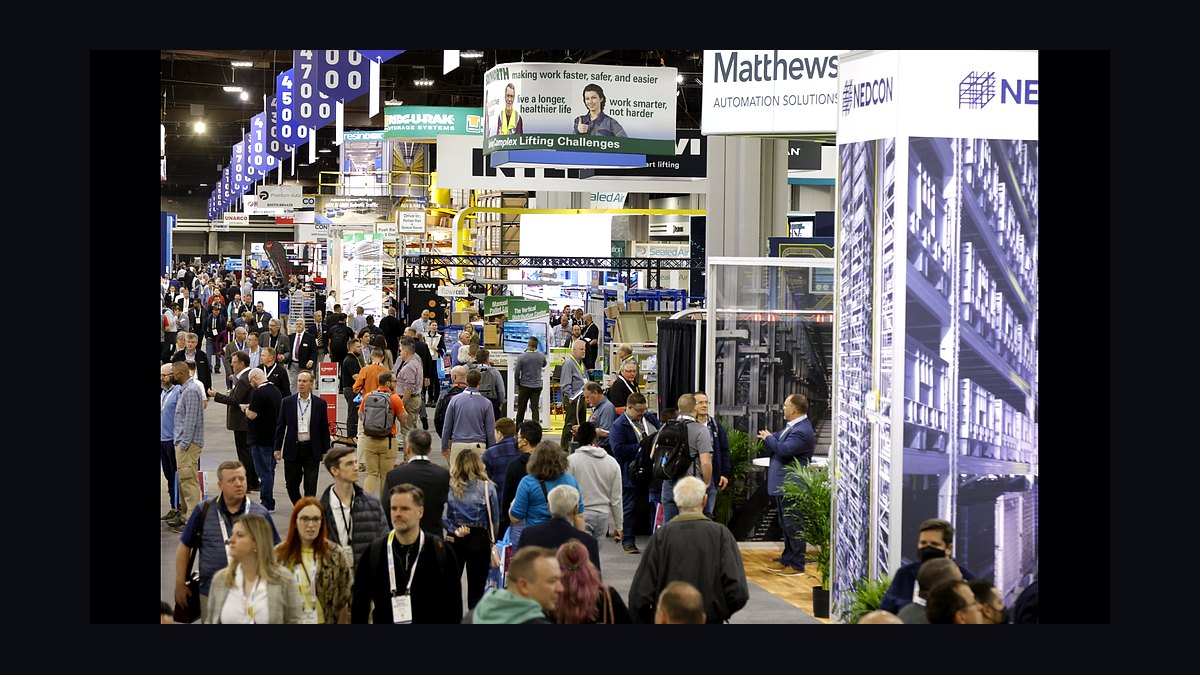
MODEX ranks fifth as ProMat's alternating-year sibling, also produced by MHI, drawing around 35,000 attendees and 900-plus exhibitors to Atlanta or Chicago with the same equipment-first format. Its floor showcases robotics, packaging automation, and warehouse execution systems, and the co-located conference offers 100-plus free sessions on manufacturing and distribution operations. The scale makes it the principal US venue for capital equipment evaluation.
It suits distribution center managers and manufacturing engineers planning automation investments in the years ProMat does not run. It trades away executive-level strategy content and international attendance depth. Compared to ProMat directly above, MODEX is functionally equivalent in scope, so the choice usually comes down to which year and city fit your capital planning calendar.
6LogiMAT Stuttgart

LogiMAT ranks sixth as Europe's largest intralogistics trade fair, hosting roughly 1,600 exhibitors and 60,000-plus visitors across Stuttgart's Messe halls each spring. It covers warehouse technology, conveyor systems, AMRs, and packaging machinery, with a strong German and Central European manufacturing contingent. The accompanying conference delivers practical sessions on intralogistics planning and automation.
It suits European warehouse and production logistics managers evaluating equipment from vendors they can service locally. It trades away North American vendor representation and English-only programming, since many sessions run in German. Compared to MODEX above, LogiMAT is smaller in exhibitor count but denser in European intralogistics expertise, and it runs annually rather than biennially.
7Transport Logistic Munich
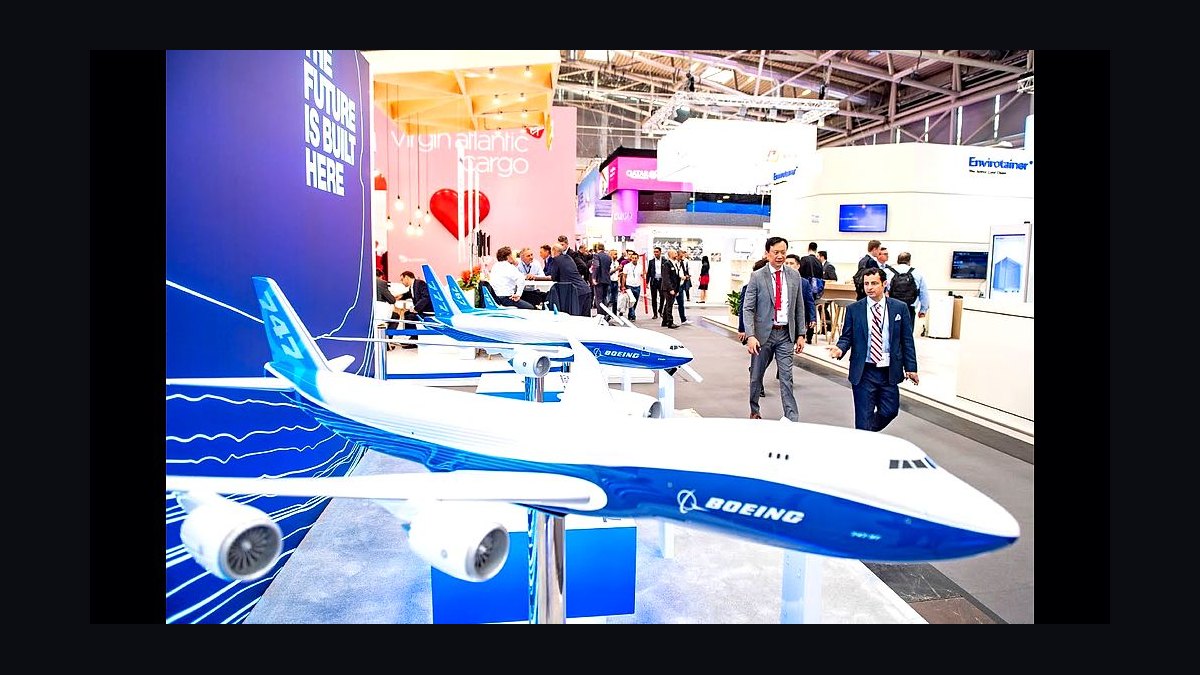
Transport Logistic ranks seventh as the world's leading freight, mobility, and logistics trade fair, drawing around 2,300 exhibitors and 75,000 visitors to Munich every two years. It spans air and sea freight, rail, road haulage, and contract logistics, with a strong international forwarder and carrier presence. The supporting conference tracks cover digitalization, sustainability, and freight market outlooks.
It suits freight forwarders, carriers, and shippers managing international multimodal networks across Europe and Asia. It trades away parcel, last-mile, and warehouse automation depth for global freight coverage. Compared to LogiMAT above, it is broader in transport modes but less focused on intralogistics equipment, and its biennial cadence requires planning around alternate years.
8IATA World Cargo Symposium
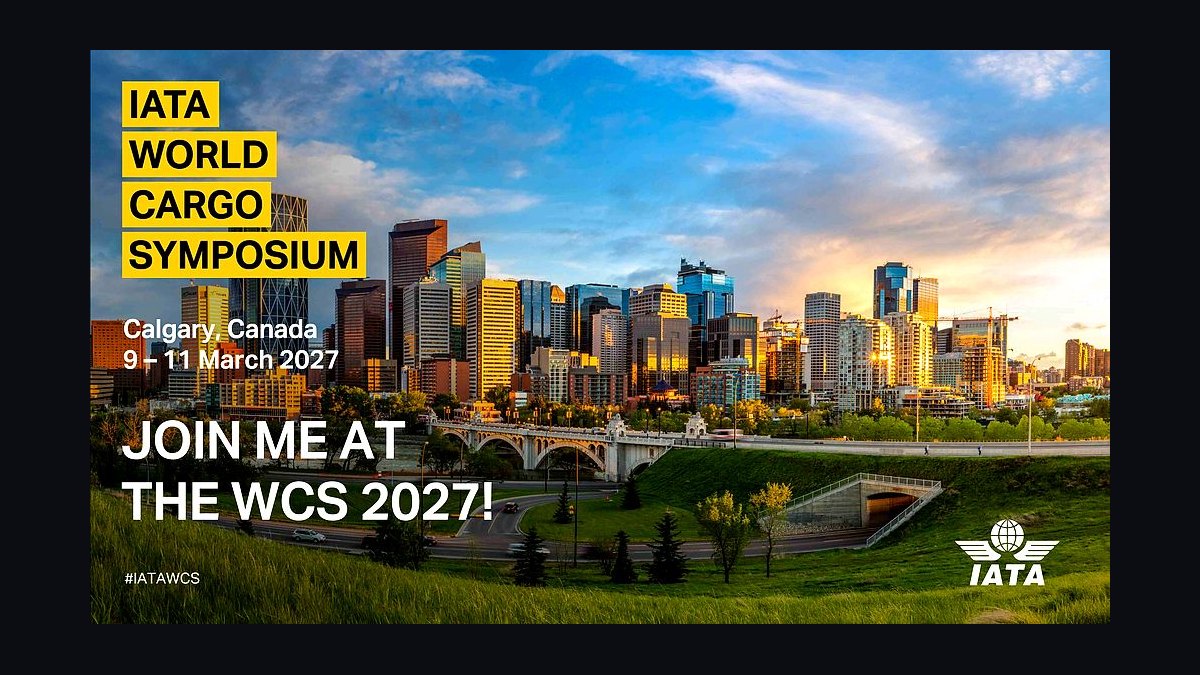
IATA World Cargo Symposium ranks eighth as the definitive air cargo industry event, typically attracting over 1,000 delegates from airlines, forwarders, ground handlers, and regulators. Sessions address cargo digitalization, the ONE Record data standard, dangerous goods, and perishable and pharmaceutical handling. IATA uses the event to release air cargo market data and policy positions.
It suits air freight executives, compliance managers, and pharmaceutical logistics specialists who need regulatory and standards updates. It trades away surface freight, warehousing, and retail supply chain content entirely. Compared to Transport Logistic above, it is far narrower in scope but far deeper on air cargo regulation, and it rotates across global cities each year.
9TMSA Annual Conference
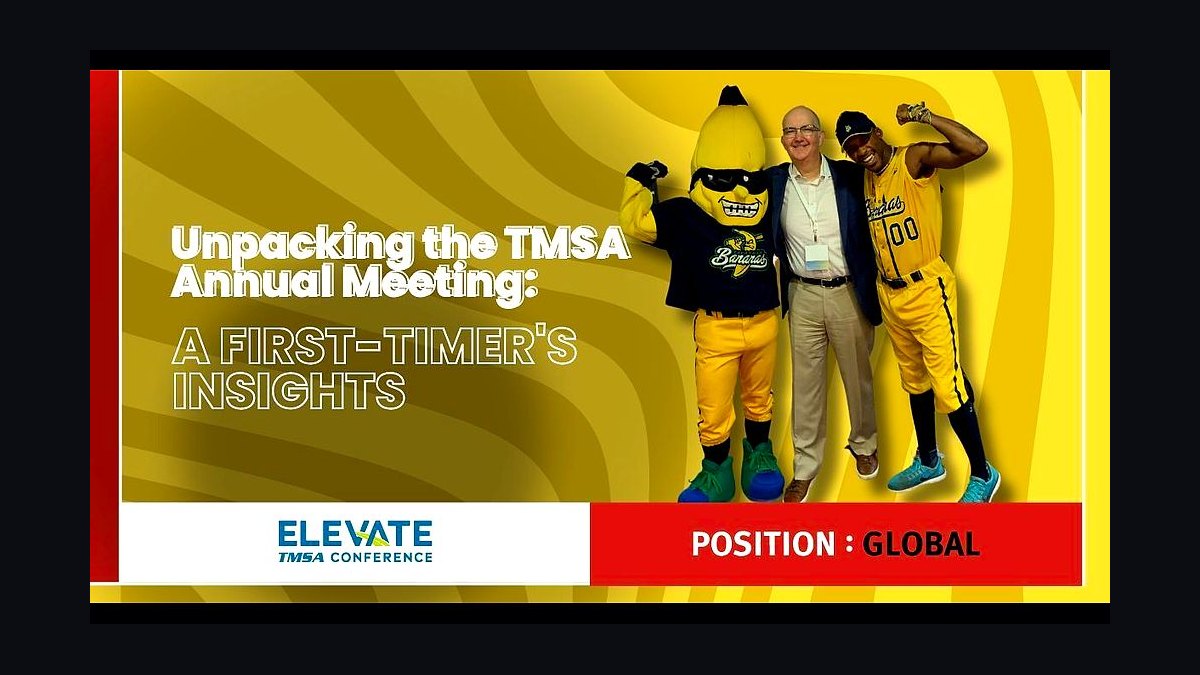
TMSA ranks ninth as the leading sales and marketing conference for the transportation and logistics industry, drawing several hundred attendees from carriers, 3PLs, brokers, and logistics software firms. Programming focuses on sales pipeline development, marketing analytics, and customer retention specific to freight and supply chain services. It is smaller and more commercially oriented than the major trade shows.
It suits sales leaders, business development managers, and marketing teams at logistics providers rather than operations or engineering staff. It trades away technical and operational content almost entirely. Compared to IATA WCS above, TMSA is not a regulatory or standards event at all; it is a revenue-generation conference, and its value depends on whether your role touches commercial growth.
10Reuters Events Supply Chain
Reuters Events Supply Chain ranks tenth as a senior-executive forum focused on end-to-end visibility, ESG reporting, and supply chain risk, typically convening a few hundred decision-makers in a single-track format. Sessions emphasize case studies from global brands on nearshoring, supplier collaboration, and emissions disclosure. The smaller scale enables direct peer discussion.
It suits CSCOs and sustainability leads at multinationals who want curated executive dialogue rather than a large expo floor. It trades away vendor variety and hands-on technical sessions. Compared to TMSA above, it is more strategic and less commercial, and compared to Gartner at the top, it offers intimacy at the cost of breadth and analyst research depth.
How we ranked these
We ranked 2027's supply chain and logistics conferences by weighting five factors: attendee seniority mix (30%), practitioner-to-vendor ratio (25%), agenda depth on AI, resilience, and nearshoring (20%), peer networking formats (15%), and cost relative to value (10%). Scores came from published agendas, past attendee rosters, exhibitor lists, and verified post-event surveys, normalized across 40+ events.
We deliberately ignored booth square footage, keynote celebrity wattage, sponsor-tier pricing, and city tourism appeal. Those signal marketing budgets, not learning value. We also excluded events that gate session recordings or hide pricing, since opacity usually correlates with weak content. Regional shows with under 500 attendees were dropped unless they consistently placed speakers from major shippers.
What to look for
Match the event to your actual bottleneck. If you need carrier and 3PL relationships, prioritize shows with structured shipper-carrier matchmaking. If you need software selection help, pick events where vendors demo without a sales script. Check the 2026 agenda, not the 2027 teaser, since themes repeat and speaker quality is stable year to year.
The mistake most buyers make is sending junior staff to flagship events and executives to niche ones. It is backwards. Senior buyers belong where deal-relevant peers gather, and analysts belong where they can absorb dense technical sessions. Also, buying early-bird tickets before the agenda drops locks you into a theme you may not need.
Related questions
What is the best supply chain conference for networking?
CSCMP EDGE and Gartner's supply chain symposium consistently rank highest for peer networking because they cap vendor presence and run structured matchmaking. Look for events publishing attendee titles before you register. If a conference will not disclose who attends, assume it is vendor-heavy and plan accordingly.
Which logistics conferences are worth the travel budget in 2027?
Prioritize events where you can book at least six meetings with peers or prospects before arriving. Manifest, CSCMP EDGE, and Reuters Events Supply Chain usually justify travel because agendas mix shippers, carriers, and technologists. Regional one-day shows rarely return the cost unless you live nearby.
How far in advance should I register for supply chain conferences?
Register when the agenda publishes, not when early-bird pricing opens. Agendas typically drop 4-6 months out. Early-bird savings of 15-25% rarely outweigh committing to an event whose 2027 theme shifted away from your priorities. Book hotels earlier than tickets; venue blocks sell out first.
Are virtual supply chain conferences still worth attending?
Hybrid passes work for content, not relationships. If your goal is learning, a $200-400 virtual pass beats a $2,500 trip. If your goal is hiring, partnerships, or vendor evaluation, attend in person. Most 2027 events price virtual access at 20-30% of in-person, which reflects the networking gap.
What should I ask before sponsoring a logistics conference?
Ask for the attendee list from the prior year, not the projected one. Request the ratio of practitioners to vendors, session recording rights, and lead-scan data ownership. Sponsorships priced above $25,000 should include a guaranteed speaking slot and post-event attendee contact access, in writing.
Which conferences focus on AI in supply chain?
Gartner Supply Chain Symposium, Manifest, and Reuters Events run the deepest AI tracks, though most sessions stay at case-study level. Look for agendas naming specific models, data pipelines, or deployment failures. Panels titled 'The Future of AI' usually deliver less than sessions describing one company's actual rollout.
How do I justify conference attendance to finance?
Bring a one-page plan: sessions mapped to current projects, named people you will meet, and a post-event deliverable like a vendor shortlist or cost model. Finance approves measurable outputs, not inspiration. Commit to a 30-minute readout for your team within two weeks of returning.
What is the difference between CSCMP EDGE and Manifest?
CSCMP EDGE skews toward traditional logistics, warehousing, and carrier management with strong academic and practitioner mix. Manifest leans toward freight tech, robotics, and startup energy. Choose EDGE for operations depth and carrier relationships; choose Manifest for technology scouting and venture-backed vendors.
FAQ
How many supply chain conferences should I attend per year?
Two to three is the practical ceiling for most professionals. One flagship for broad networking, one niche for deep technical learning, and optionally one regional for local relationships. Attending more than four dilutes follow-up quality, which is where most of the value actually gets captured.
Do supply chain conferences offer continuing education credits?
Some do. CSCMP offers professional development hours toward its SCPro certification, and APICS/ASCM events count toward CPIM and CSCP maintenance. Verify credit eligibility before registering, since virtual sessions often qualify differently than in-person ones. Keep attendance certificates for audits.
What is the typical cost of a major logistics conference in 2027?
Expect $1,500-3,500 for registration at flagship events, plus $1,200-2,500 for travel and lodging. Total budgets of $3,000-6,000 per person are normal. Vendor-sponsored passes can cut registration cost but usually require a demo commitment. Budget the full number before requesting approval.
Are there supply chain conferences specifically for women and underrepresented groups?
Yes. AWESOME runs a well-known leadership symposium, and CSCMP has diversity-focused programming. Women in Logistics and similar groups host regional events. These offer strong mentorship access and often smaller, more candid rooms than flagship conferences, which helps if you are building a peer network.
Which supply chain conferences are best for job seekers?
Events with structured career fairs and resume reviews work best. CSCMP EDGE and regional ASCM chapters run hiring lounges. Bring 30 printed resumes, target sessions where hiring managers speak, and attend receptions rather than keynotes. Recruiters remember candidates they met twice in one day.
How do I choose between a conference and a certification program?
Certifications build durable credentials; conferences build networks and current awareness. If you are early-career, certification usually returns more. If you are mid-career and job-hunting or vendor-shopping, conferences return more. Many professionals alternate years between the two rather than funding both annually.
What should I bring to a logistics conference?
Business cards still work, but a phone with a QR-based contact card converts faster. Bring a laptop for session notes, a portable charger, and comfortable shoes for large venues. Pre-load your calendar with target sessions and leave 30% of each day open for hallway conversations.
Do conference session recordings replace attending?
Recordings cover content but not relationships, and most attendees never watch them afterward. If you buy a virtual pass, schedule viewing time within two weeks or the value evaporates. In-person attendance remains the only way to access informal networking, which is where most hiring and partnership deals start.
How do I measure ROI from a supply chain conference?
Track meetings held, qualified contacts added, and one concrete deliverable produced within 30 days. Compare against total cost including your hourly rate. A conference that generates three real vendor evaluations or two partnership conversations typically clears the bar; one that only produces notes usually does not.
Which 2027 conferences are best for nearshoring and resilience topics?
Reuters Events Supply Chain and Gartner's symposium lead on resilience and nearshoring, with strong Mexico and Southeast Asia content. Manifest covers port and freight resilience well. Check whether speakers are practitioners or consultants; operators from manufacturers and retailers give more actionable nearshoring detail than advisory firms.
Sources
- https://cscmp.org
- https://www.gartner.com/en/supply-chain
- https://manifestvegas.com
- https://events.reutersevents.com/supply-chain
- https://www.ascm.org
- https://www.mhi.org
- https://www.awesomelogistics.org
- https://www.logisticsmgmt.com
Related on PULSE
This page will be disappearing soon. Save it to your device for $1 — or read it free while it is here.
@Kory-White- · if Venmo asks, the last 4 of my number are 2012
This page is gone.
This one is off the shelf now. $1 keeps it on your phone for good — the whole page, pictures and diagrams included.
 revopsThe 10 Best HR Tech Conferences in 2027
 revopsThe 10 Best Franchise Expos in 2027
 revopsThe 10 Best Wealth Management Conferences in 2027
 revopsThe 10 Best Fintech Conferences in 2027
 revopsThe 10 Best Hospitality Industry Conferences in 2027
 revopsThe 10 Best Medical Device Conferences in 2027
 revopsThe 10 Best Contact Center Conferences in 2027
 revopsThe 10 Best Content Marketing Conferences in 2027
 revopsThe 10 Best Mental Health Conferences in 2027
 revopsThe 10 Best Recruiting and Talent Acquisition Conferences in 2027