


Should I open or buy a Tuffy Tire & Auto franchise in 2027?
Quality
Certified
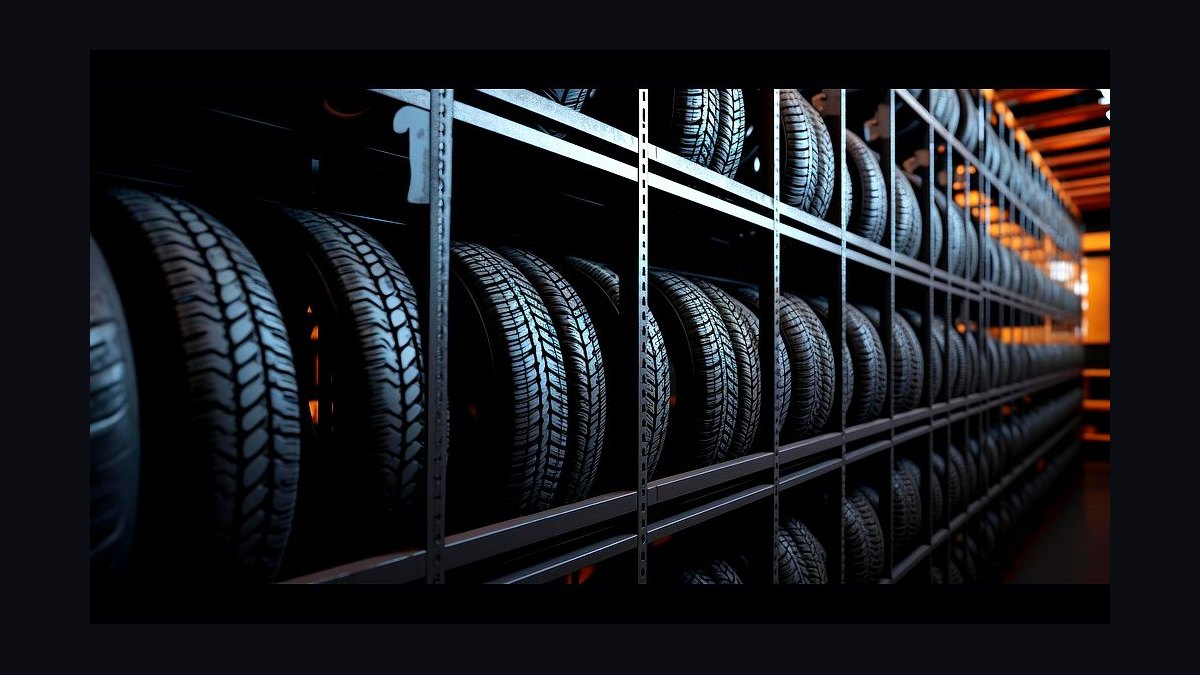
Buy an existing Tuffy Tire & Auto franchise rather than opening one from scratch in 2027 if you can find a seller with proven revenue. Total investment runs roughly $229,000 to $729,000, with 5% royalty plus 5% marketing fees. Only hands-on operators with automotive experience should proceed — absentee ownership fails here consistently.
Resale versus ground-up: two very different businesses wearing the same sign
The phrase "open or buy a Tuffy franchise" hides the fact that these are two distinct transactions with different risk curves, different capital stacks, and different failure modes. Treating them as interchangeable is the single most expensive mistake a first-time automotive franchisee makes.
Buying an existing unit (resale). You purchase an operating shop from a departing franchisee, typically at a multiple of trailing EBITDA. Independent and franchised automotive repair shops generally trade in a range near 2.5x to 3.5x adjusted EBITDA, though the specific multiple depends on lease quality, equipment age, technician retention, and whether the seller's numbers survive quality-of-earnings scrutiny. What you get: existing revenue, an existing customer database, trained technicians (sometimes), a lease already negotiated, and a P&L you can underwrite instead of forecast. What you inherit: the previous operator's reputation, their comeback rate, their deferred maintenance on lifts and alignment racks, and any local Google review damage. You also inherit their pricing discipline or lack of it — a shop trained to discount tires for three years is very hard to reprice upward.
Opening a new unit (ground-up or conversion). You sign a fresh franchise agreement, pay the initial franchise fee, and either convert an existing repair facility or build new. Conversion — taking over a shuttered independent shop or another brand's building — lands near the low end of the investment range because bays, drains, compressed-air lines, and lifts may already exist. Ground-up construction on owned or build-to-suit land pushes toward the high end, and that spread of roughly half a million dollars is almost entirely real estate and site work, not franchise economics. What you get: a clean slate, no inherited reputation, site selection you control, and equipment under warranty. What you take on: a ramp period where you pay full overhead against partial revenue. Most automotive service shops need somewhere between twelve and twenty-four months to reach a stable run rate, because repair-shop revenue is driven by a repeat-customer book that only accumulates one oil change and one brake job at a time.
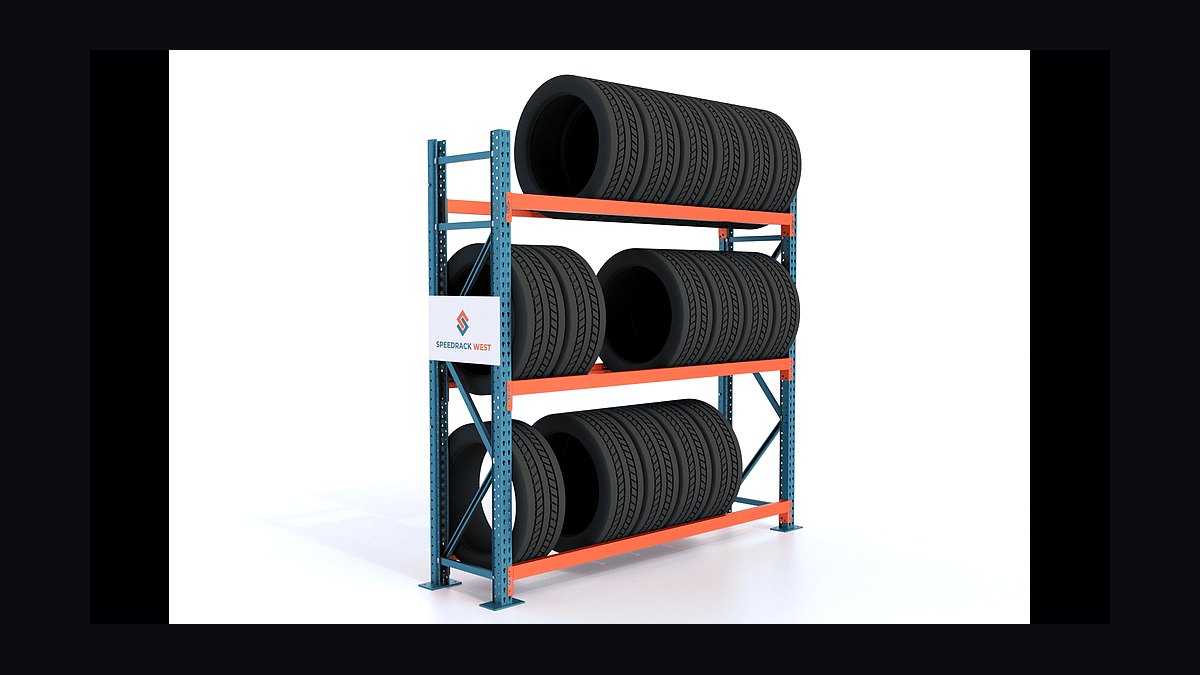
The third option most buyers skip. You can buy an existing independent tire-and-auto shop and *not* franchise it at all. You save the initial franchise fee and — far more importantly — you save the combined royalty and marketing load. On a shop doing $1 million in revenue, a 5% royalty plus a 5% marketing fee is roughly $100,000 a year leaving the business before you count a single dollar of operating profit. Over a fifteen-year franchise term that is a very large number. What you forfeit: brand recognition with travelers and transplants, the franchisor's tire supply relationships and volume pricing, national warranty reciprocity, fleet-account programs, and the operating playbook that keeps a first-time owner from improvising their way into a labor-cost disaster. The honest framing is that the 10% is a fee for demand generation plus purchasing power plus a management system. If you already know how to generate demand and buy tires well, you are paying for something you own. If you don't, you are buying an education at a reasonable price.
Why Tuffy specifically sits in an unusual position. Tuffy Associates was acquired by Mavis Tire Express Services, one of the largest tire-and-service chains in the country. That parentage cuts two ways for a 2027 buyer. On the purchasing side, being inside a very large tire-buying organization is a genuine advantage — tire cost of goods is the largest single line in the shop's COGS, and a few points of tire margin is the difference between a good year and a flat one. On the competitive side, the same parent operates a large and growing base of company stores under its own banners. In markets where the parent's own footprint is dense, a franchisee is competing for the same customer as corporate-operated locations. That is not automatically disqualifying, but it makes territory analysis and the protected-area language in the franchise agreement the most important thing you will negotiate.
Reading the decision like an underwriter, not a dreamer
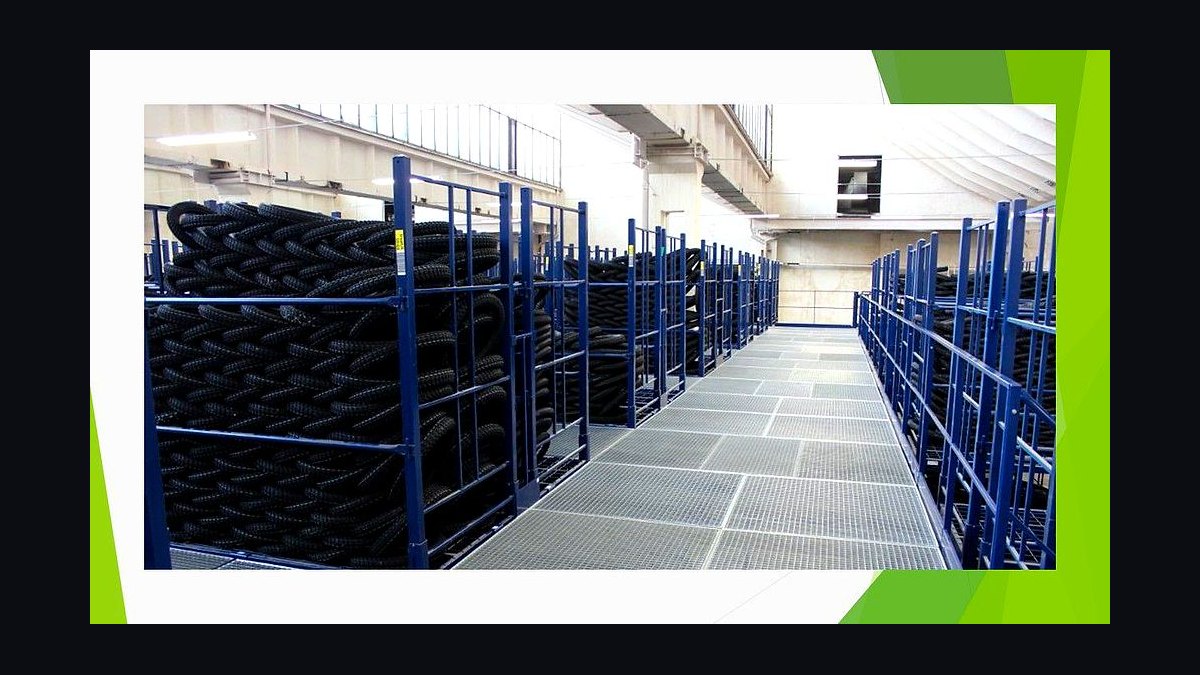
The decision between buying, opening, and going independent should fall out of a sequence of gates rather than a gut feeling about the brand. Run them in order, and stop at the first hard no.
Gate one: operator profile. Are you going to be in the building? Automotive repair is a labor-productivity business. The two numbers that determine outcomes are billable hours per available technician hour and average repair order. Both are managed at the service counter in real time — by someone deciding whether to present the brake fluid flush, whether to road-test the comeback, whether to send the tech home at two o'clock on a slow Tuesday. Nobody manages those numbers from a spreadsheet in another state. If the answer to "will you be there" is no, the correct decision is not a different franchise. It is a different asset class.
Gate two: automotive fluency. You do not need to be a master technician. You do need to be able to read a repair order and know whether the labor time is honest, look at a tire quote and know whether the margin is real, and evaluate a technician's diagnostic reasoning well enough to know when you are being managed by your own staff. Operators without this fluency systematically misprice, overstaff, and fail to capture vendor rebate programs — and each of those alone can move the annual result by a meaningful percentage of revenue.
Gate three: capital adequacy including the ramp. Franchisors publish net worth and liquidity minimums, and Tuffy's published requirements sit around a half-million net worth with a materially lower liquid figure. Treat the liquid minimum as a floor, not a target. The failure pattern is almost never "the shop never worked." It is "the shop was working and ran out of cash in the winter." Tire and service demand is seasonal in most of the country — first quarter is typically the trough, spring brings tire and alignment demand, and fall brings inspection and pre-winter work. A shop that opens in autumn is walking into its slowest stretch with the least established customer book.

Gate four: territory density. Count competitors physically, not on a map. Drive the three-mile radius and log every tire and general-repair location: the big tire specialists, the national service chains, the quick-lube operators who have added brakes, the dealer service departments, and — most importantly — the well-run independents with a forty-year local reputation. Beyond a handful of direct competitors in that radius, tire pricing compresses toward commodity levels, and a labor-heavy service model cannot carry its overhead on commodity tire margin.
Gate five: exit math. Automotive repair trades on EBITDA multiples in a fairly narrow band. That means your exit value is almost entirely a function of the earnings you build, not of multiple expansion. It also means overpaying at entry is close to unrecoverable. If a resale is priced above the range that comparable shops trade in, the seller is asking you to fund their retirement out of your future labor.
The numbers behind each path, and where they break
Tuffy's own franchise disclosures put total initial investment in a wide band — roughly $229,000 at the low end to about $729,000 at the high end — with the spread driven overwhelmingly by real estate and build-out. Franchise fee, equipment and lifts, opening tire and parts inventory, signage and point-of-sale, training and travel, insurance and permits, and three months of working capital fill in the rest. Two observations matter more than the headline range.
First, the low end is a conversion, and conversions are not always available. The $229,000 figure assumes you inherit a building already plumbed for automotive work. Bay depth, floor drains, compressor lines, lift footings, and municipal approval for used-oil storage are expensive to add and nearly free to inherit. Actively hunting conversion real estate — closed independents, dealer satellite locations, other brands' exits — is the highest-leverage cost-reduction move available to a new franchisee. It is also slow, which is why buyers with a deadline end up at the top of the range.

Second, working capital in the FDD is a minimum, not a plan. Three months of working capital assumes a normal ramp. Model six. The most common near-miss failure is a shop that hits its numbers in month eighteen but needed the money in month eleven.
On the revenue side. Tuffy's system-wide average unit volume, per its Item 19 disclosure, has been reported around $1.0 million, with top-quartile units meaningfully higher — in the $1.4 million range. Use the system average as your *ceiling* in a base case, not your expectation. Averages include mature stores with fifteen-year customer books. A first-year store in a new territory should be modeled well below system average, and the correct discipline is to build three cases: a conservative case materially under the system average, a base case at roughly the system number, and an upside case at top-quartile. If the conservative case cannot service debt and pay you a market salary as an operator, the deal does not work — regardless of how good the upside case looks.
Where the money actually comes from. Revenue mix in a tire-and-service shop is roughly split between tires and service, with tires carrying the volume and service carrying the margin. Tire gross margin is thin — retail tire pricing is transparent, comparison-shopped, and increasingly quoted online before the customer ever calls. Service labor margin is multiples higher. The strategic implication is that tires are a customer-acquisition product and service is the profit engine. A shop that sells tires well and converts poorly into alignment, brake, suspension, and maintenance work will do respectable revenue and lose money. The conversion rate from tire ticket to service ticket is the metric to interrogate in any resale you evaluate, and it is the metric to build systems around in a new store.
Cost pressures to underwrite for 2027. Technician wages have been rising faster than general inflation for several years, driven by a genuine shortage in the skilled-trades pipeline. Assume that continues. Equipment costs for modern service — ADAS calibration targets, TPMS tooling, scan-tool subscriptions, EV-capable lifts and insulated tooling if you go that route — have moved up, and the diagnostic capability bar is higher every model year. Tire costs have been volatile, with meaningful producer-price increases in recent years; a shop with a large parent's purchasing program is better insulated than an independent, which is a real argument for the franchise route.

The debt layer. Most buyers finance through an SBA 7(a) loan, which is well suited to franchise and small-business acquisition and where several franchise-focused lenders are active. Two structural notes: SBA loans are typically personally guaranteed, so this is not a limited-liability bet on your household balance sheet; and debt service is a fixed monthly obligation against a seasonal revenue curve, which is exactly why the winter trough deserves its own line in your model rather than an annual average.
The comparison set. If Tuffy's economics don't clear your bar, the adjacent brands are worth pricing side by side. Midas and Meineke operate similar tire-and-general-repair models at broadly comparable investment ranges, with larger unit counts and different regional strengths. Big O Tires skews harder toward the tire side. The quick-lube category — Valvoline Instant Oil Change, Take 5, Jiffy Lube — is a genuinely different business: far shorter service times, far fewer technicians, much simpler diagnostics, higher transaction counts, thinner tickets. If your honest self-assessment is that you want automotive industry exposure but you do not want to manage diagnostic complexity and comeback disputes, the quick-lube model deserves a serious look before you sign a general-repair agreement. Conversely, if you have real diagnostic depth, general repair pays you for it and quick-lube does not.
Structural forces that will shape a 2027 opening
The vehicle age tailwind is real and it is the strongest argument for this category. The average age of vehicles on U.S. roads has been climbing for two decades and now sits near the highest level on record — well past twelve years per S&P Global Mobility's annual analysis. Old cars need out-of-warranty repair, and out-of-warranty repair is where independent and franchised service shops compete on equal footing with dealers. That tailwind is not speculative; it is already in the fleet.

Electrification is a slower headwind than the headlines suggest, but it is directional. Battery-electric vehicles eliminate oil changes entirely and dramatically reduce brake wear because regenerative braking does most of the deceleration. They do not reduce tire wear — if anything, heavier vehicles with instant torque wear tires faster, which protects the tire half of the business. The realistic exposure for a shop opening in 2027 is not a cliff, it is a gradual compression of the maintenance-service mix over the back half of a fifteen-year franchise term, concentrated in high-adoption coastal metros and much slower in secondary markets and rural areas. Two practical responses: weight your territory search toward markets where fleet turnover is slower, and build early competence in the services electrification *increases* — tires, alignment, suspension, cabin filtration, thermal-system work, and ADAS calibration, which nearly every modern vehicle needs after a windshield replacement or a suspension alignment.
Right-to-repair changes the competitive balance in independents' favor. Massachusetts and Maine both passed right-to-repair measures, and the broader policy fight over access to vehicle telematics and diagnostic data continues at the state and federal level. Directionally, wider access to OEM diagnostic information erodes the dealership service department's structural advantage on newer vehicles. That is a tailwind for the entire aftermarket channel, franchise and independent alike.
Consolidation is the force most first-time buyers underweight. The tire-and-service sector has consolidated hard — large platforms acquiring regional chains and independents at pace. For a franchisee this cuts both ways. Consolidated purchasing helps your cost of goods. Consolidated competition means the well-run independent across the street may become a well-capitalized chain location with a national marketing budget within your first franchise term. Underwrite the territory you will have in year seven, not the one you see on the drive-through today.

Adjacent revenue lines worth planning for from day one. Commercial fleet work — municipal vehicles, last-mile delivery vans, contractor and landscaping fleets — smooths the seasonal curve that otherwise whipsaws a retail-only shop. Fleet accounts pay on terms rather than at the counter, which is a working-capital consideration, but they book predictable volume in the exact weeks retail goes quiet. Similarly, relationships with used-car dealers for reconditioning and pre-purchase inspections fill bays during retail troughs. Neither of these is unique to Tuffy, and both are things a resale seller may already have built — worth valuing explicitly in a purchase price.
Sequencing the actual transaction
Whichever path you take, the diligence sequence is nearly identical and the order matters. Doing it out of order is how people end up emotionally committed before they are financially informed.
Weeks one and two — get the document and build the model. Request the current Franchise Disclosure Document. Read Item 5 for fees, Item 6 for ongoing royalty and marketing obligations, Item 7 for the full investment estimate, Item 11 for what the franchisor actually promises to provide, Item 12 for the territory language, Item 17 for renewal, transfer, and termination terms, Item 19 for financial performance representations, and Item 20 for unit counts, turnover, and the franchisee contact list. Then build the three-case model before you talk to anyone at the franchisor, so your questions come from arithmetic rather than enthusiasm.
Weeks three and four — call franchisees, deliberately sampled. Item 20 gives you names. Call a dozen, stratified across first-year operators, mid-tenure operators, and long-tenured operators, and include at least two who *left* the system — those calls are the most informative ones you will make. Ask every operator the same short list: actual revenue trajectory by year, technician turnover, tire cost competitiveness relative to what they could buy independently, what the marketing fund actually delivers locally, how the franchisor behaves when a store struggles, and the single question that predicts more than any other — would you sign again today. A repeat-buy rate meaningfully below three-quarters is a yellow flag worth understanding in detail.

Weeks five and six — walk the territory. Physical count of competitors within three miles. Traffic counts and turn-in geometry for the specific parcel. Verify zoning permits automotive use and used-oil storage before you fall in love with a building. Check the rooftop demographics — household vehicle count and median vehicle age matter more than household income for this business.
Weeks seven and eight — financing and, if it's a resale, quality of earnings. Pre-qualify with a lender that has an existing franchise program; underwriting moves faster when the brand is already on their approved list. For a resale, this is where you hire an accountant to test the seller's numbers: cash transactions, owner compensation add-backs, whether deferred equipment maintenance has been capitalized as profit, warranty comeback costs, and whether the technician team is actually staying. A resale's price is a claim about durable earnings; quality of earnings is how you test the claim.
Weeks nine and ten — discovery day and supply verification. Meet the franchise development team, the regional operations lead, and at least two multi-unit operators. The single most valuable thing to verify in person is the tire supply program: which brands, at what landed cost, on what terms, versus what you could buy as an independent through a distributor. That delta is the concrete, quantifiable half of what your royalty buys.
Weeks eleven and twelve — negotiate, then sign. Automotive franchise agreements commonly run long terms with renewal options; the practical negotiation points are protected territory radius, right of first refusal on adjacent territory, development schedule flexibility if you intend multi-unit, and transfer terms so your eventual exit isn't hostage to franchisor discretion. Have a franchise attorney — not a general business attorney — read the agreement. Then build out, train, and plan on roughly four to six months from permit to opening for a conversion and longer for ground-up.
Related questions
Is buying an existing Tuffy always better than opening a new one?

No. A resale with revenue is lower-risk, but only at a fair multiple and with clean quality of earnings. A shop sold because the local market collapsed or the technician team already left is worse than a well-sited new build.
How much can a single-store owner realistically take home?
Enough for a solid middle-class living once stabilized, not generational wealth. Single-unit owner-operator compensation is essentially a good salary plus modest cash flow. The real economics in this category come from operating three to five units on shared management overhead.
Does the Mavis ownership help or hurt franchisees?
Both. Purchasing power on tires — the largest COGS line — is a genuine advantage. But a large corporate-store footprint under sibling banners raises competitive density in some regions, which makes territory protection language the key negotiation point.
Should I worry about EVs killing this business by 2035?
Worry about mix, not extinction. EVs eliminate oil changes and reduce brake wear but not tire, alignment, or suspension work. Build tire and undercar competence early, and favor markets where fleet turnover is slower.
What single number should I stress-test hardest?
Conservative-case revenue. If a scenario well below system average still services debt and pays you a market operator salary, you have a real business. If only the top-quartile case works, you are buying a lottery ticket with a personal guarantee.
FAQ
What does it actually cost to open a Tuffy franchise?
Tuffy's disclosures put total initial investment roughly between $229,000 and $729,000. The spread is almost entirely real estate and build-out — a conversion of an existing repair facility sits near the low end, while ground-up construction pushes toward the high end. Franchise fee, equipment, inventory, signage, training, and working capital account for the rest.

What are the ongoing fees?
A 5% royalty on gross sales plus a 5% marketing fund contribution, so roughly 10% of revenue leaves the business before operating expenses. On a shop doing about a million in sales that's approximately $100,000 annually — the number you should weigh directly against what the brand, the tire purchasing program, and the operating system are worth to you.
How long until the shop breaks even?
Plan for somewhere in the twelve-to-twenty-four-month range for a new store, and model six months of working capital rather than the three the FDD estimates. Repair-shop revenue builds through an accumulating repeat-customer book, which is a slow compounding process rather than a launch event. A resale with existing revenue shortcuts this ramp entirely, which is the core argument for buying rather than opening.
Can I own this passively while keeping my current job?
Realistically no. Labor productivity and average repair order are managed minute-by-minute at the service counter, and both collapse without an owner or a genuinely excellent general manager present. If you can't be in the building, either hire and compensate a proven GM like a partner or choose a different investment entirely.
How do I know if a territory is too competitive?
Drive the three-mile radius and physically count every tire and general-repair location, including quick-lubes that have added brake work and long-established independents. Past a handful of direct competitors, tire pricing compresses toward commodity levels and a labor-heavy service model struggles to carry overhead on that margin.
Is an independent shop a better deal than a franchise?
It can be, if you already have the skills the franchise is selling. You save the fee load — meaningful money over a fifteen-year term — but forfeit brand recognition, tire purchasing scale, national warranty reciprocity, and the operating playbook. First-time operators generally get their money's worth from the system; experienced multi-shop operators often don't.
Sources
- https://www.tuffy.com/franchising
- https://www.sba.gov/funding-programs/loans/7a-loans
- https://www.autocare.org/research
- https://www.spglobal.com/mobility/en/research-analysis/average-age-of-vehicles-in-the-us.html
- https://www.ftc.gov/business-guidance/resources/franchise-rule-compliance-guide
- https://www.bls.gov/ooh/installation-maintenance-and-repair/automotive-service-technicians-and-mechanics.htm
- https://www.bls.gov/ppi/
- https://www.entrepreneur.com/franchises/directory
- https://www.tirebusiness.com/
- https://www.mass.gov/info-details/right-to-repair-law
Related on PULSE
- Best auto-parts and tire franchises to buy in 2027
- Should I open or buy a RNR Tire Express franchise in 2027?
- Should I open or buy an Express Oil Change & Tire franchise in 2027?
- Should I open a independent tire shop in 2027?
- Should I open or buy a Honest-1 Auto Care franchise in 2027?
- Should I open a independent auto repair shop in 2027?
This page will be disappearing soon. Save it to your device for $1 — or read it free while it is here.
@Kory-White- · if Venmo asks, the last 4 of my number are 2012
This page is gone.
This one is off the shelf now. $1 keeps it on your phone for good — the whole page, pictures and diagrams included.
 franchiseShould I open or buy a Cook Out franchise in 2027?
 franchiseShould I open or buy a Servpro franchise in 2027?
 franchiseShould I open or buy a Panera Bread franchise in 2027?
 franchiseShould I open or buy a Jeremiah's Italian Ice franchise in 2027?
 franchiseShould I open or buy a Jiffy Lube franchise in 2027?
 frShould I open or buy a McDonald's franchise in 2027?
 franchiseShould I open or buy a Supercuts franchise in 2027?
 franchiseShould I open or buy a Firehouse Subs franchise in 2027?
 franchiseShould I open or buy a Little Caesars franchise in 2027?
 franchiseShould I open or buy a Culver's franchise in 2027?