


How do you dial in espresso on a brand-new machine in 2028?
Quality
Certified
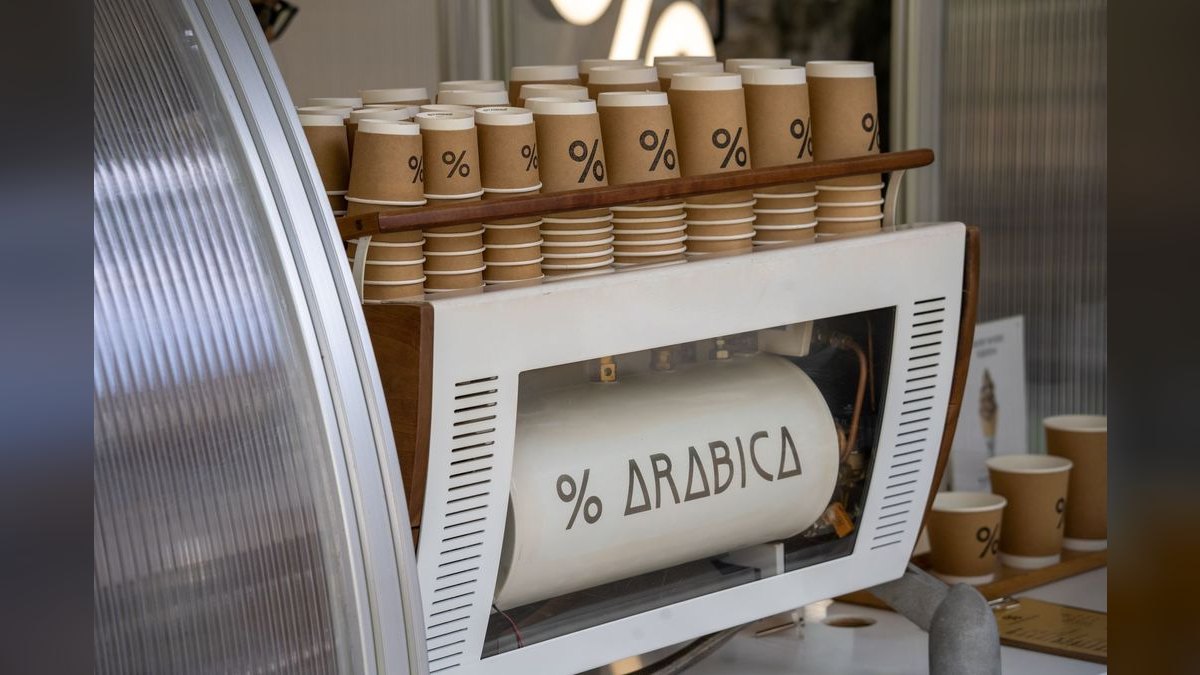
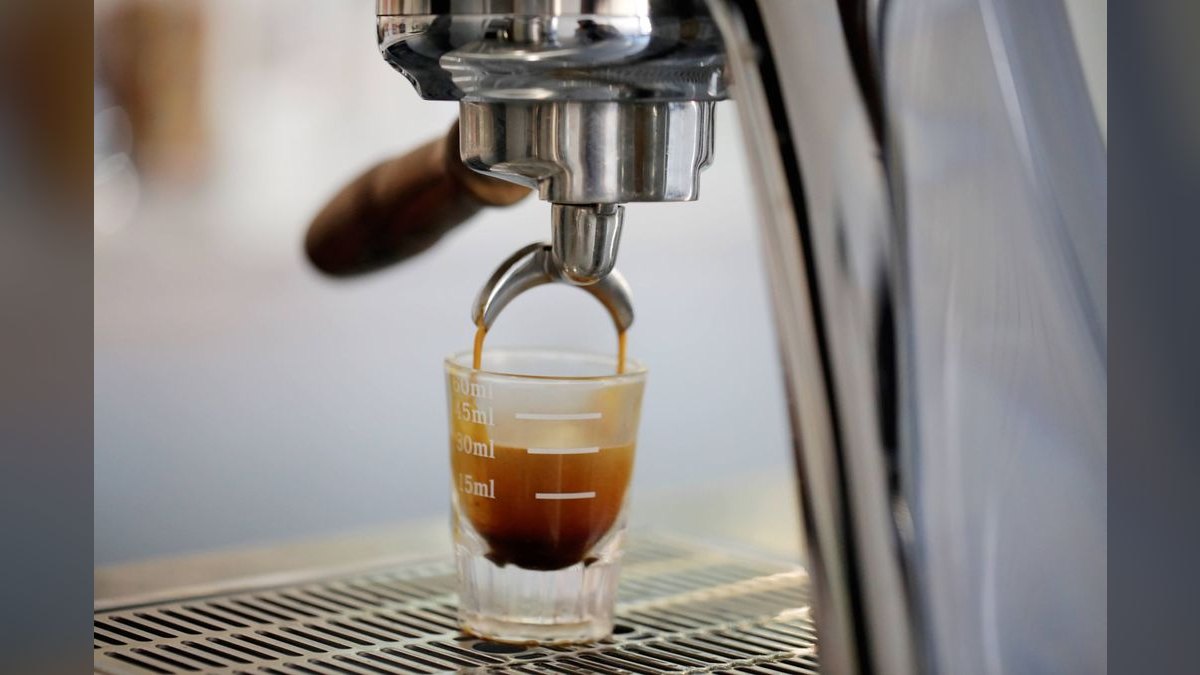
Dialing in espresso on a brand-new machine means locking three variables — dose (grams in), yield (grams out), and shot time — around a target ratio, then adjusting grind size until the taste balances. Start at a 1:2 ratio (18 g in, 36 g out) pulled in 25–32 seconds at roughly 93 °C and 9 bar, then move grind finer to slow a sour, fast shot or coarser to speed a bitter, choked one. On a machine you've never run, the first day is really two jobs at once: learning the *coffee* and learning the *hardware*, because a fresh grinder, unseasoned group head, and factory-default pressure profile all lie to you until they settle.
Every new espresso setup arrives with a stack of unknowns — a grinder whose burrs haven't broken in, a boiler that hasn't stabilized, and a bag of beans at an unknown point in its degassing curve. Dialing in is the disciplined process of removing those unknowns one at a time so that a great shot becomes repeatable rather than lucky. This guide walks the exact order to attack them, what "good" tastes like at each step, and how the 2028 wave of self-profiling machines changes (and doesn't change) the fundamentals.
What does "dialing in espresso" actually mean, and which variables matter?
Dialing in is the act of fixing every input you *can* control so the one variable you're tuning — almost always grind size — becomes the sole lever moving the shot. The controllable inputs are dose (the mass of dry grounds), yield (the mass of liquid espresso in the cup), brew temperature, pressure, and pre-infusion. The outputs you read are shot time, appearance (color, crema, flow), and above all taste. Beginners obsess over crema and time; experienced operators treat time as a *diagnostic* and taste as the *verdict*.
The single most important concept is the brew ratio — grams out divided by grams in. A modern espresso convention is 1:2, so 18 grams of dry coffee yields about 36 grams of liquid. Ratios tighter than 1:2 (a "ristretto," say 1:1.5) taste heavier and sweeter but risk under-extraction; ratios wider than 1:2 (a "lungo," 1:3) taste brighter and more tea-like but risk bitterness and thinness. Holding the ratio constant while you change grind is what makes dialing in a controlled experiment instead of guesswork.
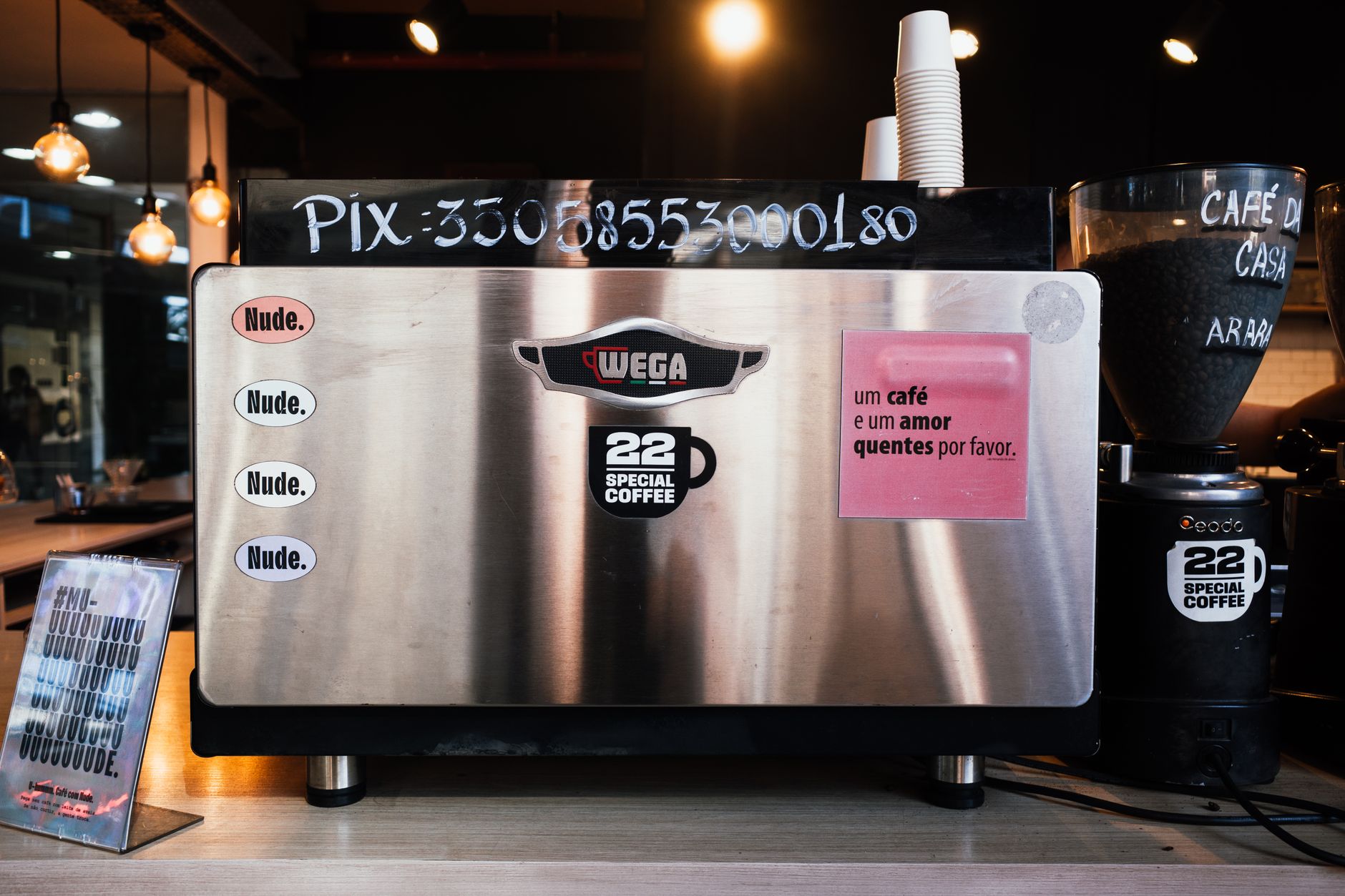
The reason grind is the master lever is surface area. Finer grounds expose more coffee to water and resist flow more, which slows the shot and raises extraction; coarser grounds do the opposite. On a brand-new machine the trap is that *two* things are unbroken-in at once — the beans and the burrs — so you must change only one variable per shot or you'll never know what fixed (or broke) the cup.
It also helps to name the outcome you're chasing so you can recognize it when it arrives. A well-extracted shot is *balanced*: sweetness up front, a whisper of acidity for brightness, no scraping bitterness, and a finish that lingers cleanly rather than turning ashy or drying your tongue. Under-extraction pulls only the fast-dissolving sour and salty compounds and leaves the sweetness locked in the grounds; over-extraction drags out the bitter, astringent, woody compounds that come last. The entire craft of dialing in is walking the grind from one side of that spectrum to the other and stopping where the cup tastes *complete*. If you can hold that sensory target in your head, every adjustment becomes a step toward a destination instead of a random poke.
How do you dial in the machine itself before you touch the coffee?
A new machine needs to be *seasoned and stabilized* before its numbers mean anything. New grinder burrs — whether conical like a Niche Zero or flat like a DF64 or Baratza — shed microscopic metal and ceramic fines and cut inconsistently for the first several hundred grams. The standard practice is to run 250–500 grams of cheap beans through before you trust a grind setting, because a burr set will drift finer in perceived output as it beds in. Skip this and you'll chase a moving target for a week.
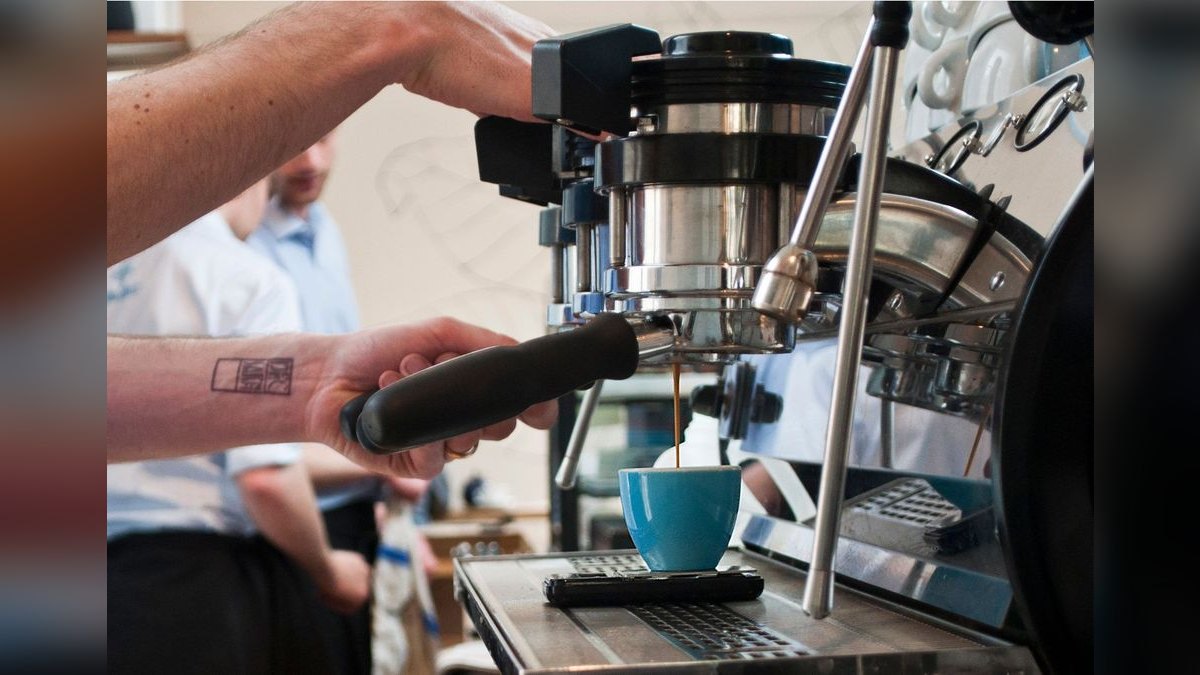
The machine's thermal system matters just as much. A single-boiler or thermoblock machine needs 15–30 minutes of warm-up with the portafilter locked in and empty flushes pulled through the group; a dual-boiler or heat-exchanger machine (La Marzocco Linea Mini, Profitec, ECM) wants even longer to bring the group head and portafilter metal to temperature. Cold metal steals heat from your first several shots and makes them read sour no matter how fine you grind. The fix is boring but decisive: warm up fully, pull two or three blank flushes, and lock the portafilter in when idle so it stays hot.
Only once the hardware is stable do machine defaults become trustworthy. Most new prosumer machines ship at roughly 9 bar and a mid-90s °C brew temperature, which is the correct starting point for medium roasts. Don't touch pressure or temperature on day one — changing them adds variables. Get a balanced shot at defaults first, and reserve temperature and pressure as *fine-tuning* levers for later. For a deeper primer on equipment tiers and what actually moves the needle, see pulserevops.com/knowledge/coffee-equipment-tiers.
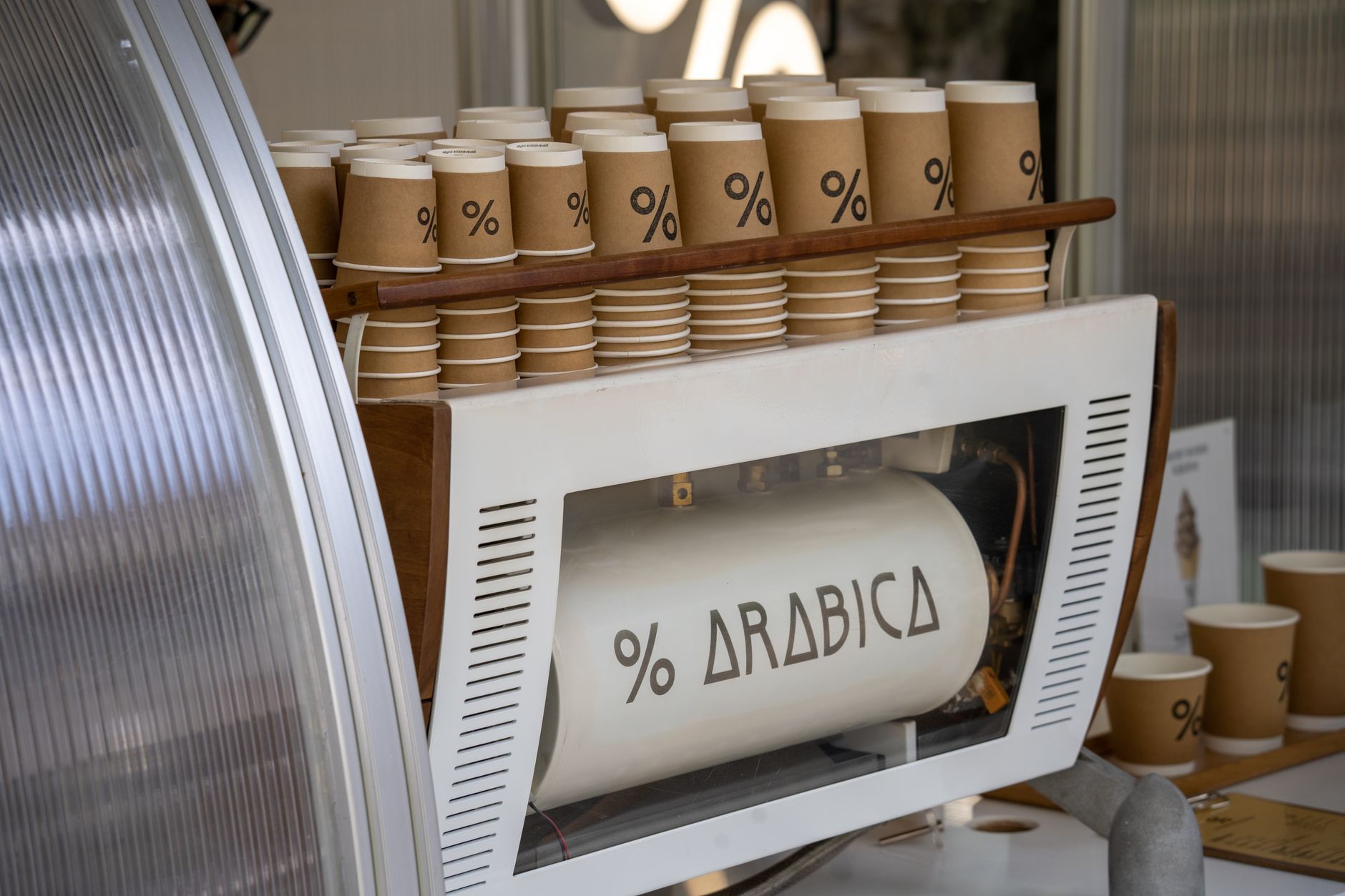
There is one more piece of hardware prep that beginners overlook: the water itself and the basket. Espresso is about 90% water, and very hard or very soft water shifts extraction and can scale a boiler within months, so a new machine deserves filtered or remineralized water from day one rather than an afterthought later. The basket matters too — a precision basket (VST-style, or the higher-tolerance baskets many 2028 machines now ship as standard) has evenly sized, evenly spaced holes that flow consistently, while a cheap stock basket can channel no matter how well you prep. Getting the water and basket right before your first real shot removes two more hidden variables that would otherwise masquerade as grind or dose problems and send you chasing the wrong fix.
What is the step-by-step dial-in loop, shot by shot?
The loop is deliberately narrow: change one thing, pull, taste, repeat. Weigh your dose to 0.1 g on a scale — target 18 g for a standard 18 g basket, filling to the basket's rated capacity so headspace is consistent. Distribute the grounds evenly (a WDT tool or a simple tap-and-level) and tamp flat with light, consistent pressure; the goal of tamping is a level, gap-free puck, not brute force. Uneven prep causes channeling — water punching a fast path through a weak spot — which produces shots that gush, spray, or turn pale, and no grind adjustment can fix a prep problem.
Pull the shot onto a scale and stop at your yield target (36 g), timing from the moment you hit the button. Now read three things in order: taste, then time, then look. If the shot is sour, thin, and finished fast (under ~22 s), it's under-extracted — grind finer. If it's bitter, harsh, and crawled out slow (over ~35 s), it's over-extracted — grind coarser. If it's balanced — sweet, with a clean finish — you're dialed in. Log the exact numbers so tomorrow starts from a known point, not from scratch.
Two disciplines separate people who dial in fast from people who flail. First, one variable per shot — if you change grind *and* dose *and* tamp in the same pull, a better shot teaches you nothing. Second, taste beats time. The 25–32 second window is a helpful reference for medium roasts, but light roasts often taste best pulled longer and finer, and dark roasts shorter and coarser. Time is the symptom; extraction is the disease; taste is the diagnosis. This taste-first discipline is the same instinct behind good RevOps instrumentation — measure the outcome, not just the activity — covered in pulserevops.com/knowledge/leading-vs-lagging-metrics.
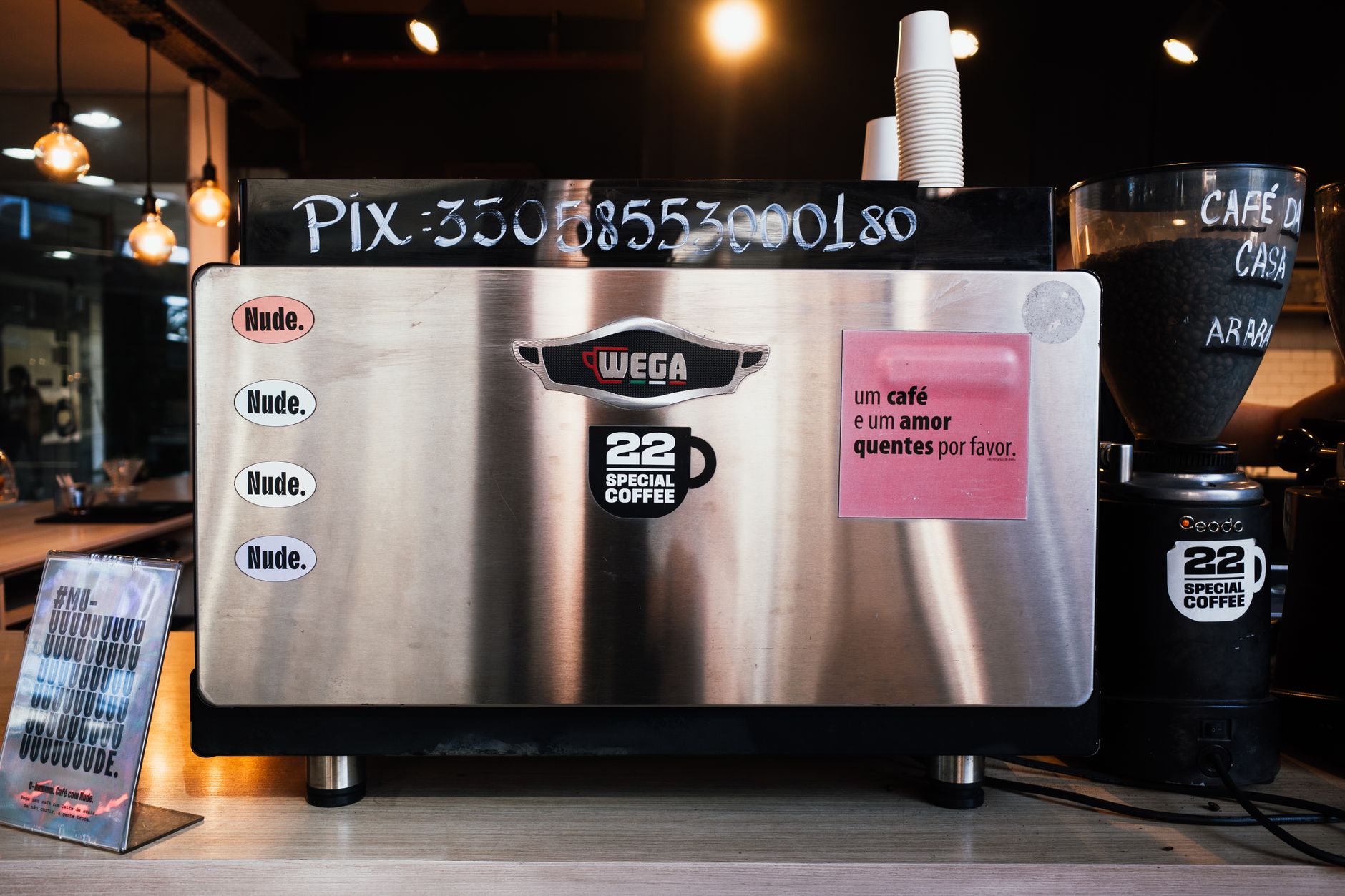
How big should each grind move be? On a stepped grinder, move a single step at a time; on a stepless grinder, think in small fractions of the collar's markings — a few "minutes" on a clock face, not a quarter turn. Grind adjustments are surprisingly non-linear near the espresso range: the same physical movement that barely changes a pour-over shifts an espresso shot dramatically, because you're already at the fine end where a tiny change in particle size swings flow resistance hard. If a one-step move overshoots — a sour shot becomes bitter — split the difference and go half a step back. And keep a simple log: bean, roast date, grind setting, dose, yield, time, and a one-word taste verdict. That log is what turns dialing in from a daily rediscovery into a five-minute confirmation, and it's the single habit that most separates a frustrated new owner from a confident one after two weeks.
A quick word on purge grounds and stale-in-the-throat coffee: many grinders retain a small amount of grounds between doses, so if you make a grind change and immediately pull, part of that shot is ground at the *old* setting. On grinders with meaningful retention, purge a gram or two after a change (or single-dose, weighing beans in and grinding to empty) so the shot you taste actually reflects the setting you dialed. Ignoring retention is a classic reason a "corrected" shot stubbornly tastes like the previous one.
How do 2028 smart machines change the process — and what stays the same?
The 2028 generation of espresso machines leans hard into automation: gravimetric shot control (the machine weighs the shot in real time and stops at your target yield), programmable pressure and flow profiling, guided dial-in modes that read shot time and suggest grind moves, and Bluetooth grinders that receive a target setting from the machine. Decent-style and high-end prosumer machines increasingly ship with app-driven profiles you can download for a specific bean. This genuinely shortens the learning curve — the machine handles yield precision and thermal stability that used to demand manual skill.
But the automation narrows *variance*, not the *fundamentals*. A machine that auto-stops at 36 g still can't taste your shot, and it can't grind for you — grind size remains a physical setting on the burrs that you move based on flavor. Guided modes that "recommend finer" are reading time, and time is only a proxy; they'll happily walk you to a technically-correct 27-second shot that still tastes sour because the temperature or the bean's freshness was the real problem. The operator's judgment — *does this taste balanced?* — is the one thing no 2028 firmware replaces.
The practical upside for a new owner is that smart machines remove two of the hardest beginner variables (yield consistency and thermal drift), letting you isolate grind faster. The risk is over-trusting the automation and never developing a palate, so when a new bag behaves differently you're stuck. Treat the smart features as a stabilizer for the inputs you *don't* want to fight, and keep taste as your final gate. This mirrors the broader lesson that tooling accelerates a good process but can't substitute for one.
There's also a subtler failure mode worth naming: shared profiles create false confidence. A downloadable profile tuned for someone else's grinder, water, and bean lot is a *starting point*, not a finished recipe — their burrs, their water hardness, and their bag's roast date are all different from yours, so the profile that gave them a perfect shot may give you a sour or bitter one. Use community profiles the way you'd use a colleague's spreadsheet template: adopt the structure, then re-fit the numbers to your own reality. The machines that will make the best baristas out of new owners in 2028 are the ones whose automation frees attention *for* tasting, not the ones that discourage it.
How do beans, freshness, and roast level throw off a new-machine dial-in?
Coffee is a moving target in a way the hardware isn't. Freshly roasted beans off-gas carbon dioxide for days; beans pulled within about 3–4 days of roast can gush, spit, and produce huge, unstable crema that makes shots run fast and taste sharp. Most beans hit a sweet spot roughly 7–21 days off roast, then slowly fade past a month as they stale and go flat. On a new machine, an over-fresh or stale bag will make you blame the hardware for a problem that's really in the bag — always check the roast date before you conclude the grinder is wrong.
Roast level shifts your entire target window. Dark roasts are more soluble and porous, so they extract faster — grind coarser, pull shorter ratios, and use a slightly lower temperature to tame bitterness. Light roasts are dense and hard to extract — grind finer, often pull wider ratios (1:2.5 or beyond), and use a higher temperature to coax out sweetness. If you dial in a dark-roast recipe and then swap to a light roast without moving anything, the light roast will taste aggressively sour and you'll wrongly think the machine regressed.
The takeaway for a fresh setup: control the bean the same way you control the hardware. Buy one bag, note its roast date and roast level, and dial that single coffee in completely before you introduce a second variety. Changing beans and learning a machine simultaneously is the fastest way to conclude, incorrectly, that your expensive new machine is broken.
Storage and environment quietly move the target too. Beans keep best in an airtight, opaque container away from heat and light, and freezing in small single-use portions genuinely extends freshness for the beans you won't reach for weeks — but never store beans in the fridge, where they absorb moisture and odors. Humidity affects the grounds directly: on a damp day the same grind setting can pour slower than it did the day before, which is a real reason a "locked" recipe drifts and needs a small tweak. None of this is a defect in your new machine; it's the coffee doing what organic material does. Once you internalize that the bean is a living, changing input and the machine is the stable one, the whole process stops feeling mysterious — you spend your first weeks learning to read the coffee, and the hardware simply does its job underneath.
Related questions
What ratio should I start espresso at?
Start at 1:2 — 18 grams of dry coffee to 36 grams of liquid out. It's the modern default for medium roasts and gives you a stable reference point to adjust grind against before experimenting with tighter or wider ratios.
Why does my espresso pour too fast on a new machine?
Usually the grind is too coarse, the dose too low, or the group head is still cold. Grind finer one step, weigh your dose, and make sure the machine is fully warmed up with the portafilter pre-heated before you blame the beans.
How long should a shot of espresso take?
Roughly 25–32 seconds for a 1:2 medium-roast shot, timed from button-press to your yield target. Treat time as a diagnostic, not a goal — taste decides whether the shot is right, and light or dark roasts shift the window.
Do I need to season new grinder burrs?
Yes. Run 250–500 grams of cheap beans through new burrs before trusting a setting. Fresh burrs cut inconsistently and shed fines, so grind output drifts finer as they bed in over the first few hundred grams.
Can a smart 2028 machine dial in espresso for me?
It can stabilize yield, temperature, and pressure and suggest grind moves from shot time, which shortens the curve. But it can't taste your shot or physically grind for you, so final grind adjustment and the "is this balanced?" call stay with you.
FAQ
Sour vs. bitter — how do I tell which way to adjust? Sour, thin, and fast means under-extracted: grind finer to slow the shot and pull more flavor. Bitter, harsh, and slow means over-extracted: grind coarser to speed it up. Balance sits between them — sweet with a clean finish.
How much coffee should I dose? Match the basket's rating — commonly 18 grams for an 18 g basket — and weigh it to 0.1 g. Consistent dose keeps puck headspace constant, which keeps your other readings meaningful shot to shot.
Do I need a scale, or can I eyeball it? You need a scale. Espresso is a weight-in, weight-out process, and eyeballing dose or yield introduces exactly the variance dialing in is meant to remove. A basic 0.1 g scale is the single highest-leverage tool for a beginner.
What water temperature should espresso be? Around 92–94 °C (mid-90s) for medium roasts is the standard starting point, which most machines default to. Go slightly cooler for dark roasts to reduce bitterness and slightly hotter for light roasts to boost extraction and sweetness.
Why is my shot spraying or squirting sideways? That's channeling — water forcing a fast path through an uneven puck. It's a prep problem, not a grind problem. Distribute grounds evenly (a WDT tool helps), tamp level, and avoid tapping the portafilter after tamping, which cracks the puck.
How fresh should my beans be for espresso? Best roughly 7–21 days off the roast date. Too fresh (under about 4 days) and off-gassing makes shots gush and taste sharp; past a month they stale and go flat. Always check the roast date before adjusting the grinder.
How often do I need to re-dial-in? Any time the bean changes (new bag, new roast), and often as a bag ages across its lifespan. Grinders can also drift, and humidity affects grind. A logged recipe gets you back to a known baseline quickly instead of starting over.
Should I change pressure or temperature on day one? No. Get a balanced shot at the machine's defaults (about 9 bar, mid-90s °C) first, changing only grind. Pressure and temperature are fine-tuning levers to explore once you have a stable, repeatable baseline recipe.
How big should each grind adjustment be? Small — one step on a stepped grinder, a fraction of the collar marking on a stepless one. Espresso sits at the fine end where tiny particle-size changes swing flow hard, so overshooting is easy; if a move goes too far, split the difference and come back half a step.
Does grinder retention affect my dial-in? Yes. Grounds held in the grinder from the previous dose mean your first shot after a change is partly ground at the old setting. Purge a gram or two after adjusting, or single-dose, so the shot you taste truly reflects the setting you just chose.
What water should I use in a new machine? Filtered or properly remineralized water, from day one. Very hard water scales the boiler and mutes flavor; very soft water can taste flat and, in some machines, corrode. Good water protects the hardware and removes a hidden variable that otherwise looks like a grind problem.
Sources
- Specialty Coffee Association — Brewing Standards
- James Hoffmann — The Ultimate Guide to Dialling In Espresso
- Barista Hustle — Espresso Recipes and Extraction
- Home-Barista.com — Espresso Dialing In Guides
- La Marzocco Home — Espresso Basics
- Perfect Daily Grind — Understanding Espresso Extraction
- Decent Espresso — Pressure and Flow Profiling Documentation
- Clive Coffee — Dialing In Your Espresso
Related on PULSE
- How do you coach a brand-new sales manager on their first hire?
- How do you coach a brand-new manager who was promoted from top IC last quarter and is still trying to close their old deals?
- What's the right way to set quota for a brand-new product line with no historical data?
- How do you cycle a new saltwater reef aquarium the right way in 2028?
- How do you coach product knowledge to a brand-new salesperson?
This page will be disappearing soon. Save it to your device for $1 — or read it free while it is here.
@Kory-White- · if Venmo asks, the last 4 of my number are 2012
This page is gone.
This one is off the shelf now. $1 keeps it on your phone for good — the whole page, pictures and diagrams included.
 revopsHow do you forecast magic number for land-and-expand on Pipedrive without another point solution in 2027?
 revopsHow do you model renewal ghosting when sales on Outreach and leadership only reviews expansion rate monthly on Dynamics 365 in 2027?
 revopsHow do you score ARR waterfall for BDR-to-AE split on Pipedrive without another point solution in 2027?
 revopsHow do you fix win rate for BDR-to-AE split on Pipedrive without another point solution in 2027?
 revopsHow do you dedupe NRR for event-sourced pipeline on Pipedrive without another point solution in 2027?
 revopsHow do you measure multi-thread gaps when no dedicated RevOps hire yet and leadership only reviews pipeline coverage monthly on Dynamics 365 in 2027?
 revopsHow do you attribute stage conversion for marketplace listings on Pipedrive without another point solution in 2027?
 revopsHow do you alert on renewal ghosting when no dedicated RevOps hire yet and leadership only reviews GRR monthly on Dynamics 365 in 2027?
 revopsHow do you standardize call recordings not tied to opps when no dedicated RevOps hire yet and leadership only reviews churn reason integrity monthly on Dynamics 365 in 2027?
 revopsHow do you measure multi-thread gaps when sales on Outreach and leadership only reviews pipeline coverage monthly on Dynamics 365 in 2027?