


Should I open or buy a CAVA franchise in 2027?
Quality
Certified
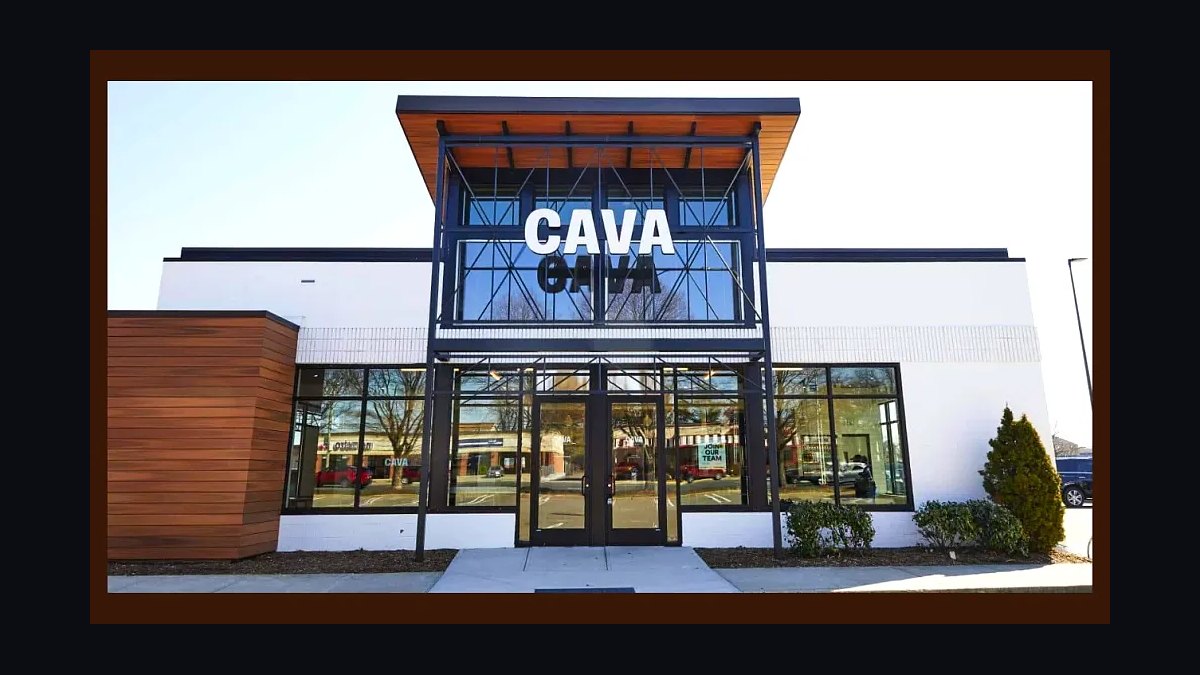
You cannot buy a traditional CAVA franchise in 2027 — CAVA Group owns and operates nearly all ~400 of its restaurants itself and has no active Franchise Disclosure Document offering single-unit franchises to the public. If you want comparable Mediterranean fast-casual economics with a real ownership path, the actual routes are The Simple Greek, Garbanzo Mediterranean Fresh, Naf Naf Middle Eastern Grill, or Just Salad.
What it is and why it matters
The question "should I open or buy a CAVA franchise" rests on a false premise that's worth unpacking before you spend a dollar chasing it. CAVA is a publicly traded company (NYSE: CAVA) that deliberately funds its unit growth from its own balance sheet and IPO proceeds rather than from franchise fees and royalty streams. That is a structural choice, not an oversight. A handful of "franchise-like" locations exist only because they are legacy conversions from the Zoes Kitchen acquisition, plus a small number of tightly controlled licensed deals that are not open to new applicants. There is no public onboarding path, no franchise-development portal, and no FDD you can request for a standard single-unit CAVA.
Why does this matter beyond the semantic distinction? Because the reason CAVA refuses to franchise is the same reason it's attractive in the first place: extraordinary unit economics. CAVA's corporate-owned restaurants crossed a ~$2.9 million average unit volume (AUV) in 2025, with restaurant-level margins of 25%-26%. Compare that to the franchised Mediterranean alternatives, which run AUVs of $900,000 to $1.6 million. If CAVA franchised, it would be handing roughly three-quarters of that margin to independent operators instead of keeping it on its own income statement. Every publicly traded restaurant company faces this trade-off eventually, and CAVA has chosen, explicitly and repeatedly in earnings calls and investor materials, to stay on the "keep it all" side of that line as long as it can self-fund growth.

This matters practically for you as a prospective operator because it reframes the entire decision. You are not evaluating "should I open a CAVA" — that option doesn't exist — you are evaluating whether the broader Mediterranean fast-casual category, minus the CAVA brand premium, still produces a return worth your capital and your time. The category itself is real and growing; the specific brand you first thought of is not for sale. That distinction changes which FDDs you request, which unit economics you underwrite, and which exit multiple you can realistically expect when you eventually sell. Anyone who skips this reframing and spends months trying to get a meeting with CAVA's real estate or development team is not being diligent — they're chasing a deal that corporate has stated, as a matter of long-term strategy, it will not offer.
The step-by-step process (mermaid)
Because CAVA itself is off the table, the practical process for entering this category looks like the flow below. It starts with confirming the negative (CAVA won't sell you a franchise), then moves through the same diligence steps you'd use for any franchise investment: shortlisting comparable brands, pulling FDDs, validating numbers with existing operators, and only then committing capital.
Each step in that chain exists because skipping it is exactly how prospective operators lose months. Step one — confirming in writing that CAVA has no FDD — matters because verbal answers from a call center or a generic contact form are not the same as a documented "no," and you want that paper trail before you tell a lender or a landlord you're pursuing a CAVA deal. Step two, requesting FDDs from the four comparable brands, should happen in parallel, not sequentially, because franchisors can take two to four weeks to respond and you don't want to serialize that delay. The franchisee validation calls in step three are the single highest-leverage step in the entire process: a franchisor's Item 19 financial performance representation is a legal disclosure, not a guarantee, and only current operators will tell you what their actual food cost, labor cost, and owner take-home look like after the marketing gloss comes off.
Costs, timelines, and typical ranges
Because CAVA itself cannot be bought into, "cost to open a CAVA" splits into two separate, non-comparable numbers: what it costs CAVA corporate to build a unit (which you cannot access at any price), and what it costs to open one of the real, purchasable alternatives.

On the corporate side, CAVA spends roughly $1.1 million to $1.6 million per unit in buildout, kitchen equipment, and pre-opening costs, generating that ~$2.9 million AUV. That capital efficiency — roughly 1.8x to 2.6x revenue-to-build-cost — is best-in-class in fast casual and is precisely the number that makes corporate ownership so much more attractive to CAVA's board than franchising would be.
On the franchised side, here is what you're actually underwriting:
- The Simple Greek — total investment $331,000-$687,000, franchise fee $37,500, royalty 6%, ad fee 2%, typical AUV $900,000-$1.2 million. This is the lowest-capital entry point into the category.
- Garbanzo Mediterranean Fresh — total investment $408,000-$758,000, franchise fee $35,000, royalty 6%, ad fee 2%, typical AUV $950,000-$1.1 million.
- Naf Naf Middle Eastern Grill — total investment $709,000-$1.2 million, franchise fee $40,000, royalty 5%, ad fee 2%, typical AUV $1.3 million-$1.6 million, the highest AUV of the franchised set.
- Just Salad — total investment $500,000-$1.1 million, franchise fee $35,000, royalty 6%, ad fee 2%.
Run the math on a mid-range unit: a $1.1 million AUV location paying a 6% royalty and 2% ad fee leaves roughly 10%-15% of revenue as owner cash flow before debt service, or $110,000-$165,000 annually for a single owner-operated unit. That is a meaningfully different number from CAVA's implied economics, and it's the real price of choosing a sellable franchise over the unbuyable corporate model.

Timelines run in parallel with the process above: FDD review and franchisee calls typically take 30-45 days, site selection for a dense daytime-population trade area takes another 30-45 days, SBA 7(a) financing (typically underwritten at 25% equity and a 1.3x debt service coverage ratio) takes 45-60 days once a site is under letter of intent, and legal review of the FDD itself should budget $5,000-$8,000 and 1-2 weeks with a franchise attorney. End to end, expect 4-6 months from first FDD request to opening day for a single unit, longer if you're negotiating a multi-unit development agreement.
Where teams get it wrong
The single most common and costly mistake is what amounts to chasing a ghost: prospective operators spend real time and legal fees trying to get a development conversation started with CAVA corporate, not realizing — or not believing — that the company's stated long-term strategy is 100% company-owned growth toward a public target of 1,000-plus units by 2032. There is no amount of persistence or capital that changes this; it is a strategic decision made at the board level, not a gap in outreach.
Second, operators who model a single unit at the low end of the AUV range — say $900,000 — while paying a full 6% royalty and full debt service frequently find their net owner take-home drops under $80,000 a year once all costs are accounted for. That is a thin return for 50-60 hours a week of hands-on operating work, and it's a return the franchised alternatives are structurally built to reward at scale (3-5 units), not as a single store. Modeling one unit as if it were the whole business plan is the most reliable way to convince yourself a marginal deal is a good one.

Third, Mediterranean fast-casual concepts run on proteins, house-made dips, and premium toppings, which push food cost toward 30%-33% of revenue if portioning discipline slips even slightly — a 3-point miss on food cost can erase the entire owner margin on a thin-margin single unit. This is a labor-intensive, made-to-order format; throughput during the lunch rush, not brand marketing, is what actually protects the number.
Fourth, high-rent metro markets — Manhattan, San Francisco, Boston — combine occupancy costs of 12%-15% of sales with city minimum wages of $16-$20 an hour, which can compress owner cash flow to near zero even on a unit hitting a respectable AUV. And fifth, operators frequently assume the franchised alternatives will carry some of CAVA's brand pull and marketing spend; they do not. None of these brands has CAVA's public-company marketing budget or category-defining brand equity, so every dollar of local traffic has to be earned through unit-level operations and local marketing, not inherited from a national campaign.
Decision framework: when to choose what (mermaid)
Once you've accepted that CAVA itself is not purchasable, the decision tree below is how to choose among the real options based on your capital, your time horizon, and your appetite for building versus buying into an existing system.

The capital threshold is the first fork because it's the one that's hardest to change after the fact: a franchised unit under this category typically needs $150,000-$300,000 in liquid capital plus $200,000-$500,000 in SBA-backed debt, while an independent concept with full equity ownership needs a comparable or larger cash outlay but no franchise fee or ongoing royalty drag. The second fork — lowest entry cost versus highest AUV ceiling — is a genuine trade-off, not a false choice: The Simple Greek's $331,000 low-end investment gets you into the category fastest, while Naf Naf's higher $709,000-$1.2 million investment buys access to a $1.3-$1.6 million AUV ceiling that can outperform on a percentage-return basis once you're past breakeven. The final fork, single unit versus multi-unit development, is where the category's real profitability lives — commissary efficiency, shared management overhead, and negotiating leverage on rent and labor all improve with scale, which is exactly why franchisors structure development agreements to reward operators who commit to 3-5 units up front rather than testing with one.
Related questions
Does CAVA offer licensed or conversion opportunities instead of franchises?
Only in rare, tightly controlled cases tied to legacy Zoes Kitchen conversions. These are not open to new applicants and there is no application process a prospective operator can start in 2027.
How is CAVA's unit economics different from a typical franchise?
CAVA's corporate AUV (~$2.9 million) and margins (25%-26%) run well above the franchised alternatives ($900,000-$1.6 million AUV) because CAVA keeps 100% of unit profit instead of sharing it via royalties.
Can I buy an existing Mediterranean fast-casual franchise unit as a resale?

Yes — resales of The Simple Greek, Naf Naf, Garbanzo, or Just Salad units exist through franchisor-approved transfer processes, often at a premium if the unit has strong trailing sales.
What's a realistic timeline from decision to opening day?
Plan on 4-6 months for a single franchised unit: 30-45 days for FDD review and franchisee validation calls, 30-45 days for site selection, and 45-60 days for SBA financing and buildout scheduling.
Is an independent Mediterranean concept a better financial bet than franchising?
It can be — independent concepts avoid the 5%-6% royalty and keep 15%-22% EBITDA potential, but you lose franchisor training, supply-chain leverage, and a validated operating playbook.
FAQ
Is it possible to open a CAVA franchise in 2027? No. CAVA does not offer traditional franchises to the public. The company owns and operates nearly all of its locations corporately, and the few licensed deals that exist are legacy conversions from Zoes Kitchen, not available to new applicants.
What is the total investment range for comparable Mediterranean franchises?
For alternatives like The Simple Greek, Garbanzo Mediterranean Fresh, or Naf Naf, total investment typically falls between $300,000 and $1.2 million, depending on location size, buildout scope, and equipment needs.
What royalties and fees do these similar franchises charge? Royalties generally range from 5% to 6% of gross sales, with marketing fees of 1%-2% and initial franchise fees of $30,000-$50,000.
What average unit volumes do these franchise alternatives achieve? AUVs for comparable Mediterranean fast-casual franchises typically range from $900,000 to $1.6 million. CAVA's corporate-owned stores average over $2.9 million, but that level isn't accessible through franchising.
Are there any licensed operator opportunities with CAVA? Only in very rare, tightly controlled circumstances that are not open to general applicants. CAVA has no active Franchise Disclosure Document for new single-unit franchises.
What's the best alternative if I want to own a Mediterranean fast-casual restaurant? Consider The Simple Greek, Garbanzo Mediterranean Fresh, Naf Naf Middle Eastern Grill, or Just Salad — each offers a proven, purchasable model with lower entry costs than CAVA, though also lower ceiling revenue.
Sources
- CAVA Group Investor Relations — Annual Report and Quarterly Earnings
- Franchise Direct — Naf Naf Middle Eastern Grill Franchise Information
- Technomic — Foodservice Industry Research and Category Trends
- Restaurant Business Online
- QSR Magazine
- Franchise Times
- International Franchise Association
- IBISWorld — Industry Reports
- U.S. Securities and Exchange Commission EDGAR — CAVA Group Filings
Related on PULSE
This page will be disappearing soon. Save it to your device for $1 — or read it free while it is here.
@Kory-White- · if Venmo asks, the last 4 of my number are 2012
This page is gone.
This one is off the shelf now. $1 keeps it on your phone for good — the whole page, pictures and diagrams included.
 pulse-franchisesBest pet care franchises to start in 2027
 pulse-franchisesBest home-based franchises to start in 2027
 pulse-franchisesHow do I franchise my own business in 2027?
 pulse-franchisesBest pizza franchises to buy in 2027
 pulse-franchisesShould I open or buy a Hilton franchise in 2027?
 pulse-franchisesBest restoration and disaster-recovery franchises to buy in 2027
 pulse-franchisesBest home services franchises to buy in 2027
 pulse-franchisesBest fitness and gym franchises to buy in 2027
 pulse-franchisesBest handyman and home-repair franchises to buy in 2027
 pulse-franchisesBest master franchise and area development opportunities in 2027