
Best multi-unit franchise opportunities for empire builders in 2027
 Curated byKory White · Fractional CRO · Maryland
 PULSEKNOWLEDGE LIBRARY
Quality
Certified
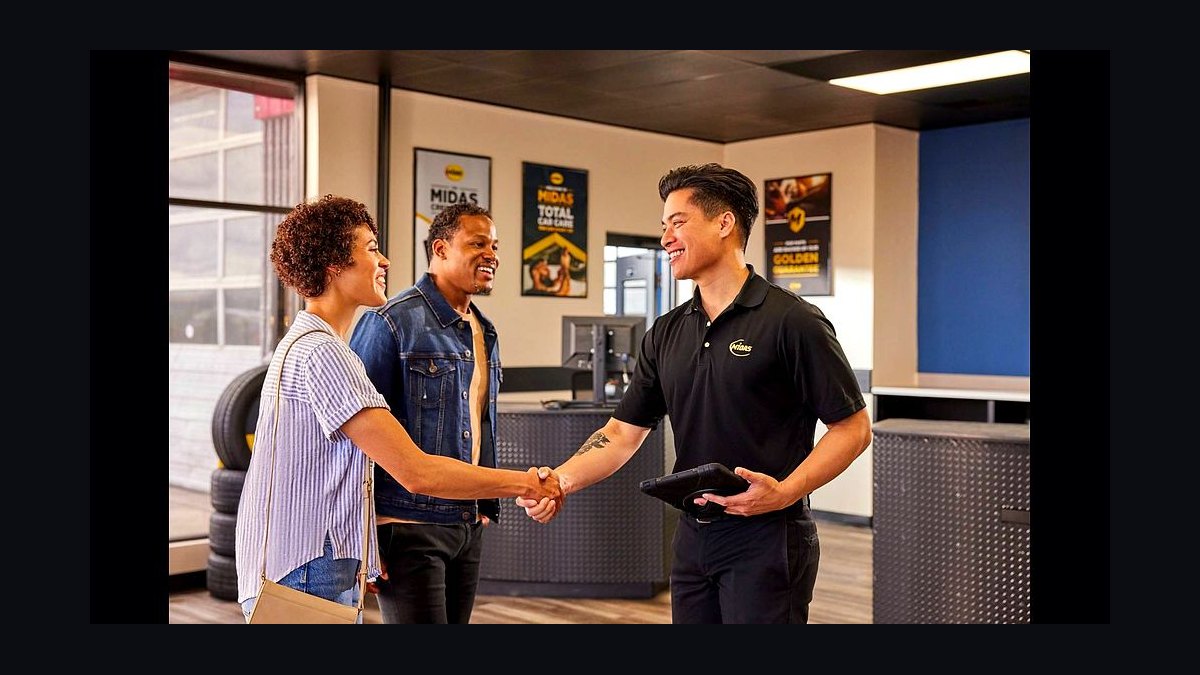
The strongest multi-unit franchise opportunities for empire builders in 2027 sit in fitness, quick-service food, car washes, and home services — systems-heavy brands where a manager runs the floor and you run the portfolio. Empire builders sign area-development agreements, install general managers per unit, and pay 5%-9% royalties while total development capital for three to five units runs $1M-$10M+.
A Concrete Scenario That Frames the Problem
Picture an operator who has run one profitable quick-service unit for three years, cleared $180,000 in owner cash flow after paying a manager's salary, and now has $1.2 million in liquid capital plus a banking relationship that will lend against a second and third location. That operator faces a decision most single-unit owners never confront: stay put and enjoy one steady check, or convert the proven playbook into a portfolio. This is the exact fork where multi-unit franchise opportunities separate from single-unit ownership. The operator who wants to build a real empire has to stop thinking like a shift-covering owner and start thinking like a small holding company — sourcing real estate for three sites at once, hiring and training general managers before the doors open, and negotiating a development schedule with the franchisor that locks in territory rights in exchange for a binding timeline. The franchisor, for its part, is not looking for enthusiasm; it is looking for evidence. It wants to see that this operator's first unit hit brand standards, that the P&L supports a manager's full salary and still throws off profit, and that the capital stack for units two and three is already documented, not aspirational. This scenario repeats across every sector that supports multi-unit growth — fitness studios, car washes, restoration franchises — because the underlying test is identical: can this person run a business they are not standing inside of every day. Empire builders who pass that test are the ones franchisors hand development rights to, and the ones who go on to build five-, ten-, and twenty-unit portfolios instead of a single storefront.
How Area Development Actually Works
An area-development agreement (ADA) is the mechanism that turns a single franchise into a portfolio. The franchisor grants exclusive rights to a defined territory in exchange for a signed development schedule — a legally binding commitment to open a set number of units by specific dates. The operator pays a development fee upfront, typically $15,000 to $50,000 per unit committed, then pays the standard franchise fee for each location as it opens. Miss a milestone on the schedule and the franchisor can claw back the undeveloped territory, opening it to a competing operator. Hit the schedule and the operator keeps exclusive rights to expand further, often with reduced fees on later units.

The structural advantage is leverage without multiplying your own labor. One general manager runs daily operations at each site; a regional manager or the owner directly oversees the GMs, handling hiring, vendor negotiation, and capital planning across the whole cluster. Marketing spend, back-office systems, and purchasing power scale across units instead of resetting to zero at each new address. This is why multi-unit ownership, not single-unit ownership, is how most durable franchise wealth gets built — the owner's time stops being the constraint on revenue once a second and third unit are running under trained management.
Real Numbers, Ranges, and Benchmarks
The capital required to build a franchise empire varies sharply by sector, and understanding these ranges before signing anything is the difference between a funded plan and a stalled one.
Fitness brands report 2026 FDD per-unit total investments of $150,000 to $1,500,000, with most offering multi-unit fee discounts on an area-development agreement. A cluster of three to five studios in one metro typically shares regional marketing and a single management layer.
Quick-service food runs higher: $250,000 to $1,500,000 per unit, with royalties of 4% to 8% of gross revenue. Development fees for a single committed unit commonly land between $15,000 and $50,000 — Firehouse Subs has historically priced development around $25,000 per unit, Orangetheory Fitness in the $30,000-$50,000 range. A five-unit ADA in a mid-tier brand commonly totals $2 million to $6 million in all-in development capital.
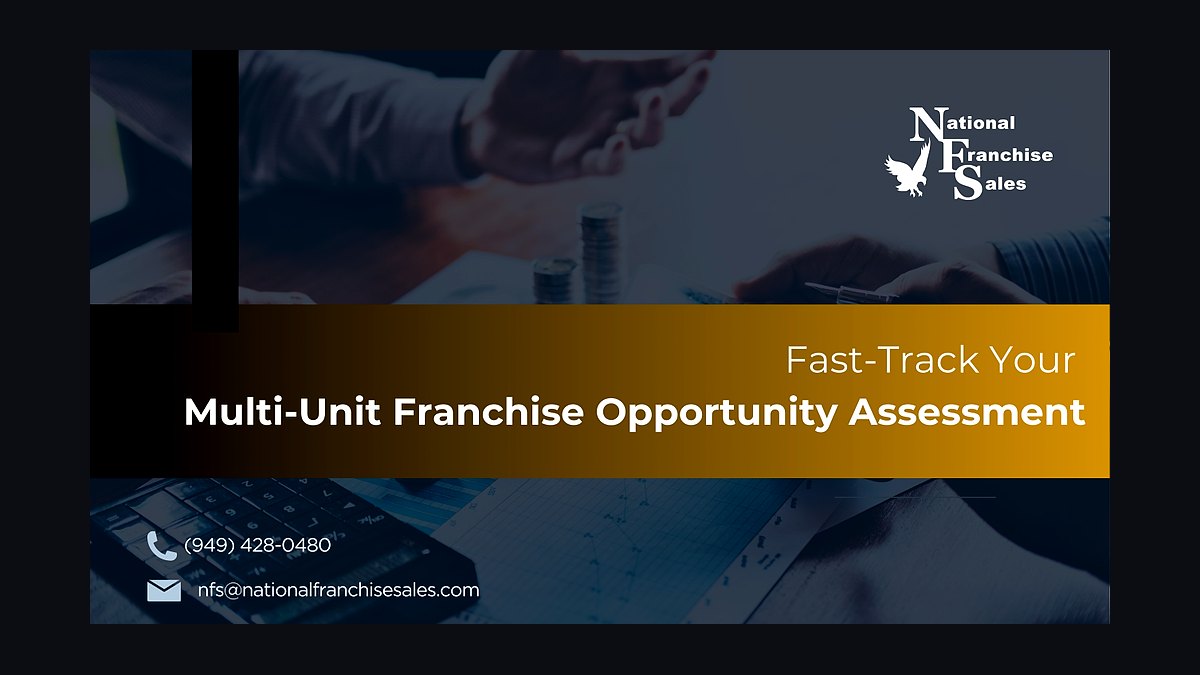
Express car washes are the most capital-intensive category on this list: $3 million to $7 million or more per site once real estate is included, which pushes multi-unit car wash development toward private-equity-adjacent capital structures rather than individual-operator financing.
Home services — restoration, cleaning, pest control, lawn care — scale through additional territories instead of storefronts, keeping per-territory investment at $60,000 to $300,000 with royalties of 6% to 10%. This is the lowest-capital path to a multi-territory empire, since a shared dispatch and management hub can run several adjacent territories at once.
On financing, SBA 7(a) loans cap at $5 million per borrower but can be stacked across separate legal entities — a three-unit development might use three separate $1.5 million SBA loans, each requiring a 10%-20% down payment and a personal guarantee. 2027 rates run roughly prime plus 2%-3%, or about 10%-12% APR, and lenders typically want net worth at twice the loan amount plus six to twelve months of debt-service liquidity in reserve. Private equity and family office capital, by contrast, typically wants a 20%-30% equity stake in the development entity in exchange for $2 million to $10 million in growth capital with no personal guarantee — a real trade-off between retained control and access to larger checks.
Trade-Offs and Alternatives
Not every multi-unit structure fits every operator, and the three dominant paths for 2027 carry meaningfully different risk profiles.
Area Development Agreements remain the default choice for most empire builders because the operator retains direct control of each unit while still capturing the economics of scale. The franchisor still approves sites, enforces training, and audits brand standards, which limits flexibility but also limits downside — a proven brand's support systems catch mistakes before they compound across five locations.
Master Franchise Agreements hand the operator a much bigger prize and a much bigger job: the right to sub-franchise an entire territory, collecting a share of royalties and fees from every sub-franchisee. Upfront fees for master rights commonly run $100,000 to $500,000, and brands such as The UPS Store and Tropical Smoothie Cafe have used the structure for large-scale expansion. The payoff is a passive royalty stream built on other people's labor, but the cost is real: the operator now owns training, quality control, and dispute resolution for every sub-franchisee, which requires a support team most first-time multi-unit builders do not yet have.
Incentivized Growth Programs are the newest lever, used mainly by emerging brands trying to scale fast. Reduced royalties — for example 4% instead of 7% on the first several units — or waived development fees lower the entry cost, but they typically come bundled with stricter performance clauses. Miss a build-out milestone under an incentivized program and the operator can lose the discount or the territory itself. The right move is to model the worst-case unit — a site that underperforms by 20%-30% — and confirm the development schedule still survives before signing.
The honest comparison: ADAs are the safest on-ramp for an operator building their first real portfolio, master franchising is for operators with prior multi-unit management experience and a support bench already in place, and incentivized programs reward operators with a strong track record who can negotiate better terms than a first-timer would be offered.

Common Pitfalls and How to Avoid Them
The single most common mistake is treating real estate as an afterthought. Franchisors require site approval per location, but empire builders who wait to find one site at a time constantly fall behind their own development schedule. The fix is site banking — submitting five to ten candidate sites for conditional approval at once, at a cost of roughly $2,000-$5,000 per site in feasibility and broker fees, so a lease falling through on one property doesn't blow the whole timeline.
The second pitfall is signing a lease with no protection against a collapsing shopping center. A co-tenancy clause that lets the operator reduce rent or exit if a key anchor tenant leaves is essential — losing a major anchor can cut foot traffic by 30%-50% at an adjacent quick-service or retail unit, and a well-negotiated clause is the only real hedge against it.
The third pitfall is underfunding leasehold improvements. Fit-out costs for a small quick-service restaurant run $250,000 to $600,000, and for a fitness studio $150,000 to $400,000; operators who negotiate a tenant-improvement allowance from the landlord — typically $30-$60 per square foot — can save hundreds of thousands of dollars in upfront cash across a multi-unit build-out, but only if that negotiation happens before the lease is signed, not after.
The fourth pitfall is undercapitalizing working capital. Multiple units opening within a short window each need six to twelve months of payroll, rent, and marketing reserves before reaching break-even — plan for $100,000-$250,000 in reserve per unit, not just the build-out budget.

Finally, the most damaging pitfall is expanding before the management bench exists. A brand will not extend real development rights to an operator who cannot demonstrate a pipeline of trained or trainable general managers — and an operator who opens unit three without a GM ready for unit two will burn the operational credibility that took years to build with the franchisor.
Related questions
Should I buy a single-unit or multi-unit franchise first?
Almost every franchisor wants proof before granting development rights: run one unit to brand standard, install a manager, and show the numbers hold before signing an area-development agreement for additional locations.
How much cash reserve do I need per unit when opening multiple locations at once?
Plan for $100,000 to $250,000 in working capital per unit to cover payroll, rent, and marketing until each new location reaches break-even, separate from build-out costs.
What's the difference between an area-development agreement and a master franchise?
An ADA means you personally own and operate each unit; a master franchise means you sub-franchise a territory to other operators and collect a share of their fees and royalties instead.
Can private equity fund a multi-unit franchise portfolio?
Yes — PE and family offices typically provide $2 million to $10 million in growth capital for a 20%-30% equity stake and board influence, without requiring a personal guarantee.
How do I protect my lease if an anchor tenant leaves the shopping center?
Negotiate a co-tenancy clause before signing, giving you the right to reduce rent or terminate if a named anchor tenant vacates, since losing an anchor can cut nearby foot traffic by 30%-50%.
FAQ
What is the typical total investment range for a multi-unit franchise development? For a three- to five-unit area-development agreement, total capital required generally falls between $1,000,000 and $10,000,000, covering franchise fees, build-out, equipment, and working capital, though the exact figure depends heavily on the brand and sector.
How long does it take to open multiple units under an area-development agreement? Most schedules require the first unit within 6-12 months, with additional units following every 6-18 months; a full three- to five-unit build-out typically spans two to five years depending on site availability and construction timelines.
What royalty percentages do multi-unit franchisees typically pay? Ongoing royalties usually run 5% to 9% of gross revenue. Some brands discount area developers slightly, but the reduction is generally modest — half a point to a full point — so per-unit royalties stay within that standard band.
Can one management team run several franchise locations? Yes — this is the core advantage of the multi-unit model. A general manager runs each site day to day, with a regional manager or the owner overseeing the group, which is how empire builders scale without living inside every location.
Which industries offer the best multi-unit franchise opportunities in 2027? Fitness, quick-service food, car washes, and home services lead, because each has standardized operations, proven manager-run models, and repeat-customer demand that supports scaling across several locations under one ownership group.
How do I verify a brand's real multi-unit performance before committing capital? Review the Franchise Disclosure Document, especially Item 7 (initial investment) and Item 19 (financial performance representations), then call several existing multi-unit franchisees directly and ask about actual build-out costs, per-unit returns after manager pay, and franchisor support during expansion.
Sources
- https://www.sba.gov/funding-programs/loans/7a-loans
- https://www.franchise.org
- https://www.ftc.gov/business-guidance/resources/franchise-rule-compliance-guide
- https://www.entrepreneur.com/franchises
- https://www.ftc.gov/business-guidance/franchise-rule
- https://www.franchisedirect.com
Related on PULSE
This page will be disappearing soon. Save it to your device for $1 — or read it free while it is here.
@Kory-White- · if Venmo asks, the last 4 of my number are 2012
This page is gone.
This one is off the shelf now. $1 keeps it on your phone for good — the whole page, pictures and diagrams included.
 pulse-franchisesShould I open or buy a Milan Laser franchise in 2027?
 pulse-franchisesShould I open or buy a BluSky Restoration franchise in 2027?
 pulse-franchisesTop 10 best Franchises options in 2027
 pulse-franchisesHow do franchise royalty and marketing fees work in 2027?
 pulse-franchisesHow do I franchise my own business in 2027?
 pulse-franchisesShould I open or buy a Board & Brush franchise in 2027?
 pulse-franchisesShould I open or buy a Caliber Collision franchise in 2027?
 pulse-franchisesTop 10 Most Profitable Franchises in 2027
 pulse-franchisesShould I open or buy a Marriott franchise in 2027?
 pulse-franchisesShould I open or buy a Best Western franchise in 2027?