
Best automotive service franchises to buy in 2027
 Curated byKory White · Fractional CRO · Maryland
 PULSEKNOWLEDGE LIBRARY
Quality
Certified

The best automotive service franchises to buy in 2027 are quick-lube brands like Take 5, repair and tire centers like Midas and Big O Tires, and lower-capital appearance concepts like Tint World. Vehicles keep aging, maintenance stays non-discretionary, and repeat visits make the category one of franchising's most recession-resistant.
The outcome you should expect
Buying into this category is not a lottery ticket; it is a slow, physical, labor-intensive business that pays back over years, not quarters. What you should realistically expect is a unit that ramps for 12 to 24 months, reaches a stable car count, and then throws off owner earnings in a band determined almost entirely by two variables: how many vehicles cross the threshold per day, and what the average repair order is when they leave.
For a quick-lube unit, the shape of the outcome is high volume and thin tickets. A well-located store processes somewhere in the range of 40 to 60 cars a day once mature, with average tickets in the $60 to $90 zone for an oil change plus the routine add-ons — air filter, wiper blades, cabin filter, coolant top-off. Multiply that out and a productive site clears meaningful annual revenue on a small footprint, with gross margins on labor and parts often landing in the 60 to 70 percent range before rent, royalty, and overhead. The business is a throughput machine. Every minute a bay sits empty is unrecoverable inventory.
For a repair or tire center, the shape inverts. You will see 15 to 25 cars a day, but tickets run $300 to $600 for repair work and $800 to $1,200 for a four-tire job with mounting, balancing, and an alignment. Revenue per car is dramatically higher, but so is the cost of producing it: certified technicians, diagnostic equipment, alignment racks, and parts inventory that ties up working capital before a single dollar of margin is realized.
For an appearance concept — window tint, detailing, mobile glass — you are selling labor and a consumable film or chemical rather than parts. Tickets sit somewhere between the two extremes, often $200 to $500 per job, on a smaller footprint of roughly 1,500 to 2,500 square feet, sometimes with no fixed location at all. The gross margin profile can be excellent because there is little inventory to finance, but the ceiling on a single unit is lower and the business is more dependent on the owner's personal hustle in the early years.
The honest expectation across all three: year one is survival and hiring, year two is where the location either finds its car count or doesn't, and year three is where you learn whether you own a business or bought yourself a demanding job. Owners who plan for a 24-month ramp and capitalize accordingly tend to make it. Owners who model break-even in month six almost always run out of cash before the customer base compounds.
There is also a strategic outcome worth naming early: this category is one of the few in franchising where multi-unit ownership is genuinely easier than single-unit ownership. A single shop makes you the de facto general manager. Three shops in one metro let you afford a real operations manager, share a mobile technician, negotiate better parts pricing, and buy media that covers all three locations at once. The economics get better with scale in a way they do not for, say, a single-location restaurant. Most successful operators in this space are deliberately building toward a cluster, not a store.
What drives that outcome
Four levers determine whether an automotive service franchise makes money: site quality, car count, average ticket, and technician retention. Everything else — brand, marketing spend, royalty rate — is downstream of those four.
Site quality is the one you cannot fix later. In this category, the real estate decision *is* the business decision. A quick-lube depends on right-hand-turn convenience, visibility from a road with meaningful daily traffic counts, and easy in-and-out. A tire center needs enough lot depth to stage vehicles without blocking the bays. A repair shop needs the right zoning and a service-friendly neighborhood demographic — households with two aging vehicles and no dealership loyalty. Franchisors will help with site selection, but their incentive is to open units; yours is to open a unit that works. Pull your own traffic counts, drive the site at 7:30 a.m. and 5:30 p.m., and count how many cars actually turn into the competing shop across the street.
Car count is a function of site quality plus local marketing plus speed of service. In quick lube specifically, service time is a marketing channel. A shop that gets people out in 12 minutes builds word-of-mouth that no radio buy can replicate. In repair, car count comes from a different engine: retention of past customers, plus the tire business feeding the service business. Tires are a traffic generator that converts into alignments, brakes, and suspension work.
Average ticket is where most operators leave money on the counter. The upsell in this business is not manipulation; it is inspection discipline. A technician who actually checks fluids, belts, tire tread, and brake pads on every vehicle, and a service writer who can explain findings without pressure, will lift average ticket meaningfully without a single unhappy customer. Franchisors that provide inspection checklists, tablet-based digital vehicle inspections with photos, and service-writer scripts are handing you a real asset.
Technician retention is the constraint that binds all the others. You can have a perfect site and a full lot and still cap out because you have three bays and two techs. Turnover in this trade is the difference between a 60-car day and a 35-car day.
The chart above hides one important subtlety: break-even utilization differs sharply by format. A quick-lube typically needs to run at roughly 55 to 65 percent of daily bay capacity to cover rent, labor, and royalties. A repair shop needs 70 to 80 percent, because equipment leases and specialized labor push fixed costs higher. This is why a brand promising fast break-even but carrying a high utilization threshold is often the riskier bet — it has less cushion when the market softens. When you interview franchisors, ask for three-year average utilization at existing locations, not revenue projections. Revenue projections are marketing. Utilization is physics.
Benchmarks and realistic ranges
Every number below should be treated as directional and then verified against the franchisor's current Franchise Disclosure Document. Item 7 estimates move year to year, and the single biggest swing factor — real estate — varies by an order of magnitude depending on whether you build ground-up or convert an existing site.
Quick lube and maintenance. Take 5 Oil Change, the stay-in-your-car concept, has commonly shown an Item 7 range spanning roughly $200,000 to $4,000,000-plus in recent disclosure documents. That enormous spread is almost entirely real estate. Convert an existing former lube shop and you land near the bottom; buy dirt and build a new building and you land near the top. Valvoline-affiliated quick-lube concepts follow a similar structure with similar variance. Royalty in this segment typically runs a mid-single-digit percentage of gross sales — commonly quoted in the 5 to 7 percent band — plus a national brand fund often in the 2 to 3 percent range.
Repair and tire. Midas, with its brakes, exhaust, maintenance, and tire mix, has commonly disclosed an Item 7 range around $300,000 to $700,000-plus, again depending heavily on whether the site already exists. Big O Tires runs higher — frequently $500,000 to $1,800,000-plus — because tire inventory and multi-bay build-out are both expensive. Royalty structures in this segment are broadly comparable to quick lube, often with an additional local advertising commitment in the 2 to 3 percent range on top of the national fund.
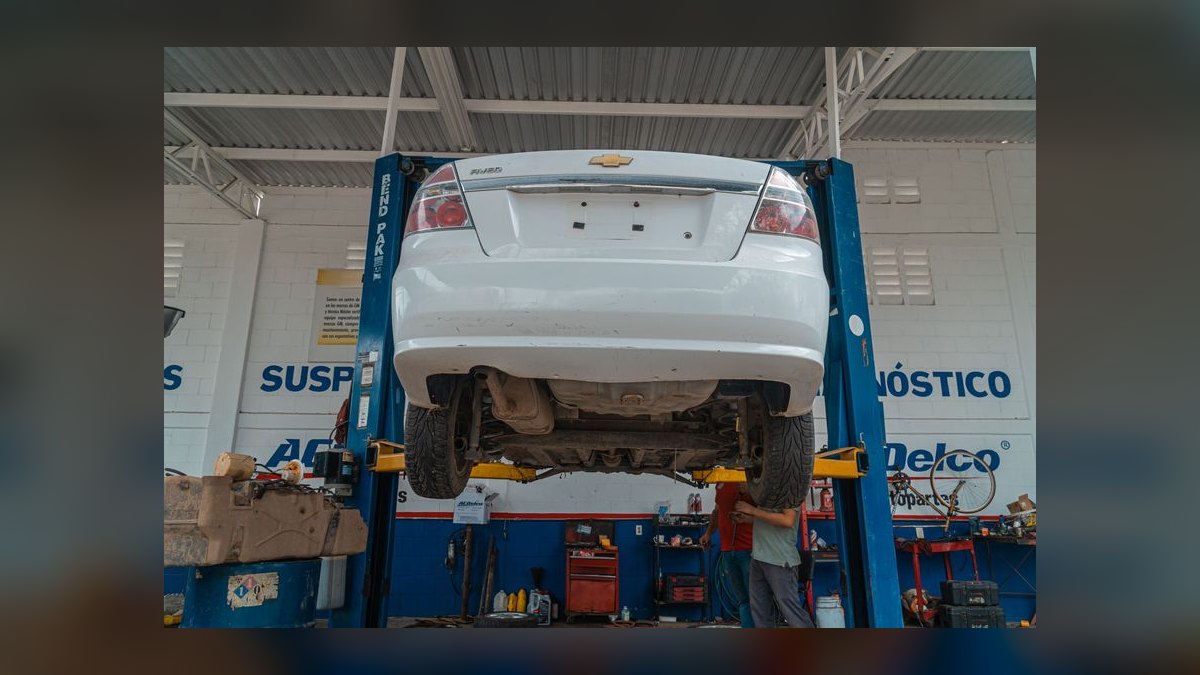
Appearance and glass. Tint World, a retail-and-service hybrid covering window tint, audio, detailing, and accessories, has commonly disclosed an Item 7 around $250,000 to $400,000-plus. Mobile detailing and mobile auto-glass concepts sit lowest of all, frequently in the $50,000 to $200,000 range, because the "location" is a wrapped van. Royalties in appearance concepts often run slightly lower, in the 4 to 6 percent neighborhood, reflecting thinner support infrastructure.
Costs that live outside Item 7. This is where first-time buyers get hurt. Budget separately for:
- Equipment beyond the package. Lifts, alignment racks, tire machines, balancers, and modern diagnostic scan tools are capital-intensive and frequently financed on separate equipment leases that do not show up cleanly in your initial investment estimate.
- Working capital for inventory. Tire and parts inventory can tie up a substantial sum before a single customer walks in. Tire centers feel this hardest.
- Technician wages that keep climbing. An experienced technician commands meaningfully more per hour than an entry-level lube tech — the practical spread is roughly $15 to $18 an hour at entry versus $25 to $35 an hour for a certified tech in many markets, and rising.
- Warranty and comeback reserve. Appearance concepts in particular should reserve for warranty claims; defective film or a bad installation can consume several percent of revenue if it is not managed tightly. A reserve of about 2 percent of gross sales is a reasonable planning assumption.
- Uniforms, tools, and continuing education. Branded uniforms can run several hundred to well over a thousand dollars per employee annually, and tool or certification renewals add a few hundred dollars per technician per year. These are small line items individually and a real number in aggregate.
- Parts markup policy. Most franchisors permit a healthy markup on parts — commonly discussed in the 40 to 60 percent range — but some impose caps or mandate specific suppliers. A brand with unrestricted parts pricing can add a meaningful five-figure sum to annual gross profit versus one with rigid pricing rules. Ask about this explicitly; it rarely appears in the glossy materials.
A useful sanity check. Take the franchisor's mid-range Item 7, add 20 percent for cost overrun, add six months of full operating expenses as a cash reserve, and ask whether you can still fund the deal without maxing your liquidity. If the answer is no, you are underfunded for the format you have chosen — which is a reason to step down a tier, not a reason to squeeze the reserve.
Risks, edge cases, and failure modes
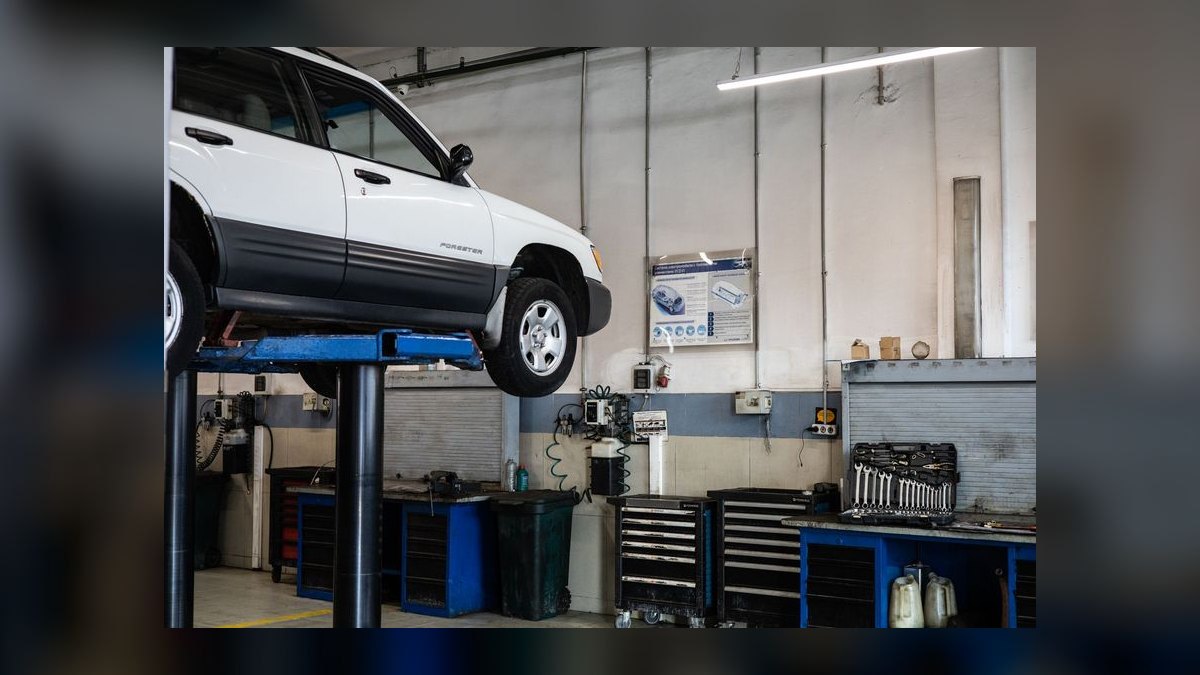
The technician shortage is the defining operational risk. The United States is short somewhere on the order of a hundred thousand-plus automotive technicians, and the gap widens as experienced mechanics retire faster than new ones enter the trade. This is not a temporary labor blip you can wait out. It structurally caps how many bays you can actually run.
How a franchisor responds to that shortage is one of the highest-value things you can diligence. Stronger systems — Valvoline Instant Oil Change and Take 5 are frequently cited here — have built centralized training with multi-week paid programs at regional hubs, covering procedure, safety, and customer interaction. Some support technicians pursuing ASE certifications, which reduces turnover materially. Understand that you are paying for these programs through royalty whether you use them or not, so use them.
Weaker systems hand you an online module library and a field consultant who visits quarterly. That model can work if you are an owner-operator with genuine shop experience and can mentor people yourself. It is a trap for a passive investor with no mechanical background. The single best diagnostic question: what is average technician tenure at company-owned stores? If the answer is under 18 months, budget for permanent recruiting.
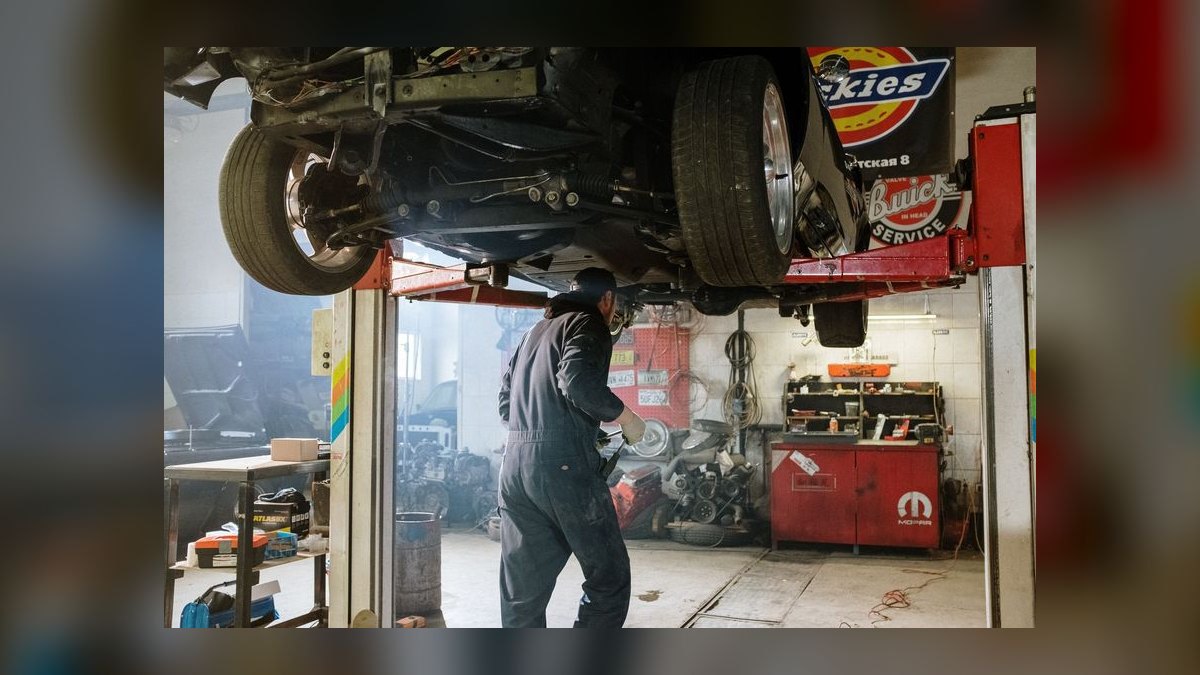
Apprenticeship pipelines are the underrated mitigation. Several brands, including Midas and Big O Tires, have run formal partnerships with local technical schools where students work part-time while earning credits. This gives you entry-level talent at a fraction of certified-tech wages, in exchange for a real mentoring commitment and typically a minimum employment period. Operators who run these programs well can compress labor cost meaningfully in the first two years. Operators who sign up and then don't mentor lose the students and the school relationship at the same time.
Real estate is the second failure mode. Because build-out dominates the budget, a bad lease can outlive a bad business. Watch for: leases with escalators that outpace realistic revenue growth, sites with restrictive covenants on signage, and locations where a road-widening project will remove your curb cut in three years. Call the municipal planning department before you sign. Nobody else will.
Misjudging your own role is the third. You do not need to be a mechanic to own an automotive service franchise — these are management businesses, and the owner's job is hiring, marketing, financial control, and culture. But you do need to be present. An absentee owner with a weak manager in a labor-constrained trade is the most reliable way to lose money in this category.
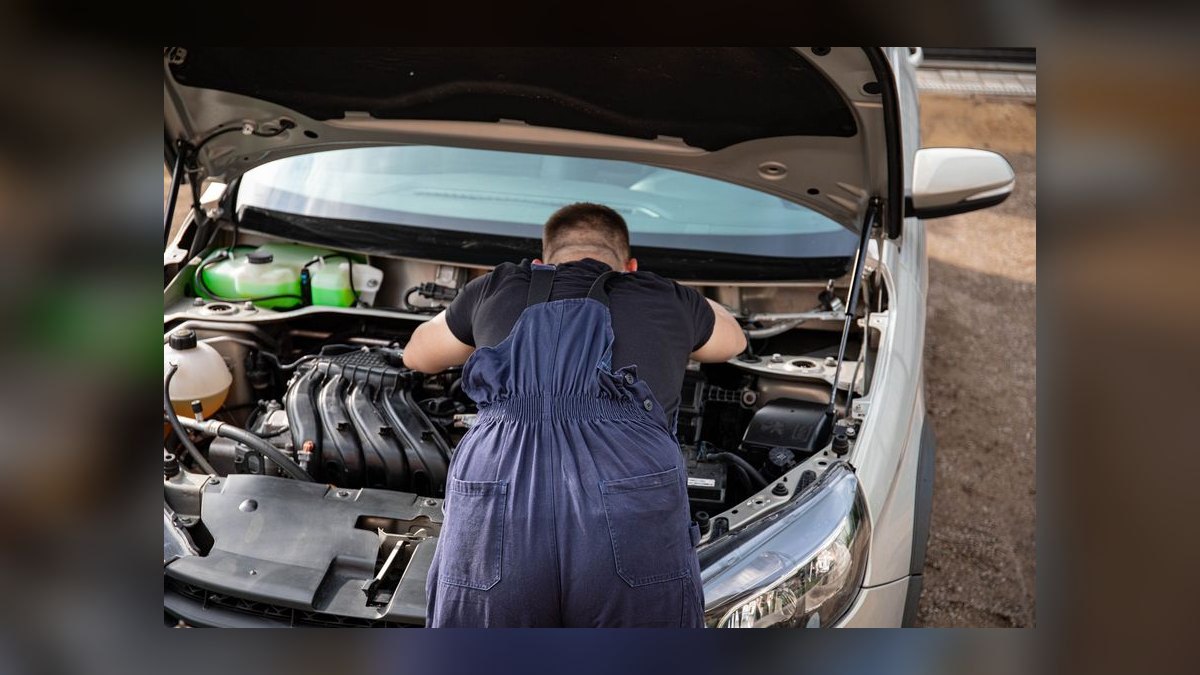
Adjacent-category risk worth understanding. The vehicle fleet is slowly electrifying. This does not kill automotive service, but it reshapes the mix: EVs still need tires, brakes, alignment, cabin filters, glass, suspension, and detailing, but they do not need oil changes. That matters more to a pure quick-lube than to a tire or repair center. Two practical implications. First, quick-lube brands worth buying in 2027 are the ones broadening the service menu beyond oil — fluids, filters, wipers, batteries, and light maintenance — rather than defending a single SKU. Second, geography is your hedge: EV penetration varies enormously by metro. Ask any brand you are considering what percentage of their system's revenue is oil-specific, and what the roadmap is. A franchisor without a clear answer has not thought about it.
Financing risk. Many automotive brands are SBA-eligible, which is a genuine advantage, but lenders weigh liquidity, credit, and the size of the real estate or equipment component. A deal that pencils on a spreadsheet can still die at underwriting if your injection is thin. Get pre-qualified before you sign a franchise agreement, not after.
A practical rollout plan
Treat the purchase as a staged process with hard gates. Do not advance to the next stage until the current one clears.
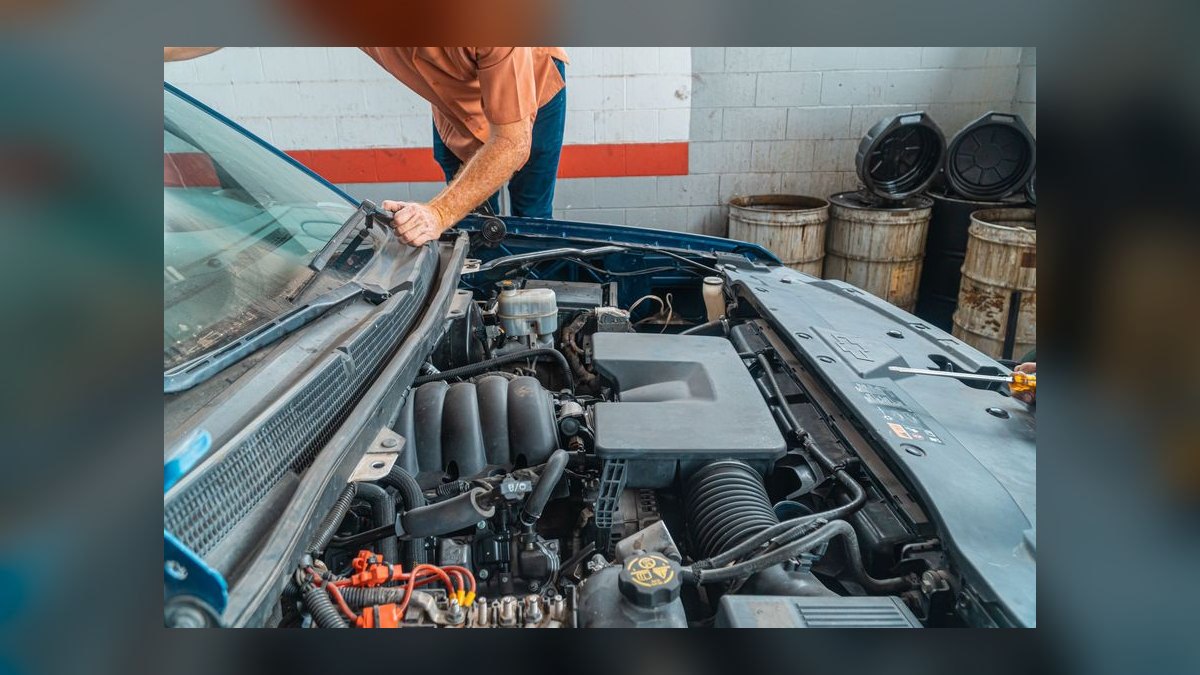
Stage one — document diligence. Request the franchisor's current FDD and read it yourself before any advisor summarizes it. Focus on Item 6 (ongoing royalty and fees), Item 7 (estimated initial investment), Item 19 (financial performance representations, if the brand makes any), and Item 20 (the franchisee roster, including openings, closures, and transfers). Item 20 is the most honest section in the document: a system with heavy closures and transfers is telling you something the brochure will not.
Stage two — franchisee calls. Take the Item 20 list and call at least ten current franchisees, deliberately including some in the "terminated or transferred" columns if you can reach them. Ask about car counts per day, average repair order, technician turnover, how long the ramp actually took, and whether the franchisor's site-selection help was real or nominal. This step is where directional ranges become your actual pro forma.
Stage three — market validation. Independently price your real estate, your build-out, and your equipment with local quotes. Franchisor estimates are national averages; your market is not average. Simultaneously, count competitors within a three-mile radius of your candidate site and read their reviews. Chronic complaints about wait times at the incumbent are a market opening.
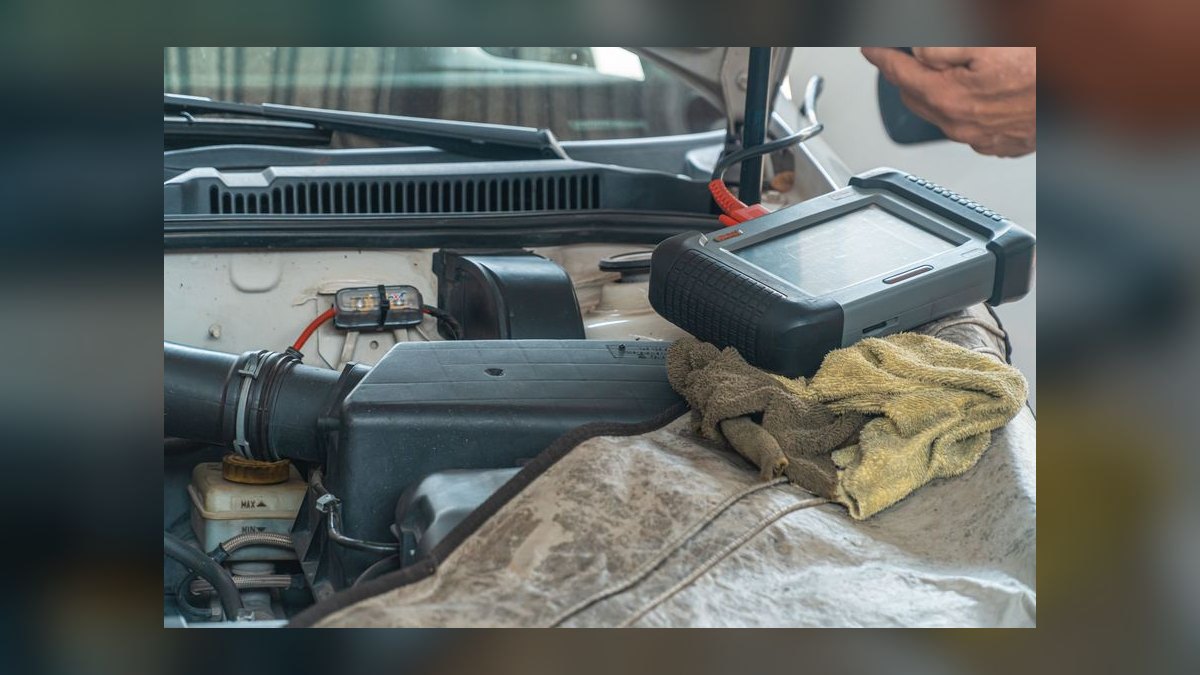
Stage four — capital structure. Assemble the financing with the overrun buffer and six-month reserve intact. If you own the real estate personally through a separate entity and lease it to the operating company, you create a second asset and a second income stream — and you preserve the option to sell the business later while keeping the property.
Stage five — hire before you open. Recruit the general manager or lead technician well ahead of opening day. In a labor-short trade, the hire drives the calendar, not the other way around.
Stage six — plan the exit from day one. Quick-lube units commonly trade in the range of 2.5 to 4 times EBITDA; repair and tire centers often trade a touch higher, roughly 3 to 5 times, because of higher barriers to entry and stickier customer relationships. Some franchisors maintain a right of first refusal or a structured buyback that puts a floor under your investment, usually conditioned on a minimum operating period and performance standards. Others run franchisee-to-franchisee transfer programs that dramatically shorten time on market. And the highest-value exit is usually the cluster sale: regional operators and private equity buyers pay a premium for a contiguous group of units because the operating leverage is already built. If you might one day sell to that buyer, build toward three to five units in a single metro, and check your franchise agreement early for any clause restricting your ability to sell the business separately from the real estate.
Related questions
Do I need to be a mechanic to own an automotive service franchise?
No. These are management businesses. The owner hires and leads certified technicians, runs marketing and financial control, and manages the customer experience. Mechanical background helps you evaluate work quality and mentor staff, but operational discipline matters more than turning wrenches.
Which automotive franchise has the lowest startup cost?
Mobile concepts — detailing, window tint, and mobile auto glass — sit lowest because they require little or no fixed real estate. Item 7 ranges frequently fall in the $50,000 to $200,000 band. The trade-off is a lower revenue ceiling per unit.
Are automotive service franchises recession-resistant?
Largely yes. Most maintenance is non-discretionary, and in downturns people keep vehicles longer, which tends to increase repair demand. The category softens rather than collapses. Discretionary work — accessories, premium detailing — is the piece that dips first.
How does EV adoption change which brands are worth buying?
It reduces oil-change volume specifically while leaving tires, brakes, glass, suspension, and detailing intact. Repair and tire centers are less exposed than pure quick-lube. Favor brands broadening their service menu, and weigh local EV penetration when choosing a market.
Is single-unit or multi-unit ownership better here?
Multi-unit, in most cases. A cluster of three to five units in one metro supports a real operations manager, shared floating technicians, better parts pricing, and marketing that covers every location. It also commands a premium at exit from regional and private-equity buyers.
FAQ
How much does it cost to open an automotive franchise in 2027?
Appearance and mobile concepts commonly start in the $50,000 to $400,000 range, quick-lube and repair shops in the $200,000 to $700,000-plus range, and tire centers from roughly $500,000 to $1,800,000-plus in total initial investment based on recent FDD figures. Real estate is the dominant swing factor — converting an existing site costs a fraction of building ground-up. Always confirm current figures in the franchisor's latest disclosure document rather than relying on any published summary.
What is the hardest part of running an automotive service shop?
Recruiting and retaining skilled technicians, without close competition. The national shortage means qualified techs have options, and every departure directly reduces the number of bays you can run. Owners who win here treat retention as a core operating metric — competitive pay, certification support, clean shops, predictable schedules — rather than treating hiring as an occasional HR chore.
Can I finance an automotive franchise with an SBA loan?
Many automotive brands are SBA-eligible, and the category's tangible assets tend to underwrite well. Lenders will evaluate your liquidity, credit profile, and the real estate or equipment component of the deal. Confirm the specific brand appears on current SBA franchise eligibility records, and get pre-qualified before signing a franchise agreement so financing does not become a post-commitment problem.
How long until an automotive service franchise breaks even?
Plan for a 12 to 24 month ramp to stable car counts, with break-even utilization around 55 to 65 percent of capacity for quick lube and 70 to 80 percent for repair formats. Capitalize for that timeline. Underfunded owners who model break-even at six months are the most common failure case in the category, regardless of brand quality.
What should I ask current franchisees that the FDD will not tell me?
Ask for daily car count, average repair order, technician turnover, how long the actual ramp took versus what was projected, and whether franchisor site-selection support was substantive. Also ask what they would do differently on the build-out. Item 20 gives you the contact list; the conversations give you the real economics behind the disclosed ranges.
Should I own the real estate or lease it?
If you can afford it, own the property through a separate entity and lease it to the operating company. That creates a second asset and a rent stream, and preserves the option to sell the business while retaining the property. Check the franchise agreement first — some agreements restrict selling the business separately from the real estate.
Sources
- https://www.ftc.gov/business-guidance/resources/franchise-rule-compliance-guide
- https://www.sba.gov/funding-programs/loans
- https://www.franchise.org/
- https://www.bls.gov/ooh/installation-maintenance-and-repair/automotive-service-technicians-and-mechanics.htm
- https://www.bts.gov/topics/national-transportation-statistics
- https://www.ase.com/
- https://www.taketheturn.com/
- https://www.midas.com/
- https://www.bigotires.com/
- https://www.tintworld.com/
Related on PULSE
- Should I open or buy a Christian Brothers Automotive franchise in 2027?
- Best window and gutter-cleaning franchises to buy in 2027
- Best handyman and home-repair franchises to buy in 2027
- Should I open a tree service business in 2027?
- Should I open a tutoring service in 2027?
- Should I open a dog walking service in 2027?
This page will be disappearing soon. Save it to your device for $1 — or read it free while it is here.
@Kory-White- · if Venmo asks, the last 4 of my number are 2012
This page is gone.
This one is off the shelf now. $1 keeps it on your phone for good — the whole page, pictures and diagrams included.
 pulse-franchisesShould I open or buy an AFC Urgent Care franchise in 2027?
 pulse-franchisesBest car-wash franchises to buy in 2027
 pulse-franchisesShould I open or buy a Plato's Closet franchise in 2027?
 pulse-franchisesBest low-cost franchises to start under $50,000 in 2027
 pulse-franchisesHow do you get started with Franchises in 2027?
 pulse-franchisesShould I open or buy a Marriott franchise in 2027?
 pulse-franchisesShould I open or buy a School of Rock franchise in 2027?
 pulse-franchisesShould I open or buy a CAVA franchise in 2027?
 pulse-franchisesBest landscaping and lawn-care franchises to buy in 2027
 pulse-franchisesShould I open or buy a Hampton Inn franchise in 2027?