
Should I open a laundromat business in 2027?
 Curated byKory White · Fractional CRO · Maryland
 PULSEKNOWLEDGE LIBRARY
Yes, opening a laundromat business in 2027 can be a solid investment if you have $200,000–$500,000 in capital, choose a location with high population density and limited competition, and plan to operate unattended or semi-attended to keep labor costs low. The industry offers steady cash flow and recession resistance, but success depends on site selection, equipment maintenance, and realistic revenue projections.
The Two Main Operating Models Compared
When you decide to open a laundromat business, the first structural decision is which operating model you will run. The two dominant models are attended and unattended laundromats, and each carries a very different set of capital requirements, staffing needs, revenue profiles, and risk characteristics. A third hybrid path—semi-attended—combines elements of both and is increasingly popular in 2027.
Attended laundromats employ staff during all open hours. Staff handle cash, clean machines, monitor the floor, and provide customer service. This model typically generates higher revenue per square foot because attendants can upsell wash-dry-fold services, sell vending items, and manage peak-hour congestion. However, labor costs can consume 25–35% of gross revenue. In 2027, minimum wage increases in many states mean an attended model requires at least $40,000–$60,000 per year in payroll for a single location, depending on hours and local wage laws.

Unattended laundromats operate with no staff on-site, relying on card-based or app-based payment systems, remote monitoring cameras, and automated alerts for machine malfunctions. This model dramatically reduces operating costs—labor drops to near zero—but revenue per machine is often 15–25% lower because there is no one to clean machines between cycles, resolve disputes, or drive add-on sales. Vandalism and machine downtime are also higher risks in unattended locations, especially in urban areas.
The semi-attended model is the fastest-growing option for 2027. An attendant works only during peak hours (typically 8–12 hours per day, six days a week), while the store remains accessible 24/7 via card access. This balances labor costs against service quality. A semi-attended laundromat in a mid-sized city can generate $8,000–$15,000 in monthly revenue, with labor costs held to $1,500–$3,000 per month. This model is particularly well-suited to first-time owners who want to be hands-on without being chained to the store.
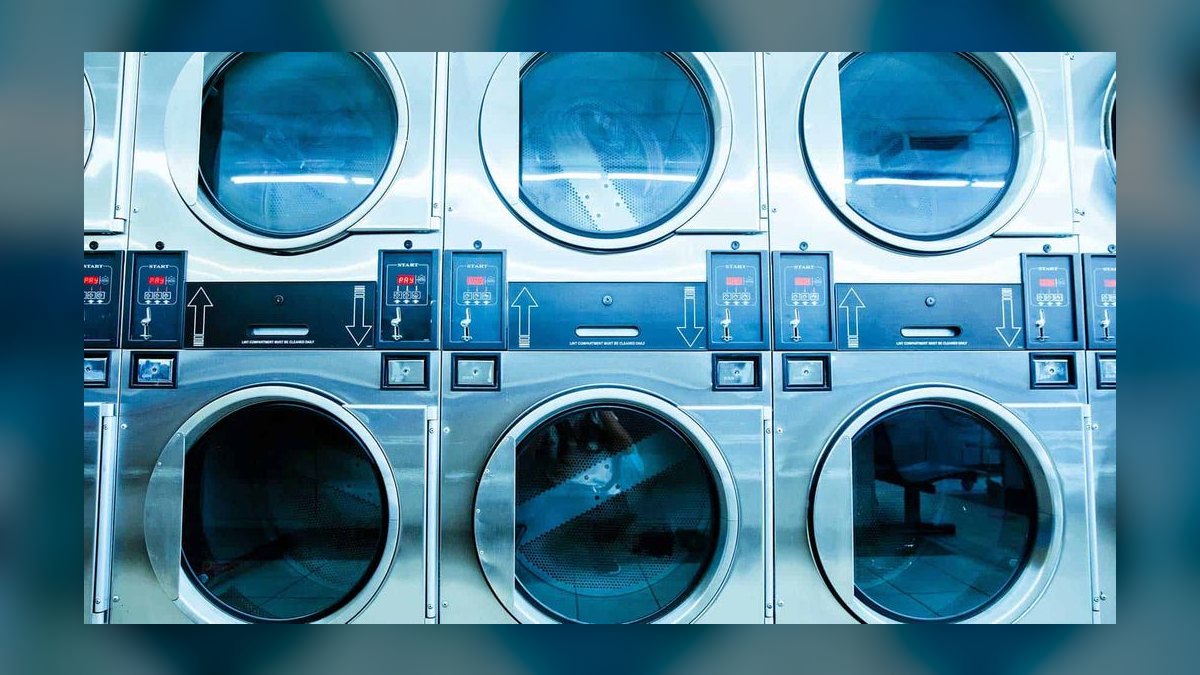
The choice between these models depends on your available time, capital, and risk tolerance. If you have a full-time job and want passive income, unattended is the only realistic path—but you must accept higher maintenance costs and lower per-machine revenue. If you plan to be on-site daily, attended or semi-attended allows you to build customer relationships and capture higher-margin services.
How to Decide Between the Two Models
The decision framework below walks through the key questions you must answer before committing to either model. Use this as a checklist rather than a formula—local conditions always override generalities.
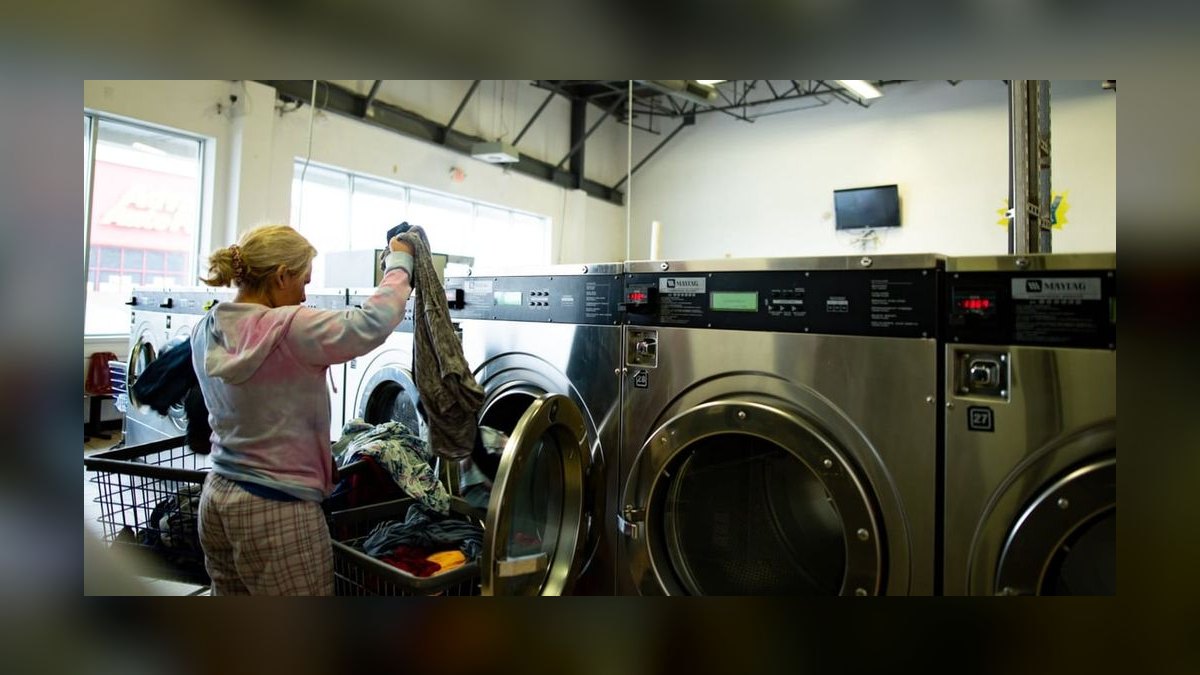
The first gate is capital. Opening a laundromat business in 2027 typically requires $150,000–$500,000 for a 1,500–3,000 square foot location, including leasehold improvements, equipment purchase (washers at $8,000–$15,000 each, dryers at $5,000–$10,000 each), plumbing and electrical upgrades, and a card payment system. If you cannot access this capital, an unattended micro-laundromat (600–1,000 square feet with 10–15 machines) can be opened for $80,000–$120,000—but your revenue ceiling is correspondingly lower.
The second gate is your time. If you are unwilling to be on-site for at least 20 hours per week, an attended model will fail because staff will underperform without supervision. Attended laundromats require daily cash handling, machine cleaning, and customer interaction. If you want a hands-off investment, choose unattended or semi-attended and budget $300–$500 per month for a part-time cleaner and $100–$200 per month for a remote monitoring service.
The third gate is your revenue target. A single attended laundromat in a dense residential area can generate $12,000–$18,000 per month in gross revenue, but net profit after rent, utilities, labor, and maintenance is typically 15–25% of gross—so $1,800–$4,500 per month. An unattended location might generate $6,000–$10,000 in gross revenue but with near-zero labor costs, net profit can reach 30–40% of gross—so $1,800–$4,000 per month. The models converge on similar net profit, but the attended model requires far more active management.
Concrete Numbers Behind Each Option
Understanding the financial mechanics of a laundromat business requires grounding in real operating numbers. Below are the ranges you should expect in 2027 across key line items, based on industry benchmarks and typical U.S. market conditions.
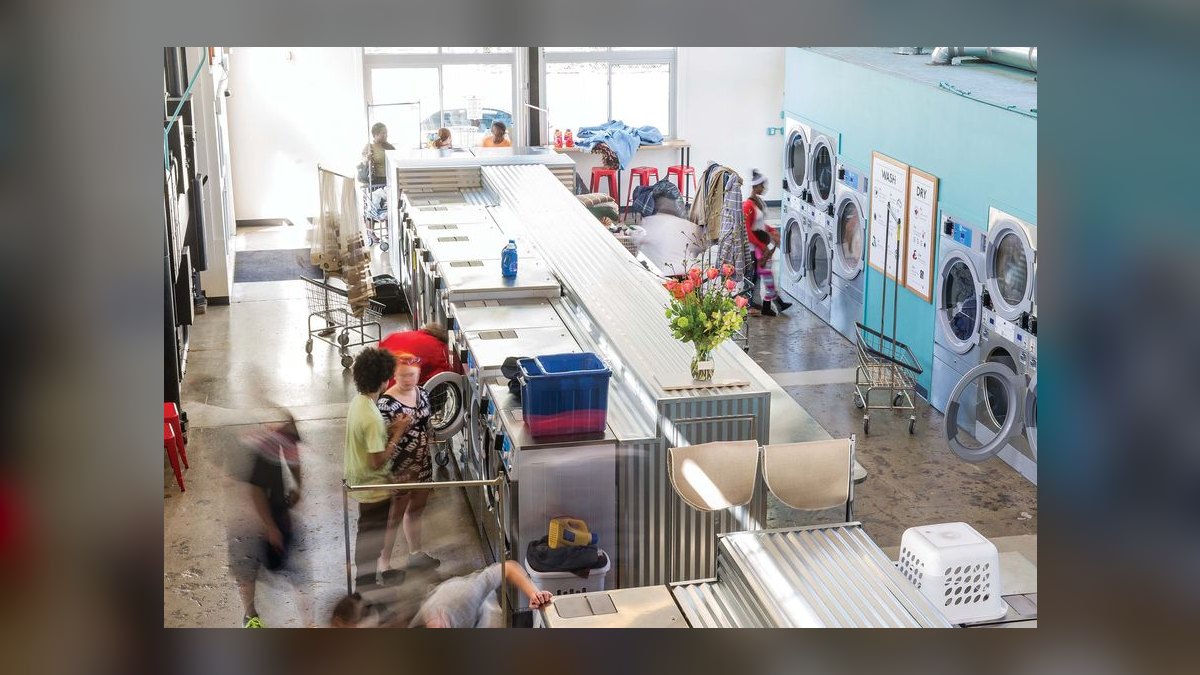
Startup costs. For a 2,000-square-foot attended laundromat, expect $250,000–$450,000 total. This breaks down as: leasehold improvements (plumbing, electrical, flooring, ventilation) at $60,000–$120,000; 20–30 washers at $8,000–$15,000 each ($160,000–$450,000 for the full set, though many operators buy refurbished machines at 40–50% of new cost); 20–30 dryers at $5,000–$10,000 each; a card payment system at $15,000–$30,000; seating, folding tables, and vending machines at $10,000–$20,000; and initial working capital of $20,000–$40,000 for utilities, insurance, and three months of operating expenses.
Ongoing expenses. Rent for a laundromat location typically runs $1,500–$4,000 per month depending on city and square footage. Utilities—especially water, gas, and electricity—are the single largest variable cost, running $1,000–$3,000 per month for a mid-sized store. Water heaters and dryers consume the most energy; installing high-efficiency machines can cut utility bills by 20–30%. Insurance (liability, property, and equipment breakdown) costs $200–$500 per month. Maintenance and repairs average $300–$800 per month, with washers needing service every 2,000–3,000 cycles and dryers every 1,500–2,500 cycles.

Revenue per machine. A commercial washer generates $150–$400 per month in revenue, depending on location, price per load ($3–$6 for a standard top-loader, $5–$8 for a front-loader), and utilization rate. Dryers generate $100–$250 per month. In a high-traffic urban location, utilization can reach 60–70% during peak hours; in a suburban location, 30–50% is more typical. Wash-dry-fold services add $2–$4 per pound and can contribute 10–20% of total revenue in an attended store.
Profitability timeline. Most laundromats reach break-even within 6–18 months. The first three months are typically the hardest, as you build a customer base and refine machine mix. By month 12, a well-run store should generate 15–25% net profit margins. By month 24, if you have reinvested in maintenance and marketing, you can expect to recoup 20–40% of your initial investment. Full payback typically takes 3–5 years for a successful operation.
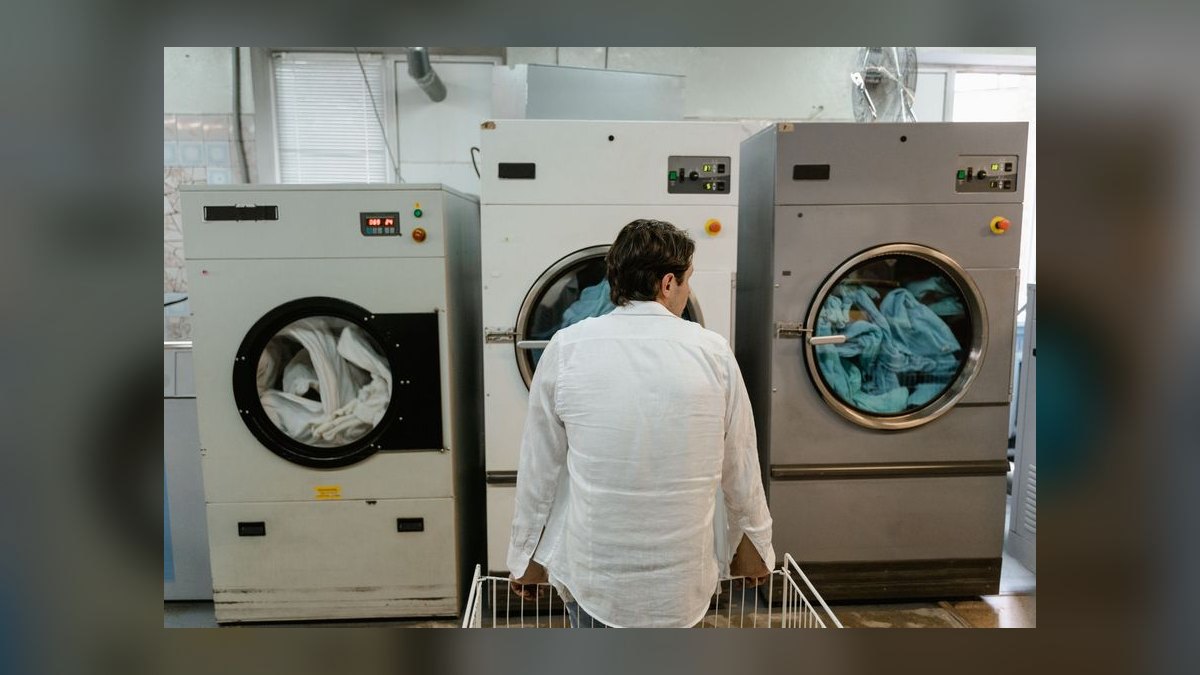
Financing options. SBA 7(a) loans are the most common financing route, requiring a 10–20% down payment and offering 10-year terms at 7–10% interest. Equipment financing covers 80–100% of machine costs with 5–7-year terms. Some operators lease equipment instead of buying, which lowers upfront costs but increases monthly obligations by $1,000–$2,500. In 2027, interest rates remain elevated relative to the 2010s, so factor a 2–3% higher cost of capital into your projections.
Implementation Details and Sequencing
Opening a laundromat business is a multi-phase project that typically takes 6–12 months from initial concept to opening day. The sequence below outlines the critical path, with realistic timelines and decision points at each stage.
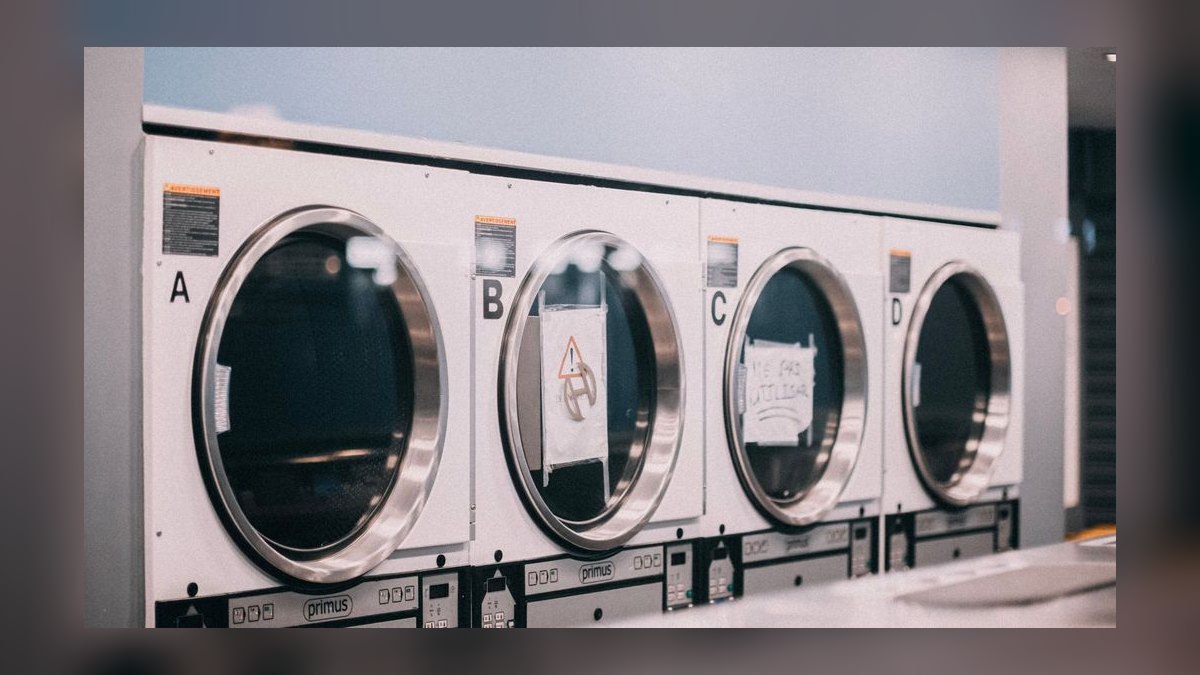
Phase 1: Market research (1–2 months). Before signing any lease, spend at least four weeks analyzing the trade area. Use census data to confirm population density of at least 5,000 people within a one-mile radius, median household income between $35,000–$75,000 (lower-income areas have higher usage rates but lower price tolerance), and a minimum of 30% renter-occupied housing (renters are 2–3 times more likely to use laundromats than homeowners). Drive the area at different times of day to observe existing laundromats—count cars in their parking lots at 9 AM, 3 PM, and 7 PM. If competitors are consistently full, that indicates unmet demand.
Phase 2: Secure location (2–3 months). Look for spaces with existing plumbing and electrical infrastructure—former laundromats, car washes, or industrial spaces are ideal. A 1,500–3,000 square foot space with a storefront and parking is optimal. Negotiate a 5–10 year lease with a 3–6 month rent abatement period for build-out. Confirm that the landlord allows commercial laundry use (some zoning restrictions prohibit it), and verify that water pressure and drainage capacity are adequate—you will need 1–2-inch water lines and floor drains rated for heavy flow.

Phase 3: Financing and permits (2–4 months). Prepare a business plan with projected revenue, expenses, and break-even analysis. Apply for an SBA loan or equipment financing. Simultaneously, obtain the necessary permits: business license, sales tax permit, building permit for renovations, and plumbing/electrical permits. In most cities, this process takes 4–8 weeks. Factor in $2,000–$5,000 for permit fees and professional inspections.
Phase 4: Build-out and equipment (3–5 months). Hire a licensed general contractor with commercial laundry experience. The build-out includes plumbing rough-in, electrical panel upgrades (you will need 200–400 amp service), gas lines for dryers, ventilation, flooring (epoxy or tile, never carpet), and lighting. Order equipment 8–12 weeks before you need it—new machines have lead times, and refurbished machines may require negotiation with vendors. Install the card payment system and integrate it with your machine network. Test all machines for 2–3 weeks before opening.
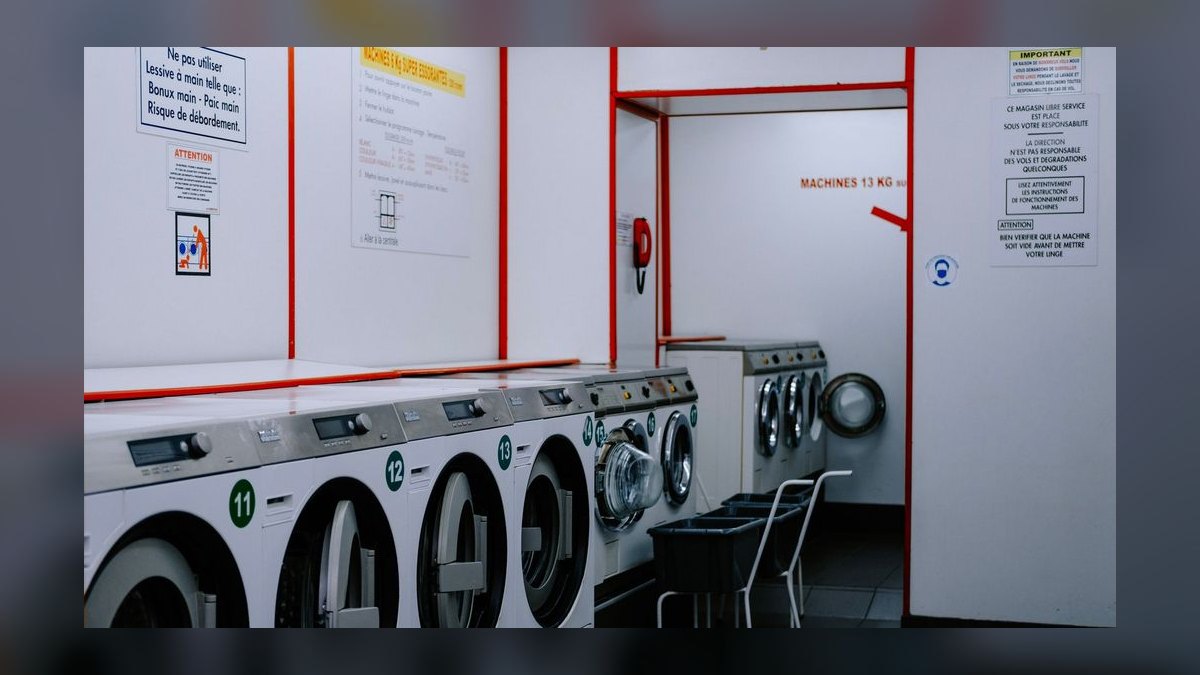
Phase 5: Soft launch and marketing (1 month). Open with a soft launch: reduced hours, no grand opening event, and a focus on troubleshooting operational issues. Offer a promotional price (e.g., 20% off all cycles for the first two weeks) to attract initial traffic. Distribute flyers to nearby apartment complexes, post on local Facebook groups, and offer a referral discount. Collect customer feedback on machine performance, cleanliness, and pricing.
Phase 6: Full operations and optimization (ongoing). After 30–60 days, review machine utilization data from your payment system. Adjust pricing on underutilized machines, move machines if possible, and add services (wash-dry-fold, drop-off, or commercial laundry for local businesses) based on demand. Establish a maintenance schedule: daily cleaning, weekly machine inspections, monthly deep cleaning, and quarterly professional servicing of all equipment.
Related questions
What is the average profit margin for a laundromat business?
Net profit margins for laundromats typically range from 15% to 35% of gross revenue. Attended locations with higher service revenue often land at the lower end due to labor costs, while unattended locations can reach the upper end. Your margin depends heavily on rent, utility rates, and machine efficiency.
How much does it cost to buy an existing laundromat versus starting one?
Buying an existing laundromat costs $150,000–$800,000 depending on size, equipment age, and location, but you gain an established customer base and immediate cash flow. Starting from scratch costs $200,000–$500,000 and takes 6–12 months before opening, but you avoid inheriting outdated equipment or a declining trade area.
What are the biggest risks of opening a laundromat in 2027?
The biggest risks are oversaturated markets, rising utility costs, equipment breakdowns, and competition from apartment complexes installing in-unit washers. Additionally, inflation in 2027 may suppress discretionary spending on wash-dry-fold services, and higher interest rates increase your financing costs. Mitigate these by choosing a location with high renter density and no nearby competitors.
How long does it take for a laundromat business to become profitable?
Most laundromats break even within 6–18 months of opening. The first three months are the hardest as you build customer habits. By month 12, you should see consistent monthly profits, and by month 24, you should have recouped 20–40% of your initial investment if the location performs as projected.
Do I need experience in the laundry industry to open a laundromat?
No formal experience is required, but you need basic mechanical aptitude for machine troubleshooting and strong business management skills. Many first-time owners succeed by hiring an experienced technician for maintenance and taking a part-time course on commercial laundry operations. The learning curve is steepest in the first six months.
FAQ
Can I run a laundromat business while keeping my full-time job?
Yes, but only if you choose an unattended or semi-attended model. Unattended locations require just 5–10 hours per week for restocking, cleaning, and checking the payment system. Semi-attended requires hiring a reliable part-time attendant for peak hours. An attended model is not feasible while working full-time because daily cash handling and supervision are required.
What is the realistic revenue for a small laundromat in a mid-sized town?
A 1,000–1,500 square foot laundromat with 15–20 machines in a town of 50,000–100,000 people typically generates $4,000–$8,000 in monthly gross revenue. After rent ($1,000–$2,000), utilities ($600–$1,200), and maintenance ($200–$400), net profit is $1,000–$3,000 per month. This is a part-time income, not a full-time replacement, unless you add wash-dry-fold services.
Should I offer wash-dry-fold services to increase revenue?
Yes, if you can staff it. Wash-dry-fold services generate $2–$4 per pound and can add 10–20% to your gross revenue. However, they require 2–4 hours of labor per 100 pounds of laundry, which means you need either your own time or a reliable attendant. Start with a small offering—one day per week—and scale up based on demand.
How do I price my machines in 2027?
Price your washers at $3–$6 per load and dryers at $0.25–$0.50 per 10 minutes. Check competitor prices within a two-mile radius and undercut them by 10–15% during your first three months. After you build a customer base, adjust prices to match the local market. High-efficiency front-loaders can command a $1–$2 premium over top-loaders.
What insurance do I need for a laundromat business?
You need commercial general liability insurance (covering slips, falls, and property damage) at $1,000,000 per occurrence, property insurance for your building contents and equipment, and equipment breakdown coverage for your washers and dryers. Expect to pay $200–$500 per month. If you have employees, you also need workers' compensation insurance.
Can I use cryptocurrency or mobile payments in my laundromat?
Yes, most modern card systems in 2027 support mobile wallet payments (Apple Pay, Google Pay) and some accept cryptocurrency. However, cash and credit/debit cards remain the dominant payment methods. Mobile payments reduce cash-handling risks and appeal to younger customers, but they require a reliable internet connection and a payment processor that supports your chosen method.
Sources
- https://www.sba.gov/business-guide/plan-your-business/write-your-business-plan
- https://www.entrepreneur.com/money-finance/how-to-start-a-laundromat-business
- https://www.investopedia.com/articles/personal-finance/062316/how-start-laundromat-business.asp
- https://www.businessnewsdaily.com/10213-start-a-laundromat.html
- https://www.score.org/resource/blog-post/how-start-laundromat-business
- https://www.laundromatassociation.org/
- https://www.census.gov/data/tables/time-series/demo/income-poverty/historical-income-households.html
- https://www.energystar.gov/products/laundry_equipment
- https://www.nfib.com/content/resources/business-resources/laundromat-business/
- https://www.thebalancesmb.com/how-to-start-a-laundromat-business-2951712
Related on PULSE
- [Should I open a wedding planning business in 2027?](/knowledge/fr0563)
- [Should I open a event planning business in 2027?](/knowledge/fr0564)
- [Should I open a landscape design business in 2027?](/knowledge/fr0582)
- [Should I open a home staging business in 2027?](/knowledge/fr0584)
- [Should I open a HVAC repair business in 2027?](/knowledge/fr0588)
- [Should I open a process serving business in 2027?](/knowledge/fr0570)
This page will be disappearing soon. Save it to your device for $1 — or read it free while it is here.
@Kory-White- · if Venmo asks, the last 4 of my number are 2012
 franchiseShould I open or buy a DoodyCalls franchise in 2027?
 franchiseShould I open a financial advisory practice in 2027?
 franchiseShould I open or buy a Sky Zone trampoline park franchise in 2027?
 franchiseShould I open or buy a One Hour Heating & Air Conditioning franchise in 2027?
 franchiseShould I open or buy a Mission BBQ franchise in 2027?
 franchiseShould I open or buy a Bubbakoo's Burritos franchise in 2027?
 franchiseShould I open or buy a Visiting Angels franchise in 2027?
 franchiseShould I open or buy an Interim HealthCare franchise in 2027?
 franchiseShould I open or buy a Checkers franchise in 2027?
 franchiseShould I open or buy a Mo' Bettahs Hawaiian Style Food franchise in 2027?