
Should I open or buy an Interim HealthCare franchise in 2027?
 Curated byKory White · Fractional CRO · Maryland
 PULSEKNOWLEDGE LIBRARY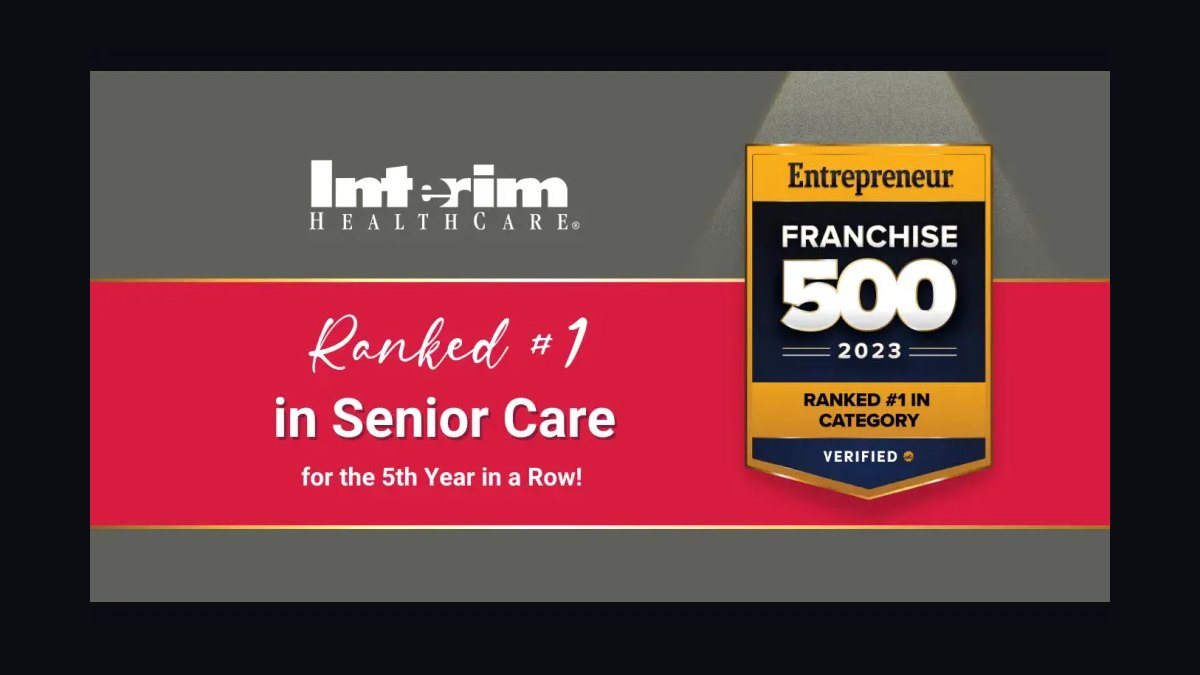
Yes, if you can fund $125,000–$250,000, staff both caregivers and licensed clinicians, and manage Medicare-certification complexity — Interim HealthCare's four-line model (non-medical care, medical home health, hospice, staffing) gives 2027 buyers the broadest revenue base in home care, with mature agencies grossing $1.5M–$6M and owners clearing $150K–$700K, but only if licensing and staffing execution keep pace with the model's breadth.
A Concrete Scenario: The Operator Who Adds a Second Line
Picture a prospective owner in a mid-size metro — say a county of 250,000 residents — who has run a small home-care staffing agency for six years. She knows non-medical scheduling cold: matching caregivers to shifts, handling family intake calls, managing overtime. What she has never done is bill Medicare, pass a state survey, or hire a director of nursing. That gap is exactly the decision point an Interim HealthCare franchise forces on day one, because the brand is not sold as a single-line agency — it is sold as a platform that expects you to eventually run non-medical care, medical home health, hospice, and healthcare staffing under one roof.
In year one, she opens with the non-medical line only, because it requires no state medical license and can start taking clients within 60–90 days of signing. She spends the first two quarters building a referral base with discharge planners at two hospitals and a handful of assisted-living communities, while quietly assembling the infrastructure — a clinical director candidate, a scheduler, a billing specialist — that medical home health will require. By month nine, she applies for Medicare certification, which typically takes another two to four months of paperwork, site surveys, and policy documentation before the first reimbursable visit is billed. By month fourteen, both lines are live, and healthcare staffing — placing nurses and aides with hospitals and skilled-nursing facilities under separate contracts — comes online a few months later because it depends on relationships she is still building with local facility administrators.
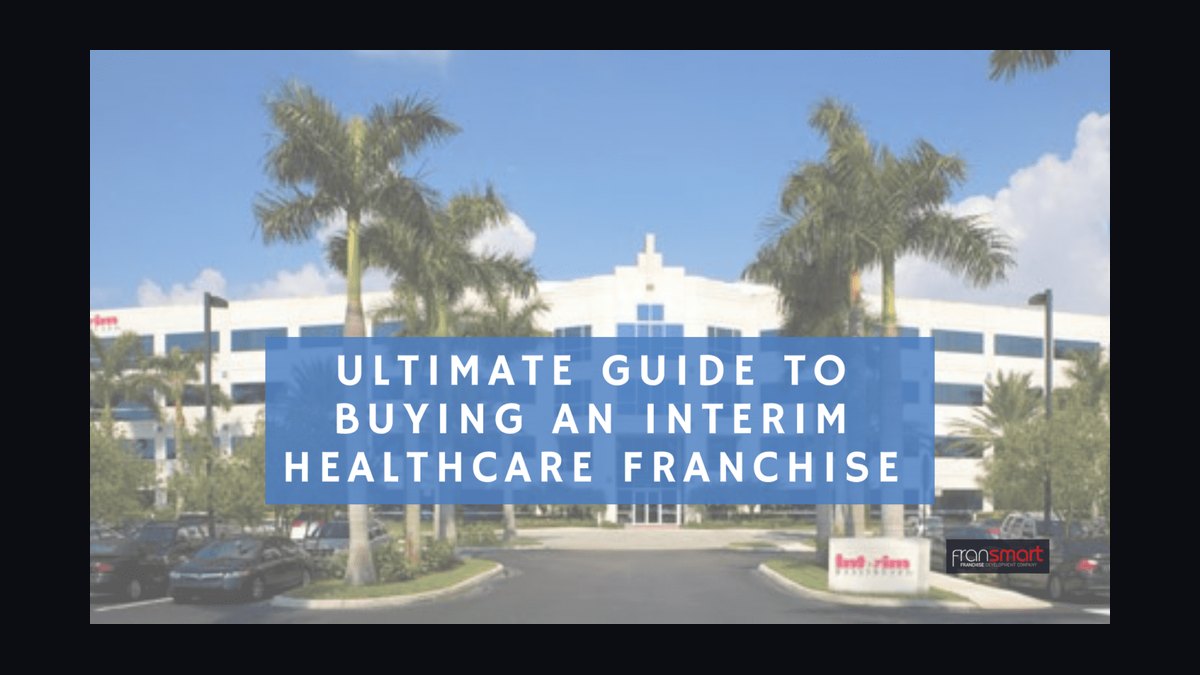
This staged approach is the realistic version of "opening an Interim HealthCare franchise" in 2027. Almost nobody launches all four lines simultaneously, because the licensing, staffing, and billing systems for each line are different enough that trying to stand them up at once multiplies the operational risk. The franchise's value is not that you get four businesses for one fee — it's that you get one brand and one back-office relationship that lets you add lines sequentially as your team and capital allow, each new line increasing the revenue ceiling without requiring you to build a new operating system from scratch.
How the Multi-Line Revenue Engine Actually Works
The mechanics of why Interim HealthCare franchisees can reach a higher revenue ceiling than single-line competitors come down to how each line is funded and who pays for it. Non-medical home care is private-pay or long-term-care-insurance funded — the client or their family writes the check, margins are predictable, but growth is capped by local household wealth and caregiver headcount. Medical home health is funded primarily through Medicare Part A under a cost-report reimbursement model, which pays more per visit than private-pay non-medical care but requires passing state licensure, Medicare certification, and periodic compliance audits before a single dollar is collected. Hospice draws on a separate Medicare benefit with its own certification track. Healthcare staffing is funded by contracts with hospitals, skilled-nursing facilities, and other institutions that need supplemental nurses and aides — a business-to-business relationship rather than a consumer one.

Because these four funding sources don't move together, a franchisee who runs all four is diversified against demand shocks in any single line: a slowdown in private-pay referrals doesn't necessarily hit a Medicare-funded medical home health census, and a staffing contract with a hospital can offset a soft quarter in hospice admissions. The trade-off is that each funding source comes with its own billing system, its own compliance calendar, and its own staffing requirements — which is why the operational lift rises with every line added, even though the revenue ceiling rises too.
Real Numbers: Investment, Revenue, and Timelines
The 2026 FDD sets the franchise fee at roughly $50,000, with total Item 7 investment landing between $125,000 and $250,000 depending on how many lines you open at launch — non-medical-only starts tend toward the lower end, while operators funding medical home health infrastructure from day one land near the top. Within that range, office setup typically runs $10,000–$35,000, technology and clinical-management systems $8,000–$25,000, initial marketing and lead generation $20,000–$50,000, training and travel $12,000–$32,000, licensing and insurance $15,000–$50,000, and working capital — the buffer that covers payroll and accounts-receivable float before reimbursements start arriving — $40,000–$100,000. Royalties run approximately 4%–6% of gross revenue, plus a marketing fee near 2%.

Revenue scales with how many lines are running and how mature the territory is. A single-territory operation running non-medical care only tends to produce $80,000–$150,000 in annual owner profit. Add two or three lines and that range moves to $200,000–$500,000. A full-service agency running all four lines at scale can clear $400,000–$700,000 or more, consistent with the top end of the mature-agency range of $1.5M–$6M in gross revenue. Timelines matter as much as the ceiling: non-medical care can start generating $30,000–$80,000 a month within the first year, but medical home health and hospice typically need 6–12 months of licensing and certification work before they contribute meaningfully, at which point they can add $100,000–$400,000 a month once fully operational. Staffing can begin within 90 days but depends on landing facility contracts, commonly reaching $50,000–$200,000 a month by year two.
Most franchisees should plan on a 12–24 month ramp to positive cash flow and 18–30 months to full break-even, and the FDD's Item 19 data typically shows a meaningful gap between top-quartile performers (gross revenues of $4M–$7M) and median performers ($2M–$3.5M) — with only an estimated 35–40% of franchises reaching profitability within the first 24 months, a slower curve than single-service home-care concepts because of the added licensing runway.

Trade-Offs Against Amada, BrightStar, and Going Independent
Weighing an Interim HealthCare franchise in 2027 means weighing it against three realistic alternatives: a non-medical-only franchise (Amada Senior Care, FirstLight Home Care, Home Helpers, Visiting Angels, Home Instead), a medical-plus-non-medical competitor (BrightStar Care), or an independent agency with no brand at all. Non-medical-only franchises are simpler to launch — no Medicare certification, lower working-capital needs, and a shorter path to first revenue — but they cap out lower, because private-pay and long-term-care-insurance billing rates are structurally below Medicare reimbursement for skilled care. BrightStar Care occupies similar territory to Interim in combining medical and non-medical lines, so the comparison there comes down to territory availability, franchise fee structure, and how each brand's field-support team handles Medicare compliance — worth direct diligence with both franchisors' Item 19 disclosures rather than assuming either is categorically better. Going independent removes royalty and marketing-fee drag (roughly 6%–8% of gross combined) and gives full control over branding and line selection, but forfeits the franchisor's licensing playbook, national payer relationships, and brand recognition with hospital discharge planners — recognition that matters more for a 1966-founded brand than for a newer concept.
The practical decision hinges on your own staffing and compliance appetite. An operator confident in caregiver recruiting but new to clinical licensing should seriously weigh starting with Interim's non-medical line only and adding medical home health in year two, rather than treating the multi-line model as an all-or-nothing commitment. An operator who already runs a licensed home-health agency independently may find the franchise fee and royalty a harder sell, since they're already paying the operational cost of complexity without a brand premium to show for it.

Common Pitfalls in the First 18 Months and How to Avoid Them
The single most common failure mode is underestimating clinical staffing once a medical line opens. Non-medical caregiver turnover already runs 40%–60% annually industry-wide, and adding licensed nurses and therapists to the recruiting mix compounds the problem — clinicians have more employment options and are harder to replace quickly. Franchisees who treat clinical hiring as an extension of caregiver hiring, rather than building a dedicated recruiting and retention process for licensed staff, tend to hit staffing shortfalls right as their medical-line census starts to grow, which forces them to turn away referrals at the exact moment the line should be paying off its licensing investment.
The second pitfall is going into Medicare certification underprepared for the documentation burden. A single failed audit or gap in infection-control documentation can freeze reimbursement for 30–90 days — a cash-flow shock that catches operators who assumed certification was a one-time hurdle rather than an ongoing compliance obligation. The fix is building out the office staff — typically a clinical director, a scheduler, and a billing specialist at minimum — before the medical line goes live, not after, and treating the franchisor's field consultants (who typically visit quarterly) as a resource to use proactively rather than only when something has already gone wrong.
The third pitfall is territory mismatch. Interim's multi-line model needs a population base of roughly 150,000–500,000 residents to be viable — smaller territories often can't support more than the non-medical line, and buyers who purchase a small rural territory expecting the full four-line model to work end up disappointed by referral volume and reimbursement rates that don't justify the medical-line overhead. The fourth pitfall is billing-system fragmentation: because non-medical care is private-pay and medical home health uses Medicare cost-report reimbursement, franchisees who try to run both through one simplified system often create reconciliation errors that surface months later as revenue leakage. Separate, purpose-built billing workflows for each funding source, set up before launch rather than retrofitted, avoid this. Finally, franchisees underestimate how long it takes to build hospital and physician referral relationships for the medical lines — plan on 6–12 months of relationship-building with discharge planners and case managers before referral volume becomes dependable, and don't assume brand recognition alone will substitute for that legwork.
Related questions
How long does it take to open a franchise and break even in 2027?
Non-medical-only home-care franchises can break even within 12–18 months. Interim's multi-line model typically takes 18–30 months because medical home health and hospice require Medicare certification before they generate revenue.
Do I need a nursing or clinical background to buy an Interim HealthCare franchise?
Not strictly, but you'll need to hire or partner with a clinical director early. Owners without healthcare management experience should budget extra time for learning licensing and compliance before opening a medical line.
Can I run only the non-medical line and skip medical home health entirely?
Yes. Many franchisees launch non-medical only and add medical home health, hospice, or staffing later once the base business is stable and working capital allows for the licensing investment.
How does Interim HealthCare compare to BrightStar Care for a 2027 buyer?
Both combine medical and non-medical lines. The real differences are territory availability, franchise fee and royalty structure, and each brand's field support for Medicare compliance — compare both Item 19 disclosures directly.
What population size does a territory need to support all four Interim lines?
Roughly 150,000–500,000 residents is the sweet spot cited for multi-line viability. Smaller territories often can only sustain the non-medical line profitably.
FAQ
What does an Interim HealthCare franchise actually cost in 2027? The franchise fee is around $50,000, and total initial investment (Item 7) ranges from roughly $125,000 to $250,000, with higher costs if you add medical home health or hospice lines at launch. Ongoing royalties run about 4%–6% of revenue plus a marketing fee near 2%.
How much money can an Interim HealthCare franchise owner make? Mature agencies typically gross $1,500,000 to $6,000,000+ annually, with owner earnings ranging from $150,000 to $700,000. Actual profit depends heavily on how many lines are running, territory size, and staffing execution.
What makes Interim HealthCare different from other home-care franchises? It offers a uniquely broad multi-line model combining non-medical home care, skilled medical home health, hospice, and healthcare staffing, capturing several revenue streams instead of relying on one. That diversification is the brand's core differentiator versus non-medical-only competitors.
Is healthcare or clinical experience required to open this franchise? It isn't strictly mandatory, but operational healthcare-business background is strongly recommended given the medical-line licensing, Medicare compliance, and clinical staffing involved. Owners typically hire a clinical director to fill any personal experience gap.
How long does it take to become profitable with an Interim HealthCare franchise? Most franchisees reach positive cash flow within 12 to 24 months, and full break-even within 18–30 months, depending on how many lines they run and how quickly referral relationships and Medicare certification come together.
What are the biggest challenges of owning an Interim HealthCare franchise? Recruiting and retaining both caregivers and licensed clinical staff, navigating state and Medicare licensing for medical lines, and managing multiple billing systems across private-pay and Medicare-funded revenue are the recurring operational hurdles.
Sources
- Entrepreneur — Franchise 500 and Interim HealthCare franchise listing: https://www.entrepreneur.com/franchises/directory
- IBISWorld — Home Care Providers in the US industry report: https://www.ibisworld.com/united-states/industry/home-care-providers/
- Statista — Home healthcare services market data: https://www.statista.com/topics/1794/home-healthcare/
- Home Care Association of America — industry staffing and demand data: https://www.hcaoa.org/
- Franchise Business Review — healthcare franchise owner satisfaction surveys: https://franchisebusinessreview.com/
- International Franchise Association — franchise economic outlook reports: https://www.franchise.org/
- Centers for Medicare & Medicaid Services — home health agency certification requirements: https://www.cms.gov/medicare/health-safety-standards/certification-compliance/home-health-agencies-hha
- U.S. Census Bureau — aging population and healthcare spending data: https://www.census.gov/topics/population/older-aging.html
- U.S. Small Business Administration — franchise financing guidance: https://www.sba.gov/business-guide/plan-your-business/franchise-business
- National Hospice and Palliative Care Organization — hospice industry data: https://www.nhpco.org/
Related on PULSE
- [How long does it take to open a franchise and break even in 2027?](/knowledge/fr1104)
- [Should I open or buy a Tommy Gun's Original Barbershop franchise in 2027?](/knowledge/fr1095)
- [Should I open or buy a Painting with a Twist franchise in 2027?](/knowledge/fr1058)
Read it free — or make it yours for $1.
@Kory-White- · if Venmo asks, the last 4 of my number are 2012
 franchiseShould I open or buy a Little Caesars franchise in 2027?
 franchiseShould I open or buy a Visiting Angels franchise in 2027?
 franchiseShould I open or buy a Stratus Building Solutions franchise in 2027?
 franchiseShould I open or buy a Closets by Design franchise in 2027?
 franchiseShould I open or buy a Mo' Bettahs Hawaiian Style Food franchise in 2027?
 franchiseShould I open or buy a Sky Zone trampoline park franchise in 2027?
 franchiseShould I open or buy a Schlotzsky's franchise in 2027?
 franchiseShould I open or buy a Johnny Rockets franchise in 2027?
 franchiseShould I open or buy a Fit Body Boot Camp franchise in 2027?
 franchiseShould I open or buy a Cooper's Hawk Winery & Restaurants franchise in 2027?