

Should I open or buy a Public Storage franchise in 2027?
 Curated byKory White · Fractional CRO · Maryland
Quality
Certified
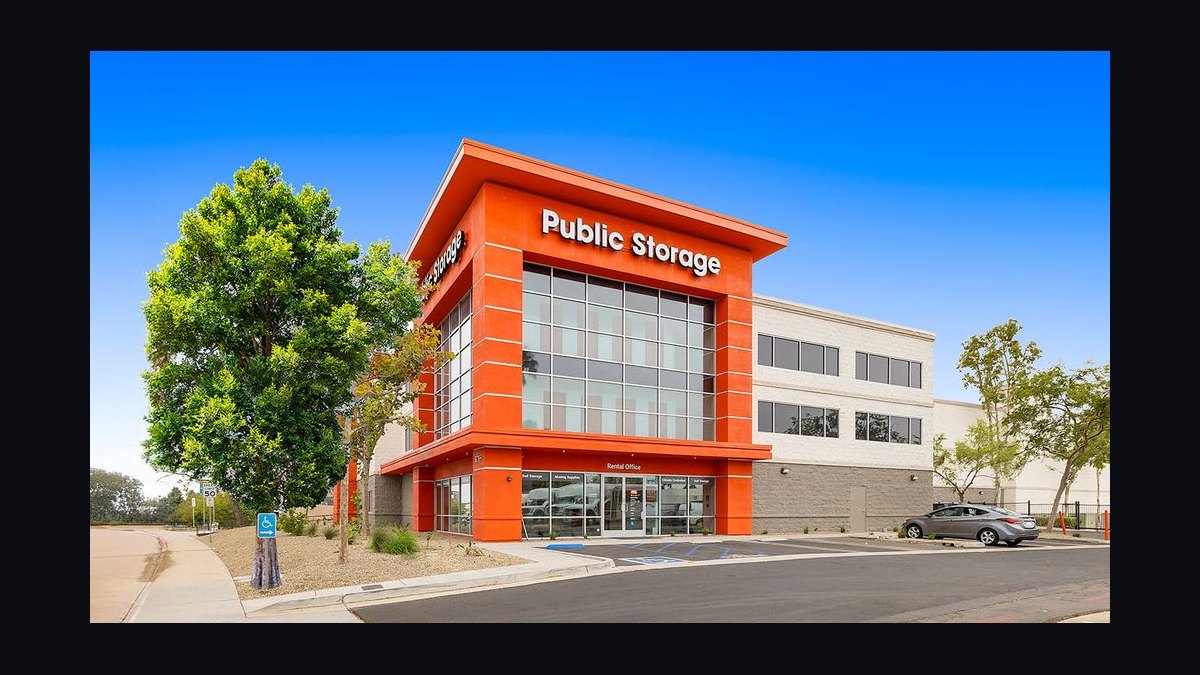
You cannot buy a Public Storage franchise — Public Storage does not franchise. It is a publicly traded self-storage REIT (NYSE: PSA) that owns and operates its facilities directly. To open self-storage in 2027 you either develop or buy an independent facility, join a third-party management program, or buy PSA shares for passive exposure.
The outcome you should expect
Set expectations correctly before spending a dollar on feasibility work, because the most common mistake in this category is assuming a franchise path exists. It does not. Public Storage is a real estate investment trust listed on the New York Stock Exchange under the ticker PSA. Its model is to own the real estate, own the brand, and capture the operating margin itself. There is no franchise disclosure document, no initial franchise fee, no territory grant, and no royalty schedule, because nothing is being franchised. If a website offers you a "Public Storage franchise opportunity," treat it as a lead-generation scam or an unaffiliated broker misusing the name, and walk away.
That correction improves your position rather than closing a door. Self-storage is one of the few real-asset categories where an independent operator can compete respectably against national brands, because the customer's decision set is dominated by drive-time, price, unit availability, and online booking friction — not brand loyalty. Nobody drives past a closer, cheaper facility to reach a specific logo the way they might for a coffee brand. The franchise-style benefits you were probably chasing — a recognized name, a booking engine, revenue management, a national call center, and marketing spend — are all purchasable à la carte, without giving up equity or paying perpetual royalties on a business you built.
So the realistic outcome of pursuing self-storage in 2027 takes one of four shapes. First, you develop from raw land: highest cost, longest timeline, highest potential return, and the highest chance of getting killed by a municipal moratorium. Second, you buy an existing facility, ideally an underperforming independent with obvious operational upside — no online booking, no dynamic pricing, no tenant insurance program, physical occupancy high but rate per square foot 20 to 30 percent under market. Third, you build or buy and then sign a third-party management agreement with a national brand, which gets you the sign, the platform, and the traffic in exchange for a management fee. Fourth, you skip the operating headache and buy the REIT.

The honest expectation across the operating paths: this is a real estate business wearing a retail costume. Your returns come from lease-up velocity, rate management, expense discipline, and the eventual cap-rate exit — not from a franchisor's playbook. Plan for a multi-year lease-up on new development, meaningful negative cash flow in year one, and a business that becomes genuinely low-labor and high-margin only after you cross stabilization. If you want a turnkey system with a manual and a hotline, self-storage will frustrate you. If you want an asset you control outright, this is one of the better ones.
An adjacent point worth absorbing: the same "there is no franchise" answer applies to most large self-storage names you would recognize from the highway. The dominant players in the sector are REITs and institutional operators, and their growth model is acquisition and third-party management, not franchising. The franchise model in real estate tends to appear where the operator does not own the dirt — brokerage, hotels, some senior living — because the franchisor is selling a brand and a reservation system to an owner who supplies the building. In self-storage, the biggest brands decided owning the building was the whole point.
What drives that outcome
The economics of a self-storage facility rest on a small number of levers, and understanding them explains why the national operators keep buying rather than franchising. The first lever is rate per square foot per month. Storage is priced by unit, but you should underwrite by square foot, because a 5x10 at a given monthly rate is a wildly different revenue-per-foot outcome than a 10x30 at a proportionally scaled rate. Smaller units almost always yield more per foot, which is why unit mix design matters more than total building size.

The second lever is physical versus economic occupancy. Physical occupancy is how many square feet are rented. Economic occupancy is what you actually collect against gross potential rent, after concessions, discounts, and delinquency. An operator bragging about being ninety-plus percent full while running perpetual first-month-free promotions and never raising existing-customer rates is running a full building and a mediocre business. The gap between those two numbers is the single fastest diagnostic when you tour an acquisition target.
The third lever is the existing-customer rate increase, sometimes called the ECRI. This is the operational engine of the entire modern sector. A tenant signs at a promotional street rate, gets settled, and then receives scheduled increases at intervals. Because the cost of moving a garage worth of belongings across town to save a modest monthly amount is high in time and hassle, storage demonstrates unusually low price elasticity after move-in. Sophisticated operators run this systematically with software. Mom-and-pop operators often never do it at all, which is precisely why an independent facility can look cheap on current income and expensive on stabilized income.
The fourth lever is ancillary revenue: tenant protection or insurance programs, late fees, administrative fees, lock and box sales, and truck rental partnerships. Tenant protection in particular is high-margin and is one of the clearest immediate upgrades a new owner can make to an acquired independent property.
The fifth lever is expense structure. Self-storage has an unusually favorable expense profile compared to other commercial real estate — no tenant improvement allowances, no leasing commissions on a per-deal basis, minimal build-out between tenants, and a labor model that can run on part-time staffing or, increasingly, remote and kiosk-based management. Your real expense lines are property taxes, insurance, marketing and online acquisition, payroll, repairs, and the management fee if you use a third party.

The sixth lever, and the one that ruins otherwise sound deals, is local supply. Storage demand is intensely local — most tenants come from a small radius around the facility, commonly a few miles in suburban markets and considerably less in dense urban ones. That means a single new competitor opening within your trade area can suppress your street rates for years. The national operators have data teams tracking permits and pipeline. You need the equivalent: call the planning department, pull recent approvals and pending applications for storage use, and drive the trade area looking for graded pads and construction signage.
The seventh lever is demand drivers, which are more varied than people assume. Residential mobility and household formation matter, but so does small business use, which is a large and sticky segment — contractors, e-commerce sellers, medical and pharmaceutical reps, and trades storing tools and inventory. Business tenants tend to stay longer, tolerate rate increases better, and rent larger units. Vehicle, boat, and RV storage is an adjacent product with different economics: lower revenue per foot but dramatically lower construction cost per foot, which can pencil beautifully on cheap land at the edge of a growing market.
Benchmarks and realistic ranges
Treat every number here as a planning range to be replaced with local quotes and real data from your own market, not as a forecast. Costs vary enormously by geography, land pricing, jurisdiction, and building type, and 2027 conditions will differ from any historical average.
On facility scale, a conventional single-story drive-up facility is often planned in the range of forty to sixty thousand net rentable square feet, while multi-story climate-controlled facilities in denser markets commonly run larger. Net rentable square footage typically lands well below gross building area once hallways, offices, stairwells, and elevators are removed — the efficiency ratio is one of the first things to check on any pro forma someone hands you, because a pro forma quoting gross square feet at rentable rates is either sloppy or dishonest.
On development cost, land is the wildcard and can range from a small fraction of total project cost on rural or exurban parcels to the dominant line item in infill urban locations. Vertical construction for climate-controlled multi-story is meaningfully more expensive per foot than single-story drive-up, and the gap widens with elevator count, fire suppression requirements, and structural systems. Soft costs — architecture, engineering, civil, entitlement, impact fees, legal, and financing costs — are routinely underestimated by first-time developers and can consume a substantial share of the budget on their own.
On lease-up, a new facility does not fill overnight. Typical planning assumes a gradual monthly absorption of net rentable square footage over a period measured in years rather than months to reach stabilized occupancy. During that period you are paying debt service, taxes, insurance, and marketing against partial revenue. Underwriting a new build without a properly modeled lease-up reserve is the most common way first-time developers get into trouble. Ask any lender: they will size an interest reserve precisely because they know this.
On acquisitions, the value-add math is usually more legible. Find a facility where the current owner has not raised rates in years, has no online booking, has no tenant protection program, and manages delinquency loosely. Your underwriting question is not "what does it earn today" but "what does it earn eighteen months after I install revenue management, a real website with online move-in, a tenant protection program, and a disciplined delinquency and auction process." That delta is where independent buyers make their money, and it is a delta a franchise fee could never buy you.
On financing, expect commercial terms rather than residential ones: a meaningful equity contribution, personal guarantees on smaller deals, and amortization schedules and term lengths that reflect commercial real estate norms. SBA programs are frequently used for owner-operated self-storage acquisitions and can allow lower down payments than conventional commercial loans, with the trade-off of more documentation, fees, and covenants. Construction financing on ground-up development typically comes as a construction loan converting to permanent debt, with the lender underwriting your lease-up assumptions skeptically.
On third-party management, the national operators run programs where they place their brand on your building and run operations for a management fee calculated as a percentage of gross revenue, plus pass-through costs for things like call center and platform access. The value proposition is real: their booking platforms and paid search presence drive a volume of inbound demand an independent website struggles to match, and their revenue management systems execute rate increases you might not have the discipline to run. The trade-off is fee drag, less control over pricing, and contract terms that can complicate a sale. Read the termination provisions carefully — that is where these agreements bite.

On the passive path, buying shares of a self-storage REIT gives you sector exposure with daily liquidity, professional management, and no operational obligation whatsoever. What you give up is control, leverage of your choosing, depreciation benefits flowing to you directly, and the value-add upside of fixing a badly run property. For many people who arrive asking about a "Public Storage franchise," the honest answer is that the REIT is the product they actually wanted: exposure to the sector without becoming an operator.
Risks, edge cases, and failure modes
The first and largest risk is oversupply in your specific trade area. The sector has gone through waves of heavy development, and markets that absorbed new square footage comfortably in one cycle have choked on it in another. Because the trade area is small, your exposure is not to national supply statistics but to the two or three parcels within a few miles that could plausibly be developed. Before you close on anything, map every existing competitor, every approved-but-unbuilt project, and every zoned parcel that could host storage.
The second risk is entitlement. Many municipalities have grown hostile to self-storage. The objections are consistent: storage generates little sales tax, employs almost nobody, produces low foot traffic, and often occupies commercially zoned land that a city would rather see hosting a restaurant or a retailer. Some jurisdictions have enacted outright moratoriums or restrictive overlays. You can spend real money on land control, architecture, and civil engineering only to have a planning commission tell you no. Mitigate this by treating entitlement as the first gate, not a later step: pre-application meetings, a contract with entitlement contingencies, and a hard walk-away date.

The third risk is the fake-franchise trap itself. Because "Public Storage franchise" is a term people search for, opportunistic sites and brokers build content around it. Some are harmless SEO plays. Others are lead-capture funnels that hand your contact information to whoever pays, or outright advance-fee scams. The tell is always the same: a legitimate franchisor must provide a franchise disclosure document before taking money, and there is no such document for a company that does not franchise. If anyone asks for a deposit to "reserve a territory" for a brand that does not franchise, that is fraud.
The fourth risk is confusing occupancy with health. A facility at ninety-five percent physical occupancy may be badly underpriced — full because it is cheap. A facility at eighty percent with strong rate per foot and disciplined increases can be worth considerably more. When you tour, pull the rent roll, sort by move-in date, and compare what long-tenured customers pay against current street rates. A rent roll where a five-year tenant pays the same as a new one is either a red flag about the seller or a green flag about your upside, depending on how you underwrite it.
The fifth risk is deferred maintenance disguised by cosmetics. Roofs, doors, pavement, drainage, and security systems are the expensive items. Door replacement across a large facility is a meaningful capital number. Drainage problems produce water intrusion, which produces damaged tenant goods, which produces claims and reputation damage that show up in the reviews that drive your online conversion. Inspect during or right after rain if you can.
The sixth risk is the auction and lien process. Every state has statutory requirements governing how you handle delinquent tenants and dispose of their property, including notice requirements and advertising rules. Getting this wrong exposes you to liability. It is not complicated, but it is procedural, and it must be documented consistently. This is one area where third-party management genuinely earns its fee for a first-time owner.
The seventh risk is insurance and climate exposure. Property insurance costs in certain regions have risen sharply, and a pro forma built on a stale insurance quote can be materially wrong. Get a current quote from a broker who writes self-storage specifically, on the actual address, before you finalize underwriting.
The eighth risk is your own labor assumption. Self-storage is marketed as passive. It is not passive during lease-up, not passive during a repositioning, and not passive if you self-manage without systems. Remote management and kiosk models have made lean staffing viable, but "lean" is not "none," and the properties that quietly decay are usually the ones where the owner assumed nobody needed to be watching.
The edge case worth naming: conversions. Vacant big-box retail, older industrial buildings, and obsolete office product get converted to storage regularly. Conversions can deliver excellent basis and fast delivery relative to ground-up, but they carry their own hazards — structural floor loading, column spacing that wrecks your unit mix efficiency, sprinkler and fire code upgrades, and ADA compliance. Have a storage-experienced architect walk any conversion candidate before you sign.
A practical rollout plan
Start with the decision itself rather than with a property. Write down honestly which of the four paths you actually want: passive REIT ownership, acquisition of an existing facility, ground-up development, or acquisition plus third-party management. These are different businesses with different capital, time, and skill requirements, and people who skip this step tend to drift into the most expensive one by accident.
If you choose an operating path, define your market before you look at listings. Pick a geography you can physically visit regularly. Build a simple supply map: every storage facility within a defined radius, its brand, approximate square footage, and current advertised rates for the two or three most common unit sizes. Advertised rates are public — pull them from each competitor's own booking page. This exercise, done properly across a weekend, tells you more about a market than any purchased report.
Next, get your capital and financing conversations started early. Talk to at least two commercial lenders and one SBA-preferred lender before you have a deal, so you know your realistic leverage, guarantee requirements, and timeline. Lenders who know self-storage will also tell you frankly what they are seeing in your market, which is free intelligence.

Then run the path-specific work. For acquisitions: letter of intent, then diligence — rent roll, trailing twelve months of financials, tax bills, insurance loss runs, environmental review, survey, title, roof and pavement condition, and a management transition plan. Verify the rent roll against actual bank deposits; do not accept a seller's spreadsheet as truth. For development: land control with contingencies, pre-application meeting with planning, civil feasibility, then design, entitlement, permitting, construction financing, and build.
Once you own the asset, the first ninety days determine most of your value creation. Install online move-in if it does not exist — a meaningful share of storage demand now converts on a phone without ever speaking to a person, and a facility without frictionless online rental is leaving money on the table daily. Claim and optimize the Google Business Profile, because local map results drive an outsized share of inbound calls and clicks in this category. Set up a proper revenue management practice, even a manual one: street rates reviewed against competitors on a schedule, and existing-customer increases run on a defined cadence rather than whenever you remember. Launch a tenant protection program. Tighten delinquency procedure to statutory timelines.
Then measure the right things. Track economic occupancy, not just physical. Track rate per square foot by unit size, so you can see which parts of your mix are underpriced. Track move-in and move-out counts monthly, because net absorption is your real leading indicator. Track cost per rental from paid search separately from organic. Track average length of stay, which tells you whether your rate increases are pushing tenants out faster than the increases are worth.
Finally, plan the exit before you need it. Self-storage trades on capitalized net operating income, so every dollar of durable NOI you add is worth a multiple of itself at sale. That is the argument for doing the unglamorous operational work: revenue management and expense discipline are not just this year's cash flow, they are the sale price. If you eventually want to sell to an institutional buyer, keep clean books, clean environmental records, clean lien and auction documentation, and a rent roll that survives scrutiny.
Related questions
Does any major self-storage brand offer franchises?

The dominant national self-storage names operate primarily as REITs or institutional owner-operators and grow through acquisition and third-party management rather than franchising. Some smaller or regional brands have used licensing or affiliate models. Verify any claim by asking for the franchise disclosure document.
What is third-party management and how is it different from a franchise?
You own the real estate and hire a national operator to run it for a fee, usually a percentage of gross revenue plus pass-throughs. You get the brand, booking platform, and revenue management without buying a territory. Unlike a franchise, there is no initial franchise fee or royalty on a business you built.
Is it cheaper to buy an existing facility or build new?
Buying existing usually costs less upfront in time and risk and produces income immediately, while development can create more value if land is cheap and entitlement clears. Most first-time owners are better served buying an underperforming independent facility and fixing its operations.
How long does a new self-storage facility take to fill?
Lease-up is measured in years, not months, for a ground-up facility in a competitive market. Absorption depends on local supply, population growth, unit mix, and marketing spend. Budget an interest and operating reserve to carry the property through the entire lease-up period.
Can I get self-storage exposure without operating anything?
Yes. Buying shares in a listed self-storage REIT gives you sector exposure with liquidity and zero operational work. You forgo control, chosen leverage, direct depreciation benefits, and value-add upside, but you also avoid entitlement risk, lease-up risk, and management obligations entirely.
FAQ

Can I open a Public Storage franchise in 2027?
No. Public Storage does not franchise, and no amount of searching will produce a legitimate franchise disclosure document for it. The company is a self-storage REIT that owns and operates its own facilities. Anyone selling you a "Public Storage franchise territory" is either confused or running a scam. Your real options are to develop, acquire, use third-party management, or buy the stock.
How much capital do I realistically need to open a self-storage facility?
Enough to cover land or purchase price, construction or capital improvements, soft costs, working capital, and a lease-up reserve — with commercial-grade equity down and likely a personal guarantee. The number varies dramatically by market and building type, so get real land pricing, a real construction estimate, and a real lender term sheet before you commit to any figure.
Is self-storage actually a passive investment?
Not during lease-up, not during a repositioning, and not without systems. It becomes relatively low-touch once stabilized with good software and either lean staffing or a management partner. Compared to multifamily or retail, tenant turnover is cheap and fast, which is the real source of the "passive" reputation.
What is the single biggest thing to check before buying an existing facility?
The gap between physical occupancy and economic occupancy, read alongside the rent roll sorted by move-in date. That comparison tells you whether the building is full because it is well run or full because it is underpriced — and underpriced is where your upside lives.
Should I use third-party management or self-manage?
If it is your first facility, or the property is out of easy driving range, third-party management is usually worth the fee for the platform traffic, revenue management discipline, and compliance handling. If you have storage experience, a local property, and the discipline to run rate increases consistently, self-managing keeps the fee.
What kills more self-storage deals than anything else?
Local supply and local entitlement. A single competing facility opening inside your small trade area can suppress rates for years, and a hostile planning commission can stop a project after you have spent real money. Both are knowable in advance if you do the legwork before you spend.
Sources
- https://investors.publicstorage.com/
- https://www.sec.gov/edgar/searchedgar/companysearch
- https://www.ftc.gov/business-guidance/industry/franchising
- https://www.sba.gov/funding-programs/loans/504-loans
- https://www.sba.gov/funding-programs/loans/7a-loans
- https://www.nareit.com/what-reit
- https://www.selfstorage.org/
- https://www.irs.gov/businesses/small-businesses-self-employed/starting-a-business
Related on PULSE
- Should I open or buy a U-Haul dealership in 2027?
- Should I open or buy a car wash in 2027?
- Should I open or buy a laundromat in 2027?
- Should I open or buy a mobile home park in 2027?
- Should I open or buy a RV and boat storage lot in 2027?
This page will be disappearing soon. Save it to your device for $1 — or read it free while it is here.
@Kory-White- · if Venmo asks, the last 4 of my number are 2012
This page is gone.
This one is off the shelf now. $1 keeps it on your phone for good — the whole page, pictures and diagrams included.
 franchiseShould I open or buy a Wing Zone franchise in 2027?
 franchiseBest vending machine franchises to buy in 2027
 franchiseShould I open or buy a KFC franchise or open an independent sandwich shop in 2027?
 franchiseShould I open or buy a Sundek franchise in 2027?
 franchiseShould I open or buy a Boston Market (re-do) franchise in 2027?
 franchiseShould I open or buy a Profile by Sanford franchise in 2027?
 franchiseShould I open or buy a Famous Dave's franchise in 2027?
 franchiseShould I open or buy a Peace Love and Little Donuts franchise in 2027?
 franchiseShould I open or buy a GarageExperts franchise in 2027?
 franchiseShould I open or buy a self-storage facility versus renting space in 2027?