


Should I open or buy a Taco Bell franchise or open an independent sandwich shop in 2027?
Quality
Certified
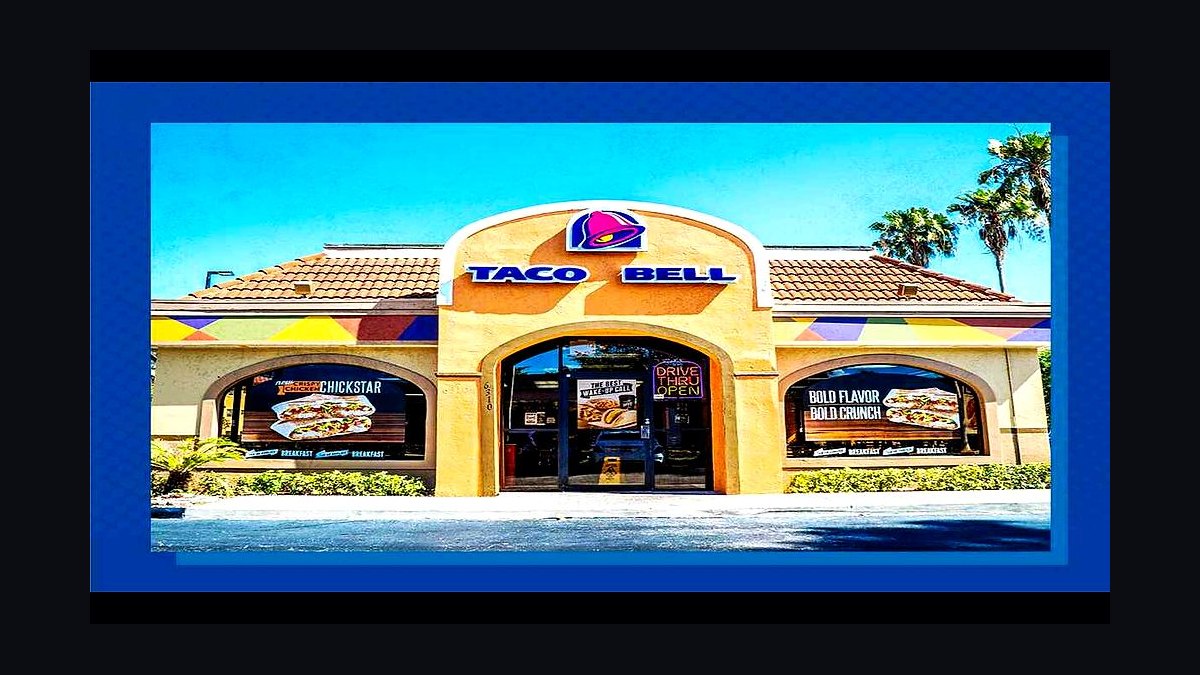
Buy the Taco Bell franchise if you want a proven system, faster time-to-profit, and can stomach a $1.2M+ investment plus ongoing royalties; open an independent sandwich shop if you have under $500K, want full creative and financial control, and are willing to build brand recognition from zero. Neither is "safer" — franchising trades cash and autonomy for predictability; independence trades predictability for upside and control.
The outcome you should expect
Choosing between a Taco Bell franchise and an independent sandwich shop in 2027 is really a choice between two different businesses wearing the same "restaurant" label. With a Taco Bell franchise, you are buying a repeatable operating system: a tested menu, a national supply chain, a marketing fund that runs national and regional media on your behalf, and a real estate and construction playbook that Yum Brands has refined across thousands of locations. The trade-off is that you're also buying obligations — a franchise fee historically around $45,000, an ongoing royalty near 5.5% of gross sales, and a required contribution to the national ad fund of roughly 4.25% of sales, on top of your own local marketing spend. Total investment to open a new Taco Bell has historically ranged from about $1.2 million to $3.7 million depending on format: a small in-line or end-cap unit sits at the low end, a traditional freestanding building with a drive-thru sits in the middle, and a Cantina-format unit with expanded seating and alcohol service sits at the top. You should expect the franchisor's approval process, site-selection criteria, and build-spec requirements to constrain your choices at every step — you are not designing a restaurant, you are executing one that already exists.
An independent sandwich shop is the opposite bet. You control the menu, the pricing, the hours, the vendors, and the brand voice completely, and your total investment can realistically land anywhere from $100,000 for a small leased space with used equipment to $500,000 for a ground-up build with full kitchen infrastructure. There is no royalty and no franchise fee, so 100% of your margin after operating costs is yours. But you also start with zero brand recognition, no negotiated national supply pricing, no proven site-selection data, and no marketing fund — every dollar of awareness has to be earned by you, one customer at a time. The realistic outcome most operators should plan for: the franchise path front-loads cost and constraint but back-loads risk reduction, while the independent path front-loads flexibility and low overhead but back-loads uncertainty about whether the concept, location, and marketing will actually pull in enough traffic.
What drives that outcome
The core driver is where you want predictability to sit in your business — at the front end (site selection, brand pull, supply chain) or at the back end (creative control, margin retention, exit flexibility). A franchise pushes predictability to the front: Yum Brands has already tested what makes a Taco Bell location work, so a franchisee is buying down site-selection and demand risk in exchange for fixed, recurring costs. An independent sandwich shop pushes predictability to the back: you retain full margin and control once the concept proves out, but nothing is proven out on day one — you are the one generating the data on whether your location, pricing, and menu actually work in your specific market.
A second major driver is capital access. Because Taco Bell is an established brand with a long financial track record, SBA lenders and conventional banks are generally more willing to underwrite a franchise loan — the brand itself functions as collateral of sorts, since the lender can look at comparable unit economics across thousands of existing stores. An independent sandwich shop has no such comparable data set; a lender is underwrying you and your specific concept, which typically means a smaller loan, a larger required down payment, or reliance on personal savings, family investment, or a shorter-term high-interest note. This financing gap is one of the most underestimated reasons franchise concepts dominate high-traffic real estate — landlords and lenders alike prefer the safety of a recognized brand's foot traffic.

A third driver is your personal skill set. Franchising rewards operational discipline: following a checklist, managing labor to a target percentage, hitting food-cost targets the franchisor already sets, and executing consistently. Running an independent shop rewards entrepreneurial skill: menu development, local marketing, vendor negotiation, pricing strategy, and the willingness to iterate on a concept that isn't handed to you finished. If you're strongest at systems execution, the franchise path plays to that strength; if you're strongest at building something from scratch and adapting fast, independence plays to that strength instead.
Benchmarks and realistic ranges
On the franchise side, plan for a franchise fee near $45,000 per unit, a royalty around 5.5% of gross sales, and an ad fund contribution near 4.25%, for a combined recurring cost of roughly 10% of top-line revenue before you've paid rent, labor, or food cost. Liquid capital requirements historically sit in the $750,000-plus range with a net worth requirement often cited near $1.5 million or higher, because the franchisor wants confidence you can absorb a slow ramp-up period without defaulting. Build-out timelines for a new Taco Bell typically run 6 to 12 months from signed lease to opening day, factoring in permitting, franchisor design review, and construction. Existing-unit resales (buying an already-operating Taco Bell from another franchisee) can compress that timeline dramatically — sometimes to under 90 days — but come at a purchase price that reflects the store's trailing 12-month cash flow, often priced at a multiple of 3x to 5x annual EBITDA depending on the market and lease terms.

On the independent side, a small sandwich shop in a modest leased space with used equipment can realistically open for $100,000 to $250,000, while a larger, ground-up, or high-end build can run $300,000 to $500,000 or more once you include HVAC, grease trap installation, hood systems, and permitting. There's no franchise fee and no royalty, so your effective overhead is whatever you negotiate for rent (commonly targeted at 6-10% of sales in a healthy model) plus food cost (targeted around 28-32% for a sandwich concept) plus labor (targeted around 25-30%). Timelines to open vary enormously — a simple leased space with minimal build-out can open in as little as 60-90 days, while a heavier build-out with permitting delays can stretch past a year, especially in municipalities with slow health department or fire marshal review.
Break-even expectations differ too. A well-located Taco Bell franchise, backed by national brand demand, often reaches stabilized sales volume within the first 6-12 months because customers already know the menu and trust the brand before they ever walk in. An independent sandwich shop typically needs 12-24 months to build the local word-of-mouth and repeat-customer base needed to hit a comparable stabilized volume, and a meaningful share of independent restaurants never reach that stabilization point at all — industry data on new independent restaurant survival has consistently shown a substantial share closing within the first few years, which is the single biggest quantifiable risk difference between the two paths.
Risks, edge cases, and failure modes
The most common franchise failure mode isn't the brand underperforming — it's the franchisee being underfunded for the ramp-up period and running out of working capital before the store reaches stabilized volume, especially if actual build-out costs exceed the franchisor's estimated range (which happens often given construction cost inflation). A second common failure mode is market saturation: because Taco Bell is a mature, heavily built-out brand, many strong trade areas already have a location, and a new unit can end up cannibalizing sales from an existing nearby franchise rather than capturing net-new demand — always check the franchisor's existing unit map and ask directly about protected territory before signing. A third risk is loss of control: if you dislike being told exactly how to run a restaurant — required suppliers, mandated remodels every several years, required participation in national promotions that may compress your margin — a franchise agreement can feel restrictive in ways that are hard to exit, since franchise agreements typically run 15-20 years with limited early termination options.

For the independent sandwich shop, the dominant failure mode is underestimating the cost and time required to build enough local awareness to sustain full-price traffic, which leads to discounting, cash-flow strain, and closure before the concept has a chance to mature. A second failure mode is supply chain fragility — without national purchasing power, an independent operator's food costs are more exposed to commodity price swings (deli meat, bread, produce) and a single vendor problem can disrupt the menu in a way a franchise's diversified supply chain rarely experiences. A third edge case is the "solo operator trap": many independent sandwich shop owners underprice their own labor by working 70-80 hour weeks as the de facto general manager, cook, and bookkeeper, which makes the business look profitable on paper while quietly burning out the one person it can't survive without. A fourth risk unique to independents is landlord leverage — without a recognized brand pulling foot traffic, negotiating favorable lease terms, tenant improvement allowances, or renewal options is harder, and a lease renegotiation gone wrong can force a costly relocation.
A less obvious edge case cuts across both paths: local zoning and permitting risk. A franchise's standardized building specs can occasionally conflict with a municipality's design guidelines (drive-thru restrictions, signage limits), delaying opening by months regardless of capital readiness. An independent concept has more flexibility to adapt its footprint to whatever space is available, which can actually reduce this specific risk relative to a rigid franchise prototype.
A practical rollout plan

Whichever path you choose, the sequence of decisions should be nearly identical, even though the specific steps inside each stage differ. Start by validating your local market: pull demographic and traffic data for candidate sites, and if you're considering the franchise route, request the current Franchise Disclosure Document (FDD) directly from Yum Brands' franchise development team and review Item 19 (financial performance representations) and Item 20 (existing/closed outlets) closely — those two sections tell you more about real-world unit economics than any sales pitch. If you're going independent, spend this same stage doing informal competitive analysis: visit every sandwich shop within a two-mile radius, note price points, hours, and apparent traffic, and identify the specific gap your concept fills.
Next, lock down financing before you lock down a lease. For the franchise route, meet with an SBA-preferred lender early since franchise loans move faster when the brand is already on the lender's approved list; for the independent route, prepare a full business plan with realistic 24-month cash flow projections, because you'll need to make the case yourself without brand data to lean on. Only after financing is conditionally approved should you sign a lease or purchase agreement, since a signed lease with no financing behind it is one of the most common ways independent operators back themselves into a bad deal.
After the lease, move into build-out and permitting in parallel with hiring — this is where franchise support pays off most visibly, since the franchisor typically hands you an approved contractor list and a design package that speeds permitting, while an independent operator has to source and vet every contractor and vendor relationship from scratch. Budget an extra 10-20% contingency on top of whatever build-out estimate you receive, regardless of path, since construction overruns are the norm rather than the exception in 2027's cost environment. Hire and train staff 2-4 weeks before opening so your team has time to run the menu before real customers show up, then plan a soft-open period of at least a week before any grand-opening marketing push. Finally, set a formal 12-month review point where you compare actual performance against your original projections and decide whether to renew and expand (a second unit, in the franchise case, or a second location for a proven independent concept) or to cut losses early rather than riding a underperforming site for years.
Related questions

How much does it cost to buy an existing Taco Bell franchise versus building new?
Buying an existing unit is usually faster (as little as 60-90 days to close) and priced off trailing cash flow, often 3x-5x annual EBITDA, while building new means paying the full $1.2M-$3.7M range but choosing your own site and avoiding another franchisee's deferred maintenance.
Can I convert an independent sandwich shop into a franchise later?
Not directly — franchising requires either buying into an existing franchise system or building your own brand into a franchisable model with a registered FDD, which typically takes multiple proven, profitable locations first.
Is a sandwich franchise a better middle ground than Taco Bell or fully independent?
It can be — established sandwich franchises offer brand recognition and lower total investment than Taco Bell (often $200K-$600K) while still carrying royalties, so it's worth comparing directly against both options in Item 19 disclosures.
How long does it realistically take to become profitable in either model?
A well-sited Taco Bell franchise often stabilizes in 6-12 months due to existing brand demand; an independent sandwich shop typically needs 12-24 months to build comparable local traffic and repeat business.
FAQ
Is opening a Taco Bell franchise more profitable than an independent sandwich shop?

Not automatically — a Taco Bell franchise can generate higher revenue faster due to brand pull, but royalties and ad fund contributions consume roughly 10% of gross sales before other costs, so net margins depend heavily on your specific unit's volume and local operating costs.
What's the minimum capital needed to open an independent sandwich shop? Realistically $100,000-$150,000 for a small leased space with used equipment and a lean buildout; going below that range usually means underfunding either construction or the working capital needed to survive the first several months.
Do I need restaurant experience to buy a Taco Bell franchise? Prior multi-unit food service or franchise management experience is preferred by most large franchisors and is often required for larger territory or multi-unit development deals, though single-unit approval standards vary by franchisor and region.
Can I negotiate the terms of a Taco Bell franchise agreement? Core financial terms like the royalty rate and ad fund percentage are typically standardized system-wide and non-negotiable, though territory boundaries, development schedules, and site-specific terms sometimes have room for discussion.
What's the biggest hidden cost people miss when opening an independent restaurant? Underestimating working capital needed to cover 6-12 months of operating losses while the concept builds local awareness — construction and equipment costs are usually estimated reasonably well, but the cash runway to survive the ramp-up period is chronically underfunded.
Does franchising eliminate the risk of restaurant failure? No — franchisees still fail, most often due to poor site selection, being undercapitalized for the true build-out and ramp-up cost, or operating in a saturated trade area where an existing location already captures the available demand.
Sources
- https://www.sba.gov/business-guide/plan-your-business/franchise-your-business
- https://www.ftc.gov/business-guidance/resources/franchise-rule-compliance-guide
- https://www.franchisebusinessreview.com
- https://www.restaurantbusinessonline.com
- https://www.qsrmagazine.com
- https://www.franchisedirect.com
- https://www.yum.com
- https://www.entrepreneur.com/franchises
Related on PULSE
- What financial documents should I request before buying any franchise?
- How do I calculate break-even for a new restaurant location?
- What's the real cost difference between leasing and buying restaurant real estate?
- How does an SBA 7(a) loan work for a franchise purchase?
- What questions should I ask existing franchisees before signing an agreement?
- How do I evaluate whether a trade area is already saturated with a brand?
This page will be disappearing soon. Save it to your device for $1 — or read it free while it is here.
@Kory-White- · if Venmo asks, the last 4 of my number are 2012
This page is gone.
This one is off the shelf now. $1 keeps it on your phone for good — the whole page, pictures and diagrams included.
 franchiseShould I open or buy a Sonic Drive-In franchise in 2027?
 franchiseShould I open or buy a Jiffy Lube franchise in 2027?
 franchiseShould I open or buy an Orangetheory Fitness franchise in 2027?
 franchiseShould I open or buy a Firehouse Subs franchise in 2027?
 franchiseShould I open or buy a Drybar franchise in 2027?
 franchiseShould I open or buy a Panera Bread franchise in 2027?
 franchiseShould I open or buy a Stanley Steemer franchise in 2027?
 franchiseShould I open or buy a Bojangles franchise in 2027?
 franchiseShould I open or buy a Bahama Breeze franchise in 2027?
 franchiseShould I open or buy a Meineke franchise in 2027?