
How much does it cost to buy a sealed copy of Super Mario 64 in 2027?
 Curated byKory White · Fractional CRO · Maryland
 PULSEKNOWLEDGE LIBRARY
In 2027, a sealed copy of Super Mario 64 typically costs between $1,500 and $6,000 for a standard US retail first print, while graded Wata 9.6+ A+ examples can exceed $20,000. Loose cartridges remain under $60. The exact cost depends on grade, seal type, variant, and auction timing.
What it is and why it matters
A sealed copy of Super Mario 64 is a factory-wrapped, never-opened retail box of the 1996 Nintendo 64 launch title. It matters because Super Mario 64 is one of the most collected games in the hobby, and sealed examples sit at the intersection of three demand curves: Nintendo first-party nostalgia, Nintendo 64 launch-window scarcity, and graded video game speculation. The game sold over 11 million copies worldwide, but the overwhelming majority were opened and played. Surviving sealed copies are a tiny fraction of that, and the supply is effectively fixed. No one is manufacturing 1996 cardboard and shrink wrap.
The cost question is not a single number because "sealed" is not a single condition. A sealed copy with a torn seal, a crushed corner, or a retail price sticker is a different asset than a perfect, unpunched hangtab example with a clean shrink wrap and no fading. Grading companies like Wata and CGC assign a numeric grade plus a seal rating (A++ down to C), and that two-part score moves the cost by multiples, not percentages. A raw sealed copy might trade at $1,800 while the same variant in a 9.8 A++ holder can clear $30,000 or more.
Why 2027 specifically? The market has cooled from its 2021 peak but has not collapsed. Heritage Auctions' record-setting $1.56 million Super Mario 64 sale in July 2021 was an outlier driven by a specific grade, a specific variant, and a frothy moment. Since then, the floor has held for genuinely rare sealed material while common graded games have corrected hard. By 2027, the realistic band for a nice sealed copy is narrower and more rational than the headline numbers suggest. Buyers in 2027 are paying for condition and provenance, not for the ticker symbol.
There is also a variant dimension that most casual buyers miss. Super Mario 64 had multiple print runs with different box art details, different player's choice banners, and different seal styles. The earliest US retail print with the "not for resale" or launch-window packaging carries a premium. Later Player's Choice reprints are sealed and old, but they are far more common and cost a fraction of a first print. Knowing which variant you are looking at is the difference between paying $2,000 and paying $12,000 for what looks like the same box.
The step-by-step process
If you are trying to determine what a sealed copy will actually cost you in 2027, work through the same sequence a serious buyer or seller uses. Skipping steps is how people overpay by thousands.
Step 1: Identify the variant. Determine whether the copy is a first print, a later print, or a Player's Choice reprint. Check the box art, the seal style, the hangtab, and any retail stickers. Photograph every panel.
Step 2: Establish raw condition. Before grading, assess the box corners, the seal integrity, fading, crushing, and whether the shrink wrap is original. Note any tears, holes, or reseal indicators.
Step 3: Decide whether to grade. Grading costs money and time. Wata and CGC both charge tiered fees based on declared value, and turnaround ranges from weeks to months. Grading a $1,500 raw copy can be worth it; grading a damaged common reprint often is not.
Step 4: Pull comparable sales. Look at recent sold prices for the same variant and similar grade. Auction archives, graded population reports, and collector forums give you the real comps. Asking prices are not comps.
Step 5: Set your number. Decide your maximum cost before you bid. Factor in buyer's premium, shipping, insurance, and any sales tax.
Step 6: Buy through a channel with recourse. Auction houses, established dealers, and reputable marketplace sellers with authentication offer more protection than anonymous peer-to-peer deals.
The order matters. Buyers who pull comps before identifying the variant end up comparing a first print to a reprint and mispricing the deal. Buyers who grade before checking whether the raw copy is even authentic waste the fee. Buyers who set their number after the auction starts pay emotional premiums. Follow the sequence and the cost becomes predictable rather than reactive.
One more step that experienced collectors add: verify the seal is original, not a reseal. Resealed boxes are a real problem in this hobby, and a convincing reseal can fool a casual buyer. If you cannot verify the seal yourself, buy graded or buy from a seller with a return policy. The cost of a reseal mistake is the entire purchase price.
Costs, timelines, and typical ranges
Here is where the actual numbers live. Treat these as 2027 planning ranges, not quotes. Every figure moves with condition, variant, and the specific auction.
Raw sealed, ungraded. A standard US retail sealed copy in decent but not perfect condition typically runs $1,500 to $4,000. A copy with visible seal tears, heavy corner wear, or a reseal risk sits at the bottom of that band or below. A clean raw first print with sharp corners can push $5,000 even without a grade.
Graded mid-tier (Wata 8.0–9.0, seal A or A+). This is the most liquid segment. Expect $3,000 to $9,000. These copies are nice enough to display and hold value, but they are not population-topping. Most transactions in the hobby happen here.
Graded high-tier (Wata 9.2–9.6, seal A+ or A++). $10,000 to $25,000 is the realistic band. A 9.6 A++ first print can exceed that on a strong auction night. These are the copies that set headlines.
Graded top population (Wata 9.8 A++). $25,000 to $60,000+, with outlier sales higher. There are very few of these, and when one crosses the block, two determined buyers can push the cost well past any published comp.
Player's Choice sealed. $400 to $1,500 raw, more if graded high. Still a sealed Super Mario 64, but far more common. Do not pay first-print cost for a Player's Choice box.
Loose cartridge (for contrast). $25 to $60. A complete-in-box opened copy runs $150 to $400 depending on condition. These numbers matter because they show how much of the sealed cost is the seal itself, not the game.
Timelines matter too. Grading turnaround at Wata or CGC can run from a few weeks at premium tiers to several months at economy tiers. If you are buying to flip around a specific date, factor that in. Auction cycles cluster around major events, and consignment deadlines can be months before the sale. If you want to sell in 2027, you may need to commit in late 2026.
Storage cost is real but often ignored. A sealed copy should be stored upright, out of direct light, in stable humidity, ideally in an acrylic case. A graded copy already comes in a holder. A raw copy needs protection, and a good acrylic case plus climate control is part of the true cost of ownership.
Insurance is another line item. If you own a $15,000 sealed game, your homeowner's policy may not cover it adequately. A scheduled rider or a collectibles policy adds annual cost. Factor that into your total cost of ownership, not just the purchase price.
Where teams get it wrong
Most bad outcomes in this market come from a short list of repeat mistakes. Avoid these and your cost stays close to fair value.
Mistake 1: Treating "sealed" as one condition. A sealed copy with a torn seal and a sealed copy with an intact A++ seal are not the same asset. Buyers who price them the same overpay for the damaged one or underpay for the good one. Always ask for the seal rating.
Mistake 2: Using asking prices as comps. eBay Buy It Now listings and dealer asking prices are aspirational. Sold prices are the only comps that matter. A listing that has sat for eight months at $20,000 is not evidence that the game is worth $20,000.
Mistake 3: Ignoring the variant. Player's Choice boxes look similar to first prints to an untrained eye. Paying first-print cost for a reprint is the single most common expensive error in this niche.
Mistake 4: Skipping authentication. Reseals, reproduction boxes, and swapped inserts exist. If you cannot verify authenticity, buy graded or buy from a seller who guarantees it.
Mistake 5: Overgrading your own copy. Owners consistently believe their copy is a 9.6 when it is an 8.5. That gap is thousands of dollars. Get an objective opinion before you price or bid.
Mistake 6: Chasing the 2021 headline. The $1.56 million sale was a specific event, not a baseline. Buyers who anchor to that number either overpay or refuse to sell at realistic 2027 prices.
Mistake 7: Forgetting the all-in cost. Buyer's premium, shipping, insurance, tax, and grading fees add up. A $5,000 hammer price can become $6,200 out the door. Budget the all-in number.
Mistake 8: Illiquid thinking. A sealed copy is not a stock. Selling takes time, costs fees, and depends on finding a buyer. If you might need the money quickly, this is the wrong asset.
The through-line is discipline. The collectors who do well in this market buy condition, verify authenticity, know the variant, and set their number before the auction. The ones who struggle buy stories and headlines. The cost of a sealed copy in 2027 rewards the buyer who did the homework.
Decision framework: when to choose what
Different buyers should pursue different segments. Match your goal to the right tier and the cost makes sense.
If you want a display piece and a long hold: buy the best graded copy you can afford in the 9.2–9.6 range. It is liquid, recognizable, and holds value. Budget $10,000 to $25,000.
If you want exposure with less capital: buy a raw sealed copy in solid condition and grade it yourself, or buy a mid-tier graded copy at $3,000 to $9,000. More risk, lower entry.
If you want the grail: chase a 9.8 A++ first print. Expect $25,000 to $60,000+ and expect to compete. Only pursue this if you can hold for years and do not need liquidity.
If you want nostalgia on a budget: buy a sealed Player's Choice copy at $400 to $1,500, or a complete-in-box opened copy at $150 to $400. You get the box and the game without the sealed premium.
If you are selling: grade first if the raw copy justifies it, pull comps for the exact variant and grade, and consign through a channel that reaches serious buyers. Do not sell a potential 9.6 raw at raw prices.
The framework is not about which tier is best. It is about which tier matches your capital, your patience, and your reason for buying. A $1,200 Player's Choice copy that you love is a better purchase than a $20,000 first print you cannot afford to hold. The cost only makes sense relative to the goal.
One practical note on timing within 2027: supply tends to appear around major auction events and holiday seasons, and demand spikes around the same windows. If you are patient, you can sometimes buy in a quieter month at a softer cost. If you are selling, the busy windows bring more bidders. Neither is guaranteed, but the seasonal pattern is worth watching.
Finally, keep records. Photograph the copy, save the sold comps, keep the grading submission paperwork, and document the purchase. Provenance and documentation support value at resale. A sealed copy with a clean paper trail is worth more than an identical copy with a story and no records. The cost of a sealed Super Mario 64 in 2027 is ultimately set by condition, variant, grade, and documentation, and every one of those is something you can control on the buy side.
Related questions
Is a sealed Super Mario 64 a good investment in 2027?
It can be, but only at the right price and grade. Mid-tier graded copies are liquid and hold value. Top-pop copies are trophies with thin resale markets. Treat it as a collectible, not a stock.
How do I tell a first print from a Player's Choice sealed copy?
Check the box art for the Player's Choice banner, compare the seal style and hangtab, and look at the copyright and product codes. First prints lack the banner and carry launch-window packaging details.
Should I grade a sealed copy before selling?
Grade if the raw copy is clean enough to plausibly reach 9.0 or better. The grading fee and wait are worth it when the grade uplift exceeds the cost. Skip grading for damaged or common reprints.
What is the cheapest way to own a sealed Super Mario 64?
Buy a sealed Player's Choice copy or a lower-grade raw example. Expect $400 to $1,500 for Player's Choice and $1,500 to $4,000 for a standard raw first print in average condition.
Do resealed boxes exist in this market?
Yes. Reseals are a known problem. Buy graded, buy from sellers with return policies, or learn to inspect seal texture, seam alignment, and shrink-wrap behavior before spending significant money.
FAQ
How much does a sealed copy of Super Mario 64 cost in 2027?
A standard US retail first print typically runs $1,500 to $6,000 raw or mid-grade, $10,000 to $25,000 for high grades, and $25,000 to $60,000+ for top-population 9.8 A++ examples. Player's Choice sealed copies cost $400 to $1,500.
What affects the cost the most?
Grade and seal rating matter most, followed by variant (first print versus reprint), then box condition, then provenance and documentation. A single grade step can move the cost by thousands of dollars.
Is the 2021 million-dollar sale a realistic comp?
No. That was an outlier tied to a specific grade, variant, and market moment. Use recent sold prices for comparable copies, not the headline record.
Should I buy raw or graded?
Buy graded if you want certainty and liquidity. Buy raw if you can inspect condition, verify authenticity, and are willing to grade it yourself. Raw carries more risk and more upside.
How long does grading take?
Turnaround ranges from a few weeks at premium tiers to several months at economy tiers, depending on the company and submission volume. Factor the wait into any resale timeline.
Where should I buy to avoid fakes?
Auction houses, established dealers, and reputable marketplaces with authentication and return policies. Avoid anonymous peer-to-peer deals on high-value sealed games unless you can verify the seal yourself.
Sources
- https://www.heritageauctions.com
- https://www.watagames.com
- https://www.cgccards.com
- https://www.pricecharting.com
- https://www.nintendo.com
- https://www.ebay.com
- https://www.videogamesage.com
- https://www.nintendojo.com
Related on PULSE
- How much does a sealed copy of The Legend of Zelda: Ocarina of Time cost in 2027?
- What is the difference between Wata and CGC game grading?
- How do you spot a resealed video game box?
- Which Nintendo 64 games have the highest sealed market values?
- How does buyer's premium affect the true cost of auction game purchases?
- What storage conditions protect sealed game values over time?
This page will be disappearing soon. Save it to your device for $1 — or read it free while it is here.
@Kory-White- · if Venmo asks, the last 4 of my number are 2012
 pulse-recentTop 10 Most Expensive Collector's Edition Gaming Consoles in 2027
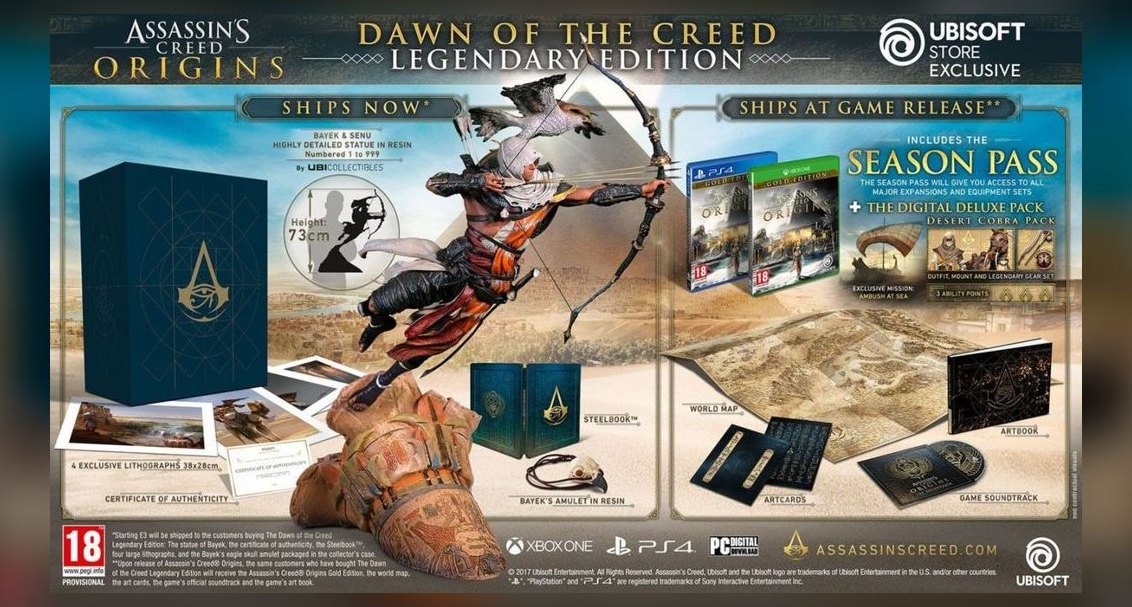 pulse-recentThe 10 Most Expensive Gaming Collector's Editions to Buy in 2027
 pulse-recentTop 10 Most Expensive Limited Edition PlayStation 5 Consoles in 2027
 pulse-recentTop 10 Best-Selling Xbox Series X Games of All Time in 2027
 pulse-recentTop 10 Gaming Controllers with the Longest Cable Length in 2027
 pulse-recentTop 10 Most Valuable Sealed Sega Master System Games to Buy in 2027
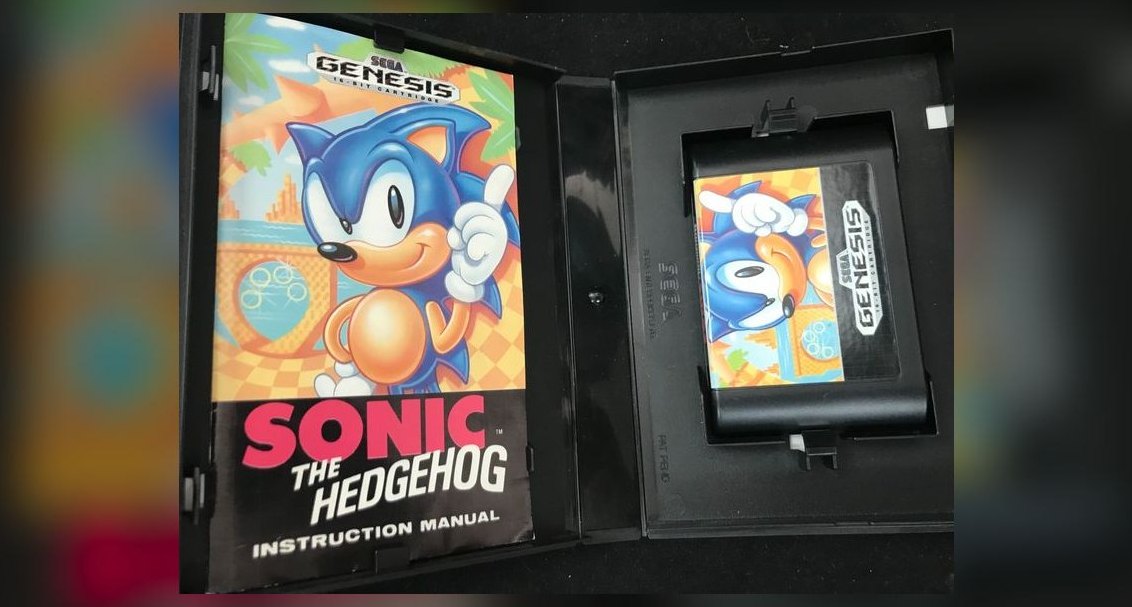 pulse-recentTop 10 Best-Selling Sega Genesis Games of All Time in 2027
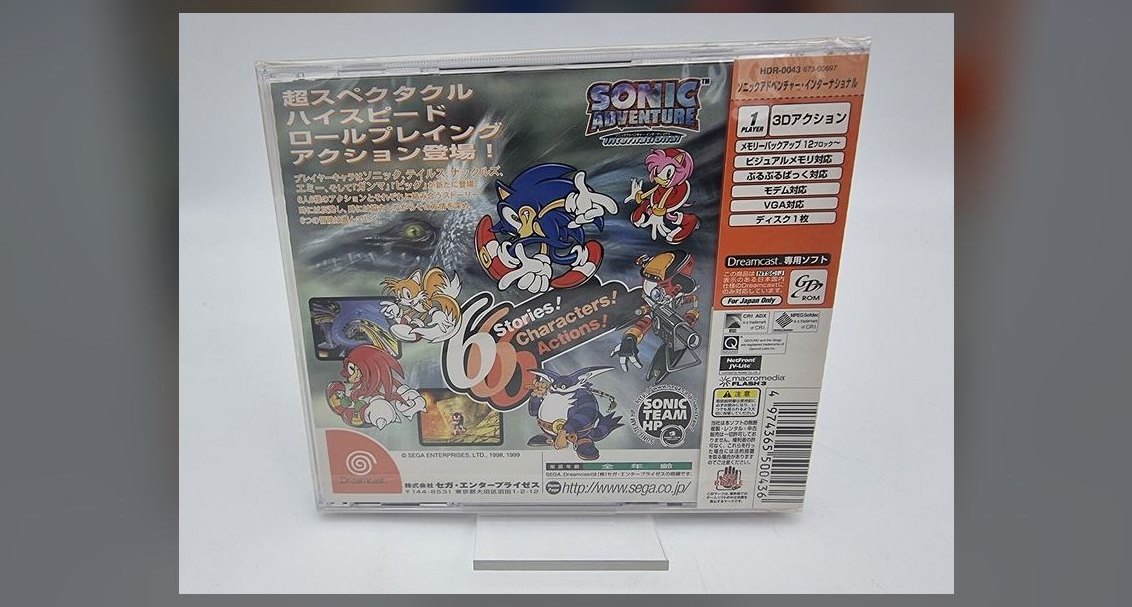 pulse-recentTop 10 Most Valuable Sealed Sega Dreamcast Games to Buy in 2027
 pulse-gamingTop 10 Gaming strategies for 2027
 pulse-recentTop 10 Most Expensive Magic: The Gathering Booster Boxes to Buy in 2027