


GTM Playbook for Photography Studios in 2027
Quality
Certified
A 2027 Photography studio GTM Playbook pairs a qualifying session fee with in-person sales of prints and digital files, runs one CRM, and books across multiple verticals to spread seasonality risk. Charge the session fee as a filter, earn the majority of revenue at the reveal, and target sustainable annual revenue through disciplined pricing and a repeatable operating model.
Segment and ICP first
The mistake that sinks most Photography Studios is treating "anyone with a camera and a budget" as the target. This Playbook starts by naming exactly who you serve, because the ideal client differs sharply by vertical, and each one carries a distinct acquisition channel, price ceiling, and buying trigger. The durable studio runs a multi-pillar mix rather than betting on one line: recurring families, corporate headshots, maternity, boudoir, and school senior reps. Each pillar spreads seasonality risk and stabilizes revenue across the year. Family work peaks in fall and around holidays; senior reps peak spring and summer; corporate headshots book in Q1 when firms refresh staff pages; boudoir clusters around Valentine's Day and wedding season; maternity flows continuously.
The family ICP is a household with kids under 12 and a combined income above roughly $110,000 — the segment that budgets for quality photography and reliably rebooks year over year. They search "family photographer near me" with high intent and convert on artistry and wall art, not price. Treat this pillar as the recurring-revenue engine, because a satisfied family becomes an annual account rather than a one-time transaction. A family that books once at a $250 session fee and a $1,200 average order is worth roughly $1,450 in year one; convert them to an annual contract and the lifetime value compounds past $7,000 over five years without a single new ad dollar.
The corporate ICP is a 20-to-60-person local firm — commercial real estate, law, accounting — that needs uniform staff headshots. This is the most overlooked and least seasonal pillar. Two firms per quarter at a half-day on-site package adds revenue with zero studio overhead, since you shoot in their conference room. Price a half-day on-site at $1,800–$3,500 depending on headcount and retouching depth, and the same account renews every 12–18 months as staff churns.
The boudoir ICP spends more than any other vertical and buys almost entirely on referral and trust. A large share of boudoir bookings come from previous-client referrals, which dwarfs paid social. That means the acquisition motion is relationship-driven: you invest in the reveal experience and the referral loop, not in ad spend. Average boudoir client value frequently clears $2,000 when hair and makeup, a minimum order, and a premium album are bundled.
The senior rep ICP is a rising high-school junior with an engaged social following. You give reps per school a free session in exchange for classmate referrals, then harvest paid bookings per school year at a low customer acquisition cost. Nailing the ICP per pillar tells you which channel to fund and which price to anchor — everything downstream in this Playbook flows from that segmentation. A single rep with 2,000 engaged followers can drive 8–15 paid senior bookings in a season at $400–$900 each.
The motion that fits that segment
Because each pillar has its own buyer, the go-to-market motion for Photography Studios is channel-matched, not one-size-fits-all. The organizing principle across all five: Google captures intent, social builds the portfolio, and in-person sales (IPS) converts the revenue. For family and corporate work, a Google Business Profile drives more booked sessions than Instagram for nearly every operator. Intent is the reason — someone searching "family photographer near me" is ready to spend within 30 days, while a Reels scroller is browsing. Claim and fully fill your profile, post photos weekly, and ask every paying client for a review the day after delivery, targeting 75–150 genuine five-star reviews within 18 months. Studios that reach the local 3-pack report a majority of new clients arriving from organic Google, with no ad spend required.
Treat Instagram as your portfolio link, not your funnel. Post consistently, use city-specific hashtags rather than generic ones, and keep the booking link in the bio. TikTok matters most for the boudoir and senior verticals, where the under-25 audience lives, but expect low view-to-booking conversion — it fills the portfolio and builds awareness, but rarely closes on its own. Budget your time accordingly: 30 minutes a day on social, two hours a week on Google reviews and profile upkeep, and the rest on booking and shooting.
For seniors, the rep program is the highest-ROI motion: rising juniors per school receive a free session and print credit in exchange for social posts and classmate referrals, producing paid bookings per school year. For corporate, the motion is outbound: cold-email local firms in Q1 offering a half-day package. Two conversions per quarter compounds into a low-overhead annuity that renews regularly. The through-line is that the studio never sells the session — it sells the reveal. The session fee only qualifies the buyer; the IPS meeting is where the revenue is made, and every channel above exists to fill that reveal calendar.
Unit economics and benchmarks
The session fee is a qualifier, not the product. A fee filters out tire-kickers and signals the price tier. Anchor your floor to cost of living: $150–$250 in tertiary markets, $350–$600 in major metros. Data shows studios billing lower session fees averaged less per client total, while studios at higher fees averaged more per client — the fee itself sorts your revenue tier before the reveal even happens. Two pricing models dominate. In-Person Sales (IPS) pairs a session fee with a reveal-and-order meeting days later, averaging $1,200–$2,500 per family; luxury family and boudoir studios run this. All-inclusive digital charges a flat fee for the session plus every edited file — $900–$1,800, no upsell, faster cash — favored by headshot and commercial photographers. Hybrid works too: a session fee plus a $600 minimum order written into the contract. Never quote a session fee and then let the client walk out with a single $50 digital; that leak is a top failure mode across Studios.

Product pricing that holds margin: single digital files $75–$150, image collections $400–$900, prints $40–$300, canvases $250–$900, framed metals $400–$1,400, and albums $600–$2,500. Cost of goods through a professional lab is a fraction of the retail price — 15–25% of retail, near 75–85% product margin. The cost-of-sales benchmark has a ceiling of roughly 30% of total order; aim for 15–20% across the total order. Boudoir tops the value chart with the highest average client value: a $400–$700 session fee plus $200–$350 hair and makeup, then a $1,000 minimum order at the reveal, with premium albums selling at $1,500–$3,000. That single pillar can carry a light booking month, which is why the referral loop feeding it matters so much to overall revenue stability.
Recurring revenue is the multiplier. An annual family contract — three sessions a year upfront plus a $300 wall-art credit for $1,800–$2,400 — converts a one-and-done into a larger account, and 25–40% of existing families accept when offered. A maternity-to-first-year bundle (maternity, newborn, six-month, one-year) at $1,600–$2,800 hits a 50–70% attach rate when pitched at the maternity session itself. Corporate headshot accounts renew every 12–18 months if the first session went well. Email is the only owned channel: a list of 500 past clients at a 35–45% open rate can sell 15–30 mini-sessions per email at $250–$400 each. Rolled up, one operator plus a part-time editor books 12–20 sessions monthly and lands $120,000–$220,000 in sustainable annual revenue, with a target net margin near 45–55% when COGS stays disciplined.
Common misfires
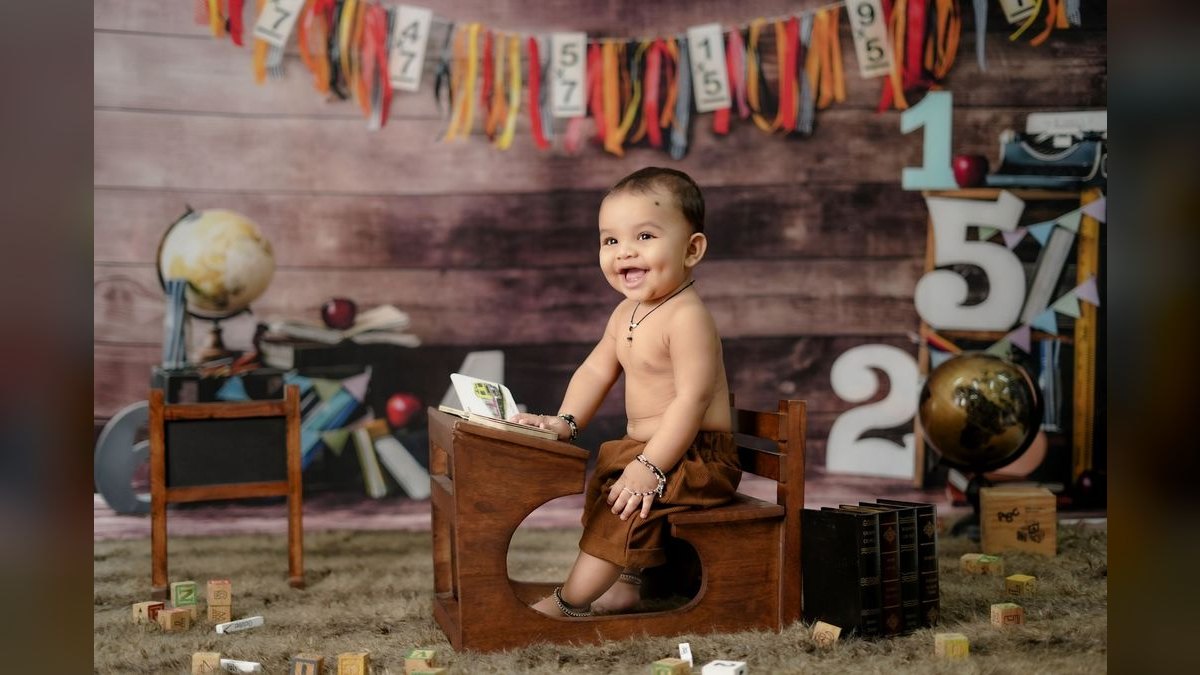
The failure modes are predictable, and this Playbook exists partly to name them before they cost you real money. Competing on price with big-box retailers. Chains have long run $39 family sessions with cheap digital bundles. If the session fee is your only differentiator, you lose to the discounter every time. Differentiate on artistry, wall art, and the IPS reveal experience — never on price. The Studios that survive are the ones a discounter cannot copy.
Selling digitals-only with no minimum. A session ending in a single $50 digital purchase loses money after editing and travel. Either contract a minimum order or move to all-inclusive flat pricing. Pick one model and never quote both in the same conversation; a large share of new Studios fail on exactly this fumble because they leave the pricing structure ambiguous and the client defaults to the cheapest option.
Free editing creep. Every "can you also Photoshop this?" adds 20–45 minutes of unbilled labor. Build a retouching menu into the price list — $25 for a blemish pass, $75 for advanced composite — and stop giving away advanced retouching. Unpriced favors quietly erase the margin the IPS reveal earned.
Studio rent without bookings. A brick-and-mortar space at $1,800/month needs 8–12 sessions monthly just to break even on rent. Many portrait photographers thrive on-location with zero studio overhead well into six figures. Sign a lease only after 6–12 months of waitlist demand, not in anticipation of it.
No backup gear. A failed card, broken shutter, or corrupted catalog mid-session can trigger refunds and a one-star review that costs far more in lost future bookings. Always run two bodies, two cards in camera, and a nightly off-site backup. This is non-negotiable insurance, not an upgrade.
Tax surprise in April. Solo photographers routinely under-withhold and face $8,000–$25,000 bills that arrive after the cash is already spent. Park 25–30% of every deposit into a separate high-yield account for quarterly estimateds, and reconcile monthly so the number is never a shock.
Operating model and cadence
The operating model that carries Photography Studios from solo to scaled is a sequence of deliberate hires plus a repeatable rhythm. The first hire is never a second shooter — it is a part-time culler and editor at $18–$30/hour, because editing eats 10–15 hours a week and caps a solo operator. That single hire frees 400–600 hours annually and pushes you past the next revenue tier. Cross $120,000 in revenue and add a part-time associate photographer on a 40/60 split for overflow family sessions, adding revenue with zero added studio space. At $200,000, a part-time studio manager at $22–$30/hour taking over inquiries and client comms unlocks further growth — burnout, not demand, kills Studios at this stage. Retention is challenging; pay 10–15% over median, grant paid creative studio time, and fund a $500–$1,000 annual education stipend to push retention higher.
The tech stack is one CRM, chosen not stacked. The leaders include 17hats, Studio Ninja, VSCO Workspace, and Sprout Studio. Galleries run through a dedicated gallery platform, prints through a professional lab, and books through accounting software plus a creative-business CPA. Running two CRMs creates duplicate data entry — the single most common time leak in solo Studios. The initial foundation period (weeks 1–8) involves picking one CRM and migrating everything, building a single-page site showing 20–30 best images and pricing-from anchors, fully claiming the Google Business Profile with 30+ images and 10 initial reviews, ordering a second body plus backup, and opening separate business checking and tax-savings accounts. The pipeline-building period (months 3–6) involves posting to social media 4–5 times weekly, launching a rep program at 2–3 schools, sending 40 corporate cold emails in Q1, booking 6–10 free model-call sessions to fill portfolios, and importing every past client into your email tool. The pricing and scale period (months 7–12) involves implementing the full IPS reveal with a fee and written minimum, launching the annual family contract, hiring the first editor once you cross 15 sessions/month, moving books to proper accounting with a CPA, and raising prices 10–15% if COGS sits below 20%. Repeat that cadence quarterly and the studio compounds.
Related questions
How much can a solo photography studio realistically earn?
A single operator with a part-time editor books 12–20 sessions monthly across multiple verticals and lands $120,000–$220,000 in sustainable annual revenue. Pushing past that tier requires adding an associate photographer and a part-time studio manager to absorb overflow and client comms.
Is in-person sales still worth it versus all-inclusive digital?
Yes for family and boudoir, where IPS reveals average $1,200–$2,500 per client. All-inclusive flat pricing at $900–$1,800 fits headshots and commercial work where speed beats upsell. Choose one model per pillar and never quote both in the same conversation.
Which vertical should a new studio start with?
Corporate headshots offer the lowest overhead and least seasonality — two firms per quarter at $1,800–$3,500 each adds revenue with no studio space. Family work then provides recurring revenue, and boudoir delivers the highest per-client value once referrals build.
How many reviews do I need to rank in Google's local 3-pack?
Target 75–150 genuine five-star reviews within 18 months by requesting one the day after every delivery. Studios reaching the 3-pack report a majority of new clients arriving from organic Google search with no ad spend attached.
When should I sign a physical studio lease?
Only after 6–12 months of waitlist demand. A $1,800/month space needs 8–12 sessions monthly just to break even on rent. Many portrait photographers thrive on-location with zero studio overhead well past $150,000 in revenue.
FAQ
How many sessions does a profitable studio need to book per month? A sustainable solo studio books 12–20 sessions monthly across its multi-pillar mix. That volume supports $120,000–$220,000 in annual revenue with one operator and a part-time editor handling post-production.
What session fees should a studio charge?
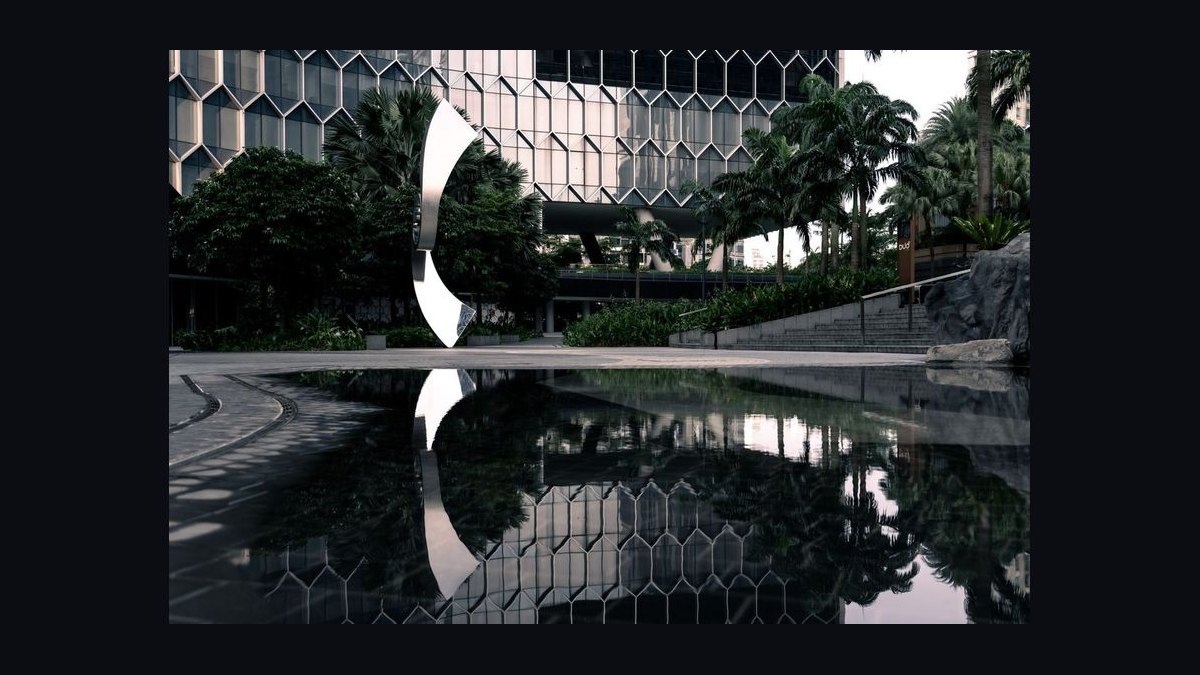
Session fees serve as a qualifying gate at $150–$250 in tertiary markets and $350–$600 in major metros. Real earnings come from in-person sales of prints and digital files. Anchor the fee to your market's cost of living and never discount it to win a booking.
Which software do top studios use for booking and invoicing? The leaders include 17hats, Studio Ninja, VSCO Workspace, and Sprout Studio. Pick exactly one — running two CRMs creates duplicate data entry, the single most common time leak in solo Studios.
How do studios avoid competing on price with big-box retailers? Stop matching discounters on session fee. Build a multi-pillar mix and differentiate on artistry, wall art, and the IPS reveal experience instead of price. The studios that survive are the ones a $39 chain session cannot copy.
What types of photography generate the most consistent revenue? The multi-pillar mix — family (often recurring annually), corporate headshots (bulk contracts), maternity, boudoir, and senior reps — spreads seasonality risk. Annual family contracts at $1,800–$2,400 and maternity-to-first-year bundles at $1,600–$2,800 add the most predictable recurring revenue.
Can one person run a profitable studio alone? Yes. With a part-time editor handling post-production at $18–$30/hour, a single operator manages 12–20 sessions monthly. Efficient software and a disciplined IPS sales process keep the workload manageable while hitting revenue targets.
Sources
- Professional Photographers of America (PPA) — https://www.ppa.com
- 17hats — https://www.17hats.com
- Studio Ninja — https://www.studioninja.co
- Sprout Studio — https://www.getsproutstudio.com
- WHCC (White House Custom Colour) — https://www.whcc.com
- Miller's Professional Imaging — https://www.millerslab.com
- Pic-Time — https://www.pic-time.com
- Imaging USA (PPA) — https://www.imagingusa.org
- WPPI — https://www.wppionline.com
- Rangefinder Magazine — https://www.rangefinderonline.com
Related on PULSE
This page will be disappearing soon. Save it to your device for $1 — or read it free while it is here.
@Kory-White- · if Venmo asks, the last 4 of my number are 2012
This page is gone.
This one is off the shelf now. $1 keeps it on your phone for good — the whole page, pictures and diagrams included.
 gtm-playbookGTM Playbook for Tax Attorneys in 2027
 gtm-playbookWhat do top-performing SDR teams do differently in their outreach sequencing in 2027?
 gtm-playbookNotary Services / Mobile Notary GTM Playbook 2027 — RON + Loan Signing Agent and the 85M Notarize Operator Path
 gtm-playbookHow do you build a vertical SaaS for auto dealers (Reynolds / CDK) go-to-market motion in 2027?
 gtm-playbookGTM Playbook for Title Insurance Companies in 2027
 gtm-playbookGTM Playbook for Garden Centers and Nurseries in 2027
 gtm-playbookHow do you build the GTM playbook for a physical therapy clinic in 2027?
 gtm-playbookHow do you build the GTM playbook for a garage door installation and repair operator in 2027?
 gtm-playbookBranding and Design Agency GTM Playbook 2027 — AI-Augmented Production, Cannes Lions Awards, and the $148M Pentagram Operator Path
 gtm-playbookGTM Playbook for General Contractors in 2027