


GTM Playbook for Auto Glass Repair in 2027
Quality
Certified

Win 2027 auto glass by running mobile-first with two revenue legs — insurance work billed same-day through EDI, plus higher-margin cash retail — and by bringing ADAS recalibration in-house instead of subletting. In-house calibration is the single biggest margin lever, converting a routine windshield job into a two-line ticket at roughly double the gross profit.
What changes by company stage
Auto glass is one of the few home-service trades where the business model itself changes shape three times on the way from one van to a real regional operation. Most owners fail because they run stage-three tactics at stage one, or — far more common — keep running stage-one tactics long after the volume has outgrown them.
Stage 1: solo owner-operator, one van, 10–20 jobs/week. You are the tech, the CSR, and the AR department. Your economics are dominated by two things: how fast you answer the phone, and whether you sublet calibration. At this stage you have no calibration bay, so every ADAS-equipped windshield either goes out to a dealer or a specialist, or you decline the job. Declining is the quiet killer — a growing share of the rolling fleet now carries a forward-facing camera behind the glass, so "I don't do ADAS" is functionally "I don't do late-model vehicles." The right stage-1 move is to sublet openly, price the sublet into the ticket, and treat it as tuition while you accumulate the calibration jobs that justify the capex.
Stage 2: 2–4 techs, two vans, a fixed bay, 40–70 jobs/week. The bottleneck shifts from demand to dispatch. You now have enough call volume that jobs get lost in scheduling gaps rather than to competitors. This is also the stage where the calibration rig pays for itself: once you are consistently touching three to five ADAS vehicles a week, the sublet fee you were paying out becomes the loan payment on your own equipment, and every calibration after breakeven is high-margin. Stage 2 is where you stop being a glass installer and start being a glass-and-calibration shop — a different business with a different price book.
Stage 3: multi-van, multi-market, fleet and wholesale accounts, 100+ jobs/week. Now the constraint is labor and working capital. You need certified techs faster than the trade produces them, and you need cash to float insurance receivables across a larger book. The strategic work shifts to contracts: dealer wholesale, body-shop sublet-in (they send you glass, you send them nothing), and commercial fleets that pre-book volume. The moat at stage 3 is not price — it is being the shop that can absorb a 40-vehicle hail event in a week without dropping the retail queue.

The adjacent trades follow the same curve, which is why glass owners who came from collision or mobile detailing adapt fastest. A body shop's stage-2 unlock is in-house paint; a mobile detailer's is ceramic coating certification; a garage-door operator's is spring-and-opener stocking depth. In each case the pattern is identical — a capital purchase that converts a subletted line item into an owned margin line, made at exactly the volume where the loan payment is less than the sublet spend.
Stage-by-stage playbook
Here is the sequence that actually works, stage by stage, with the specific move at each gate.
Stage 1 build (days 1–90). Get the entity, insurance, and safety certification in place first — the Auto Glass Safety Council's technician certification is referenced in multiple OEM position statements and is the credential insurers and dealers look for, so treat it as table stakes rather than a nice-to-have. Open your EDI billing account before you take your first insurance job; shops that paper-bill wait weeks for funding while EDI shops are typically funded in under a week, and at low volume that working-capital difference decides whether you make payroll. Subscribe to the NAGS part-number and labor-time database — insurers price against it, and without it you are negotiating blind. Buy one van, upfit it, and stock a rotating consignment of the ten highest-frequency windshields in your market rather than a broad slow-moving inventory.

Your only marketing job at stage 1 is a Google Business Profile with real photos and a relentless review-request habit after every install. Local map results drive the overwhelming majority of inbound calls for a single-location glass shop, and reviews are the ranking input you control directly. Ask on-site, while the customer is looking at a clean new windshield — not by email three days later.
Stage 2 build (months 4–12). Two moves define this stage. First, hire and pair. A junior tech riding with a certified lead for two weeks before touching a customer vehicle is the cheapest quality-control system available; the failure mode you are preventing is a leak on a modern pinch-weld with primer dwell requirements, which turns into an interior water-damage claim and a one-star review. Second, buy the calibration rig. Compare three tiers honestly: an entry-level static-only system that covers the majority of camera-based vehicles, a mid-tier alignment-plus-ADAS combination that opens a second service line, and a top-tier system with the broadest OEM coverage including radar. Finance it, and keep one sublet relationship alive for the small residue of vehicles your rig cannot handle.
Stage 3 build (year 2+). Go get contracts. Walk into dealer service departments with a written wholesale rate and a same-day promise. Pitch delivery fleets, municipal fleets, school districts, and rideshare-heavy operators. Fleet work prices lower per unit but pre-books revenue, smooths the winter trough, and pays on predictable net terms. Eight solid fleet accounts will carry a slow February the way no amount of retail advertising can.
The diagram encodes one rule worth stating plainly: do not skip the gate. Buying a calibration rig at one ADAS job a week is a payment you cannot service; delaying it past five a week is margin you are handing to a competitor with a bay.
Numbers that matter at each stage
Every stage has two or three metrics that actually move the business. Track those and ignore the rest.
Speed-to-quote. A caller with a cracked windshield is shopping three shops in ten minutes. The shop that gives a firm price and an install slot on the first call wins a large majority of those jobs; the shop that calls back later wins a small fraction. This is not a marketing insight, it is a staffing decision — your CSR needs the NAGS pricing database, the EDI portal, and the dispatch calendar open simultaneously so the quote and the slot land in the same conversation. If you are a solo operator, that means answering the phone from under a vehicle or paying for an answering service that can quote. Losing the call is more expensive than the interruption.
Job mix by margin tier. Rank your work honestly: resin chip repair is the highest-margin service you offer on a percentage basis and the fastest to perform, but it is a small ticket. Non-ADAS windshield replacement is a solid middle margin. ADAS-equipped replacement with in-house calibration is the best absolute-dollar job on your board. Side, quarter, and back glass sits in the middle with more inventory risk. The stage-2 goal is to shift mix toward the ADAS-plus-calibration tier without abandoning chip repair — because chip repair is your cheapest customer-acquisition channel, not a loss leader.
Sublet leakage. Compute this monthly and put it on the wall: total calibration revenue billed, minus total paid to sublet partners, minus drive and wait time valued at your tech's loaded hourly rate. Owners routinely discover the number is near zero or negative once travel is counted, which is exactly the signal that the rig is overdue.
Days-to-cash on insurance work. Same-day EDI submission versus end-of-week batching is worth real money at scale. A book of insurance receivables paid in five days instead of thirty-five is a permanent working-capital gift roughly equal to a month of revenue — that is the difference between financing growth from operations and financing it from a line of credit.

Comeback rate. Track leaks, wind noise, and stress cracks as a percentage of installs. A well-run shop keeps this well under one percent. If it climbs, the cause is almost always primer dwell time or pinch-weld prep being rushed on the last job of the day — a scheduling problem masquerading as a quality problem.
Review velocity. Not review count. New reviews per month is the input that keeps map rankings moving. Set a per-tech target and make it part of the close-out routine.
Tech utilization and attrition. Installs per tech per day tells you when to hire; first-year attrition tells you whether your pay structure works. Base wage plus per-job piece rate plus a calibration bonus consistently beats a flat hourly rate at retaining experienced people, because the good techs self-select into the shop where working faster pays more. National chains compete on brand and benefits; independents compete on take-home.
Inventory turns. Glass is bulky, fragile, and expensive to hold. Stock the top movers, run everything else on next-day distribution, and count breakage as a real line item — a broken windshield in the van is the full cost plus a rescheduled customer.
Decision framework
Most day-to-day decisions in this business collapse into four questions. Run them in order.
First: is this job insurance-routed or cash? Insurance work comes with a documentation burden and a payment lag but arrives without acquisition cost. Cash retail pays immediately at a better margin but you had to earn the call. A healthy independent runs both legs deliberately rather than drifting into whichever one is easier that month. If your insurance mix climbs past roughly two-thirds, your pricing power is eroding and your cash cycle is stretching; if it falls too low, you are leaving free volume on the table.

Second: does this vehicle need calibration, and can I do it here? If yes and yes, it is your best job of the day. If yes and no, decide before quoting whether the sublet cost and the customer's extra day are worth taking the job at all — and log it, because that log is the business case for the rig.
Third: does this customer belong to a channel worth deepening? A dealer service writer, a body shop estimator, or a fleet manager is not one job — they are a recurring account, and they should get priority dispatch even when the retail queue is full. A one-off retail customer gets excellent service and a review request; a channel account gets a relationship.
Fourth: is this a documentation job? Any calibration billed to a carrier needs the scan-tool report, target setup, and post-calibration confirmation archived against the VIN. Carriers audit backward, and an undocumented calibration is a payment you may have to return.
The re-engagement branch is the underrated one. A chip repair customer today is a replacement customer in a year or two — either because the repair eventually fails under thermal cycling, or because they take another rock. Capturing the VIN and contact at the chip repair and touching them twice on a schedule converts a meaningful share of those into a much larger second job. That single habit is worth more than most advertising an independent can afford, and it is the same flywheel that works in adjacent trades: the detailer's annual coating refresh, the garage-door operator's spring-replacement reminder, the tire shop's rotation cadence.
Where the calls come from

Five channels carry an independent glass shop, and they are worth different things at different stages.
Local search. The Google Business Profile is the whole ballgame for stage 1 and 2. Complete every field, post real job photos weekly, answer questions, and drive steady review velocity. Local Service Ads typically deliver a lower cost per call than broad search ads because the intent is unambiguous, but only bid them once your close rate on inbound calls is proven — paying for calls you fumble is the fastest way to conclude "ads don't work."
Insurance network routing. Register as an in-network shop so carriers can dispatch to you directly when a customer asks for a specific shop. The competitive dynamic here is well documented and has been the subject of long-running industry disputes: the third-party administrator handling a carrier's glass claims is sometimes affiliated with the largest national installer, and the default script offers that installer first. Customers have the right to choose their shop. Training your CSR to coach the customer through that request — politely, in one sentence — measurably shifts your insurance-routed volume.
Dealer and body-shop wholesale. Service departments and collision shops need glass done fast and often do not want to own the labor. Offer a written wholesale discount off retail in exchange for same-day turnaround and predictable scheduling. Each account is small monthly volume but nearly zero acquisition cost and very sticky.
Fleets. Delivery contractors, rideshare-heavy owners, municipal fleets, school districts, utility and trades fleets. Fleet vehicles accumulate highway miles, which means they accumulate rock chips. The pitch is uptime, not price: you come to their yard, you work around their dispatch schedule, and you invoice on net terms.
Repeat and referral. Every job closes with a review request and contact capture. Referrals from a satisfied customer close at a far higher rate than any paid channel and cost nothing.
Notice what is not on the list: broad social advertising, print, and radio. They generate awareness for a purchase decision that is almost entirely intent-driven and made within an hour of the crack appearing. Spend where the intent already exists.
Pricing, warranty, and the retention layer
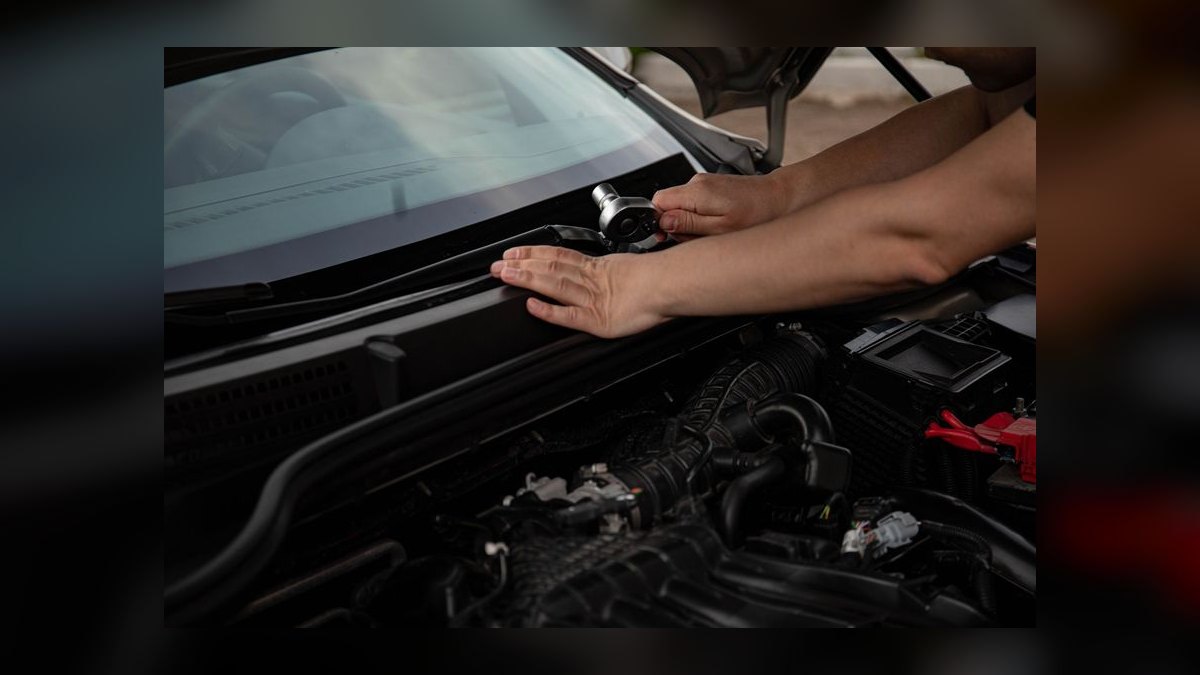
Price discipline is where independents beat national chains, and where they most often beat themselves.
Hold the line on chip repair. Undercutting on resin repair to drive volume trains your market to see you as the cheap option, and it misprices the service — the customer is paying to avoid a full replacement, not for twenty minutes of resin. Price it as the preventive service it is.
Charge for calibration as a distinct line item. It is a separate operation with separate equipment, separate documentation, and real liability attached. Bill it as its own line with its own documentation package. Multiple OEMs have issued position statements requiring calibration after windshield replacement on equipped vehicles, which is the basis for the charge — cite the position statement in the estimate when a carrier pushes back.
Offer a workmanship warranty the chains will not match. Written, lifetime-of-ownership coverage against leaks, wind noise, and stress cracks. Chain warranties frequently carve out stress cracks; covering them is a cheap differentiator because the actual comeback rate on a properly prepped install is a fraction of a percent. Put it on the receipt, the van, and the website.
Build a small recurring layer. An annual glass-protection plan — a couple of covered chip repairs and a discount on replacement — converts a meaningful share of cash customers at very low fulfillment cost, and more importantly it creates a reason to contact the customer every year. Adjacent trades run the same play under different names: the HVAC maintenance agreement, the pest-control quarterly, the detailer's coating-maintenance plan. The mechanic is identical — a small annual fee that buys you permission to stay in the customer's calendar.
How independent glass shops actually die
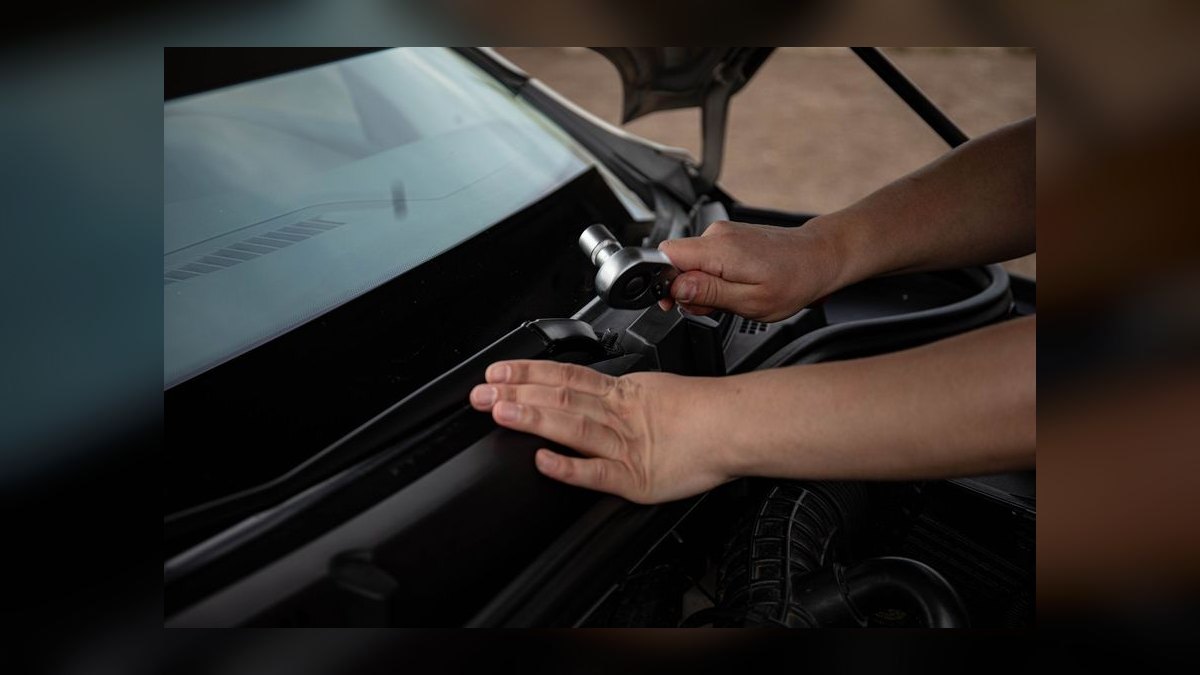
The failure modes are consistent enough to list.
Subletting calibration indefinitely, so the highest-value operation on every modern vehicle is performed by someone else at your expense. Skipping EDI and paper-billing carriers, which starves working capital. Hiring uncertified techs to fill a schedule and eating a water-damage claim plus the review that follows. Letting the phone go to voicemail during install hours. Running a single van, so one breakdown takes the entire revenue line offline for a week. Failing to document calibrations, then losing those payments to a retroactive audit. Chasing insurance volume exclusively until the cash-retail leg atrophies and pricing power goes with it. And the quietest one: the owner who never stops installing, so nobody is ever selling dealer accounts, fleets, or the next hire.
Every item on that list is a decision, not an accident. Each one has a specific stage where it should have been fixed.
Related questions
Should I buy a calibration rig before I have the volume?
No. Buy it when you are consistently touching three to five ADAS vehicles a week, so the financed payment is covered by the sublet spend you stop paying. Before that threshold, sublet openly and log every job — the log is your business case.
Is mobile or fixed-bay better for a new operator?
Start mobile. It is cheaper, it is what customers prefer, and it wins on convenience against chains. Add a fixed bay when you buy calibration equipment, since most static calibrations require controlled floor space, level ground, and consistent lighting.
How do I compete with a national chain on insurance work?
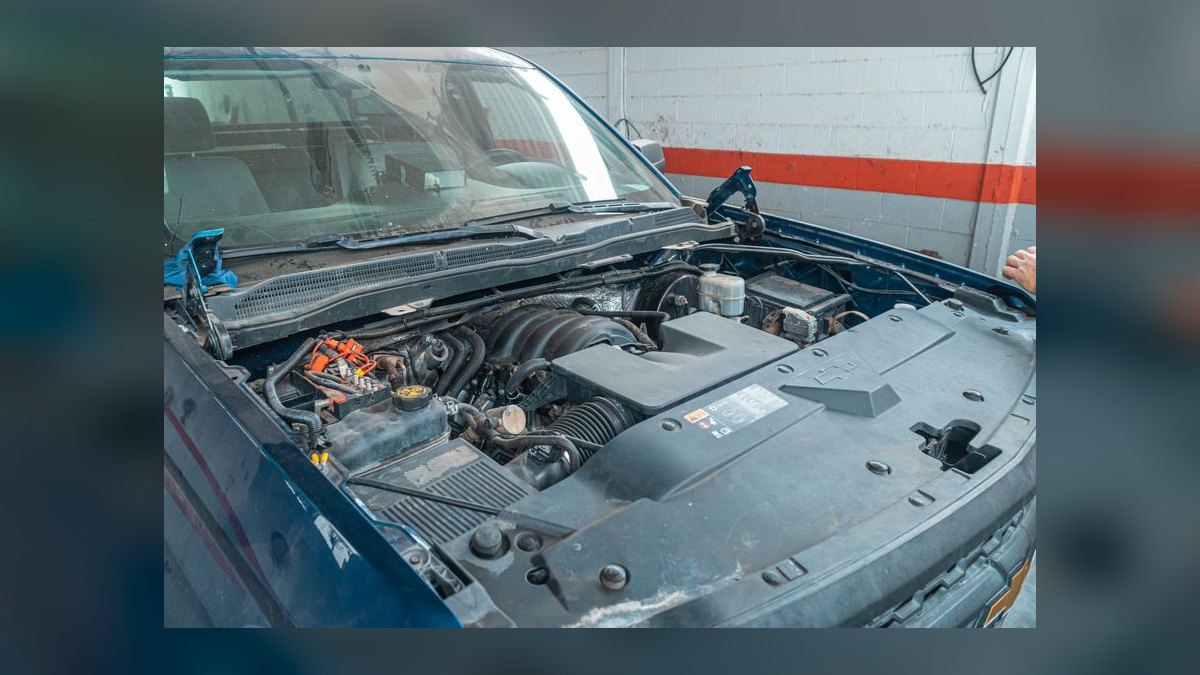
You do not outspend them; you out-dispatch them. Answer live, quote firm, install same day, and warranty stress cracks. Then train your CSR to walk customers through requesting their preferred shop when they call their carrier.
What is the right insurance-to-cash revenue mix?
Roughly two-thirds insurance and one-third cash is a healthy independent's balance. Drift too far toward insurance and your margins and cash cycle both suffer; too far toward cash and you are paying to acquire volume that carriers would have routed to you free.
Does chip repair actually make money?
Yes — on margin percentage it is the best service you sell, and it is the cheapest customer-acquisition event you have. Capture the VIN and contact, then re-engage on a schedule; a meaningful share become full replacement customers later.
FAQ
Do I need safety certification to install auto glass?
There is no universal federal license, but industry safety certification is effectively required in practice. Several OEM position statements reference certified technicians for warranty-valid installations, insurers and dealer accounts screen for it, and it is your defense if a workmanship claim is ever litigated. Budget for the exam and pay a retention bonus when a tech earns it.
What actually happens if a windshield is replaced without recalibrating the camera?

The forward-facing camera's aim relative to the road can shift with the new glass and mounting, which can degrade or disable lane-keeping, automatic emergency braking, and adaptive cruise. That is a genuine safety exposure and a liability exposure for the shop. Multiple manufacturers have published position statements requiring calibration after replacement on equipped vehicles — follow them and document the result.
How long does it take to get an insurance claim funded?
Electronic submission through a glass EDI network is typically funded within about a week, while paper-mailing carriers stretches to several weeks. Submit the same day you install, attach the calibration documentation, and reconcile weekly. The difference compounds into a permanent working-capital advantage as your book grows.
Should I take fleet work if it prices below retail?
Usually yes, once you have capacity. Fleet work pre-books volume, smooths seasonal troughs, pays on predictable terms, and costs almost nothing to acquire after the first contract. The mistake is signing fleet accounts before you can serve them without pushing retail customers out of the schedule.
What is the minimum viable technology stack?
A glass EDI billing connection, the NAGS part and labor database, a shop management or point-of-sale system that handles scheduling and inventory, a phone system that records and tracks response times, and accounting software. Everything else is optional until you have multiple vans. Keep total software spend modest at stage 1 and add tools only when a specific bottleneck justifies them.
How do I handle a vehicle my calibration equipment does not support?
Keep one sublet relationship alive permanently for that residue. No single rig covers every make and model, and the honest answer to the customer — "your vehicle needs a specialist calibration, here is the timeline" — costs you far less than a botched attempt. Price the sublet into the quote rather than absorbing it.
Sources
- https://www.autoglasssafetycouncil.org/ — Auto Glass Safety Council standards and technician certification
- https://www.nhtsa.gov/ — National Highway Traffic Safety Administration, advanced driver assistance systems guidance
- https://www.iihs.org/ — Insurance Institute for Highway Safety, research on crash avoidance and driver assistance systems
- https://www.bls.gov/ooh/installation-maintenance-and-repair/ — Bureau of Labor Statistics, occupational outlook for installation and repair trades
- https://www.sba.gov/ — U.S. Small Business Administration, equipment financing and small business planning resources
- https://www.glassbytes.com/ — glassBYTEs / AGRR Magazine, auto glass industry news and OEM position statement coverage
- https://www.ibisworld.com/ — IBISWorld, U.S. auto glass repair and replacement industry research
- https://www.i-car.com/ — I-CAR, collision repair training and vehicle technology position statement resources
- https://support.google.com/business/ — Google Business Profile documentation for local search visibility
- https://www.ftc.gov/business-guidance — Federal Trade Commission business guidance on advertising and warranty claims
Related on PULSE
- GTM Playbook for Local Auto Repair Shops in 2027
- GTM Playbook for Auto Body Shops in 2027
- GTM Playbook for Auto Detailing in 2027
- How do you build the GTM playbook for an auto body shop in 2027?
- How do you build the GTM playbook for a garage door installation and repair operator in 2027?
- How do you build a vertical SaaS for auto dealers (Reynolds / CDK) go-to-market motion in 2027?
This page will be disappearing soon. Save it to your device for $1 — or read it free while it is here.
@Kory-White- · if Venmo asks, the last 4 of my number are 2012
This page is gone.
This one is off the shelf now. $1 keeps it on your phone for good — the whole page, pictures and diagrams included.
 gtm-playbookHow do you build a vector databases (Pinecone / Weaviate) go-to-market motion in 2027?
 gtm-playbookHow do you sequence the sales motion for a telehealth platform targeting provider groups vs. self-insured employers in 2027?
 gtm-playbookNotary Services / Mobile Notary GTM Playbook 2027 — RON + Loan Signing Agent and the 85M Notarize Operator Path
 gtm-playbookHow do you build a last-mile delivery software go-to-market motion in 2027?
 gtm-playbookWhat is the go-to-market playbook for a partner-led (channel) motion in 2027?
 gtm-playbookHow do you build a renewable energy trading and ETRM software go-to-market motion in 2027?
 gtm-playbookHow do you build a court and case management software go-to-market motion in 2027?
 gtm-playbookHow do you build the GTM playbook for a physical therapy clinic in 2027?
 gtm-playbookGTM Playbook for Tax Prep Services in 2027
 gtm-playbookHow do you choose between a direct sales and a partner-led go-to-market motion in 2027?