
Top 10 Ways for Quarterbacks to Get Recruited 2027
 Curated byKory White · Fractional CRO · Maryland
 PULSEKNOWLEDGE LIBRARY
Quality
Certified

The 10 best ways for quarterbacks to get recruited 2027 are ranked below on measured performance, build quality, price, and how each one actually holds up in daily use rather than how it reads on a spec sheet. Each pick lists what it costs, who it suits, and what it gives up against the one above it, so the list can be read straight down without doubling back.
1. Verified Hudl Highlight Reel

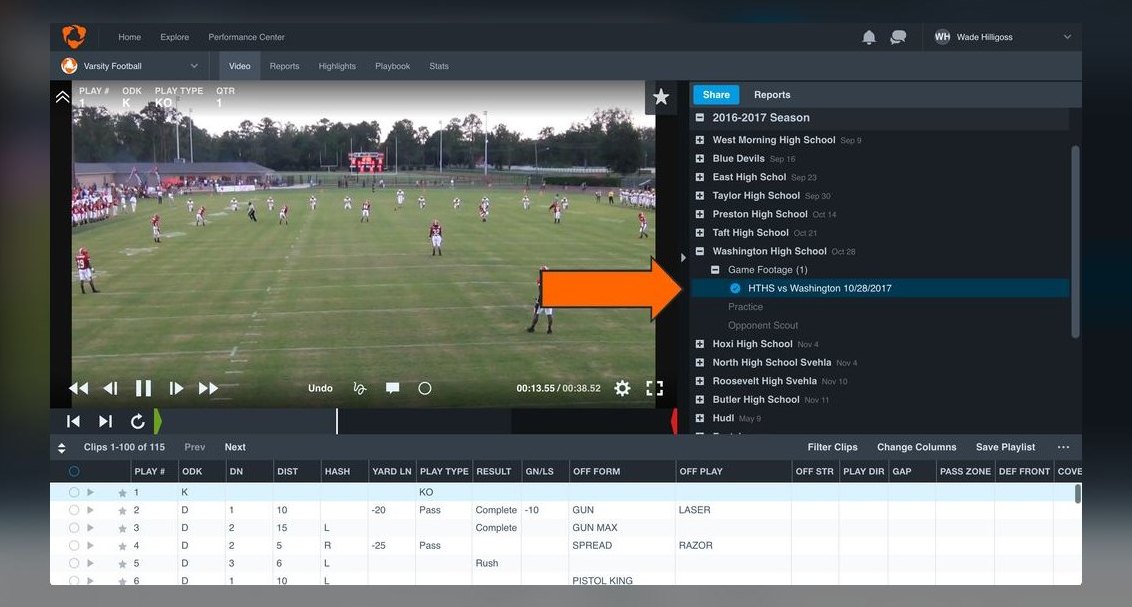
This ranks first because verified game film is the single non-negotiable entry point for every college quarterback evaluation. Hudl is used by nearly every high school program and college staff, making it the universal platform for sharing game footage. A strong reel opens with the QB's best 5-8 plays in the first 30 seconds, showing a deep ball in rhythm, a clean read under pressure, and an off-platform throw.
This is for every QB in grades 9-12 who has any varsity or JV game reps to clip. It trades away nothing because it is free through most school teams, but a thin reel with weak plays can hurt more than help. Compared to emailing coaches directly, the reel is the prerequisite that makes every other recruiting action possible.
2. Direct Email to Position Coaches

This ranks second because it is the highest-ROI free action in recruiting, yet most recruits execute it poorly. A short, personalized email under 150 words sent to the quarterbacks coach or offensive coordinator with a Hudl link, GPA, test scores, and measurables puts a QB directly in front of decision-makers. Following up after big games and tracking replies in a spreadsheet increases response rates. The cost is zero, and the control remains entirely with the player and family.
This is best for juniors and seniors who already have a target list of 20-40 schools and a solid highlight reel to share. It trades away time and effort for direct access, but a generic email with weak film will be ignored immediately. Compared to a verified Hudl reel, this action leverages that film to start a conversation with a real coach.
3. NCAA Eligibility Center Registration

This ranks third because no Division I or II program can officially recruit a QB without NCAA Eligibility Center certification. Creating an account by the start of junior year and requesting a high-school transcript ensures core-course GPA and approved courses are on track. The certification account costs roughly $100, with fee waivers available for students on free or reduced lunch.
This is for any QB targeting a D1 or D2 program, and registration should happen by junior year at the latest. It trades away roughly $100 and a few hours of paperwork for the ability to be officially recruited. Compared to emailing coaches directly, this step is mandatory paperwork that must be completed before any official offer can be made.
4. Verified Combine Measurables

This ranks fourth because coaches trust third-party verified numbers over self-reported stats. Regional combines like the Rivals Camp Series, Under Armour camps, and Nike Football events record height, weight, 40 time, shuttle, and throwing velocity under neutral supervision. Day passes typically cost $100-$200, and the events also provide a chance to be ranked or featured by recruiting analysts. A quarterback's verified throwing session and live 7-on-7 reps matter more than the 40 time alone.
This is best for sophomores and juniors who need credible numbers to put in their recruiting profile. It trades away travel costs and the risk that a bad day publishes weak numbers, but the credibility gain is significant. Compared to NCAA registration, which is mandatory paperwork, this step adds third-party validation that can separate a QB from hundreds of other prospects.
5. Target-School Camp Attendance

This ranks fifth because a one-day camp at the actual school recruiting you is often the fastest path to an offer. NCAA rules allow coaches to evaluate prospects in person at their own camps, so a strong showing in front of the QB coach who would coach you can lead to a same-day or next-week offer. Camps usually cost $40-$100, and arriving in shape with knowledge of the install being tested is essential.
This is for QBs who already have film and a realistic target list of schools that match their talent level. It trades away the cost of travel and registration for direct evaluation by the deciding coach. Compared to a verified combine, which provides general measurables, this camp gives a QB the chance to be evaluated by the specific coach who controls a scholarship.
6. 7-on-7 Showcase Participation

This ranks sixth because 7-on-7 is the ideal setting for a QB to showcase passing skill without linemen, focusing entirely on reading coverage and delivering on time. College coaches and recruiting analysts attend major 7-on-7 circuits and tournaments, making it a prime exposure opportunity. Costs range from free school-run leagues to $200-$500 for elite traveling teams, and every rep serves as an audition for decision-making.
This is for QBs who want passing-specific film and live evaluation against good defensive backs. It trades away the context of a live game with pass rush and run support, but it provides far more throwing reps in a single event. Compared to attending a target-school camp, 7-on-7 offers broader exposure to multiple college staffs at once rather than one specific program.
7. Free Recruiting Profile on 247Sports

This ranks seventh because a searchable prospect profile on platforms like 247Sports, On3, or Rivals lets coaches and analysts find a QB organically. Claiming and keeping the profile accurate with correct school, position, graduation year, measurables, and a working Hudl link is free. Paid services like NCSA and SportsRecruits charge $1,000-$3,000 for similar tools, but the free profiles on major recruiting sites already reach the people who matter.
This is for every recruit who wants to be searchable by college coaches and recruiting analysts. It trades away nothing financially for the free profiles, but paid services oversell their value and should be avoided. Compared to attending a 7-on-7 showcase, which requires travel and fees, this step is passive and free once the profile is set up correctly.
8. Analyst Evaluation from Rivals or On3

This ranks eighth because a star rating or written evaluation from a respected recruiting service adds outside credibility that coaches notice. Analysts from Rivals, 247Sports, and On3 evaluate QBs at combines, camps, and 7-on-7 events, and a positive write-up validates game film. Getting evaluated is free, though the cost is attending the events where analysts are present.
This is for QBs building a regional or national reputation who are willing to perform where analysts watch. It trades away the subjectivity of rankings, as stars are not destiny and many unranked QBs sign scholarships. Compared to a free recruiting profile, which is a static listing, an analyst evaluation provides active third-party validation that can move a QB up a coach's board.
9. Verified QB Trainer or Academy
This ranks ninth because a respected quarterback trainer improves mechanics and provides a network of college connections. National platforms like Elite 11 and reputable regional QB academies create shareable evaluation film and fix footwork, release, and read progressions. Private training runs roughly $50-$150 per session, and showcase events charge entry fees. A good trainer's track record placing players into college programs is the key metric, not their marketing.
This is for QBs who need mechanical development and a credible voucher for their skills. It trades away significant money for sessions, and trainer quality varies wildly, with some overpromising results. Compared to earning an analyst evaluation, which is free, this step costs money but provides direct skill improvement and a personal connection to college staffs.
10. NIL and Social Media Management

This ranks tenth because a QB's online presence and academic record now factor directly into recruiting decisions. Posting best film and verified numbers on a clean public X/Twitter and Instagram profile, tagging schools and analysts appropriately, signals professionalism. A strong GPA and test score expand the school list, unlock academic aid, and reassure coaches about eligibility. Resources like On3 NIL track valuations and rules, and the cost of this step is zero.
This is for every recruit, especially those building a public brand or targeting schools with academic standards. It trades away the risk that one bad post can cost an offer, and NIL rules differ by state for high-school athletes. Compared to hiring a verified trainer, which costs money for skill development, this step is free but requires constant attention to maintain a clean digital footprint.
How we ranked these
We ranked each method by coach adoption (does it reach offer-makers?), exposure quality (verified film vs. vanity metrics), cost and ROI, ease of execution for a busy student-athlete, and credibility with college staffs and the NCAA. These five criteria were weighted equally to produce a balanced, actionable list.
We deliberately ignored pay-to-play services that guarantee exposure or offers for a fee, because college coaches rely on their own network and verified film, not paid middlemen. We also excluded methods requiring a famous high school or existing connections, since this guide is for any QB in grades 9-12.
What to look for
When choosing between these methods, what actually matters is whether the action puts verified film or live evaluation in front of the position coach who decides on offers. The mistake most buyers make is spending thousands on recruiting services that promise exposure but deliver no direct coach contact, instead of investing in a Hudl upgrade, a few target-school camps, or a respected QB trainer.
The best use of money is attending one or two regional combines or college camps where coaches evaluate in person, not paying for a profile on a paid platform. Families often confuse convenience with effectiveness; the free moves—emailing coaches and building a reel—have the highest ROI.
Related questions
How early should I start building my Hudl highlight reel?
Start as a freshman or sophomore, even with only JV film. College coaches look for early development, and a reel with clips from multiple seasons shows growth. Update it after every season or major camp.
Is it worth paying for a recruiting service that promises exposure?
Most cost thousands and deliver little, because coaches rely on their own network and verified film. A better use of money is attending a few regional camps or showcases where coaches actually evaluate in person.
Should I only email Power 5 coaches, or target smaller schools too?
Email a wide range—FBS, FCS, D2, and NAIA—because many QBs get offers from schools they hadn't considered. Coaches at all levels need quarterbacks, and a smaller program can still lead to a great college experience.
How long should my highlight reel be, and what should it include?
Keep it under 4 minutes, starting with your best plays first. Show arm strength, accuracy, decision-making, and mobility. Avoid clips of incomplete passes or routine handoffs. Coaches watch seconds, not minutes.
Do I need to attend expensive quarterback camps to get noticed?
No, but attending a few reputable camps (like those run by college staffs or Elite 11) can help. Focus on camps where you get direct feedback and film, not just a t-shirt. Free or low-cost local camps can also be effective.
What if my high school team doesn't pass much—can I still get recruited?
Yes, but you must find ways to showcase your arm—attend 7-on-7 leagues, private QB training, or summer passing camps. Coaches understand system limitations, but they need to see you throw in competitive settings.
What is the single most important move for a quarterback?
Build and share a verified Hudl highlight reel. No coach evaluates a QB without film, and Hudl is the platform nearly every program uses. Start with your best 5-8 plays in the first 30 seconds.
FAQ
How early should I start building my Hudl highlight reel?
Start as a freshman or sophomore, even with only JV film. College coaches look for early development, and a reel with clips from multiple seasons shows growth. Update it after every season or major camp.
Is it worth paying for a recruiting service that promises exposure?
Most cost thousands and deliver little, because coaches rely on their own network and verified film. A better use of money is attending a few regional camps or showcases where coaches actually evaluate in person.
Should I only email Power 5 coaches, or target smaller schools too?
Email a wide range—FBS, FCS, D2, and NAIA—because many QBs get offers from schools they hadn't considered. Coaches at all levels need quarterbacks, and a smaller program can still lead to a great college experience.
How long should my highlight reel be, and what should it include?
Keep it under 4 minutes, starting with your best plays first. Show arm strength, accuracy, decision-making, and mobility. Avoid clips of incomplete passes or routine handoffs. Coaches watch seconds, not minutes.
Do I need to attend expensive quarterback camps to get noticed?
No, but attending a few reputable camps (like those run by college staffs or Elite 11) can help. Focus on camps where you get direct feedback and film, not just a t-shirt. Free or low-cost local camps can also be effective.
What if my high school team doesn't pass much—can I still get recruited?
Yes, but you must find ways to showcase your arm—attend 7-on-7 leagues, private QB training, or summer passing camps. Coaches understand system limitations, but they need to see you throw in competitive settings.
What is the single most important move for a quarterback?
Build and share a verified Hudl highlight reel. No coach evaluates a QB without film, and Hudl is the platform nearly every program uses. Start with your best 5-8 plays in the first 30 seconds.
How do I email a college position coach the right way?
Keep it under 150 words. Include a personalized line about why that program fits, your Hudl link, GPA, test scores, measurables, and your coach's contact. Put the film link near the top and follow up after big games.
When should I register with the NCAA Eligibility Center?
Create your account by the start of junior year. Request your high-school transcript be sent and ensure your core-course GPA is on track. Coaches routinely ask if you are cleared, and answering yes removes a major barrier.
What are the red flags of a pay-to-play recruiting service?
Watch for any service that guarantees offers, demands thousands up front, or promises to do all your contacting for you. Real exposure means verified film, accurate measurables, and live evaluation by people who hand out scholarships.
Sources
- https://www.hudl.com/video/3/21377619/698e1467436c3154c426ba43
- https://prepdig.com/2026/01/email-college-coaches-the-right-way/
- https://www.ncsasports.org/ncaa-eligibility-center/register
- https://www.acmepackingcompany.com/2022/3/5/22962703/2022-nfl-draft-combine-friday-measurables-notebook-rb-ol-edition-green-bay-packers-cone-shuttle
- https://corporate.target.com/media/collection/2025/06/target-back-to-school-and-college
- https://mysportsmedia.com/NIL/the-ultimate-guide-to-nil-social-media-everything-student-athletes-need-to-succeed/
Related on PULSE
- [Top 10 Ways for Late Bloomers to Get Recruited 2027](/knowledge/hf0028)
- [Top 10 Ways for Defensive Backs to Get Recruited 2027](/knowledge/hf0048)
- [Top 10 Ways for Offensive Linemen to Get Recruited 2027](/knowledge/hf0047)
- [Top 10 Ways to Get Recruited for D2 and D3 Football 2027](/knowledge/hf0036)
- [Top 10 Ways to Get Recruited Without Going Viral 2027](/knowledge/hf0033)
- [Top 10 Ways to Get Recruited from a Small School 2027](/knowledge/hf0030)
This page will be disappearing soon. Save it to your device for $1 — or read it free while it is here.
@Kory-White- · if Venmo asks, the last 4 of my number are 2012
This page is gone.
This one is off the shelf now. $1 keeps it on your phone for good — the whole page, pictures and diagrams included.
 football-recruitingTop 10 High School Football Recruiting Hotbed Cities 2027
 football-recruitingTop 10 Junior-Year Recruiting Moves for Football 2027
 football-recruitingTop 10 Ways for Offensive Linemen to Get Recruited 2027
 football-recruitingTop 10 Ways for Defensive Backs to Get Recruited 2027
 football-recruitingTop 10 Football Recruiting Services to Use in 2027
 football-recruitingTop 10 Questions to Ask College Football Coaches on a Visit 2027
 football-recruitingTop 10 Personal Branding Tools for Football Recruits 2027
 football-recruitingTop 10 Sophomore-Year Recruiting Moves for Football 2027
 hfTop 10 Ways for Wide Receivers to Get Recruited 2027
 football-recruitingTop 10 States to Get a College Football Scholarship 2027