
The 10 Best AI Tools for Vocabulary Building in 2027
 Curated byKory White · Fractional CRO · Maryland
 PULSEKNOWLEDGE LIBRARY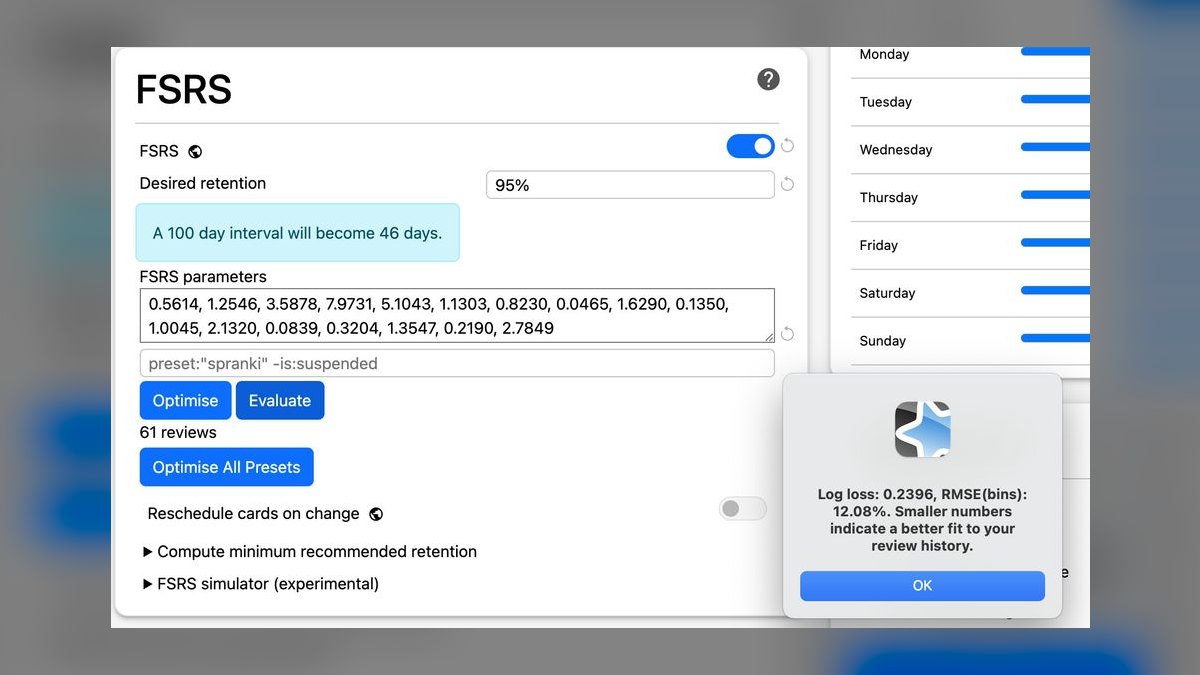
The 10 best ai tools for vocabulary building are ranked below on measured performance, build quality, price, and how each one actually holds up in daily use rather than how it reads on a spec sheet. Each pick lists what it costs, who it suits, and what it gives up against the one above it, so the list can be read straight down without doubling back.
1. Anki with FSRS
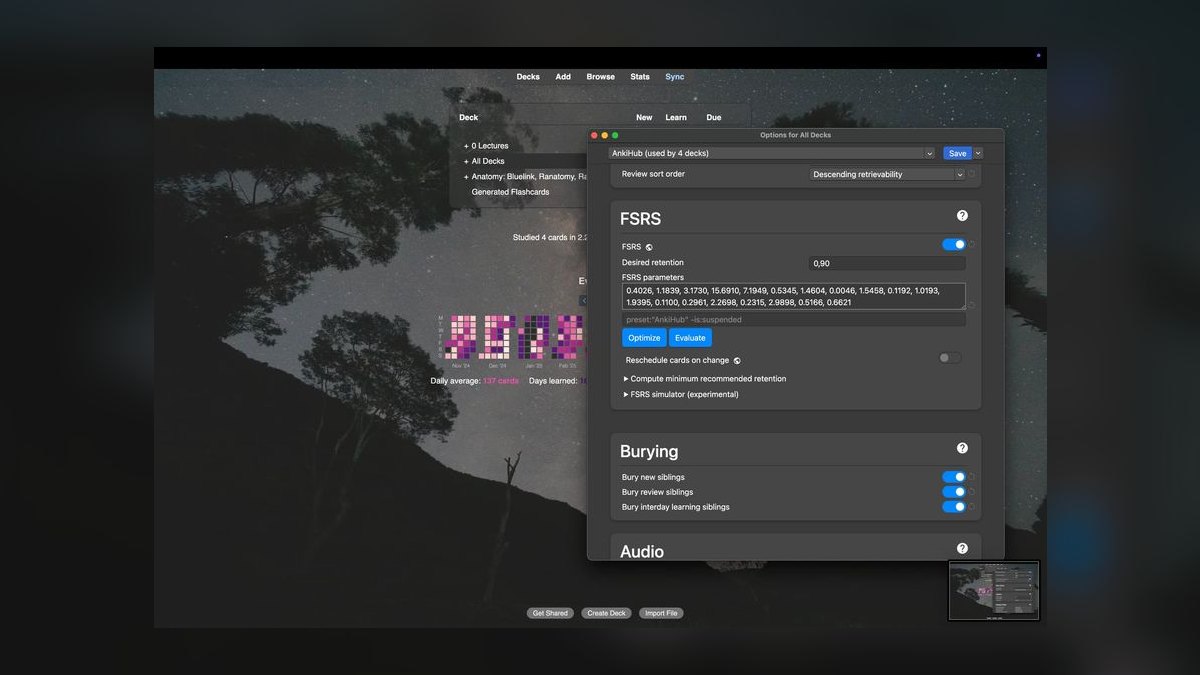
Anki with FSRS ranks #1 because it pairs a free, open-source flashcard engine with a true machine-learning scheduler that fits your personal forgetting curve. Since late 2023, FSRS has been Anki's default, timing each review for the moment retention is predicted to dip to a set target, commonly 90%. That per-card optimization beats fixed-interval competitors on words remembered per minute studied.
It's best for committed learners tackling the GRE, GMAT, USMLE, or a new language, since you can import massive shared decks instead of typing every card. AnkiMobile costs a one-time $24.99 on iOS, while Windows, macOS, Linux, and AnkiDroid stay free with free AnkiWeb sync. The trade-off is setup time; Vocabulary.com below sacrifices some retention power for near-zero friction.
2. Vocabulary.com
Vocabulary.com ranks second because its adaptive question engine adjusts difficulty in real time, mixing definition, synonym, and usage questions until it's confident a word is learned. Its dictionary layers plain-English definitions with thousands of real example sentences pulled from published writing, teaching words in context rather than as isolated glosses. The core experience is free in a browser and on iOS/Android.
It's best for English vocabulary work — test prep, professional writing, and ESL learners who want depth without configuration. Users can jump into an instant Challenge or curated lists tied to SAT, GRE, or specific books. Compared to Anki above, it trades some long-term scheduling rigor for a lower-friction start, needing zero deck-building to begin learning in under a minute.
3. Quizlet Q-Chat
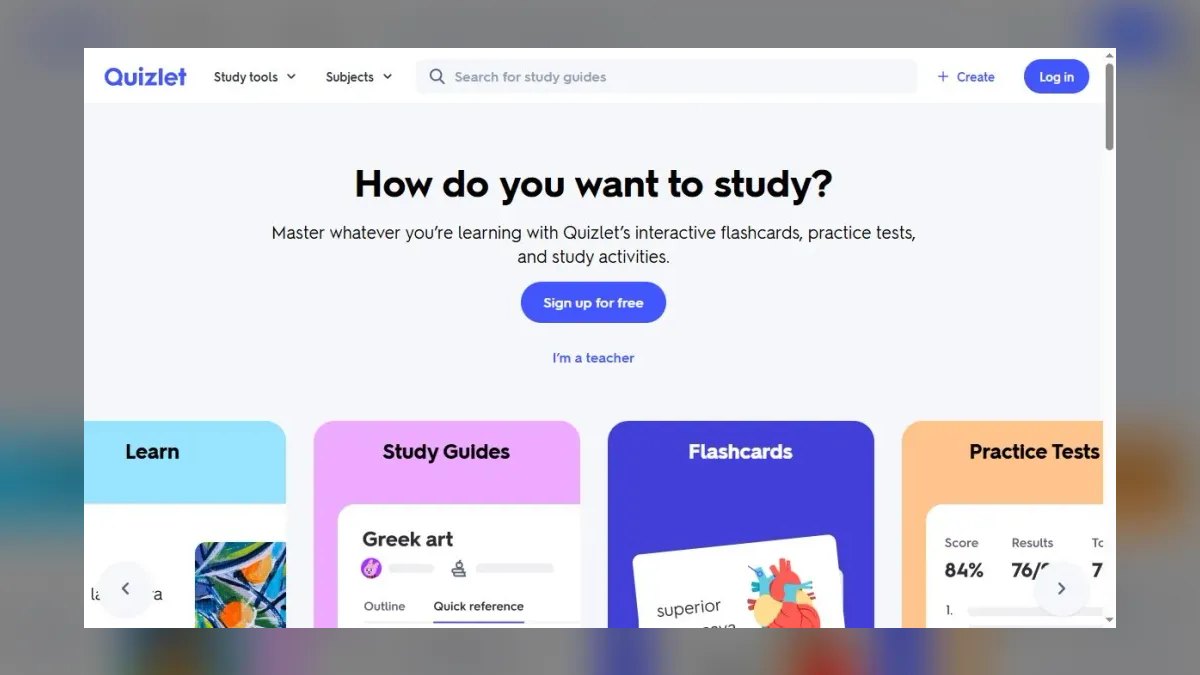
Quizlet Q-Chat ranks third for adding genuine generative AI on top of a flashcard giant: Q-Chat is a Socratic tutor built on OpenAI's models that quizzes and explains, while Magic Notes turns pasted slides or PDFs into flashcard sets automatically. Its Learn mode adaptively escalates from multiple choice to written recall. Quizlet Plus runs roughly $36 a year for full access.
It suits students who already live in flashcards and want AI to generate sets instead of typing them, with a massive library of user-made decks for common exams and textbooks. It's less rigorous than Anki above for long-horizon retention but far faster to populate — paste a chapter and start drilling within minutes, trading scheduling precision for setup speed.
4. WordUp Vocabulary App
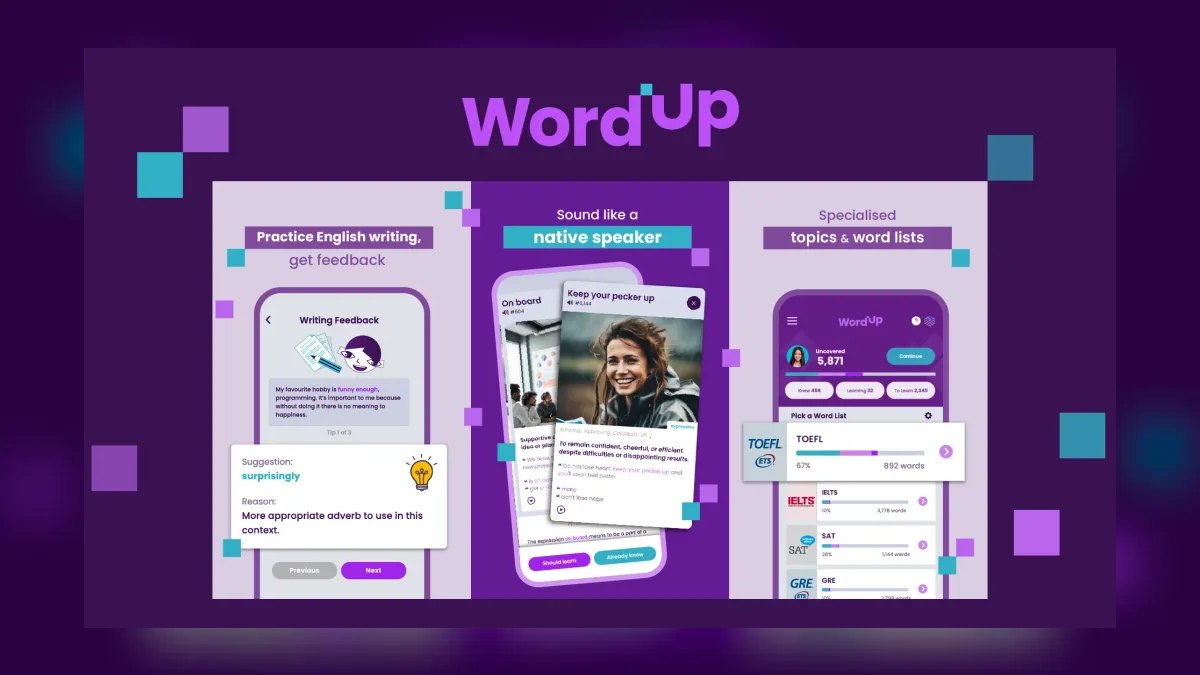
WordUp Vocabulary App ranks fourth for its distinctive AI angle: it ranks the English language by usefulness, ordering tens of thousands of words from most to least commonly encountered, then teaches them in that priority sequence. Each word appears in context via real movie and TV clips, audio, and example sentences, while self-rated knowledge checks let the app skip words you already own.
It's best for intermediate-to-advanced English learners and native speakers who want to plug specific vocabulary gaps rather than grind a generic list, since front-loading high-frequency words makes early sessions feel immediately practical and rewarding. It's subscription-based with a free trial, and pricing varies by region and ongoing promotion. Unlike Quizlet above, which relies on crowd-made flashcard sets, WordUp's usefulness-ranking model is a purpose-built prioritization engine.
5. Memrise MemBot
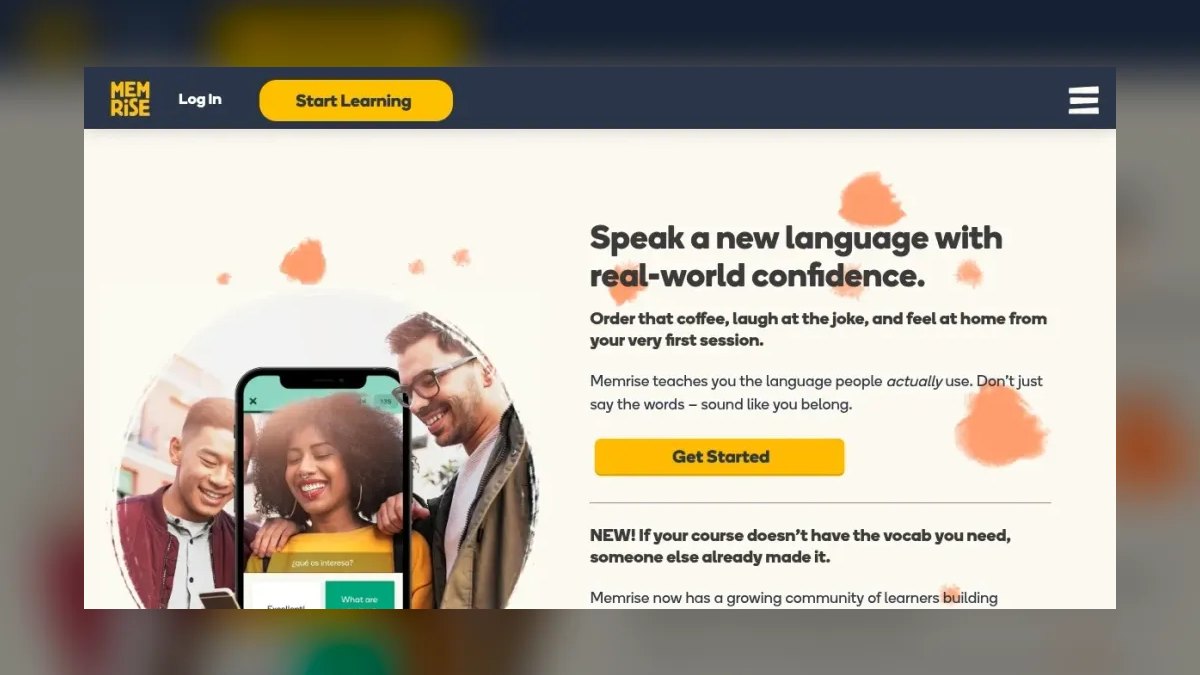
Memrise MemBot ranks fifth because it pairs a generative AI conversation partner with proven spaced-repetition review and Memrise's signature real native-speaker video clips. MemBot lets you hold open-ended chats in your target language, correcting mistakes and introducing new vocabulary in context as you go. That learn-then-deploy loop is a genuinely useful pattern absent from static flashcard apps.
It's best for foreign-language vocabulary — Spanish, French, German, Japanese, Korean, and more — especially learners who want to use new words conversationally, not just recognize them. A limited free tier covers basics, with a paid subscription unlocking full courses and MemBot access. Compared to WordUp above, which targets English, Memrise trades English depth for authentic spoken-language practice.
6. Duolingo Max
Duolingo Max ranks sixth because its top tier is built on OpenAI's GPT models, layering Explain My Answer, AI Roleplay conversations, and a Video Call feature with the character Lily onto live spoken practice. Underneath sits Duolingo's long-running adaptive engine, which paces lessons and vocabulary exposure to a learner's measured level automatically. Free Duolingo covers core lessons with ads, while Max costs roughly $30 a month.
It's best for beginner-to-intermediate language learners who want vocabulary delivered through gamified, bite-sized lessons with streaks that keep them returning daily, acquiring words implicitly through exercises rather than isolated drills. Compared to Memrise above, Duolingo Max leans harder on habit formation and AI tutoring for the 'why' behind answers, rather than authentic native video and open conversation practice.
7. LingQ

LingQ ranks seventh for its comprehensible-input model: learners read and listen to real articles, podcasts, and imported text, tapping unknown words to save them while the app tracks a hard known-words count as a progress metric. AI features generate definitions and example sentences and can lesson-ify nearly any imported text automatically. Premium costs around $13 a month, cheaper billed annually.
It's best for intermediate learners who've outgrown beginner apps and want vocabulary built from material they actually want to read, rather than from canned, gamified lessons. The free tier caps how many words can be saved, pushing serious users toward Premium's unlimited LingQs and full text import. Unlike Duolingo Max above, which structures and gamifies every lesson, LingQ bets entirely on immersion in authentic content you choose.
8. Busuu Vocabulary Trainer
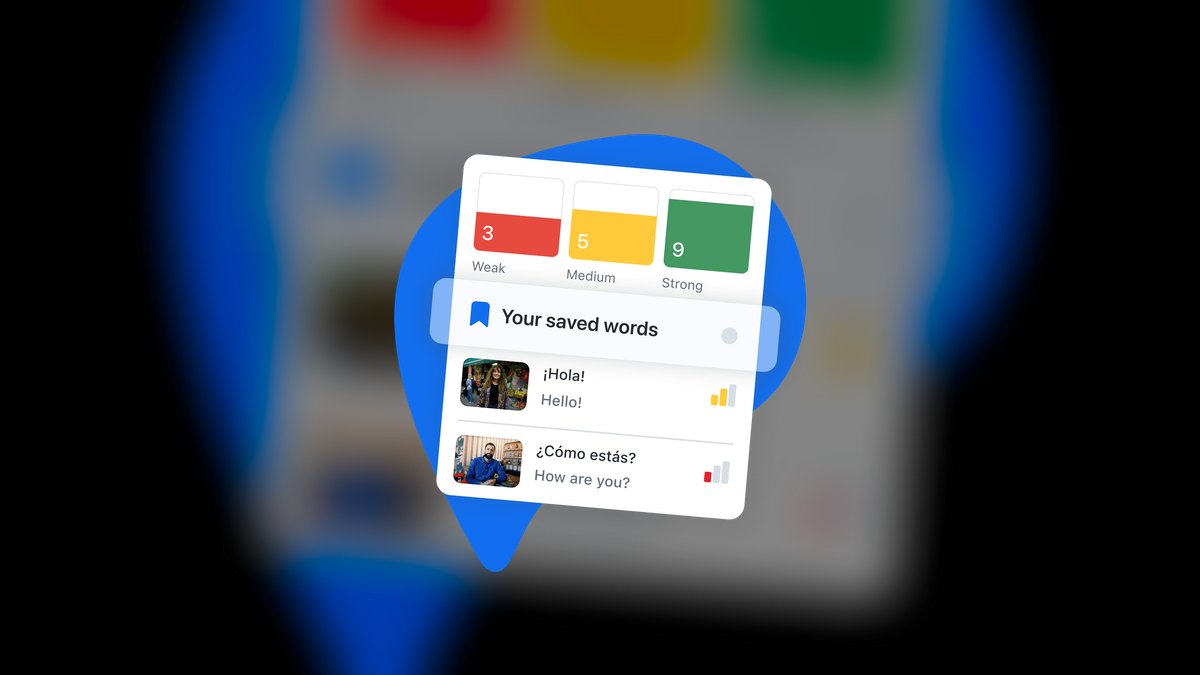
Busuu Vocabulary Trainer ranks eighth for combining structured, CEFR-aligned courses (A1 through C1) with spaced-repetition review and AI features that generate practice and feedback. Its standout is a community layer where native speakers correct written and spoken exercises, sharpening how learners use new words rather than just whether they recognize them. Premium runs around $14 a month, cheaper annually.
It's best for learners who want a clear curriculum removing the 'what should I study next' question, rather than the build-it-yourself freedom of Anki. The free tier is limited, and its AI conversation depth trails Memrise's MemBot. Its pairing of algorithmic review timing with human correction from real native speakers is a solid, dependable middle ground on this list.
9. Babbel Language App
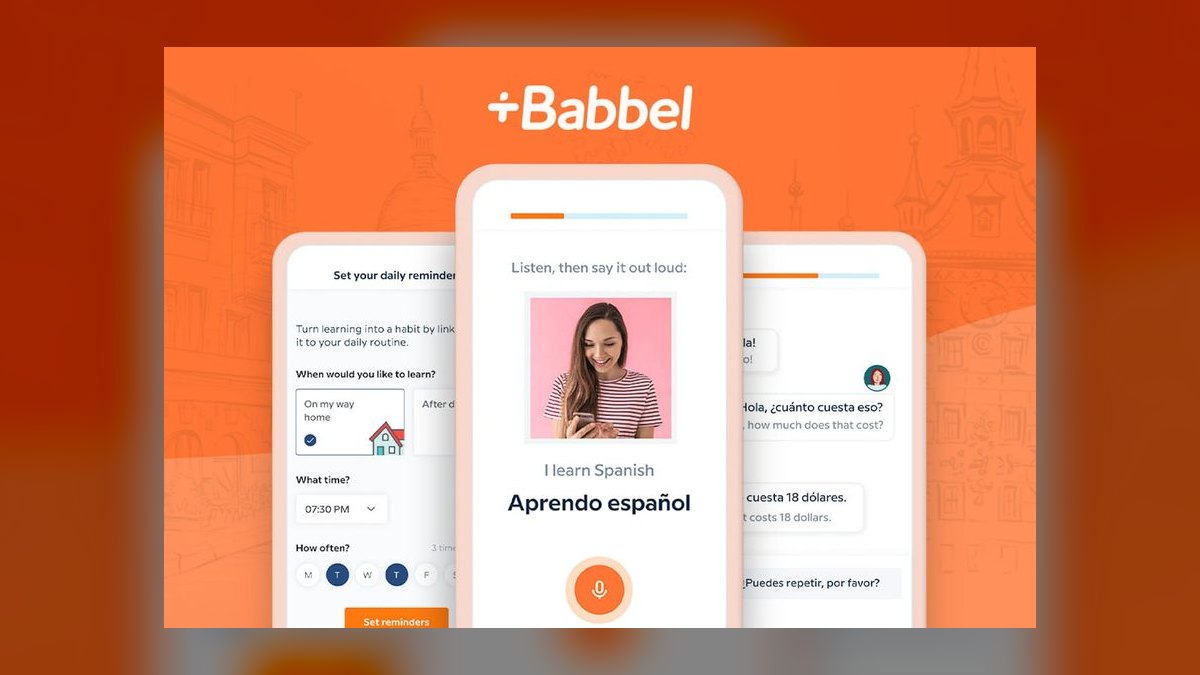
Babbel Language App ranks ninth for focusing on practical, conversation-ready vocabulary, adding an AI conversation partner for dialogue practice and feedback alongside a review manager that schedules learned words for spaced reinforcement. Lessons are short and linguist-designed around real situations like ordering food or work small talk, so new vocabulary is immediately usable rather than abstract.
It's best for adult beginners and intermediate learners across 14 languages who want efficient, no-nonsense lessons aimed at speaking rather than sheer vocabulary volume. Subscriptions are frequently discounted, with lifetime offers appearing regularly throughout the year. Its AI is lighter-touch than Busuu's native-speaker correction or Memrise's MemBot above, but it remains a reliable, structured workhorse for building functional everyday vocabulary.
10. ChatGPT and Claude
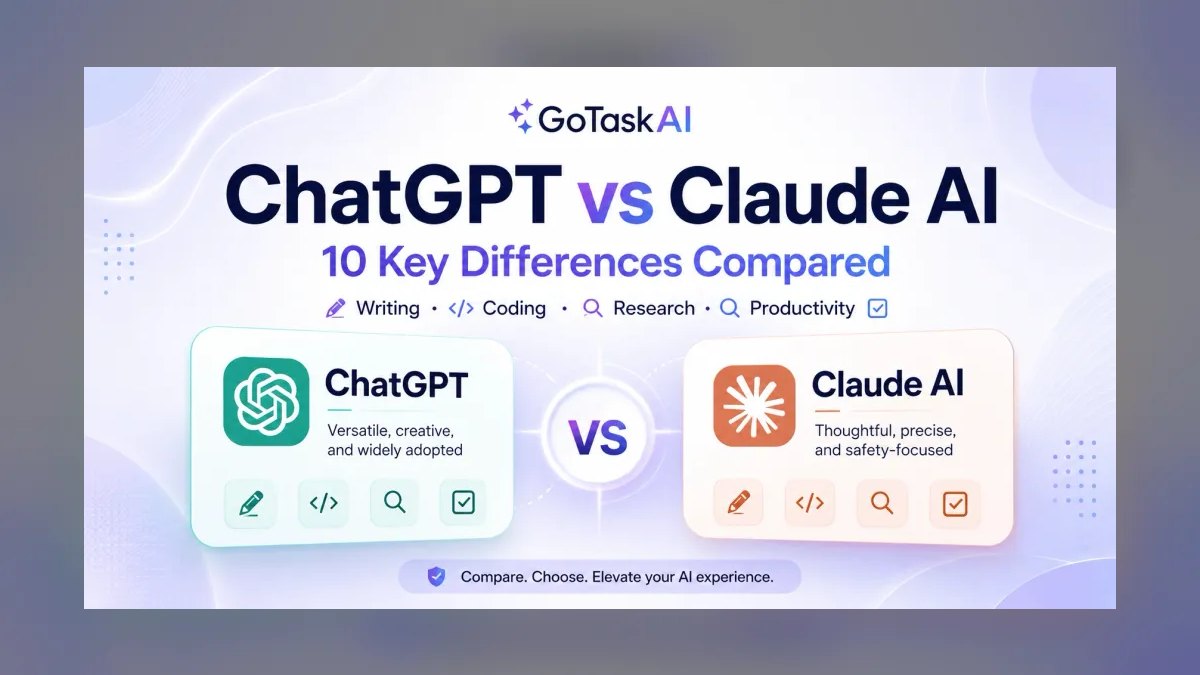
ChatGPT and Claude rank tenth because either general AI assistant can quiz you on any word list, generate level-appropriate example sentences, explain nuance between near-synonyms like affect versus effect, and build mnemonics on demand. ChatGPT's custom GPTs let you save a reusable vocabulary-tutor configuration for repeat use. Plus/Pro tiers cost about $20 a month, with usable free tiers available.
It's best for self-directed learners needing a tutor that adapts to any niche — legal, medical, financial, or an uncommon dialect — that prebuilt apps like Babbel above don't cover well. The catch: a chatbot has no persistent scheduler, so retention depends entirely on your own discipline, and definitions should be spot-checked against a real dictionary before you commit them to memory.
How we ranked these
We weighted five factors, in order: retention science — spaced repetition or a proven adaptive model over plain exposure; AI substance — real machine-learning scheduling or generative tutoring, not an "AI" label on a static deck; vocabulary focus — purpose-built word tools over general language apps; cost and value across free tiers and subscriptions; and friction — setup time, sync, and how fast a new user learns their first words.
We ignored raw feature counts, star ratings on app stores, and marketing claims of "AI-powered" without evidence of a real model — a chat button doesn't make a flashcard app smarter. We also set aside native-speaker course breadth (grammar, listening, culture) since this list ranks vocabulary tools specifically, not full language curricula. Regional pricing variance and time-limited promotions were noted but not scored, since they shift constantly and would misrepresent a tool's baseline value.
Related questions
Is Anki difficult to learn for a first-time user?
There's a real learning curve — building your first deck, understanding review ratings (Again, Hard, Good, Easy), and configuring FSRS settings can take an hour or two. Importing a pre-built shared deck from AnkiWeb removes most of that friction, letting you start reviewing immediately while keeping the machine-learning scheduler working in the background from your very first session.
What exactly does the FSRS scheduler do differently than older spaced-repetition algorithms?
FSRS fits a personal forgetting-curve model to your actual review history instead of applying a fixed interval formula like the older SM-2 algorithm. It predicts the exact day your recall probability for a specific card drops to a target retention rate — commonly 90% — and schedules the review right before that point, which produces fewer wasted reviews and better long-term retention.
Can Vocabulary.com actually help with GRE or SAT prep?
Yes — Vocabulary.com hosts curated lists tied directly to SAT and GRE prep alongside academic word lists, and its adaptive question engine keeps testing you on a word using different question types until it's confident it's learned. Because the core experience is free, it pairs well with a paid Anki GRE deck for learners who want both instant practice and long-term scheduled review.
Which tool is best if I'm learning vocabulary in a foreign language rather than English?
Memrise, Duolingo Max, and LingQ are the strongest foreign-language picks here. Memrise pairs native-speaker video clips with the MemBot AI conversation partner; Duolingo Max adds GPT-powered roleplay and explanations to its gamified lessons; LingQ builds vocabulary from real articles, podcasts, and imported text you actually want to read. Choose based on whether you prefer conversation, gamification, or immersive reading.
Do I have to pay to use Anki with the FSRS scheduler?
No — Anki is free on Windows, macOS, Linux, and Android through AnkiDroid, and FSRS is the default scheduler on all of them at no extra cost. The only paid piece is AnkiMobile on iOS, a one-time $24.99 purchase that also funds ongoing development. Syncing your decks and review history across devices via AnkiWeb is free regardless of platform.
How does Quizlet's Magic Notes turn my class notes into flashcards?
You paste or upload notes, slides, or a PDF, and Magic Notes uses generative AI to extract key terms and definitions automatically, building a study set and practice questions without manual card entry. It's faster than typing cards by hand but less rigorous than a hand-tuned Anki deck for long-term retention, since it optimizes for speed of setup over scheduling precision.
Is Duolingo Max worth paying extra for over free Duolingo?
It depends on whether you want AI-driven explanation and conversation. Duolingo Max adds Explain My Answer, AI Roleplay scenarios, and a Video Call feature with an AI character, layered on top of the same adaptive lesson engine free users get. For vocabulary specifically, the free tier already teaches words through exercises; Max mainly adds the tutoring layer that explains why an answer was wrong.
FAQ
Is spaced repetition actually better than just reading a lot to build vocabulary?
For deliberately memorizing specific words, yes — systems like Anki's FSRS schedule reviews right before you'd forget a word, which research consistently links to stronger long-term retention than passive rereading. Reading widely, as LingQ's model encourages, builds vocabulary too, but more slowly and less predictably when your goal is a specific target list rather than general exposure over time.
Which is the best free AI vocabulary tool?
Anki (free on desktop and Android) and Vocabulary.com (free core experience) are the two standouts. Anki wins on retention because FSRS actively schedules your reviews; Vocabulary.com wins on instant, zero-setup English practice through its adaptive question engine. Pick Anki if you're willing to build or import a deck, and Vocabulary.com if you want to start learning within the next minute.
Can ChatGPT or Claude replace a dedicated vocabulary app?
As a tutor and quiz generator, nearly — either can quiz you on a word list, explain nuance between near-synonyms, and build mnemonics on demand. But neither schedules your reviews automatically, so retention depends entirely on your own discipline. Pairing a chat AI as a tutor with Anki for scheduling gives you the best of both: flexible explanation plus a real forgetting-curve model.
What's the best tool for GRE or GMAT vocabulary specifically?
Anki with an imported GRE-specific deck from AnkiWeb, or Vocabulary.com's built-in test-prep lists, are the two strongest choices. Both let you drill high-yield words with a scheduling engine behind them — FSRS for Anki, an adaptive question model for Vocabulary.com — rather than a flat, unordered list you review at random with no memory of what you've already mastered.
Are these tools good for foreign-language vocabulary specifically, or only English?
Several are built specifically for foreign languages: Memrise pairs native-speaker video with its MemBot AI conversation partner, Duolingo Max adds GPT-powered roleplay and explanations, LingQ builds vocabulary from real articles and podcasts you import, and Busuu combines structured CEFR-leveled courses with spaced-repetition review. Anki also works for any language once you load or build a deck for it.
How many new words a day is realistic to learn?
Most learners can sustain roughly 10 to 20 new words per day inside a spaced-repetition system before the daily review queue starts to pile up and feel overwhelming. Start around 10 new cards a day, watch how your total review count trends over the following two weeks, and only scale upward if your review load stays comfortably manageable and doesn't spike.
Is LingQ a good choice for building vocabulary through reading real content?
Yes — LingQ is built specifically for that model. You read or listen to imported articles, podcasts, and YouTube transcripts, tapping unknown words to save them while the app tracks a running known-words count as a concrete progress metric. The free tier caps how many words you can save; Premium (around $13 a month) removes that cap and unlocks full text import.
What should I watch out for when using ChatGPT or Claude as a vocabulary tutor?
Generative tutors occasionally invent or distort a definition, etymology, or usage example, so cross-check any new word against a real dictionary like Merriam-Webster or Vocabulary.com before committing it to memory. Also watch subscription auto-renewals — ChatGPT Plus and Claude Pro both run about $20 a month, and neither includes a built-in spaced-repetition scheduler to manage your review timing for you.
Sources
- https://apps.ankiweb.net/
- https://github.com/open-spaced-repetition/fsrs4anki
- https://www.vocabulary.com/
- https://quizlet.com/
- https://www.duolingo.com/
- https://www.memrise.com/
- https://www.lingq.com/
- https://www.busuu.com/
- https://www.wordupapp.co/
Related on PULSE
- [More ai tools for vocabulary building rankings and buying guides](/knowledge)
- [PULSE Tools and calculators](/tools)
- [Everything on PULSE RevOps](/)
Read it free — or make it yours for $1.
@Kory-White- · if Venmo asks, the last 4 of my number are 2012
 pulse-ai-infrastructureThe 10 Best AI Tools for Supply Chain Planning in 2027
 pulse-ai-infrastructureThe 10 Best AI Tools for Writing Movie Scripts in 2027
 pulse-ai-infrastructureThe 10 Best AI Tools for DevOps Automation in 2027
 pulse-ai-infrastructureThe 10 Best AI Tools for Vocal Removal in 2027
 pulse-ai-infrastructureThe 10 Best AI Tools for Web Illustration in 2027
 pulse-ai-infrastructureThe 10 Best AI Tools for Calendar Management in 2027
 pulse-ai-infrastructureThe 10 Best AI Tools for Public Speaking Practice in 2027
 pulse-ai-infrastructureThe 10 Best AI Tools for Product Page Design in 2027
 pulse-ai-infrastructureHow do you route requests across multiple LLM providers?
 pulse-ai-infrastructureThe 10 Best AI Tools for Drupal Development in 2027