
The 10 Best AI Tools for Inventory Management in 2027
 Curated byKory White · Fractional CRO · Maryland
 PULSEKNOWLEDGE LIBRARY
Quality
Certified
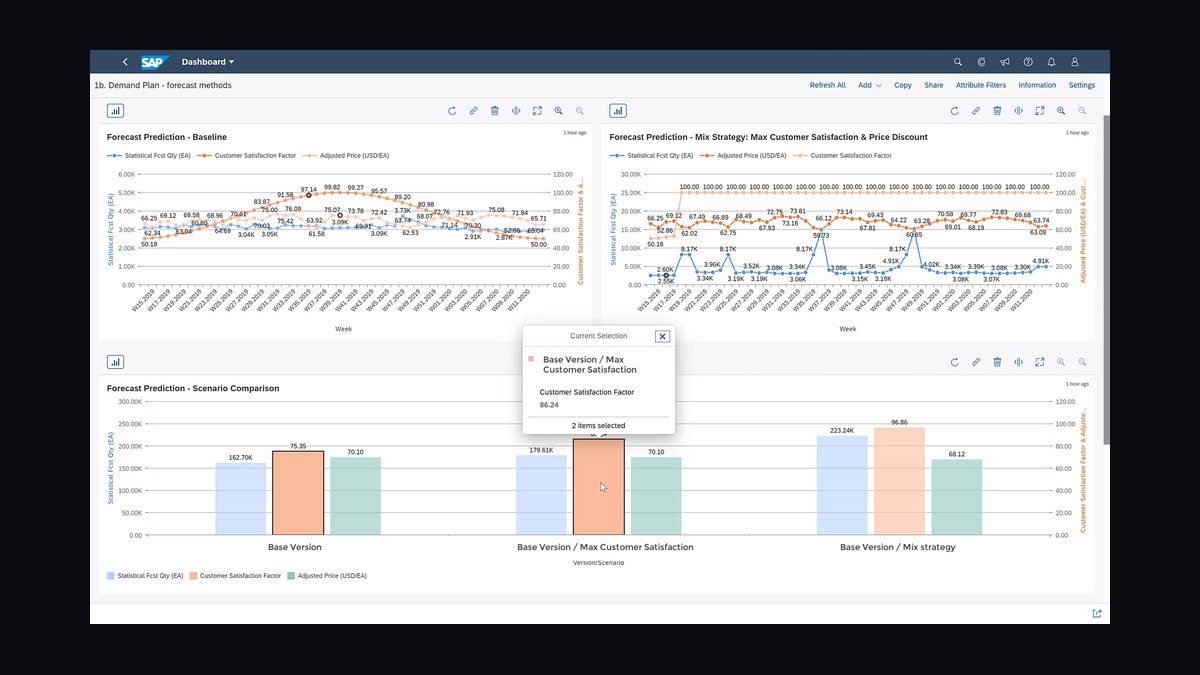
The 10 best ai tools for inventory management are ranked below on measured performance, build quality, price, and how each one actually holds up in daily use rather than how it reads on a spec sheet. Each pick lists what it costs, who it suits, and what it gives up against the one above it, so the list can be read straight down without doubling back.
1. Blue Yonder Luminate Planning

Blue Yonder Luminate Planning ranks first because it is the only platform here that combines probabilistic forecasting, demand sensing, and multi-echelon inventory optimization across an entire distribution network. It ingests point-of-sale signals, weather, and promotional calendars to predict short-term demand swings instead of smoothing them away. Much of its AI now runs on Azure through Blue Yonder's Microsoft partnership. It handles thousands of SKUs across many nodes, including perishables and long lead times.
This is for enterprise retail, grocery, and distribution operators running 50,000-SKU networks with regional warehouses. You trade away speed and budget predictability: pricing is custom enterprise quote, and implementations run months with partner help. A 200-SKU shop should not consider it. Compared with Microsoft Dynamics 365 Supply Chain Management below, Blue Yonder goes deeper on network-tier safety stock but does not include MRP or production planning.
2. Microsoft Dynamics 365 Supply Chain Management
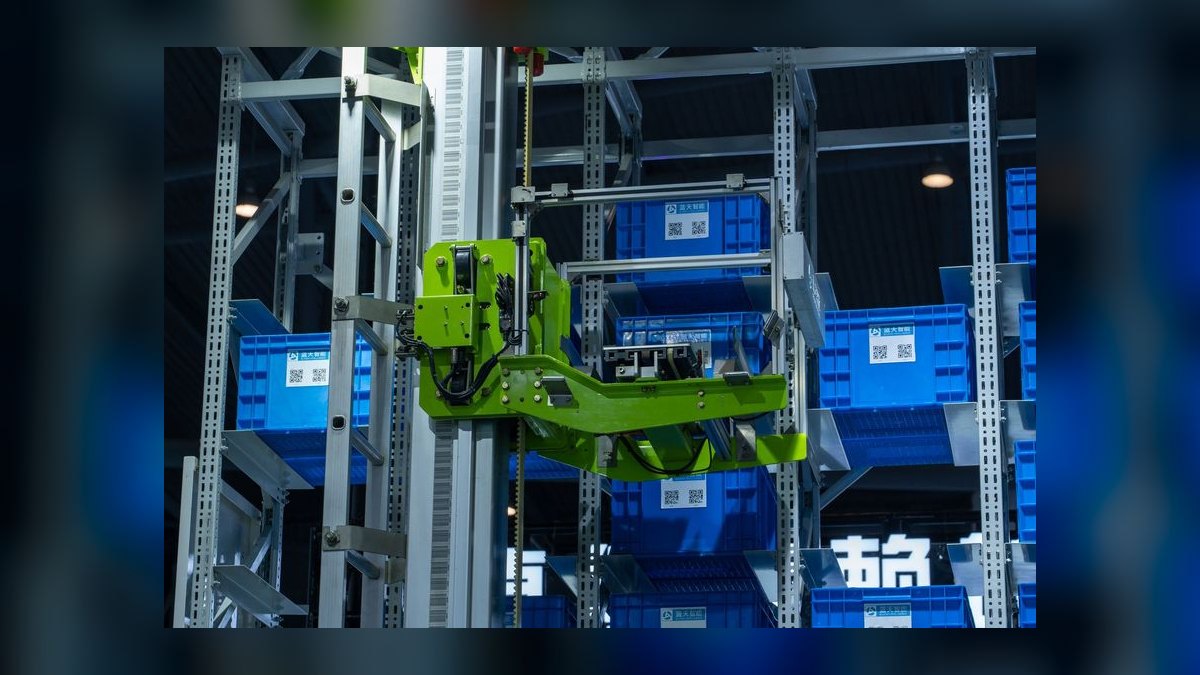
Dynamics 365 Supply Chain Management ranks second because it pairs Azure Machine Learning demand forecasting with an embedded Copilot that answers natural-language questions about stock positions, late shipments, and supplier risk. Its inventory visibility service tracks on-hand and available-to-promise across sites in near real time. Built-in MRP and warehouse management cover production, not just resale. Deployment runs cloud or hybrid on Azure.
This is for manufacturers and distributors already standardized on Microsoft 365, Teams, and Azure, where identity and data layers are shared. You trade away cost predictability: licensing is per-user and per-module, so spend climbs with headcount and enabled functions, and an implementation partner is expected. Against Blue Yonder above, it gives up multi-echelon depth in exchange for MRP, procurement, and warehousing under one roof.
3. o9 Solutions

o9 Solutions ranks third on the strength of its enterprise knowledge graph, marketed as the Digital Brain, which models products, locations, and constraints as one connected structure the AI reasons over. That graph links demand, supply, and financial plans in a single concurrent environment for integrated business planning. Its machine-learning forecasts handle new-product introductions and cannibalization scenarios that defeat simpler engines. Scenario modeling spans the full network.
This is for large consumer-goods, industrial, and retail enterprises running complex S&OP cycles. You trade away time and simplicity: o9 is a multi-month, custom-priced commitment usually deployed with consulting partners. Against Kinaxis Maestro below, o9 leans toward revenue and financial plan integration, while Maestro leans toward speed of re-planning; pick o9 when what-if modeling matters as much as replenishment.
4. Kinaxis Maestro

Kinaxis Maestro ranks fourth because its concurrent planning engine, the evolution of RapidResponse, re-plans demand, supply, capacity, and inventory in a single connected model rather than sequential hand-offs. Planners run what-if simulations in seconds and see service-level and inventory impact across the whole network before committing. AI and machine learning now sit on top of that engine for forecasting. Its differentiator is re-planning speed under disruption.
This is for complex manufacturing and high-tech supply chains — semiconductors, automotive, life sciences — where one supply shock ripples across thousands of components. You trade away accessibility: it is enterprise SaaS with custom pricing and a meaningful onboarding curve. Against o9 above, Maestro is the sharper choice when you need to react in hours rather than model financial scenarios.
5. RELEX Solutions

RELEX Solutions ranks fifth as the sharpest retail specialist on this list. Its machine-learning demand forecasting explicitly models weather, local events, holidays, and promotional cannibalization, then drives automated store and warehouse replenishment down to the shelf. Fresh-food and short-shelf-life forecasting is a particular strength. The platform also covers space and assortment planning, so it optimizes what sits on the shelf and how much to order.
This is for supermarkets, convenience chains, and omnichannel retailers managing perishables and heavy promotional intensity. You trade away breadth: RELEX is built around store replenishment, not discrete manufacturing or MRP, and it is priced for mid-market to enterprise retail with implementation support. Against Kinaxis Maestro above, RELEX wins on spoilage and out-of-stock reduction but does not do component-level supply simulation.
6. Oracle NetSuite

Oracle NetSuite ranks sixth because its intelligent inventory management sits inside the same cloud ERP as orders, billing, and finance, so counts and costs stay reconciled without stitching systems together. Demand planning generates supply plans from historical sales and trends, automatic reorder points trigger replenishment, and SuiteAnalytics adds AI insight on top of the core ledger. Multi-location support handles warehouses, subsidiaries, and 3PLs cleanly.
This is for growing product businesses that have outgrown QuickBooks and want one system of record. You trade away forecasting depth — the planning engine is not in Blue Yonder or RELEX territory — and you accept subscription pricing with a base platform plus modules, users, and implementation work. Against Cin7 below, NetSuite buys you real accounting and consolidation rather than channel-focused order management.
7. Cin7
Cin7 ranks seventh for multichannel stock accuracy at a non-enterprise budget. It ships as Cin7 Core, formerly DEAR, for SMBs and Cin7 Omni for larger omnichannel operations, with demand forecasting and auto-reordering that flag what to buy and when. Deep native connections to Shopify, Amazon, eBay, and major 3PLs keep stock in sync across channels. Built-in B2B portals and EDI support serve wholesale alongside retail.
This is for wholesalers, ecommerce brands, and light manufacturers juggling many channels and locations. You trade away ERP-grade financials and enterprise network optimization. Core pricing starts in the few-hundred-dollars-per-month range and scales with users and add-ons. Against Oracle NetSuite above, Cin7 costs far less and deploys in weeks rather than months, but leaves your books in a separate system.
8. Inventory Planner by Sage

Inventory Planner by Sage ranks eighth because it is a focused forecasting and purchasing layer rather than a full inventory system. It pulls sales history from Shopify, BigCommerce, WooCommerce, and ERPs, then produces replenishment recommendations, suggested purchase orders, and stockout alerts driven by seasonality and growth trends. Forecasting accounts for supplier lead times and target service levels. Open-to-buy and cash-flow views connect buying decisions to finance.
This is for DTC and ecommerce brands that already have a reliable system of record and want sharper buying decisions. You trade away stock control entirely — it recommends, it does not track where your inventory physically sits — and pricing is quote-based, scaling with order volume and integrations. Against Cin7 above, it adds planning intelligence without replacing your operational platform.
9. StockTrim

StockTrim ranks ninth and wins best value because its flat subscription typically starts around $99 per month with a free trial. Its machine-learning forecasting is designed to work on limited or patchy sales history, generating optimized reorder recommendations, safety-stock levels, and purchase orders that account for supplier lead times. Integrations cover Shopify, Xero, QuickBooks Online, Unleashed, and Cin7. Most users are live within days rather than months.
This is for small manufacturers, wholesalers, and growing ecommerce shops that want real forecasting science without enterprise pricing. You trade away multi-echelon network optimization, space planning, and any ERP function. Against Inventory Planner by Sage above, StockTrim has published entry pricing instead of quotes and handles sparse data better, but offers less depth on open-to-buy and cash-flow planning.
10. Cogsy

Cogsy ranks tenth as the narrowest tool here, built specifically for Shopify DTC brands. It converts sales data into forecasts, replenishment alerts, and purchase orders, and frames every recommendation around revenue goals — telling you the inventory needed to hit a target, not just to avoid running out. Back-in-stock and pre-order workflows capture demand during stockouts. The interface suits founders and ops generalists rather than supply-chain specialists.
This is for direct-to-consumer ecommerce teams living inside Shopify who want an opinionated buying workflow. You trade away platform breadth by design: no ERP, no warehouse management, no multi-channel wholesale depth, and pricing is SMB-to-mid DTC subscription with onboarding support. Against StockTrim above, Cogsy is goal-based and Shopify-native but costs more and fits fewer stacks.
How we ranked these
We scored ten platforms on six inventory-specific criteria: forecast accuracy (probabilistic ML, demand sensing, promotion lift versus flat moving averages), replenishment automation, multi-channel and multi-location coverage, native integrations with Shopify, Amazon, QuickBooks and major ERPs, time-to-value, and price-to-fit. Weighting favored capabilities shipping in production today across real SKU counts, not roadmap slides. Multi-echelon optimization and fresh-food forecasting earned extra credit where the vendor demonstrably serves those workloads.
We deliberately ignored G2 star counts, funding rounds, analyst quadrant placement, and vendor-supplied accuracy percentages, because none survive contact with a buyer's own messy sales history. We ignored barcode scanning, RFID hardware, and warehouse robotics as separate purchases. We ignored generative-AI chat features that summarize dashboards without changing a reorder quantity. Roadmap promises and unreleased copilots scored zero regardless of how loudly they were marketed.
What to look for
The decision hinges on two things: your scale and your existing system of record. If inventory counts and costs already live somewhere reliable, buy a planning layer like Inventory Planner or StockTrim and keep your stack. If stock data is scattered across spreadsheets and apps, no forecasting engine will save you — buy NetSuite or Dynamics 365 first. Multi-echelon optimization only matters when you actually run tiered distribution nodes.
The common mistake is over-buying. Operators with 200 SKUs sign enterprise contracts requiring months of implementation and a partner, then use maybe fifteen percent of the platform. The mirror mistake is under-buying: a 50,000-SKU distributor running spreadsheet reorder points loses more in carrying cost and stockouts each quarter than Blue Yonder costs annually. Load 18-24 months of real history into every trial before signing.
Related questions
What is multi-echelon inventory optimization?
MEIO sets safety-stock targets at every tier of a distribution network simultaneously — central warehouse, regional DCs, and stores — rather than optimizing each location in isolation. Blue Yonder and o9 lead here. It matters when stock at one node can cover demand at another; for single-warehouse operators it adds cost without benefit.
How does demand sensing differ from demand forecasting?
Traditional forecasting projects weeks or months out from historical patterns. Demand sensing narrows the window to days, ingesting point-of-sale signals, weather, and promotional data to catch short-term swings. Blue Yonder Luminate builds on this. The practical payoff is catching a spike before it becomes a stockout rather than explaining it afterward.
Do I need machine learning or will moving averages work?
Moving averages are adequate for stable, non-seasonal, non-promoted items with steady lead times. Once seasonality, promotional cannibalization, or variable supplier lead times enter the picture, they systematically under-forecast peaks and over-stock troughs. Machine learning earns its price when your demand has structure a rolling average smooths away.
Which AI inventory tools integrate natively with Shopify?
Cogsy is purpose-built for Shopify DTC brands. StockTrim connects to Shopify alongside Xero, QuickBooks Online, Unleashed, and Cin7. Inventory Planner by Sage pulls from Shopify, BigCommerce, and WooCommerce. Cin7 covers Shopify plus Amazon, eBay, and major 3PLs for multichannel sellers.
What does concurrent planning mean in Kinaxis Maestro?
Concurrent planning models demand, supply, capacity, and inventory in one connected engine rather than passing plans between sequential steps. Change one input and every downstream impact recalculates immediately. Kinaxis pioneered it, and it is why Maestro suits semiconductor, automotive, and life-sciences operators who need to re-plan within hours of a supply shock.
Can AI inventory tools handle perishable and fresh goods?
RELEX Solutions is the specialist, modeling weather, local events, holidays, and promotional cannibalization to drive shelf-level replenishment for short-shelf-life items. Blue Yonder also serves grocery at enterprise scale. General-purpose forecasting tools typically miss the waste-versus-availability tradeoff that defines fresh categories.
How much does AI inventory software actually cost?
StockTrim starts around $99 per month flat. Cin7 Core starts in the few-hundred-per-month range, scaling with users and add-ons. Cogsy and Inventory Planner price for SMB-to-mid DTC, usually quote-based on order volume. Blue Yonder, o9, Kinaxis, and Dynamics 365 are custom enterprise quotes with implementation costs on top.
Should I choose an ERP or a standalone forecasting tool?
If your counts and costs already reconcile in a trusted system, a forecasting bolt-on is cheaper and faster to deploy. If your data lives in spreadsheets across departments, an ERP like NetSuite or Dynamics 365 gives you a single source of truth first. Forecasting on unreliable data produces confident, wrong answers.
FAQ
What does AI actually add to inventory management?
Machine-learning demand forecasting that learns seasonality, promotional lift, lead-time variability, and trend rather than applying flat moving averages. The measurable payoff is fewer stockouts and lower safety stock at the same service level, plus automated replenishment that drafts purchase orders for human approval instead of leaving buyers to rebuild them in spreadsheets each week.
Which tool is best overall for 2027?
Blue Yonder Luminate Planning, for probabilistic ML forecasting and autonomous replenishment across complex multi-echelon networks. It handles grocery perishables through long-lead-time distribution. Microsoft Dynamics 365 Supply Chain Management is the close runner-up, especially for organizations already standardized on Microsoft 365 and Azure where identity and data layers are shared.
Which tool is best for a Shopify DTC brand?
Cogsy and StockTrim fit best. Cogsy is built specifically for Shopify DTC, framing forecasts around revenue goals and offering back-in-stock and pre-order workflows. StockTrim delivers forecasting and reorder planning at roughly $99 monthly. Inventory Planner by Sage is the third option if you want a purchasing layer over your existing store.
How long does implementation typically take?
StockTrim and Cogsy go live in days. Cin7 and Inventory Planner take weeks. Enterprise platforms — Blue Yonder, o9, Kinaxis Maestro, NetSuite, and Dynamics 365 — run months and usually require an implementation partner. Budget for data cleanup as the real bottleneck, not software configuration.
Will AI forecasting work with limited sales history?
Yes, within limits. StockTrim explicitly markets accuracy on sparse or patchy history and is the safest pick for newer operations. Most engines want at least twelve months to model seasonality credibly, and two years to separate trend from seasonal effect. More clean history always improves accuracy.
Can these tools auto-generate purchase orders?
Most can. Cin7, StockTrim, Inventory Planner, NetSuite, and every enterprise platform on this list draft suggested purchase orders from forecasts, reorder points, and supplier lead times. You retain approval control in each. Fully autonomous ordering without review is available in the enterprise tier but rarely advisable at first.
What separates Blue Yonder from o9 and Kinaxis?
Blue Yonder emphasizes demand sensing and network-wide fulfillment execution. o9 centers on a graph-based knowledge model linking demand, supply, and financial plans for integrated business planning. Kinaxis Maestro optimizes for speed of re-planning under disruption through concurrent planning. All three are custom-priced, multi-month enterprise commitments.
Is NetSuite an AI inventory tool or an ERP?
Both. NetSuite is a full cloud ERP whose intelligent inventory management adds demand-based planning, automatic reorder points, and SuiteAnalytics insights on top of the ledger. Because inventory sits in the same system as orders and billing, counts and costs stay reconciled — the main reason companies graduating from QuickBooks choose it.
How should I test a vendor before signing?
Load 18-24 months of your own sales history into the trial and backtest the forecast against what actually happened, including your worst stockouts and promotional spikes. A demo on the vendor's clean sample data proves nothing. Compare forecast error against your current method on the same SKUs and periods.
Do I need multi-location support if I use a 3PL?
Usually yes. A 3PL is a location, and if you also hold stock at a home warehouse or retail sites you need visibility across all of them. NetSuite and Cin7 handle 3PL and warehouse combinations cleanly. Single-node forecasting tools will misstate available-to-promise when inventory is split.
Sources
- https://blueyonder.com/solutions/luminate-planning
- https://www.microsoft.com/en-us/dynamics-365/products/supply-chain-management
- https://o9solutions.com/platform/
- https://www.kinaxis.com/en/products/maestro
- https://www.relexsolutions.com/
- https://www.netsuite.com/portal/products/erp/inventory-management.shtml
- https://www.cin7.com/
- https://www.inventory-planner.com/
- https://www.stocktrim.com/
- https://cogsy.com/
Related on PULSE
This page will be disappearing soon. Save it to your device for $1 — or read it free while it is here.
@Kory-White- · if Venmo asks, the last 4 of my number are 2012
This page is gone.
This one is off the shelf now. $1 keeps it on your phone for good — the whole page, pictures and diagrams included.
 pulse-ai-infrastructureThe 10 Best AI Observability Tools for RAG Pipelines in 2027
 pulse-ai-infrastructureThe 10 Best AI Tools for Product Page Design in 2027
 pulse-ai-infrastructureThe 10 Best AI Tools for Gift Recommendations in 2027
 pulse-ai-infrastructureThe 10 Best AI Tools for Background Removal in 2027
 pulse-ai-infrastructureThe 10 Best AI Tools for Writing Movie Scripts in 2027
 pulse-ai-infrastructureThe 10 Best AI Tools for Supply Chain Planning in 2027
 pulse-ai-infrastructureThe 10 Best GPU Cloud Providers for AI Training in 2027
 pulse-ai-infrastructureThe 10 Best AI Tools for A/B Testing in 2027
 pulse-ai-infrastructureHow do you manage secrets and API keys for LLM applications in 2027?
 pulse-ai-infrastructureThe 10 Best AI Tools for Pronunciation Coaching in 2027