
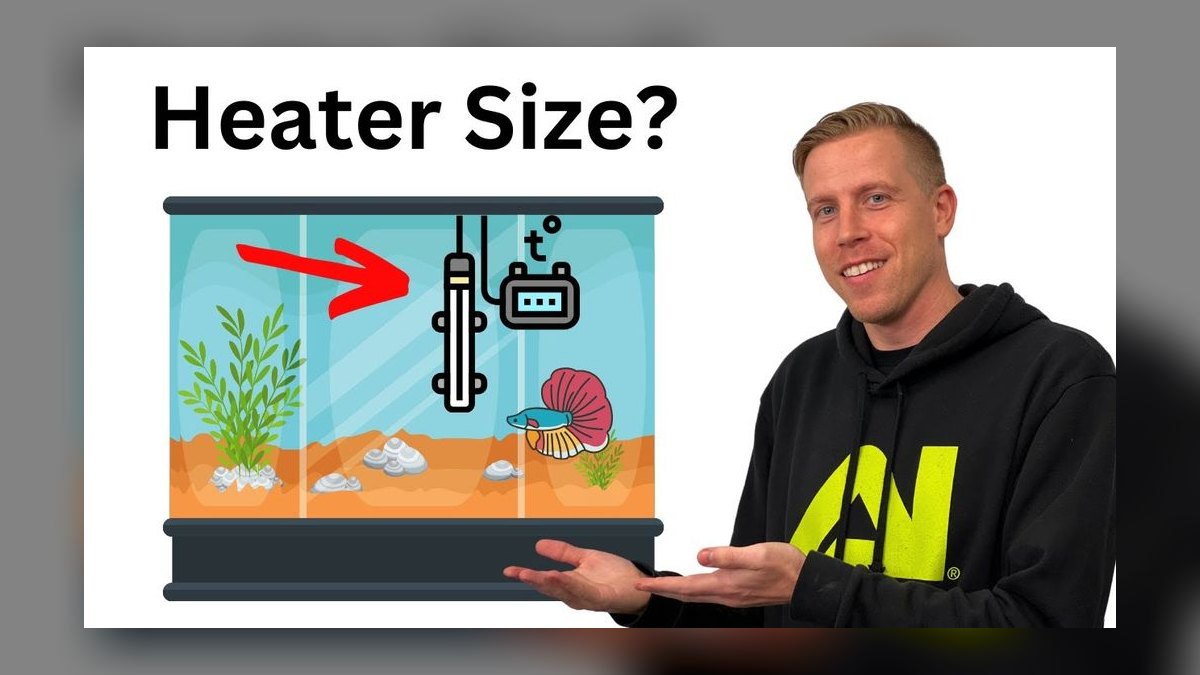
What size aquarium heater is safe for a 20-gallon tall tank?
 Curated byKory White · Fractional CRO · Maryland
 PULSEKNOWLEDGE LIBRARY
Quality
Certified
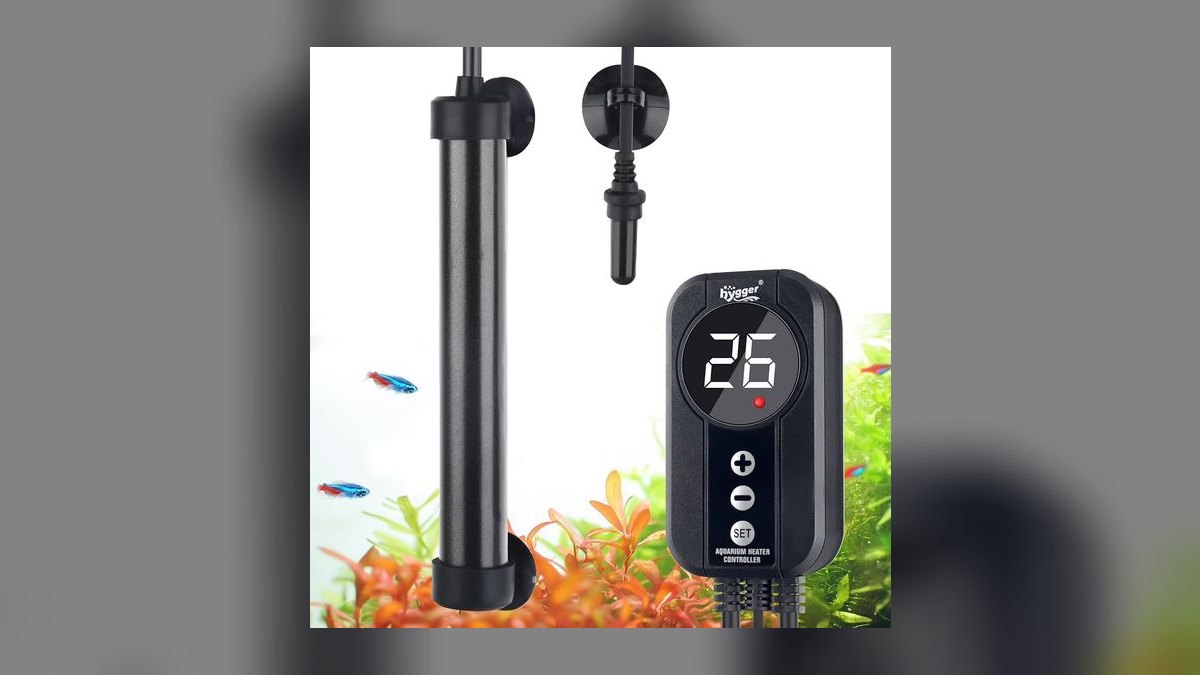
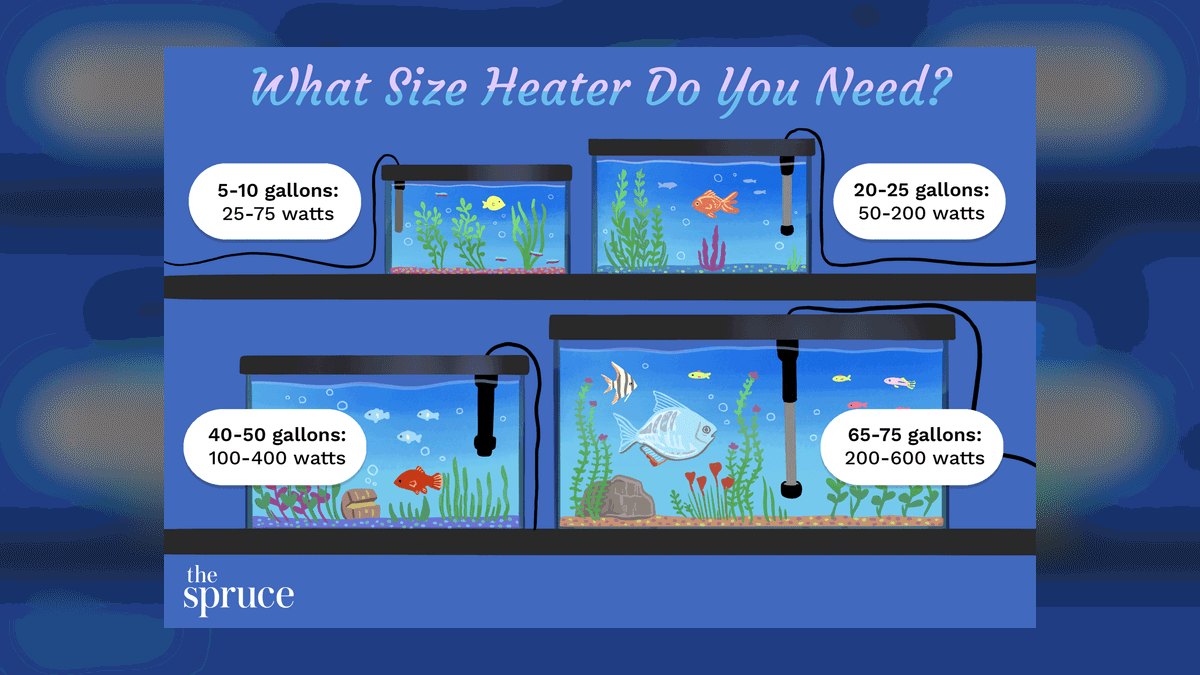
For a 20-gallon tall aquarium, a 100-watt heater is the safe standard size, giving roughly 5 watts per gallon — enough to hold 76–80°F in a normal room. Choose 50–75 watts only in warm rooms, and 150 watts only with a reliable external controller and good water circulation.
The outcome you should expect
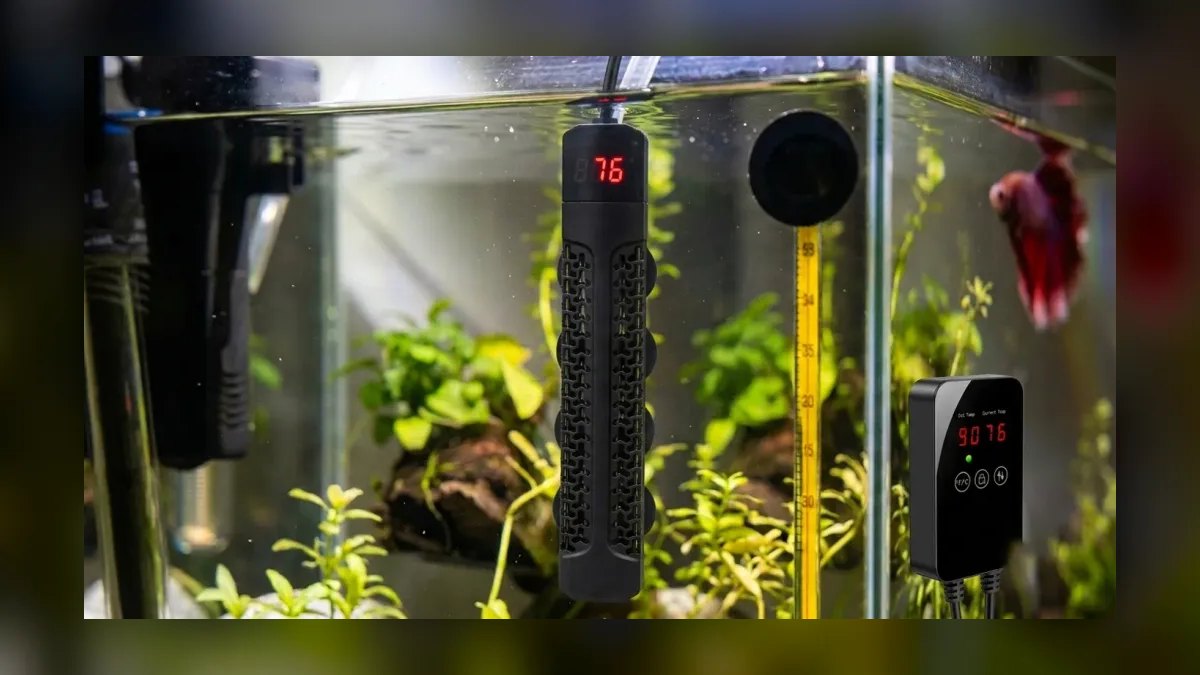
A correctly sized heater on a 20-gallon tall tank should be boring. That is the entire goal. The temperature you set is the temperature you get, day and night, and the thermometer you keep on the opposite end of the glass from the heater reads within about one degree Fahrenheit of the set point around the clock. If you set 78°F, you should see 77.5–78.5°F on a cheap digital probe, with the low point occurring an hour or two before dawn when the room is coldest and the aquarium lights have been off longest.
The second thing you should expect is a duty cycle, not constant operation. A 100-watt heater in a 20-gallon tall tank sitting in a 70°F room will typically run somewhere between 15 and 35 percent of the time — the indicator light clicks on for a few minutes, clicks off for ten or fifteen, and repeats. That intermittent rhythm is the signature of correct sizing. A heater that runs continuously is undersized for the room, and a heater that fires for forty seconds and shuts off for half an hour is oversized enough that each cycle overshoots.
Recovery time is the third expectation. After a 25 percent water change with water that is a couple of degrees cool, a 100-watt heater should bring a 20-gallon tall tank back to set point within roughly one to three hours. That is slow by human standards and completely fine by fish standards, because a gradual half-degree-per-fifteen-minutes climb is far less stressful than a fast correction. If recovery takes six or eight hours, the heater is too small, the room is too cold, or the heater has partially failed.
What you should not expect is precision below about half a degree from the heater's own dial. Built-in bimetallic thermostats on inexpensive glass heaters have real hysteresis — often 1 to 2°F of dead band between cut-in and cut-out — and the printed dial numbers are frequently off by several degrees from actual water temperature. That is normal, not defective. You calibrate by turning the dial until an independent thermometer reads what you want, then marking the position with tape or a paint pen, and you ignore the printed numbers forever after. The measurable outcome, then, is stability, not label accuracy.
Finally, expect the fish to tell you before the instruments do. Tropical community fish held a few degrees too cool get sluggish, sit low, clamp their fins, eat less, and become far more susceptible to ich. Fish held too warm hang near the surface, breathe fast, and lose color because warm water carries less dissolved oxygen. A heater that is correctly sized and correctly placed produces fish that spread across all three levels of a tall tank and feed enthusiastically — which, in a 24-inch-tall column of water, is genuinely the best diagnostic instrument you own.
What drives that outcome
The physics behind heater sizing is a heat-loss problem, not a volume problem. Water in an aquarium loses heat to the room through the glass, through evaporation at the surface, and through any airflow across the top. The heater only has to replace what escapes. That means the single most important variable is not the number of gallons — it is the difference between your target water temperature and the ambient room temperature, often written as delta-T.
This is why the popular "3 to 5 watts per gallon" rule works as a starting point but breaks at the edges. The rule silently assumes a room that sits in the high 60s to low 70s Fahrenheit and a target in the high 70s — a delta-T of roughly 5 to 10°F. Under that assumption, a 20-gallon tank needs 60 to 100 watts, and buying the 100-watt unit gives you headroom for a cold night. Move the same tank into a 60°F basement and the delta-T doubles; move it into an 80°F Florida sunroom in July and the heater may never turn on at all.
Tank geometry matters less than hobby folklore suggests, but it is not zero. A 20-gallon tall measures roughly 24 by 12 by 16 inches, versus the 20-long at about 30 by 12 by 12. The tall tank actually has a *smaller* water surface area, which slightly reduces evaporative heat loss — evaporation is usually the largest single loss channel in an open-top tank. So the tall tank is not harder to heat in total watts. What the tall tank does is make heat *distribution* harder, because warm water is buoyant and a 16-inch water column gives it more room to stratify before mixing.
Surface coverage is a bigger lever than most people expect. A glass lid or hood dramatically cuts evaporation and can reduce heater run time noticeably compared with an open-top rimless setup. If you run an open top with a strong HOB filter splashing at the surface, you are effectively running a small evaporative cooler and your heater will work harder to compensate. Conversely, tightly lidded tanks in warm rooms sometimes drift *above* target from lighting and pump heat alone.
Equipment heat is the underrated input. Every watt consumed by a submersible pump, a powerhead, or a canister filter motor ends up in the water as heat. A small internal pump adds a couple of watts continuously. LED lighting mounted directly over the glass contributes some too, especially in a small volume. In a 20-gallon system, these incidental sources can raise steady-state temperature by a degree or more, which is why some heavily equipped nano setups sit warmer than their owners intended.
Thermal mass acts as a buffer. Twenty gallons of water weighs about 167 pounds and has enormous heat capacity relative to its size, meaning temperature changes slowly. This is protective: a power outage in a 20-gallon tall tank in a heated home drops the water maybe two to four degrees over several hours, not instantly. It also means the heater cannot cook the tank quickly under normal conditions — but a stuck-on heater left for a full day absolutely can, which is the failure mode that matters.
Benchmarks and realistic ranges
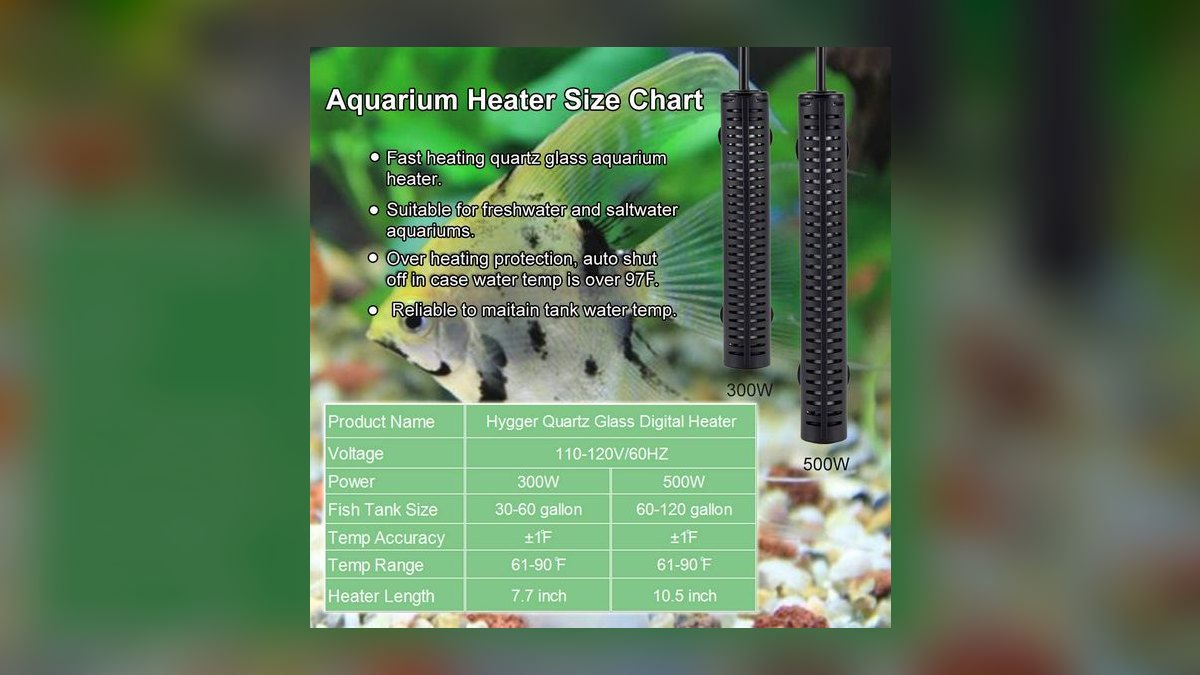
Start with the reference case. A 20-gallon tall tank in a room that stays between 68 and 72°F, targeting 78°F, is squarely a 100-watt job. Manufacturers of common glass and titanium heaters publish tank-size charts that put 20 gallons at 50 to 100 watts, and the 100-watt unit is the one to buy because published charts assume a modest delta-T that a real house does not always deliver in February.
Now the variations, expressed as rules you can actually apply:
Warm room, 74–78°F ambient. Delta-T is only two to four degrees. A 50-watt heater is genuinely sufficient here and has a real advantage: if its thermostat sticks on, 50 watts fighting 20 gallons climbs slowly enough that you will likely catch it. Many keepers in warm climates deliberately undersize for exactly this reason.
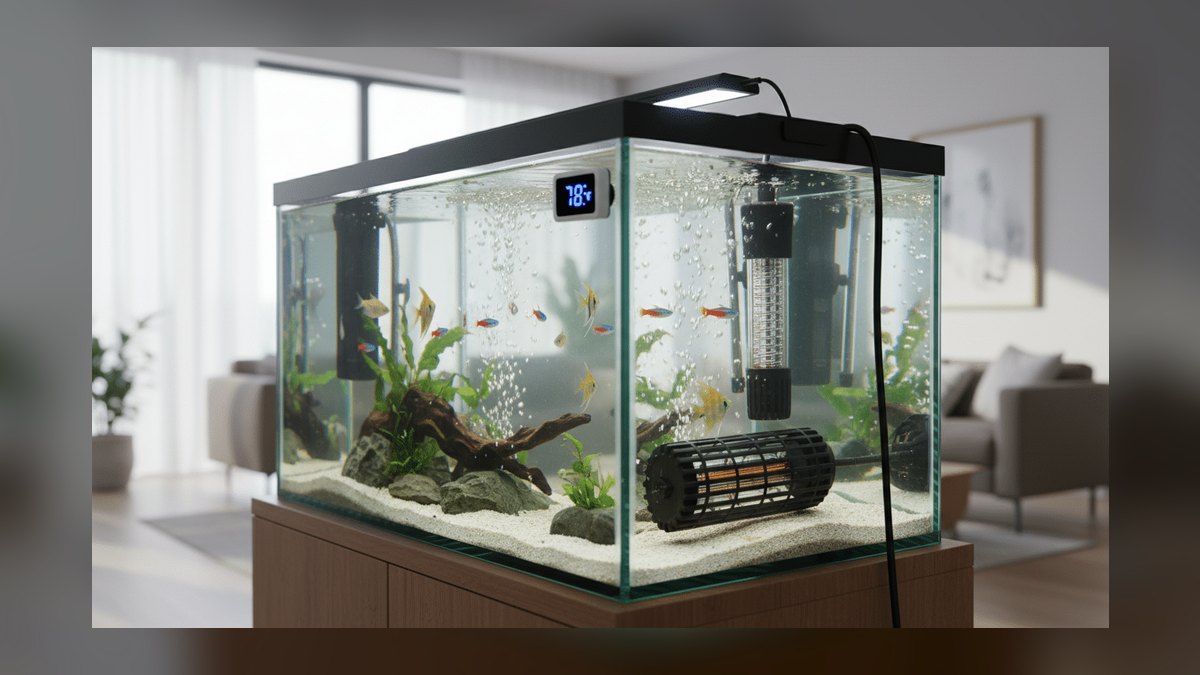
Normal room, 68–72°F. 100 watts. This is the default and the answer to the question as asked.
Cool room, 62–66°F — an unheated bedroom, a converted garage, a basement. Delta-T reaches 12 to 16°F. A 100-watt heater will still get there in most cases but will run a long duty cycle with no reserve. Step to 150 watts, or better, run two 75-watt heaters on opposite ends. Split heating on a tall tank buys both redundancy and better distribution.
Very cold room, below 60°F. Do not solve this with a bigger heater alone. Lid the tank, insulate the back and side panels with foam board, and consider heating the room. A 200-watt heater in a 20-gallon tank is a hazard disproportionate to the problem it solves.
Species targets set your dial position:
- Community tropicals — tetras, rasboras, corydoras, guppies, most livebearers: 74–79°F.
- Betta: 78–80°F, and bettas are notably intolerant of drift below 75.
- Angelfish: 78–82°F, though a 20-tall is marginal long-term for adults.
- Discus: 82–86°F — a much larger delta-T, and a 20-tall is a quarantine or grow-out size at best for them.
- Goldfish and white cloud mountain minnows: 65–72°F, often needing no heater at all in a heated home, or a 50-watt unit purely as a floor against cold snaps.
- Shrimp-only Neocaridina tanks: 68–74°F, where cooler is genuinely better for lifespan.
Physical fit is a constraint people forget until the box is open. A 20-gallon tall has about 16 inches of water depth, so a 100-watt heater that is 12 to 14 inches long fits either vertically along a back corner or diagonally, but it will not lie flat along the bottom of a 12-inch-deep footprint without crowding hardscape. Many 150-watt and 200-watt heaters are physically longer, which is a second, quieter argument against oversizing in a tank this shape. Check the submersion line — some older-design heaters must not be fully submerged, and running them below the marked line destroys them.
Cost benchmarks are modest at this scale. Energy use is a function of duty cycle, not rated wattage: a 100-watt heater running 25 percent of the time averages 25 watts, or roughly 18 kilowatt-hours a month — a few dollars on most residential rates. The practical implication is that buying a better heater is cheap insurance relative to its running cost, and that oversizing does not meaningfully raise your power bill. It raises your *risk*, which is the next section.

Risks, edge cases, and failure modes
The dominant heater failure mode is the thermostat welding shut in the ON position. Bimetallic contacts arc slightly every time they open and close, and over thousands of cycles they can fuse. When that happens the heater delivers full rated power continuously with nothing to stop it. This is precisely why oversizing is dangerous, and it is the strongest argument in the entire sizing debate. In a 20-gallon tall tank, a stuck 50-watt heater raises temperature slowly and may plateau in the mid-80s. A stuck 200-watt heater has enough power to push the same volume well past lethal thresholds over a day. The correct-size heater is not just efficient — it is the version whose worst-case failure is survivable.
The opposite failure, thermostat stuck off, is far less lethal in a heated home and far more lethal in an unheated one. In a 68°F room the tank drifts to room temperature and the fish get sluggish and ich-prone but usually live. In a 55°F garage over a winter weekend, the same failure kills tropicals. This asymmetry is why redundancy matters more in cold rooms: two 75-watt heaters means a single failure leaves you at half power rather than zero.
Cracked glass is the failure that hurts people, not just fish. Older glass-tube heaters crack when thermally shocked — the classic scenario is draining the tank for maintenance, leaving a hot heater exposed to air, then refilling with cool water onto hot glass. The habit that prevents it costs nothing: unplug the heater fifteen minutes before every water change and leave it unplugged until the tank is refilled and the glass has re-equilibrated. Set a phone timer if you are the kind of person who forgets. Titanium and shatter-resistant polymer-sheathed heaters remove this failure mode entirely, which is a legitimate reason to pay more, especially in tanks with large boisterous fish or with children nearby.

Stratification is the failure mode specific to tall tanks. With no circulation, a 16-inch column can hold a real gradient between the surface and the substrate. The consequence is worse than uncomfortable fish: if the heater's own thermostat sits in the warm upper layer, it satisfies early and shuts off while the bottom stays cold, so bottom-dwelling corydoras and shrimp live in water several degrees below what your surface thermometer claims. The fix is trivial — almost any filter return or small powerhead aimed to create a gentle circular flow eliminates the gradient. Verify it rather than assume it: take a reading with a probe thermometer at the surface and again just above the substrate. Under 1°F difference is fine; more than 2°F means your flow pattern needs work.
Placement errors compound stratification. Mounting the heater directly in front of a filter outflow means it is constantly bathed in the moving water it just warmed, which can cause short-cycling. Mounting it buried behind a rock stack or in dense stem plants creates a dead pocket where the thermostat reads a local hot spot and shuts down early. The reliable pattern is to place the heater near — but not inside — the filter intake or return, where water is actively moving past it, angled rather than strictly vertical to promote convection along its length.
Electrical safety is the risk with the highest consequence and the lowest cost to mitigate. Anything that puts mains voltage into water near where you put your hands deserves a ground-fault circuit interrupter. A GFCI outlet or a GFCI-protected power strip on the aquarium circuit is standard practice. Pair it with a drip loop — let every cord hang below the outlet level so water running down the cable drips off the low point instead of tracking into the socket. If you keep an aquarium in a bedroom or a child's room, treat both of these as mandatory rather than optional.
External controllers change the risk math meaningfully. A separate temperature controller with its own probe plugs into the wall, the heater plugs into the controller, and the controller cuts power at the set point regardless of what the heater's internal thermostat is doing. That means a stuck-on heater gets shut off by the controller, converting the most dangerous failure into a non-event. If you want to run 150 watts on a 20-gallon tall tank, an external controller is what makes that decision reasonable rather than reckless. Controllers themselves can fail, so set the heater's internal dial slightly *above* the controller's set point — the controller becomes the primary switch and the heater's own thermostat becomes the backup ceiling.

Edge case worth flagging: brackish and marine setups in a 20-gallon footprint. Saltwater does not change the required wattage much, but the equipment around it does. Reef lighting and a return pump both dump heat into a small volume, and many nano reefs need cooling in summer more than heating in winter. If you convert a 20 tall to a nano reef, size the heater the same way but expect a shorter duty cycle and watch for daytime overheating from the light fixture.
A practical rollout plan
Treat installing a heater as a short commissioning process rather than a purchase. The whole sequence takes about a week of low-effort checks and prevents nearly every problem described above.
Step one: measure before you buy. Put a cheap digital thermometer in the room where the tank lives and record the coldest reading over three or four days, including overnight. That number, not the tank's gallon rating, decides the heater size. Room minimum in the high 60s means 100 watts. Room minimum in the low 60s means 150 watts or two 75s. Room minimum in the mid 70s means 50 watts is plenty.

Step two: buy one properly sized heater and one independent thermometer. The thermometer is not optional and should never be the same device as the heater's dial. A glass alcohol thermometer or a digital probe stuck to the opposite end of the tank from the heater is the instrument you actually trust. Budget for a spare heater on the shelf if the tank holds anything you would be upset to lose.
Step three: dry-fit and check the water line. Confirm the heater physically fits the 16-inch depth at the angle you intend, that any minimum-submersion mark stays well underwater, and that the suction cups actually hold on your glass. Replace tired suction cups immediately; a heater that falls onto the substrate and buries itself is a hot spot waiting to happen.
Step four: submerge, wait, then power on. Put the heater in the water and leave it unplugged for at least fifteen to thirty minutes so the glass or titanium equalizes to water temperature before it ever energizes. Do this every single time thereafter — at setup, after water changes, after moving the tank. It is the single habit that prevents cracked heaters.
Step five: calibrate against reality. Set the dial to your target, wait a full 24 hours, then compare the independent thermometer's reading to what you asked for. Adjust the dial by the observed error — if you asked for 78 and got 75, turn the dial up by three degrees' worth of rotation, not to "81," since the printed scale is only approximate. Wait another 24 hours and re-check. Two iterations usually lands it. Mark the final dial position.
Step six: verify distribution in the tall column. With a probe thermometer, read the temperature two inches below the surface and again two inches above the substrate. If the difference exceeds about 2°F, redirect the filter return downward, add a small powerhead, or reposition the heater lower and more horizontally, then re-measure.
Step seven: build the monitoring habit. Glance at the thermometer during every feeding. That five-second habit catches a failed heater within hours instead of days. If you travel or keep valuable livestock, a wifi-enabled temperature alarm that pushes a notification on out-of-range readings is a modest expense against the value of a stocked tank.
Step eight: schedule replacement rather than waiting for failure. Heaters are consumable. Plan on replacing a workhorse heater every two to three years regardless of apparent health, and immediately if you see condensation inside the tube, a cracked seal, corrosion at the cap, an indicator light stuck on for hours, or drift you cannot correct by dialing.
Related questions
Do I need two heaters in a 20-gallon tall tank?
Not usually. One correctly sized 100-watt unit is standard. Two 75-watt heaters make sense in cold rooms or with valuable livestock — you gain redundancy against a stuck-off failure and better distribution in the tall water column, at the cost of a second cord and a second point of failure.
Is a 20-long easier to heat than a 20-tall?
Total wattage is essentially the same; the long tank has slightly more surface area, so marginally more evaporative loss. The tall tank's real difference is distribution — a 16-inch column stratifies more readily, so circulation matters more there than in a 12-inch-deep long tank.
Can I skip the heater entirely?
Only for coldwater species in a temperature-stable home. White clouds, some shrimp, and goldfish tolerate 65–72°F. The risk is not the average temperature but the swing — an unheated tank near a drafty window can move several degrees between afternoon and dawn, which stresses fish more than a steady cool reading.
What temperature should I actually set it to?
Match the species, then hold it steady. Most community tropicals sit happily at 76–78°F. Stability beats hitting an exact number: a rock-solid 76°F is healthier than a 75-to-80°F daily swing. Pick one value inside every resident species' overlapping comfort range and leave it alone.
Does a lid change what size heater I need?
Yes, meaningfully. A glass lid cuts evaporative loss, which is typically the largest single heat drain in an open tank. A lidded 20-gallon tall runs a shorter duty cycle at the same set point and may let a smaller heater succeed in a room where an open-top tank would need more wattage.
FAQ
Is 100 watts too much for a 20-gallon tall tank?
No. One hundred watts is about 5 watts per gallon, which is the mainstream recommendation for a 20-gallon aquarium and matches most manufacturers' published size charts. It gives enough reserve for a cold night without being powerful enough to cook the tank quickly if the thermostat sticks. Fifty watts is also defensible in a consistently warm room.
Can I use a 200-watt heater if that's what I already own?
You can, but only behind an external temperature controller. On its own, 200 watts in 20 gallons is 10 watts per gallon, and a welded-shut thermostat has enough power to drive the tank to lethal temperatures within a day. With a separate controller cutting mains power at the set point, and the heater's own dial set slightly higher as a backup ceiling, the arrangement becomes acceptable.
Why does my thermometer disagree with the heater's dial?
Because the dial is a rough index, not a calibrated instrument. Inexpensive bimetallic thermostats commonly read several degrees off, and they also have a dead band of one to two degrees between switching on and switching off. Trust an independent thermometer, adjust the dial until that thermometer reads your target, and mark the position.
Where exactly should the heater sit in a 24-inch-tall tank?
Low in the tank and angled rather than strictly vertical, positioned in moving water near the filter intake or return but not directly in the outflow stream. Low placement fights stratification because the warmed water rises and mixes on its way up. Avoid burying it behind hardscape or dense plants, where a dead pocket forms and the thermostat reads a false high.
How long should the heater run each day?
Expect intermittent cycling — roughly 15 to 35 percent duty in a normal room — rather than continuous operation. A heater running nonstop is undersized for your ambient temperature or has partially failed. A heater that almost never fires means the room is already at or above your target, in which case a smaller heater is the safer choice.
How often should I replace an aquarium heater?
Every two to three years as routine maintenance, and immediately at the first sign of trouble: moisture or condensation inside the tube, corrosion at the cap, a visible crack, an indicator light stuck on, or temperature drift you cannot dial out. Heaters fail without warning, so age-based replacement is cheaper than replacing livestock.
Sources
- Fluval — Aquarium Heater Guide
- EHEIM — Jäger Aquarium Heater Product Page
- Tetra — Aquarium Heating Basics
- Marineland — Aquarium Heaters
- Seachem — Aquarium Care Resources
- The Spruce Pets — How to Choose an Aquarium Heater
- PetMD — Freshwater Aquarium Water Temperature
- U.S. Consumer Product Safety Commission — GFCI Safety Information
- U.S. Department of Energy — Understanding Electricity Use and Cost
Related on PULSE
- [What size aquarium is best for beginners?](/knowledge/aq0991)
- [Top 10 angelfish tank size guide 2027](/knowledge/aq0112)
- [Top 10 Firemouth Cichlid Tank Size 2027](/knowledge/aq0229)
- [Top 10 safe aquarium rocks 2027](/knowledge/aq0170)
- [What type of gravel is safe for goldfish that might eat it?](/knowledge/aq0482)
- [Top 10 Nano Reef Safe Fish 2027](/knowledge/aq0445)
This page will be disappearing soon. Save it to your device for $1 — or read it free while it is here.
@Kory-White- · if Venmo asks, the last 4 of my number are 2012
This page is gone.
This one is off the shelf now. $1 keeps it on your phone for good — the whole page, pictures and diagrams included.
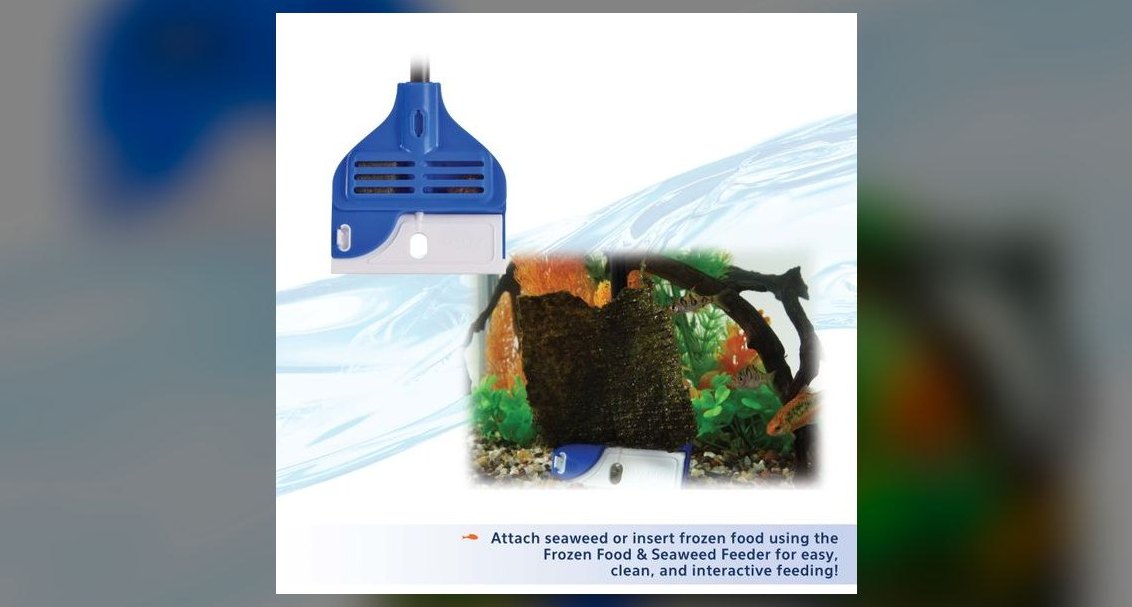 pulse-aquariumsTop 10 Aquarium Glass Scrapers with Long Handles for Deep Tanks (2027)
 pulse-aquariumsWhat to do if my betta fish is lying on the bottom but still eating?
 pulse-aquariumsHow often should I replace the filter media in a sponge filter for a fry tank?
 pulse-aquariumsCan cherry shrimp and neon tetras thrive together in a 10-gallon tank?
 pulse-aquariumsTop 10 Mistakes to Avoid When Setting Up a Freshwater Aquarium in 2027
 pulse-aquariumsBest small, low-maintenance fish for a 5-gallon desk tank?
 pulse-aquariumsHow to cycle a saltwater aquarium without using live rock?
 pulse-aquariumsCan I use a sand substrate with an undergravel filter in a freshwater planted tank?
 pulse-aquariumsTop 10 Automatic Fish Feeder Timers for Vacation Care (2027, Dial vs. Digital)
 pulse-aquariumsHow to acclimate saltwater fish from the LFS without drip acclimation?