
What are the signs of a healthy aquarium water cycle?
 Curated byKory White · Fractional CRO · Maryland
 PULSEKNOWLEDGE LIBRARY
Quality
Certified

A healthy aquarium cycle reads zero ammonia and zero nitrite on every test, with nitrate accumulating steadily between 5 and 40 ppm between water changes. Add 2 ppm ammonia and it converts fully within 24 hours. Water stays clear, pH holds within 0.2 units daily, and fish feed actively.
Two ways to read your tank: chemistry versus observation
Every aquarist eventually lands in one of two camps, and the argument between them is older than the hobby's internet forums. One camp trusts the test kit: liquid reagents, a color card, a notebook, and a number that either says zero or does not. The other camp trusts the tank itself: how the fish hold their fins, whether the biofilm is developing, whether the water smells like a stream or like something died behind the driftwood.
Both are legitimate. Neither is complete alone, and understanding why is the fastest way to stop guessing about whether your cycle is finished.
The chemistry approach measures the actual product of bacterial work. Ammonia enters the water from fish gills, urine, decaying food, and dying plant matter. *Nitrosomonas*-type bacteria oxidize it into nitrite. *Nitrospira*-type bacteria oxidize nitrite into nitrate. A test kit lets you watch that pipeline directly. When ammonia and nitrite both read zero while nitrate climbs, the pipeline is intact and sized correctly for your current bioload. That is a factual measurement, not an inference. Its weakness is that it is a snapshot — a reading taken an hour after a water change tells you almost nothing, and hobby-grade nitrate kits are notoriously imprecise, often reading 20 ppm when the true value is 40 or vice versa.
The observational approach measures the *consequence* of bacterial work over time. Fish that flare, forage, and hold station in the current are not being chemically stressed. A thin, slick biofilm on hardscape and filter media means bacterial colonization is well underway. Plants pushing new leaves rather than melting old ones indicate stable nutrients and no ammonia burn. Green spot algae on the glass — the hard little dots you have to scrape — is generally a mature-tank signal, whereas hair algae mats and blue-green cyanobacteria sheets suggest a nutrient imbalance or dead spots in the flow. Observation covers the days between tests, and it catches problems the kit cannot name. Its weakness is lag: fish compensate for stress until they suddenly cannot, and by the time behavior changes visibly, ammonia may have been elevated for a day or more.
The practical answer is not to choose. Chemistry is your ground truth during the cycling phase and after any disruption. Observation is your continuous monitor once the tank is established. Use the kit to establish the baseline, then use your eyes to detect deviation from it, then return to the kit to confirm what your eyes suspect.
How to decide which signal to trust right now
The decision depends almost entirely on tank age and recent events. A three-week-old tank and a three-year-old tank are different animals, and applying the same monitoring logic to both wastes reagent on one and risks livestock on the other.
For a tank under eight weeks old, or any tank that has had a disruption in the last fourteen days, chemistry wins outright. Disruptions include: adding more than roughly 20 percent to the existing fish load at once, replacing filter media rather than rinsing it, dosing any antibiotic or antiparasitic medication, a power outage longer than about four hours, or a deep substrate vacuum that stirred up anaerobic pockets. In all of those cases, the bacterial colony has either not been established or has just been reduced, and you need numbers, not impressions.

For an established tank running six months or more with no recent changes, observation carries most of the load. Test weekly at first, then stretch to every two or three weeks once you have three consecutive clean readings. Watch for the visual tells daily, because you are looking at the tank anyway.
The middle zone — two to six months, stable stocking — is where a hybrid works: test ammonia and nitrite biweekly, nitrate weekly to inform water-change scheduling, and treat any behavioral oddity as an immediate trigger to test the same day.
The branch most people skip is the ammonia challenge at the bottom left. Zero ammonia and zero nitrite on a lightly stocked tank can simply mean nothing is producing waste yet. The challenge test — dosing to a known concentration and timing the clearance — is the only way to distinguish a genuinely mature colony from an empty tank that has nothing to process. It is the difference between "my numbers are clean" and "my filter can handle a real fish load."
The actual numbers behind each signal
Vague targets produce vague results. Here are the concrete figures worth committing to memory, with the reasoning behind each so you can adjust for your own species and setup.

Ammonia (NH3/NH4+). Target: 0 ppm, always, in any established tank. Hobby liquid kits typically resolve to 0.25 ppm increments, so "zero" practically means "below detection." Any visible tint above the 0 card color in an established tank is an alarm, not a rounding error. Toxicity depends heavily on pH and temperature — at pH 6.5 and 76°F, most ammonia exists as relatively benign ammonium, while at pH 8.2 and 82°F the same total reading can be several times more damaging because more of it exists as free ammonia. This is why African cichlid keepers and marine aquarists have less margin for error than soft-water blackwater keepers.
Nitrite (NO2-). Target: 0 ppm. Nitrite binds hemoglobin and causes brown blood disease, which suffocates fish even in fully oxygenated water. Levels as low as 0.5 ppm cause measurable stress in sensitive species. During a fishless cycle, a nitrite spike that lingers for two to three weeks after ammonia clears is completely normal — the nitrite-oxidizing bacteria are slower to establish than the ammonia oxidizers, often by a factor of two in colonization time.
Nitrate (NO3-). Target: measurable and rising, but controlled. Most community freshwater fish tolerate 20 to 40 ppm without visible harm. Sensitive species — many wild-caught tetras, discus, most shrimp, and nearly all soft corals in reef systems — do better below 10 to 20 ppm. Reef tanks often target 2 to 10 ppm; a reef reading a true zero nitrate can actually starve its corals and zooxanthellae, which is one of the few situations where zero nitrate is a *problem*. A typical stocked freshwater tank accumulates roughly 5 to 10 ppm per week. If yours accumulates 30 ppm per week, you are overstocked or overfeeding. If it accumulates nothing at all, either your cycle is not running or you have a heavily planted tank consuming nitrate as fast as it is produced — a genuinely good outcome, but one you must distinguish from a stalled cycle using the ammonia challenge.
pH. Target: stable, within about 0.2 to 0.3 units across a 24-hour period, at whatever value your source water and hardscape settle on. The absolute number matters far less than most beginners assume. Fish adapt to a steady 7.8 far better than they adapt to swinging between 6.8 and 7.6 daily. That daily swing itself is diagnostic: heavily planted tanks and reef tanks with photosynthesis-driven CO2 uptake naturally drift upward through the photoperiod and back down overnight, often 0.2 to 0.4 units, which is normal. A swing larger than that in a low-plant tank points to depleted carbonate hardness.
KH (carbonate hardness). Target: above roughly 3 dKH (about 54 ppm) for freshwater. This is the buffer that keeps pH from crashing. Nitrification is an acidifying process — it consumes alkalinity as it produces nitrate. A tank that has run for months without water changes can drain its KH to near zero, at which point pH falls off a cliff overnight and the nitrifying bacteria themselves slow dramatically below about pH 6.0. A sudden ammonia reading in a long-established tank with clean maintenance is very often a KH crash in disguise, not a bacterial die-off.
Temperature. Nitrifying bacteria work fastest in roughly the 77 to 86°F range. Below 70°F, cycling can take twice as long. This is why unheated coldwater and pond systems cycle slowly in spring and why a tank cycled in summer can seem to lose capacity when the room cools in winter.
Timeline. A fishless cycle with no seeded media typically completes in four to six weeks. With seeded media from an established filter — a used sponge, a handful of established substrate, a bag of mature bio-media — it can complete in one to two weeks, sometimes days. Bottled bacteria products vary widely in effectiveness; the ones containing genuinely nitrifying species held in a viable state can cut weeks off, but they are not a substitute for testing.
Dissolved oxygen and surface agitation. Nitrification is aerobic and consumes oxygen. A tank with a stagnant surface film can starve its own biofilter while the fish still look fine. Surface movement that visibly breaks the film — an outflow angled up, a sponge filter, an air stone — is a functional part of the cycle, not decoration.

Reading the tank without a test kit
You will not always have reagents on hand, and the visual signals are genuinely informative once you know what each one means mechanically rather than as folklore.
Water clarity and the bacterial bloom. Cloudy, milky-white water in a new tank is almost always a heterotrophic bacterial bloom — fast-reproducing bacteria feeding on dissolved organics, not the slow nitrifiers you actually want. It typically appears in the first one to three weeks and clears on its own within a week as the organics are consumed. It is not a sign your cycle is finished; it is a sign there is a lot of food in the water. Green cloudiness is a free-floating algae bloom, driven by light plus excess nutrients, and clears with reduced photoperiod or a UV sterilizer. Persistent milky cloudiness in an established tank, however, is a warning: something is decaying out of sight.
Smell. A healthy freshwater tank smells faintly earthy, like a wet forest floor or fresh rain. A marine tank smells like clean ocean. A sharp fishy smell means dissolved organics are accumulating. Rotten-egg sulfur means anaerobic pockets are releasing hydrogen sulfide, usually from deep, compacted substrate that has never been disturbed. Smell is one of the fastest, cheapest daily checks available and requires no equipment.

Surface foam. Bubbles that pop within a second or two are just agitation. Bubbles that persist as a stable foam indicate high dissolved protein and organic load — the same principle a marine protein skimmer exploits deliberately. In freshwater, persistent foam usually means overfeeding or an overdue water change.
Biofilm and mulm. A thin, slightly slippery coating on driftwood, rocks, and filter media is bacterial and beneficial. Fine brown detritus settling in low-flow areas — mulm — is decomposing organic matter that hosts a great deal of bacterial activity. In a planted tank it is a nutrient reservoir. In a bare-bottom quarantine tank it is waste to siphon. Context decides.
Algae as a diagnostic. Green spot algae, the hard dots on glass, correlates with mature, stable, often phosphate-limited tanks. Brown diatom dust that coats everything in weeks two through eight of a new tank is a classic new-tank phase feeding on silicates, and it usually fades on its own. Long green hair algae and stringy staghorn point to excess nutrients relative to plant uptake or inconsistent CO2. Blue-green "algae" — actually cyanobacteria, appearing as a dark slimy sheet with a distinctive musty smell — almost always indicates dead flow zones combined with high organics.
Fish behavior. Gasping at the surface, sitting on the bottom with clamped fins, rapid gill movement, red or inflamed gills, and sudden loss of appetite are the classic ammonia and nitrite stress signals. They are also symptoms of low oxygen, high temperature, and several diseases — which is exactly why behavior triggers a test rather than replacing one. Healthy fish in a cycled tank explore the whole water column appropriate to their species, eat within seconds of feeding, and show clear eyes and unclamped fins.

Invertebrates as sentinels. Shrimp and snails are meaningfully more sensitive to ammonia, nitrite, and copper than most fish. Amano and neocaridina shrimp that stop grazing, hide constantly, or climb out of the water are reacting to something the fish have not shown yet. Many experienced keepers treat a shrimp colony as a living early-warning system.
Building and sequencing the cycle so the signs appear on schedule
Knowing the signs matters less if the underlying process is set up badly. Here is the sequence that reliably produces a colony sized to the load, plus what to expect at each stage.
Stage one — establish surface area and flow. Bacteria live on surfaces, not in the water column. Sponges, ceramic media, matrix-style porous rock, and the substrate itself all count. Set the filter running, heater at 78 to 82°F to speed colonization, and confirm surface agitation before anything else. Rinse new media in dechlorinated water only; chlorine and chloramine kill nitrifiers on contact, which is the single most common accidental cause of a mid-life cycle crash.
Stage two — supply ammonia. In a fishless cycle, dose pure ammonium chloride to about 2 ppm. Avoid household ammonia containing surfactants or perfumes. Alternatives that work but are messier: a pinch of fish food left to decompose, or a raw shrimp in a media bag. Re-dose to 2 ppm whenever the reading falls to zero.
Stage three — wait for the nitrite spike. Ammonia will begin dropping within roughly one to two weeks. Nitrite will climb and often peak off the top of the test chart. This stage frustrates people most because it looks like a failure. It is not. Nitrite-oxidizing bacteria colonize more slowly, and a nitrite plateau lasting two to three weeks is entirely typical. Resist the urge to do large water changes purely to "fix" the nitrite reading — in a fishless cycle, nitrite is bacterial food, and removing it slows the process. The exception is a nitrite level so extreme it inhibits the bacteria themselves, generally well above 5 ppm sustained, where a partial change actually accelerates progress.
Stage four — verify with the challenge. Once both ammonia and nitrite read zero on the same test, dose 2 ppm ammonia and test at 24 hours. Both zero, with nitrate present? Cycled. If ammonia clears but nitrite appears, the second bacterial group is still catching up — wait and retest in a few days.
Stage five — stock gradually. A colony sized to 2 ppm daily ammonia cannot instantly handle triple that. Add fish in groups over several weeks, testing ammonia 24 hours after each addition. The colony grows to match the food supply, but growth takes days, not minutes.
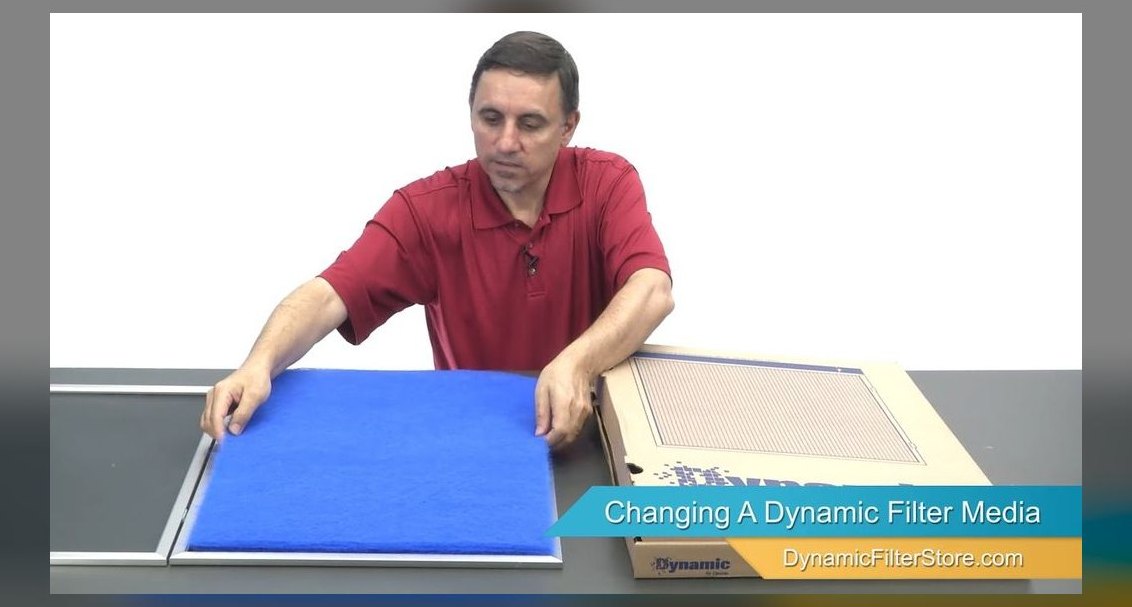
Ongoing maintenance that preserves the cycle. Rinse filter media in removed tank water, never under the tap. Never replace all media at once — if a cartridge must be swapped, run old and new together for two to four weeks. Vacuum substrate in sections rather than the whole floor in one session. Dose dechlorinator for the full tank volume, not just the water being added, when topping off from a treated source. Keep water changes on a rhythm that holds nitrate under your target rather than chasing it after it climbs.

Where the same logic shows up beyond the glass box
The nitrogen cycle is not an aquarium invention, and seeing it in adjacent systems clarifies what the signs actually mean.
Aquaponics runs the identical bacterial pipeline but treats nitrate as the product rather than the waste. Growers there watch for a *falling* nitrate as a sign the plants are outpacing the fish, and add fish or supplement nitrogen. The health signal is inverted, but the underlying biology is the same, and an aquaponics grower's habit of tracking nitrate as a *trend line* rather than a single reading is a habit worth stealing.
Reef and marine systems add a layer: live rock provides anaerobic interior zones where denitrifying bacteria convert nitrate to nitrogen gas, closing the loop that freshwater tanks close with water changes. Reef keepers also track alkalinity, calcium, and magnesium alongside nitrogen, and their discipline about *stability over ideal numbers* — never chasing a target with fast corrections — applies directly to freshwater pH management.

Ponds and koi systems run the same cycle at lower temperatures and larger volumes, which means slower bacterial response and greater thermal mass. Spring is the dangerous season: fish metabolism wakes with warming water faster than the bacterial colony does, producing a predictable ammonia window that seasoned pond keepers plan around.
Municipal wastewater treatment uses activated sludge — an intensely concentrated version of the same nitrifying bacteria in aerated basins — and its operators monitor dissolved oxygen, alkalinity consumption, and sludge age. Their alkalinity math is the professional version of the KH advice above: roughly 7 parts alkalinity are consumed per part of ammonia oxidized, which is precisely why a long-neglected aquarium eventually crashes its pH.
Quarantine and hospital tanks are where cycle knowledge gets tested hardest, because medications frequently kill the biofilter. The standard workaround is a bare-bottom tank, a seeded sponge filter kept running in the display tank until needed, and daily water changes to control ammonia chemically rather than biologically. If you plan to medicate, plan to re-cycle.
Across every one of these systems, the diagnostic is identical: is nitrogen moving through the chain at the rate it enters, and is the buffer holding? Ammonia and nitrite at zero means the chain is intact. Nitrate rising means it is actually running. Stable pH means the buffer can pay for it. Everything else — clarity, smell, behavior, biofilm — is confirmation.
Related questions
How long does it take to cycle a new aquarium?
Four to six weeks from scratch at 78–82°F. Seeding with established filter media, substrate, or bio-media cuts that to one or two weeks, sometimes days. Colder water roughly doubles the timeline. The finish line is a 2 ppm ammonia dose clearing to zero within 24 hours.
Can a cycled aquarium lose its cycle?
Yes. Chlorinated tap water on filter media, a full media replacement, antibiotics, an extended power outage, prolonged fishlessness starving the colony, or a KH crash dropping pH below about 6.0 will all reduce or stall nitrification. Test immediately after any of these events.
Is cloudy water a sign of a bad cycle?
Not necessarily. Milky cloudiness in a new tank is a harmless heterotrophic bacterial bloom that clears within days. Green cloudiness is free-floating algae. Persistent cloudiness in an established tank warrants testing, since it usually means something is decaying out of view.
Should nitrate ever read zero?
In a freshwater tank with fish, a true zero usually means the cycle is not running — unless the tank is heavily planted and consuming nitrate as fast as it appears. In reef tanks, zero nitrate can starve corals; most reefers target roughly 2 to 10 ppm.
Do bottled bacteria products actually work?
Some do. Products containing genuinely nitrifying species in a viable state can meaningfully shorten cycling. Effectiveness varies by formulation, storage, and shelf age, so treat any product as an accelerator rather than proof. Confirm with an ammonia challenge before stocking regardless.
FAQ
What exactly does "zero ammonia and nitrite" mean when my kit only reads in 0.25 ppm steps?
It means the sample matches the 0 ppm card color with no tint. Hobby liquid kits cannot resolve below their lowest increment, so treat any visible shade toward the next step as a real reading in an established tank. Compare against the card in daylight over a white background, and hold the tube against white rather than against the tank.
How often should I test once the tank is established?
Weekly for the first two months after cycling, then every two to three weeks for ammonia and nitrite once you have several consecutive clean results. Test nitrate weekly, since it drives your water-change schedule. Return to daily testing after any stocking change, medication, filter maintenance, or unexplained behavioral change in the fish.
Can water look perfectly clear while the cycle is failing?
Yes, and this is the single most common misconception. Ammonia and nitrite are colorless and odorless at toxic concentrations. A tank can look pristine at 1 ppm ammonia while the fish are actively being harmed. Clarity indicates low suspended particulate, not water chemistry. Always confirm with a test kit.
What nitrate level should trigger a water change?
Do a 25 to 50 percent change when nitrate exceeds your target — commonly 20 to 40 ppm for hardy community fish, under 10 to 20 ppm for shrimp and sensitive species. If nitrate consistently climbs past your target within a week, the underlying issue is stocking density or feeding volume, and changing more water is a symptom fix.
Why did ammonia suddenly appear in a tank running fine for a year?
Most often a KH crash. Nitrification consumes alkalinity, and a tank with light water changes eventually exhausts its buffer, pH falls, and nitrifying bacteria slow dramatically below about pH 6.0. Other causes: an unnoticed dead fish or snail, a filter that quietly stopped, tap water used on media, or a recent medication dose.
Is a fish-in cycle ever acceptable?
It works but stresses the livestock, and it demands daily testing plus water changes whenever ammonia or nitrite exceeds roughly 0.25 ppm. Use hardy fish, feed very lightly, and consider an ammonia-binding conditioner to reduce toxicity while the colony establishes. A fishless cycle is faster, cheaper, and causes no harm — prefer it when you have the option.
Sources
- https://www.epa.gov/nutrientpollution/issue — EPA overview of nitrogen and nutrient dynamics in aquatic systems
- https://www.usgs.gov/special-topics/water-science-school/science/nitrogen-and-water — USGS Water Science School on nitrogen in water
- https://www.aquariumcoop.com/blogs/aquarium/nitrogen-cycle — Aquarium Co-Op guide to the aquarium nitrogen cycle
- https://www.thesprucepets.com/the-nitrogen-cycle-1378342 — The Spruce Pets on the nitrogen cycle and cycling a tank
- https://www.practicalfishkeeping.co.uk/ — Practical Fishkeeping magazine, water chemistry and fishkeeping practice
- https://www.fishlore.com/aquarium-fish-information/nitrogen-cycle.htm — Fishlore reference on nitrogen cycle stages
- https://extension.psu.edu/ — Penn State Extension, aquaculture and water quality resources
- https://www.ncbi.nlm.nih.gov/pmc/ — PubMed Central, peer-reviewed literature on nitrification and Nitrospira
- https://www.noaa.gov/education/resource-collections/ocean-coasts — NOAA education resources on marine water quality
Related on PULSE
- [What is the nitrogen cycle in an aquarium?](/knowledge/aq0975)
- [How do you cycle a new aquarium?](/knowledge/aq0973)
- [Top 10 signs of healthy fish 2027](/knowledge/aq0084)
- [How do you keep a goldfish tank healthy?](/knowledge/aq1131)
- [Top 10 Aquarium Bacteria Starters for Cycle Acceleration](/knowledge/aq0924)
- [Top 10 fungal infection signs 2027](/knowledge/aq0187)
This page will be disappearing soon. Save it to your device for $1 — or read it free while it is here.
@Kory-White- · if Venmo asks, the last 4 of my number are 2012
This page is gone.
This one is off the shelf now. $1 keeps it on your phone for good — the whole page, pictures and diagrams included.
 pulse-aquariumsHow often should I replace the filter media in a sponge filter for a fry tank?
 pulse-aquariumsBest automatic fish feeder for pelleted food that doesn't clog or overfeed?
 pulse-aquariumsTop 10 Aquarium Backgrounds with 3D Rock Textures for Natural Tanks (2027)
 pulse-aquariumsTop 10 Mistakes to Avoid When Setting Up a Freshwater Aquarium in 2027
 pulse-aquariumsTop 10 Snail-Free Algae Eaters for Small Community Aquariums in 2027
 pulse-aquariumsWhat type of gravel is safe for goldfish that might eat it?
 pulse-aquariumsBest LED lighting schedule for low-light aquatic plants like Java moss?
 pulse-aquariumsTop 10 Airline Tubing & Check Valve Kits for Multi-Tank Systems (2027)
 pulse-aquariumsTop 10 Automatic Fish Feeder Timers for Vacation Care (2027, Dial vs. Digital)
 pulse-aquariumsWhat size aquarium heater is safe for a 20-gallon tall tank?