
How do you lower nitrates in a reef tank in 2027?
 Curated byKory White · Fractional CRO · Maryland
 PULSEKNOWLEDGE LIBRARY
You lower nitrates in a reef tank by reducing the input of waste and exporting the nitrate that has already accumulated. The most reliable methods are regular water changes with low-nitrate saltwater, an efficient protein skimmer, controlled feeding, and a biological export pathway such as a refugium with macroalgae, carbon dosing, or denitrifying media. Most reef keepers target nitrate between 1 and 10 ppm, low enough to keep nuisance algae and cyanobacteria in check but not so low that corals starve. Crash the level too fast and you risk pale, stressed corals, so reduce nitrate gradually, no more than a few ppm per day.
Why Nitrate Builds Up in a Reef Tank
Nitrate (NO3-) is the end product of the nitrogen cycle. Fish waste and uneaten food release ammonia, beneficial bacteria convert that ammonia to nitrite, and a second group of bacteria convert nitrite to nitrate. Ammonia and nitrite are acutely toxic and should always read 0 ppm in an established tank, but nitrate is far less toxic and simply accumulates until you remove it. In a reef, three things drive nitrate up: overfeeding, overstocking, and insufficient export. Detritus trapped in rock and sand, dead spots with no flow, and clogged filter socks all act as nitrate factories, slowly leaching waste back into the water. The goal is not to eliminate nitrate entirely, because corals and the algae in their tissue use small amounts of nitrogen, but to hold it in a stable, low range.
Step 1: Cut the Input
Before chasing export, reduce what goes in. Overfeeding is the single most common cause of high nitrate in reef tanks. Feed only what your fish consume in a couple of minutes, target a couple of small feedings rather than one large dump, and use a turkey baster to spot-feed corals rather than broadcasting food across the whole tank. Thaw and rinse frozen foods to remove the nitrate- and phosphate-rich pack juice before feeding. Review your stocking: a tank crammed with large, messy fish produces far more waste than the export systems can keep up with. Cutting input is free and immediate, and it makes every other method work better.
Step 2: Water Changes
Water changes are the most dependable nitrate-export tool because they physically remove nitrate-laden water and replace it with saltwater that contains none. A 10-20% change weekly or biweekly, using RO/DI water mixed with a quality reef salt, dilutes nitrate directly. The math is simple: if your tank reads 40 ppm and you change 25% with 0 ppm water, you drop to roughly 30 ppm in one change. Siphon detritus from the sand and rockwork during changes so you remove the waste before it becomes more nitrate. Consistency matters more than volume; small, regular changes hold nitrate steadier than occasional large ones, which can also shock corals with sudden parameter swings.
Step 3: Protein Skimming
A protein skimmer removes dissolved organic compounds from the water before bacteria can break them down into nitrate. By pulling out proteins, amino acids, and other waste at the source, an efficient skimmer reduces the total nitrogen load the tank has to process. Size the skimmer for your actual bioload, not just your tank volume, and tune it to pull a steady, dark skimmate. A well-run skimmer will not bring nitrate to zero on its own, but it dramatically lowers the rate at which nitrate is produced, making the rest of your strategy more effective.
Step 4: Biological Export Pathways
For tanks where feeding cuts and water changes are not enough, biological export removes nitrate continuously.
Refugium with macroalgae. A refugium running chaetomorpha (chaeto) under a grow light consumes nitrate and phosphate as the algae grows. Harvest the macroalgae periodically and you physically remove the nutrients it absorbed. A refugium is gentle, stable, and also produces copepods that feed the display.
Carbon dosing. Dosing a carbon source such as vodka, vinegar, or a commercial product feeds bacteria that consume nitrate and phosphate, then get removed by the skimmer. Carbon dosing is powerful but must be started low and increased slowly, because driving nutrients down too fast can trigger bacterial blooms or starve corals.
Denitrifying media and reactors. Products like biopellets or sulfur-based denitrators create low-oxygen zones where anaerobic bacteria convert nitrate into harmless nitrogen gas. These work well but require correct flow and monitoring.
Deep sand beds and live rock also host anaerobic pockets that perform natural denitrification over time.
Step 5: Go Slow and Monitor
Corals adapt to their nutrient environment, so a sudden nitrate crash stresses them, causing pale color or even tissue loss. Aim to lower nitrate by no more than a few ppm per day. Test nitrate with a reliable kit (Salifert, Red Sea, or Hanna checkers are common reef choices) at the same time of day, and log the trend rather than reacting to a single reading. If nitrate is very low or undetectable yet corals look pale and brown, you may need to dose nitrate back up slightly, because ultra-low nutrients can be as harmful as high ones. The target for most mixed reefs is 1-10 ppm nitrate alongside 0.03-0.1 ppm phosphate.
Common Mistakes to Avoid
Do not rely on a single method; the most stable reefs combine modest feeding, consistent water changes, skimming, and one biological export pathway. Do not chase zero, because nutrient-starved corals lose color and zooxanthellae. Do not add a nitrate-reducing product and a heavy carbon dose at the same time, which can crash nutrients overnight. And do not neglect mechanical cleaning: detritus in the rock, sand, and sump is a hidden nitrate source that no amount of dosing fully overcomes.
Step 2: Optimize Mechanical and Biological Filtration
Before you add any chemical or advanced export system, ensure your existing filtration is working at its peak. Mechanical filtration removes solid waste before it breaks down into nitrate. Start by rinsing or replacing filter socks, filter floss, or sponges every 2–4 days. A clogged sock traps detritus and becomes a nitrate source itself—the water flows through, but the waste stays and rots. If you use a filter roller, check that the fabric advances regularly and isn't bypassing unfiltered water.
Biological filtration is more nuanced. Live rock and deep sand beds can host denitrifying bacteria that convert nitrate to nitrogen gas, but only in low-oxygen zones. If your rock is dense and solid, it may not have enough internal porosity for denitrification. Consider adding porous rock or ceramic media specifically designed for deep biological filtration. For sand beds, a depth of 4–6 inches of fine sand (0.5–1 mm grain size) can create anoxic layers, but this takes months to mature and risks hydrogen sulfide pockets if disturbed. A simpler alternative is to use a shallow sand bed (1–2 inches) and rely on other export methods instead.
Also evaluate your flow. Dead spots behind rockwork or in corners accumulate detritus that slowly releases nitrate. Add a powerhead or wavemaker to eliminate these zones. Aim for 20–30 times total tank volume per hour in turnover, with varied flow patterns to keep particles suspended until they reach the skimmer or filter. If you have a sump, make sure it's clean—detritus often settles in sump baffles and becomes a hidden nitrate source.
Step 3: Manual and Chemical Export Methods
When biological and mechanical filtration isn't enough, you have several targeted tools. The most straightforward is water changes—replace 10–20% of the tank volume weekly with saltwater mixed from RO/DI water and a low-nitrate salt mix. Test your mixing water: some salt brands can contain 1–5 ppm nitrate right out of the bucket. If yours does, switch to a brand that tests at 0 ppm after mixing. For a heavy bioload, you may need 25–30% weekly changes temporarily until nitrate drops.
Chemical media can absorb nitrate directly. Granular ferric oxide (GFO) binds phosphate but not nitrate. For nitrate, use a specialized resin like nitrate-removing media in a reactor. These work by ion exchange, swapping nitrate for chloride. They are effective but need replacement every 2–4 weeks and can strip nitrate too fast if used aggressively—monitor levels daily. A gentler option is a sulfur denitrator, a reactor that uses sulfur beads to fuel bacteria that convert nitrate to nitrogen gas. These are very efficient but require careful tuning of flow rate (typically 1–2 drops per second) and an effluent pH that can drop; you may need a calcium reactor or kalkwasser drip to buffer.
Carbon dosing is another powerful tool. You add a liquid carbon source (vodka, vinegar, or commercial products like NoPox or Brightwell Reef BioFuel) to feed heterotrophic bacteria that consume nitrate and phosphate. Start with a very low dose—for vodka, 0.1 mL per 25 gallons daily—and increase by 0.1 mL every 3–4 days until nitrate drops. The risk is a bacterial bloom that clouds the water and depletes oxygen, so run your skimmer wet and ensure strong aeration. Carbon dosing can also strip nutrients too low, causing corals to pale or starve. Stop dosing once nitrate hits your target, then maintain with a lower maintenance dose.
Step 4: Refugium and Macroalgae Management
A refugium is one of the most natural and stable ways to export nitrate. You grow macroalgae (chaetomorpha, caulerpa, or gracilaria) in a separate compartment or sump, and the algae absorb nitrate and phosphate as they grow. Then you harvest and remove the algae, permanently exporting those nutrients. For a 50-gallon tank, a refugium of at least 10 gallons with a reverse daylight cycle (lights on when display lights are off) works well. Use a dedicated LED grow light—$30–80 units are fine—and run it 10–12 hours per day.
Chaetomorpha is the most popular choice because it doesn't go sexual (release spores) like caulerpa can. It grows in a tangled ball and needs occasional thinning—harvest about one-third of the mass every 1–2 weeks. If you see the algae turning pale or yellow, it's nutrient-limited and you can reduce the light period or skip a harvest. If it turns dark green and grows fast, your nitrate is high and you need to harvest more aggressively.
For best results, combine the refugium with a protein skimmer. The skimmer removes organic waste before it breaks down, reducing the load on the refugium. Together, they can handle moderate bioloads. If your nitrate is above 20 ppm, the refugium alone may take weeks to catch up—accelerate with water changes or carbon dosing initially, then let the refugium maintain the lower level. Monitor nitrate weekly and adjust harvest frequency accordingly. A well-run refugium can keep nitrate at 2–5 ppm indefinitely with stable coral growth.
Frequently Asked Questions
What is a safe nitrate level for a reef tank? Most reef keepers target 1-10 ppm nitrate. That range keeps nuisance algae and cyanobacteria in check while still providing enough nitrogen for corals and their symbiotic algae. Soft corals and LPS tolerate the higher end; SPS-dominant tanks often run toward the lower end. Zero nitrate is not the goal and can cause corals to pale.
How fast can I lower nitrates safely? Aim for no more than a few ppm per day. Corals acclimate to their nutrient environment, so a rapid crash can cause bleaching, paling, or tissue recession. Steady, gradual reduction through water changes and modest export is far safer than aggressive dosing.
Will water changes alone fix high nitrates? Water changes will lower nitrate and, if done regularly, can hold it in a safe range for lightly stocked tanks. For heavily fed or stocked reefs, water changes alone often cannot keep up with production, so pair them with skimming, controlled feeding, and a biological export method like a refugium or carbon dosing.
Does a refugium really lower nitrates? Yes. A refugium running fast-growing macroalgae like chaetomorpha consumes nitrate and phosphate as it grows. When you harvest the algae, you physically export those nutrients from the system. A well-lit, well-stocked refugium can meaningfully reduce nitrate while also producing copepods for the display.
Why are my nitrates high even though I do water changes? The usual culprits are overfeeding, overstocking, and trapped detritus in rock, sand, and the sump that constantly leaches nitrate. If production outpaces removal, nitrate stays high. Cut feeding, siphon detritus, improve flow to eliminate dead spots, and add a continuous export pathway such as a refugium or carbon dosing.
Can low nitrates harm corals? Yes. Corals rely on small amounts of nitrogen, and ultra-low or undetectable nitrate can cause them to pale, brown out, or lose tissue, especially in SPS-dominant systems. If nutrients are bottomed out, many keepers dose nitrate back up to a low single-digit reading to restore coral color.
Sources
- Reef Aquarium Nitrate Management, Reef2Reef community resources (https://www.reef2reef.com)
- Red Sea Reef Care Program and nutrient management guides, Red Sea (https://www.redseafish.com)
- Salifert Nitrate Test documentation, Salifert (https://www.salifert.com)
- Bulk Reef Supply educational articles on nutrient export and carbon dosing (https://www.bulkreefsupply.com)
- Advanced Aquarist articles on denitrification and nitrate control (https://www.advancedaquarist.com)
- Neptune Systems and reef husbandry parameter references (https://www.neptunesystems.com)
Related on PULSE
- How do you lower pH in a freshwater aquarium naturally?
- Top 10 Water Test Kits for Monitoring Ammonia and Nitrates
- What are dinoflagellates and how do you get rid of them in a reef tank?
- How do you maintain stable salinity in a reef tank?
- Top 10 Live Rock Types for Curing and Aquascaping a Reef Tank
- Top 10 Powerhead Wavemakers for Reef Tank Circulation
This page will be disappearing soon. Save it to your device for $1 — or read it free while it is here.
@Kory-White- · if Venmo asks, the last 4 of my number are 2012
This page is gone.
This one is off the shelf now. $1 keeps it on your phone for good — the whole page, pictures and diagrams included.
 pulse-aquariumsHow do you treat ich in a freshwater aquarium in 2027?
 pulse-aquariumsTop 10 Reef Salt Mixes in 2027
 pulse-aquariumsTop 10 Planted Tank Substrates in 2027
 pulse-aquariumsTop 10 Anemone Species for Clownfish Tanks in 2027
 pulse-aquariumsWhat is old tank syndrome and how do you avoid it in 2027?
 pulse-aquariumsWhat is the nitrogen cycle in an aquarium in 2027?
 pulse-aquariumsWhat are dinoflagellates and how do you get rid of them in a reef tank in 2027?
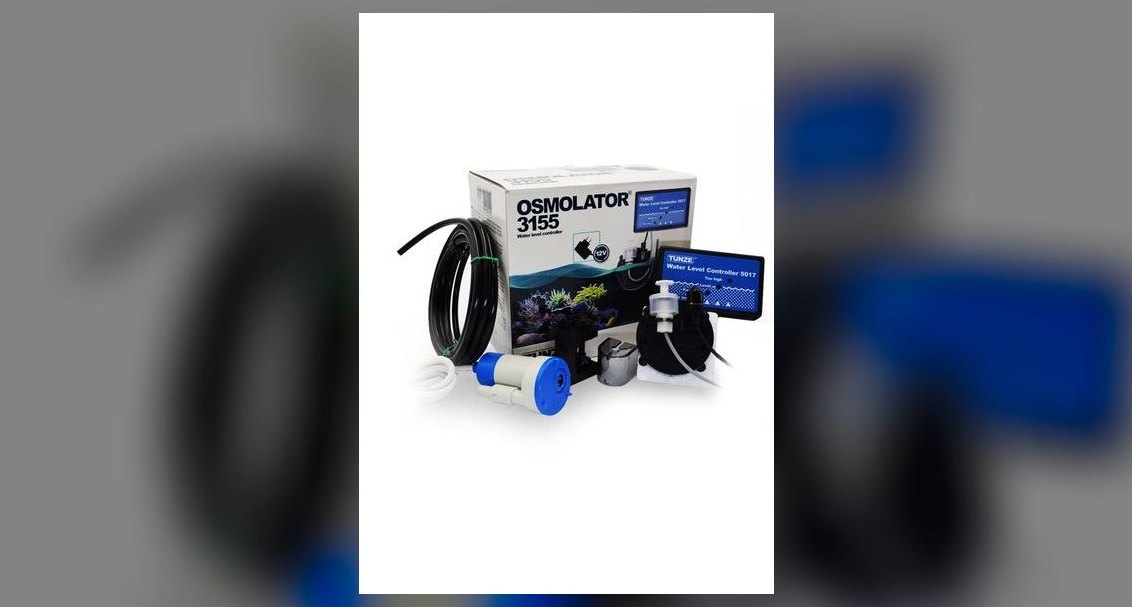 pulse-aquariumsTop 10 Auto Top-Off Systems for Saltwater Tanks in 2027
 pulse-aquariumsHow do you get started with Aquariums in 2027?
 pulse-aquariumsHow do you do a fishless cycle with ammonia in 2027?