

How do you set up a planted aquarium for beginners in 2027?
 Curated byKory White · Fractional CRO · Maryland
Quality
Certified
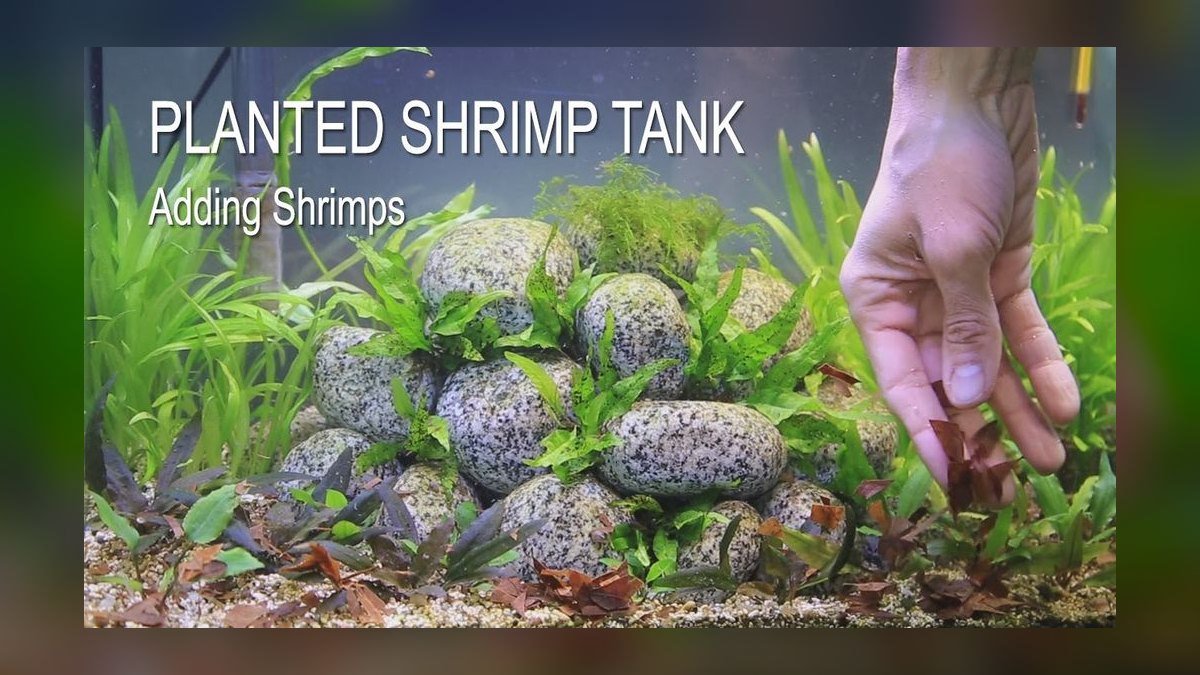
Start a beginner planted aquarium with a 20-gallon tank, two to three inches of aquasoil or inert gravel plus root tabs, and a moderate LED on a timer for six to eight hours daily. Plant heavily with java fern, anubias, and cryptocoryne, cycle the tank fully, dose an all-in-one fertilizer, then add fish gradually.
The outcome you should expect from a first planted tank
Set expectations before you buy anything, because the gap between what beginners imagine and what actually happens in the first ninety days is where most planted aquariums get torn down. What you should expect is not an instant aquascape. You should expect a tank that looks sparse and slightly awkward for two to three weeks, goes through an ugly phase of melting leaves and a film of diatoms on the glass somewhere between week two and week five, and then — if you have kept the light modest and the routine consistent — quietly turns a corner and begins filling in on its own.
That turning point is the real outcome. A mature low-tech planted aquarium is one of the most stable, lowest-effort aquariums you can keep. Once the plant mass is large enough to consume the ammonia and nitrate the fish produce, the system buffers itself. Nitrate stays low without heroic water changes. Algae has no surplus nutrients to exploit. The substrate develops a biological community that processes waste well below the surface. Weekly maintenance drops to a water change, a glass wipe, and a trim, which for a 20-gallon tank is maybe twenty minutes of work.
The timeline is worth being concrete about. Weeks one through three are the cycling and melting phase: crypts shed leaves, some stems look ragged, nothing appears to be growing. Weeks four through eight are establishment: root systems take hold, new growth appears in a slightly different leaf shape adapted to submerged life, and the first real algae pressure shows up as the tank finds its balance. Weeks eight through sixteen are consolidation, where stems need their first trims, the carpet species begin to run runners sideways, and the tank starts looking like the picture you had in mind. Anyone who judges the project at week three is judging it at the worst possible moment.
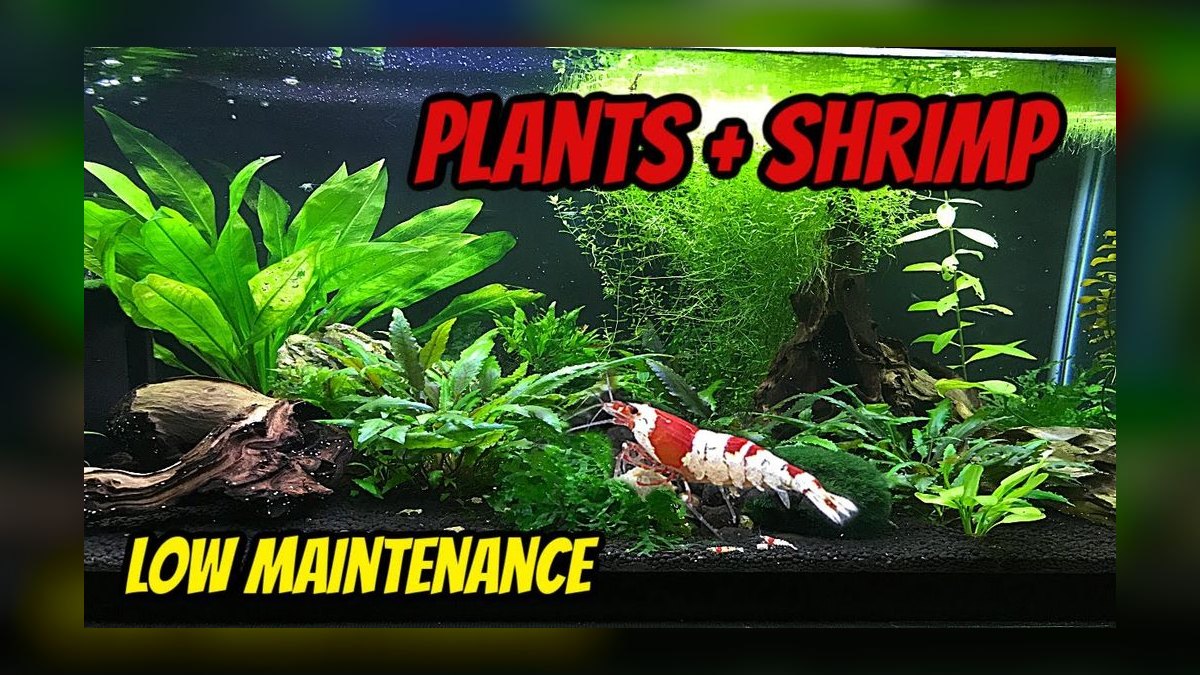
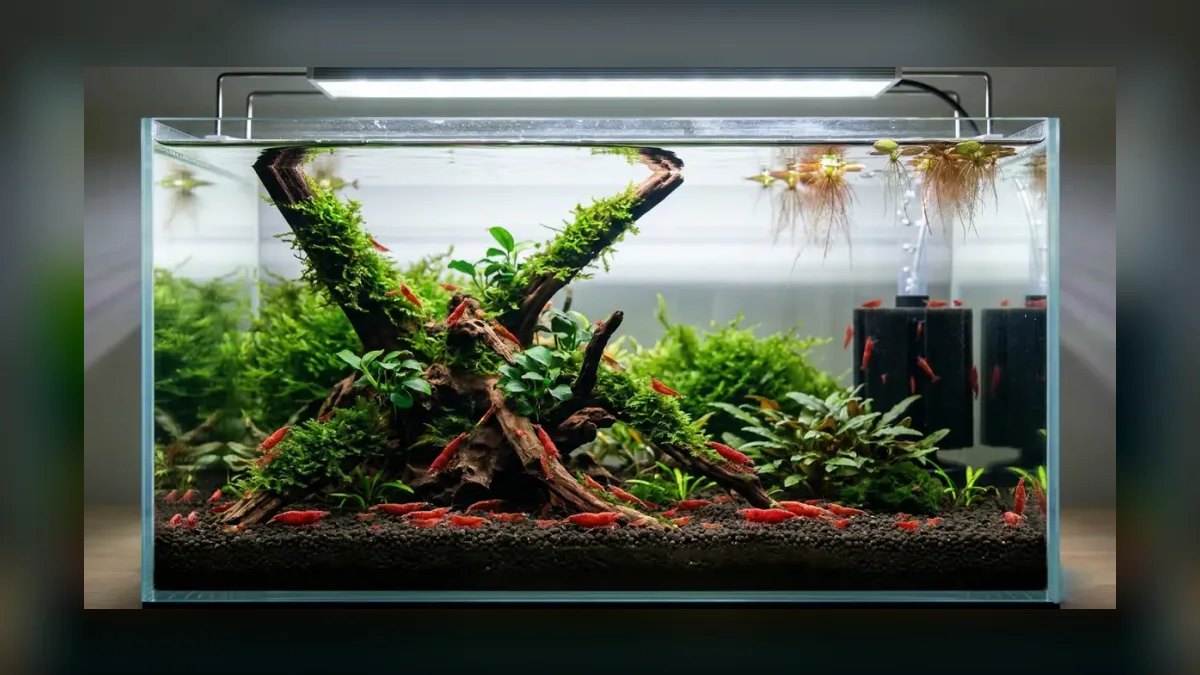
There is also an outcome that is not visual. Keeping plants changes how you keep fish. A planted tank runs at lower nitrate, has more surface area for biofilm and microfauna, gives shy species places to hide, and produces oxygen during the photoperiod. Shrimp colonies breed in moss because the moss is a nursery and a food source at once. Corydoras behave more naturally over a soil substrate with plant cover than over bare gravel. The plants are not decoration bolted onto a fish tank; they are half the filtration and most of the habitat. Beginners who understand that stop treating plants as an aesthetic upgrade and start treating them as infrastructure, which is exactly the mental shift that makes the tank succeed.
One more expectation to set: cost. A beginner planted aquarium is cheaper than most people fear and more expensive than the tank alone suggests. The tank is rarely the biggest line item. A decent plant-capable LED, a filter, a heater, substrate, and an initial plant order together typically exceed the price of the glass box by a wide margin. Budget for the light and the substrate as the two purchases that most determine whether the project works, and economize on almost everything else.
What actually drives success: light, nutrients, and carbon in balance
Every planted aquarium problem — every one — traces back to an imbalance between three inputs: light, nutrients, and carbon. Plants use them together in roughly fixed proportion. Supply more of one than the plants can pair with the other two, and the surplus does not vanish; it feeds algae, which is far less picky about ratios than vascular plants are.
Light is the throttle. It sets the rate at which everything else must be supplied. This is the single most counterintuitive fact for beginners, who reason that more light means more plant growth and buy the brightest fixture they can afford. What actually happens is that high light demands high carbon and high nutrients to match, and in a low-tech tank with no CO2 injection, carbon is the hard ceiling. The plants cannot accelerate past what dissolved CO2 allows, so the extra light energy lands on surfaces where algae is happy to use it. Green spot algae on the glass, black beard algae on slow-growing leaf edges, and hair algae in the flow path are all, in most beginner tanks, symptoms of light outrunning carbon.
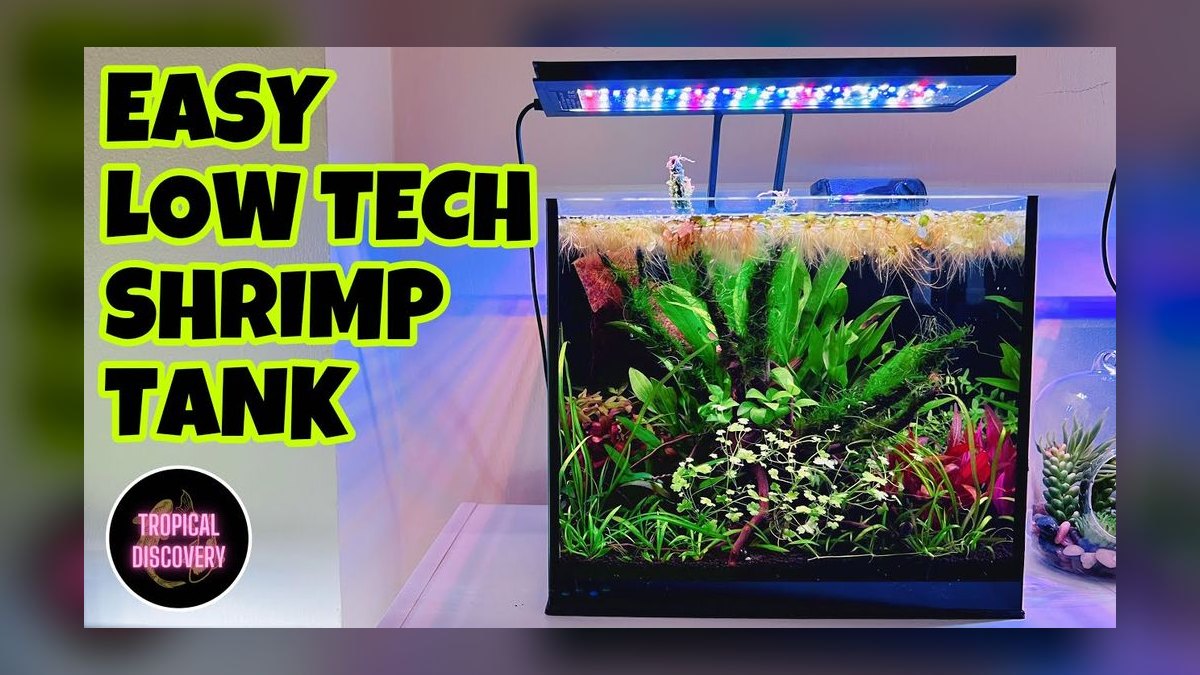
Carbon is the ceiling in a low-tech setup. Ambient dissolved CO2 in a fish tank comes from respiration and gas exchange at the surface and sits at a few parts per million — a small fraction of what injected CO2 systems deliver. That is why the beginner plant list is what it is. Java fern, anubias, cryptocoryne, java moss, and vallisneria are all species that grow slowly and tolerate scarce carbon. Dwarf baby tears and most red stem plants do not. They are not "harder" in some vague way; they simply require more carbon than an uninjected tank can provide, and they starve, then rot, then become an algae substrate.
Nutrients are the input beginners under-supply most often, usually out of a well-intentioned fear that fertilizer causes algae. In a tank with real plant mass, the opposite is closer to true. Starved plants stop growing, stop consuming, and their damaged tissue becomes prime real estate for algae. A modest, consistent dose of an all-in-one liquid fertilizer two or three times a week plus root tabs under heavy root feeders keeps plants actively taking up what they need. Nitrogen and potassium deficiencies announce themselves clearly: yellowing on older leaves means nitrogen is being scavenged from the oldest tissue to build new growth, and pinholes rimmed with yellow are the classic potassium signature. Pale new leaves with dark veins point at iron.
Two supporting variables tie the triangle together. Flow determines whether the CO2 and nutrients in the water column actually reach the leaves — a dead corner behind the hardscape gets neither and grows algae despite identical tank-wide parameters. And stability matters more than any single value. Plants adapt their leaf structure to conditions; every time you change the photoperiod, the fertilizer dose, or the temperature, you force a re-adaptation and open a window for algae. A mediocre routine executed identically every day beats an optimized routine you keep tinkering with.
Benchmarks and realistic ranges for a beginner setup
Concrete numbers make the difference between guessing and executing. These ranges are the practical working envelope for a low-tech planted aquarium and hold up across most beginner situations.
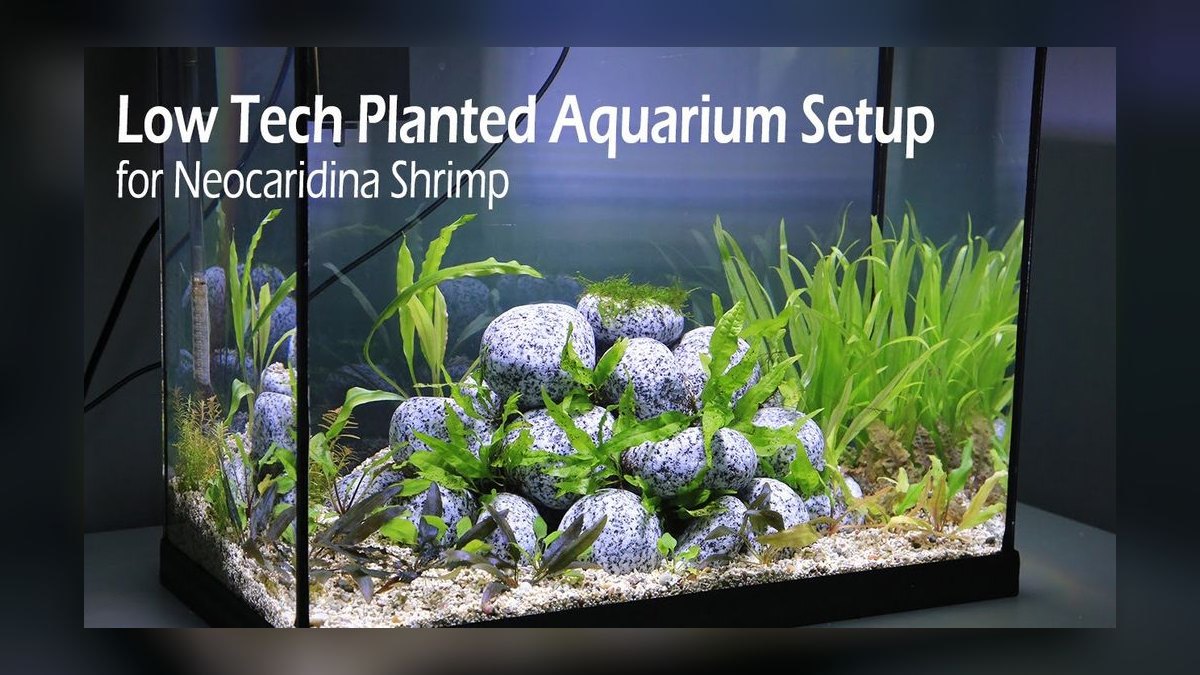
Tank size. A 20-gallon is the sweet spot. Smaller volumes swing faster in temperature and chemistry, so a mistake in a 5-gallon nano compounds within hours, while the same mistake in 20 gallons dilutes into something recoverable. A 10-gallon is workable if space is tight; anything under about 5 gallons is an expert's tank disguised as a beginner's tank. Larger is genuinely easier, and a 29 or 40-gallon breeder is more forgiving still, at the cost of heavier water changes.
Substrate depth. Two to three inches, sloped slightly deeper at the back for visual depth. Under about an inch and a half, root feeders like amazon swords and larger crypts cannot anchor properly. Much over four inches in a fine substrate risks anaerobic pockets, though in practice plant roots and detritivores keep normal depths oxygenated.
Photoperiod. Six to eight hours, on a timer, unvarying. Start at six. If plants look healthy and there is no algae after three or four weeks, extend by thirty minutes and hold for another two weeks before extending again. A "siesta" split — four hours on, three hours off, four hours on — is a legitimate technique some keepers use to let CO2 rebuild mid-day, though its benefit in an uninjected tank is modest.
Water change volume and cadence. Twenty-five to fifty percent weekly during the first three months; established tanks with heavy plant mass often coast comfortably at twenty-five percent every week or two. Always dechlorinate, and match temperature within a couple of degrees to avoid shocking fish and triggering crypt melt.
Temperature. Most beginner plants and community fish overlap comfortably in the low-to-mid 70s Fahrenheit. Running hot pushes plants to grow faster than the available carbon supports and lowers dissolved oxygen; running cold slows crypts and swords to a crawl.
Cycling duration. Three to six weeks for a fishless cycle with no seeded media. Dosing ammonia to roughly 2 ppm and watching it convert to nitrite and then nitrate is the standard protocol. Bottled bacteria and, far more effectively, a piece of established filter media or a handful of substrate from a mature tank can cut this substantially. The finish line is unambiguous: ammonia zero and nitrite zero within 24 hours of an ammonia dose, with nitrate present.
Stocking pace. A few fish at a time, with two to three weeks between additions. For a 20-gallon planted community, a school of eight to twelve small tetras or rasboras, a group of six corydoras, and a single centerpiece such as a honey gourami or betta is a realistic full load. Goldfish, most cichlids, and larger plecos are structurally incompatible with a planted tank — they dig, uproot, or eat plants faster than the plants recover.
Fertilizer dosing. Follow the label on an all-in-one liquid, typically two to three doses per week, and root tabs pushed under heavy root feeders every two to three months. Deficiency symptoms are the signal to increase; visible algae with healthy plants is the signal to check light and flow before cutting nutrients.
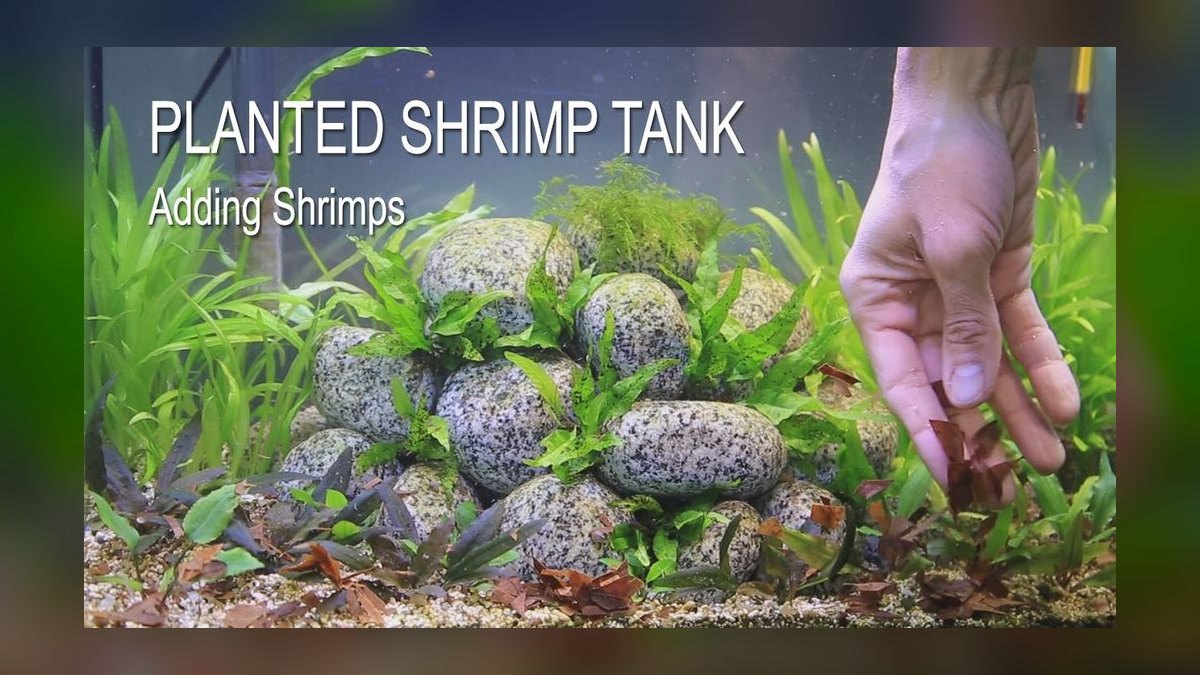
Plant quantity at setup. Plant to cover roughly half the substrate footprint on day one, not a quarter. Beginners consistently under-plant, then spend months fighting algae in the empty space. Fast-growing stems bought cheaply in bulk are the cheapest algae insurance available, and you can thin them out later once the slow growers fill in.
Risks, edge cases, and the failure modes that end projects
The failure modes are predictable, which means they are preventable. Knowing them in advance is worth more than any piece of equipment.
Buying the light first and the plants second. The most common expensive mistake. A high-output fixture on a beginner low-tech tank guarantees an algae problem, and the fix — dimming it or shortening the photoperiod — means you paid for capability you then had to disable. Buy a modest plant-capable LED with a dimmer or a timer, and let the plant list define the light rather than the reverse.
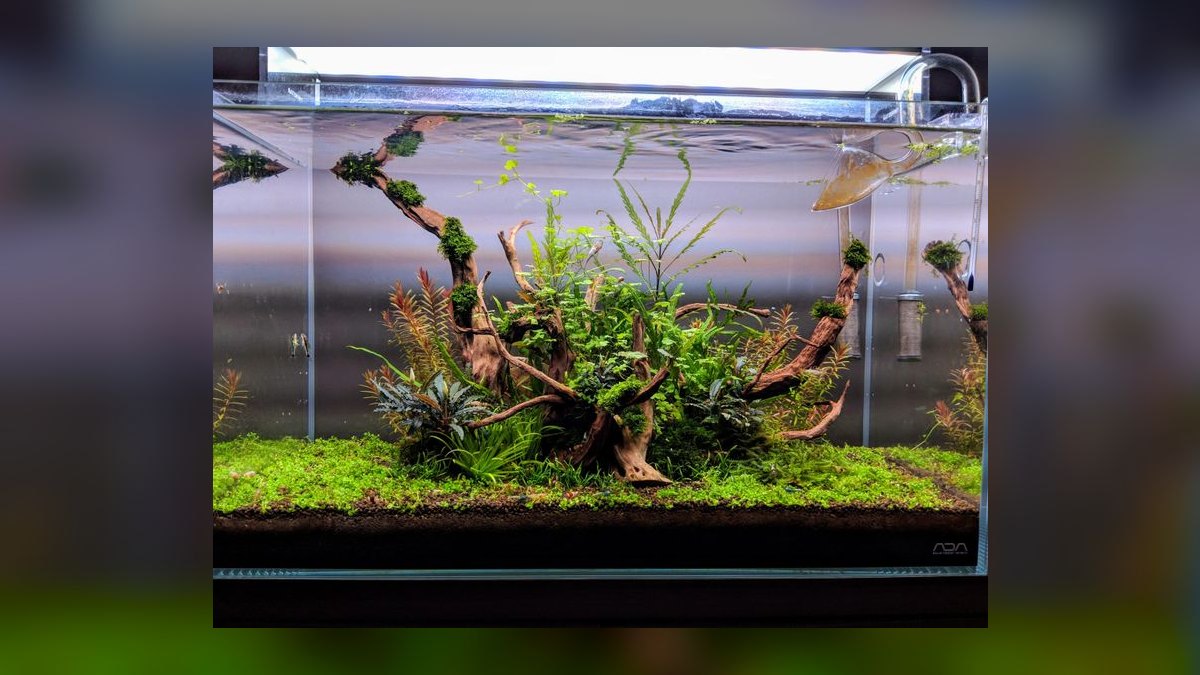
Burying the rhizome. Anubias and java fern grow from a thick horizontal stem that must stay exposed to water. Bury it in substrate and it rots, usually taking two or three weeks to make the death obvious. Glue or thread these to driftwood or rock instead. This one mistake kills more beginner plants than any water parameter.
Mistaking crypt melt for death. Cryptocorynes routinely shed nearly all their leaves after transplanting, reacting to a change in water chemistry. Beginners see the mush, conclude the plant died, and pull it out — discarding an intact, healthy root system that would have pushed new leaves within two to four weeks. Trim the melted leaves, leave the roots, wait.
Ammonia spikes from new soil. Fresh aquasoils leach significant ammonia during their first weeks. This is helpful for a fishless cycle and lethal for fish and shrimp added early. Test rather than assume, and expect heavier water changes during the first two to three weeks of a soil-substrate tank.
Adding sensitive species too early. Otocinclus catfish and amano shrimp are excellent algae crew, but both need a mature tank with established biofilm. Otos in particular starve in a sterile new setup because there is not yet enough aufwuchs to graze. Wait at least two to three months. The same logic applies to shrimp colonies, which need stable parameters more than they need a specific number.
Copper and medications. Many invertebrate deaths in planted tanks trace to a copper-based medication or a snail treatment dosed into the display. If you keep shrimp or snails, treat sick fish in a separate hospital tank and read every ingredient list.
Liquid carbon as a CO2 substitute. Glutaraldehyde-based products give a small carbon benefit and some algae suppression, but they are not equivalent to injected CO2, and they are actively damaging to vallisneria, some mosses, and a few other sensitive species. Overdosing to fight algae is a common route to killing the plants you were trying to protect.
Rinsing filter media in tap water. Chlorine kills the nitrifying bacteria colony living in the sponge. Rinse in a bucket of old tank water instead. This mistake can restart a cycle in a tank that had been stable for months.
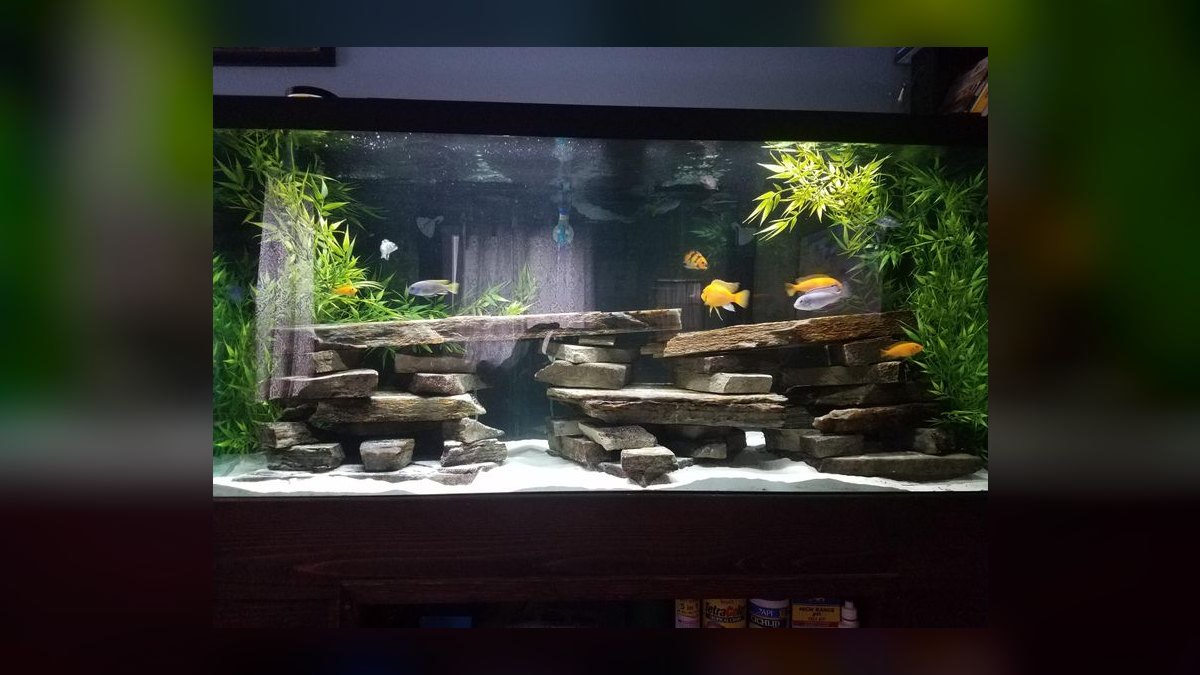
Chasing pH and hardness. Beginners often try to hit an ideal number with chemicals. Almost all beginner plants and community fish tolerate a wide range of pH and hardness, and stability at whatever your tap water provides beats a chemically manipulated value that drifts between water changes. The exceptions are genuine soft-water specialists and hard-water species like African cichlids, which is why those setups are built around the water rather than against it.
Overstocking on impulse. The bioload the plants and filter can handle rises slowly. Adding a dozen fish after a visit to the store overwhelms the biofilter and produces the ammonia spike that kills them. The pace is the point.
Edge case — the nano tank. In under 10 gallons, every failure mode accelerates. A missed water change matters within days rather than weeks. If you want a nano planted tank, run it as a shrimp or single-betta setup with heavy plant mass and no significant fish bioload, which is the configuration small volumes actually handle well.
Edge case — hard well water or softened water. Very hard water suits crypts, java fern, anubias, and vallisneria fine. Water from a sodium-based softener is a different matter and is generally unsuitable for aquarium use; run the tank from an unsoftened tap line or use remineralized RO water instead.
A practical rollout plan, week by week
Sequence matters as much as content. Doing the right steps in the wrong order is how beginners end up with dead plants and a stalled cycle.
Week zero — plan and buy. Decide the tank size and the plant list before buying a light, because the plant list sets the light requirement. Order plants to arrive after the hardscape and substrate are in place, not before; plants sitting in a bag while you shop for driftwood is a lost week. Buy a liquid test kit, not strips — accuracy during cycling is the whole point of testing.
Day one — hardscape and substrate. Rinse inert gravel or sand thoroughly; do not rinse aquasoil, which breaks down when agitated. Lay two to three inches, sloping upward toward the back. Position driftwood and rock before adding water; moving them later disturbs roots. Soak or boil driftwood if it floats, or weight it until it waterlogs, which can take a week or two.
Day one — planting. Plant into damp substrate or a partially filled tank; buoyancy in a full tank turns a thirty-minute job into a two-hour argument. Work back to front: background stems first, midground crypts and bushy species next, foreground last. Tweezers make a real difference. Bury stems by their lower nodes at a slight angle. Keep the crown of crypts and swords just above the substrate line. Glue or tie rhizome plants to hardscape with the rhizome exposed. Then fill slowly onto a plate or plastic bag to avoid excavating everything you just planted.
Weeks one to four — cycle with the lights on low. Run the filter and heater continuously. Dose ammonia to about 2 ppm, or use a fishless method with fish food, and test every two or three days. Keep the photoperiod at six hours during cycling; the plants will grow slowly, which is fine — you are not racing. Expect crypt melt and a diatom film. Do not add fish, do not add shrimp, do not "help" by tearing anything out.
Weeks four to six — verify and stock the first group. The tank is cycled when ammonia and nitrite both read zero within 24 hours of an ammonia dose and nitrate is present. Do a large water change to bring nitrate down, then add your first small group of fish — a partial school rather than the full stocking list. Watch for a week. Test. If ammonia stays at zero, the biofilter is keeping pace.
Weeks six to twelve — build the stock and start the routine. Add remaining fish in stages, two to three weeks apart. Begin dosing all-in-one fertilizer on a fixed schedule. Trim stems for the first time when they reach the surface, replanting the healthy tops and discarding the leggy bottoms. Introduce nerite snails once there is visible algae for them to work on, and hold amano shrimp and otocinclus until the tank is genuinely mature.
Month three onward — steady state and adjacent projects. Now you can experiment. Extend the photoperiod in small increments. Try a moderately harder plant. If you have caught the bug, this is the natural jumping-off point into adjacent setups: a dedicated shrimp tank running the same low-tech principles at smaller scale, a species-specific biotope, or a first CO2-injected tank where the higher carbon ceiling finally makes carpets and red plants viable. Each of those builds on exactly the same light-nutrient-carbon reasoning; only the ceiling moves.
Related questions
Can plants alone replace a filter in a planted aquarium?
No. Plants consume ammonia and nitrate directly and reduce filtration load significantly, but they do not provide the mechanical clearing or the bacterial surface area a filter does. Heavily planted tanks can run lower-powered filtration, but removing filtration entirely is an expert technique with narrow margins.
How many plants should a beginner buy at setup?
Enough to cover roughly half the substrate footprint immediately. Under-planting is the most common beginner error. Cheap bulk stem plants act as nutrient sponges during the vulnerable first months and can be thinned out later once slower species establish.
Do planted tanks need more frequent water changes?
Not more frequent — often fewer. Once plant mass is established, nitrate accumulates slowly, so twenty-five percent every week or two suffices. During the first three months, though, hold to weekly changes of twenty-five to fifty percent while the system stabilizes.
Will a planted aquarium work with a betta or shrimp instead of a community?
Yes, and both are excellent. A single betta in a well-planted 10 to 20 gallon has minimal bioload and appreciates the cover. Shrimp colonies thrive in moss-heavy low-tech tanks, provided you avoid all copper-based medications.
Is sand or gravel better for a planted aquarium?
Both work with root tabs. Fine sand looks natural and suits corydoras but compacts more; gravel drains and stays oxygenated better but lets small plants drift loose. Aquasoil outperforms both nutritionally, at higher cost and with an initial ammonia leach.
FAQ
Do I need special substrate for live plants?
Not strictly. Nutrient-rich aquasoil makes growing easier and is the better choice for stem plants and carpets, but inert gravel or sand works well for root feeders if you push root tabs underneath them. Rhizome plants like java fern and anubias and water-column feeders do not need substrate at all — they attach to wood and rock and take nutrients from the water.
How much light does a beginner planted tank need?
A moderate plant-capable LED running six to eight hours a day is enough for the low-light beginner plant list. Excess light without matching carbon and nutrients is the leading cause of beginner algae, so start at six hours on a timer and extend in thirty-minute increments only after several weeks of healthy, algae-free growth.
Can I add fish right away?
No. The tank must complete the nitrogen cycle first, which typically takes three to six weeks without seeded media. Live plants absorb some ammonia but do not replace the bacterial colony. Test until ammonia and nitrite both read zero within 24 hours of dosing ammonia, then add fish a few at a time over several weeks.
What are the easiest plants for beginners?
Java fern, anubias, cryptocoryne, java moss, amazon sword, vallisneria, hygrophila, dwarf sagittaria, and marsilea. All tolerate low light and no injected CO2 and resist melting. Avoid dwarf baby tears and most high-light red plants until you have a CO2 system and a stable routine.
How do I stop algae in a new planted tank?
Plant heavily from day one, keep the photoperiod short and identical every day, fertilize consistently rather than sparingly, maintain water changes, and add nerite snails and later amano shrimp. Most beginner algae comes from light exceeding what carbon and plant mass can use, so shorten the photoperiod and add plants before adding anything else.
Is liquid CO2 a substitute for pressurized CO2?
Not really. Liquid carbon supplements give a small carbon boost and some algae suppression, but they do not approach injected CO2 for growth rates, and they damage sensitive species including vallisneria and some mosses. For a first planted tank, going fully low-tech with the easy plant list is simpler, cheaper, and more forgiving than any middle path.
Sources
- Aquarium Co-Op — beginner planted tank guides and easy aquarium plant care: https://www.aquariumcoop.com/
- The 2Hr Aquarist — substrate, lighting, and low-tech planted tank fundamentals: https://www.2hraquarist.com/
- Tropica — aquarium plant catalogue with difficulty and light ratings: https://tropica.com/
- Seachem — Flourish, Flourish Tabs, Excel, and Stability product documentation: https://www.seachem.com/
- Practical Fishkeeping — planted aquarium setup and maintenance articles: https://www.practicalfishkeeping.co.uk/
- Buce Plant — low-tech planted tank and aquascaping resources: https://buceplant.com/
- Dennerle — aquarium plant nutrition and substrate references: https://www.dennerle.com/
- Fluval — Plant 3.0 LED and Stratum substrate product information: https://www.fluvalaquatics.com/
Related on PULSE
This page will be disappearing soon. Save it to your device for $1 — or read it free while it is here.
@Kory-White- · if Venmo asks, the last 4 of my number are 2012
This page is gone.
This one is off the shelf now. $1 keeps it on your phone for good — the whole page, pictures and diagrams included.
 pulse-aquariumsHow do you set up a betta fish tank in 2027?
 pulse-aquariumsTop 10 Aquariums strategies for 2027
 pulse-aquariumsTop 10 Wavemakers for Reef Aquariums in 2027
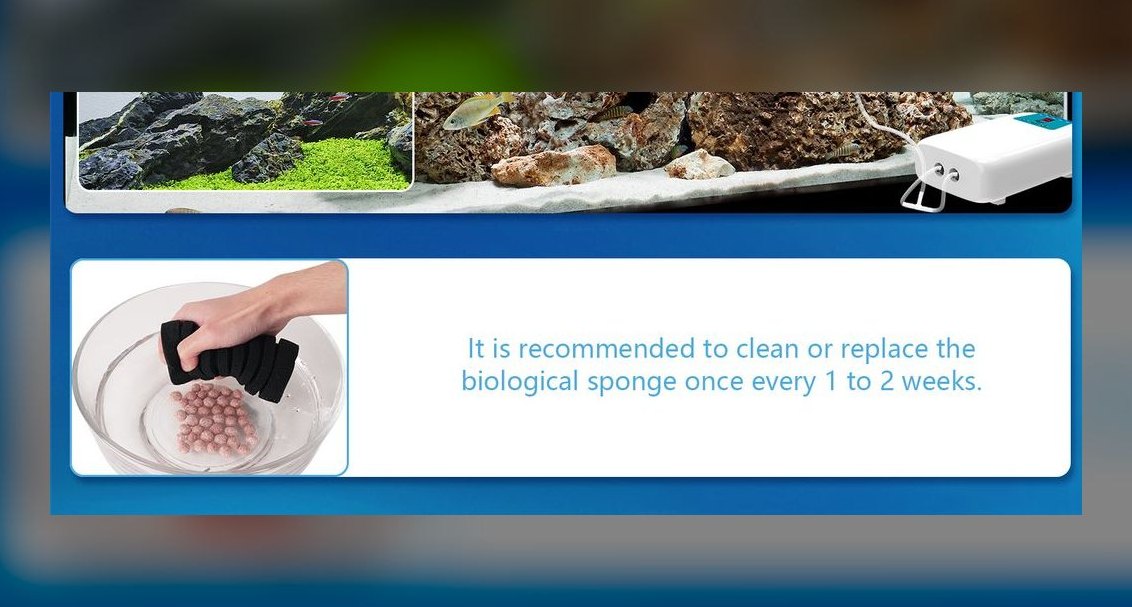 pulse-aquariumsTop 10 Sponge Filters for Shrimp Tanks in 2027
 pulse-aquariumsWhat is the best food for tropical aquarium fish in 2027?
 pulse-aquariumsWhat are dinoflagellates and how do you get rid of them in a reef tank in 2027?
 pulse-aquariumsBest auto feeder for vacation in 2027
 pulse-aquariumsHow do you do a fishless cycle with ammonia in 2027?
 pulse-aquariumsTop 10 Saltwater Angelfish for Large Reef Tanks in 2027
 pulse-aquariumsWhat is the true cost of a rimless 90-gallon planted tank with a canister filter and CO2 in 2027