
How do I choose the right lighting schedule for a reef tank in 2027?
 PULSEKNOWLEDGE LIBRARY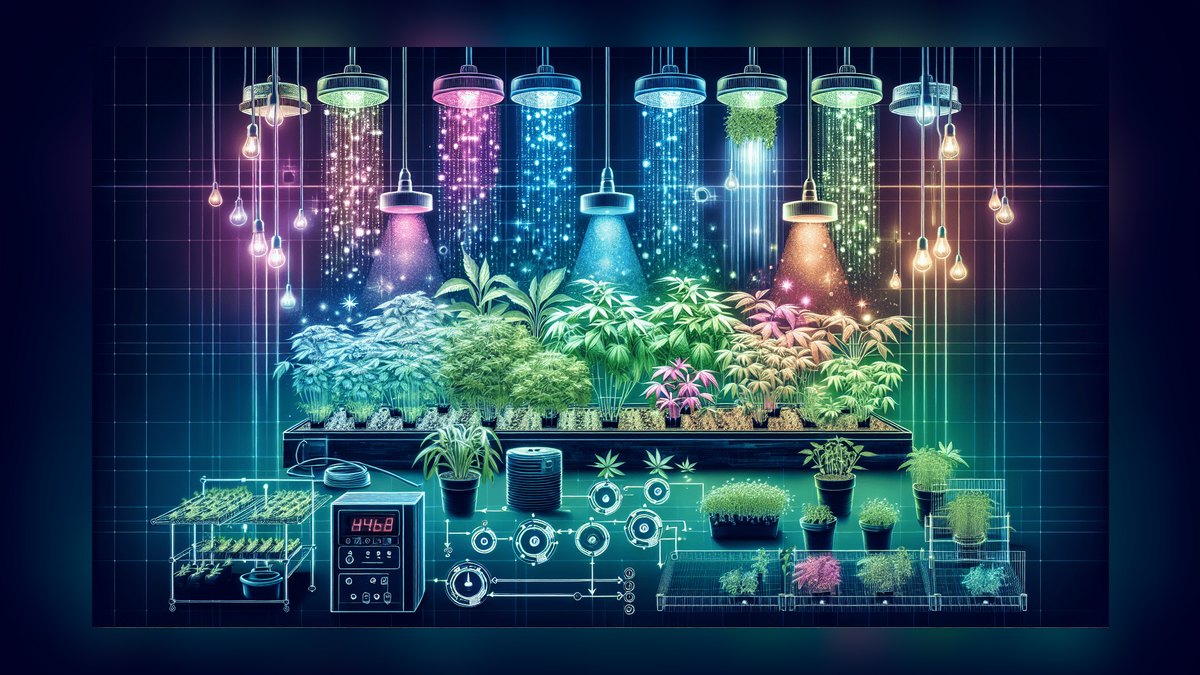
To choose the right lighting schedule for a reef tank in 2027, match the photoperiod and intensity ramp to your specific coral types, starting with an 8-10 hour schedule for mixed reefs, using gradual dawn/dusk transitions, and adjusting based on observed coral response. Prioritize stability over complexity—consistent daily schedules with 20-30 minute ramp periods and a 2-4 hour midday peak produce the best results for most hobbyists.
A Typical 2027 Reef Tank Scenario
Imagine you have just upgraded from a 40-gallon beginner tank to a 90-gallon mixed reef system. You have a new LED fixture with full spectral control, programmable channels for royal blue, violet, cyan, and white LEDs, and a companion app that lets you set hourly intensity curves. You have a handful of LPS corals like torch and hammer, a few SPS staghorn acropora fragments, and a couple of soft corals like zoanthids and mushroom anemones. Your immediate question is not whether to buy a light—you already have one—but how to program the schedule so that everything thrives without bleaching, excessive algae growth, or wasted electricity.
The problem is that lighting schedules are not one-size-fits-all. A schedule that works for a tank dominated by soft corals will stress SPS corals, and a schedule tuned for high-light acropora will bleach your zoanthids. In 2027, LED fixtures from brands like Ecotech Marine, Kessil, and AI (Aqua Illumination) offer features like lunar cycles, cloud cover simulation, and seasonal intensity adjustments. While these features are impressive, they can also complicate the decision. The right approach is to start with a proven baseline schedule, then fine-tune based on how your specific corals respond over several weeks.
The scenario above is common because most reef keepers start with mixed communities. The lighting schedule you choose must accommodate the photosynthetic needs of different coral types while also managing the growth of nuisance algae. In practice, this means selecting a photoperiod length, a daily intensity curve, and a spectral mix that balances growth, coloration, and stability. The decision also depends on your tank's depth, water clarity, and the mounting height of your fixture. A 24-inch-deep tank needs more intensity than a 12-inch-deep nano reef, and a fixture mounted 12 inches above the water surface delivers less light than one mounted 6 inches above.
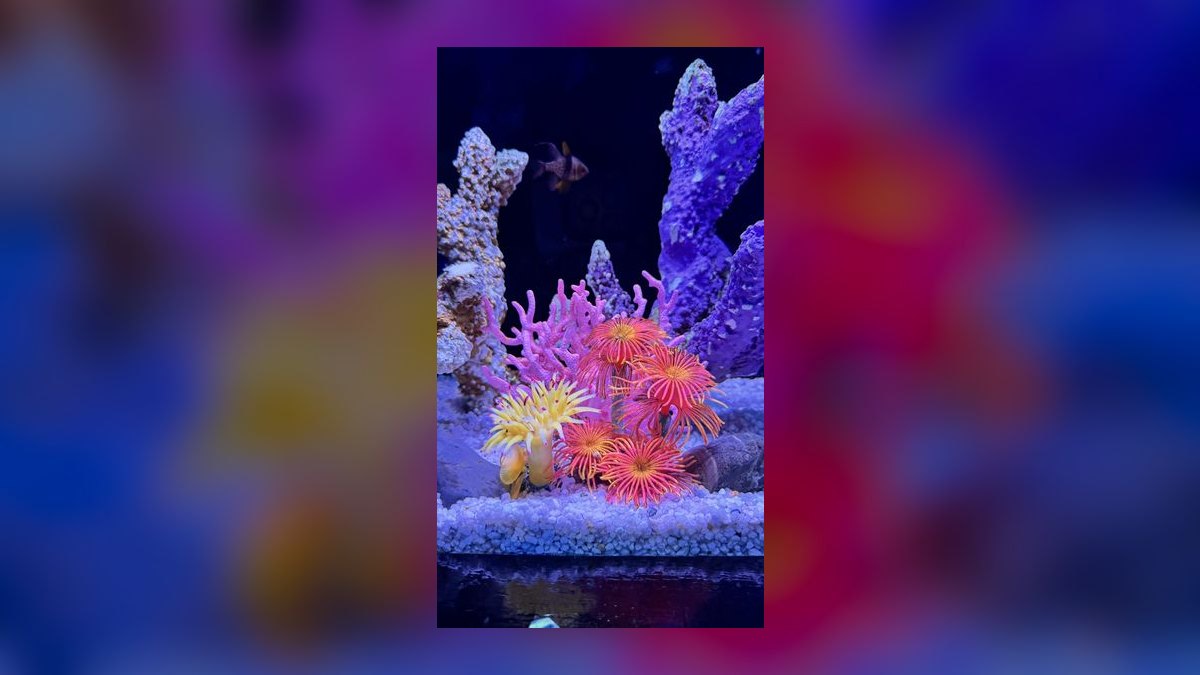
The schedule you choose in 2027 should also account for the fact that modern LED fixtures are more efficient and controllable than older metal halide or T5 systems. You have the ability to simulate natural dawn and dusk, which reduces stress on fish and corals and allows you to enjoy the tank during evening hours when the blue spectrum makes corals fluoresce. The key is to use these features deliberately, not randomly, and to understand that consistency matters more than any single setting.
How Reef Tank Lighting Schedules Work
A lighting schedule for a reef tank is a daily program that controls when lights turn on, how intensity ramps up and down, what spectrum is emphasized at different times, and how long the full photoperiod lasts. The mechanism behind a good schedule is rooted in coral biology and the photosynthetic processes of zooxanthellae, the symbiotic algae that live inside coral tissue. These algae use light energy to produce sugars that feed the coral, and they have a limited capacity to process light before producing harmful reactive oxygen species.
The photoperiod is the total duration of light exposure, typically measured from when the first LED channel begins to ramp up until the last channel ramps down to zero. In 2027, most reef keepers run photoperiods between 8 and 10 hours for mixed reefs. Shorter photoperiods of 6-7 hours are sometimes used for tanks with high-intensity lighting or sensitive corals, while longer photoperiods of 11-12 hours are rare and usually reserved for tanks with very low light intensity or for aesthetic reasons.
The ramp time is the period during which intensity gradually increases or decreases. In nature, sunrise and sunset take about an hour, but reef tanks typically use shorter ramps of 20-30 minutes to avoid the appearance of a sudden "on/off" that can startle fish and stress corals. Some advanced fixtures allow you to program separate ramp times for each color channel, so you can have blue LEDs ramp up faster than white LEDs, creating a natural blue-shifted dawn.
The spectral mix refers to the relative intensity of different wavelengths. Corals primarily use blue and violet light (400-470 nm) for photosynthesis, while white and red light contribute more to visual appearance and can promote algae growth if overused. In 2027, the typical schedule uses 60-80% blue intensity relative to white, with peaks of blue during the midday period. Many hobbyists run their blue channels at 50-60% intensity during the ramp periods and increase both blue and white during the peak, but with blue always higher than white.
The midday peak is the period of maximum intensity, usually lasting 2-4 hours. This simulates the sun's highest angle and provides the intense light that SPS corals need for growth. During this window, the fixture runs at its programmed maximum, which might be 100% on blue and 60-70% on white, depending on your tank's depth and coral types. After the peak, intensity ramps back down, and the schedule ends with a blue-only period of 30-60 minutes to simulate dusk and allow corals to recover before lights off.
Real Numbers, Ranges, and Benchmarks for 2027
Choosing the right lighting schedule requires working with concrete numbers. While every tank is different, the following ranges and benchmarks represent what experienced reef keepers and manufacturers recommend in 2027.

Photoperiod length: For a mixed reef, start with 8 hours total, measured from when the first channel reaches 1% intensity to when the last channel drops below 1%. If you have only soft corals or a shallow tank, you can extend to 9-10 hours. If you have a deep tank (24+ inches) or high-light SPS corals, consider 7-8 hours with higher intensity per hour.
Ramp duration: Use 20-30 minutes for both dawn and dusk. Some fixtures allow ramps as short as 5 minutes, but this is too abrupt for most corals. A 45-60 minute ramp is more natural but reduces the effective photoperiod at full intensity, so compensate by extending the total schedule by 30-60 minutes if you use longer ramps.
Intensity percentages: These are relative to your fixture's maximum output. For a mixed reef, set your blue channels to 50% during dawn, ramp to 80-100% during the midday peak, then back to 50% at dusk. White channels should run at 20-30% during dawn, 50-70% at peak, and 20-30% at dusk. Violet and UV channels, if available, can run at 30-50% throughout the photoperiod, as they contribute to coral fluorescence without driving algae growth.
Photosynthetic photon flux density (PPFD) targets: Use a PAR (photosynthetically active radiation) meter to measure light at your coral placement locations. For soft corals, target 50-100 PAR. For LPS corals, target 100-200 PAR. For SPS corals, target 200-400 PAR, with some high-light species tolerating up to 500 PAR at the top of the tank. These are measured at the coral surface, not at the water surface, so account for attenuation—roughly 10-20% light loss per 4 inches of water depth in clear water.
Acclimation period: When starting a new schedule or changing intensity, acclimate corals gradually. Increase the photoperiod by 15-30 minutes per week, or increase intensity by 5-10% per week, until you reach your target. A sudden jump of more than 20% in daily light energy can cause bleaching.
Daily light integral (DLI) benchmark: The DLI is the total amount of light delivered over a 24-hour period, measured in mol/m²/day. For a mixed reef, a DLI of 5-10 mol/m²/day is typical. SPS-dominated tanks may need 10-15, while soft coral tanks can thrive at 3-5. To calculate DLI, multiply your average PAR by the photoperiod in seconds and convert to mol. Most modern fixtures have a companion app that calculates DLI for you.
Temperature and light interaction: Water temperature affects coral metabolism and light tolerance. If your tank runs at 78-80°F, use the standard ranges above. If your tank runs warmer (82-84°F), reduce intensity by 10-15% because warmer water reduces the oxygen-carrying capacity and increases oxidative stress. If your tank runs cooler (74-76°F), you can increase intensity slightly.
Trade-offs and Alternatives in Lighting Schedules
Choosing a lighting schedule involves balancing competing priorities, and there is no single "right" schedule that works for every tank. The main trade-offs are between growth and coloration, between natural simulation and practicality, and between coral health and algae control.
A shorter photoperiod with higher intensity delivers the same DLI as a longer photoperiod with lower intensity, but the coral response differs. High-intensity, short-duration light promotes denser skeletal growth and more intense coloration in SPS corals, but it increases the risk of photobleaching if the intensity exceeds the coral's acclimation capacity. Low-intensity, long-duration light is more forgiving and allows corals to extend polyps for longer feeding periods, but it may not provide enough energy for fast-growing acropora species.
The trade-off between blue-heavy and white-heavy schedules is another key decision. Blue-heavy schedules (80-100% blue, 20-40% white) promote coral fluorescence and growth because blue light penetrates water deeper and drives photosynthesis efficiently. However, blue-only light makes the tank look like a blacklight, which some hobbyists find unattractive. White-heavy schedules (50-70% white) make the tank look more natural and allow you to see coral colors accurately, but they can promote nuisance algae growth and cause corals to appear washed out if intensity is too high.
An alternative to a fixed daily schedule is a seasonal schedule that mimics natural annual changes. Some fixtures in 2027 offer "seasonal" modes that increase photoperiod and intensity during summer months and decrease during winter. This approach can trigger natural spawning behaviors and growth cycles, but it requires more monitoring and may not be suitable for beginners. A simpler alternative is a "lunar" schedule that adjusts nighttime moonlight intensity based on the moon phase, which can influence coral spawning and fish behavior but has minimal effect on photosynthesis.
Another alternative is a "cloud cover" schedule that randomly reduces intensity by 20-40% for 5-15 minute intervals during the midday peak. This simulates natural weather and can reduce heat stress in the tank, but it also reduces the total DLI and may confuse corals that prefer stable conditions. If you use cloud cover, keep it subtle—no more than 2-3 cloud events per day—and ensure that the total DLI still meets your coral targets.
Common Pitfalls and How to Avoid Them
Many reef keepers struggle with lighting schedules because they make avoidable mistakes. The most common pitfall is changing the schedule too frequently. Corals need weeks to acclimate to a new light regime, and constant tweaking prevents them from ever fully adapting. Choose a schedule, run it for 2-4 weeks, and only then make adjustments based on observed coral response. Keep a log of your settings and coral appearance so you can track changes systematically.
Another pitfall is setting the photoperiod too long. A 12-hour photoperiod with moderate intensity might seem safe, but it can cause coral bleaching because the total DLI exceeds what the zooxanthellae can process. The corals may expel their algae, turning white, and the tank may experience an algae bloom as nutrients accumulate. If you see bleaching, reduce the photoperiod by 1-2 hours or reduce intensity by 20% immediately, then acclimate back up slowly.
Ignoring the ramp times is a third pitfall. Some hobbyists set the lights to turn on at full intensity and off abruptly to simplify programming. This shocks corals and fish, causes polyp retraction, and can lead to long-term stress. Always use ramps of at least 20 minutes, and consider longer ramps of 45-60 minutes for the dusk period so that fish can find hiding spots before darkness.
A fourth pitfall is neglecting to measure actual light intensity. The percentage settings on your fixture do not tell you how much light reaches your corals. Water depth, water clarity, and fixture height all affect PAR. Use a PAR meter or borrow one from a local reef club to measure values at different locations in your tank. Adjust your schedule so that the PAR at each coral matches its target range, not so that the fixture settings look good on paper.
A fifth pitfall is using the same schedule year-round without accounting for seasonal changes in your home's ambient temperature. If your tank runs warmer in summer, the same light schedule will stress corals more because warm water holds less oxygen. In summer, reduce intensity by 10% or shorten the photoperiod by 30-60 minutes. In winter, you can increase intensity or extend the photoperiod slightly.
Finally, many hobbyists make the mistake of prioritizing visual appearance over coral health. They set the white channels very high because they like the bright, natural look, but this can bleach corals and promote algae. Use blue-heavy settings for the majority of the photoperiod and only increase white for short viewing periods, such as 30-60 minutes in the evening. Your corals will be healthier, and you can still enjoy the tank's colors during your peak viewing hours.
Related Questions
What is the best photoperiod length for a reef tank in 2027?
For most mixed reefs, 8-10 hours is optimal. Shorter photoperiods of 6-7 hours work for high-intensity lighting or SPS-dominated tanks, while longer photoperiods of 10-12 hours are only suitable for low-intensity setups. Always acclimate corals gradually when changing photoperiod length.
How do I acclimate corals to a new lighting schedule?
Increase photoperiod by 15-30 minutes per week or intensity by 5-10% per week. Watch for signs of bleaching or excessive polyp retraction. If corals show stress, hold at the current level for another week before increasing further. Full acclimation typically takes 3-6 weeks.
Should I use a lighting schedule with a midday siesta period?
A siesta period, where lights turn off for 1-2 hours in the middle of the day, can help control tank temperature and reduce algae growth. However, it reduces total DLI and may stress corals that prefer continuous light. Use a siesta only if you have heat issues or persistent algae problems.
How does tank depth affect my lighting schedule choice?
Deeper tanks require higher intensity settings or longer photoperiods to deliver adequate PAR to bottom-dwelling corals. For every 4 inches of water depth, expect 10-20% light loss. Adjust your schedule accordingly, and always measure PAR at the coral surface, not at the water surface.
FAQ
How do I choose the right lighting schedule for a reef tank in 2027?
Start with an 8-hour photoperiod, 20-30 minute ramps, and a blue-heavy spectral mix. Set your midday peak to deliver 100-200 PAR for LPS corals or 200-400 PAR for SPS corals. Run this schedule for 2-4 weeks, then adjust based on coral response. Measure PAR with a meter and track your settings in a log.
What is the most important factor in choosing a lighting schedule?
The most important factor is matching light intensity to your specific coral types. Soft corals need 50-100 PAR, LPS corals need 100-200 PAR, and SPS corals need 200-400 PAR. The photoperiod length and spectral mix are secondary to delivering the correct total daily light energy.
How long should my reef tank lights stay on each day?
For a mixed reef, 8-10 hours is standard. This includes ramp times. If you use 30-minute ramps, your lights will be at full intensity for about 7-9 hours. SPS-dominated tanks may use 7-8 hours with higher intensity, while soft coral tanks can use 9-10 hours with lower intensity.
Can I use a 24-hour lighting schedule with moonlight simulation?
Yes, but only for the nighttime period. After your main photoperiod ends, you can program a low-intensity moonlight channel (1-5% blue) to run for 4-8 hours. This does not affect coral photosynthesis but can enhance viewing and influence fish behavior. Ensure the moonlight is very dim to avoid disrupting coral rest cycles.
How do I know if my lighting schedule is too intense?
Signs of excessive light include coral bleaching (white or pale tissue), excessive polyp retraction during the photoperiod, and rapid algae growth. If you see these signs, reduce intensity by 20% or shorten the photoperiod by 1-2 hours. Wait 2 weeks before making further changes.
Should I use a lighting schedule that changes with the seasons?
Seasonal schedules can be beneficial for advanced hobbyists, as they mimic natural annual light cycles and may trigger spawning. However, they add complexity and require careful monitoring. For most hobbyists, a consistent year-round schedule is simpler and produces equally good results for coral health and growth.
Sources
https://www.reef2reef.com/threads/reef-tank-lighting-schedule-guide.850123/
https://www.bulkreefsupply.com/content/post/reef-tank-lighting-guide
https://www.liveaquaria.com/article/168/?aid=168
https://www.advancedaquarist.com/2014/5/lighting
https://ecotechmarine.com/blogs/reef-talk/lighting-schedules-for-reef-tanks
https://www.kessil.com/blogs/reef/reef-tank-lighting-schedule
https://aquariumlighting.com/blogs/reef-lighting/reef-tank-photoperiod
https://www.reefkeeping.com/issues/2007-03/sl/index.php
Related on PULSE
- [Choosing the Right LED Fixture for Your Reef Tank](/reef-tank-led-fixture-selection)
- [Understanding PAR and Coral Light Requirements](/par-coral-light-requirements)
- [Coral Acclimation Techniques for New Additions](/coral-acclimation-techniques)
- [Managing Nuisance Algae with Lighting Control](/algae-control-lighting)
- [SPS Coral Growth Optimization Strategies](/sps-coral-growth-optimization)
- [Reef Tank Automation and Smart Lighting Systems](/reef-tank-automation-smart-lighting)
 pulse-aquariumsTop 10 Geophagus Eartheater Cichlids 2027
 pulse-aquariumsTop 10 Protein Skimmers 2027
 pulse-recentHow do I manage nutrient export in a reef tank in 2027?
 pulse-recentHow do I introduce fish to a newly cycled reef tank in 2027?
 pulse-aquariumsTop 10 Clown Loach Centerpiece Fish 2027
 pulse-aquariumsTop 10 Dosing Pumps for Automatic Reef Supplement Dosing in 2027
 pulse-aquariumsTop 10 Quarantine Tank Setup Mistakes in 2027
 pulse-recentHow do I aquascape live rock for a reef tank in 2027?
 pulse-aquariumsTop 10 Betta Fish Tail Types 2027
 pulse-aquariumsTop 10 Hatchetfish Surface Swimmers 2027