
How I Raised Myself from Failure to Success in Selling by Frank Bettger — Top 10 Key Takeaways for Sales Leaders in 2027
 Curated byKory White · Fractional CRO · Maryland
 PULSEKNOWLEDGE LIBRARY
Frank Bettger's *How I Raised Myself from Failure to Success in Selling* teaches that selling is a learnable system, not a personality trait: organize your day around prime selling hours, act enthusiastic to become enthusiastic, ask questions to uncover the real objection, follow up relentlessly after "no," and review your own performance nightly. For sales leaders in 2027, the ten takeaways translate into a coaching framework built on self-audit, structured persistence, and sincere interest in the buyer rather than raw persuasion tactics.
The outcome you should expect
Bettger's book is a first-person account of moving from a released minor-league baseball player and a failing insurance salesman on the verge of quitting to one of the highest producers at his agency, and the mechanism he describes is repeatable rather than accidental. The core promise for a modern sales leader who applies these takeaways is not a single trick that doubles close rates overnight — it is a compounding change in behavior that shows up over a quarter or two as reps stop relying on charisma and start relying on process. When a team adopts Bettger's habits of self-review, structured questioning, and disciplined follow-up, the most visible early outcome is fewer sales lost to premature disengagement: reps stop walking away after the first objection and start treating a "no" as the beginning of the real conversation rather than the end of it.
The second outcome, which shows up slightly later, is a shift in how reps spend their actual working hours. Bettger's own account of auditing his calendar and discovering how little of his day was spent in front of a genuine prospect is one of the most cited moments in the book, and it maps directly onto modern pipeline hygiene: leaders who apply this takeaway typically see selling time — real conversations with qualified buyers — rise as a share of the total day, even before any change in skill. That reallocation, not a new pitch or script, is usually the first measurable win a sales leader gets from rolling this book out to a team.

The third outcome is cultural rather than mechanical. Bettger's insistence on sincere interest in the other person, learned partly from his contemporary and friend Dale Carnegie, reframes selling as a service relationship rather than a transaction. Teams that internalize this takeaway see downstream effects in referral rates and account retention, because prospects and customers can tell the difference between a rep executing a script and a rep who is actually curious about the problem. This is the slowest outcome to appear but the most durable, since it changes how the rep is perceived over the life of the account rather than just in the moment of the pitch.
Finally, expect resistance before adoption. Bettger himself resisted the enthusiasm principle and the self-organization habit before proving them out one at a time, and modern reps show the same pattern: skepticism toward "act enthusiastic" as gimmicky, and discomfort with the nightly self-audit because it surfaces uncomfortable truths about wasted time. Leaders should expect the first two weeks of rollout to feel like friction, not success, before the compounding effect becomes visible in the numbers.

What drives that outcome
The mechanism behind Bettger's turnaround is a chain of small, deliberately practiced behaviors rather than one breakthrough insight, and understanding that chain is what lets a leader coach it into a team instead of just quoting it in a meeting.
Enthusiasm is the entry point in Bettger's own narrative: he describes forcing himself to act enthusiastic during a baseball tryout after being told his lackluster play was the reason he was being cut, discovering that behaving as if he felt something eventually produced the feeling itself. He carried that discovery into selling life insurance, deliberately walking into calls animated and engaged even on days he did not feel like it, and treated enthusiasm as a controllable input rather than an unpredictable mood. This matters for a sales leader because it means enthusiasm is coachable — it can be modeled, rehearsed, and demanded in role-play, rather than treated as something a rep either has or lacks.
Self-organization is the second driver, and it is the most operational of the takeaways. Bettger tracked his own time and found that the actual selling — sitting with a prospect and having the conversation — occupied a much smaller fraction of his day than he assumed, with the rest consumed by travel, paperwork, and low-value activity. Once he saw the split in his own numbers, he restructured his schedule to protect the hours when prospects were most reachable and pushed administrative work to the edges of the day. This is the direct ancestor of modern "protect the calendar for selling time" coaching, and it works for the same reason it worked in the 1940s insurance business: sellers default to comfortable, low-risk activity unless a structure forces them toward the higher-risk, higher-reward activity of direct prospect contact.

The third driver is Bettger's approach to objections, which he treats as information rather than obstacles. Rather than arguing against a stated objection, he asks the prospect to clarify whether it is the real reason for hesitation, frequently uncovering that the stated objection ("I need to think about it," "It costs too much") was a polite cover for a different, unstated concern. This questioning discipline is what separates a rep who "handles objections" from one who actually resolves them, and it is directly teachable through role-play drills that force reps to ask one more clarifying question before responding to any stated objection.
The fourth driver, follow-up after failure, is where the book's title becomes literal instruction rather than metaphor. Bettger documented that a large share of his eventual sales came from prospects who had first said no, sometimes more than once, and that the salespeople who quit after a single refusal were leaving the majority of their potential business on the table. This is the mechanical core of turning failure into success in selling: treating an early no as a normal, expected stage of the process rather than a verdict, and building a systematic follow-up cadence instead of an emotional reaction to rejection.
The final driver closing the loop is nightly self-review, modeled explicitly on Benjamin Franklin's self-improvement method of tracking one virtue at a time on a weekly card. Bettger adapted this into a sales-specific practice: reviewing each day's calls, identifying what caused a stall and what caused a close, and consciously working on one weakness at a time rather than trying to fix everything simultaneously. That feedback loop is what turns the other three drivers from one-time inspiration into a durable strategy, because it forces the rep to keep measuring themselves against their own prior performance rather than plateauing once the initial novelty of the technique wears off.
Benchmarks and realistic ranges
Because the book is a personal memoir rather than a controlled study, the honest benchmark a sales leader should use is directional, not a guaranteed multiplier — but the direction is consistent across Bettger's own account and the way modern managers report using it. The clearest internal benchmark from the book is the time-allocation finding: when Bettger discovered how small a share of his workday was true face-to-face selling time, and reorganized to increase it, his production rose in the same period without any change in the underlying product or territory. A sales leader applying this today should expect a similar structural lever — teams that audit rep calendars typically find selling time sitting well below what reps assume, and simply reclaiming even one additional focused hour per day for outreach tends to move activity metrics before it moves close rates.

On the follow-up takeaway, the realistic range to communicate to a team is about persistence economics rather than a precise percentage: multiple exposures to a prospect, spaced deliberately rather than delivered as one aggressive pitch, recover a meaningful share of deals that a single-call approach would have written off as dead. The practical coaching range most leaders land on is three to five follow-up touches after an initial no before classifying a lead as genuinely closed-lost, which mirrors Bettger's own description of returning to prospects who had refused him and eventually earning their business once circumstances or trust had shifted.
On the self-review habit, the realistic cadence is nightly or, at minimum, weekly — daily review is what Bettger describes doing himself, and it is what modern CRM-driven coaching loops try to approximate with call recordings and pipeline notes. A leader rolling this out to a team should not expect reps to sustain a nightly personal audit indefinitely without structure; the realistic range is to formalize it as a five-minute end-of-day log tied to one specific skill at a time (an approach Bettger borrowed directly from Franklin), reviewed weekly in a coaching session, rather than relying on an unstructured personal habit that decays after a few weeks.

On enthusiasm and rapport, there is no clean number to benchmark against, but the qualitative signal leaders should watch for is referral rate and meeting-acceptance rate from warm introductions, since Bettger's sincere-interest approach shows up there before it shows up in raw close rate. Teams that coach genuine curiosity about the prospect's business, rather than scripted rapport-building, tend to see a gradual rise in inbound referrals over a quarter or two rather than an immediate spike, which is consistent with the slow, compounding nature of trust-based selling that the book describes.
Risks, edge cases, and failure modes
The most common failure mode when a team tries to adopt these takeaways is treating enthusiasm as performance rather than substance — reps who mimic Bettger's "act enthusiastic" advice as a surface-level energy boost without pairing it with genuine preparation or sincere interest in the prospect come across as forced or insincere, which produces the opposite of the intended effect. Bettger's own description of enthusiasm was paired with real product knowledge and real curiosity about the client's situation; stripped of that substance, the technique degrades into the kind of hollow salesperson energy that experienced buyers detect immediately and distrust.

A second failure mode sits inside the follow-up takeaway: leaders who hear "persistence pays" and translate it into indiscriminate, high-frequency contact risk crossing into pestering rather than principled follow-up. Bettger's follow-up was purposeful and spaced, often tied to a genuine new reason to reconnect rather than a repeated ask for the same yes, and teams that skip that nuance end up training reps to nag prospects rather than to serve them, damaging the relationship the sincere-interest principle was supposed to protect. The edge case to watch for is a rep who confuses call volume with the strategy Bettger actually describes, which is fewer, better-timed touches grounded in something specific learned about the buyer.
A third risk is applying the self-organization takeaway too rigidly in a modern, multichannel selling environment. Bettger's world was built around scheduled in-person appointments, and the "protect selling hours" lesson translates cleanly to phone and video blocks today, but leaders should recognize that inbound digital channels, async messaging, and marketing-qualified lead handoffs did not exist in his framework. Applying his time-allocation lesson without adapting it for modern channel mix can lead a team to over-index on outbound call blocks while neglecting the inbound and digital touchpoints that now generate a large share of qualified pipeline.

A fourth edge case involves the self-review habit becoming a source of demoralization rather than improvement if it is implemented without psychological safety. Bettger's Franklin-style tracking was self-imposed and self-compassionate — he picked one weakness at a time rather than cataloguing every failure at once. A manager who turns nightly self-review into a punitive audit, or who reviews every rep's failures in a public forum, inverts the intent of the takeaway and produces defensiveness and gaming of the numbers rather than genuine skill growth. The failure-to-success arc the book describes depends on the reviewer being forgiving of failure as a normal input, not treating each stumble as a performance issue to be punished.
Finally, there is a scaling risk: Bettger's story is about one individual's transformation, and leaders sometimes assume the same personal-discipline framework will scale uniformly across a large team without adaptation. In practice, the habits need translation into shared systems — CRM-logged follow-up cadences instead of a personal notebook, structured coaching sessions instead of solitary nightly reflection — or they remain dependent on the individual willpower of a few self-motivated reps rather than becoming an organizational capability.
A practical rollout plan
Turning these ten takeaways into a functioning team habit works best as a staged rollout rather than a single training session, because Bettger's own transformation happened gradually, one principle proven out before the next was layered on.

Start with the calendar audit before touching scripts or pitch content, because Bettger's own breakthrough began with measurement, not motivation — have each rep log actual prospect-facing time for two weeks so the team sees the real baseline rather than an assumed one. In weeks three and four, use that data to restructure the day, blocking the hours with the highest historical connect rate for outbound and reactive selling and moving CRM entry, internal meetings, and reporting to the lower-yield hours; this is the most measurable and least controversial change to introduce first, since it requires no new selling skill, only scheduling discipline.
Once the team has adjusted to protected selling time, introduce the objection-handling discipline through short role-play drills that force a single habit: before responding to any objection, the rep must ask one clarifying question to confirm it is the real reason. This is deliberately narrow so it can be practiced and observed easily by a manager listening to calls, rather than asking reps to master an entire new objection-handling philosophy at once.

The follow-up cadence should be introduced next, once objection clarity is in place, because a well-clarified objection is what makes a later follow-up relevant rather than repetitive — a rep who knows the real reason for a no can follow up with something that actually addresses it. Build this into the CRM as a required task sequence (three to five touches, each with a distinct reason to reach out) rather than leaving it to individual memory, since Bettger's personal diligence does not scale to a team without a system standing in for it.
Layer in the nightly or weekly self-review only after the other habits are established, framed as a five-minute log of one thing that worked and one thing to improve, reviewed collaboratively in weekly one-on-ones rather than graded. Finally, measure success on a quarterly cycle using referral rate, reclaimed "closed-lost" deals that returned to pipeline, and share of calendar spent in genuine selling activity — the same categories of evidence Bettger used, informally, to know his own strategy was working, translated into numbers a modern sales leader can track in a dashboard.
Related questions
Who was Frank Bettger before he became a successful salesman?
He was a professional baseball player released from a major-league-affiliated team for lackluster play, then struggled for years as a life insurance agent on the verge of quitting before adopting the habits described in his book.
What is the enthusiasm principle from the book?
Bettger argued that acting enthusiastic, even when you don't initially feel it, produces genuine enthusiasm over time — a discovery he first made in baseball and later applied deliberately to every sales call.
How does this book differ from Dale Carnegie's work?
Bettger was a personal friend and student of Carnegie's course and credits it directly, but his book is narrower and more tactical — a sales-specific memoir of habits rather than a general course on human relations.
Why do modern sales leaders still teach a 1940s book?
The underlying mechanisms — self-audit, structured follow-up, sincere curiosity about the buyer, and disciplined use of time — are channel-independent, so the principles map cleanly onto phone, video, and digital selling even though the original examples are in-person insurance calls.
FAQ
What is the single most important takeaway from How I Raised Myself from Failure to Success in Selling? Most readers and sales leaders point to the enthusiasm principle paired with disciplined follow-up: treat energy as something you control and put into practice, and treat an early no as the start of the sale rather than its end.
Does the book give a specific sales script? No. Bettger deliberately avoids a rigid script, instead describing habits and self-review methods — the specific words he used were tailored to insurance conversations in his era and are less relevant than the underlying questioning and follow-up strategy.
How long does it take to see results from applying these takeaways? Based on the pattern Bettger describes in his own career, expect early activity-level changes (more selling hours, clearer objection data) within two to four weeks, with relationship-driven outcomes like referrals taking a quarter or more to show up.
Is this book still relevant for B2B or SaaS sales, not just insurance? Yes — the mechanisms (time management, objection clarification, structured persistence, self-review) are industry-agnostic, though the specific cadences and channels need to be adapted for digital and multichannel B2B selling.
What role does failure play in Bettger's philosophy? Failure is treated as data, not a verdict — his own near-total failure as both a baseball player and an early-career salesman is presented as the necessary input that forced him to build a deliberate system rather than rely on natural talent.
Can sales managers coach these habits, or are they personal habits only? They can and should be coached — calendar audits, objection role-plays, CRM-enforced follow-up sequences, and structured weekly reviews are how a modern sales leader turns Bettger's individual habits into a team-wide strategy.
Sources
- https://www.simonandschuster.com/books/How-I-Raised-Myself-From-Failure-to-Success-in-Selling/Frank-Bettger/9780671794378
- https://www.goodreads.com/book/show/64757.How_I_Raised_Myself_from_Failure_to_Success_in_Selling
- https://www.forbes.com/sites/forbescoachescouncil/
- https://hbr.org/topic/sales
- https://www.dalecarnegie.com/en/resources
- https://www.businessinsider.com/personal-finance/best-sales-books
- https://www.investopedia.com/terms/s/sales.asp
- https://www.mckinsey.com/capabilities/growth-marketing-and-sales/our-insights
Related on PULSE
- How the Dale Carnegie method influences modern B2B sales training
- Building a daily sales activity audit for outbound reps
- Objection handling frameworks for enterprise sales teams
- Designing a structured follow-up cadence in your CRM
- Self-review habits that improve sales coaching outcomes
- Classic sales books every RevOps leader should assign in 2027
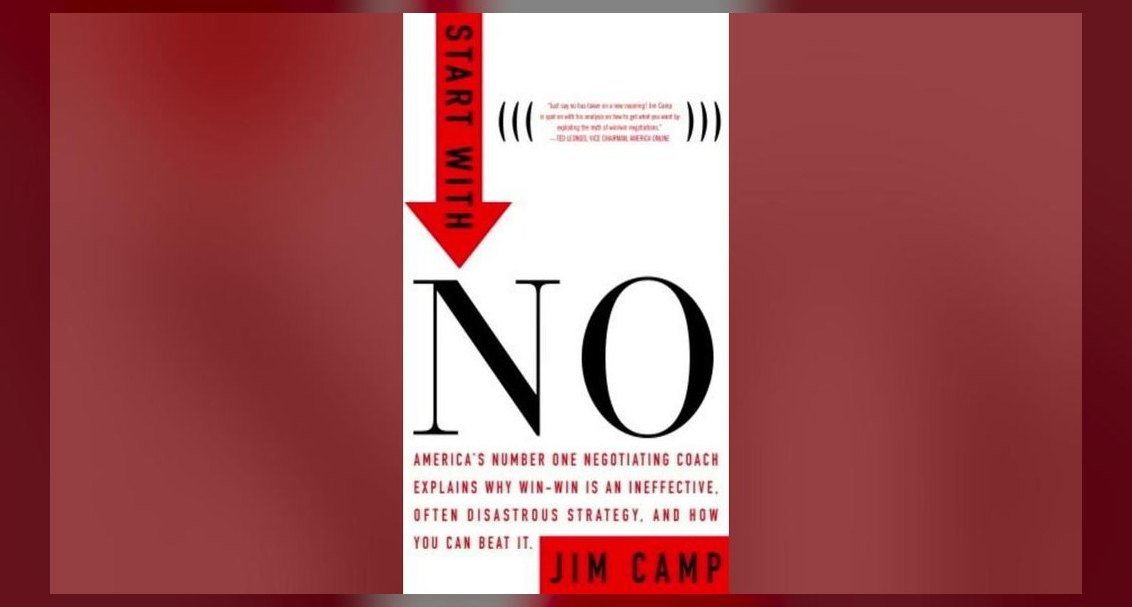 pulse-recentStart with No by Jim Camp — Top 10 Key Takeaways for Sales Leaders in 2027
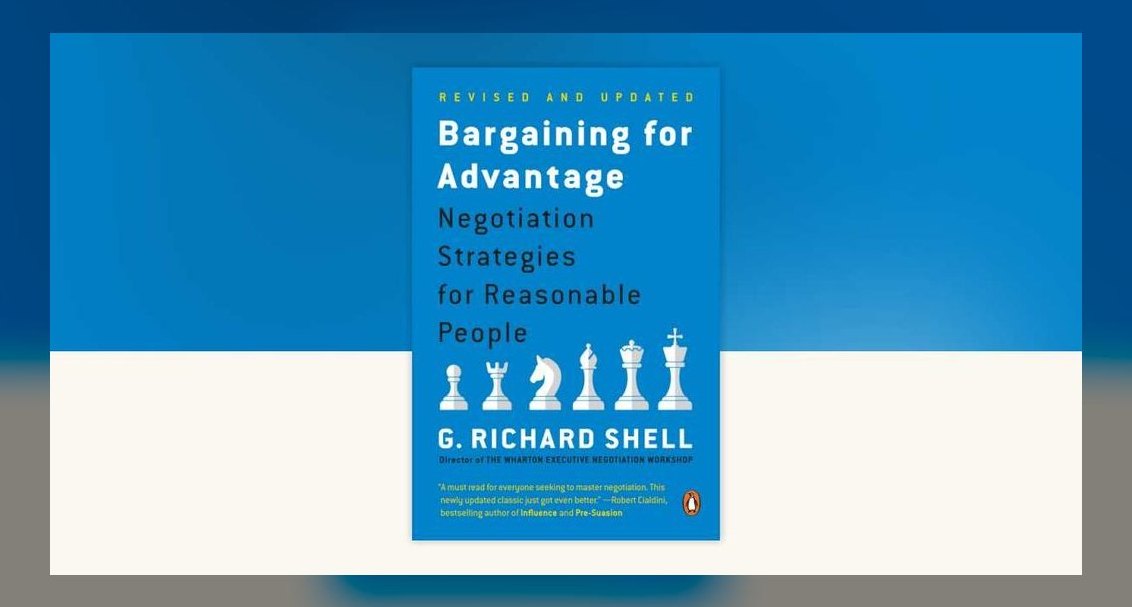 pulse-recentBargaining for Advantage by G. Richard Shell — Top 10 Key Takeaways for Sales Leaders in 2027
 pulse-recentInfluence by Robert Cialdini — Top 10 Key Takeaways for Sales Leaders in 2027
 pulse-recentGetting Past No by William Ury — Top 10 Key Takeaways for Sales Leaders in 2027
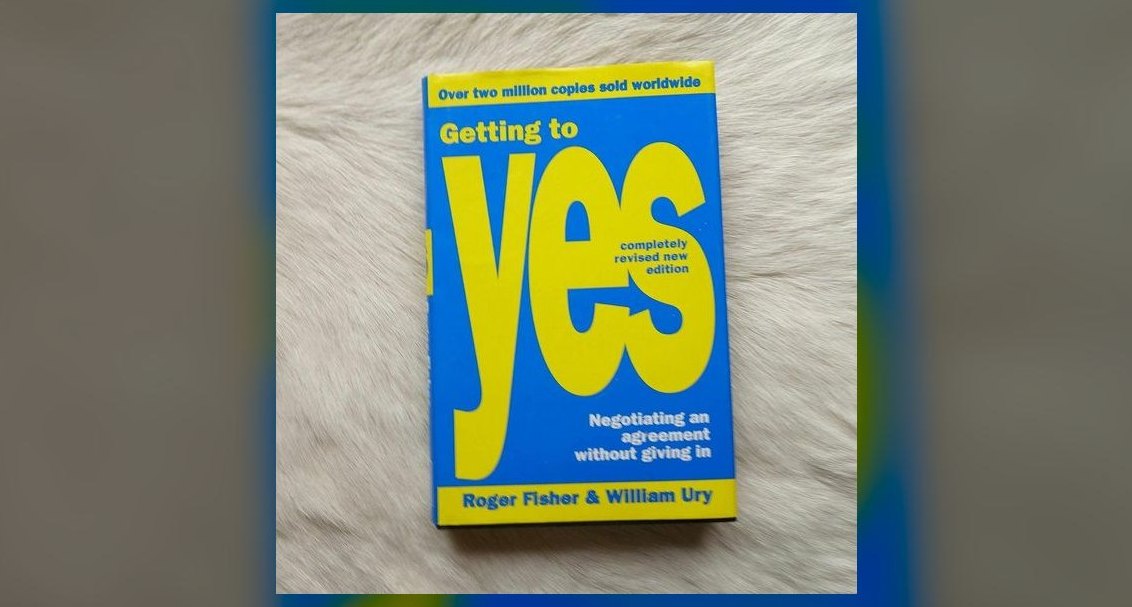 pulse-recentGetting to Yes by Roger Fisher and William Ury — Top 10 Key Takeaways for Sales Leaders in 2027
 pulse-recentAligning Strategy and Sales by Frank Cespedes — Top 10 Key Takeaways for Sales Leaders in 2027
 pulse-recentFanatical Prospecting by Jeb Blount — Top 10 Key Takeaways for Sales Leaders in 2027
 pulse-recentHigh-Profit Prospecting by Mark Hunter — Top 10 Key Takeaways for Sales Leaders in 2027
 pulse-recentThe Sales Acceleration Formula by Mark Roberge — Top 10 Key Takeaways for Sales Leaders in 2027
 pulse-recentNew Sales Simplified by Mike Weinberg — Top 10 Key Takeaways for Sales Leaders in 2027