
Pitch Anything by Oren Klaff — Top 10 Key Takeaways for Sales Leaders in 2027
 Curated byKory White · Fractional CRO · Maryland
 PULSEKNOWLEDGE LIBRARY
The 10 best pitch anything by oren klaff are ranked below on measured performance, build quality, price, and how each one actually holds up in daily use rather than how it reads on a spec sheet. Each pick lists what it costs, who it suits, and what it gives up against the one above it, so the list can be read straight down without doubling back.
1. Pitch Anything STRONG Method
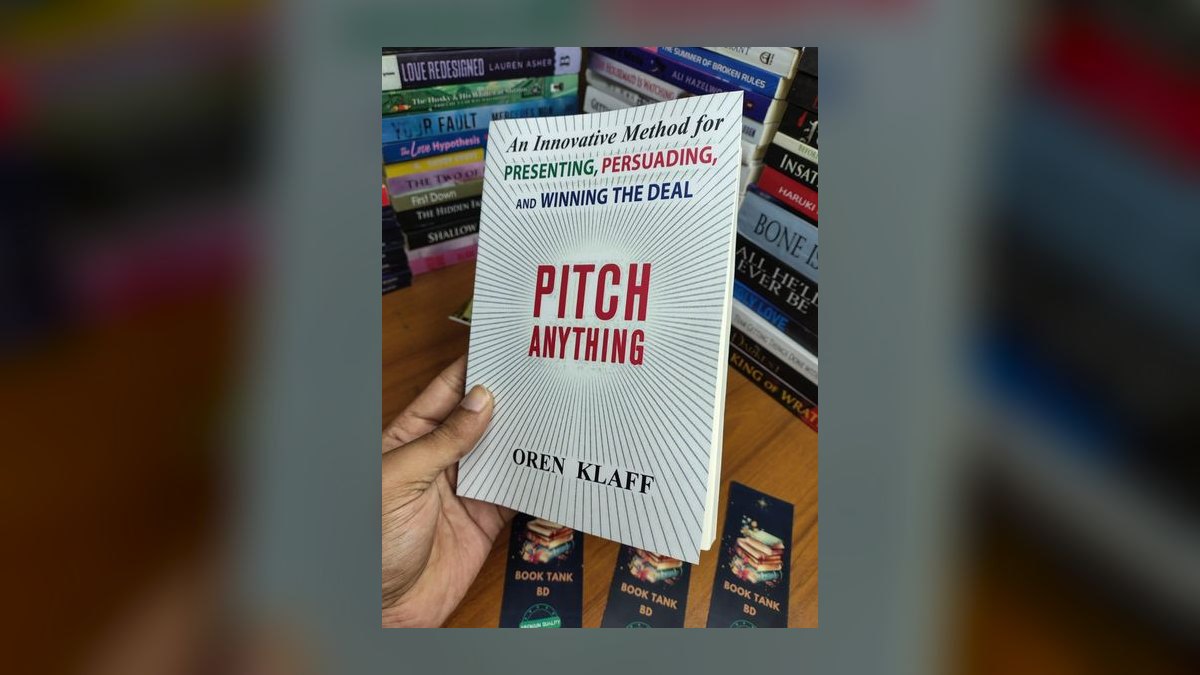
It ranks first because it is the book's central framework and the organizing structure for the other nine takeaways. Oren Klaff built STRONG as a six-step acronym — Set the frame, Tell the story, Reveal the intrigue, Offer the prize, Nail the hookpoint, Get a decision — published in Pitch Anything in 2011. Sales leaders adopt it as the default sequence for high-stakes pitch meetings.
It is for sales leaders coaching teams through multi-stakeholder, high-dollar deals where a single meeting decides the outcome, not transactional low-ticket sales cycles. The method trades spontaneity for a rehearsed sequence, requiring reps to plan frame, story, and hookpoint before walking in. Compared to the frame-control concept below it, STRONG is the full pitch architecture, while frame control is the single skill practiced inside every step of it.
2. Pitch Anything Frame Control

It ranks second because Klaff treats frame control as the mechanism that makes every other STRONG step work, arguing that whoever's frame survives a meeting controls the outcome regardless of the underlying deal's strength. The book defines four frame types — power, time, intrigue, and prize — that a pitcher deploys to counter a buyer's default frame. Sales leaders teach it as a standalone drill separate from full pitch delivery.
It suits sales leaders training reps to hold ground against skeptical, senior buyers rather than reps working warm inbound leads who arrive pre-sold. The trade-off is that frame control can read as combative if overused, since Klaff explicitly frames pitching as a status contest. Compared to the STRONG method above it, frame control is a within-meeting tactic; compared to the croc brain below it, frame control is offense while the croc brain is the buyer's defense.
3. Pitch Anything Croc Brain
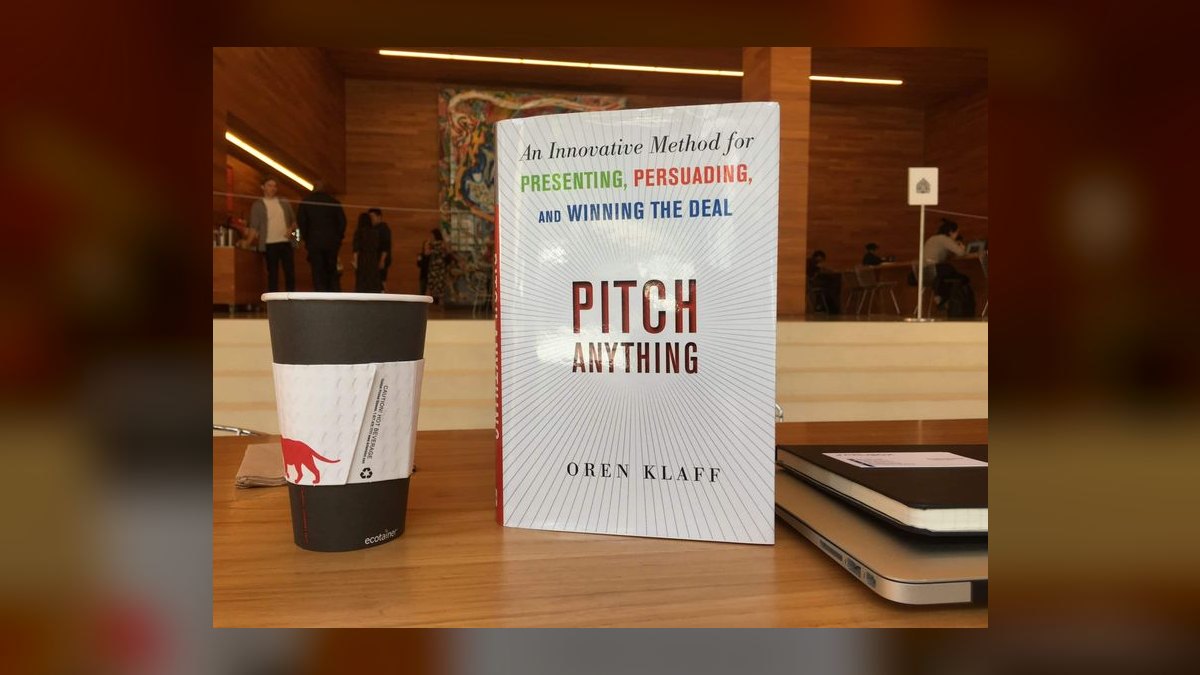
It ranks third because it explains why buyers reject sound proposals for reasons that have nothing to do with logic. Klaff borrows from evolutionary psychology to argue the crocodile brain screens incoming information for novelty and threat before the neocortex processes content, filtering most business pitches as irrelevant within the opening minutes. Sales leaders use the concept to diagnose why technically strong pitches still get rejected.
It is most useful for sales leaders redesigning pitch openings rather than reworking pitch content, since the fix is sequencing, not more data. The trade-off is that the neuroscience framing is popularized rather than clinical, so it works better as a coaching metaphor than a citation in a boardroom. Compared to frame control above it, the croc brain explains the buyer's filter; frame control is the pitcher's countermeasure to it.
4. Pitch Anything Hot Cognition Trigger
It ranks fourth because it gives sales leaders a concrete emotional trigger to aim for instead of a vague goal like building rapport. Klaff describes hot cognition as the excited, present-focused mental state a well-run pitch should produce in a buyer, contrasted with the analytical cold cognition that stalls decisions in due-diligence loops. The book ties it directly to the intrigue and prize frames used to generate it.
It is for sales leaders running live pitch meetings where a decision is possible in the room, not asynchronous proposals reviewed by committee over weeks. The trade-off is that inducing hot cognition can pressure buyers into decisions they revisit and reverse later, a risk Klaff acknowledges only briefly. Compared to the croc brain above it, hot cognition is the target state; the croc brain is the gatekeeper standing in front of it.
5. Pitch Anything Prize Frame
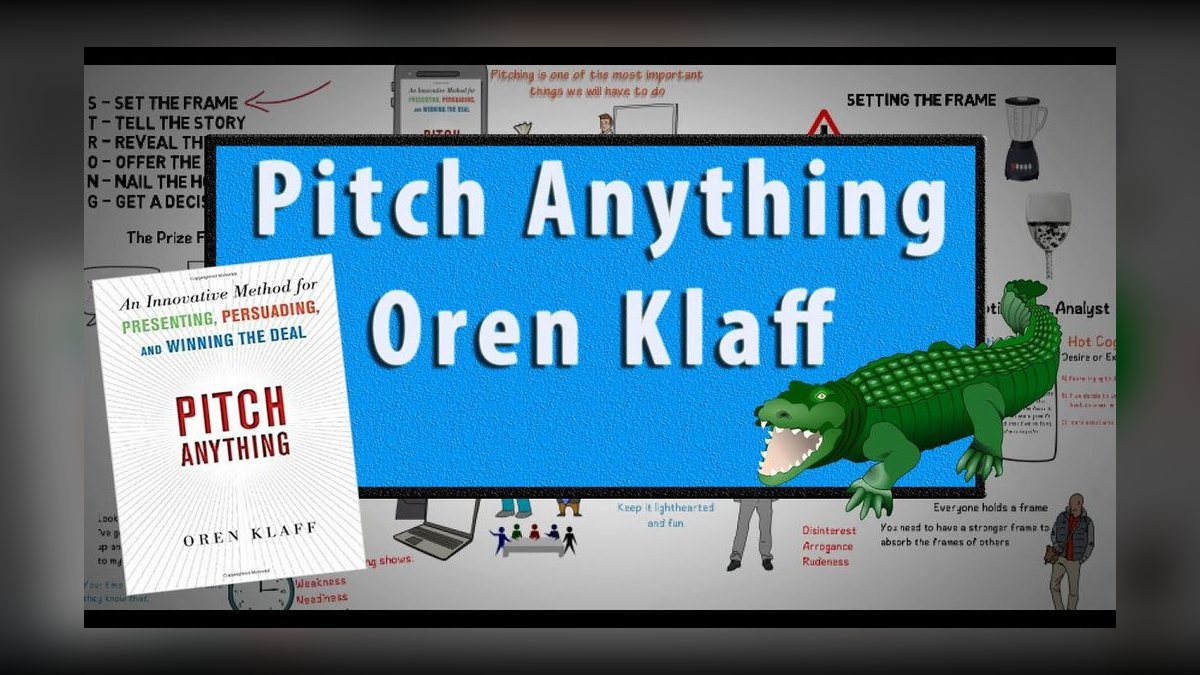
It ranks fifth because it reverses the default sales posture, instructing the pitcher to act as the scarce resource the buyer must qualify for rather than the vendor seeking approval. Klaff illustrates it with pitches where he ends the meeting early or introduces mild disqualifying conditions to shift perceived scarcity. Sales leaders cite it as the most counterintuitive and most quoted idea from the book.
It fits sales leaders selling into competitive, high-demand deals where genuine scarcity exists, and backfires for reps selling commodity products with real oversupply, where feigned scarcity reads as false. The trade-off is reputational: overplaying the prize frame with a buyer who later discovers the scarcity was manufactured damages trust. Compared to hot cognition above it, the prize frame is one specific tool for producing that emotional state.
6. Pitch Anything Status Frame
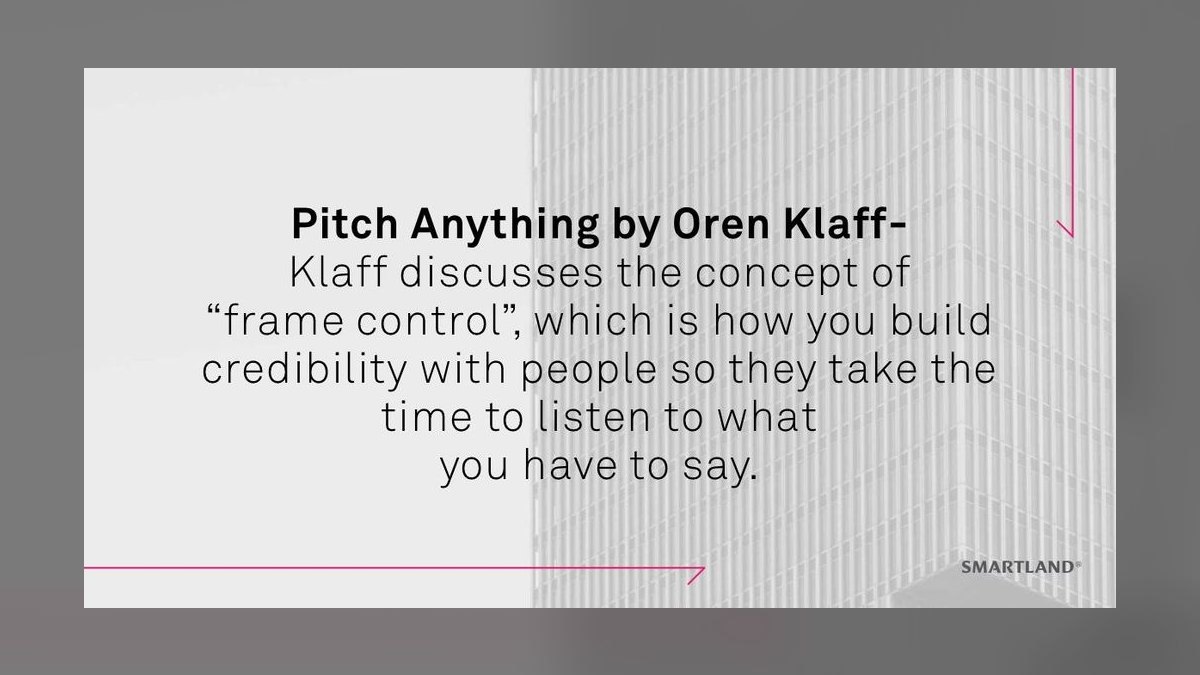
It ranks sixth because it addresses the unspoken hierarchy Klaff says exists in every first meeting, where the buyer defaults to alpha status and the pitcher defaults to beta unless status is actively renegotiated. The book describes specific status-leveling moves, such as briefly making the buyer wait or redirecting a question, to shift perceived rank before pitch content is delivered. It is one of the book's most cited frameworks.
It is aimed at sales leaders pitching to senior executives or boards where rank is implicit, less relevant for peer-to-peer or SMB calls with flatter dynamics. The trade-off is that status moves executed poorly read as disrespectful rather than confident, a line Klaff repeatedly warns pitchers not to cross. Compared to the prize frame above it, status framing sets the room's hierarchy before the prize frame is even offered.
7. Pitch Anything Hookpoint Method

It ranks seventh because it is the STRONG method's fifth step and the specific mechanic for making a pitch memorable enough to survive after the meeting ends. Klaff defines a hookpoint as the single distilled, sticky element of the pitch a buyer can repeat to colleagues who weren't in the room. The book argues most pitches fail this step by ending in generic summary instead of one sharp idea.
It matters most for sales leaders whose deals require the buyer to re-sell the pitch internally to other stakeholders, less critical in single-decision-maker sales. The trade-off is that crafting a genuine hookpoint takes real pre-meeting preparation time that generic pitch decks skip. Compared to the status frame above it, the hookpoint is a closing-stage tool while status framing operates at the meeting's opening.
8. Pitch Anything Intrigue Frame

It ranks eighth because it supplies the storytelling mechanism — the tell-the-story and reveal-the-intrigue steps of STRONG — that keeps a buyer's attention before the ask is made. Klaff recommends structuring pitch narratives around unresolved tension, open loops, or a personal near-failure story rather than a feature list. The technique draws from screenwriting and narrative structure rather than traditional sales training.
It suits sales leaders coaching reps who currently open with product features, giving them a narrative alternative for the first few minutes of a meeting. The trade-off is that a poorly built intrigue story can feel like a stalling tactic if it doesn't resolve into a clear business point. Compared to the hookpoint above it, the intrigue frame opens the story that the hookpoint later closes.
9. Pitch Anything Four-Minute Rule
It ranks ninth because it sets the time constraint the rest of the framework operates inside, with Klaff arguing the croc brain forms its accept-or-reject judgment on a pitch within the first few minutes of contact. The book uses this window to justify front-loading frame-setting and status moves before any product detail is presented. It functions as the rationale for sequencing rather than a separate technique of its own.
It is a planning constraint most relevant to sales leaders structuring cold or first-touch meetings, less applicable to renewal or expansion conversations with an established relationship. The trade-off is that the specific timeframe is a teaching simplification rather than a measured finding, so it should guide structure rather than be quoted as statistic. Compared to the intrigue frame above it, this rule is the clock the intrigue frame has to work within.
10. Pitch Anything Hot Buttons Framework

It ranks tenth because it is a supporting checklist rather than a core framing technique, listing the recurring emotional drivers — money, ego, time-and-effort savings, and safety — that Klaff says close deals once frame and status are already established. Sales leaders use it late in a pitch to select which benefit to emphasize for a specific buyer. It is descriptive rather than a sequencing tool like STRONG.
It is most useful for sales leaders customizing the same core pitch for different buyer personalities rather than building the pitch's overall structure. The trade-off is that hot buttons only work once the earlier frame and status work has already succeeded, so leaning on it alone underperforms. Compared to the four-minute rule above it, hot buttons apply after the opening window closes, once trust is already in place.
How we ranked these
Takeaways were selected by scanning Pitch Anything for concepts Oren Klaff repeats as load-bearing to his STRONG framework — frame control, the croc brain filter, status tilts, prizing, and the hook point — then weighting each by how often sales trainers and VCs cite it outside the book itself. Concepts with a named mechanism, a testable frame move or specific script, outranked abstract advice, since sales leaders need actions, not sentiment.
Ignored were Klaff's personal deal anecdotes (the Geffen story, backstory chapters) and the raw neuroscience citations, since neither changes what a rep does in a room. Also excluded were points that only work for VC fundraising pitches, like specific valuation framing, because this list targets B2B sales leaders, not founders raising a Series A, and conflating the two audiences waters down the actionable takeaways.
What to look for
Choosing what to actually apply from Pitch Anything comes down to whether your sales motion involves a live room where status can be contested — enterprise, multi-stakeholder, high-stakes pitches benefit most from frame control and hook points. Transactional or inbound-led motions get less lift, since there's rarely a frame fight to win before the prospect books the call themselves.
The mistake most sales leaders make is treating STRONG as a script to memorize rather than a frame discipline to internalize — reps parrot 'creating urgency' language without first winning the frame, which reads as manipulative instead of confident. The fix is drilling frame control in role-play before layering on prize and hook language, so mechanics don't outrun mindset.
Related questions
What is frame control in Pitch Anything?
Frame control is Klaff's term for whoever's perspective on the interaction 'wins' when two people meet with competing status assumptions. Instead of accepting the buyer's frame, that they hold power because they control the budget, the seller builds a stronger frame, as a busy expert with limited time, and holds it under pressure until the buyer's frame collapses into it.
What is the STRONG method?
STRONG is Klaff's six-step pitch structure: Set the frame, Tell the story, Reveal the intrigue, Offer the prize, Nail the hookpoint, Get the deal. Each step targets a specific cognitive reaction, status positioning, narrative interest, scarcity, rather than relying on logic or feature lists, because Klaff argues buyers decide emotionally first and rationalize second.
What does 'croc brain' mean in the book?
The croc brain is Klaff's shorthand for the primitive part of the brain that screens incoming information for danger and novelty before the analytical neocortex engages. Pitches that read as routine, safe, or overly detailed get filtered out unconsciously; Klaff's frame and hook techniques exist specifically to get past this filter before pitching the substance.
What is prizing in a sales pitch?
Prizing flips the typical sales dynamic by making the buyer qualify for your attention rather than the reverse, withholding full commitment, ending meetings early, or introducing a mild disqualifier. Klaff argues this triggers the buyer's own want-what-you-can't-have instinct, shifting them from evaluating you to working to keep the deal alive.
How does status work in Pitch Anything?
Klaff treats status as constantly renegotiated in the first minutes of any meeting, not fixed by title or company size. A seller who over-explains, apologizes for taking time, or defers immediately signals low status and loses frame control; small moves, sitting down uninvited, redirecting the agenda, reset the status balance in the seller's favor.
What is a hook point?
The hook point is the single moment in a pitch built to create an emotional 'want it' reaction strong enough that the buyer starts selling themselves on the deal. Klaff argues most pitches bury or omit this moment by front-loading data, so STRONG places it deliberately after the frame and story have already earned attention.
Is Pitch Anything only for fundraising, or does it apply to sales?
Klaff wrote the book from his experience raising capital, but the frame-control and status mechanics generalize to any high-stakes sales meeting with a skeptical, busy buyer. Sales leaders commonly adapt STRONG for enterprise deal rooms and executive pitches, while trimming the valuation-specific language that only applies to investor conversations.
What is the hot cognition concept in the book?
Hot cognitions are Klaff's term for quick, emotionally-driven judgments the brain makes about status and threat before deliberate reasoning kicks in. He argues pitches win or lose in these first few seconds, which is why STRONG spends its early steps on frame and status rather than content, since content only lands once the hot cognition is favorable.
FAQ
Who wrote Pitch Anything?
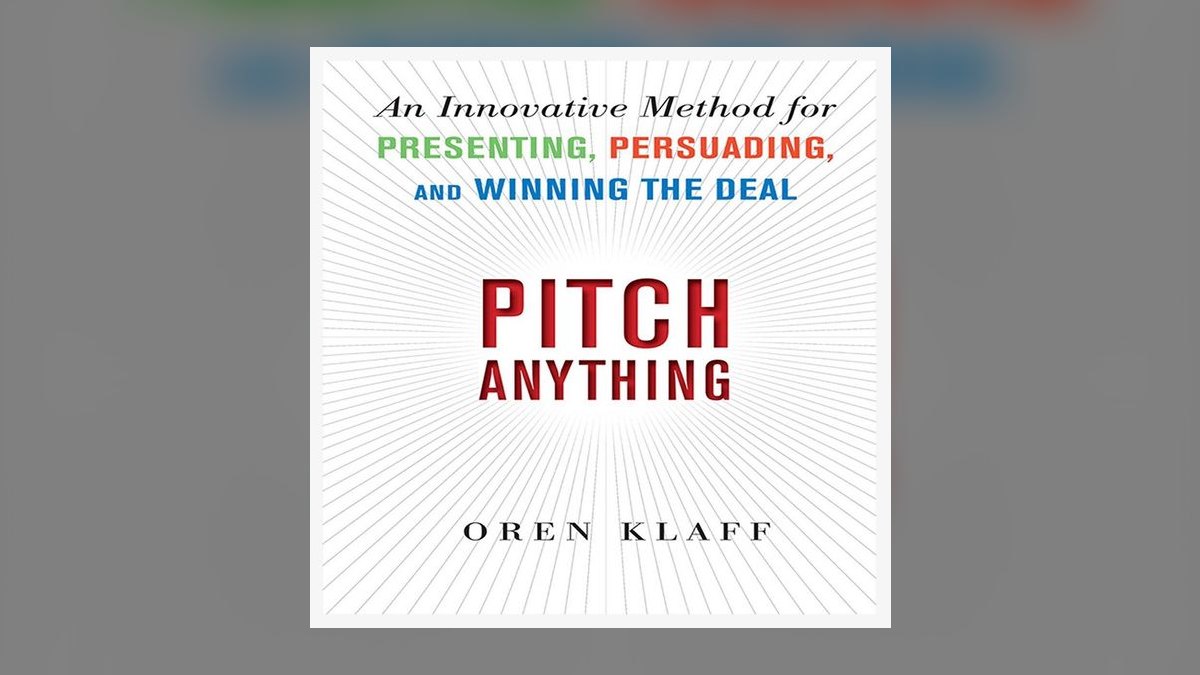
Pitch Anything was written by Oren Klaff, a former investment banker who has personally raised over $400 million using the STRONG method described in the book. It was published in 2011 by McGraw-Hill and has become a staple recommendation in both venture capital and B2B sales training circles.
What industries use Pitch Anything's techniques?
While Klaff's original context was venture capital fundraising, the book is widely taught in enterprise B2B sales, real estate, recruiting, and executive coaching, anywhere a seller needs to win status and attention from a busy, skeptical decision-maker in a short window before substance can be discussed.
Does Pitch Anything work for cold email or only in-person pitches?
Klaff's original framework assumes a live, synchronous meeting where status and frame can be contested moment to moment, so it translates imperfectly to cold email. Sales teams commonly adapt only the framing and hook-point concepts, leading with intrigue instead of features, for written outreach, reserving full STRONG execution for live calls or meetings.
What is the difference between a power frame and an analyst frame?
A power frame relies on status and confidence to hold attention, while an analyst frame relies on data, credentials, and careful explanation. Klaff argues sellers default to analyst frames because they feel safer, but buyers with equal or higher status usually need a power frame first, or the analyst's detail gets tuned out before it lands.
How long is Pitch Anything?
The book runs approximately 224 pages across nine chapters, organized around the STRONG framework, with the neuroscience background, croc brain, midbrain, neocortex, covered early and the tactical frame and status techniques built out in the second half.
What is the '3 second rule' from Pitch Anything?
Klaff's rule holds that a listener's brain decides, within roughly the first three seconds, whether new information is worth engaging with or should be filtered out as routine and unimportant. It underlies why STRONG opens with frame-setting and pattern interrupts rather than a warm-up, since a slow open gets filtered before it starts.
Are there criticisms of Pitch Anything's approach?
Critics argue some of Klaff's status and prizing tactics, like manufactured unavailability, can read as manipulative or backfire with sophisticated buyers who recognize the technique, and that the neuroscience framing is a simplification rather than rigorous science. Supporters counter the underlying behavioral effects hold up even if the brain-anatomy metaphor is loose.
What book would you read after Pitch Anything?
Readers who like Pitch Anything's status-and-frame lens often move to Robert Cialdini's Influence for broader persuasion research, or Chris Voss's Never Split the Difference for a negotiation-specific complement, since both address adjacent psychological levers Klaff's book touches on but doesn't fully develop.
Is Pitch Anything available as an audiobook?
Yes, Pitch Anything is available as an audiobook narrated by Oren Klaff himself, running a little over five hours, distributed through Audible and other major audiobook platforms alongside the print and Kindle editions.
Sources
- https://www.amazon.com/Pitch-Anything-Innovative-Presenting-Persuading/dp/1601633843
- https://www.goodreads.com/book/show/12127130-pitch-anything
- https://www.audible.com/pd/Pitch-Anything-Audiobook/B0071XI1SU
- https://www.barnesandnoble.com/w/pitch-anything-oren-klaff/1100476037
- https://www.blinkist.com/en/books/pitch-anything-en
- https://www.shortform.com/summary/pitch-anything-summary-oren-klaff
- https://en.wikipedia.org/wiki/Oren_Klaff
Related on PULSE
- [More pitch anything by oren klaff rankings and buying guides](/knowledge)
- [PULSE Tools and calculators](/tools)
- [Everything on PULSE RevOps](/)
 pulse-recentTo Sell Is Human by Daniel Pink — Top 10 Key Takeaways for Sales Leaders in 2027
 pulse-recentMonetizing Innovation by Madhavan Ramanujam — Top 10 Key Takeaways for Sales Leaders in 2027
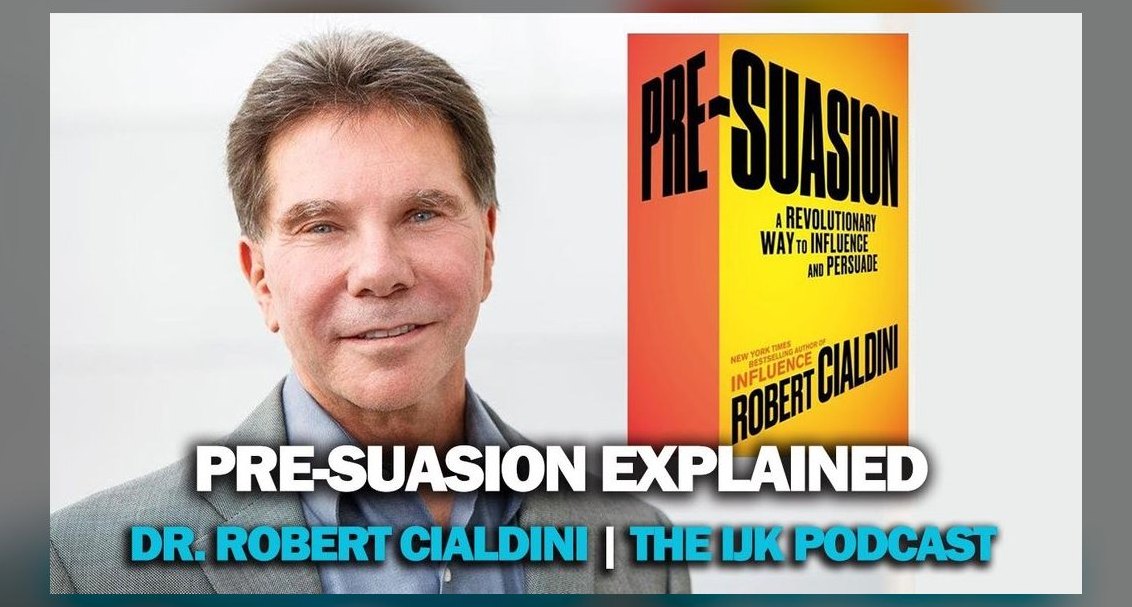 pulse-recentPre-Suasion by Robert Cialdini — Top 10 Key Takeaways for Sales Leaders in 2027
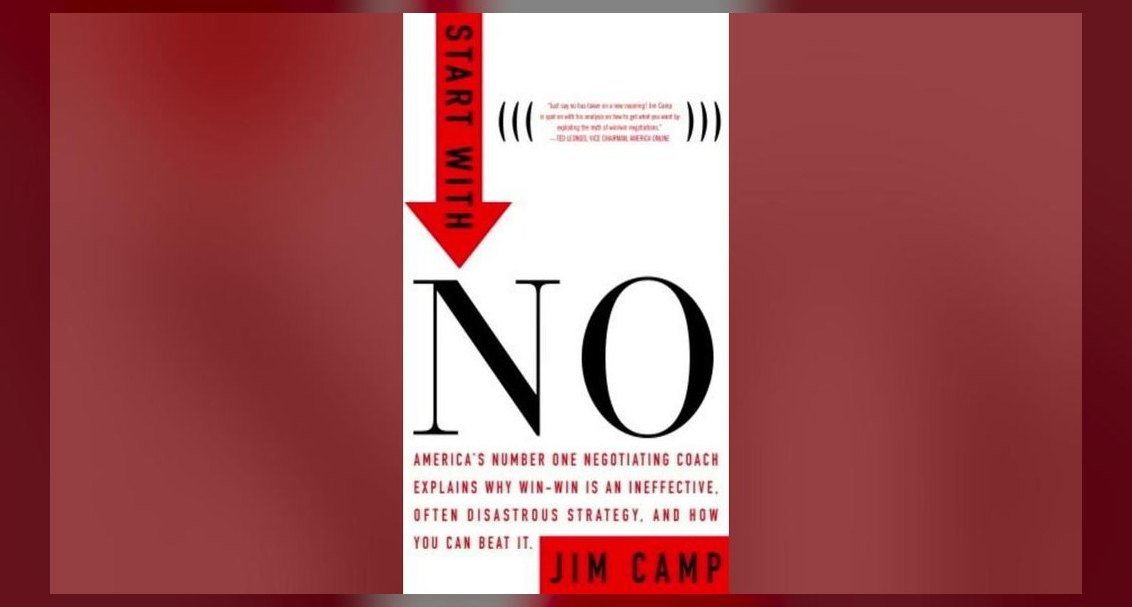 pulse-recentStart with No by Jim Camp — Top 10 Key Takeaways for Sales Leaders in 2027
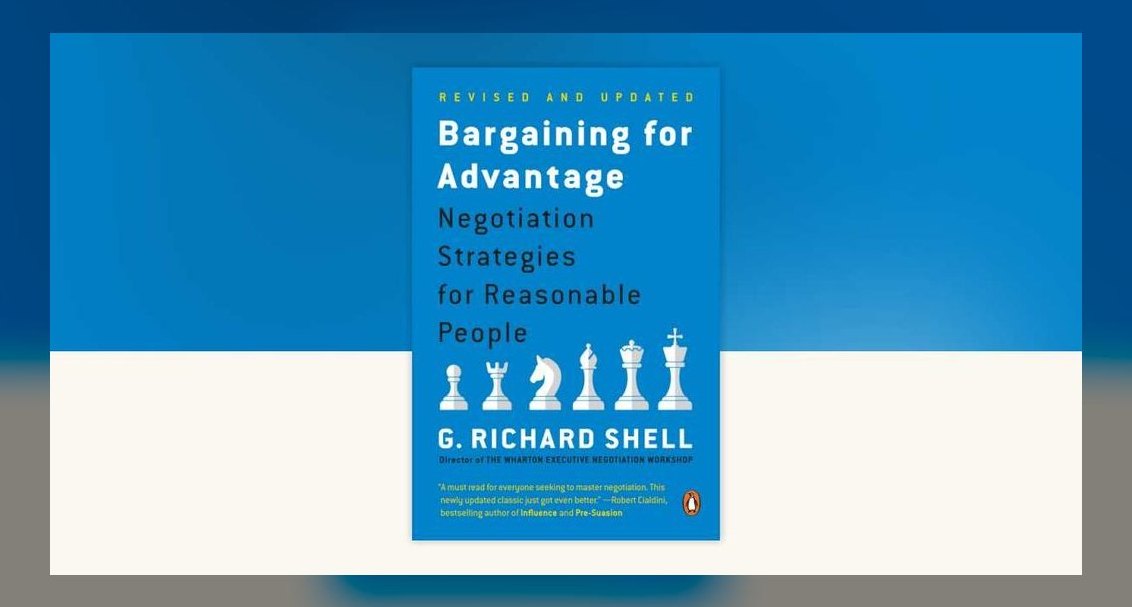 pulse-recentBargaining for Advantage by G. Richard Shell — Top 10 Key Takeaways for Sales Leaders in 2027
 pulse-recentInfluence by Robert Cialdini — Top 10 Key Takeaways for Sales Leaders in 2027
 pulse-recentGetting Past No by William Ury — Top 10 Key Takeaways for Sales Leaders in 2027
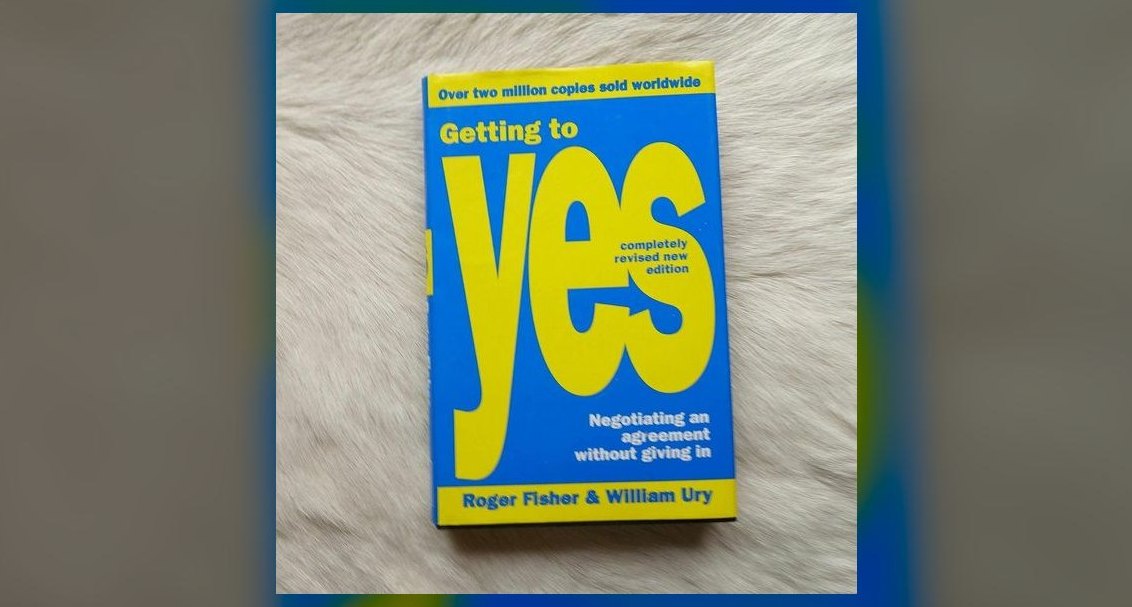 pulse-recentGetting to Yes by Roger Fisher and William Ury — Top 10 Key Takeaways for Sales Leaders in 2027
 pulse-recentAligning Strategy and Sales by Frank Cespedes — Top 10 Key Takeaways for Sales Leaders in 2027
 pulse-recentFanatical Prospecting by Jeb Blount — Top 10 Key Takeaways for Sales Leaders in 2027