
How to Set Up an Aluminum Fishing Boat for Walleye Trolling in 2027
 PULSEKNOWLEDGE LIBRARY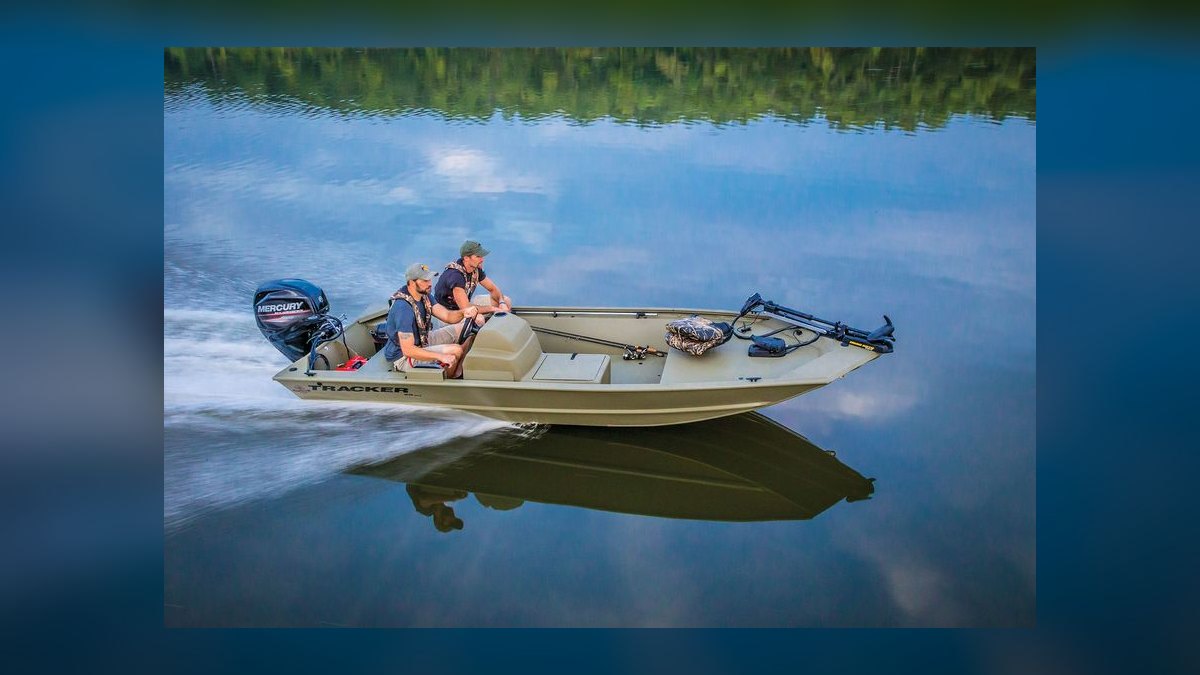
Rig an aluminum walleye boat around three systems: a bow-mount trolling motor with GPS anchor, a precise kicker or electric main for 0.8–2.5 mph speed control, and 2D sonar plus down/side imaging on a bow-and-console network. Add rod holders, planer boards, and line-counter reels, then balance weight so the hull tracks straight.
What an aluminum walleye trolling rig actually is and why the hull material matters
A walleye trolling setup is not a bass boat with rod holders bolted on. It is a purpose-built system for dragging crankbaits, spinner rigs, and snap-weighted presentations at controlled speeds between roughly 0.8 and 2.5 mph, holding that speed through wind and wave, and knowing exactly how deep every bait is running. Aluminum changes several of the assumptions people bring from fiberglass.
Start with weight. A 17- to 20-foot deep-V aluminum hull typically weighs somewhere in the range of 1,100 to 2,000 pounds bare, while a comparable fiberglass hull of the same length commonly runs several hundred pounds heavier. That lighter mass is why aluminum tows behind a half-ton truck, launches on shallow ramps, and gets pushed to plane with less horsepower. It is also why the same boat gets shoved around by wind more easily. On a trolling pass, wind push translates directly into speed variation and into the boat crabbing sideways, which changes the angle your lines enter the water and therefore changes your running depth. Every rigging decision below is either about adding controlled weight low in the hull, or about adding thrust and electronics that let you fight the wind deliberately instead of accidentally.
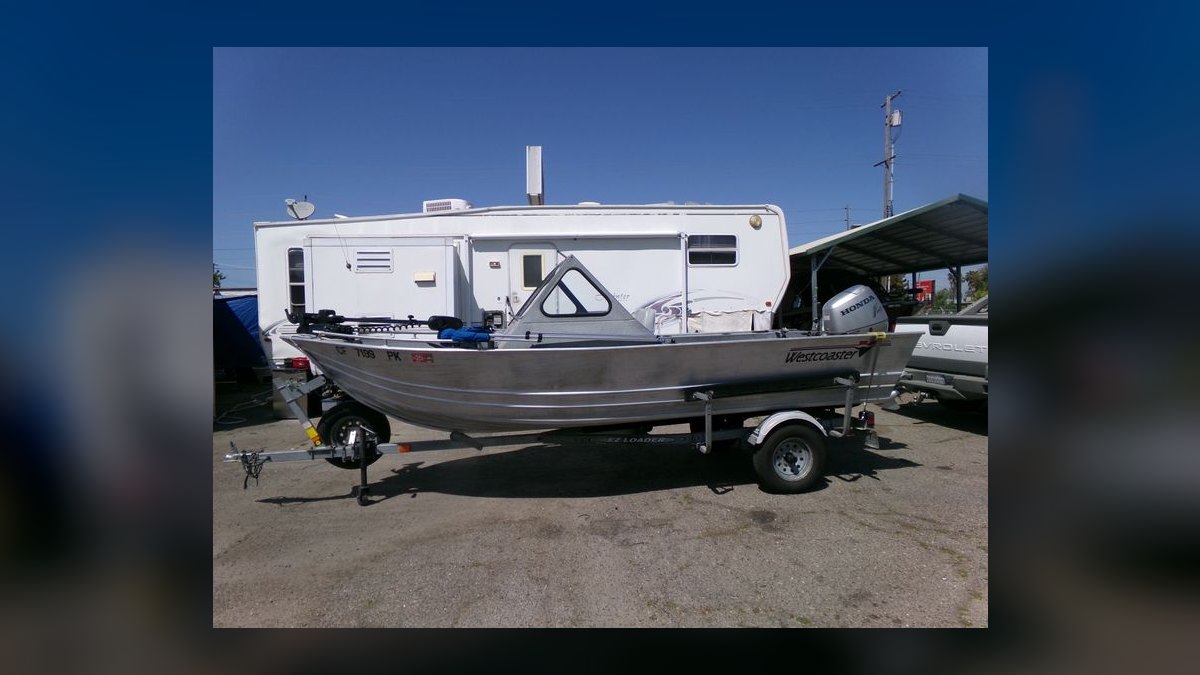
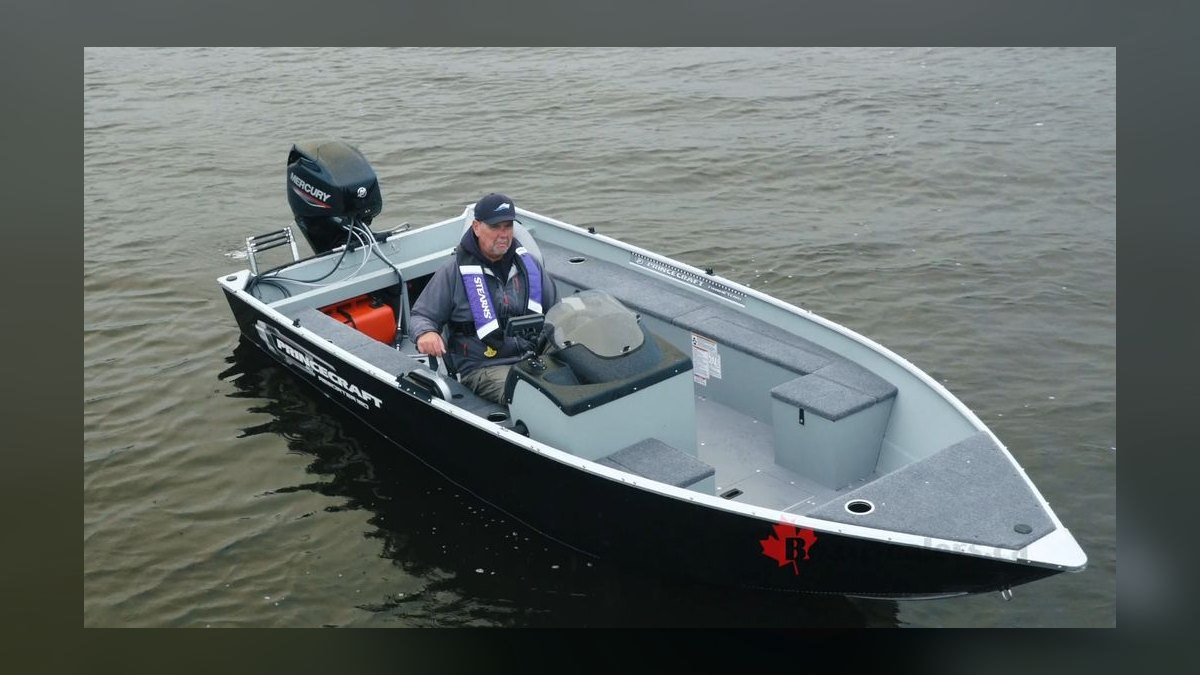
Second, hull shape inside the aluminum category matters more than the material label. A modified-V or deep-V riveted or welded hull with a transom deadrise in the high teens to low twenties handles chop and tracks a straighter troll than a shallow-V or flat-bottom jon-style hull. A tiller-model aluminum boat gives you a hand on the outboard for immediate steering corrections and frees the entire mid-deck for rod holders and net storage; a side-console or dual-console model gives you a windshield and a dry ride but eats deck space and forces you to reach for controls. Many dedicated walleye anglers on big water run tiller precisely because trolling is a hands-on, constant-adjustment activity.
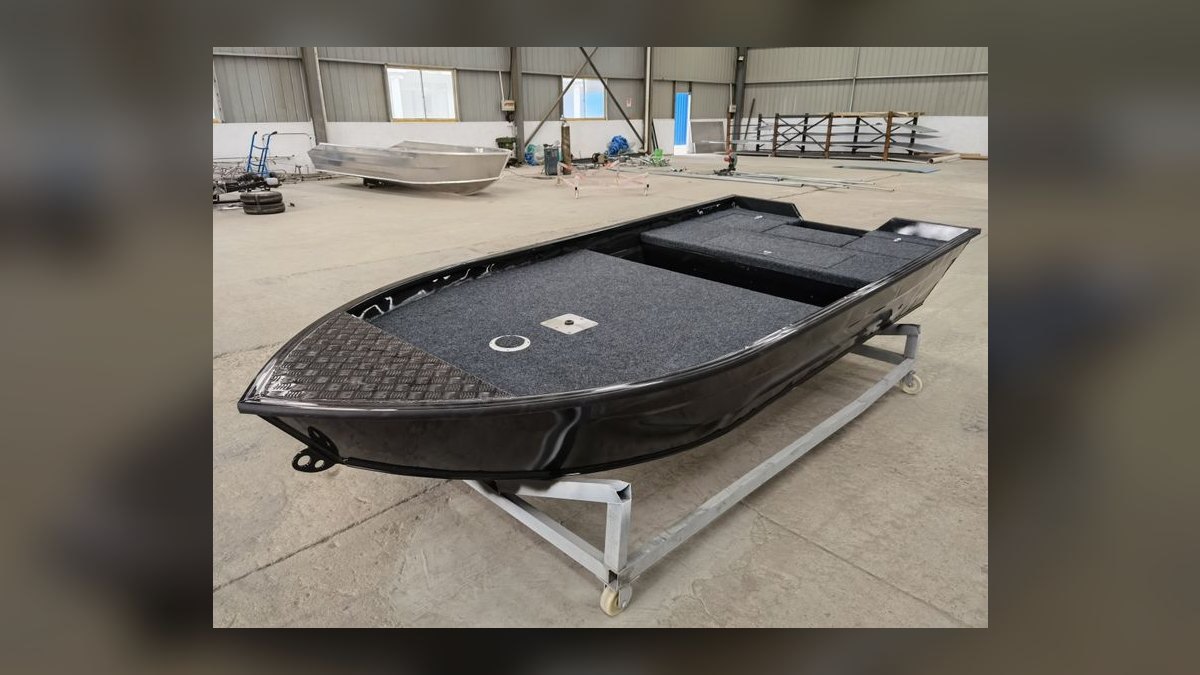
Third, aluminum is loud and it is conductive. Sound transmits through a thin metal hull readily — a dropped pliers, a slammed hatch lid, or a cooler sliding across a bare floor telegraphs into the water column. In shallow water, under 12 feet, that noise matters for spooky fish. Marine carpet, closed-cell foam decking, or a rubberized deck mat cuts the worst of it. The conductivity point matters for your electrical system: aluminum hulls require careful attention to bonding, isolated grounds, and avoiding stray current, because galvanic and stray-current corrosion will eat a hull and its fasteners in a way fiberglass simply does not experience. Sacrificial anodes on the outboard, the trim tabs, and often on the transom itself are not optional maintenance items on an aluminum rig.
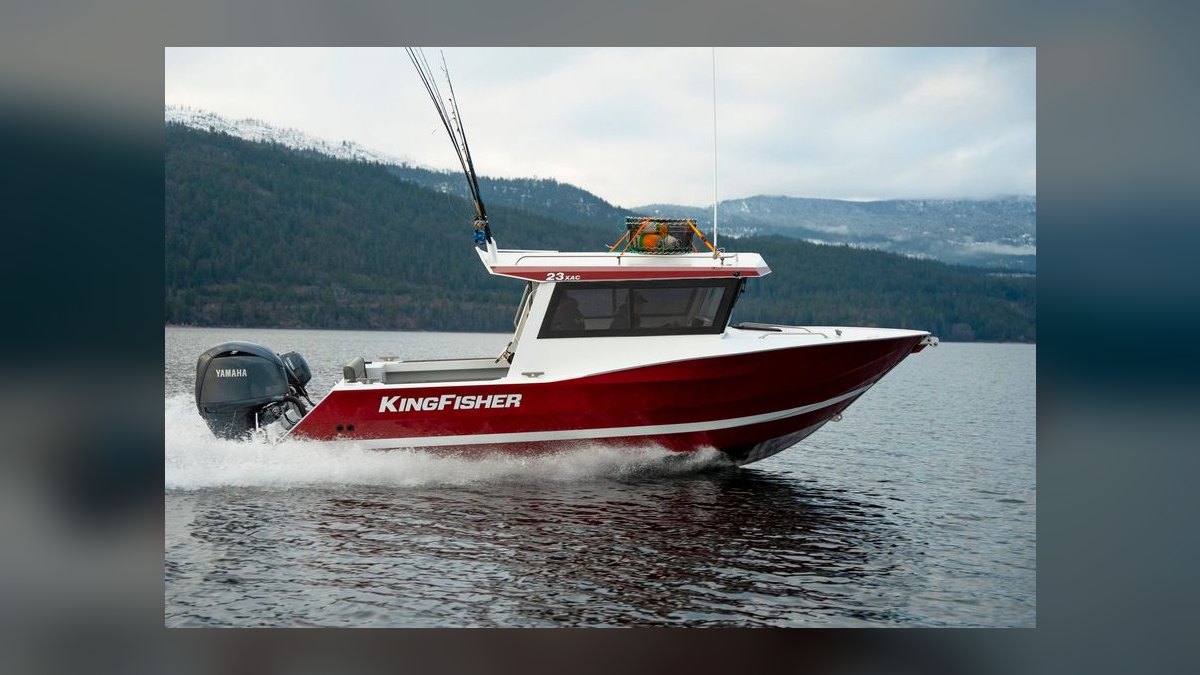
Fourth, transducer mounting is different. Aluminum hulls are usually riveted or welded with internal ribs and stringers, and shoot-through-hull transducer installs that work in solid fiberglass do not work through aluminum at all — metal blocks the acoustic signal. Every transducer on an aluminum boat has to be in the water: transom mount, trolling-motor mount, or a dedicated bracket on a jack plate or livewell scupper. That single fact drives a surprising amount of the rigging layout described later.
Finally, the reason this whole system exists: walleye relate to specific depth bands and specific structure edges, and they feed on moving baits at speeds that vary by season and water temperature. Cold-water trolling in the 40s Fahrenheit often means 0.8 to 1.4 mph on stickbaits. Summer trolling in the 60s and 70s frequently means 1.8 to 2.5 mph on deep-diving cranks or spinner rigs behind bottom bouncers. A rig that can only hold one speed can only fish one of those patterns. The whole point of the build is speed range, depth control, and line separation.
Building the rig step by step
Work in the order below. Each stage assumes the previous one is done, because the layout of rod holders depends on where you sit, which depends on whether you run tiller or console, which depends on the hull you chose.
Stage one — hull and helm. For serious walleye trolling on open water, look at 17 to 20 feet with a beam near 90 to 100 inches and a transom deadrise in the high teens or better. Decide tiller versus console before you buy anything else, because it determines your deck plan. Tiller: you sit at the stern, your rod holders fan out from mid-boat to transom, and your primary sonar screen mounts on a swing arm you can see from the tiller seat. Console: you sit forward of the mid-deck, your rod holders spread from the gunnel tracks and the transom, and you want a second screen at the bow for trolling-motor work.
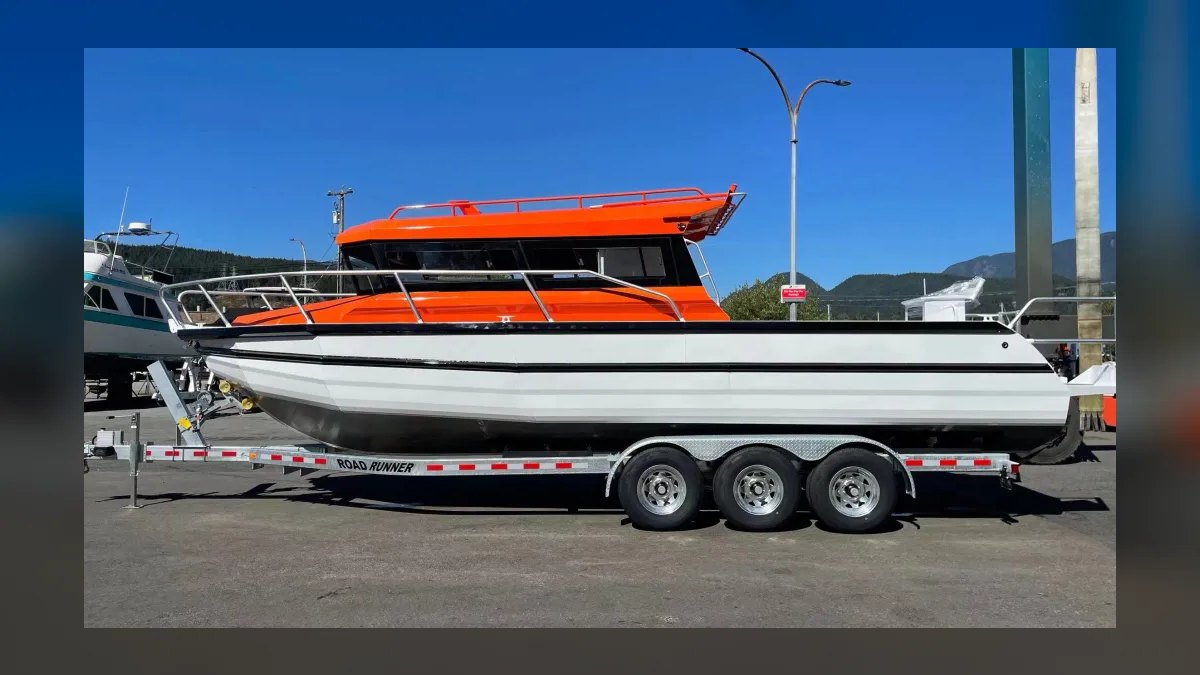
Stage two — main power and speed control. The main outboard sizes to the hull's rated maximum, typically somewhere in the 75 to 200 horsepower band for boats of this size. The critical addition is a way to go slow and hold slow. Three approaches: a 9.9 to 15 horsepower four-stroke kicker on a bracket with tiller-to-main steering linkage, a main outboard with a true low-speed trolling function, or a high-thrust electric main with a large battery bank. The kicker remains the most common answer on aluminum boats because it burns very little fuel over an eight-hour trolling day, gives you a get-home engine, and idles down cleanly. Pair it with a trolling plate or a mechanical throttle-tension screw so you can dial a speed and leave it. Add a bag-style drift sock — commonly 24 to 48 inches — for windy days when even a kicker at idle pushes you above 2 mph.
Stage three — bow-mount trolling motor. Size thrust to boat weight. A rough working rule is at least 2 pounds of thrust per pound of fully loaded boat weight divided by 100 — practically, a loaded 18-foot aluminum boat around 2,800 to 3,200 pounds with gear, fuel, and two anglers wants something in the 80 to 112 pound thrust range on a 24- or 36-volt system. Shaft length should put the prop at least 12 inches under the surface with the boat loaded; on a taller-bowed aluminum hull that often means a 54- or 60-inch shaft rather than a 45-inch. The feature that actually matters for trolling is GPS-based heading lock and route-following, which lets the motor hold a contour line or a straight course while you handle rods.
Stage four — batteries and charging. Separate the cranking battery from the trolling motor bank completely. A 24-volt system needs two deep-cycle batteries, a 36-volt system needs three. Lithium iron phosphate has largely taken over here because a 100 amp-hour lithium battery weighs roughly a third of an equivalent flooded lead-acid unit and delivers usable capacity nearly to empty, which matters enormously on a weight-sensitive aluminum hull. Install an onboard multi-bank charger sized to your bank, and run a dedicated accessory circuit for electronics — never power a sonar unit off the trolling motor bank, because voltage sag under motor load creates screen noise and reboots.
Stage five — sonar. A practical modern setup is two screens: a 9- to 12-inch unit at the helm and a matching or slightly smaller unit at the bow, networked so waypoints and mapping share. Feed it traditional 2D sonar for reading fish arcs and bait at trolling speed, down imaging for structure detail, and side imaging for scanning weed edges and unmarked rock. Add a GPS speed source; while GPS speed tells you speed over ground, a paddlewheel or a dedicated water-speed sensor tells you speed through water, and the difference between those two numbers on a windy or current-driven day explains why your baits are not running where the dive chart says.
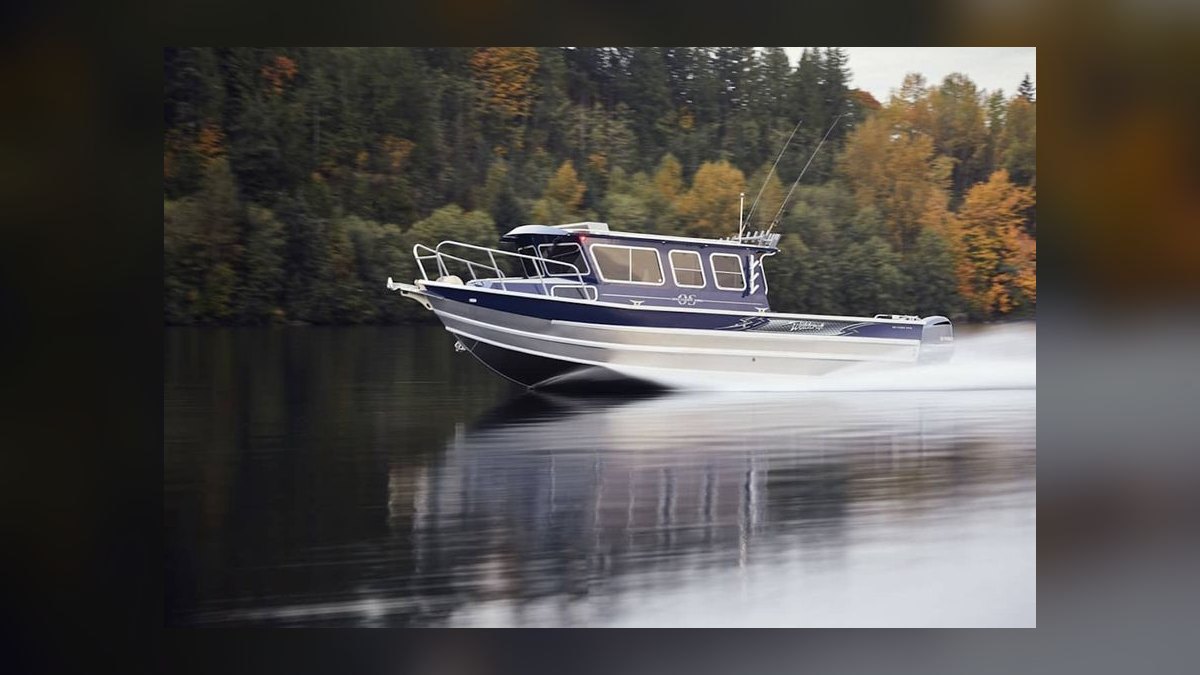
Stage six — transducer placement. Because you cannot shoot through aluminum, mount the primary transducer on the transom, on the starboard side if the prop turns clockwise, positioned in clean water outboard of the strakes and rivet lines, with the face parallel to the waterline and the bottom edge slightly below the hull. On a riveted hull, turbulence from rivet rows is a real problem above 25 mph and can also degrade the picture during a fast reposition run. A transducer-mounting jack plate or an adjustable bracket lets you fine-tune depth after the first water test. Mount the imaging transducer on the trolling motor or on a separate bracket, and keep transducer cables away from the trolling motor power leads to avoid induced electrical noise.
Stage seven — rod holders and board tracks. Plan for six to ten rod positions even if your state's limit means you only fish four or six lines at a time. Use adjustable holders on a track system so you can change angles by presentation. Standard layout: two rods off the transom straight back on long leads, two rods at roughly 45 degrees off the mid-gunnels, and two rods nearly perpendicular for planer boards. Add a rod tree or a bar-style multi-holder if you run more than four lines, because it stacks lines vertically and separates them cleanly.
Stage eight — reels and rods. Line-counter reels are the non-negotiable piece. Depth control in trolling comes from lead length, and a line counter converts guesswork into a repeatable number. Pair them with 7 to 8 foot 6 inch moderate-action trolling rods with soft tips that load on a strike and act as shock absorbers on the hookset. Longer 9 to 10 foot boards rods help spread outside lines.
Stage nine — balance and trial. Load the boat exactly as you will fish it — fuel, batteries, cooler, gear, anglers — and check that it sits level side to side and does not squat hard at the stern. Aluminum hulls are sensitive here; a battery bank all on one side will produce a persistent list that makes one side's lines run deeper than the other's. Then run the boat and log actual speeds at kicker idle, at various throttle settings, and with the drift sock deployed.
Costs, timelines, and typical ranges
Numbers below are ranges, not quotes, and vary widely by region, brand, and whether you buy new or used. Treat them as planning brackets.
The hull package. A new 17 to 20 foot aluminum deep-V walleye boat with a main outboard, trailer, and basic factory rigging generally lands in a broad band from the mid five figures to well over six figures for a fully loaded top-tier model. Used boats five to twelve years old in the same size class typically sell for a substantial fraction less, and a used hull with a healthy outboard is often the smartest starting point precisely because you are going to spend real money on electronics and trolling gear anyway.
Kicker package. A new 9.9 to 15 horsepower four-stroke kicker plus a mounting bracket, steering linkage, remote throttle, and fuel plumbing is typically the single largest add-on after electronics. Budget for the bracket and linkage separately — they are often a meaningful percentage of the motor's own cost and installation is a several-hour job.
Bow-mount trolling motor. An 80 to 112 pound thrust GPS-equipped bow motor with the correct shaft length is a major line item, and it does not include the batteries. Add a quick-release mounting plate if you trailer long distances, and add a bow-motor stabilizer strap if you tow on rough roads.
Battery and charging. Three 100 amp-hour lithium batteries plus a three-bank onboard charger plus cabling and breakers is a substantial investment, often comparable to the trolling motor itself. Lead-acid cuts that cost sharply but adds roughly 100 to 130 pounds of weight for the same nominal capacity and delivers less usable amp-hours.
Electronics. Two networked 9- to 12-inch multifunction displays with down and side imaging, plus transducers, network cable, and mounts, is another major bracket. A single-screen setup at the helm cuts that meaningfully and is entirely workable for a first season.
Terminal trolling gear. Six to eight line-counter reels and matching rods, a set of planer boards with releases and flags, an assortment of snap weights and inline weights, bottom bouncers, spinner components, and a working crankbait selection — this adds up faster than people expect and is easily a four-figure total once you have real coverage across depths and speeds.
Time. A full rigging project done by an owner over weekends realistically takes three to six full working days spread across a month: a day for the kicker bracket and linkage, a day for battery bank and charger, a day for electronics runs and transducer mounting, a day for rod holder tracks and deck work, and a day or more of on-water testing and adjustment. Shops will do it faster but rigging labor is billed by the hour and complex electronics networks consume hours quickly.
Consumables and season costs. Kicker fuel over a full trolling season is modest — a small four-stroke at idle sips fuel. The recurring costs that actually matter are line replacement (line-counter reels get respooled at least annually), lure losses on rock and zebra-mussel-encrusted structure, and anode replacement on saltwater or high-mineral freshwater. Budget an annual maintenance window before the season for lower-unit oil on both motors, impeller inspection, anode checks, and a full electrical connection inspection — aluminum hulls punish neglected connections.
Where people get this wrong
Under-thrusting the bow motor. The most common mistake is buying thrust based on boat length instead of loaded weight. An 18-foot aluminum boat carrying three lithium batteries, a kicker, a full livewell, and two anglers can easily be 3,000-plus pounds. A 55 pound thrust motor will hold that boat on a calm morning and be completely useless in a 15 knot wind, which is exactly when you need it.
Powering electronics off the trolling motor bank. Voltage sag under motor draw causes screen flicker, GPS dropouts, and reboots at the worst moment. Run a dedicated accessory circuit from the cranking battery through a fused distribution block.
Shoot-through transducer attempts. People try this on aluminum because it worked on their old fiberglass boat. It does not work — the signal will not pass through the metal. Every hour spent epoxying a puck inside an aluminum hull is an hour wasted.
Ignoring speed through water versus speed over ground. On a river or on a windy lake with surface current, GPS speed can differ from actual water speed by half a mile per hour or more. Crankbait dive curves are a function of water speed. If your baits are running shallower or deeper than the chart says and your lead lengths are right, this is usually why.
Trolling without a line counter. Estimating lead length by counting reel handle turns or by "about a long cast" produces unrepeatable results. When you catch a fish, you want to be able to reproduce the exact lead on every other rod within thirty seconds. That only works with counters.
Poor line separation. Running four lines straight off the transom in a narrow spread produces tangles on every turn and covers a thin slice of water. Planer boards exist to push lines 30 to 100 feet to the sides, spreading your presentation across a much wider swath and putting baits outside the boat's noise cone — which matters a great deal on an aluminum hull in shallow water.
Turning too sharply. In a turn, inside lines slow down and fall deeper while outside lines speed up and rise. Sharp turns tangle spreads and change depths unpredictably. Make wide, gradual turns and expect the strike pattern to tell you which side of the speed range fish prefer that day.
Weight imbalance and stern squat. Piling the battery bank, fuel, and cooler all in the stern of a light aluminum hull makes the bow ride high, the boat porpoise on plane, and the hull wander off course at trolling speed. Distribute weight and, if necessary, move the battery bank forward under the console.
Neglecting corrosion. Dissimilar metals in contact with an aluminum hull in water is a corrosion cell. Stainless fasteners driven directly into aluminum without isolation, ungrounded accessories, and missing anodes will produce pitting and eventually holes. Inspect anodes every season and use isolating bushings or proper marine sealant on through-hull fasteners.
Skipping the noise problem. Bare aluminum decks amplify every sound. In water under 12 feet, that costs you bites. Carpet, mats, or foam decking is cheap insurance.
Not logging anything. The anglers who consistently produce keep a record: date, water temperature, speed, lure, lead length, depth of the fish, and structure type. Without that log, every trip starts from zero.
Choosing the right configuration for your water
The right rig depends less on budget than on where and how you fish. Use the decision path below.
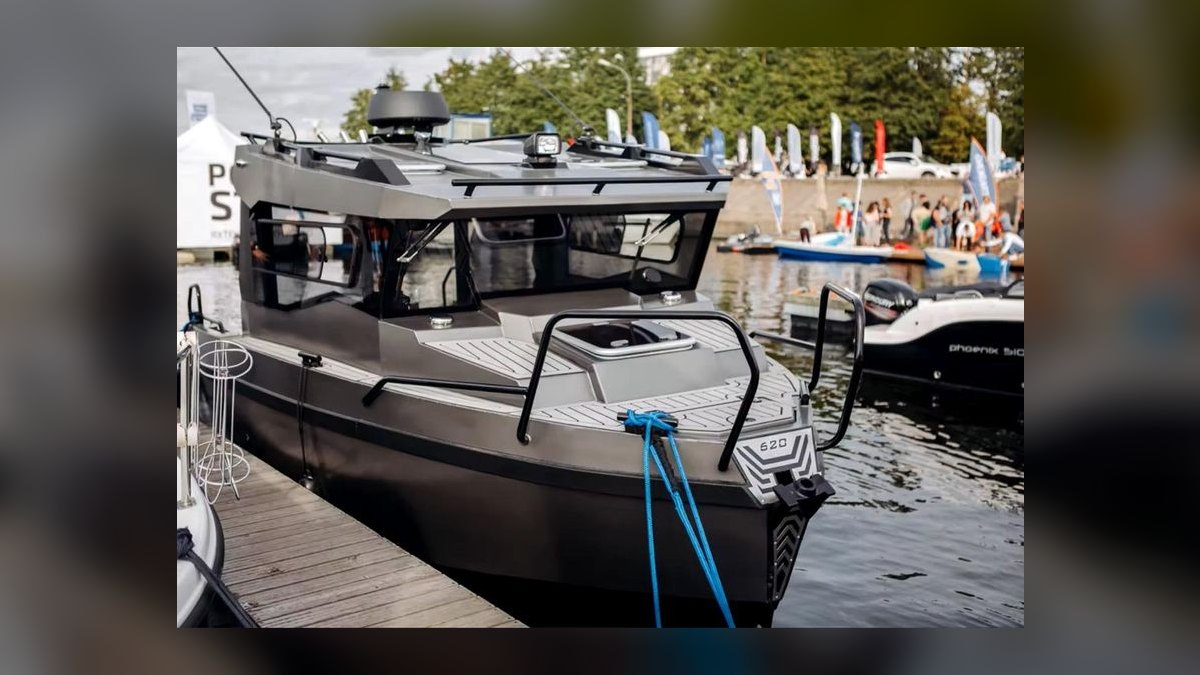
Big open water. Fishing large lakes where two- to four-foot waves are routine argues for the longest hull you can tow and store, a console for shelter, the highest practical thrust on the bow, and a kicker with remote throttle so you can adjust speed without leaving the helm. Larger planer boards handle the chop better than small inline boards. Prioritize a windshield, a solid bilge pump, and reliable navigation lighting because you will be running back in the dark.
Mid-size lakes and reservoirs. This is the sweet spot for an 18-foot tiller. You get the deck space, you get direct hands-on speed control, and you can work contour edges precisely with the bow motor while managing four to six rods yourself. Inline planer boards are usually enough here.
Rivers and shallow flats. Shorter, shallower-draft hulls with a jack plate and a prop guard or a hydraulic jack make sense. Current does the trolling work for you in many situations — you can back-troll upstream against current at very low ground speed while your baits see plenty of water speed. A high-thrust electric on the bow, sometimes supplemented by a transom-mount electric for back-trolling, replaces the kicker entirely on some river rigs.
Speed strategy by season. In cold water, generally under 50 degrees Fahrenheit, walleye chase less and the productive window is often 0.8 to 1.4 mph with minnow-profile stickbaits on long leads. As water warms through the 50s and into the 60s, speeds climb into the 1.4 to 2.0 range and lure profiles get fuller. In warm summer water, 1.8 to 2.5 mph on deep-diving crankbaits or spinner rigs behind bottom bouncers frequently outproduces slower presentations because it covers more water and triggers reaction strikes. Build a rig that can do all three, then let the fish tell you which day it is.
Depth control decision. You have three levers: lure dive curve, lead length, and added weight. Start with the lure's published dive curve at a known speed and lead length. If the target depth is beyond what the lure reaches, add a snap weight at a measured distance ahead of the bait, or move to a bottom bouncer with a spinner rig for direct bottom contact. Lead core and copper line are the heavy-duty options for deep summer fish, but they demand dedicated reels and change how the whole spread behaves.
Electronics tier decision. If you fish mostly known structure on familiar water, a single quality 2D-capable head unit with good mapping will serve. If you spend time finding new water, scanning weed edges, and identifying unmarked rock, side imaging pays for itself. Forward-facing sonar is enormously useful for casting and vertical presentations but adds less to a pure trolling program than side imaging and good mapping do.
When to stop upgrading. Once you have controllable speed across 0.8 to 2.5 mph, GPS heading hold on the bow, line-counter reels on every rod, planer boards for separation, and a sonar unit you trust, further spending produces diminishing returns compared to time on the water and a disciplined trip log. The gap between a well-rigged mid-tier aluminum boat and a top-tier one is far smaller than the gap between an angler who logs data and one who does not.
Related questions
Do I need a kicker motor if I have a strong bow-mount trolling motor?
Not always. A high-thrust GPS bow motor with a large lithium bank can troll all day on many lakes. A kicker still wins for long open-water days, heavy wind, and as a get-home engine. Rivers and small lakes often justify skipping the kicker entirely.
What trolling speed should I start at for walleye?
Start at 1.2 to 1.5 mph in cool water and 1.8 to 2.2 mph in warm water, then vary by 0.2 mph increments until you find the strike speed. Log the speed on every fish so the pattern becomes repeatable rather than accidental.
Can I mount a transducer inside an aluminum hull?
No. Sonar signal will not pass through aluminum. The transducer must contact water — transom mount, trolling-motor mount, or a dedicated external bracket. Any shoot-through install that worked on a fiberglass boat will produce nothing on aluminum.
How many rods should I plan holders for?
Plan holder positions for six to ten rods even if your state limits you to fewer lines. Extra positions let you change spread geometry, stage rods, and adjust angles for planer boards without unbolting hardware mid-trip.
Does aluminum hull noise really spook walleye?
In shallow water, under roughly 12 feet, yes — thin metal transmits impact noise efficiently into the water column. Carpet, rubber deck mats, or foam decking plus a habit of not dropping tools reduces the problem substantially in the depths where it matters.
FAQ
What size aluminum boat is best for walleye trolling?
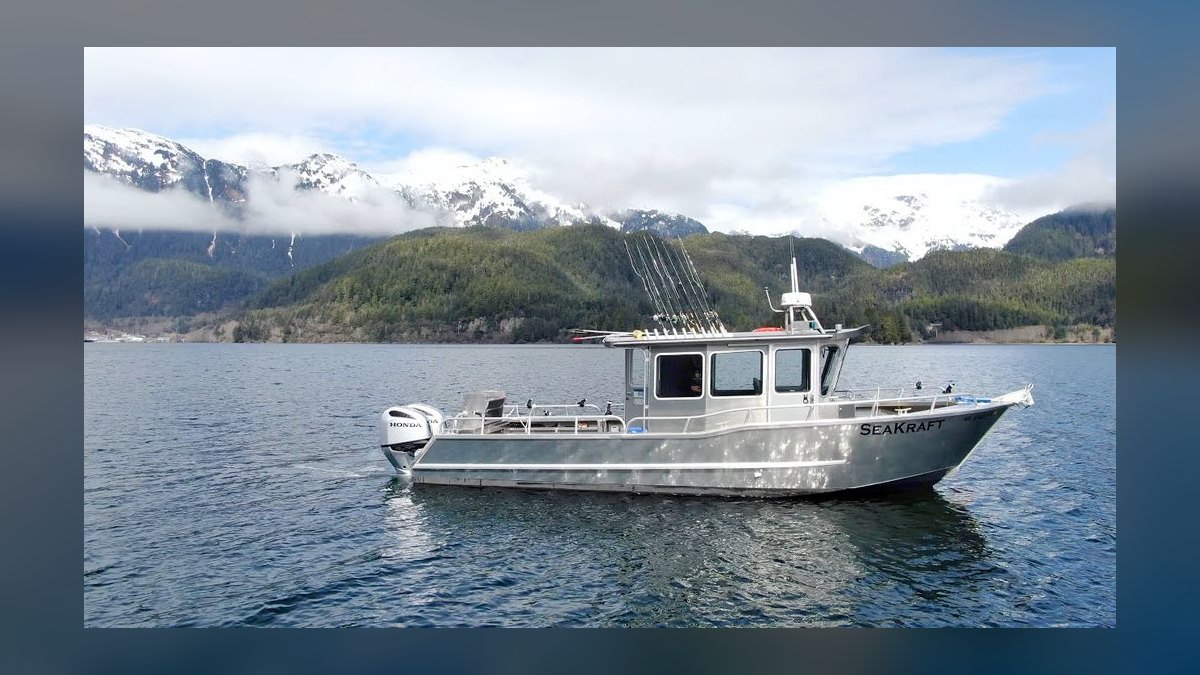
For most anglers, 17 to 20 feet with a deep-V hull, roughly 90 to 100 inches of beam, and meaningful transom deadrise is the practical range. Shorter than 16 feet gets uncomfortable and unsafe in open-water chop; longer than 20 feet becomes harder to tow, store, and launch at typical ramps. The 18-foot tiller is the most commonly cited all-around choice because it balances deck space, rough-water capability, and towability behind an ordinary half-ton pickup.
How much thrust does my bow-mount trolling motor need?
Size to loaded weight, not to boat length. Add up the hull, motor, batteries, fuel, gear, and anglers. A loaded 18-foot aluminum walleye boat commonly comes in near 3,000 pounds, which points toward 80 to 112 pounds of thrust on a 24- or 36-volt system. Under-thrusting is the single most common rigging regret, because the deficiency only shows up on the windy days when boat control matters most.
Why do my crankbaits not run at the depth the chart says?
Three usual causes. First, the chart assumes a specific line diameter — heavier or thicker line reduces dive depth substantially. Second, the chart assumes speed through water, not GPS speed over ground, and wind or current makes those diverge. Third, lead length is being estimated instead of measured. Fix all three by using consistent line, tracking water speed, and running line-counter reels on every rod.
Should I choose lithium or lead-acid batteries for an aluminum boat?
Lithium iron phosphate is generally the better fit on a weight-sensitive aluminum hull. It weighs roughly a third of comparable lead-acid capacity, delivers nearly full rated capacity rather than the roughly half you can safely use from lead-acid, and charges faster. The trade-off is significantly higher purchase cost and the need for a lithium-compatible charger. Lead-acid remains a reasonable budget path if you accept the weight and shorter usable runtime.
How do planer boards improve a trolling spread?
Boards carry lines 30 to 100 feet out from the boat, which does three things: it widens the swath of water your spread covers, it separates lines so you can run more of them without tangling, and it moves baits away from the boat's hull noise and prop wash. On a lightweight aluminum hull in shallow water, that last benefit is meaningful. Boards also serve as visible strike indicators — they drop back and lay over when a fish hits.
What corrosion maintenance does an aluminum walleye boat need?
Check and replace sacrificial anodes on the outboard, kicker, and any trim tabs at least annually. Inspect every through-hull and deck fastener for pitting or white powdery oxidation. Isolate dissimilar metals with proper bushings or marine sealant. Rinse thoroughly after fishing high-mineral or brackish water, keep bilge water from standing, and verify that accessory grounds are properly bonded so stray current has no path through the hull.
Sources
- https://www.dnr.state.mn.us/fishing/walleye/index.html
- https://www.boatus.org/
- https://dnr.wisconsin.gov/topic/Fishing/species/walleye.html
- https://www.abycinc.org/
- https://www.michigan.gov/dnr/things-to-do/fishing
- https://www.uscgboating.org/
- https://www.dec.ny.gov/outdoor/7742.html
- https://www.nps.gov/voya/planyourvisit/fishing.htm
Related on PULSE
- How to choose between a tiller and console layout on a walleye boat
- Lithium versus lead-acid battery banks for trolling motors
- Reading crankbait dive curves and setting lead lengths with line counters
- Transducer placement rules for riveted and welded aluminum hulls
- Planer board spreads: geometry, releases, and tangle-free turns
- Seasonal walleye trolling speeds from ice-out through late summer
 pulse-reviewsTop 10 Cabin Cruiser Boats 2027
 pulse-recentWhat are the concrete steps to aluminum fish in 2027?
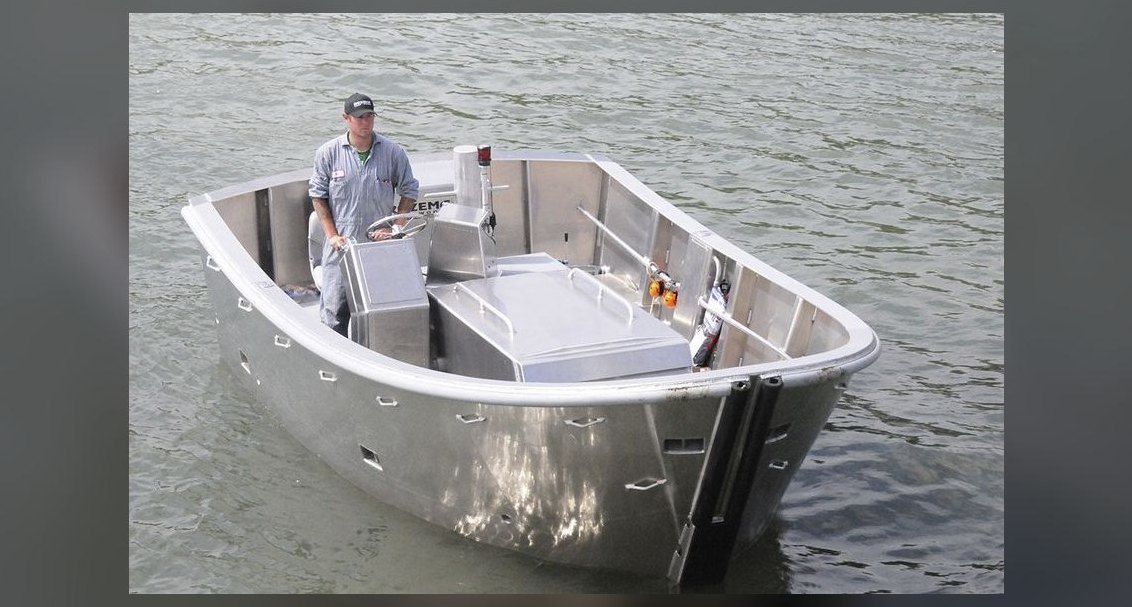 pulse-recentHow do I prepare an aluminum fishing boat for the first time in 2027?
 pulse-recentWhat is the step-by-step process to restore a used aluminum fishing boat in 2027?
 pulse-boatsBest Regal Boat Models (Ranked) in 2027
 pulse-boatsBest Used Wakeboard Boats Under $10,000 in 2027 (Ranked)
 boatTop 10 Sailboats Under 30 Feet in 2027
 pulse-boatsBest Used Sailboats Under $20,000 in 2027 (Ranked)
 pulse-boatsBest Used Ski Boats Under $50,000 in 2027 (Ranked)
 pulse-boatsBest Used Sport Fishing Boats Under $10,000 in 2027 (Ranked)