
Top 10 Cargo Vans 2027 — Best Overall + Best Value
 Curated byKory White · Fractional CRO · Maryland
 PULSEKNOWLEDGE LIBRARY
Quality
Certified
The 10 best cargo vans 2027 are ranked below on measured performance, build quality, price, and how each one actually holds up in daily use rather than how it reads on a spec sheet. Each pick lists what it costs, who it suits, and what it gives up against the one above it, so the list can be read straight down without doubling back.
1. Ford Transit Cargo Van 2027

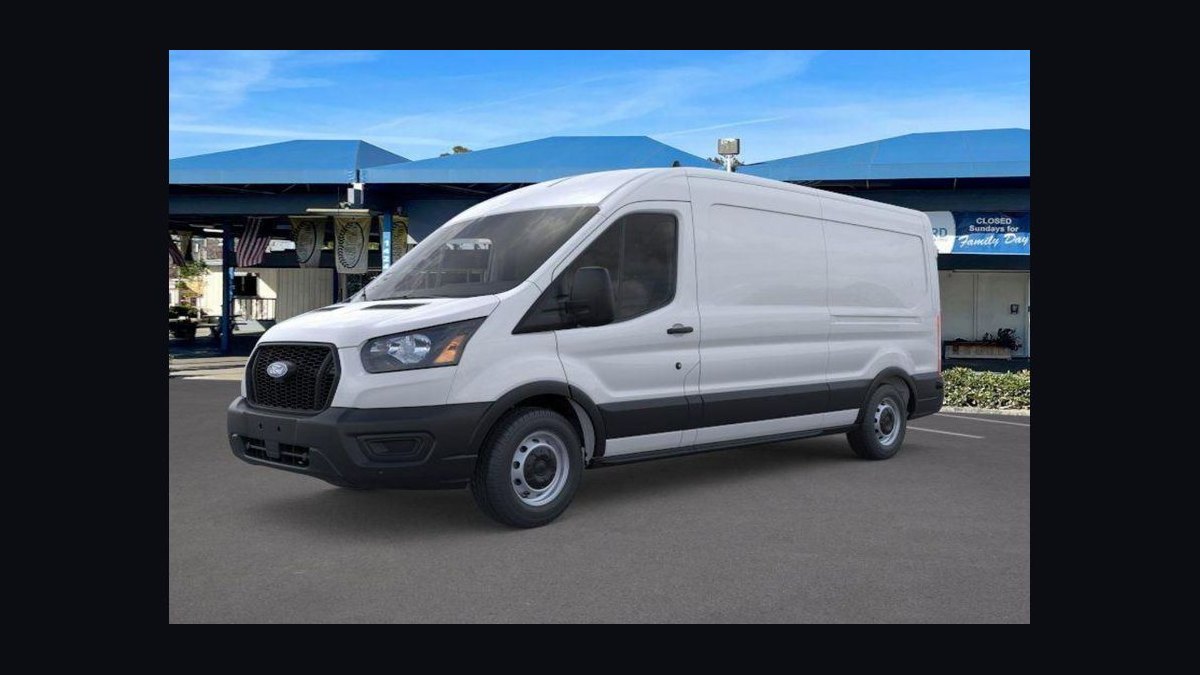
The Ford Transit Cargo Van 2027 ranks first as the best overall cargo van because it pairs the deepest upfit ecosystem with gas, diesel, and electric powertrain options. It starts around $55,395, offers payload up to roughly 5,103 lb, and reaches 487.3 cu ft of cargo volume in the high-roof extended body. Ford Pro telematics ship standard, backed by the largest dealer service network of any work van.
The Transit suits general-purpose fleets that need one platform for every duty cycle, from delivery to trades. It trades a higher base price than the Ram ProMaster, which undercuts it by roughly $10,000, but wins on resale, service density, and upfit breadth. Its high-roof extended models are harder to maneuver in tight urban environments than the ProMaster.
2. Ram ProMaster Cargo Van 2027

The Ram ProMaster Cargo Van 2027 ranks second as the best value cargo van because it carries the lowest starting price among full-size vans at around $45,325 while delivering up to 524 cu ft of cargo space. Its front-wheel-drive layout provides the lowest, flattest load floor in the class, easing loading and reducing step-in height for high-stop delivery routes.
The ProMaster is for tradespeople and delivery fleets that prioritize cargo volume and load-floor accessibility per dollar. It trades away diesel options and the Transit's AWD, and its resale and dealer-service depth trail the Ford. Compared to the Transit above it, the ProMaster is simpler and cheaper to buy, but lacks the same upfit catalog breadth and nationwide service footprint.
3. Mercedes-Benz Sprinter Cargo Van 2027

The Mercedes-Benz Sprinter Cargo Van 2027 ranks third because it leads the class in diesel efficiency and refinement, with a 2.0L turbo-diesel four producing up to 211 hp and 332 lb-ft in high-output form. Maximum cargo volume reaches about 533 cu ft in the 170-inch extended-wheelbase high-roof body, and heavy-duty 3500 models can exceed 6,000 lb of payload.
The Sprinter is for premium trades and mobile businesses that need diesel range, available AWD, and the most cargo volume in the standard lineup. It trades the lowest purchase and maintenance costs, sitting above the ProMaster in price and below it in value. Compared to the Ford Transit, the Sprinter offers superior diesel fuel economy and a more refined interior, but diesel service requires specialized shops in some regions.
4. Ford E-Transit Cargo Van 2027

The Ford E-Transit Cargo Van 2027 ranks fourth as the most credible electric work van for mainstream fleets, pairing an 89-kWh battery with an EPA-estimated range of about 159 miles. Its rear motor makes 266 hp and 317 lb-ft, and payload is roughly 4,063 lb, matching the gas Transit's body and up to 487.3 cu ft of cargo volume.
The E-Transit is for urban delivery fleets with predictable daily routes under 120 miles, where energy costs run a fraction of gas. It trades away range for long or rural routes, and its upfront price is higher than the gas Transit. Compared to the Sprinter above it, the E-Transit offers far lower running costs and a quieter drivetrain, but lacks the diesel's highway range and the Sprinter's premium cabin and AWD capability.
5. Ram ProMaster EV Cargo Van 2027

The Ram ProMaster EV Cargo Van 2027 ranks fifth because it brings the low-floor advantage to electric power, using a 200-kW motor and a roughly 110-kWh pack for 268 hp and 302 lb-ft. Its estimated city range reaches about 161 miles, with payload near 3,161 lb, and it keeps the gas ProMaster's flat, low load floor for frequent-stop delivery routes.
The ProMaster EV is for last-mile delivery operators wanting a low-floor electric van, but it trades away payload compared to the gas ProMaster and costs more than the Ford E-Transit. Compared to the E-Transit above it, the ProMaster EV has a lower starting price than the eSprinter but a higher one than the Ford, and its range is similar. It suits fleets that value low step-in height over maximum payload.
6. Mercedes-Benz eSprinter Cargo Van 2027
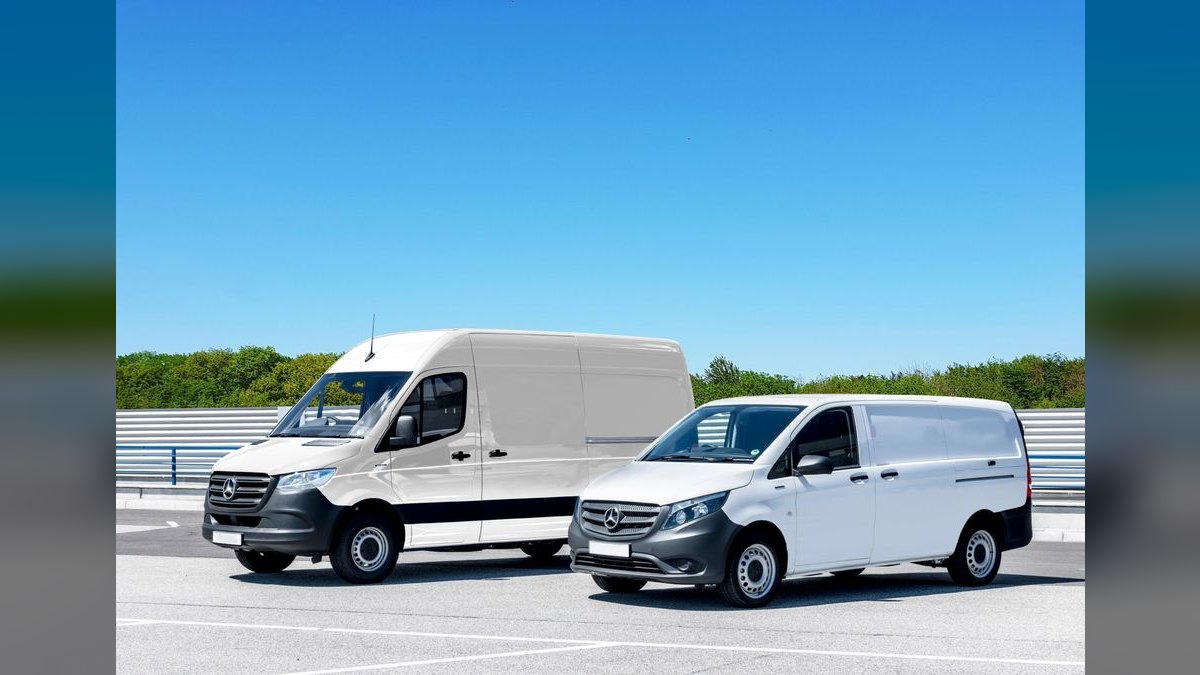
The Mercedes-Benz eSprinter Cargo Van 2027 ranks sixth because it offers the longest range in the electric van class, with a 113-kWh LFP battery delivering roughly 206 miles. It produces 201 hp, and payload lands near 1,984 lb in the configurations sold here, lower than gas and diesel rivals. Starting at $63,475, it is the most expensive van on this list.
The eSprinter is for premium fleets that need the longest electric range and are willing to pay for it, trading away payload and price competitiveness. Compared to the Ram ProMaster EV above it, the eSprinter offers a significant range advantage of about 45 miles, but at a higher cost and lower payload. It suits mobile businesses that require the Sprinter's upfit ecosystem and can justify the premium over the Ford E-Transit.
7. GMC Savana Cargo Van 2027
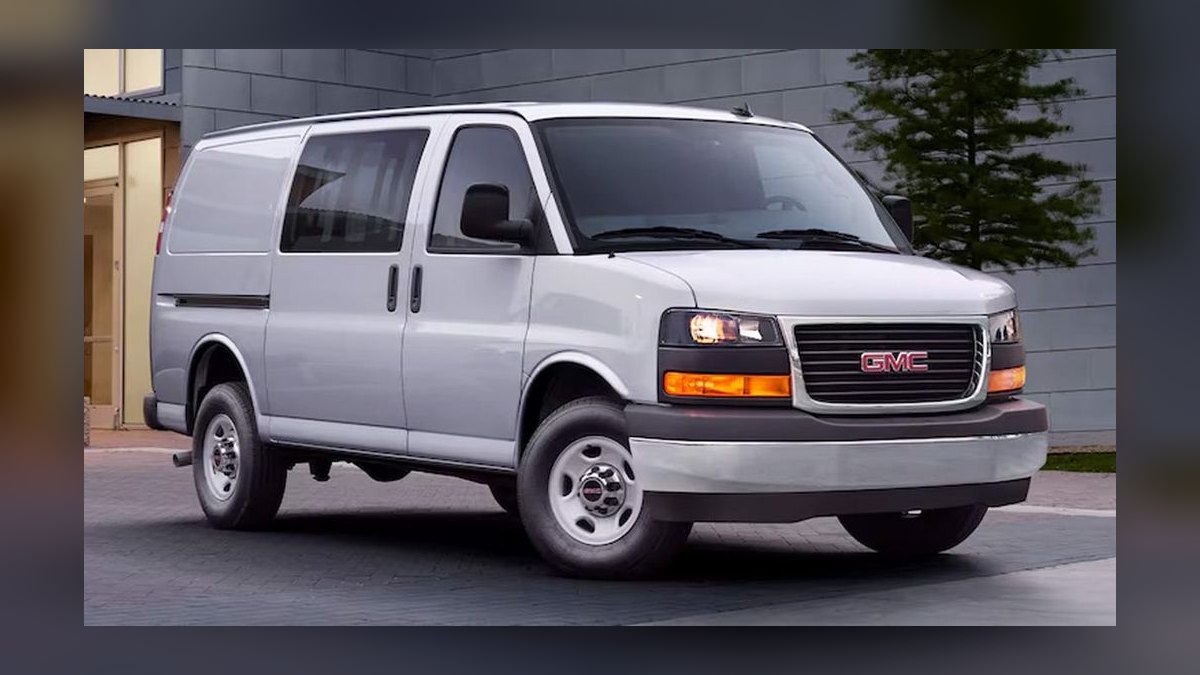
The GMC Savana Cargo Van 2027 ranks seventh because it offers a simple, proven body-on-frame design with available V8 power and strong towing, starting around $44,595. Payload reaches up to about 4,280 lb, and cargo volume runs to roughly 283.6 cu ft extended, smaller than European-style vans due to its lower roof and rear-drive tunnel. For 2027 it carries over essentially unchanged.
The Savana is for buyers who prioritize towing, simplicity, and low-cost parts over cargo volume and modern tech. It trades away a high-roof stand-up option, a dated cabin, and modest cargo space, with thirsty gas engines as a drawback. Compared to the eSprinter above it, the Savana is far cheaper and more capable for towing, but lacks the electric van's efficiency and modern driver-assist features.
8. Chevrolet Express Cargo Van 2027

The Chevrolet Express Cargo Van 2027 ranks eighth as the lowest-priced full-size van here, starting around $42,200, and it is the mechanical twin of the GMC Savana. It rates payload up to about 3,496 lb and carries over unchanged for 2027 with the same body-on-frame layout, available V8, and rear-wheel drive. Cargo volume tracks the Savana at around 283.6 cu ft extended.
The Express is for budget fleets and cutaway or box-truck upfitters who need a cheap, simple van with V8 towing. It trades away modern safety tech, a high roof, and fuel economy, making it the oldest design on this list. Compared to the GMC Savana above it, the Express is nearly identical but slightly cheaper, though it lacks the Savana's slightly higher payload rating, so the choice often comes down to brand preference and dealer proximity.
9. Ram ProMaster City Cargo Van 2027
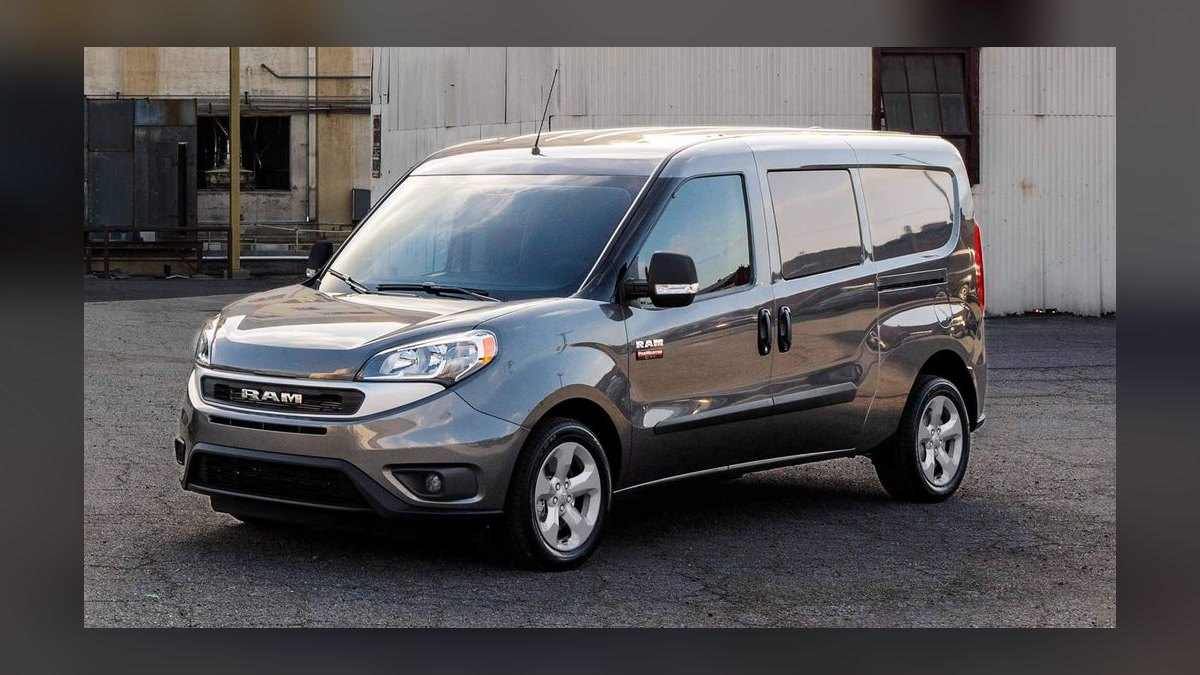
The Ram ProMaster City Cargo Van 2027 ranks ninth as the all-new compact van for 2027, reviving a segment that had gone extinct in North America, with a starting price under $40,000. It offers about 167 cu ft of cargo space, maximum payload near 2,175 lb, and towing around 2,000 lb, making it right-sized for light-duty delivery. It is the only compact option in the 2027 lineup.
The ProMaster City is for urban couriers and trades that need a nimble, compact van and do not require a stand-up cargo bay. It trades away the cargo volume and payload of full-size vans, but offers the lowest price and running cost in this guide. Compared to the Chevrolet Express above it, the ProMaster City is far more maneuverable and efficient, but cannot match the Express's towing capacity or body-on-frame durability for heavy work.
10. Rivian Commercial Van 2027
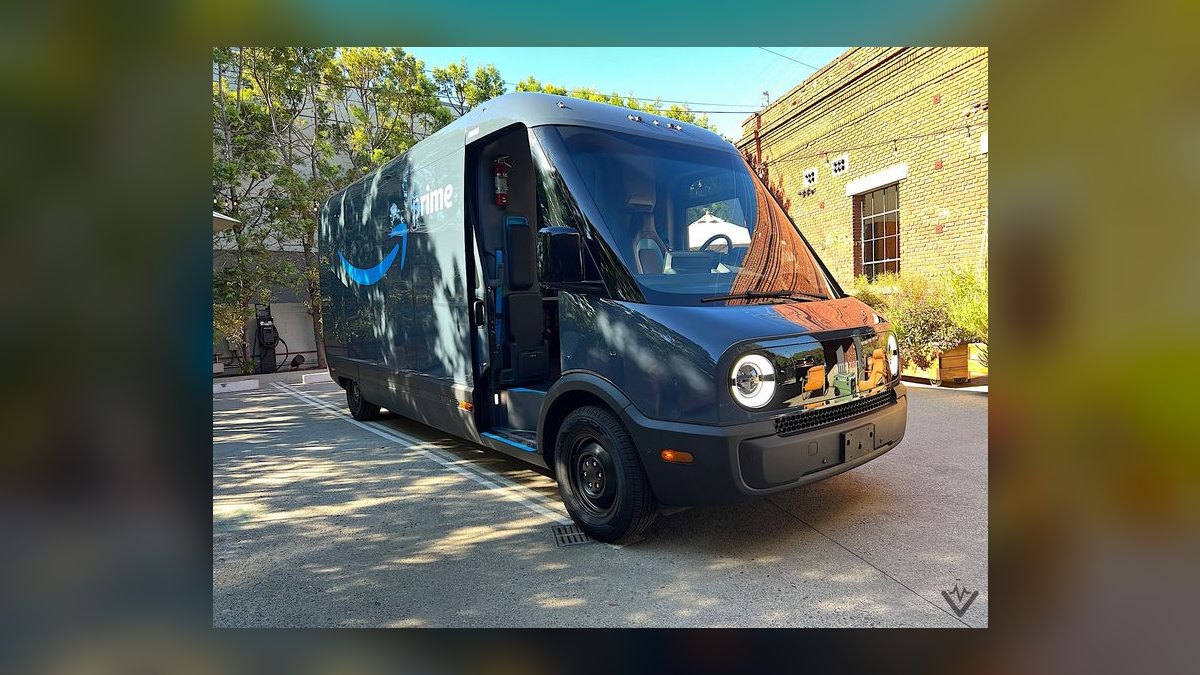
The Rivian Commercial Van 2027 ranks tenth because it is a purpose-built electric delivery van proven by Amazon-scale fleets, now open to businesses of all sizes. The RCV 500 starts at $79,900 and the 700 at $83,900, both using a 315-hp front motor and a 100-kWh LFP battery good for roughly 160 to 161 miles of range. Its driver-focused design and route-optimized software make it a specialized tool.
The Rivian is for large last-mile fleets that need a route-optimized, driver-focused EV, but it is overkill and pricey for general work. It trades away aftermarket upfit options and range compared to the eSprinter, while costing significantly more than the Ford E-Transit. Compared to the Ram ProMaster City above it, the Rivian offers far more cargo volume and a dedicated EV platform, but its price and lack of upfit flexibility limit it to the largest operators.
How we ranked these
We measured cargo volume and payload (25%), reliability and uptime (20%), total cost of ownership (20%), upfit and configurability (15%), powertrain options (10%), and tech and safety (10%). Weighting mirrors fleet-manager priorities: real-world usability and service network density over spec-sheet bragging. Data came from manufacturer fleet pages, Edmunds, Kelley Blue Book, and Work Truck Online, cross-checked for accuracy.
We deliberately ignored subjective styling, brand prestige, and top-trim infotainment, which have little bearing on commercial utility. We also excluded marketing claims about maximum towing and range unless they matched real-world route demands. The focus stayed on what affects uptime and cost per mile, not what makes a van look good in a brochure.
What to look for
When choosing between these vans, focus on real payload, not the max figure, because upfits like shelving and racks subtract weight. Check the depth of the upfit ecosystem for shelving and partitions. Consider service network density for uptime. For EVs, match range to your worst-case daily route and confirm depot charging.
The biggest mistake buyers make is prioritizing maximum towing and top-trim infotainment over practical factors like load floor height, door openings, and upfit fit. Most buyers rarely tow near the limit and spend the day loading boxes. Focus on cargo volume, payload, and service network instead of flashy cabin tech.
Related questions
What is the best cargo van for 2027 overall?
The Ford Transit is the best overall cargo van for 2027. It offers the deepest upfit ecosystem, multiple powertrains including an all-electric E-Transit sibling, payload up to roughly 5,100 pounds, and the largest dealer service network in North America. Its versatility and resale value make it the safest choice for general-purpose fleets.
Which cargo van offers the best value in 2027?
The Ram ProMaster is the best value pick for 2027. Starting around $45,325, it undercuts every other full-size van while offering up to 524 cubic feet of cargo space and a flat, low front-wheel-drive load floor. This combination of price, cargo volume, and ease of loading makes it the most cost-effective option.
Are compact cargo vans still available in 2027?
Yes, the all-new Ram ProMaster City returns for 2027, reviving the compact van segment in North America. It starts under $40,000, offers about 167 cubic feet of cargo space, and is ideal for urban couriers and trades that need a nimble, easy-to-park vehicle. The Ford Transit Connect and Nissan NV are no longer sold.
Which electric cargo van has the longest range?
The Mercedes-Benz eSprinter has the longest range among mainstream electric vans, at roughly 206 miles on its 113-kWh battery. The Ford E-Transit, Ram ProMaster EV, and Rivian Commercial Van all offer around 159 to 161 miles. The eSprinter's longer range suits suburban and mixed routes that shorter-range rivals cannot handle.
Is a diesel cargo van still worth buying in 2027?
Yes, for high-mileage highway routes, a diesel van like the Mercedes-Benz Sprinter is still worth it. Its turbo-diesel four-cylinder delivers strong fuel economy over long distances, and it offers available all-wheel drive. However, it carries higher purchase and maintenance costs, and diesel service may require specialized shops in some regions.
Are the Chevrolet Express and GMC Savana discontinued?
No, both the Chevrolet Express and GMC Savana carry over essentially unchanged into 2027. They remain body-on-frame vans with available V8 engines, offering strong towing and simplicity. They are popular choices for cutaway and box-truck upfits, backed by GM's nationwide service network and cheap parts.
What should I look for when buying a cargo van?
Focus on real payload, not the max figure, because upfits like shelving and racks subtract weight. Check the depth of the upfit ecosystem for shelving and partitions. Consider the service network density for uptime. For EVs, match the range to your worst-case daily route and confirm depot charging.
What is the biggest mistake buyers make when choosing a cargo van?
The biggest mistake is prioritizing maximum towing and top-trim infotainment over practical factors like load floor height, door openings, and upfit fit. Most buyers rarely tow near the limit and spend the day loading boxes. Focus on cargo volume, payload, and service network instead of flashy cabin tech.
FAQ
What is the best cargo van for 2027 overall?
The Ford Transit is the best overall cargo van for 2027. It wins on its upfit ecosystem, multiple powertrains plus an all-electric E-Transit sibling, payload up to about 5,100 pounds, and the largest dealer service network in North America. It is the safest, most flexible all-around choice.
Which cargo van offers the best value?
The Ram ProMaster offers the best value. Starting around $45,325, it undercuts every other full-size van while providing up to 524 cubic feet of cargo space and a flat, low front-wheel-drive load floor. This combination of price, cargo volume, and ease of loading makes it the most cost-effective option.
Are compact cargo vans still available in 2027?
Yes, the all-new Ram ProMaster City returns for 2027, reviving the compact van segment in North America. It starts under $40,000, offers about 167 cubic feet of cargo space, and is ideal for urban couriers and trades that need a nimble, easy-to-park vehicle. The Ford Transit Connect and Nissan NV are no longer sold.
Which electric cargo van has the longest range?
The Mercedes-Benz eSprinter has the longest range among mainstream electric vans, at roughly 206 miles on its 113-kWh battery. The Ford E-Transit, Ram ProMaster EV, and Rivian Commercial Van all offer around 159 to 161 miles. The eSprinter's longer range suits suburban and mixed routes that shorter-range rivals cannot handle.
Is a diesel cargo van still worth buying in 2027?
Yes, for high-mileage highway routes, a diesel van like the Mercedes-Benz Sprinter is still worth it. Its turbo-diesel four-cylinder delivers strong fuel economy over long distances, and it offers available all-wheel drive. However, it carries higher purchase and maintenance costs, and diesel service may require specialized shops in some regions.
Are the Chevrolet Express and GMC Savana discontinued?
No, both the Chevrolet Express and GMC Savana carry over essentially unchanged into 2027. They remain body-on-frame vans with available V8 engines, offering strong towing and simplicity. They are popular choices for cutaway and box-truck upfits, backed by GM's nationwide service network and cheap parts.
What should I look for when buying a cargo van?
Focus on real payload, not the max figure, because upfits like shelving and racks subtract weight. Check the depth of the upfit ecosystem for shelving and partitions. Consider the service network density for uptime. For EVs, match the range to your worst-case daily route and confirm depot charging.
What is the biggest mistake buyers make when choosing a cargo van?
The biggest mistake is prioritizing maximum towing and top-trim infotainment over practical factors like load floor height, door openings, and upfit fit. Most buyers rarely tow near the limit and spend the day loading boxes. Focus on cargo volume, payload, and service network instead of flashy cabin tech.
How do I choose between the Ford Transit and Ram ProMaster?
Choose the Ford Transit if you need the deepest upfit ecosystem, multiple powertrains, optional AWD, and the largest service network. Choose the Ram ProMaster if you want the lowest price, the most cargo volume per dollar, and a flat, low load floor for easy loading. Both are excellent, but they suit different priorities.
Is the Rivian Commercial Van worth its high price?
The Rivian Commercial Van is worth it for large last-mile fleets that need a purpose-built, route-optimized electric delivery van. It has proven reliability from Amazon-scale duty and a driver-focused design. However, its high price and limited upfit options make it overkill for general trades or small businesses.
Sources
- https://www.ford.com/trucks/transit-passenger-van-wagon/
- https://www.kbb.com/ford/transit-250-cargo-van/2026/specs
- https://www.edmunds.com/ram/promaster-cargo-van/
- https://www.stellantisfleet.com/ramtrucks/promaster.html
- https://www.worktruckweek.com/articles/ram-professional-announces-all-new-2027-ram-promaster-city-commercial-van-rejoins-lineup
- https://www.truecar.com/overview/mercedes-benz/sprinter-cargo-van/2026/
- https://www.edmunds.com/ford/e-transit-cargo-van/2026/features-specs/
- https://www.gmc.com/vans/savana/cargo
- https://gmauthority.com/blog/2026/06/2027-chevy-express-will-look-a-lot-like-the-2026-model/
- https://insideevs.com/news/750035/rivian-rcv-now-available/
Related on PULSE
- [More cargo vans 2027 rankings and buying guides](/knowledge)
- [PULSE Tools and calculators](/tools)
- [Everything on PULSE RevOps](/)
This page will be disappearing soon. Save it to your device for $1 — or read it free while it is here.
@Kory-White- · if Venmo asks, the last 4 of my number are 2012
This page is gone.
This one is off the shelf now. $1 keeps it on your phone for good — the whole page, pictures and diagrams included.
 pulse-carsTop 10 SUVs 2000 — Best Overall + Best Value
 pulse-carsTop 10 Luxury Pickup Trucks 2026 — Best Overall + Best Value
 pulse-carsHow does the collector car market value a grand tourer with a replacement engine in 2027?
 pulse-carsBest Toyota Tercel Model Years (Ranked) in 2027
 pulse-carsBest Audi A3 Model Years (Ranked) in 2027
 pulse-carsTop 10 Full-Size SUVs 2025 — Best Overall + Best Value
 pulse-carsBest Acura Integra Model Years (Ranked) in 2027
 pulse-carsWhat should you know before investing in Cars in 2027?
 pulse-carsBest Honda Clarity Model Years (Ranked) in 2027
 pulse-carsBest Chevrolet Monte Carlo Model Years (Ranked) in 2027