
How does the collector car market value a grand tourer with a replacement engine in 2027?
 Curated byKory White · Fractional CRO · Maryland
 PULSEKNOWLEDGE LIBRARY
Quality
Certified
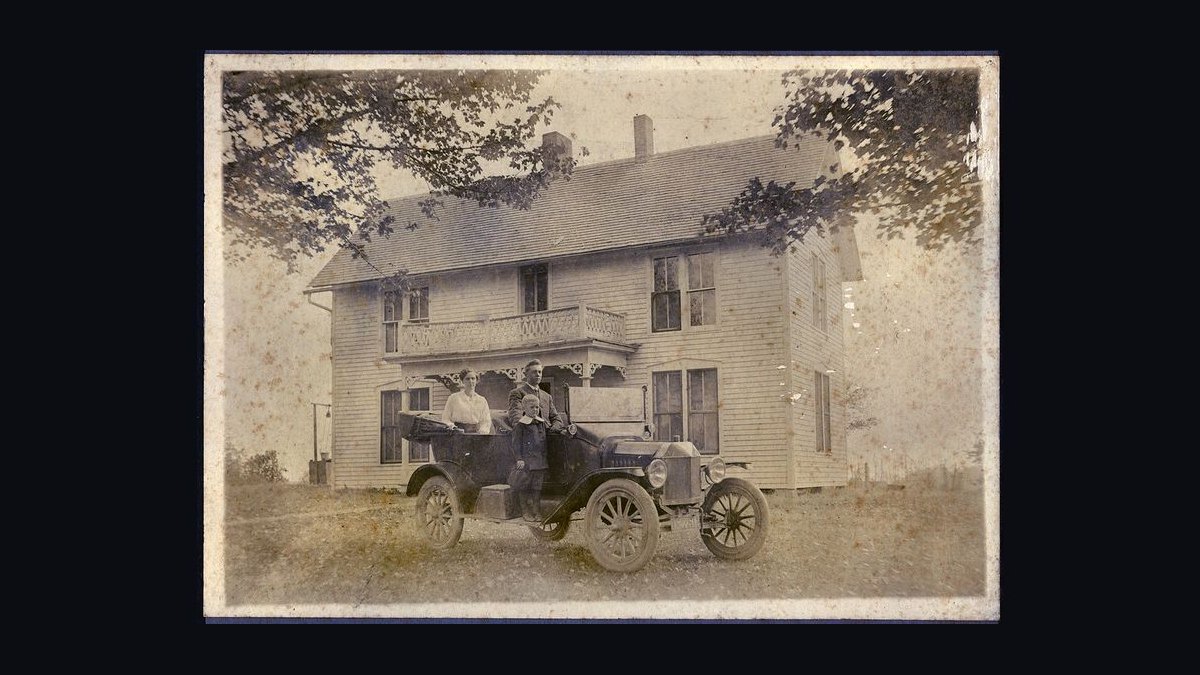
A replacement engine typically cuts a grand tourer's collector market value by 15–35% versus a numbers-matching example, though the penalty narrows sharply if the swap is a period-correct, documented unit installed by a marque specialist. In 2027, provenance files and originality audits matter more than the engine itself.
The outcome you should expect
For a 2027 transaction, assume a grand tourer with a non-original engine trades at a discount to a comparable matching-numbers car, and that discount is not uniform. On blue-chip European GTs — think Ferrari 250-series, Aston Martin DB4/DB5, Maserati 3500 GT, Mercedes-Benz 300 SL — the spread between an original-engine car and a replacement-engine car of otherwise identical condition typically runs 15–35%. On the most rarified cars, where originality is the entire value proposition, the gap can exceed 40% and the car may be effectively unsellable to the top tier of buyers. On more accessible tourers — a Jaguar XK150, a Porsche 928, a BMW 3.0 CS, a Lotus Elan +2 — the penalty compresses to roughly 10–20%, because the buyer pool is more interested in driving experience than in concours originality.
The single most important variable is not the engine's existence but its identity. A "replacement" engine that is a correct-type, correct-specification unit with a documented history is worth far more than a generic crate engine or a later, different-displacement unit. A replacement that is a factory-correct service block, installed by a franchised dealer or recognized specialist in period or shortly after, with invoices, is treated almost as original by many buyers. A Chevrolet small-block dropped into a European GT is a different animal entirely and can knock 50% or more off the value.
Condition and documentation interact with the engine question multiplicatively. A replacement-engine car with a complete ownership file, a heritage certificate, and a photographic restoration record will outperform a matching-numbers car with a murky history. The market in 2027 rewards transparency. Buyers have become sophisticated about provenance because the tools to verify it — marque registries, online chassis databases, specialist pre-purchase inspectors — are cheap and widely available.
What drives that outcome
The valuation logic is not a single rule but a stack of judgments. The first is originality: whether the engine is the one the factory fitted. The second is correctness: if it is not original, is it at least the right type, the right specification, and from the right era? The third is documentation: can the seller prove what happened, when, and by whom? The fourth is condition: a freshly rebuilt correct-type engine may be functionally better than a tired original. The fifth is the buyer pool: a concours buyer and a driving buyer weight these factors very differently.
The flowchart below shows how a typical 2027 appraisal narrows from the general question to a specific discount range.
The key insight from this tree is that the penalty is not a fixed number. It is a function of how convincingly the seller can answer the question "what is this engine, and why is it here?" A correct-type replacement with a fat file is a different asset from an anonymous swap.
There is also a market-tier effect. In the sub-$100,000 band, buyers are often more forgiving because they intend to drive the car. In the $500,000-plus band, originality is close to non-negotiable. The middle band — roughly $150,000 to $400,000 — is where the discount is most variable, because the buyer pool splits between collectors and enthusiasts.

Benchmarks and realistic ranges
To make this concrete, consider how the discount plays out across representative grand tourers. These are directional ranges based on how the market has historically treated originality, not quotes for any specific car.
For a Ferrari 250 GT-series tourer, a replacement engine of non-original type can reduce value by 40% or more, and even a correct-type replacement carries a 20–30% discount unless the car has exceptional provenance. For an Aston Martin DB4 or DB5, a correct-type replacement with a documented rebuild history typically costs 15–25% against a matching-numbers car. For a Mercedes-Benz 300 SL, the penalty for a non-original engine is severe — often 30–40% — because the model is a blue-chip collector asset where originality is central.
For a Maserati 3500 GT or Sebring, a replacement engine of the correct type might cost 15–25%, but a non-original type can halve the value. For a Jaguar XK150 or E-Type, the penalty is milder: 10–20% for a correct-type replacement, more if the car is a desirable early model. For a Porsche 928 or 911 of the touring era, a replacement engine is common and the penalty is often 10–15%, because the market accepts engine work as normal maintenance on high-mileage cars.

For a BMW 3.0 CS or CSL, the CSL is the sensitive one — a replacement engine can cost 20–30% on a CSL, while a standard CS is more forgiving at 10–15%. For a Lotus Elan +2 or a Jensen Interceptor, the penalty is modest, often under 15%, because these are driver's cars and the buyer pool is practical.
Two more benchmarks matter. First, a replacement engine that is a factory-correct service unit with a documented installation by a marque specialist can reduce the penalty to single digits — sometimes to zero — because the market treats it as a legitimate part of the car's history. Second, a replacement engine that is a modern upgrade — a fuel-injected V8 in a car that originally had a carbureted six, for example — can destroy value on a collector-grade car even though it improves drivability.

Risks, edge cases, and failure modes
The biggest risk is misreading the buyer pool. A seller who assumes the 15% rule applies universally will be shocked when a concours buyer walks away from a car that a driving buyer would happily purchase at a 10% discount. The reverse is also true: a seller who prices a replacement-engine car as if it were matching-numbers will sit on it indefinitely.
A second risk is documentation failure. If the replacement engine's history is undocumented, the market assumes the worst. A car with a correct-type engine but no paperwork is often treated as if it had a non-original engine, because the buyer cannot verify the claim. In 2027, with digital heritage certificates and online registries widely used, an undocumented replacement is a red flag.
A third risk is the "correct type, wrong detail" trap. An engine can be the right family but the wrong specification — different carburetion, different compression, different camshaft, different head casting. These details matter to specialist buyers and can add another 5–15% of discount on top of the base replacement penalty.
A fourth risk is the restoration-quality mismatch. A replacement engine installed during a high-quality restoration is treated differently from one installed to keep a tired car running. The former is part of a coherent story; the latter is a stopgap. Buyers read the whole car, not just the engine.
A fifth edge case is the "upgraded" engine. A grand tourer fitted with a more powerful or more modern engine may appeal to a hot-rod or restomod buyer but alienate the pure collector. The value can go either way depending on which buyer pool is larger for that model. For most classic GTs, the collector pool is larger and the upgrade is a penalty.
A sixth edge case is the car that has had multiple engine changes. Each undocumented swap compounds the discount. A car with three engines in its history is a different asset from a car with one documented replacement.
Finally, there is the risk of over-indexing on the engine and ignoring the rest. A matching-numbers car with a rusty chassis and a poor interior may be worth less than a replacement-engine car with a superb body and a documented rebuild. The engine is one variable in a multi-variable equation.
A practical rollout plan
If you are buying or selling a replacement-engine grand tourer in 2027, work through a structured process rather than relying on a rule of thumb. The flowchart below outlines the steps.
Step one is to establish what the car actually is. Pull the heritage certificate, the chassis number, and any factory build records. These tell you the original engine number and specification.
Step two is to identify the engine currently fitted. Record its number, type, casting dates, and specification. Compare it to the original build record.

Step three is to assemble documentation. Invoices, rebuild records, photographs of the installation, correspondence with previous owners — anything that establishes the engine's history. A thick file is worth real money.
Step four is to commission a pre-purchase inspection from a marque specialist. This is not optional on a significant car. The inspector will verify the engine's identity and condition and flag anything the paperwork misses.
Step five is to price against comparable cars. Find recent sales of matching-numbers examples and correct-type replacement examples. The spread between them is your discount range.
Step six is to target the right buyer pool. A replacement-engine car is usually a driver or a specialist purchase, not a concours purchase. Market it accordingly.
Step seven is to disclose fully. In 2027, hiding an engine swap is both unethical and commercially self-defeating, because the buyer's inspector will find it and the deal will collapse.
Related questions
Does a replacement engine always reduce value?
No. On a driver-grade car with a documented correct-type replacement, the discount can be near zero. The penalty is largest on blue-chip concours cars where originality is the primary value driver.
What is a "correct-type" replacement engine?
It is an engine of the same family, specification, and era as the original, even if not the original unit. It is the difference between a period-correct service block and a generic modern crate engine.
How much does documentation matter?
Enormously. A documented replacement is treated very differently from an undocumented one. In 2027, buyers assume the worst when paperwork is missing.
Can a replacement engine ever increase value?
Only in specific cases, such as a restomod where the modern engine is the point, or a car whose original engine was destroyed and a correct-type replacement was fitted by a marque specialist. For most classic GTs, it is a penalty.
How do I verify an engine's originality?
Use the marque's heritage certificate, factory build records, and a specialist inspection. Online registries and owner clubs can also help confirm engine numbers.
FAQ
How much does a replacement engine reduce a grand tourer's value in 2027? Typically 15–35% versus a matching-numbers car, but the range is wide. Correct-type replacements with documentation can be as little as 10%, while non-original-type engines on blue-chip cars can exceed 40%.
Does the collector market treat all replacement engines the same? No. The market distinguishes between correct-type replacements, non-original-type replacements, and modern upgrades. Correct-type with documentation is the most accepted; modern upgrades are the least.
What documentation should I have for a replacement-engine car? Invoices for the engine and installation, rebuild records, photographs, correspondence with previous owners, and a heritage certificate. A complete file can narrow the discount significantly.
Is a matching-numbers car always worth more? Usually, but not always. A matching-numbers car with a poor chassis and interior can be worth less than a replacement-engine car with a superb body and a documented rebuild.
How do I price a replacement-engine grand tourer? Find recent sales of matching-numbers and replacement-engine comparables, establish the spread, and adjust for documentation, condition, and buyer pool. A specialist appraisal is worth the cost on a significant car.
Will the replacement-engine penalty change by 2027? The trend is toward greater transparency and more sophisticated buyers, which tends to widen the penalty for undocumented swaps and narrow it for well-documented correct-type replacements.
Sources
- Hagerty — https://www.hagerty.com
- RM Sotheby's — https://rmsothebys.com
- Bonhams — https://www.bonhams.com
- Gooding & Company — https://www.goodingco.com
- Ferrari Classiche — https://www.ferrari.com/en-EN/corse-clienti/classiche
- Aston Martin Heritage Trust — https://www.amht.org.uk
- Mercedes-Benz Classic — https://www.mercedes-benz.com/en/classic
- Porsche Classic — https://www.porsche.com/international/accessoriesandservice/classic
- Jaguar Classic — https://www.jaguar.com/classic
- Classic Car Club of America — https://www.classiccarclub.org
Related on PULSE
- [How does the collector car market value a grand tourer with a replacement engine in 2027?](/knowledge/ca0911)
- [How does originality affect classic car values?](/knowledge/ca0912)
- [What is a numbers-matching car worth?](/knowledge/ca0913)
- [How do heritage certificates work for classic cars?](/knowledge/ca0910)
- [What is a correct-type replacement engine?](/knowledge/ca0866)
- [How do pre-purchase inspections work for classic cars?](/knowledge/ca0868)
This page will be disappearing soon. Save it to your device for $1 — or read it free while it is here.
@Kory-White- · if Venmo asks, the last 4 of my number are 2012
This page is gone.
This one is off the shelf now. $1 keeps it on your phone for good — the whole page, pictures and diagrams included.
 pulse-carsBest Toyota Tercel Model Years (Ranked) in 2027
 pulse-carsBest Mazda CX-9 Model Years (Ranked) in 2027
 pulse-carsBest Acura Integra Model Years (Ranked) in 2027
 pulse-carsTop 10 Hybrid Minivans 2027 — Best Overall + Best Value
 pulse-carsTop 10 7-Seater SUVs 2027 — Best Overall + Best Value
 pulse-carsBest Used Minivans Under $10,000 in 2027 (Ranked)
 pulse-carsWhat should you know before investing in Cars in 2027?
 pulse-carsBest Buick Regal Model Years (Ranked) in 2027
 pulse-carsBest Ford Escape Model Years (Ranked) in 2027
 pulse-carsTop 10 Performance SUVs 2027 — Best Overall + Best Value