 Pulse Reviews and Analysis
Best Ford Transit Model Years (Ranked)
 Curated by Kory White · Fractional CRO, CRO Syndicate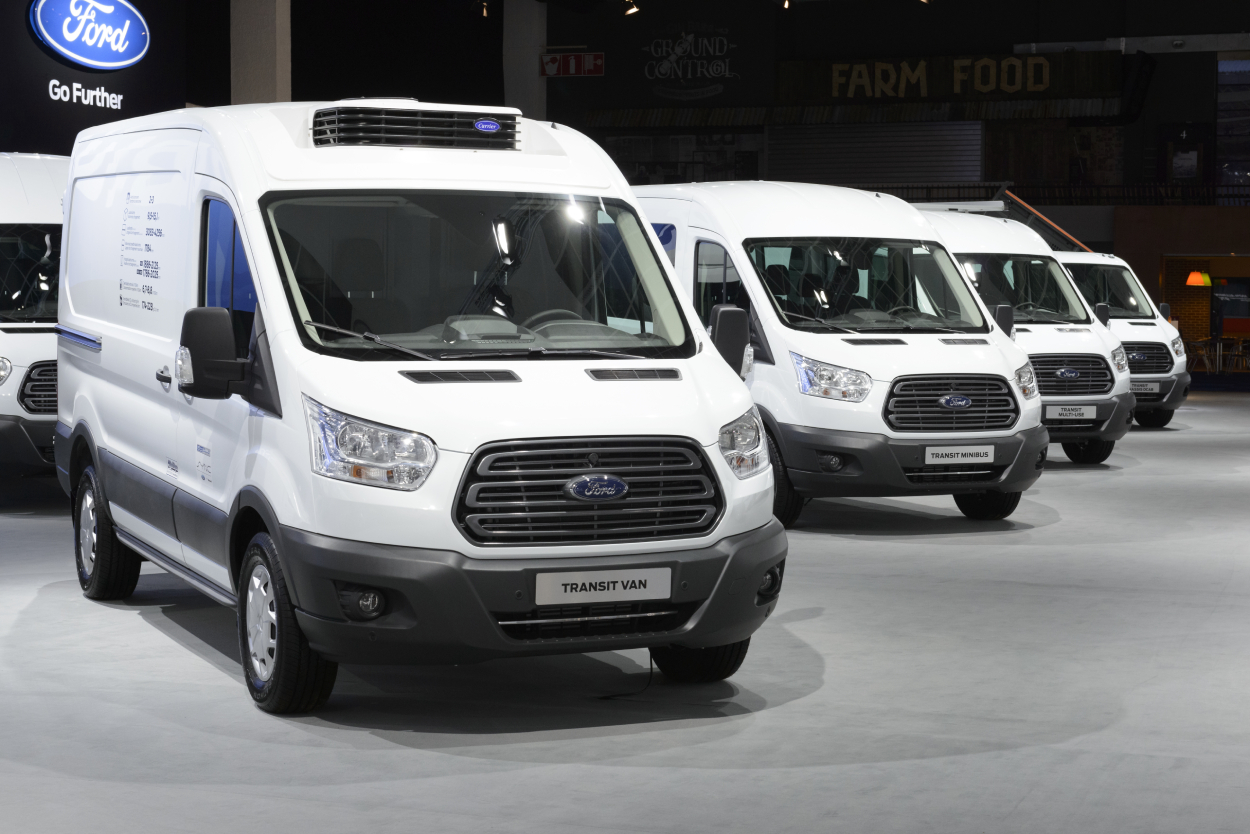
Best Ford Transit Model Years (Ranked)
The Ford Transit replaced the boxy E-Series in 2015 and quickly became America's best-selling full-size van, serving everyone from delivery fleets to camper-van builders. Sold in three roof heights, multiple wheelbases, and cargo, passenger, crew, and cutaway forms, it offers more configurations than almost any vehicle on the road.
The powertrain story matters most to used buyers: early vans ran a 3.7L V6, a 3.5L EcoBoost twin-turbo, or a 3.2L Power Stroke diesel, while the 2020 redesign brought a new standard 3.5L PFDi V6, a 10-speed automatic, and optional AWD. In 2022 Ford added the all-electric E-Transit.
This ranking sorts the best Transit model years by reliability, drivetrain, and value.
Direct Answer
The best overall Ford Transit is the 2020-2023 model with the 3.5L PFDi V6 and 10-speed automatic, which combines the most refined drivetrain, available all-wheel drive, and the strongest standard safety suite the van has offered. For shoppers focused on value, the best value is the 2017-2019 Transit with the 3.5L EcoBoost V6, which delivers 310 horsepower, strong towing, and proven durability at a used price well below a redesigned van.
The 3.2L Power Stroke diesel is torque-rich but mechanically complex, and the earliest 2015-2016 vans carried first-year quirks. Camper and cargo converters should prioritize the 2020-and-newer chassis for its AWD option and updated electronics.
1. 2020-2023 Transit (3.5L PFDi V6, 10-Speed, AWD) 🏆 BEST OVERALL
The 2020 redesign is the high point of the Transit line. Ford retired the old 3.7L for a new 3.5L PFDi V6 rated at 275 horsepower with both port and direct injection, paired to a smooth 10-speed automatic. Crucially, all-wheel drive returned as an option on gas models, a genuine advantage for snow-belt fleets and overlanding camper builds.
Standard Ford Co-Pilot360 driver aids added automatic emergency braking and lane-keeping.
This is the Transit to buy if your budget reaches it. The 10-speed shifts more crisply than the old six-speed, fuel economy improved, and the AWD system makes it the most capable base for a four-season van conversion. Reliability has been solid, with most complaints limited to minor electronics.
2. 2017-2019 Transit (3.5L EcoBoost V6) 💎 BEST VALUE

The pre-redesign 3.5L EcoBoost twin-turbo V6 is the value champion. It makes 310 horsepower and 400 lb-ft of torque, easily the strongest gas engine of the first generation and the best choice for towing or hauling a fully built-out camper. By 2017 Ford had ironed out early bugs and added a standard backup camera, so these vans drive well and arrive cheap.
The best value is a 2017-2019 EcoBoost cargo van in mid or long wheelbase. It costs thousands less than a 2020-plus van while delivering more power than the naturally aspirated engines. Watch for turbo-related maintenance and confirm the cooling system is healthy, but a well-kept EcoBoost Transit is a strong, affordable workhorse and conversion base.
3. 2022-2023 E-Transit (Electric Cargo Van)

The E-Transit brought full electrification to the line in 2022. It uses a 68 kWh usable battery and a rear-mounted motor producing 266 horsepower and 317 lb-ft of torque, with an EPA range up to 126 miles on the low-roof cargo configuration. DC fast charging peaks around 115 kW, and it shares the gas van's cargo dimensions and upfit-friendly body.
The limited range makes it a last-mile and urban-fleet specialist, not a road-trip van, but for routes under 100 miles a day the running-cost savings are substantial. Maintenance is minimal with no oil changes or transmission service. Buy the E-Transit if your duty cycle is predictable and local; skip it if you need long-distance flexibility.
4. 2024 Transit (Refreshed, 3.5L PFDi / EcoBoost)

The 2024 Transit carries the second-generation chassis forward with updated infotainment, a larger touchscreen, and continued availability of the 3.5L PFDi V6, the 3.5L EcoBoost, and optional AWD. As the newest and priciest used option, it has the shortest track record but the most current technology and the longest remaining factory warranty.
Buy this one if you want the latest cabin tech and design and are comfortable paying near-new pricing. The EcoBoost remains the muscle choice for heavy towing, while the PFDi V6 is the efficiency-minded default. For conversion builders, the modern electrical architecture and AWD option make a 2024 chassis a future-proof foundation, provided the premium over a 2021-2022 van fits your budget.
5. 2017-2019 Transit (3.7L Ti-VCT V6)

The naturally aspirated 3.7L Ti-VCT V6 was the standard first-generation engine, making 275 horsepower. It lacks the EcoBoost's torque but is mechanically simple and has a clean reliability record, making it a sensible pick for buyers who do not tow heavy and want the fewest things to go wrong.
By 2017-2019 the 3.7L was a known, durable quantity paired to the six-speed automatic. It works best in lighter cargo or low-roof passenger duty rather than fully loaded long-haul work, where it can feel underpowered with the taller high-roof bodies. For a no-drama used van at a fair price, a clean 3.7L Transit is an easy recommendation, especially for buyers who value simplicity over outright performance.
6. 2020-2023 Transit Passenger Van (XL/XLT)

The redesigned passenger Transit seats up to 15 occupants and benefits from the same 2020 upgrades: the 3.5L PFDi V6, 10-speed automatic, optional AWD, and Co-Pilot360 safety tech. It is a popular choice for shuttles, churches, large families, and tour operators who need flexible seating without stepping up to a commercial bus.
These passenger vans hold value well and are often fleet-maintained, so service records are easy to verify. Look for the adjustable and removable seating that makes reconfiguring the cabin simple. The high-roof versions add standing room.
For anyone moving people rather than cargo, a 2020-and-newer XLT passenger van is the most comfortable and safety-equipped option in the lineup.
7. 2017-2019 Transit (3.2L Power Stroke Diesel)

The 3.2L Power Stroke inline-five diesel makes 185 horsepower but a strong torque curve that suits heavy, constant-load work and long highway miles. Diesel fans like its fuel economy and pulling character, and it was a favorite for high-mileage delivery and RV conversions before Ford dropped it after 2019.
The catch is complexity and maintenance cost: the diesel adds DPF and emissions hardware that require diligent upkeep, and neglected examples can be expensive to fix. Buy a 3.2L diesel only with documented service history and confirmation the emissions system is healthy. For the right high-mileage buyer it is efficient and durable, but the gas EcoBoost is the easier ownership proposition for most.
8. 2015-2016 Transit (First-Year Models)

The original 2015-2016 Transit launched the platform in the US with the 3.7L V6, 3.5L EcoBoost, and 3.2L diesel options and a six-speed automatic. These were a major upgrade over the old E-Series in cargo volume, ride, and fuel economy, and they remain the cheapest way into a modern full-size van.
As first-year vehicles, they carried more teething issues than later models, including some early reports of driveline and electronics gremlins. They are now aging, so inspect for high-mileage commercial wear, rust in salt-belt states, and confirm any open recalls were addressed.
For a budget cargo hauler or a low-cost conversion donor, a clean 2015-2016 Transit can make sense at the right price.
9. 2020-2023 Transit Cutaway / Chassis Cab

The cutaway and chassis-cab Transits ship without a cargo box so upfitters can mount service bodies, box bodies, or RV cabins. The 2020-and-newer versions use the 3.5L PFDi V6 and 10-speed automatic, and AWD availability widened their appeal for plow and utility work in harsh climates.
These are bought for their upfit flexibility, not creature comforts, so evaluate them based on the quality and condition of whatever body has been mounted. A solid cutaway with a well-built service box is a productive commercial asset. For small Class B and Class C motorhomes, the modern Transit cutaway is a common and well-supported foundation, with strong parts availability and dealer service nationwide.
10. 2024 E-Transit (Extended-Range Battery)

The 2024 E-Transit improved the formula with a larger 89 kWh usable battery, extending real-world range beyond the original 68 kWh van and adding faster charging. The motor still delivers roughly 266 horsepower and 317 lb-ft of torque, keeping the same upfit-friendly cargo body.
It remains a fleet and last-mile tool rather than a long-distance van, but the bigger pack widens the daily-route envelope and eases range anxiety for busy delivery operations. As the newest electric option it commands the highest price and has the shortest history, so weigh the warranty and low running costs against the premium.
For an urban fleet ready to electrify, the 2024 extended-range E-Transit is the most capable battery van Ford offers.
What to Watch For When Buying
The single most important step is matching the engine to your duty cycle. The EcoBoost rewards towing and heavy loads but needs healthy turbos and cooling; the naturally aspirated 3.7L and 3.5L PFDi are simpler but less muscular; the 3.2L diesel is efficient yet maintenance-intensive thanks to its emissions hardware.
- Confirm the build configuration: roof height (low/medium/high), wheelbase, and cargo, passenger, crew, or cutaway form all change resale and usability.
- For 2020-and-newer vans, verify the 10-speed automatic shifts cleanly and, if equipped, that the AWD system engages without noise.
- On EcoBoost models, check coolant condition and listen for turbo whine; on diesels, confirm the DPF and emissions system are functioning and serviced.
- Inspect for commercial abuse: most Transits lived fleet lives, so check the cargo floor, suspension, and brakes for heavy wear, and look for rust in salt-belt vans.
- Run the VIN through Ford and NHTSA recall lookups and prioritize documented maintenance over a low sticker price.
How to Choose
Match the Transit to your job. For the best blend of refinement, safety, and all-weather capability, choose a 2020-2024 van with the 3.5L PFDi V6, 10-speed automatic, and optional AWD — the strongest base for a four-season camper conversion. For the best value with real power, a 2017-2019 3.5L EcoBoost cargo van is hard to beat.
Buyers who tow heavy should favor the EcoBoost; those who want maximum simplicity can take the 3.7L V6. High-mileage highway operators may still prefer the 3.2L diesel if its service history is clean. Urban fleets with short, predictable routes should consider the E-Transit, stepping up to the 2024 extended-range battery when budget allows.
FAQ
Which Ford Transit model years are the most reliable? The 2020-2023 vans with the 3.5L PFDi V6 and 10-speed automatic have the strongest record, benefiting from a refined drivetrain and standard Co-Pilot360 safety tech. The 2017-2019 gas vans are also dependable once early bugs were resolved.
Is the EcoBoost or the diesel Transit better? The 3.5L EcoBoost (310 hp, 400 lb-ft) is the better all-around choice for most buyers, offering strong power with simpler ownership. The 3.2L Power Stroke diesel (185 hp) is efficient and torquey but adds emissions hardware and higher maintenance cost.
Is the Ford Transit a good base for a camper van conversion? Yes. Its tall roof options, multiple wheelbases, and the 2020-plus availability of all-wheel drive make it one of the most popular DIY and professional camper-van platforms, with wide parts and dealer support nationwide.
How far can the Ford E-Transit drive on a charge? The 2022-2023 E-Transit offers up to about 126 miles of EPA range from its 68 kWh usable battery, while the 2024 extended-range version uses a larger 89 kWh pack for more daily flexibility.
Bottom Line
The Ford Transit is America's most versatile full-size van, and engine and model-year choice drive the value. The 2020-2023 PFDi V6 with the 10-speed automatic and optional AWD is the best overall pick, while the 2017-2019 EcoBoost delivers the best value with 310 horsepower at a lower price.
Diesel and electric versions serve specific niches. Whatever the configuration, verify the drivetrain, check for commercial wear, and confirm recall completion, and the Transit rewards buyers with unmatched flexibility for cargo, passengers, or a custom camper build.
Sources
- Ford USA official Transit and E-Transit model history and specifications, ford.com
- Wikipedia Ford Transit generations and technical specifications, en.wikipedia.org
- EPA Fuel Economy ratings and E-Transit range for Ford Transit by model year, fueleconomy.gov
- NHTSA recall database for Ford Transit, nhtsa.gov
- Edmunds Ford Transit passenger and cargo van generation reviews, edmunds.com
- Kelley Blue Book Ford Transit used values by model year, kbb.com