 Pulse Reviews and Analysis
Best Audi Q7 Model Years (Ranked)
 Curated by Kory White · Fractional CRO, CRO Syndicate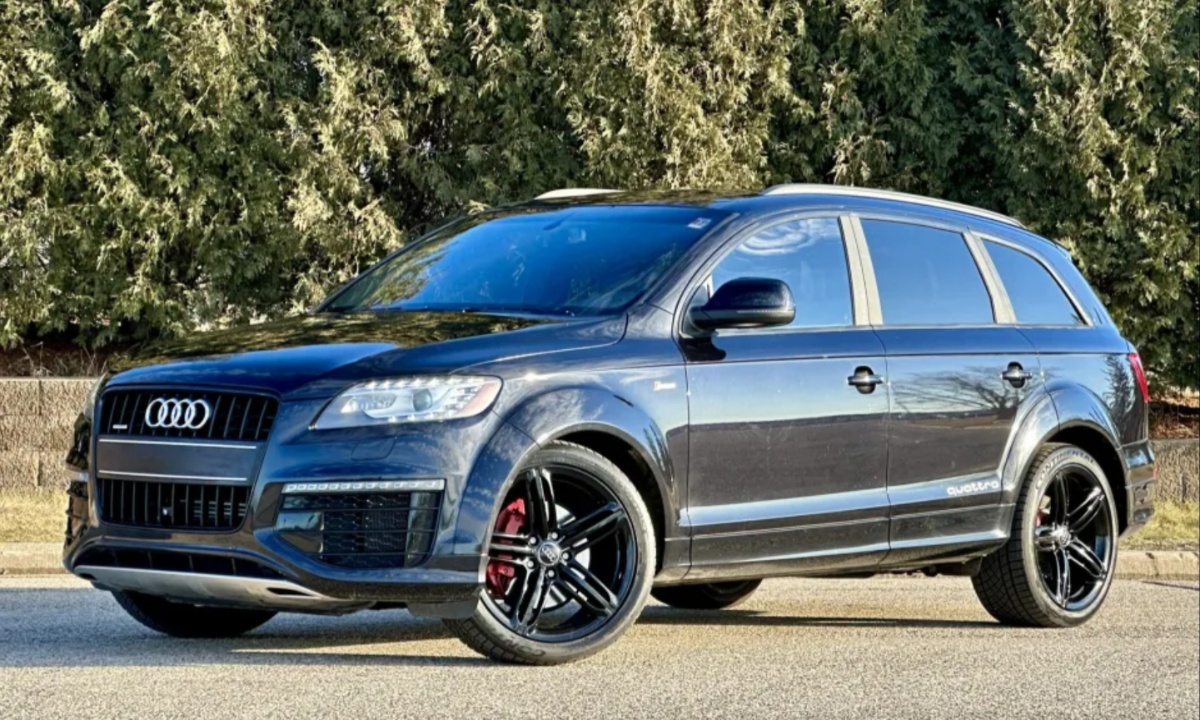
Best Audi Q7 Model Years (Ranked)
The Audi Q7 is a three-row luxury SUV that blends German engineering, a genuinely usable third row, and a quiet, composed ride. Across two generations it has offered everything from a thirsty 4.2L V8 and a torquey 3.0L TDI diesel to the smooth 3.0L supercharged V6 and today's mild-hybrid turbocharged engines.
The first generation (Typ 4L, 2007-2015) is heavier and more troublesome, while the second generation (Typ 4M, 2017-present) is lighter, more efficient, and far more reliable. Choosing the right Q7 means matching engine, model year, and known issues to your budget. This ranking covers the best Audi Q7 model years, their powertrains, the trouble spots used buyers should verify, and where the smart value lies on the used market today.
Direct Answer
The best overall Audi Q7 is the 2019-2023 second-generation (Typ 4M) model with the 3.0L turbocharged V6, which pairs 335 horsepower, a smooth eight-speed automatic, standard Quattro, and a refined cabin with the strongest reliability the nameplate has ever offered. For shoppers focused on value, the best value is the 2017-2018 second-generation Q7 3.0T, an early Typ 4M that delivers nearly identical luxury and capability at a steep depreciation discount.
Avoid the first-generation 4.2L V8 and the early diesel models unless service history is impeccable, as timing-chain and emissions issues make them costly. When in doubt, favor the second-generation 3.0T for the best blend of refinement and dependability.
1. 2019-2023 Second Generation (Typ 4M, Refreshed) — 3.0T 🏆 BEST OVERALL

The facelifted second-generation Q7 is the nameplate's high point. The 2020 refresh brought updated styling, a dual-touchscreen MMI interface, and a 48-volt mild-hybrid system paired with the 3.0L turbocharged V6 making 335 horsepower. Power flows through a smooth eight-speed Tiptronic and standard Quattro all-wheel drive, giving confident performance and a composed, quiet ride.
This is the Q7 to buy if your budget reaches a recent used example. Reliability is the best in the model's history, the interior is genuinely upscale, and the third row remains usable for kids. Standard driver-assistance tech and a long features list make it feel modern.
Verify the touchscreen electronics and any software updates, but mechanically these are the most trustworthy Q7s yet.
2. 2017-2018 Second Generation (Typ 4M) — 3.0T 💎 BEST VALUE

The early second-generation Q7 is the value champion. It introduced the lighter MLB Evo platform that shed roughly 700 pounds versus the old 4L, transforming handling and efficiency. The supercharged 3.0L V6 (333 hp) with an eight-speed automatic and standard Quattro delivers strong, smooth performance and the same upscale cabin as later cars.
The best value is a 2017-2018 Premium Plus 3.0T, which bundles leather, the Virtual Cockpit, and a roomy three-row interior at a used price well below newer examples. Steeper early depreciation works in the buyer's favor here. Watch for early-build electronics gremlins and confirm software updates, but the fundamentals are sound, making this the smart budget luxury three-row pick.
3. 2024-2025 Second Generation (Typ 4M, Final Years)

The latest Q7 model years carry the most current technology and the longest remaining factory warranty. They retain the 3.0L turbocharged V6 with mild-hybrid assist (now up to 335 hp in the base 55 TFSI) and offer the high-performance SQ7 with a twin-turbo 4.0L V8. A mild styling update, sharper infotainment, and refined materials keep the cabin competitive.
As the newest and most expensive used option, these have the shortest track record but the most polish. Early reliability impressions are strong, consistent with the dependable later 4M cars. Buy this one if you want the most up-to-date interior and design and are comfortable paying near-new pricing.
The standard Quattro and quiet ride remain class strengths.
4. 2019-2021 SQ7 — 4.0L Twin-Turbo V8
%25202020_web-453513-540282.jpg&w=240&h=240&fit=cover&a=attention&output=webp)
The SQ7 is the performance halo of the range. Its 4.0L twin-turbo V8 produces around 500 horsepower, launching this three-row SUV to 60 mph in roughly 4.3 seconds while retaining seating for seven. Standard Quattro, adaptive air suspension, and available rear-wheel steering make it shockingly agile for its size.
This is a niche pick, but a compelling one for buyers who want luxury, space, and genuine speed in a single vehicle. Running costs are high, with premium fuel, big tires, and complex hardware to maintain. Buy only with full service records and a confirmed clean inspection.
When healthy, the SQ7 is one of the most complete performance SUVs you can own, and depreciation makes used examples surprisingly attainable.
5. 2017-2018 Second Generation (Typ 4M) — 2.0T

For buyers prioritizing efficiency, the base 2.0L turbocharged four-cylinder (252 hp) is a sensible second-generation choice. It still pairs with the eight-speed automatic and standard Quattro, and while acceleration is more relaxed than the V6, it is perfectly adequate for daily family duty and returns better fuel economy.
These are typically the least expensive second-generation Q7s on the used market, since the four-cylinder is less sought after. That makes them a value within a value. Confirm the timing components and watch for the same early-build electronics quirks.
For a buyer who wants the modern 4M platform, light running costs, and a low entry price, a clean 2017-2018 2.0T is a smart, low-drama option.
6. 2013-2015 First Generation (Typ 4L, Refreshed) — 3.0T

The final first-generation Q7s with the 3.0L supercharged V6 are the most desirable of the older cars. By this point Audi had dropped the troublesome 4.2L V8 from the gas lineup, and the supercharged V6 (about 333 hp) offered strong performance with the proven eight-speed automatic and Quattro.
These are aging vehicles now, so inspect the timing chain and tensioner system, air suspension, and electronics carefully. The upside is very affordable pricing for a genuine three-row luxury SUV. A well-maintained 2013-2015 3.0T Q7 with documented service makes a serviceable budget hauler, though repair costs remain typical of a complex German SUV.
Favor examples with a thick maintenance file.
7. 2009-2010 First Generation (Typ 4L) — 3.6L V6

The naturally aspirated 3.6L VR6 (280 hp) was the mid-range first-generation engine, offering smoother and simpler operation than the V8 without the supercharger complexity of the later 3.0T. It avoids some of the highest-cost failure modes while still providing three-row capability and the classic early-Q7 road presence.
These are old, heavy vehicles, so expect the usual aging concerns: suspension wear, electronics faults, and timing-chain attention. Fuel economy is poor by modern standards. The appeal is rock-bottom pricing for a large luxury SUV.
Treat any survivor as budget transportation with a careful pre-purchase inspection, prioritizing one with consistent maintenance over a cheaper neglected example every time.
8. 2011-2015 First Generation (Typ 4L) — 3.0L TDI Diesel (Caution)

The 3.0L TDI V6 diesel delivered excellent torque and highway fuel economy, making it a favorite for long-distance and towing duty. However, it falls within the Volkswagen Group diesel emissions scandal, and affected U.S. Cars received emissions modifications that some owners report affected drivability.
The TDI is enjoyable and efficient when healthy, but the emissions-fix history and complex aftertreatment hardware make it a cautious buy. Only purchase one with documented emissions recall completion and full service history, and budget for potential EGR, DPF, and AdBlue system repairs.
For most buyers, the gas 3.0T versions of the same era are the simpler, lower-risk choice unless diesel torque and range are essential.
9. 2007-2008 First Generation (Typ 4L) — 4.2L V8 (Caution)

The launch-era 4.2L V8 (350 hp) gave the original Q7 strong straight-line performance, but it is the engine to approach with the most caution. The timing chain and tensioner system is a known weak point, and a failure can be catastrophic and very expensive to repair on this engine layout.
These early cars also carry the most accumulated wear in air suspension, electronics, and cooling components. The 4.2 is rewarding when perfectly maintained, but the repair risk weighs heavily against it. Buy only with complete records showing timing-chain service and no deferred maintenance.
For nearly all shoppers, a later 3.0T or, better, a second-generation Q7 is a far safer and smarter purchase.
10. 2007-2009 First Generation (Typ 4L) — 3.6L Early Builds

The earliest 3.6L VR6 first-generation Q7s round out the list as the most affordable entry into the nameplate. They share the era's three-row practicality and commanding road presence, but they carry the highest accumulated age and the longest list of potential deferred repairs.
Expect to address suspension bushings, control arms, water pumps, and aging electronics on any high-mileage example. There is little reason to seek one out except for that low entry price or as a project for a hands-on owner. Treat these as budget transportation rather than a polished daily driver, and only buy after a thorough pre-purchase inspection that confirms the timing components and cooling system are healthy.
What to Watch For When Buying
The most important step when buying a used Q7 is to match the generation and engine to your risk tolerance. The second-generation Typ 4M (2017 onward) is markedly more reliable than the first-generation 4L.
- Timing chain and tensioners are a known weak point on first-generation 4.2L V8 and supercharged 3.0T engines. Verify service history and listen for cold-start rattle.
- Air suspension (where fitted) can be costly to repair on older cars. Check ride height equalizes and there are no compressor faults.
- Diesel TDI emissions history must be confirmed, including completion of the Volkswagen Group emissions recall and any AdBlue, EGR, or DPF work.
- Electronics and MMI infotainment should be tested fully, especially on early second-generation builds. Confirm software updates were applied.
- Documented maintenance outweighs a low sticker price every time on a complex German luxury SUV. Always run the VIN through Audi and NHTSA recall lookups.
How to Choose
Match the Q7 to your priorities. For the best blend of refinement, reliability, and value, the 2019-2023 second-generation 3.0T is the answer, with the modern platform and the strongest dependability record in the model's history. For the best value with nearly identical luxury, a 2017-2018 3.0T captures the same experience at a steeper depreciation discount.
Buyers wanting maximum performance should target the SQ7 with its twin-turbo V8, accepting higher running costs. Efficiency-focused shoppers can consider the 2.0T four-cylinder. First-generation cars should be approached cautiously, favoring the later 3.0T and avoiding the 4.2L V8 unless records are flawless.
In every case, verify recall completion and prioritize a clean maintenance history.
FAQ
Which Audi Q7 years should I avoid? Be cautious with the 2007-2008 first-generation 4.2L V8, which has a known timing-chain weakness, and the 2011-2015 3.0L TDI diesel tied to the Volkswagen Group emissions scandal. Both can be costly to repair. The second-generation 3.0T models from 2017 onward are the safer, more reliable choice.
Is the second-generation Audi Q7 reliable? Yes. The Typ 4M introduced in 2017 rides on a lighter platform and has proven considerably more dependable than the first generation. The 3.0L turbocharged V6 with the eight-speed automatic is the recommended powertrain, and later facelifted cars from 2020 on are the strongest of all.
What is the difference between the Q7 generations? The first generation (Typ 4L, 2007-2015) is heavier, thirstier, and more troublesome, offered with 3.6L V6, 4.2L V8, 3.0T supercharged, and TDI diesel engines. The second generation (Typ 4M, 2017-present) is roughly 700 pounds lighter, more efficient, more reliable, and far more modern inside.
Which Q7 is best for families on a budget? A 2017-2018 second-generation 3.0T offers three-row capability, genuine luxury, standard Quattro, and a used price well below newer examples thanks to early depreciation, making it the smart budget family pick. A 2.0T can be even cheaper if outright power is not a priority.
Bottom Line
The Audi Q7 is a capable three-row luxury SUV, but generation and engine choice are critical to a worry-free purchase. The 2019-2023 second-generation 3.0T is the best overall pick, with strong performance and the model's best reliability, while the 2017-2018 3.0T offers the best value.
When shopping first-generation cars, favor the later 3.0T and avoid the 4.2L V8 and uncertain TDI diesels. Always confirm recall and service history through the VIN. Buy carefully and the Q7 delivers comfort, capability, and genuine luxury at a price that undercuts newer rivals.
Sources
- Audi USA official Q7 model history and specifications, audiusa.com
- Wikipedia Audi Q7 generations (Typ 4L and Typ 4M) and technical specifications, en.wikipedia.org
- NHTSA recall database including Volkswagen Group diesel emissions actions, nhtsa.gov
- Edmunds Audi Q7 generation reviews and used-car appraisals, edmunds.com
- Kelley Blue Book Audi Q7 used values by model year, kbb.com
- Car and Driver Audi Q7 and SQ7 reviews and performance testing, caranddriver.com