 Pulse Reviews and Analysis
Best Mitsubishi Eclipse Cross Model Years (Ranked)
 Curated by Kory White · Fractional CRO, CRO Syndicate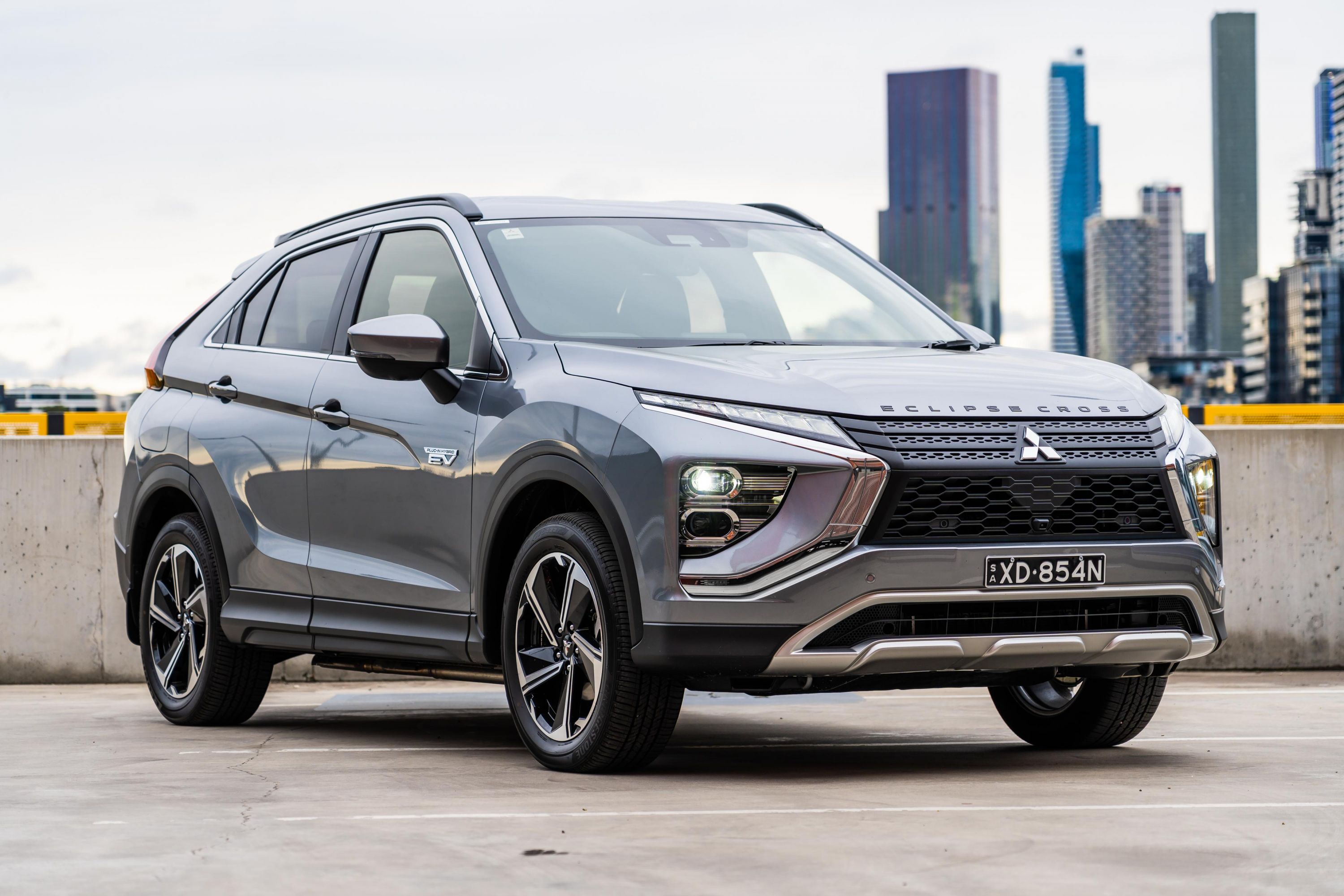
Best Mitsubishi Eclipse Cross Model Years (Ranked)
The Mitsubishi Eclipse Cross is a compact crossover that borrowed a storied sports-coupe name for a practical, value-focused SUV. Built on the GK platform and powered almost exclusively by a single 1.5-liter turbocharged four-cylinder (4B40) paired with a CVT, the Eclipse Cross has a fairly simple lineup, which makes choosing a model year mostly about the 2022 facelift, trim level, and whether you want front-wheel drive or S-AWC all-wheel drive.
Available since the 2018 model year in the US, it slots between the Outlander Sport and Outlander. This ranking covers the best Eclipse Cross model years, the engine and drivetrain choices, the early touchpad infotainment and CVT concerns to verify, and where the value sits today.
Direct Answer
The best overall Mitsubishi Eclipse Cross is the 2022-2024 facelifted model, which fixed the polarizing split rear window, added cargo space, dropped the awkward touchpad in favor of a touchscreen, and benefits from Mitsubishi's long 10-year/100,000-mile powertrain warranty.
For shoppers focused on value, the best value is the 2020-2021 model, which already received infotainment and styling refinements over the launch cars while selling for a noticeably lower used price. Across all years the 1.5L turbo and CVT are the only powertrain in the US, so prioritize a clean maintenance history, confirmed CVT fluid service, and the remaining balance of the strong factory warranty.
1. 2022-2024 Facelift (GK, Restyled) 🏆 BEST OVERALL

The mid-cycle facelift is the Eclipse Cross at its best. Mitsubishi lengthened the rear overhang, replaced the divisive two-piece rear window with a single conventional pane for better rearward visibility, and added cargo room. Inside, the much-criticized center touchpad controller was deleted in favor of a more usable touchscreen with Apple CarPlay and Android Auto.
The familiar 1.5L turbo (152 hp) and CVT carry over, with available S-AWC all-wheel drive. These are the newest examples, so they carry the most remaining 10-year/100,000-mile powertrain warranty and the freshest tech. If your budget reaches a recent used car, this is the Eclipse Cross to buy.
2. 2020-2021 Pre-Facelift (GK, Refined) 💎 BEST VALUE

The final pre-facelift years are the value sweet spot. By 2020 Mitsubishi had expanded standard driver-assistance features and added trim choices, and the 1.5L turbo with CVT had a couple of years of refinement behind it. These cars still wear the original split rear window and touchpad infotainment, but they sell for clearly less than the restyled 2022-plus cars while offering nearly the same daily experience and the same long warranty coverage.
The best value is a 2020-2021 SE or SEL with S-AWC, which bundles heated seats, blind-spot warning, and all-wheel-drive grip at an affordable used price. A clean example is an easy recommendation.
3. 2023 Eclipse Cross

The 2023 model year sits squarely within the facelift generation and is a strong pick for buyers who want a nearly new car without paying for the latest production. It retains the single-pane rear glass, touchscreen infotainment, and the 1.5L turbo/CVT combination with available S-AWC.
Standard equipment is generous for the class, with the SEL and Special Edition trims adding heated seats, leather, and a head-up display in higher specs. With several years of warranty remaining and the post-facelift improvements baked in, a 2023 Eclipse Cross delivers the best of the lineup at a price below a brand-new example.
4. 2024 Eclipse Cross

The 2024 model is the newest US Eclipse Cross and the last before Mitsubishi pivoted its US focus toward the Outlander family. It carries the facelift styling, touchscreen, and full safety suite, and as the most recent build it has the longest remaining factory warranty and the lowest mileage on the used market.
The trade-off is that it commands near-new pricing, so the value proposition is weaker than slightly older cars. Buy a 2024 if you want maximum warranty and the freshest condition, and you are comfortable paying a premium for the latest example of an otherwise unchanged package.
5. 2022 Facelift (First Year of Restyle)

The 2022 model year introduced the facelift, making it the first Eclipse Cross with the conventional rear window, added cargo space, and the deleted touchpad. As an early build of the restyle, it is worth confirming software is updated and that the infotainment behaves correctly, but the changes are mechanical and styling rather than a new powertrain, so there is little new-design risk.
The 1.5L turbo and CVT are well understood by this point. A 2022 example pairs the improved design with a slightly lower price than 2023-2024 cars, making it a sensible entry into the facelift generation.
6. 2019 Pre-Facelift (GK)

The 2019 Eclipse Cross is the second model year and a solid budget choice. It keeps the launch car's 1.5L turbo, CVT, and available S-AWC, with a few minor equipment tweaks over the 2018 debut. These cars still have the split rear window and the touchpad controller, which some owners find fiddly, and rearward visibility is compromised by the two-piece glass.
The upside is a low used price and, crucially, a meaningful chunk of the 10-year/100,000-mile powertrain warranty may remain depending on original sale date. Inspect the infotainment, confirm CVT service, and a 2019 makes a reasonable value commuter.
7. 2018 Launch Year (GK)

The 2018 model was the Eclipse Cross's US debut and the first year of the GK platform and 1.5L turbo. As a first-model-year car, it is the one most worth scrutinizing: early touchpad infotainment drew complaints, the split rear window hurts visibility, and any first-year software quirks should be confirmed resolved.
Mechanically the turbo and CVT are the same proven units used throughout the run. These are now the cheapest Eclipse Cross examples on the used market. Buy a 2018 only at a low price, with a clean inspection and documented CVT maintenance, and treat the powertrain warranty balance as a key bonus.
8. S-AWC All-Wheel-Drive Variant

Across every model year the S-AWC (Super All-Wheel Control) all-wheel-drive system is the variant to seek for snow-belt and poor-weather buyers. Mitsubishi's S-AWC is a genuinely capable system that distributes torque for confident traction, and it pairs naturally with the 1.5L turbo's low-end response.
AWD examples carry a small fuel-economy and price penalty over front-drive cars but add real all-weather security and tend to hold value slightly better. Whether on a pre-facelift 2018-2021 or a restyled 2022-2024 car, an S-AWC SE or SEL is the configuration most worth targeting for buyers outside warm, dry climates.
9. Front-Wheel-Drive Base ES Variant

For warm-climate, budget-minded buyers, the front-wheel-drive ES is the most economical way into an Eclipse Cross. It uses the same 1.5L turbo and CVT as pricier trims but drops S-AWC and some equipment, returning slightly better fuel economy and a lower purchase price. The trade-off is reduced foul-weather grip and a more basic interior.
As the value-oriented end of the lineup it is a sensible pick where snow is rare. Confirm the CVT has been serviced and the touchscreen or touchpad works correctly, and an FWD ES delivers turbocharged commuting at the lowest cost of entry.
10. Eclipse Cross PHEV (Non-US Variant)

In markets outside the US, Mitsubishi offered an Eclipse Cross PHEV (plug-in hybrid) built on the same platform as the Outlander PHEV, with twin electric motors, a battery pack, and electric-only driving range. It was never sold in the United States, which is why it ranks last for US buyers, but it is the most efficient and technically interesting Eclipse Cross for shoppers in Europe, Australia, and other regions.
Where available, the PHEV adds AWD via dual motors and meaningful electric range, at a higher price and weight. US buyers should disregard it; international buyers may find it the most compelling option.
What to Watch For When Buying
The Eclipse Cross has a simple lineup, so inspection focuses on a few specifics. Confirm the CVT has been serviced with the correct fluid at the recommended intervals, since CVT health is the single biggest long-term durability concern on any modern Mitsubishi; listen for unusual noise or hesitation during the test drive.
Verify the infotainment, especially on 2018-2021 cars with the touchpad controller, which is widely disliked and should be confirmed fully functional. Check that the split-rear-window cars still give acceptable rearward visibility for your needs, or favor a 2022-plus facelift with the single pane.
Critically, check the remaining 10-year/100,000-mile powertrain warranty, which transfers under its terms and is a major value point. Run the VIN through the NHTSA recall database and confirm any open recalls were addressed.
How to Choose
Match the Eclipse Cross to your priorities. For the best blend of design, usability, and warranty, target a 2022-2024 facelift with its single rear window, touchscreen, and remaining factory coverage. For the best value, a 2020-2021 pre-facelift car offers nearly the same experience for less money.
Snow-belt buyers should prioritize S-AWC all-wheel drive in any year, while warm-climate, budget shoppers can save with the front-wheel-drive ES. Bargain hunters can consider 2018-2019 cars but should accept the touchpad and split-window quirks. In every case, confirm CVT service history, check for open recalls, and lean on the long powertrain warranty as a safety net.
FAQ
Which Mitsubishi Eclipse Cross years should I avoid? There is no year with a catastrophic defect to avoid outright, but the 2018 launch model is the most worth scrutinizing for first-year software quirks and the disliked touchpad infotainment. If you want the best version, step up to a 2022 or newer facelift car with the improved rear window and touchscreen.
Does every Eclipse Cross use the same engine? In the United States, yes. All model years use the 1.5-liter turbocharged four-cylinder (roughly 152 hp) paired with a CVT, available with front-wheel drive or S-AWC all-wheel drive. A plug-in hybrid version existed only in overseas markets.
Is the Eclipse Cross reliable? It has generally average-to-good reliability for the class, with the CVT being the main long-term watch item. Mitsubishi's 10-year/100,000-mile powertrain warranty provides strong protection, so confirm fluid services were done and how much coverage remains.
What changed in the 2022 facelift? The 2022 update lengthened the rear, replaced the two-piece rear window with a single conventional pane for better visibility, added cargo space, and deleted the touchpad controller in favor of a touchscreen with Apple CarPlay and Android Auto. The powertrain was unchanged.
Bottom Line
The Mitsubishi Eclipse Cross is a simple, value-oriented compact crossover whose model-year choice mostly comes down to the 2022 facelift. The 2022-2024 restyled cars are the best overall pick, with the improved rear window, touchscreen, and the most remaining 10-year/100,000-mile warranty, while the 2020-2021 pre-facelift offers the best value.
Across all years the 1.5L turbo and CVT are the only US powertrain, so prioritize documented CVT service, confirm any open recalls, and pick S-AWC if you face winter weather. Bought carefully, the Eclipse Cross is a dependable, well-warranted commuter.
Sources
- Mitsubishi Motors official Eclipse Cross model history and specifications, mitsubishicars.com
- NHTSA recall and complaint database for the Mitsubishi Eclipse Cross, nhtsa.gov
- EPA Fuel Economy ratings for the Mitsubishi Eclipse Cross by model year, fueleconomy.gov
- Edmunds Mitsubishi Eclipse Cross reviews and used-car appraisals, edmunds.com
- Kelley Blue Book Mitsubishi Eclipse Cross used values by model year, kbb.com
- Car and Driver Mitsubishi Eclipse Cross reviews and the 2022 facelift coverage, caranddriver.com
- Wikipedia Mitsubishi Eclipse Cross generations and technical specifications, en.wikipedia.org