 Pulse Reviews and Analysis
Best Ford Galaxie Model Years (Ranked)
 Curated by Kory White · Fractional CRO, CRO Syndicate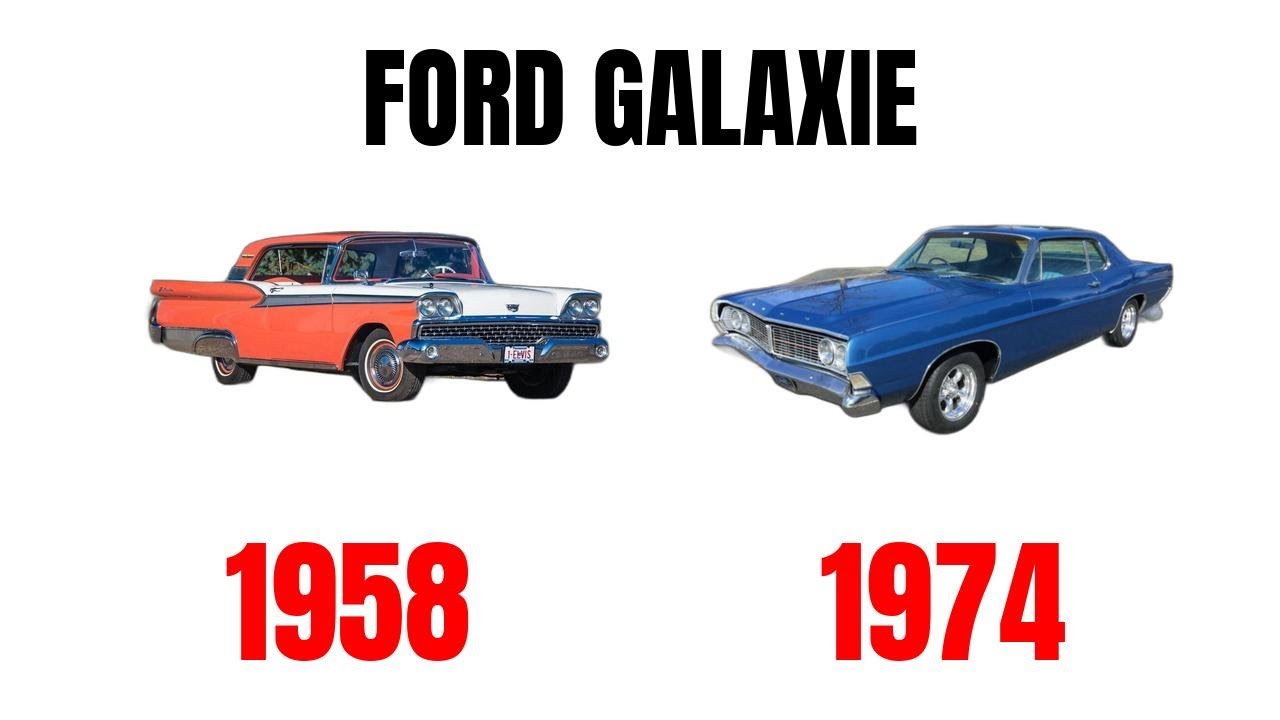
Best Ford Galaxie Model Years (Ranked)
The Ford Galaxie was Ford's full-size flagship from 1959 through 1974, spanning everything from chrome-laden cruisers to brutal NASCAR homologation specials and the legendary 427 cubic-inch big-blocks. For collectors today, the Galaxie is one of the most accessible classic American full-size cars, with a huge range of bodies, engines, and trim levels.
Choosing the right year matters enormously: a 1963½ Galaxie 500 with the 427 is a six-figure muscle icon, while an early-1970s sedan is affordable weekend transportation. This ranking covers the best Galaxie model years, their engines, body styles, drivability, and where the real value and collectibility sit on today's market.
Direct Answer
The best overall Ford Galaxie is the 1963½ Galaxie 500/XL, especially with the 427 big-block and the slick "fastback" semi-sloped roofline that dominated NASCAR and drag strips, combining genuine performance pedigree with handsome styling and strong collector demand. For shoppers focused on usability and price, the best value is the 1965-1966 Galaxie 500 with the 289 or 352 V8, which introduced a vastly improved coil-spring suspension, offers comfortable cruising, and remains plentiful and affordable on the used market.
The 1959-1960 cars are striking but quirky, and the 1969-1974 models are the cheapest entry points if originality and outright performance are not priorities.
1. 1963½ Galaxie 500/XL — 427 Fastback 🏆 BEST OVERALL

The 1963½ Galaxie 500/XL is the high-water mark of the nameplate. Ford introduced a mid-year semi-fastback "sports hardtop" roofline specifically to slice through the air on NASCAR superspeedways, and it worked: Galaxies dominated stock-car racing that season. Paired with the new 427 cubic-inch FE big-block rated at up to 425 horsepower in dual-quad form, this is a genuine factory hot rod.
The XL trim added bucket seats, a console, and upscale interior touches. Today a documented R-code 427 fastback is among the most valuable Galaxies, regularly reaching well into six figures at auction. Even a 390-powered 1963½ fastback is a desirable, handsome classic with real racing heritage and broad appeal.
2. 1965-1966 Galaxie 500 — 289/352 V8 💎 BEST VALUE

The 1965 redesign was a major engineering leap. Ford replaced the old front leaf-and-coil setup with a modern coil-spring suspension at all four corners, transforming ride quality into something genuinely smooth and quiet. The crisp, vertically stacked-headlight styling has aged beautifully.
The best value is a 1965 or 1966 Galaxie 500 hardtop with the 289 small-block or 352 FE V8, which delivers easy, reliable cruising without the cost of a big-block. These cars were produced in enormous numbers, so parts and clean survivors are plentiful and affordable. For a buyer who wants a comfortable, good-looking classic full-size Ford to actually drive, the mid-1960s Galaxie 500 is the smart money.
3. 1964 Galaxie 500/XL — 427
The 1964 Galaxie refined the 1963½ formula with cleaner, more sculpted sheet metal and continued NASCAR success. The 427 FE remained available in single and dual-quad forms, and the XL package again brought buckets, console, and brightwork.
A 1964 427 hardtop or convertible is a serious collector car, slightly less coveted than the 1963½ fastback but still highly prized for its performance credentials. The styling is widely considered some of the most attractive of the era. Lower-spec 1964 cars with the 352 or 390 are excellent, more attainable classics that share the same handsome lines and solid build, making 1964 a strong all-around year across the price spectrum.
4. 1960 Galaxie / Starliner — 352
The 1960 Galaxie is a dramatic, low, wide design that broke sharply from the chrome-heavy 1950s. The pillarless Starliner hardtop, with its graceful roofline, is the prize body style and a favorite among collectors who love early-1960s styling.
Engines ranged from the inline-six up to the 352 FE V8, and a rare 360-horsepower 352 "Interceptor" previewed the performance to come. These cars are scarcer than mid-1960s Galaxies and the styling is polarizing, but a clean Starliner has strong presence and a devoted following.
Mechanically simple and rewarding to restore, the 1960 is a distinctive, characterful choice for buyers who want something less common.
5. 1969-1970 Galaxie 500 — 390/429

The 1969 redesign brought a longer, lower, heavier body with hidden-headlight options on upper trims and a more formal look. The available 429 cubic-inch 385-series V8 delivered effortless torque for relaxed, quiet highway cruising.
These later Galaxies are far less expensive than the early-1960s cars, making them an affordable way into a big, comfortable classic Ford. They drive like the boulevard cruisers they were designed to be. Watch for rust in the lower body and trunk, and confirm the heavy drivetrain is healthy.
For a buyer who wants size, comfort, and V8 character on a budget rather than collector cachet, a clean 1969-1970 Galaxie 500 is a sensible, usable pick.
6. 1962 Galaxie 500/XL — 406

1962 introduced the Galaxie 500 and the sporty 500/XL sub-model with bucket seats and a console, sharpening the car's image. Performance buyers could order the new 406 cubic-inch FE V8, the immediate predecessor to the famed 427, rated up to 405 horsepower in tri-power form.
A genuine 406 1962 Galaxie is a rare and desirable early performance Ford, sought by FE-engine enthusiasts. The styling is clean and restrained, and the XL interior adds appeal. More common 352-powered cars are attractive and affordable classics.
The 1962 year is significant as the launch point for both the 500 nameplate and Ford's serious full-size performance program.
7. 1961 Galaxie — 390

The 1961 Galaxie carried over the low, wide profile with revised, cleaner styling and a final year for the beautiful Starliner bubble-top hardtop. This was the debut year for the 390 cubic-inch FE V8, including a high-output 375- and 401-horsepower tri-power version aimed at drag racers.
A 390 high-performance 1961, particularly a Starliner, is a genuine early-1960s muscle precursor and quite collectible. Standard cars with the 352 or six-cylinder make charming, affordable cruisers. The 1961 sits in a sweet spot for collectors who want elegant bubble-top styling combined with the start of Ford's big-block performance era, and prices remain reasonable relative to the later 427 cars.
8. 1967-1968 Galaxie 500 — 390 V8

The 1967-1968 Galaxie 500 grew larger and more refined, with a heavier emphasis on quiet luxury as the upscale LTD trim drew buyers upmarket. The 390 FE V8 was the workhorse engine, smooth and durable, paired with the C6 automatic.
These are comfortable, handsome cruisers that remain affordable today. Convertibles and clean hardtops carry the most appeal. As with all later full-size Fords, inspect carefully for rust in the rockers, floors, and trunk.
For a buyer who values a relaxed, spacious classic over performance bragging rights, a tidy 1967 or 1968 Galaxie 500 offers a lot of car for the money and straightforward V8 mechanicals.
9. 1959 Galaxie — 352

The 1959 Galaxie launched the nameplate, originally a top trim on the Fairlane 500 line with a distinctive Thunderbird-style squared roofline. It is the most overtly 1950s of all Galaxies, with prominent chrome and tailfins.
Engines ranged from the six up to the 352 FE V8. As the first year and a one-year-only body, the 1959 has historical importance and a unique look that stands apart from the sleeker 1960s cars. Survivors are less common, and the styling appeals to buyers who specifically want that late-fifties flavor.
It is a characterful, collectible starting point, though less practical and less valued for performance than the early-1960s models that followed.
10. 1971-1974 Galaxie 500 — 400/429

The final Galaxie generation grew very large and was increasingly overshadowed by the upscale LTD. Engines included the 351, 400, and 429 V8s, but emissions tuning and rising weight blunted performance considerably by the early 1970s.
These are the cheapest and most plentiful Galaxies, suited to buyers who want a big, soft-riding classic cruiser for very little money. They lack the collector value and crisp styling of the earlier cars, and 1973-1974 models carry heavier 5-mph battering-ram bumpers. Rust is the main enemy, so inspect thoroughly.
As budget classic transportation or a parade car, a clean 1971-1972 Galaxie 500 delivers comfort and presence without the early-Galaxie price.
What to Watch For When Buying
- Rust is the number-one concern. Inspect the lower fenders, rockers, floor pans, trunk floor, and frame rails on every Galaxie regardless of year, especially salt-belt cars.
- Verify engine codes. A true 427 or 406 car is worth far more than a tribute. Decode the VIN and data plate and look for documentation; many advertised big-blocks are swaps.
- Confirm body style desirability. Pillarless hardtops, fastbacks, and convertibles command a premium over four-door sedans.
- Check the FE-series engines for oil leaks, worn timing components, and overheating history. Parts are available but big-block rebuilds are costly.
- Inspect brakes and suspension. Pre-1965 cars have older suspension designs and most rely on drum brakes; budget for upgrades if you plan to drive regularly.
- Originality matters for collector value, but a well-sorted driver-quality car is often the better real-world buy.
How to Choose
Match the Galaxie to your goals. For investment-grade collectibility and performance heritage, the 1963½ 427 fastback and the 1964 427 lead, followed by genuine 406 and high-output 390 early cars. For the best blend of usability, comfort, and price, a 1965-1966 Galaxie 500 with the improved coil-spring suspension and a 289 or 352 V8 is the standout.
Buyers who simply want a big, affordable classic cruiser should look at the 1969-1974 cars, accepting lower collector value in exchange for low entry cost. In every case, prioritize a rust-free body and documented engine over a flashy paint job, since sheet metal and provenance drive both enjoyment and value.
FAQ
Which Ford Galaxie year is the most collectible? The 1963½ Galaxie 500/XL with the 427 big-block and fastback roofline is the most collectible, thanks to its NASCAR and drag-racing dominance. Documented R-code 427 cars are the most valuable, often reaching six figures, while 1964 427s follow closely behind.
What engines did the Ford Galaxie offer? Galaxies offered a wide range, from inline-sixes to small-block 289s and the FE-series big-blocks including the 352, 390, 406, and 427. Later 1969-1974 cars used the 351, 400, and 429 V8s. The 427 is the most prized for performance.
Are Ford Galaxies reliable to drive today? Yes, within reason. The V8s are robust and simple to maintain, and parts availability is good. Expect drum brakes and older suspension on pre-1965 cars, plus typical vintage upkeep. A well-sorted Galaxie makes a comfortable, dependable weekend cruiser.
What is the cheapest way into a Galaxie? The 1969-1974 Galaxie 500 sedans are the most affordable entry point, offering a big, comfortable V8 cruiser for modest money. They lack the collector value and styling of the early-1960s cars, but a clean, rust-free example is plenty of classic for the budget.
Bottom Line
The Ford Galaxie spans 16 model years and an enormous range of value, from six-figure race-bred icons to affordable budget cruisers. The 1963½ Galaxie 500/XL with the 427 fastback is the best overall pick, blending genuine performance heritage with handsome styling, while the 1965-1966 Galaxie 500 offers the best value with its improved coil-spring ride and plentiful supply.
Whatever year you target, favor a rust-free body and a documented engine, and the Galaxie rewards you with classic American full-size character.
Sources
- Wikipedia, Ford Galaxie generations, engines, and model history, en.wikipedia.org
- Ford Motor Company heritage and full-size model history, ford.com
- Hagerty Ford Galaxie valuation and buyer's guides, hagerty.com
- Hemmings Ford Galaxie buyer's guides and classified listings, hemmings.com
- NHTSA recall and safety database, full-size Ford records, nhtsa.gov
- Edmunds and Car and Driver classic Ford Galaxie reviews and history, edmunds.com / caranddriver.com