 Pulse Reviews and Analysis
How do you coach reps to surface hidden objections?
 Curated by Kory White · Fractional CRO, CRO Syndicate
Direct Answer
Coach reps to surface hidden objections by teaching them to trade certainty for candor: stop pitching, ask permission to hear the real concern, then use a small set of disarming questions that make it safe for the buyer to say what they actually think. The core move is the permission-plus-hypothesis question — give the prospect explicit permission to be blunt, then float the unspoken objection yourself ("Most people in your seat worry this is one more tool nobody adopts — is that on your mind too?").
As a manager, you don't coach this with a pep talk; you diagnose whether the rep has a skill, will, or knowledge gap, model the language in a 1:1, then drill it on real recorded calls using Gong or Chorus until the behavior is automatic. This is a 2027 skill: with longer cycles and larger buying committees, the objection that kills the deal is almost never the one said out loud.
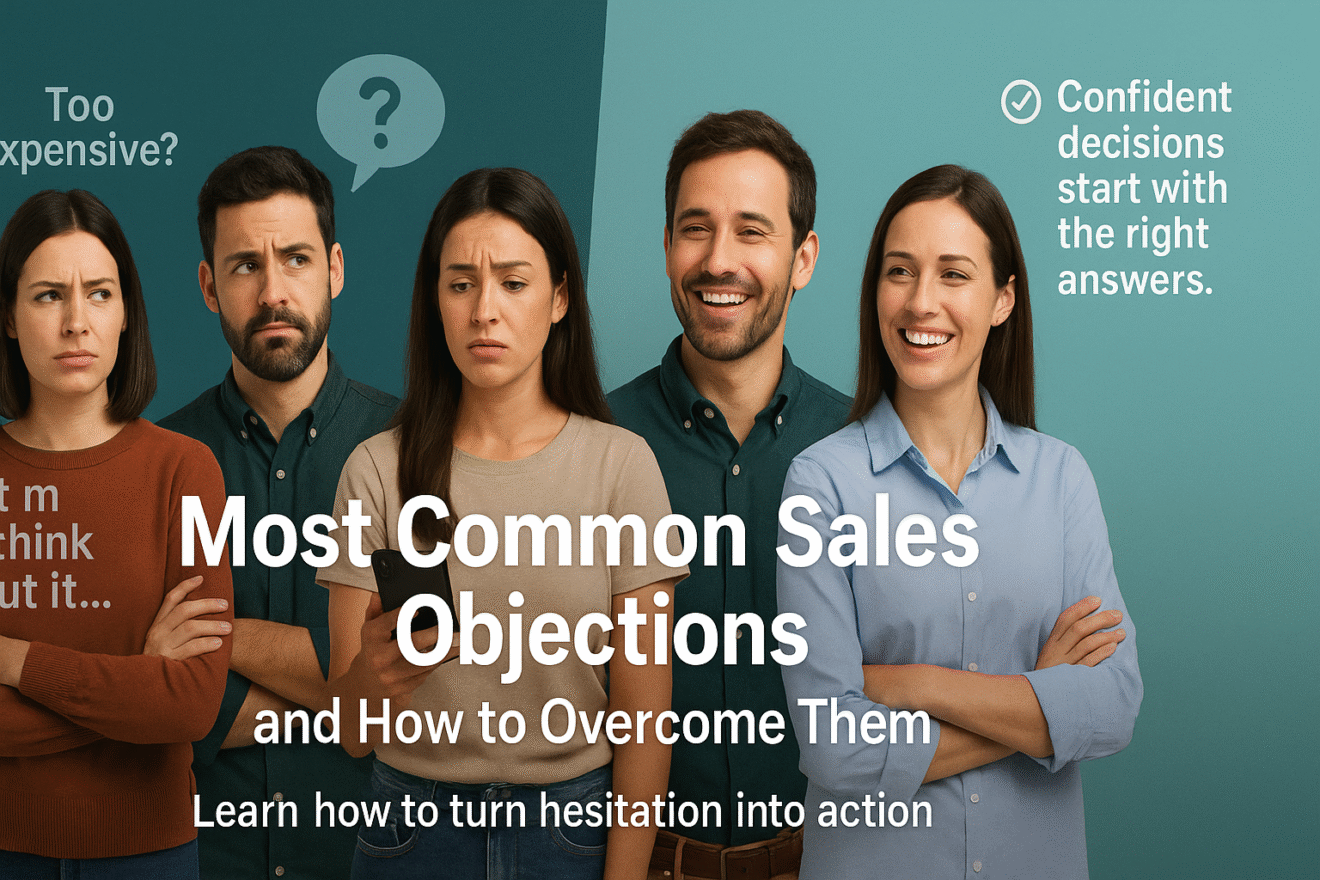
Why This Happens — Diagnose Before You Coach
A rep who can't surface hidden objections usually shows one of four root causes, and the fix for each is completely different. Coach the cause, not the symptom.
- Skill gap. The rep doesn't know the questions or the language. They ask "Any concerns?" get "Nope, looks good," and move on. This is the most common and the most coachable.
- Will gap. The rep is afraid of the answer. They avoid hard questions because surfacing an objection feels like inviting a "no." This is happy-ears behavior, and it's an emotional problem, not a technique problem.
- Knowledge gap. The rep doesn't understand the buyer's world well enough to guess what the unspoken objection even is. You can't float a hypothesis about budget timing or change-management fear if you don't know those exist in the account.
- System/territory gap. Sometimes the buyer genuinely has no hidden objection — the deal is dead for a structural reason (no budget, wrong champion, a competitor already wired in). No coaching technique fixes a bad-fit deal, and pretending otherwise burns the rep's time.
Run every stuck deal through this routing before you prescribe anything.
The Coaching Conversation
Run this in a 1:1 using the GROW model (Goal, Reality, Options, Will). Don't lecture — ask, then model the exact words. These scripts are verbatim and copy-pasteable.
Goal — set the target out loud. Open with: *"On the Meridian deal, what do you actually want to walk out of the next call knowing that you don't know now?"* You're forcing the rep to name that the buyer's real concern is the missing data.
Reality — listen to the call, don't take their word for it. Pull the recording and play the moment they asked for concerns. Then ask: *"When you said 'any questions?' and they said 'no,' what do you think they were actually thinking? What did their tone tell you?"* This builds the rep's awareness that "no concerns" is a stall, not a signal.
Options — hand them the language. Teach three moves and have them repeat each back in their own words:
- Permission to be candid. Model it: *"Can I ask you to be totally blunt with me for a second — even if it means telling me this isn't the right fit?"* Most buyers relax the moment you give them an exit. Disarming the buyer is the whole game.
- The hypothesis question. Model it: *"In my experience, when someone goes quiet at this stage, it's usually one of three things — budget timing, whether your team will actually adopt it, or quietly comparing us to someone else. Which one's closest?"* You name the unspoken objection so they don't have to.
- The cost-of-inaction question, then silence. Model it: *"If nothing changes and you stay on your current setup, what does that cost you over the next two quarters?"* — then shut up. The pause does the work. Teach the rep that whoever talks first loses the insight.
Will — lock the commitment. Close with: *"On your next three calls, you're going to run the permission-plus-hypothesis move at the close. Send me the recordings and we'll review the exact moment together Friday."* Make it specific, observable, and dated — or it won't happen.
The Coaching Plan / Cadence
One conversation doesn't change behavior; a 30/60/90 loop does. Surfacing hidden objections is a habit, and habits need repetition and feedback.
- Days 1–30 — Awareness and language. Two 1:1s a week. You model the scripts, the rep role-plays them with you, and you review one recorded call together each week, freezing on the close moment. Goal: the rep can say the permission-plus-hypothesis line without reading it.
- Days 31–60 — Live reps with feedback. The rep runs the moves on real calls. You spot-check three Gong recordings a week and leave timestamped comments. Shift from "here's the script" to "here's what you missed at 14:32."
- Days 61–90 — Independence and pattern library. The rep starts logging the hidden objections they uncover by persona and stage in Salesforce. They're now teaching the move to peers in team huddles. You audit win-rate on deals where an objection was surfaced versus not.
The weekly engine underneath the 90 days is a tight observe-and-correct loop.
Drills & Role-Play
Build the muscle with deliberate practice, not hope.
- The "say the no" drill. You play a buyer who has a hidden objection. The rep's only job is to surface it within four questions. Reset and repeat with a different hidden objection (price, adoption, competitor, timing) until they hit it fast.
- Recorded-call teardown. Each week, the rep brings one Chorus or Gong clip of a close moment. The team scores it on a simple scorecard: Did they ask permission? Did they float a hypothesis? Did they hold the silence? Did they confirm the real concern?
- The silence drill. Pair reps up. One asks a cost-of-inaction question, then must stay silent for a full ten seconds. Reps who fear silence are the ones who talk past the objection.
- Persona objection map. Have the rep write the three most likely hidden objections for each buyer persona they sell to. This converts a knowledge gap into a reusable hypothesis bank.
What to Measure
Don't wait for quota to tell you if the coaching worked — quota is a lagging indicator. Track leading indicators of behavior change.
- Objection-surfaced rate. What share of late-stage calls include a real, named concern from the buyer (pulled from Gong or Chorus transcripts)? "No concerns" calls should drop sharply.
- Stage conversion at the stall point. Watch the specific stage where deals used to die. If the coaching works, conversion through that stage climbs.
- Talk-to-listen ratio at the close. Reps surfacing objections talk less and pause more. Gong reports this automatically.
- Cycle time on saved deals. Deals where an objection got surfaced early should close faster or get qualified out faster — both are wins.
- Win-rate delta. Compare close rates on deals with a surfaced objection versus those without. This is the proof point you bring to your VP.
Common Mistakes Managers Make
- Rescuing the rep on the call. Jumping in to surface the objection yourself feels helpful but robs the rep of the rep. Coach before and after, not during.
- Coaching the deal, not the skill. Saving one deal is a transaction; building the skill is leverage across every future deal. Always abstract from "this deal" to "this move."
- No follow-through. A great 1:1 with no recording review by Friday teaches the rep that coaching is theater. The follow-up is the coaching.
- Coaching everyone the same. A confident rep with a will gap needs a different conversation than a green rep with a skill gap. Diagnose first.
- Treating a system problem as a skill problem. If the deal has no budget or no champion, no amount of disarming questions helps. Over-coaching a dead deal is how you lose a good rep's trust.
- Punishing the "no." If a rep surfaces an objection and you treat the resulting lost deal as a failure, you've just taught them to keep their ears happy again.
FAQ
How is a hidden objection different from a stated one? A stated objection ("your price is too high") is on the table and workable. A hidden objection is the real reason the buyer won't move — fear of internal adoption, a quiet competitor preference, or political risk — and it stays buried because the buyer doesn't trust the rep enough, or doesn't want the conflict, to say it.
The whole skill is making it safe to surface.
What's the single highest-leverage question to teach first? The permission-plus-hypothesis move: give the buyer permission to be blunt, then float the likely objection yourself. It works because naming the fear out loud lowers the social cost of admitting it. Teach this before anything else.
My rep says the questions feel pushy. How do I coach past that? That's a will gap dressed up as a style preference. Reframe it: the pushy thing is letting a buyer waste weeks on a deal that was never going to close. Asking permission first makes the questions feel like service, not pressure. Have them feel the difference in a role-play.
Can AI tools surface objections for us in 2027? AI call-coaching from Gong and Chorus is excellent at flagging where an objection was missed and scoring talk-to-listen ratio, which makes your coaching faster and more specific. But the human still has to ask the disarming question live.
Use AI to coach the rep, not to replace the conversation.
When should I stop coaching and qualify the deal out instead? When you've ruled out skill, will, and knowledge gaps and the deal still stalls because of a structural blocker — no budget, no real champion, a competitor already embedded. That's a system problem. Coach the rep to qualify it out cleanly and reinvest the time in a winnable deal.
Bottom Line
The deal-killing objection is almost never the one said out loud, so coach reps to make candor safe: permission first, then a hypothesis that names the unspoken concern, then silence. Diagnose whether the rep has a skill, will, or knowledge gap before you prescribe, model the exact language in a 1:1, and drill it on recorded calls until it's a reflex.
Measure the objection-surfaced rate, not just quota.
Sources
- Gong Labs: What top performers do differently on calls
- Harvard Business Review: The right way to handle sales objections
- RAIN Group: How to overcome sales objections
- Sandler: Uncovering the real objection
- Challenger / Gartner: Commercial insight and constructive tension
- Winning by Design: Sales coaching and the SPICED framework
- Salesforce: A guide to sales coaching
*Sales coaching for surfacing hidden objections — how to coach reps to uncover unspoken concerns, a sales manager coaching guide, rep objection-handling framework, and an objection-surfacing coaching playbook for 2027.*