
How do you coach reps to find and arm a champion in 2027?
 Curated byKory White · Fractional CRO · Maryland
 PULSEKNOWLEDGE LIBRARY
Quality
Certified

Coach reps to test a contact before trusting them: will they grant access to power, share sensitive internal information, and take action between calls? Only then arm them — a one-page business case in their language, a mutual action plan, and two-line answers to the objections they will face alone.
The outcome you should expect
The point of champion coaching is not that reps say the word "champion" more often in pipeline reviews. The outcome is a measurable change in deal shape: more contacts engaged per opportunity, more meetings with people who control budget, fewer deals that sit at 80% confidence for two quarters and then close-lost to "no decision."
Managers usually expect the wrong outcome. They expect win rate to move first. It doesn't. Win rate is the last thing to move because it is gated by the deals already in flight — deals that were single-threaded before the coaching started and will stay that way. What moves first is behavior, and behavior shows up in the CRM within two or three weeks if the coaching is real.
Here is the honest sequence. In weeks one through three you should see the rep's activity change: new contact records on existing opportunities, calendar invites that include a second or third name from the buyer's side, notes that contain a specific personal motivation rather than "he loves it." In weeks four through eight you should see deal hygiene change: mutual action plans attached to late-stage deals, close dates that move once with a reason instead of sliding silently every Friday. Somewhere between month three and month six — roughly one full sales cycle after the coaching lands — you should see slip rate on high-confidence deals fall, and only after that does win rate follow.

If your average cycle is 90 days, do not evaluate this coaching at 45 days. You will conclude it failed when it simply hasn't finished. If your average cycle is 30 days in a transactional motion, you get feedback fast, but you also have less room for a full arming ritual — the coaching compresses to the access test and a two-line business case, and the mutual action plan becomes a single confirmation email.
There is a second outcome worth naming, because it is the one that actually protects revenue: deals fail earlier. A rep who runs the three tests in week two of a cycle finds out in week two that their contact is a friendly coach with no reach. That deal gets requalified or worked differently instead of consuming eight weeks of demos, security review, and forecast credibility. Managers often read this as bad news — pipeline coverage drops in the first month. It isn't bad news. You traded fake pipeline for real information, and the RevOps team can now forecast against something honest.
The third outcome is durability. An armed champion survives things an unarmed one cannot: a reorg, a hiring freeze, a competitor's late-stage discount, a new CFO who wants every project justified again. When the champion can defend the case in your absence, the deal has a second engine. When they can't, every disruption is a full restart with you as the only source of energy.

What drives that outcome
Three mechanisms drive the result, and they compound in a specific order. Skip one and the next one has nothing to stand on.
Mechanism one: honest classification. Most pipeline rot starts with a labeling error. A coach gives you information; a champion spends political capital on your behalf. The rep who calls a coach a champion has, in effect, corrupted their own forecast data. Coaching the three tests fixes classification before it fixes anything else. In MEDDIC terms this is the C, and the reason it sits alongside Economic Buyer and Decision Process is that all three are about power — who has it, how it gets exercised, and whether anyone inside the account will spend it for you.
Mechanism two: transferred capability. A champion who understands your product is not the same as a champion who can *sell* your product. The gap between those two states is what arming closes. When the buying committee meets without you — and it always does — the conversation is carried by whoever can articulate the case fastest and most credibly. If your champion has a one-page document written in their CFO's vocabulary and two rehearsed sentences on "why now," they carry it. If they have a link to your website and a good feeling, someone else's narrative wins the room.

Mechanism three: distributed risk. Multithreading is not a vanity metric. It is insurance against a single point of failure. The average enterprise buying group runs somewhere in the six-to-ten range, and even mid-market committees regularly hit four or five once security, finance, and IT get involved. A deal held by one contact has a single failure mode that occurs constantly: that person changes jobs, gets reassigned, or loses an internal battle you never saw.
The diagram is a diagnostic, not a script. Its value is that it forces the manager to route to the right coaching response. A rep who never asks for access has a will problem and needs role-play until the ask stops feeling like an imposition. A rep who asks and gets refused has a deal problem — the contact is a coach, and the honest move is to find another route to power rather than to keep pressuring the only friendly person in the account. A rep who can't state the personal win has a discovery problem. These three failures look identical in a pipeline review ("I have a champion, we're just waiting on legal") and require completely different interventions.
The upstream effect on RevOps is worth flagging. Once reps consistently log the champion's personal win and the access status, those become inspectable fields rather than folklore. A forecast built on "does this deal have a tested champion, yes/no" is materially more accurate than one built on stage alone, because stage measures what your team did and the champion field measures what the buyer did.

Benchmarks and realistic ranges
Be careful with benchmarks here, because most published champion statistics are vendor-sourced and not directly comparable across segments. What follows are ranges to reason with, not laws — calibrate against your own CRM before you set targets.
Contacts per opportunity. Pull your own baseline first: median engaged contacts on closed-won versus closed-lost deals over the last four quarters. In most B2B teams the won deals show meaningfully more engaged contacts than the lost ones, and the gap widens with deal size. Set your target as "median of your won deals," not as an absolute number copied from a blog. For a team whose won-deal median is three, pushing every deal to seven is theater; pushing the single-threaded half of the pipeline to three is real work.
Access rate. Define it precisely: percentage of open, stage-3+ opportunities where the rep has held or scheduled a meeting with the economic buyer, and where that meeting came through the champion rather than around them. Teams starting this coaching often discover their true access rate is well under half of what managers assumed, because "I emailed the VP" was being counted as access. Expect the number to look worse before it looks better — you're replacing an optimistic self-report with a verifiable one.

Personal-win documentation. This is the cheapest metric to move and the best early signal. Percentage of stage-3+ deals with a specific, non-generic personal win logged. "Wants to modernize the stack" is generic. "Owns the Q3 board metric on support ticket volume and this is the only project attached to it" is specific. Aim for the field being populated on nearly every late-stage deal within a quarter — it costs one question on a call.
Mutual action plan coverage. Percentage of late-stage deals with a written plan the champion has acknowledged in writing. Note the acknowledgment requirement. A MAP the rep built alone and never sent is a forecast document, not a mutual plan, and it predicts nothing. Coverage tends to plateau around the point where reps stop sending MAPs to deals they secretly know are dead — which is itself useful information.
Slip rate on high-confidence deals. Track the percentage of commit-category deals that push at least one close date. Compare armed-champion deals against the rest of the team baseline. This is the metric that tells you whether arming, specifically, is working — separate from testing, which mostly shows up in access rate.
Time-to-disqualify. Median days from opportunity creation to closed-lost on deals that never find a champion. If champion coaching works, this number should drop. A team that used to carry hopeless deals for eleven weeks and now kills them at four has freed a meaningful share of selling capacity, even though the metric looks like nothing but losses.

One caution on targets: any metric a manager inspects weekly will get gamed within a quarter. Reps will add contact records for people they emailed once. The defense is spot-checking recordings, not adding more fields. Inspect three deals deeply rather than thirty shallowly.
Risks, edge cases, and failure modes
The manager becomes the champion. The most common failure is well-intentioned. The rep struggles, the manager joins the call, the manager wins the room. One deal is saved and the lesson learned is that escalation substitutes for skill. If you must join, join in a deliberately limited role — take one segment, let the rep run the access ask, and debrief on what the rep did rather than what you did.
Coaching a system problem as a skill problem. Sometimes there is genuinely no one in the account who benefits from your success. The budget holder is measured on something your product doesn't touch, and the friendly contact is a user with no reach. No amount of role-play fixes this. Coach the rep to name it honestly and either build a case for a different buying center or requalify. Grinding a rep about their "champion skills" on an account with no available champion is how you lose good reps.

Pressure that burns the relationship. Champion tests can be run clumsily. A rep who asks three times in one call for an introduction to the CFO reads as desperate, and the contact quietly disengages. Coach the tests as sequenced and low-friction: the small action ask first (forward this one-pager), the information ask second (who else has an opinion here?), the access ask last and framed as a benefit to the contact — you'll prep them so they look prepared in front of their own leadership.
The champion with no credibility. A person can pass all three tests and still be unable to move the deal, because internally they are not respected. This is the hardest edge case to detect from outside. The tell is usually indirect: they can't get meetings scheduled on their own calendar authority, they defer constantly to a peer, or the answers they bring back sound like they were filtered through someone else. The coaching move is to find a second thread — not to abandon the champion, but to stop betting the whole deal on their internal standing.
Champion turnover. In volatile markets, a meaningful share of long-cycle deals will lose their champion to a job change or reorg before close. Deals with a single champion restart from zero; deals with a secondary thread survive. Coach reps to treat "who else would carry this if my champion left tomorrow?" as a standing question in every deal review of a cycle longer than 60 days.

Over-instrumentation. RevOps teams sometimes respond to champion coaching by building six new required fields. Reps then fill them with garbage to clear the validation rule, and the data becomes worse than none. Two fields — champion status and personal win — inspected honestly beat six fields inspected never.
Compressed cycles. In a transactional motion with a 21-day cycle and a single decision-maker, full arming is overkill and slows deals. The adaptation is proportional: run the action test only, and replace the arming kit with a single recap email the buyer can forward. Applying enterprise champion ritual to a self-serve motion is a real failure mode, not a theoretical one.
Renewals and expansion. The adjacent case people forget: in a renewal, the champion who bought may no longer be the champion who renews. Budget ownership often shifts to a different function after year one, especially once the product touches more teams. Coach account managers to re-run the tests at renewal rather than assuming the original relationship still carries power — the customer success motion inherits this problem directly, and it is where most "surprise" churn originates.

A practical rollout plan
Roll this out as a repeating loop tied to your existing deal-review cadence rather than as a training event. Training events decay; loops compound.
Weeks 1–2: baseline and language. Pull the numbers first — contacts per opportunity on won versus lost, current access rate, MAP coverage. Share the baseline with the team without blame. Then establish the vocabulary in one short session: coach versus champion, the three tests, what arming means. Keep it under an hour. The session is not where learning happens; it's where the shared language gets set so the weekly loop has something to reference.
Weeks 3–6: manager-led, co-piloted. Every weekly 1:1 covers the rep's top three deals against the three tests. The manager and rep co-write one business case together — actually write it, in the meeting, in the champion's words. Role-play the access ask with the manager playing an evasive contact. Review one real recording per week and diagnose it against the tests. The rep is not expected to run this alone yet.
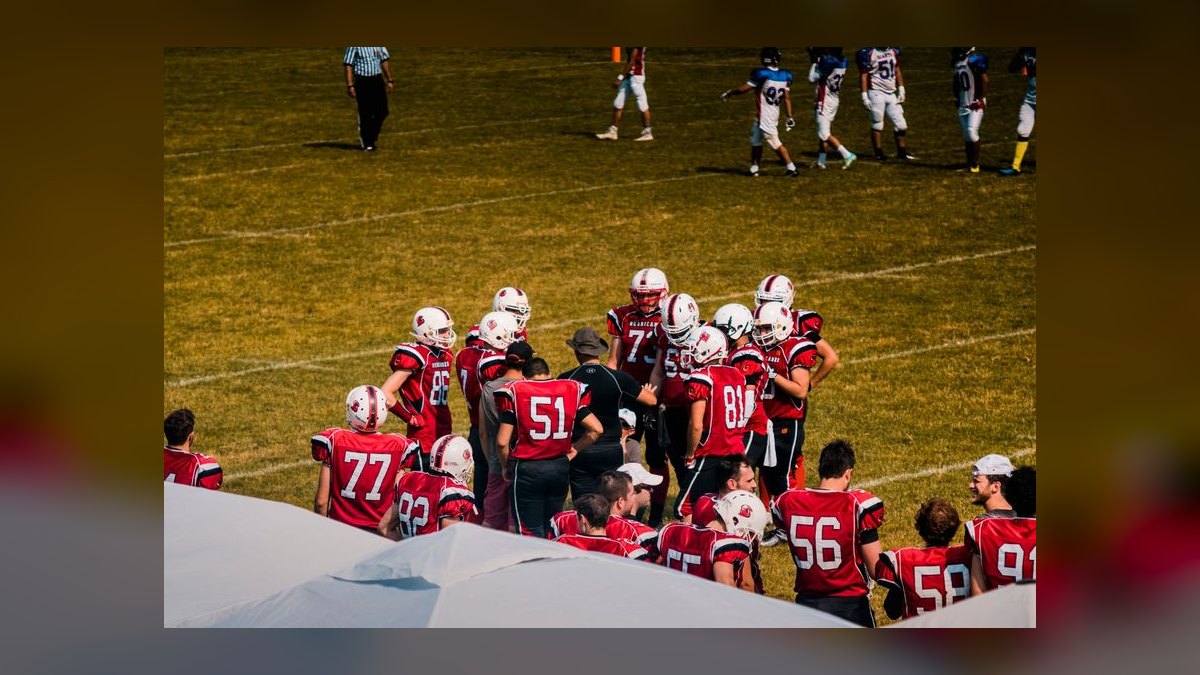
Weeks 7–12: rep-led, manager-inspected. The rep runs the tests and the arming conversation live; the manager reviews recordings after the fact rather than rehearsing before. Feedback shifts from "here's what to say" to "here's what happened when you said it." Add the arming rehearsal drill — the manager plays the skeptical CFO the champion will face alone, and the bar is that the manager, playing the champion, can repeat the case back correctly.
Week 13 onward: inspect outcomes only. The manager stops coaching the mechanics and starts inspecting results: access rate, MAP coverage, slip rate. Mechanics coaching resumes only for reps whose numbers stall.
A few implementation notes that decide whether this survives contact with a real quarter. Differentiate the coaching by rep: a confident rep who skips the tests needs discipline coaching, while a timid rep who never asks for access needs courage coaching, and treating them identically wastes both. Coach the skill rather than the deal — telling a rep "go get the VP meeting" moves one opportunity and teaches nothing, while coaching the repeatable move improves the next ten. Keep the arming kit short enough that a champion will actually use it: one page, their language, their CFO's metrics, two sentences on why now versus doing nothing. And give RevOps something to report on — if the champion fields never appear in a dashboard, the coaching quietly disappears the first week the quarter gets tight.
Related questions
How long before champion coaching shows up in win rate?
Roughly one full sales cycle after behavior changes — often three to six months in enterprise. Behavior metrics like access rate and contacts per deal move in two to four weeks. Judging the program on win rate at 45 days in a 90-day cycle guarantees a false negative.
What if the rep's contact refuses every access request?
Treat it as information, not failure. A contact who blocks all access to power is a coach, and the deal needs a second path — a peer, a user community, or an executive-to-executive introduction. Coach the rep to keep the relationship warm while building a parallel thread.
Should SDRs be coached on champions too?
Partly. SDRs rarely arm a champion, but they should be coached to identify who has power during qualification and to note the personal motivation they hear. That handoff detail saves the AE two weeks of rediscovery and improves opportunity quality at the source.
Does this apply to renewals and expansion?
Yes, and it's frequently skipped. Budget ownership often moves to a different function after year one. Account managers should re-run the three tests at renewal rather than assuming the original champion still holds power, since stale champion assumptions are a common cause of surprise churn.
What should RevOps actually track for this?
Two fields, inspected honestly: champion status (tested versus assumed) and a specific documented personal win. Layer access rate and MAP coverage on top as derived metrics. Adding six required fields produces compliance data, not truth, and degrades the forecast it was meant to improve.
FAQ
What's the difference between a coach and a champion?
A coach gives you information and generally likes what you're selling, but has no power and no personal stake in your success. A champion spends political capital on your behalf — they argue for you in meetings you aren't in, and they lose something if the project dies. Reps routinely mistake enthusiasm for advocacy, which is why the tests exist: warmth is not evidence.
How do I test whether someone is a real champion?
Three behaviors, sequenced from low to high friction. Action: did they do something for you between calls, like forwarding a document or scheduling an internal conversation? Information: have they told you something about internal politics, budget timing, or competitive pressure that they didn't have to share? Access: will they introduce you to the person who controls the money, and will they do it with you rather than instead of you?
What exactly do I arm a champion with?
Three artifacts, all short. A one-page business case written in their vocabulary and their CFO's metrics — not your feature list. A mutual action plan with dates that both sides have acknowledged in writing. And two rehearsed sentences answering "why now, and why this instead of doing nothing," because that is the question that gets asked in the meeting you aren't invited to.
Why do deals still slip when the rep swears they have a champion?
Usually because the champion was never tested or never armed. An untested champion is often a coach with good manners. An armed-but-untested champion has documents but no reach. And even a genuine champion can lack internal credibility — they believe in the project and nobody senior listens to them. Test for behavior, then arm, then build a second thread.
How do I coach a rep who avoids asking for executive access?
That's a will gap, not a skill gap, and it responds to rehearsal rather than instruction. Role-play the ask with yourself playing an evasive contact who deflects three different ways. Reframe the request as a favor to the contact — you'll prepare them so they look sharp in front of their own leadership. Repetition removes the fear faster than explanation does.
Can the champion sit outside the formal buying committee?
Sometimes, but it raises risk. A champion needs enough influence to shape the decision even if they don't sign. If they're several layers removed, they can't defend the case when the committee meets, and the deal becomes vulnerable to whoever is in the room. If your only advocate is peripheral, treat finding a second, closer thread as the priority.
Sources
- MEDDIC Academy — The Champion in MEDDIC
- Gartner — The B2B Buying Journey
- Harvard Business Review — The New Sales Imperative
- Gong Labs — Sales research and call analysis
- RAIN Group — Sales Coaching Research and Best Practices
- Winning by Design — Revenue Architecture resources
- Challenger — Mobilizers and the buying committee
- Salesforce — Sales coaching resources
- CSO Insights / Korn Ferry — Sales performance research
Related on PULSE
- What question do you ask a champion to ensure they have the internal credibility to sell your solution for you?
- How do you coach reps to sell to executives?
- How do you coach reps to improve their lead-to-opportunity rate?
- How do you coach reps to handle silence and pauses on calls?
- How do you coach reps you never see in person?
- How do you coach reps across multiple time zones?
This page will be disappearing soon. Save it to your device for $1 — or read it free while it is here.
@Kory-White- · if Venmo asks, the last 4 of my number are 2012
This page is gone.
This one is off the shelf now. $1 keeps it on your phone for good — the whole page, pictures and diagrams included.
 sales-coachingHow do you coach reps to improve their lead-to-opportunity rate in 2027?
 sales-coachingHow do you coach reps to handle 'I'm not interested' on a cold call in 2027?
 sales-coachingHow do you coach a rep to forecast a deal honestly in 2026?
 sales-coachingHow do you balance coaching and accountability in a 1:1 in 2027?
 sales-coachingHow do you coach a rep over video without losing connection in 2027?
 sales-coachingHow do you build a repeatable sales coaching framework in 2027?
 sales-coachingHow do you coach reps to keep their pipeline 3x covered in 2026?
 sales-coachingHow do you coach a rep through a performance improvement plan in 2027?
 sales-coachingHow do you coach a sales team through a major change like a new product in 2026?
 sales-coachingHow do you coach a rep back from a long slump in 2026?