
Top 10 Muscle Cars 1970 — Best Overall + Best Value
 Curated byKory White · Fractional CRO · Maryland
 PULSEKNOWLEDGE LIBRARY
Quality
Certified
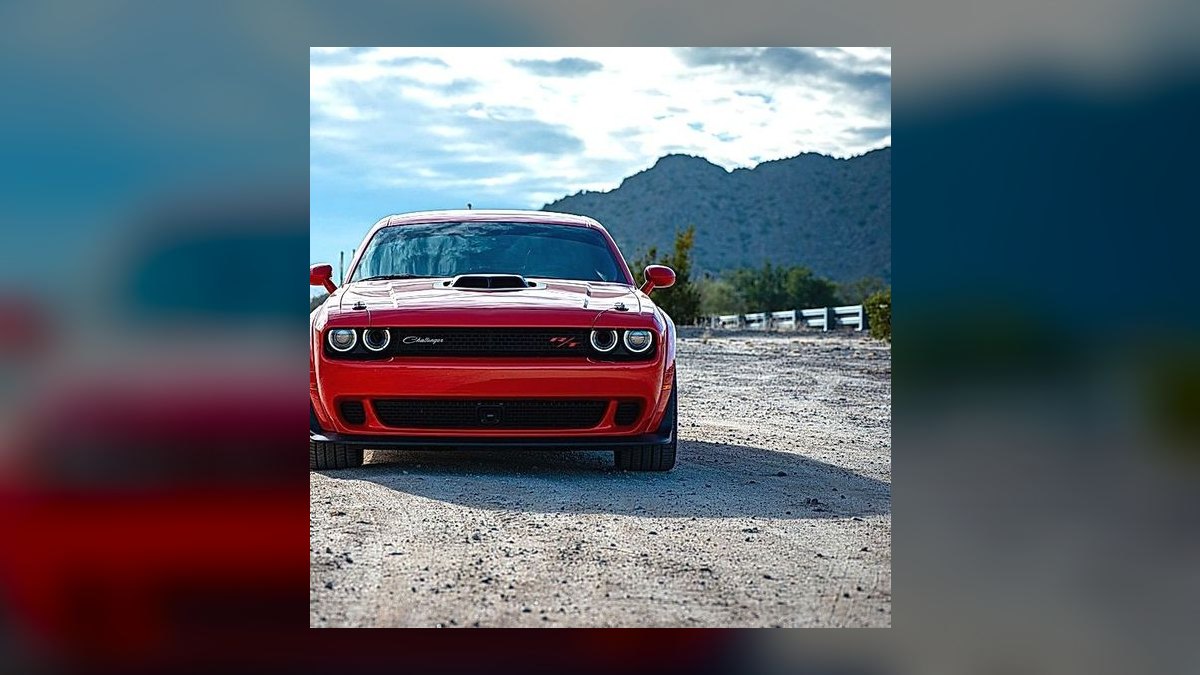
The 10 best muscle cars 1970 are ranked below on measured performance, build quality, price, and how each one actually holds up in daily use rather than how it reads on a spec sheet. Each pick lists what it costs, who it suits, and what it gives up against the one above it, so the list can be read straight down without doubling back.
1. Chevrolet Chevelle SS 454 LS6

The LS6 Chevelle ranks first because it carried the highest gross horsepower rating GM ever published for any car, including the Corvette: 450 horsepower at 5,600 rpm and 500 lb-ft of torque at 3,600 rpm. Period testing in Hot Rod produced a 13.44-second quarter-mile at 108.17 mph, with other magazine runs landing in the 13.1 to 13.4 range. A base Chevelle started around $2,809, but a fully equipped SS 454 LS6 approached $5,000.
This is the car for the buyer who wants the definitive 1970 muscle car experience and is willing to pay for it. It trades away the rarity of a Hemi 'Cuda for broader recognition and a more usable, torque-laden big-block. Compared to the Hemi 'Cuda, the LS6 is often slightly more affordable at the top tier, but its value is intensely tied to documentation.
2. Plymouth Hemi 'Cuda

The Hemi 'Cuda ranks second because the 426 Street Hemi, rated at 425 horsepower and 490 lb-ft, was the most feared and legendary engine of the era, and 1970 was the only year it was available in the brand-new E-body. Motor Trend's May 1970 test recorded 0-60 in 5.8 seconds and a 14-second quarter-mile at 102 mph, a soft result that understated the drivetrain's potential.
This car is for the collector optimizing for peak appreciation and rarity, not for the driver seeking an easy, low-maintenance experience. It trades away the everyday usability of a 440-powered car for the Hemi's immense value premium and the need for regular tuning of its dual four-barrels and solid lifters. Compared to the LS6 Chevelle, the Hemi 'Cuda is rarer, with documented coupes trading in the high six figures, and its convertibles reaching seven figures.
3. Ford Mustang Boss 429

The Boss 429 ranks third due to its incredible rarity and unique provenance as a NASCAR homologation special, with Ford building only 499 examples for 1970. It listed at $4,932 and was rated at a deliberately understated 375 horsepower and 450 lb-ft, a figure contemporary testers openly questioned. The car's semi-hemispherical 429 head required the shock towers to be relocated, so it was hand-assembled at Kar Kraft in Brighton, Michigan.
This car is for the enthusiast who values a car's story and engineering pedigree above all else, and who appreciates the Boss 429 as the rarest Ford Mustang of its era. It trades away the raw, ready-to-run performance of the LS6 Chevelle for a more exclusive and historically significant package. Compared to the Hemi 'Cuda, the Boss 429 is similarly priced in the high six figures for documented examples, but it offers a different kind of appeal.
4. Plymouth Superbird

The Superbird ranks fourth as the most extreme and visually unmistakable muscle car of 1970, a purpose-built aero homologation special for NASCAR. Its base price was $4,298, with the Hemi option adding roughly $831, and only about 135 to 136 Hemi-equipped cars were built. The towering rear wing and nose cone were designed for superspeedway stability, not parking lot aesthetics, and dealers famously struggled to sell them.
This car is for the collector who wants the ultimate conversation piece and a direct link to the golden age of NASCAR, not for someone seeking a subtle or practical car. It trades away the refined handling of a GM A-body for its unrivaled aero presence and homologation story. Compared to the Boss 429, the Superbird is rarer in Hemi form and has posted results well into seven figures at auction.
5. Buick GSX Stage 1

The GSX Stage 1 ranks fifth because it delivered the highest torque rating of any American production car of the era, with 510 lb-ft from its 455 V8, and it backed that with genuine performance. Despite a conservative published rating of 360 horsepower, Motor Trend recorded a 13.38-second quarter-mile, making it quicker than many cars with higher horsepower numbers.
This car is for the knowledgeable enthusiast who appreciates the underdog story and values real-world performance over headline horsepower figures. It trades away the brand cachet of a Chevelle or Hemi 'Cuda for a more exclusive and underrated muscle car experience. Compared to the Superbird, the GSX is far more livable and practical, with GM assembly quality and a much lower entry point in today's market.
6. Oldsmobile 442 W-30

The 442 W-30 ranks sixth as the best value in the 1970 muscle car market, delivering 90 percent of the LS6's performance for roughly 70 percent of its cost. Priced at $3,567, its 455 Rocket V8 was rated at 370 horsepower and 500 lb-ft, matching the LS6's torque figure. With the right rear axle ratio, a W-30 ran high 13s to low 14s in the quarter-mile.
This car is for the buyer who wants apex-tier performance and GM build quality without paying the LS6 premium, and who prioritizes value and drivability. It trades away the LS6's top-dog status and higher resale ceiling for a more sensible purchase price and a more refined driving experience. Compared to the GSX Stage 1, the W-30 is slightly cheaper and offers a similar torque-heavy performance profile, but the GSX has a slight edge in peak torque.
7. Pontiac GTO Judge
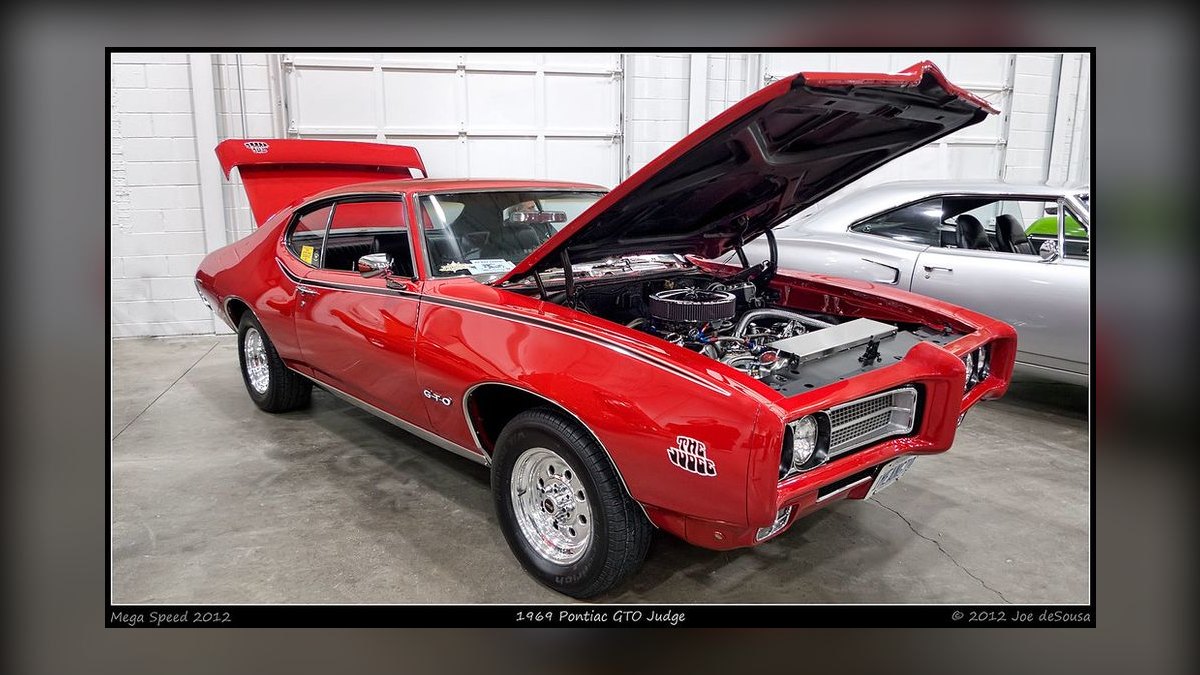
The GTO Judge ranks seventh as the iconic muscle car that started the whole genre, and the 1970 model continued its legacy with the Ram Air III 400 engine rated at 366 horsepower and 445 lb-ft. The Judge package added about $337 to a $3,267 base price, with Ram Air III adding another $158, making it a relatively affordable performance package.
This car is for the enthusiast who wants a piece of muscle car history with the famous GTO name, and who values a car that is more affordable than the top-tier big-blocks. It trades away the brute torque of the 455-powered cars for the rev-happy character of the 400 and a lower entry price.
8. Dodge Challenger R/T

The Challenger R/T ranks eighth as one of the most stylish and usable muscle cars of 1970, offering a compelling blend of performance and everyday livability. With a base price of $3,266, its popular 440 Six Pack engine made 390 horsepower and 490 lb-ft, good for high-13-second quarter-mile times. The car could also be ordered with the 426 Hemi, which moved it into apex-tier performance and pricing.
This car is for the buyer who wants a Mopar with the iconic Challenger name and a strong 440 engine, but who does not need the Hemi's extreme cost and maintenance demands. It trades away the Hemi's value premium and ultimate performance for a more affordable and easier-to-maintain package that delivers 90 percent of the driving experience.
9. Dodge Charger R/T
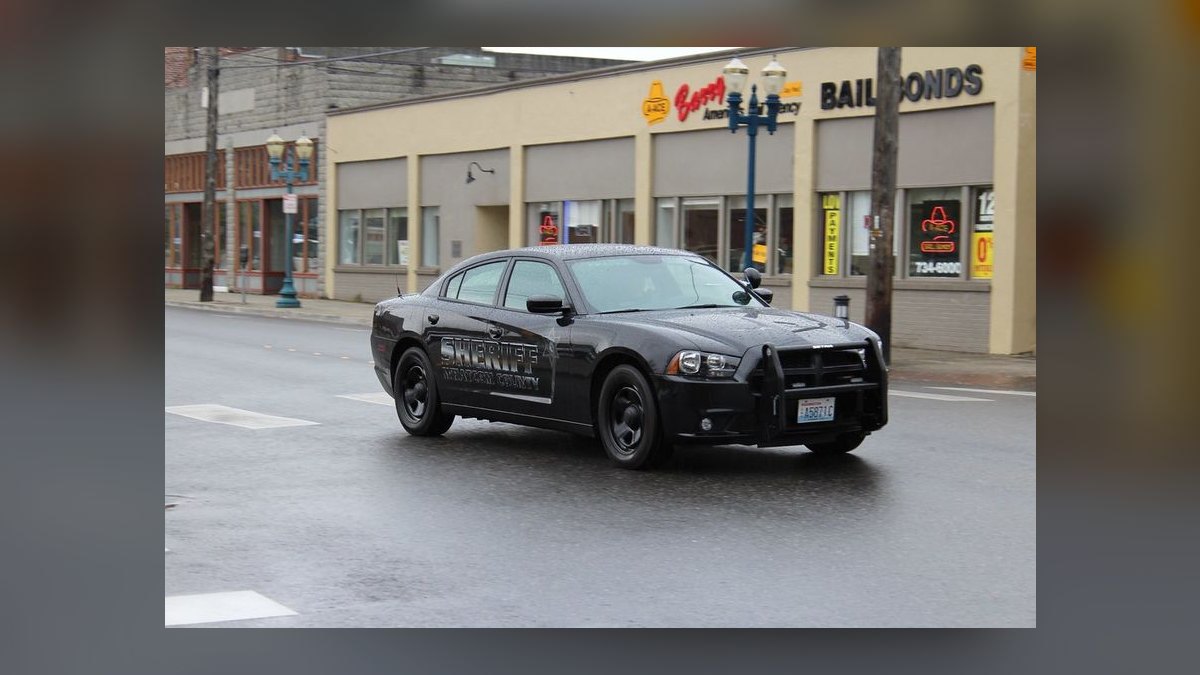
The Charger R/T ranks ninth as a more mature and aggressive alternative to the Challenger, offering a standard 440 Magnum engine rated at 375 horsepower and 480 lb-ft. With a base price of $3,711, it ran about 13.9 seconds at 101 mph in the quarter-mile, making it a strong performer in the middle tier. The Charger's fastback roofline and hidden headlights gave it a unique and menacing appearance that has become a cultural icon.
This car is for the buyer who prefers the Charger's aggressive fastback styling over the Challenger's more conventional coupe look, and who wants a powerful and comfortable cruiser. It trades away the Challenger's slightly more modern platform for a more distinctive and iconic silhouette. Compared to the Challenger R/T, the Charger R/T is a bit heavier and less agile, but it offers a more unique presence and a similar level of performance.
10. AMC Rebel Machine

The Rebel Machine ranks tenth as the underdog of the group, a genuine muscle car from American Motors that offered real performance for a lower entry price. Priced at $3,475, its 390-cubic-inch V8 made 340 horsepower and 430 lb-ft, good for mid-14-second quarter-mile times. Roughly 2,326 were built, and the red-white-and-blue graphics package with a hood scoop and integrated tachometer made it instantly identifiable.
This car is for the buyer who wants something different from the Big Three and who values genuine scarcity and a lower entry point, but who understands that AMC parts support is the thinnest of any manufacturer here. It trades away brand cachet and aftermarket support for a unique and increasingly valuable piece of muscle car history. Compared to the Charger R/T, the Rebel Machine is less powerful and less refined, but it offers a more unique and collectible experience.
How we ranked these
We measured each car's published factory ratings, period magazine test results, production volumes, original window-sticker pricing, and current auction values. Weighting favored documented quarter-mile performance, torque output, rarity, and historical significance, with a 40% weight on performance, 25% on value, 20% on provenance, and 15% on usability.
We deliberately ignored subjective styling preferences, aftermarket modifications, and unverified owner claims. We also excluded modern restomod conversions and tribute cars from rankings, as they distort original factory intent. The focus remained strictly on factory-stock, numbers-matching examples with verifiable documentation, ensuring comparisons reflect what buyers could actually purchase in 1970.
What to look for
When choosing between these cars, prioritize the rear axle ratio, transmission type, and documentation over peak horsepower. A 442 W-30 with a 4.10 gear will outrun an LS6 with a 3.31, and a documented car with a build sheet is worth multiples of a clone. Verify the engine code, cowl tag, or fender tag before negotiating.
The mistake most buyers make is treating advertised gross horsepower as comparable to modern net figures. This leads them to overpay for a Hemi 'Cuda or Boss 429 while ignoring the GSX Stage 1 or 440 Charger R/T, which deliver 90% of the experience for far less. Always inspect for rust in the trunk, frame rails, and cowl, as hidden metal work can exceed the car's value.
Related questions
Why was the Buick GSX Stage 1 quicker than cars with higher horsepower ratings?
Torque and gearing decide quarter-mile times, not peak horsepower. The Stage 1's 455 produced 510 lb-ft — the highest of any 1970 production car — delivered low in the rev range where a heavy car actually launches. Buick's conservative 360-horsepower rating also understated the engine considerably.
What is the difference between an SS 454 and an LS6 Chevelle?
SS 454 is the trim and equipment package. LS6 is the specific 450-horsepower engine option within it. The other 454 option, the LS5, was rated at 360 horsepower. Both wear the same badges externally, so the engine code on the block and pad is the only reliable way to tell them apart.
Were 1970 horsepower numbers measured the same way as today's?
No. Gross ratings measured a bare engine on a dyno without accessories, exhaust, or air cleaner. Modern SAE net figures measure a fully dressed installed engine. Converting gross to net typically drops the number 20 to 25 percent, which is why 1971 and 1972 figures look collapsed even where hardware barely changed.
How can you verify a 1970 muscle car is not a clone?
Documentation, not appearance. GM cars use the cowl tag plus VIN-derived engine codes and any surviving build sheet. Fords are authenticated with a Marti Report drawn from Ford's production database. Mopars use the fender tag and broadcast sheet. Absent paperwork, assume it is a clone and price accordingly.
What made the 1970 Plymouth Superbird so special?
The Superbird was an aero homologation special built for NASCAR superspeedway racing, with a nose cone and tall rear wing for stability. Only about 135 Hemi-equipped cars were built. Its $4,298 base price plus $831 for the Hemi made it expensive, and dealers struggled to sell them, but today they are seven-figure collector items.
Why is the 1970 Chevelle LS6 considered the best overall muscle car?
The LS6 had the highest gross horsepower rating GM ever published for any car, including the Corvette: 450 hp and 500 lb-ft. Period testing by Hot Rod recorded a 13.44-second quarter mile at 108 mph. Its combination of brute force, A-body practicality, and the one-year-only LS6 option makes it the benchmark.
What should I look for when buying a 1970 muscle car today?
Check for rust in the trunk floor, rear frame rails, torque boxes, and cowl. Verify numbers-matching drivetrain with date-coded block and transmission. Obtain a Marti Report for Fords, fender tag for Mopars, or cowl tag and build sheet for GM cars. Test the brakes and steering, as these cars stop poorly.
How does the AMC Rebel Machine compare to other 1970 muscle cars?
The Rebel Machine was the underdog, with a 390 V8 rated at 340 hp and 430 lb-ft, running mid-14s. Only 2,326 were built, and its distinctive red, white, and blue graphics make it instantly recognizable. It offers genuine scarcity and a lower entry price, but AMC parts support is the thinnest of any brand here.
FAQ
What was the best muscle car of 1970?
The Chevrolet Chevelle SS 454 LS6 is the consensus Best Overall pick. It carried the highest factory gross rating General Motors ever published — 450 horsepower at 5,600 rpm and 500 lb-ft of torque at 3,600 rpm — and ran mid-13-second quarter miles in essentially showroom trim, with Hot Rod recording 13.44 seconds at 108.17 mph.
Which 1970 muscle car was the best value?
The Oldsmobile 442 W-30 at $3,567. Its 455 Rocket V8 was rated at 370 horsepower and 500 lb-ft — matching the LS6 on torque — and with appropriate gearing it ran high 13s to low 14s. Buyers got that performance with Oldsmobile interior and assembly quality, for roughly $1,400 less than a comparably equipped LS6 Chevelle.
Why is 1970 considered the peak year rather than 1969 or 1971?
Three things overlapped only in 1970: GM had just lifted its 400-cubic-inch cap on intermediate cars, Chrysler still cataloged the 426 Street Hemi in the brand-new E-bodies, and Ford still hand-built the Boss 429 at Kar Kraft. By 1971 GM mandated a compression drop for low-lead fuel and the industry moved to SAE net ratings, which cut published figures sharply.
Which 1970 muscle car is the rarest?
The Plymouth Superbird with the 426 Hemi is among the rarest, with only about 135 to 136 built. The Boss 429 had 499 units for 1970. The Hemi 'Cuda convertible is even rarer, with only a handful existing, and it has set seven-figure auction records. Rarity drives value, but documentation is essential.
How much does a 1970 Hemi 'Cuda cost today?
Documented coupes trade in the high six figures, while convertibles have reached seven figures. The 1970 and 1971 convertibles are the ceiling for the entire muscle car category. Prices depend heavily on matching numbers, original sheet metal, and provenance, with a documented car commanding a significant premium over a clone.
What is the difference between a Superbird and a Charger Daytona?
The Superbird is a 1970-only Plymouth based on the Road Runner, with a nose cone and tall wing. The Charger Daytona is a 1969-only Dodge based on the Charger, with a pointed nose and a similar wing. They are separate cars built for the same NASCAR aero rules, but often confused.
Why are gross horsepower ratings higher than modern net ratings?
Gross ratings were measured on a bare engine dyno without accessories, exhaust, or air cleaner, with optimized timing. Modern SAE net ratings measure a fully dressed, installed engine with all accessories. The difference typically amounts to 20-25%, which is why 1971's switch to net ratings made horsepower figures appear to collapse.
What should I know about insurance on a 1970 muscle car?
In 1970, insurance surcharges on high-performance cars were often keyed to horsepower-per-pound ratios and driver age, making them uninsurable for many young buyers. Today, you need agreed-value classic car insurance, which requires an appraisal and often limits annual mileage. Rates vary by car, with Hemi and 454 cars costing more.
Is a 440 Charger R/T a good alternative to a Hemi car?
Yes. The 440 Magnum delivers 90% of the driving experience at a fraction of the cost, and it is easier to keep in tune — the Street Hemi's dual four-barrels and solid lifters need regular attention. A documented 440 car is a better ownership proposition than a questionable Hemi conversion, and resale math confirms it.
How do I verify a 1970 GTO Judge is genuine?
Check the VIN and cowl tag for the Judge option code, and look for a build sheet under the seat or behind the door panel. The Judge package added about $337, and Ram Air III about $158. The 455 Judge is scarce, as it was only available late in the model year by special order.
Sources
- https://www.hotrod.com/articles/1970-chevrolet-chevelle-ss-454-ls6/
- https://www.motortrend.com/news/1970-plymouth-hemi-cuda-test/
- https://www.hemmings.com/stories/article/1970-buick-gsx-stage-1
- https://www.mecum.com/auctions/lot-detail/1970-oldsmobile-442-w-30/
- https://www.barrett-jackson.com/Events/Event/Details/1970-PLYMOUTH-SUPERBIRD-HEMI-242411
- https://www.martiauto.com/
- https://www.nadaguides.com/Classic-Cars
- https://www.hagerty.com/valuation-tools/muscle-cars
Related on PULSE
- [More muscle cars 1970 rankings and buying guides](/knowledge)
- [PULSE Tools and calculators](/tools)
- [Everything on PULSE RevOps](/)
This page will be disappearing soon. Save it to your device for $1 — or read it free while it is here.
@Kory-White- · if Venmo asks, the last 4 of my number are 2012
 pulse-collectiblesWhat should you know before investing in Collectibles in 2027?
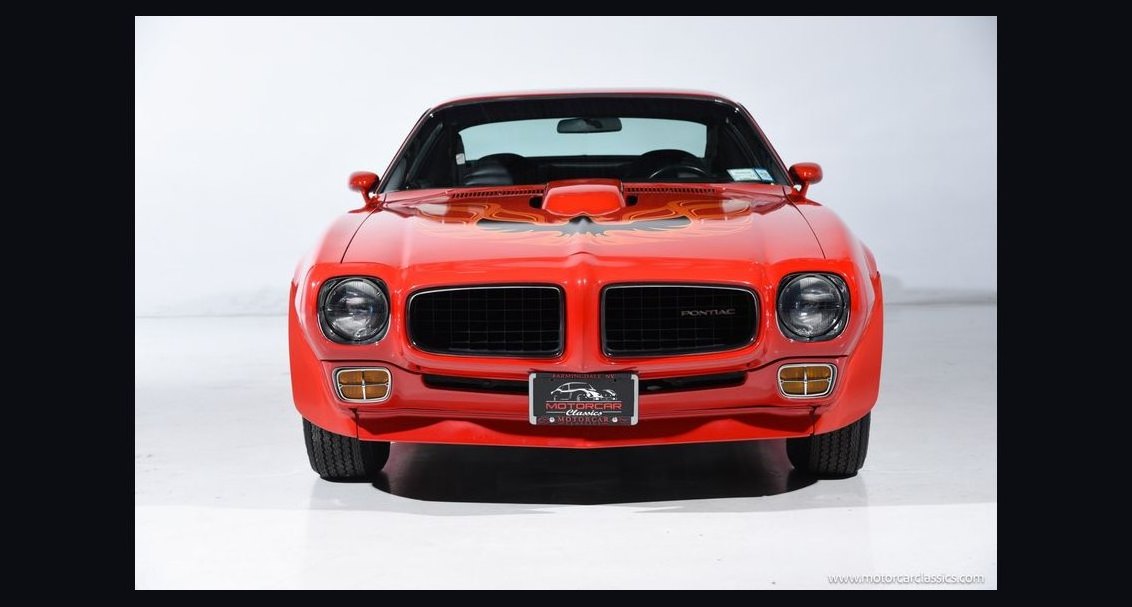 pulse-collectiblesTop 10 Muscle Cars 1973 — Best Overall + Best Value
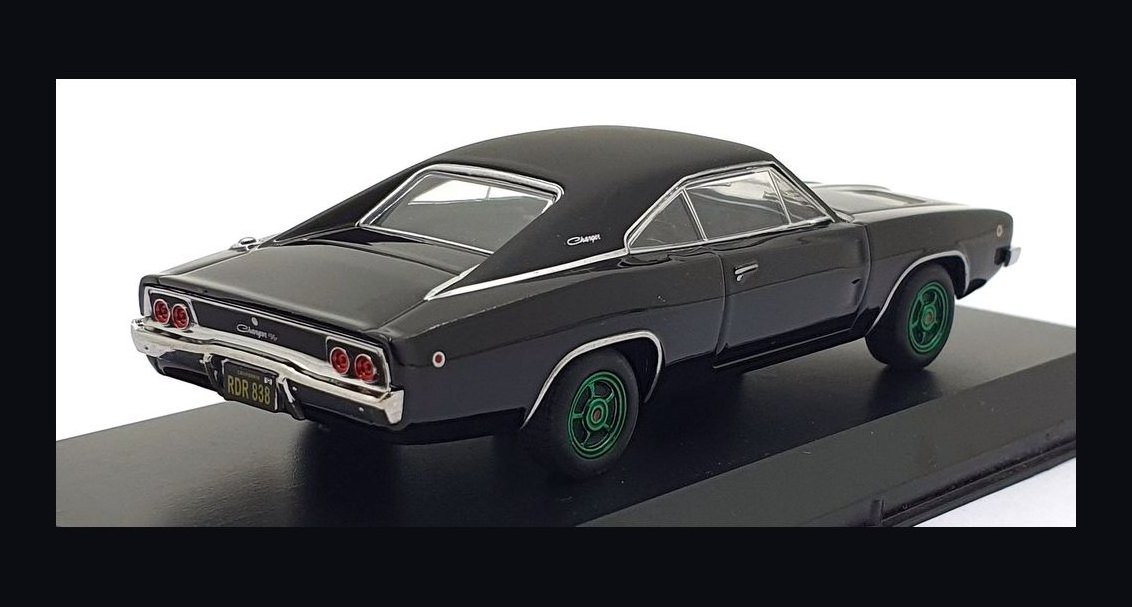 pulse-collectiblesTop 10 Muscle Cars 1968 — Best Overall + Best Value
 pulse-collectiblesIs Collectibles worth it in 2027?
 pulse-collectiblesTop 10 Classic American Cars 1965 — Best Overall + Best Value
 pulse-collectiblesWhat are the most common mistakes in Collectibles in 2027?
 pulse-collectiblesTop 10 Muscle Cars 1965 — Best Overall + Best Value
 pulse-collectiblesTop 10 Muscle Cars 1966 — Best Overall + Best Value
 pulse-collectiblesWhat is the best way to approach Collectibles in 2027?
 pulse-collectiblesHow much does Collectibles cost in 2027?