
Should I open or buy a Launch Trampoline Park franchise in 2027?
 Curated byKory White · Fractional CRO · Maryland
 PULSEKNOWLEDGE LIBRARY
Quality
Certified
Whether you should open or buy a Launch Trampoline Park franchise in 2027 depends on your capital, risk tolerance, and local market conditions. Opening a new location typically requires a total investment in the range of $2 million to $4 million, while buying an existing franchise may cost more upfront but offers an established customer base and revenue history. Given that the trampoline park industry is mature and competitive, thorough due diligence on your specific territory's demographics and competition is essential before committing.
I've spent 25 years in revenue leadership, and I'll tell you straight: buying a trampoline park franchise in 2027 is not for the faint of heart. It's for the well-capitalized, the entertainment-minded, the safety-obsessed operator who wants to turn bouncing into a business machine. And if that's you, Launch Trampoline Park is a serious contender—but only if you know what you're signing up for.
Let me walk you through this like I would with my own portfolio.
---
The Hook: Why This Isn't Your Kid's Birthday Party
Launch Trampoline Park was born in 2012, and it's grown into a family-entertainment center (FEC) that combines trampolines, attractions, ninja/obstacle courses, arcade, parties, and group events. It's not just a bounce house—it's a multi-stream revenue engine. But here's the truth: the 2026 FDD tells me the franchise fee runs $50,000-$60,000, the total Item 7 investment is roughly $1,200,000 to $3,500,000 (yes, you read that—large-format, real-estate-heavy), a royalty near 6%, and a marketing fee. Mature parks gross $1,200,000-$3,500,000+, with owners clearing $120,000-$500,000.
The appeal? Multiple revenue streams—jump, parties, groups, arcade, concessions. Strong family-entertainment demand. Recurring memberships. An established brand. And high revenue potential. The challenges? High capital. Large real estate. Attendance cyclicality. Safety and insurance. FEC competition. It's a trade-off, and I've seen both sides.
---
The Real Numbers: No Fluff, Just Math
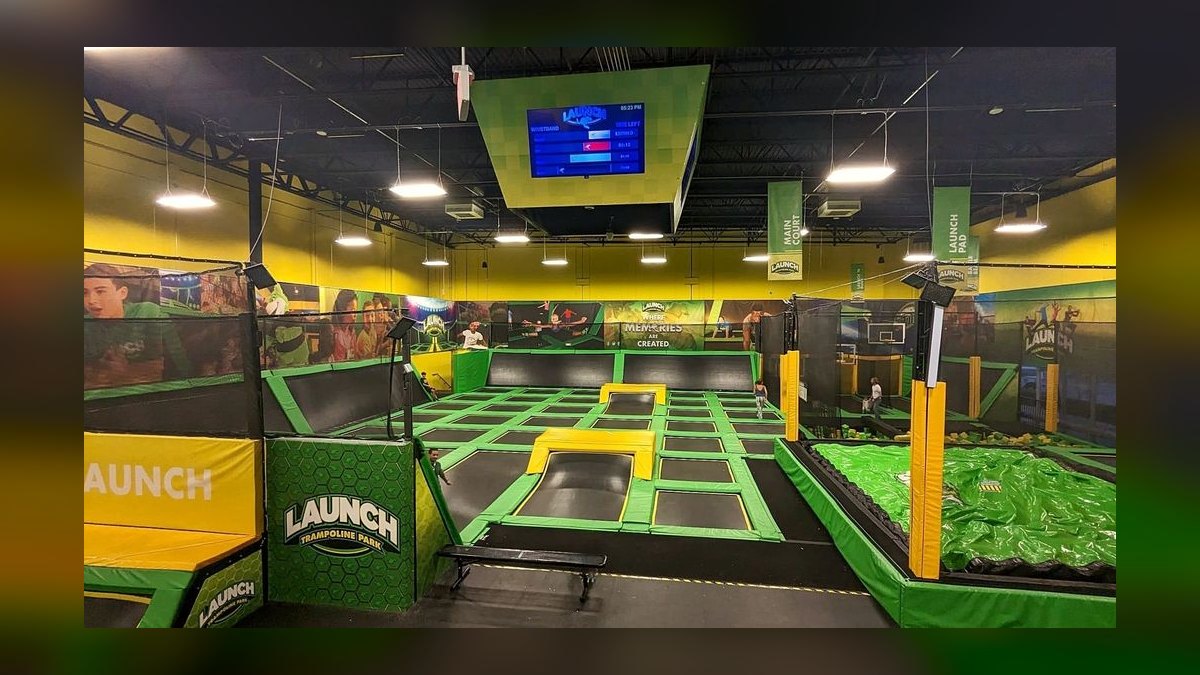
A Launch Trampoline Park operates a large indoor trampoline/adventure park (20,000-45,000+ sq ft) with trampolines, attractions, ninja courses, arcade, parties, and group events. Revenue comes from admissions, memberships, parties, groups, arcade, and concessions—a multi-stream FEC that's designed to survive on more than just walk-ins.

Here's the breakdown from the 2026 FDD:
| Line Item | Low | High | Notes |
|---|---|---|---|
| Franchise fee | $50,000 | $60,000 | Per 2026 FDD |
| Buildout / leasehold | $700,000 | $1,900,000 | Large-format fit-out |
| Equipment & attractions | $350,000 | $950,000 | Trampolines, attractions, arcade |
| Signage & decor | $45,000 | $130,000 | Brand image |
| Initial inventory | $25,000 | $65,000 | Concessions, arcade, gear |
| Initial marketing | $35,000 | $100,000 | Grand opening |
| Training & travel | $18,000 | $50,000 | Operator + staff |
| Working capital | $100,000 | $280,000 | Ramp |
| Total Item 7 | ~$1,200,000 | ~$3,500,000 | Per 2026 FDD |
| Royalty | ~6% of gross | ||
| Marketing fee | ~2% of gross |
Revenue reality: mature parks gross $1.2M-$3.5M+ with owners clearing $120K-$500K. Launch's edge is its multiple revenue streams—admissions + memberships + birthday parties (high-margin) + group/corporate events + arcade + concessions. It's a diversified FEC model, and parties are especially high-margin and a major profit driver. The strong family-entertainment demand (families seek active, indoor entertainment), recurring memberships (jump memberships add predictability), an established brand (a recognized trampoline-park franchise), and high revenue potential (large parks generate substantial revenue) are the upside. The trade-offs? High capital ($1.2M-$3.5M—a major investment), large real estate (a sizable building/lease), attendance cyclicality (FEC attendance varies by season, weather, school schedules, and economy—discretionary spending), safety/insurance (trampoline parks carry injury risk, high insurance, and safety-protocol demands), and FEC competition (Sky Zone, Urban Air, Altitude, other entertainment). Operators who drive attendance, maximize parties/groups/arcade (high-margin), build memberships, manage safety/insurance, and are well-capitalized perform best.
Here's a quick model I run for every FEC:
Launch is somewhat smaller/more value-positioned than Sky Zone, but the FEC model and risks are similar.
---
Who Wins With This Business (and Who Loses)
%20Should%20I%20open%20or%20buy%20a%20Launch%20Trampo%2C%20realistic%20magazine%20style%2C%20warm%20light%2C%20no%20text%2C%20no%20watermark?width=1200&height=675&nologo=true&model=flux&seed=81999)
Let me save you the agony of learning this the hard way.
The winners are:
- Well-capitalized entertainment operators who drive attendance, maximize parties/groups, and manage safety.
- Capital required: $1.2M-$3.5M, with $400,000-$800,000+ liquid.
- Time commitment: full-time, large-operation management.
- Skills: entertainment operations, marketing, safety, and staff management.
- Geographic fit: family-dense, large-trade-area suburban markets.
- Lifestyle fit: well-capitalized, hands-on entertainment operator.

The losers are:
- Under-capitalized buyers (this is a major investment).
- Those uncomfortable with safety/insurance/injury risk.
- Owners who can't drive attendance through cycles.
- Buyers in small or family-sparse trade areas.
- Those who underestimate FEC competition and opex.
---
2027 Market Conditions: What I'm Seeing
- Demand: family entertainment is strong but discretionary.
- Multiple streams: jump + parties + groups + arcade + concessions + memberships.
- High-margin: birthday parties and group events.
- Cyclicality: attendance varies by season/economy.
- Competition: Sky Zone, Urban Air, Altitude, other FECs.
Here's the timeline I'd follow:

---
The 90-Day Decision Tree (I've Used This for 25 Years)
- Day 1-30: Read the 2026 FDD and Item 19; scrutinize the large investment and opex (especially insurance).
- Day 31-60: Interview 10+ operators; ask about attendance, party/group mix, insurance costs, cyclicality, and net profit.
- Day 61-90: Validate a large family-dense trade area and secure real estate.
- Day 91-170: Build the park.
- Day 171-200: Open and aggressively drive attendance.
- Maximize high-margin parties, groups, and memberships.
- Manage safety protocols and insurance rigorously.
---
Alternative Plays (In Case This Isn't Your Bounce)
- Launch Trampoline Park for a trampoline-park franchise.
- Sky Zone — leading trampoline park (see fr1022).
- Urban Air / Altitude — trampoline/adventure parks (in library).
- Other FEC franchises — adjacent (in library).
- Independent trampoline/adventure park — full control, no brand.
- Lower-capital entertainment franchises — adjacent models.

---
The FAQ I'd Give Any Operator
How much does a Launch Trampoline Park owner make? Owners typically clear $120,000-$500,000 per park, on $1.2M-$3.5M+ revenue, driven by attendance, high-margin parties/groups, memberships, arcade, and concessions. Profitability depends on driving attendance, maximizing parties/groups, managing insurance/opex, and being well-capitalized. Top operators in strong trade areas earn well; weaker ones struggle against high opex and cyclicality. Review Item 19 carefully—FEC economics vary widely, insurance is a major cost, and the large investment requires strong, sustained attendance to justify.
What are the multiple revenue streams? Admissions, memberships, birthday parties, group events, arcade, and concessions—with parties especially high-margin. Launch generates revenue from open-jump admissions, jump memberships (recurring), birthday parties (high-margin, a major driver), group/corporate/school events, arcade, and concessions/retail. Birthday parties and group events are especially high-margin and important—driving a large share of profit, with arcade and concessions adding more. This diversified, multi-stream FEC model—especially the high-margin parties and groups—is key to the economics. Operators who maximize parties, groups, and arcade significantly boost profitability beyond walk-in admissions.

What are the cyclicality and discretionary risks? FEC attendance varies by season, weather, school schedules, and the economy. Family-entertainment spending is discretionary—attendance fluctuates with season, weather, school schedules, and economic conditions (families cut discretionary spending in downturns). This cyclicality means revenue is uneven and downturns pressure attendance. Against high fixed costs (lease, insurance, staff), cyclicality is a real risk. Operators must drive attendance through cycles, build recurring memberships and party bookings, and manage fixed costs—the large fixed-cost base means you're always playing defense on the downside.
---
The Bottom Line
Launch Trampoline Park in 2027 is a bet on multiple revenue streams, family demand, and operational grit. It's not for the under-capitalized or the safety-averse. But if you've got the capital, the stomach for cyclicality, and the drive to maximize parties and groups, it can be a profitable ride.
My final word: The trampoline park business is simple in concept but brutal in execution. The winners don't just bounce—they manage insurance, obsess over parties, and never stop driving attendance.

*For deeper dives on this and other franchise plays, check out PULSE and the CRO Syndicate—where operators like me break down the real numbers.*
---
The Operator's Playbook: What I'd Do Differently in 2027
If I were signing a Launch franchise agreement today, I wouldn't just copy-paste the corporate playbook. I'd adapt it for the post-pandemic, inflation-adjusted, experience-hungry consumer of 2027. Here's my specific tactical plan:
1. Real Estate Strategy That Doesn't Bankrupt You The Item 7 range of $1.2M-$3.5M is wide for a reason—location choice is everything. I'd target end-cap retail spaces in power centers (not standalone builds) to keep construction costs 15-25% lower. I'd negotiate a 10-year lease with two 5-year options and a tenant improvement allowance of $50-$80 per square foot from the landlord. In 2027, landlords are desperate for experiential tenants that drive foot traffic—use that leverage. I'd avoid strip malls (limited parking) and downtown storefronts (high rent, low square footage). The sweet spot? A former big-box retailer (20,000-30,000 sq ft) in a suburban area with median household income of $80,000+ and at least 50,000 families within a 15-minute drive.
2. Revenue Stacking Beyond the Trampoline A Launch park that relies 60%+ on open-jump admissions is a fragile business. I'd design my floor plan to maximize ancillary revenue streams from day one:
- Arcade revenue: Allocate 15-20% of square footage to a redemption arcade with 30-40 games. Target $8-$12 per player per visit in arcade spend.
- Party packages: Offer 4-6 tiers ($199-$599 for 10 kids), with add-ons like premium food, custom cakes, and party hosts. Parties should generate 25-35% of total revenue.
- Memberships: Launch a monthly membership program ($49-$79/month for unlimited off-peak jump, 10% off parties, and free arcade credits). Aim for 200-400 active members within 12 months.
- Corporate and group events: Target schools, sports teams, and corporate team-building. Group bookings should contribute 10-15% of revenue.
- Concessions: Design a high-margin food menu (pizza, nachos, soft pretzels) with 70-80% gross margins. Avoid a full kitchen—use a commissary model to keep labor low.
3. Labor Optimization in a Tight Market By 2027, finding and keeping hourly staff will be brutal. I'd implement:
- Shift scheduling software (e.g., 7shifts or When I Work) to reduce overtime and match labor to forecasted attendance.
- Cross-training: Every employee learns 3-4 roles (front desk, court monitor, party host, arcade attendant) to flex as needed.
- Performance bonuses: Offer $1-$2/hour bonuses for hitting safety, sales, and customer satisfaction targets.
- Teen and college hiring: Partner with local high schools and colleges for part-time shifts (4-6 hours) that fit class schedules. This keeps labor costs at 25-30% of revenue, versus the industry average of 30-35%.
The Hidden Costs That Eat Your Profit (and How to Fight Them)
The FDD numbers are the appetizer—the real costs come after you sign. Here's what I've seen trip up new franchisees:
Insurance: The Silent Profit Killer Trampoline park insurance premiums have been climbing 10-20% annually since 2020. In 2027, expect to pay $80,000-$150,000 per year for comprehensive liability coverage (general liability, workers' comp, property). To mitigate:
- Install high-resolution camera systems (every square foot, with cloud storage) to defend against fraudulent claims.
- Require waivers signed digitally at check-in (paper waivers get lost).
- Implement mandatory safety briefings for every jumper (a 2-minute video before they enter the court).
- Work with an insurance broker specializing in FECs—they'll find carriers that understand the risk.

Maintenance and Equipment Replacement Trampoline springs, foam pits, and climbing walls wear out faster than you think. Budget $30,000-$60,000 annually for:
- Spring replacement (every 12-18 months for high-traffic areas)
- Foam pit foam replacement (every 3-4 years)
- Arcade game repairs (10-15% of arcade revenue)
- HVAC maintenance (large spaces require commercial-grade systems)
- Parking lot resurfacing and striping (every 3-5 years)
Marketing Spend That Actually Works The corporate marketing fee covers national brand awareness, but local marketing is on you. I'd allocate 5-7% of projected revenue to local efforts:
- $1,500-$3,000/month on Google Local Services ads (targeting "birthday party places near me" and "trampoline park [city name]")
- $500-$1,000/month on Facebook/Instagram ads (targeting parents 25-45 within 10 miles)
- Partnerships with local schools: Sponsor school events, offer discounted field trips, and provide free jump passes for teacher appreciation.
- Seasonal promotions: "Back-to-School Bounce Pass" (August-September), "Winter Break Unlimited" (December), "Summer Jump Pass" (June-August).
The 2027 Market Reality: Why Timing Matters More Than You Think
Opening a Launch franchise in 2027 isn't just about capital—it's about market timing. Here's what I'd analyze before writing the check:
Demographic Trends
- Generation Alpha (born 2010-2024) is the target audience (ages 3-13). By 2027, this cohort will be 13-17 years old—still prime trampoline age, but shifting toward teen attractions (ninja courses, climbing walls, VR zones).
- Millennial parents (ages 30-45) are the decision-makers. They value experiences over stuff, but they're also price-sensitive after inflation. A $25 open-jump ticket needs to feel worth it—add value with arcade credits or a drink.

Competitive market
- Regional trampoline parks (e.g., Sky Zone, Urban Air, Altitude) are expanding aggressively. In 2027, expect 15-20% more FECs per market than in 2023.
- DIY entertainment (home trampolines, VR headsets) is a growing threat. Your park must offer something they can't replicate at home: scale, social interaction, and supervised safety.
- Alternative family activities (bowling, mini-golf, escape rooms, movie theaters) compete for the same dollar. Your park needs a clear "why us" message.
Economic Risks
- Interest rates: If rates remain elevated (5-7% for small business loans), your debt service could eat $100,000-$200,000 annually. Consider an SBA 7(a) loan with a fixed rate to lock in predictability.
- Disposable income: In a recession, family entertainment is often the first budget cut. Have a 6-12 month cash reserve to weather slow periods.
- Real estate costs: Lease rates in suburban power centers have risen 10-15% since 2020. Negotiate hard—or consider a secondary market (population 100,000-250,000) where rents are 20-30% lower.
My Verdict for 2027 If you have $1.5M-$3M in liquid capital, a strong local market, and a willingness to operate (not just invest), a Launch franchise can generate a solid return. But if you're looking for a passive investment or a quick flip, walk away. This is a hands-on, cash-flow business that demands daily attention to safety, staffing, and guest experience. The parks that thrive in 2027 will be the ones that treat every jumper like a VIP and every dollar like it's their last.
Related on PULSE
- [How Many Employees Should I Schedule Each Shift at My Trampoline Park?](/knowledge/ed0726)
- [My Thoughts: Top 10 Product-Led Sales GTM Launch Playbooks](/knowledge/ed0035)
- [How Many Employees Should I Schedule Each Shift at My Skate Park?](/knowledge/ed0508)
- [Should I open or buy a The Junkluggers franchise in 2027?](/knowledge/ed0978)
- [Should I open or buy a Pak Mail franchise in 2027?](/knowledge/ed0988)
- [Should I open or buy a PostNet franchise in 2027?](/knowledge/ed0989)
Sources
- Launch Trampoline Park official franchise website — franchise costs, requirements, and process details
- International Franchise Association (IFA) — franchise industry trends, legal guides, and best practices
- Franchise Business Review — franchisee satisfaction surveys and performance benchmarks
- U.S. Small Business Administration (SBA) — small business financing, startup costs, and loan programs
- Entrepreneur magazine — franchise rankings, reviews, and industry analysis
- IBISWorld — market research reports on trampoline parks and recreation industry trends
FAQ
What is the total investment range for a Launch Trampoline Park franchise in 2027? The total investment typically falls between $1.2 million and $3.5 million, depending on location size and build-out. This includes the franchise fee of $50,000–$60,000, real estate, equipment, and initial marketing. Costs can vary significantly by market.
How much can I expect to earn as a Launch franchise owner? Mature parks often generate gross revenues of $1.2 million to $3.5 million annually, with owner net profits ranging from $120,000 to $500,000. Actual earnings depend heavily on location, local competition, and operational efficiency.
What are the ongoing fees I need to pay? You’ll pay a royalty fee of around 6% of gross sales and a marketing fee, typically 1–2%. These are standard for the industry and fund brand support and national advertising.
How long does it take to open a Launch Trampoline Park? The timeline from signing to opening usually spans 12 to 18 months. This includes site selection, lease negotiation, construction, and staff training. Delays can occur with permitting or construction.
What kind of support does Launch provide to franchisees? Launch offers training, site selection assistance, marketing support, and ongoing operations guidance. However, the level of hands-on help can vary, so it’s wise to speak with current franchisees.
Is the trampoline park industry still growing in 2027? Demand for family entertainment remains strong, but the market is becoming more competitive. Growth is steady but not explosive, with success hinging on location, safety standards, and diversifying revenue streams like parties and arcades.
This page will be disappearing soon. Save it to your device for $1 — or read it free while it is here.
@Kory-White- · if Venmo asks, the last 4 of my number are 2012
This page is gone.
This one is off the shelf now. $1 keeps it on your phone for good — the whole page, pictures and diagrams included.
 pulse-qHow Many Stylists Should I Schedule Each Day at My Hair Salon in 2026?
 pulse-qShould I open or buy a House Doctors franchise in 2027?
 pulse-qShould I open or buy a Dent Wizard franchise in 2027?
 pulse-qShould I open or buy a Concrete Craft franchise in 2027?
 pulse-qShould I open or buy a Celebree School franchise in 2027?
 pulse-qWhat Service Fees Should a Painting Contractor Charge in 2026?
 pulse-qWhat Service Fees Should a Veterinary Clinic Charge in 2026?
 pulse-qHow Do I Set Attach Rates for My Service Fees in 2026?
 pulse-qShould I open or buy a Body20 franchise in 2027?
 pulse-qHow Do I Make a Service Fee Tangible So It Adds Real Value in 2026?