

Should I open or buy a Junk Doctors franchise in 2027?
 Curated byKory White · Fractional CRO · Maryland
Quality
Certified

Open a Junk Doctors franchise in 2027 only if you can fund roughly $100,000–$250,000 total investment, keep $50,000–$100,000 liquid, and personally manage crews, disposal costs, and local lead generation. The model rewards hands-on operators in fragmented markets. Passive investors and anyone unwilling to run trucks daily should pass.
What a Junk Doctors franchise actually is and why the model matters
Junk Doctors is a junk-removal-and-hauling franchise founded in 2011 in North Carolina. The core service is straightforward: crews arrive in branded trucks, load household junk, furniture, appliances, mattresses, construction debris, and yard waste, then haul it to a landfill, transfer station, recycler, or donation partner. Customers are split between residential jobs — decluttering, moves, estate cleanouts, garage and basement clear-outs — and commercial work like renovation debris, property-management turnovers, and office clear-outs.
What makes this category worth a serious look is the demand profile. People generate junk regardless of the economic cycle. When the housing market is hot, you get moves and renovations. When it cools, you get downsizing, foreclosures, and estate liquidations. That counter-cyclical hedge is unusual in home services, where most categories track discretionary spending directly. Junk removal is closer to a utility than a luxury: at some point the couch has to leave the house, and almost nobody has a truck.
The second structural advantage is capital intensity — or rather the lack of it. You are not building out a retail location, signing a ten-year lease, or buying a $400,000 piece of equipment. You need trucks, gear, insurance, and a phone that rings. Compared with restaurant, gym, or clinic franchises that routinely require $500,000 to $1.5 million to open, a truck-based junk model with a total Item 7 investment in the $100,000 to $250,000 range is genuinely accessible to an operator with home equity, an SBA loan, and some savings.

The third factor is fragmentation. Outside the two or three national brands, most junk removal in any given metro is done by independents running a pickup and a trailer, often uninsured, frequently unreliable, with no online booking, no uniforms, and no guarantee of showing up. That is a low bar for a professional, branded, insured operator to clear. The franchise's value proposition is not proprietary technology — it is the operating system: pricing structure, dispatch process, truck spec, brand identity, training, and a playbook for turning a chaotic service into a repeatable one.
What matters for your decision is that this is an operations business wearing a franchise costume. The brand helps you look credible and shortens your learning curve. It does not haul anything, hire anyone, or answer the phone at 7 a.m. when a crew member no-shows. If you buy in expecting the franchisor's system to substitute for your own management, the economics will punish you fast — a 7%–8% royalty plus roughly 2% marketing fee comes off the top of gross revenue whether or not you run the business well.
The step-by-step process from first call to open truck
The path from "I'm curious" to "my truck is on a driveway" runs about four to six months if you move deliberately, and it should not be compressed. Here is the sequence I would follow.

Step one: request and read the Franchise Disclosure Document. The FDD is a legally required document and it is the single most valuable artifact in this entire process. Read Item 7 for the estimated initial investment ranges, Item 6 for ongoing fees, Item 12 for the exact definition of your protected territory, Item 19 for any financial performance representation, and Item 20 for the outlet table showing how many franchises opened, closed, transferred, or were terminated over the last three years. That Item 20 turnover pattern tells you more about franchisee satisfaction than any discovery-day presentation. Federal law requires you receive the FDD at least 14 calendar days before you sign anything or pay any money — use every one of those days.
Step two: call current and former franchisees. Item 20 lists them with contact information, including operators who left the system. Call at least eight to ten current owners and every former owner you can reach. Do not ask "are you happy?" Ask specific numbers: What was your gross in year one and year two? What percentage of revenue goes to labor? What do you actually pay per ton at your local landfill? How many trucks are you running and what does each one gross per week? How long until you took a paycheck? What do you wish you had known? Former franchisees will tell you the failure modes nobody else will.
Step three: validate your local market. Count the competitors. Search "junk removal" plus your city and see who ranks, who runs Google Local Services ads, and how many reviews the top three have. Check whether a national brand already owns the map pack. Call three local competitors as a customer and get quotes for a standard garage cleanout — that gives you the real price ceiling in your market, which is often 10%–20% below what the franchise's pricing guide assumes. Then price your disposal: call the nearest landfill and transfer station and ask their tipping fee per ton and their hours. In some metros that number alone changes the entire model.
Step four: build your own pro forma before you sign. Do not use the franchisor's model. Build a spreadsheet with your actual local wage rates, your actual tipping fees, your actual insurance quotes (get three real quotes from commercial insurance brokers before signing), and a conservative ramp — assume you do 30% of a mature unit's volume in year one. If the business still works at that level, you have a real business. If it only works at mature-unit revenue, you are betting on a ramp you cannot control.

Step five: secure financing and sign. Most operators use a combination of cash, an SBA 7(a) loan, and equipment financing on the trucks. SBA lenders are generally comfortable with franchise concepts on the SBA Franchise Directory, and the loan process takes 45–90 days. Budget for that timeline.
Step six: training, truck acquisition, and pre-launch marketing. Training is typically a combination of classroom and in-market work. In parallel, order and wrap your trucks — wraps take two to four weeks and trucks can have lead times. Stand up your Google Business Profile, get your Local Services ads verified (background checks take weeks), and start booking jobs before day one.
Step seven: launch, then measure relentlessly. From your first week, track four numbers: cost per lead, booking rate, average job ticket, and jobs per truck per day. Everything in this business flows from those four.
Costs, timelines, and the ranges you should plan around
Start with the capital stack. The franchise fee sits in the $40,000–$50,000 range per the 2026 FDD, and total Item 7 investment lands roughly between $100,000 and $250,000. That spread is wide because it depends heavily on how many trucks you launch with and whether you buy new or used.
| Line item | Low | High | Notes |
|---|---|---|---|
| Franchise fee | $40,000 | $50,000 | Per 2026 FDD |
| Trucks and equipment | $30,000 | $100,000 | Hauling trucks, dollies, straps, tools |
| Branding and wrap | $5,000 | $18,000 | Per-truck vinyl wrap |
| Home or warehouse setup | $5,000 | $25,000 | Most operators start home-based |
| Initial marketing | $12,000 | $35,000 | Local lead-gen, launch push |
| Training and travel | $8,000 | $22,000 | Operator plus initial crew |
| Licensing and insurance | $8,000 | $25,000 | Hauling permits, GL, commercial auto |
| Working capital | $15,000 | $45,000 | Disposal and payroll float during ramp |
| Total Item 7 | ~$100,000 | ~$250,000 | Per 2026 FDD |
Ongoing fees: a royalty near 7%–8% of gross revenue plus a marketing fee around 2%. Combined, roughly 10% of every dollar you collect leaves before you pay a single wage.

Now the operating cost structure, which is where most first-year projections fall apart. Labor is the largest variable. Crew wages in most 2026–2027 markets run $18–$25 per hour, and competitive markets push $20–$28 with benefits to actually retain people. Workers' compensation for hauling classifications typically runs 8%–12% of payroll — this is heavy, injury-prone work and the rate reflects it. A two-person crew therefore costs roughly $40–$50 per hour fully loaded. On a job billing $150–$300 that takes one to two hours including drive time, labor alone consumes 30%–40% of revenue.
Disposal is the silent margin killer and the number that varies most by geography. Landfill tipping fees range from around $30 per ton in rural areas to $120 or more per ton in dense urban markets. A typical residential cleanout produces one to three tons. That is $30 to $360 in disposal on a single job, before you count the surcharges: mattresses commonly carry a $15–$25 per-unit fee, and electronics, appliances with refrigerants, and tires all carry separate handling costs. Two franchisees running identical operations in different metros can have a 15-point margin gap purely from tipping fees.
Fuel compounds it. A loaded box truck hauling 5,000–10,000 pounds returns 8–12 miles per gallon. With diesel in the $3.50–$5.00 range, fuel per job runs $15–$40 depending on route density. This is why route optimization is not a nice-to-have — clustering jobs geographically is the difference between six stops a day and four.
Insurance stacks up faster than new operators expect: general liability commonly $3,000–$8,000 annually, commercial auto $4,000–$12,000 per truck, workers' comp another $5,000–$15,000. Call it $12,000–$35,000 before you move a single couch.

Ongoing marketing does not stop after launch. Plan $1,500–$4,000 per month on Google Local Services ads, search, Facebook targeting of homeowners, and review generation — on top of the ~2% national marketing fee.
Equipment replacement is a slow bleed. Trucks hauling heavy loads chew through tires, brakes, and suspension. Budget $5,000–$15,000 annually per truck for maintenance, and plan replacement on a five-to-seven-year cycle.
Put together, a unit grossing $900,000 looks roughly like this: labor around 30% ($270,000), disposal and fuel around 18% ($162,000), royalty plus marketing fee around 10% ($90,000), trucks and other operating expenses around 18% ($162,000), leaving owner earnings near $216,000. Mature units in the system are described grossing anywhere from $500,000 to $1.8 million or more, with owners clearing roughly $90,000 to $350,000 — a wide band that reflects operator skill far more than territory luck.
On timelines: expect four to six months from FDD to open, six to eighteen months to break even, and two to three years before you are running multiple trucks with a manager between you and the daily dispatch. Plan on 20%–30% revenue dips in Q1 and Q4 — spring and summer carry the year with moves, renovations, and yard cleanouts, while winter slows hard in most climates. Smart operators use the slow months for fleet maintenance, hiring, and commercial account development rather than panicking.
Where operators get it wrong
Underestimating the phone. New owners picture themselves hauling. In practice you will spend 30%–40% of your day on the phone — confirming scope, because customers systematically underestimate volume; rescheduling; quoting; and chasing crew logistics. If nobody answers within a couple of rings, the customer calls the next result. Speed to lead is the single most controllable competitive advantage in this category, and most independents are terrible at it.

Guessing at disposal instead of engineering it. You need working relationships with three or four outlets: a landfill or transfer station, a recycler for metal and electronics, a mattress recycler if your area has one, and donation partners like Goodwill, Salvation Army, or Habitat for Humanity ReStores. Each has different hours, accepted materials, and fees. Diverting usable items to donation can cut disposal costs meaningfully — often in the 15%–25% range — and lets you offer customers a donation receipt, which justifies a premium price. Operators who dump everything pay full freight on every ton and compete purely on price.
Ignoring commercial accounts. Residential jobs are one-and-done and expensive to acquire. Property managers, real estate agents, contractors, storage facilities, and insurance restoration firms generate repeat business at predictable volumes. A property manager with a hundred units needs recurring turnover cleanouts; a remodeler needs debris removal on every job. These relationships can be worth $5,000–$20,000 annually each, and they require exactly what a franchise gives you: professional proposals, real insurance certificates, contracts, and reliability. Owners who never leave the truck never build this book, and their business stays a treadmill.
Hiring badly and then paying for it twice. Finding people who will show up at 6 a.m. and lift furniture all day is genuinely hard, and turnover is the norm. The failure pattern is paying at the bottom of the range, churning through people, and absorbing the hidden costs: retraining, damaged customer property, missed jobs, and injury claims that push your workers' comp experience modifier up for years. Paying $2–$3 more per hour to keep a crew for eighteen months is almost always cheaper than replacing it three times.
Misreading territory. Territory definition is the term I see misunderstood most. "Protected" can mean a set of zip codes, a county, a population count, or a radius — and the protections often cover only physical location, not marketing or national accounts. Read Item 12 carefully and ask directly: can another franchisee advertise into my area? Can they accept a job from my zip code if the customer calls them? What happens if the franchisor signs a national account with a big-box retailer in my territory?

Underpricing to win. Customers can get three to five instant quotes online in minutes. In competitive markets the temptation is to discount 10%–15% to win the job — which, given that labor plus disposal plus royalty already consume 55%–60% of revenue, wipes out most of the margin. The better answer is to justify price: same-day availability, uniformed insured crews, upfront pricing, sweeping the space clean, and a donation receipt.
Missing the emotional dimension of the work. A meaningful share of jobs are estate cleanouts where a family is sorting through a deceased relative's belongings. Crews who treat that as a dumpster run generate one-star reviews and lose referrals from the estate attorneys and realtors who drive that segment. Train for it explicitly.
Decision framework: open, buy an existing unit, or go independent
There are three real paths and the right one depends on your capital, your risk tolerance, and how much you value speed over control.
Open a new Junk Doctors unit if you have $100,000–$250,000 available with $50,000–$100,000 of it liquid, you want first pick of an unclaimed territory, and you are willing to eat a six-to-eighteen-month ramp. You get the brand, the operating system, and training, and you pay for it with the franchise fee up front and ~10% of gross forever. This is the right path for a management-minded operator entering an underserved market who wants a proven playbook instead of inventing one.
Buy an existing unit if you would rather pay more for cash flow that already exists. A resale gives you trained crews, established commercial accounts, a mature Google Business Profile with reviews, and revenue on day one. You will typically pay a multiple of seller's discretionary earnings plus a transfer fee to the franchisor, and the franchisor must approve you. The critical diligence: pull three years of tax returns and P&Ls, verify the customer concentration (if one property manager is 40% of revenue, that is a risk not an asset), confirm crew retention plans post-sale, inspect every truck, and check whether the seller is exiting because of market conditions or personal reasons. Resale values vary widely and some owners sell at a loss when the unit never scaled — which can be your opportunity or your warning.

Go independent if you have deep local market knowledge, existing contractor or property-manager relationships, and the discipline to build systems yourself. You keep the ~10% you would have paid in fees, you can start with one used truck for well under $50,000, and you owe nobody approval on pricing or expansion. What you give up is the brand credibility that wins the estate-cleanout call, the negotiated vendor rates, the training curriculum, and a support line when something breaks. Most independents plateau at one or two trucks because the owner never gets out of the truck long enough to build the business.
The disqualifiers are the same across all three: if you want a passive investment, if you cannot recruit and manage hourly crews, if you are unwilling to be physically present in the first year, or if you have not verified your local tipping fees, do not enter this category at all. Adjacent options worth comparing include other junk-removal brands like College Hunks Hauling Junk, 1-800-GOT-JUNK, JDog, and Stand Up Guys, plus dumpster-rental models like Bin There Dump That, which trade the labor burden for higher equipment capital.
Related questions
How many trucks do I need to hit $900,000 in revenue?
Roughly three to four trucks running consistently. At four to six jobs per truck per day with an average ticket in the $250–$400 range, one truck grosses meaningfully less than $300,000 annually after accounting for seasonality and downtime. Plan your growth in truck increments.
Can I run a Junk Doctors franchise while keeping my day job?
Not realistically. Dispatch, quoting, and crew supervision are daily, time-sensitive functions during business hours. Part-time operators consistently report slower ramps and worse customer satisfaction. Treat the first eighteen months as full-time, then hire an operations manager to buy your time back.
What is the single biggest regional variable in profitability?

Landfill tipping fees. The spread between roughly $30 and $120-plus per ton means two identical operations can differ by 10–15 margin points. Call your local landfill and transfer station before you sign anything.
Do I need experience in junk removal or franchising?
No. Most successful owners come from unrelated fields. What matters is hiring and managing hourly crews, controlling variable costs, and generating local leads. Industry-specific knowledge is trainable in weeks; management skill is not.
What happens to my territory if the franchisor signs a national account?
Read Item 12 and ask directly. Some systems route national-account work to the local franchisee at a reduced rate; others treat it as carved out entirely. This term materially affects commercial revenue and should be clarified in writing before signing.
FAQ
How long does it take to break even?
Most operators reach break-even between six and eighteen months. The variables that drive it are how aggressively you funded launch marketing, how quickly you built a second truck's worth of demand, and your local cost of disposal and labor. Underfunded launches take longest because the marketing spend gets cut exactly when lead flow matters most. Budget working capital assuming eighteen months, and treat anything faster as upside.
What are ongoing fees beyond the franchise fee?
A royalty near 7%–8% of gross revenue plus a marketing fee around 2%. That combined ~10% comes off gross, not profit, so it is charged whether or not the job was profitable. Build it into your pricing model from the first quote rather than treating it as an afterthought at month-end.

Is junk removal really recession-resilient?
It is more resilient than most home services, not immune. The demand sources shift rather than disappear: strong housing markets drive moves and renovation debris, weak ones drive downsizing, foreclosures, and estate liquidations. What does compress in a downturn is average ticket, as customers do more of the work themselves and hire you only for the heavy or prohibited items.
How do I compete against national brands with far bigger ad budgets?
Not on brand awareness — on local execution. Answer the phone in two rings, offer same-day and next-day slots, quote transparently on site, sweep the space clean when you finish, and generate reviews relentlessly. The map pack and Google Local Services ads reward proximity, review volume, and responsiveness more than raw ad spend, and that is where a well-run local unit wins.
What is the realistic income range for an owner?
Owners of mature units are described clearing roughly $90,000 to $350,000, on gross revenue running from about $500,000 to $1.8 million or more. That is an enormous spread, and it tracks operator skill — crew productivity, disposal discipline, ticket size, and commercial account development — far more than territory quality. Verify any figure against Item 19 of the FDD and against the franchisees you interview directly.
Can I sell the franchise later?
Yes, subject to the franchisor's transfer process and approval of your buyer, typically with a transfer fee. Value depends on your unit's earnings, crew stability, and the durability of your commercial accounts. Units that never grew past a single owner-operated truck are hard to sell because there is nothing to buy but the owner's own labor — another argument for building a business that runs without you in the truck.
Sources
- https://www.ftc.gov/business-guidance/industry/franchises — FTC franchise rule and disclosure requirements
- https://www.sba.gov/funding-programs/loans/7a-loans — SBA 7(a) loan program details for franchise financing
- https://www.franchise.org/ — International Franchise Association industry resources
- https://www.bls.gov/ooh/transportation-and-material-moving/hand-laborers-and-material-movers.htm — BLS wage and outlook data for material movers
- https://www.epa.gov/facts-and-figures-about-materials-waste-and-recycling — EPA data on municipal solid waste generation and disposal
- https://www.bbb.org/ — Better Business Bureau business reliability and complaint records
- https://www.entrepreneur.com/franchises — Entrepreneur franchise rankings and category data
- https://www.eia.gov/petroleum/gasdiesel/ — EIA weekly diesel fuel price data
Related on PULSE
- Should I open or buy a College Hunks Hauling Junk franchise in 2027?
- Should I open or buy a JDog Junk Removal & Hauling franchise in 2027?
- Should I open or buy a JDog Junk Removal franchise in 2027?
- Should I open or buy a Stand Up Guys Junk Removal franchise in 2027?
- Should I open or buy a House Doctors franchise in 2027?
- What Service Fees Should a Junk Removal Company Charge?
This page will be disappearing soon. Save it to your device for $1 — or read it free while it is here.
@Kory-White- · if Venmo asks, the last 4 of my number are 2012
This page is gone.
This one is off the shelf now. $1 keeps it on your phone for good — the whole page, pictures and diagrams included.
 pulse-qHow Do I Get My Staffing Recruiters to Sell Direct-Hire Placements in 2026?
 pulse-qHow Many Sales Reps Do I Need to Hire for My Medical Billing Company in 2027?
 pulse-qHow Many Salespeople Should I Schedule Each Day at My Shoe Store in 2027?
 pulse-qHow Do I Score My Sales Reps Across Multiple KPIs in 2026?
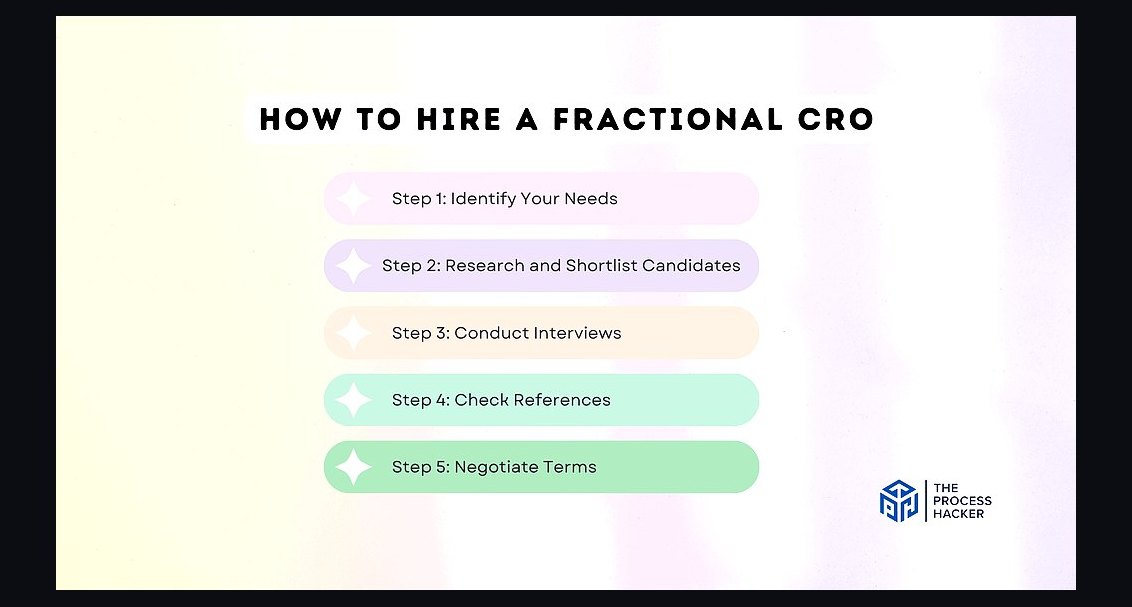 pulse-qShould I Hire a Fractional CRO If I Want a Revenue Audit Before I Commit Budget in 2026?
 pulse-qHow Do I Get My Reps to Sell Value Instead of Discounting in 2027?
 pulse-qWhat Service Fees Should an Accounting Firm Charge in 2027?
 pulse-qShould I open or buy a Doc Popcorn franchise in 2027?
 pulse-qHow Many Employees Should I Schedule Each Shift at My Smoothie Bar in 2026?
 pulse-qShould I open or buy a Checkers & Rally's franchise in 2027?