
Should I open or buy a Sub Zero Nitrogen Ice Cream franchise in 2027?
 Curated byKory White · Fractional CRO · Maryland
 PULSEKNOWLEDGE LIBRARY
Quality
Certified

Neither path is automatically right. Opening a new Sub Zero Nitrogen Ice Cream franchise costs roughly $150,000 to $400,000 and takes 12–24 months to reach positive cash flow; buying an existing unit typically runs 30–50% of original buildout cost but usually carries a reason the seller is leaving. Validate local demand and franchisor health first.
The two paths, side by side
Every prospective owner frames this as a single question — "is Sub Zero a good franchise?" — when it is actually two very different transactions wearing the same brand name. Opening a new unit means you sign a fresh franchise agreement, pay the initial franchise fee, and build a location from an empty shell. Buying an existing unit means you assume (or re-sign) an agreement that is already partway through its term, inherit built equipment, and take on whatever reputation the previous operator created in that trade area. The financial profiles, risk profiles, and timelines are almost mirror images of each other.
Opening new gives you control over site selection, which is the single highest-leverage decision in any dessert concept. You pick the co-tenants, the parking, the visibility from the road, and the demographic mix. You also control the buildout, so the nitrogen dispensing system, the freezer capacity, and the counter flow are specified to your operating plan rather than someone else's. The cost of that control is time and cash burn with zero offsetting revenue: site search typically runs 3–6 months, lease negotiation another 1–2, permitting and buildout 3–5 more. You are paying rent during buildout in most leases, minus whatever free-rent period you negotiate. Call it 9–14 months from signed franchise agreement to first dollar of revenue, with the full initial investment spent before a single customer walks in.
Buying existing compresses that timeline to whatever escrow and franchisor transfer approval take — typically 60–120 days. You get revenue on day one, a trained (or at least existing) staff, and, critically, real historical financials instead of projections. That last point is worth more than most buyers realize. When you open new, you are underwriting a forecast. When you buy, you are underwriting a track record, and a track record can be verified. The catch is selection bias: profitable, well-run dessert franchises in strong trade areas rarely hit the open market. The units that get listed are disproportionately the ones whose owners are tired, undercapitalized, or watching sales slide. Your job as a buyer is to find the exception — the seller leaving for health, relocation, family, or a genuinely better opportunity — and to walk away from the rest.
There is a third option people forget: buying an existing unit and treating it as a relocation. If the brand is healthy but the site is wrong, you can sometimes acquire the unit cheaply, run out the lease, and move to a better address with the franchisor's blessing. This is uncommon and requires the franchisor's cooperation, but it can be the cheapest way to get an established local following into a better box.
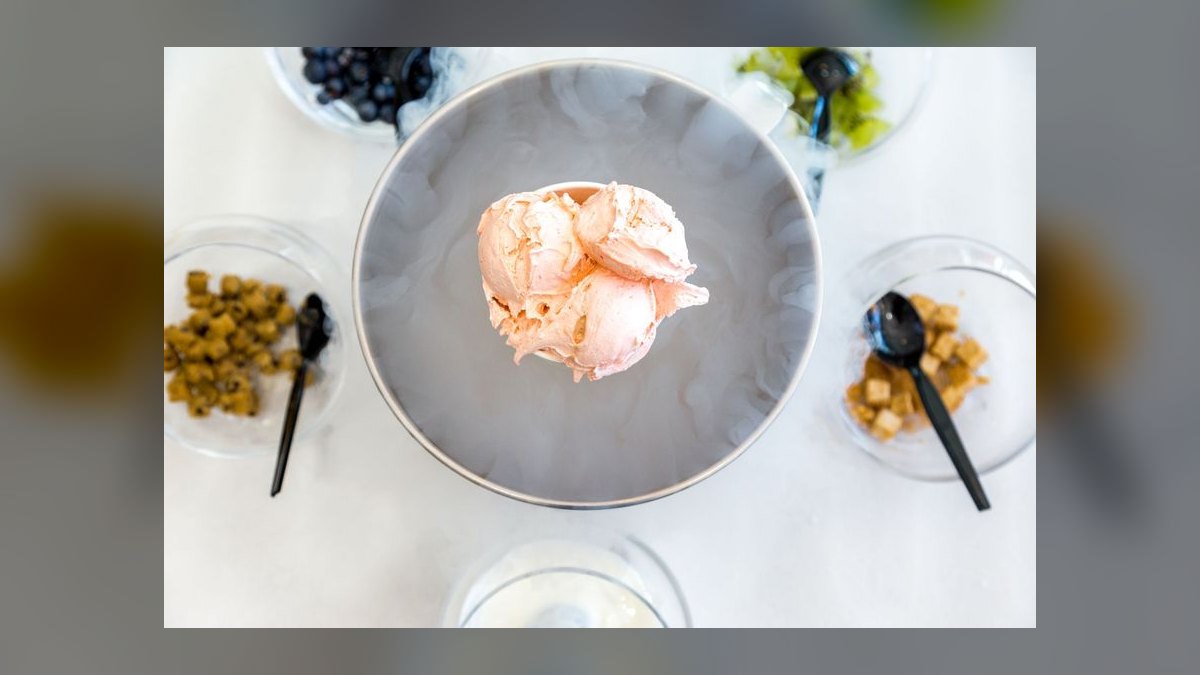
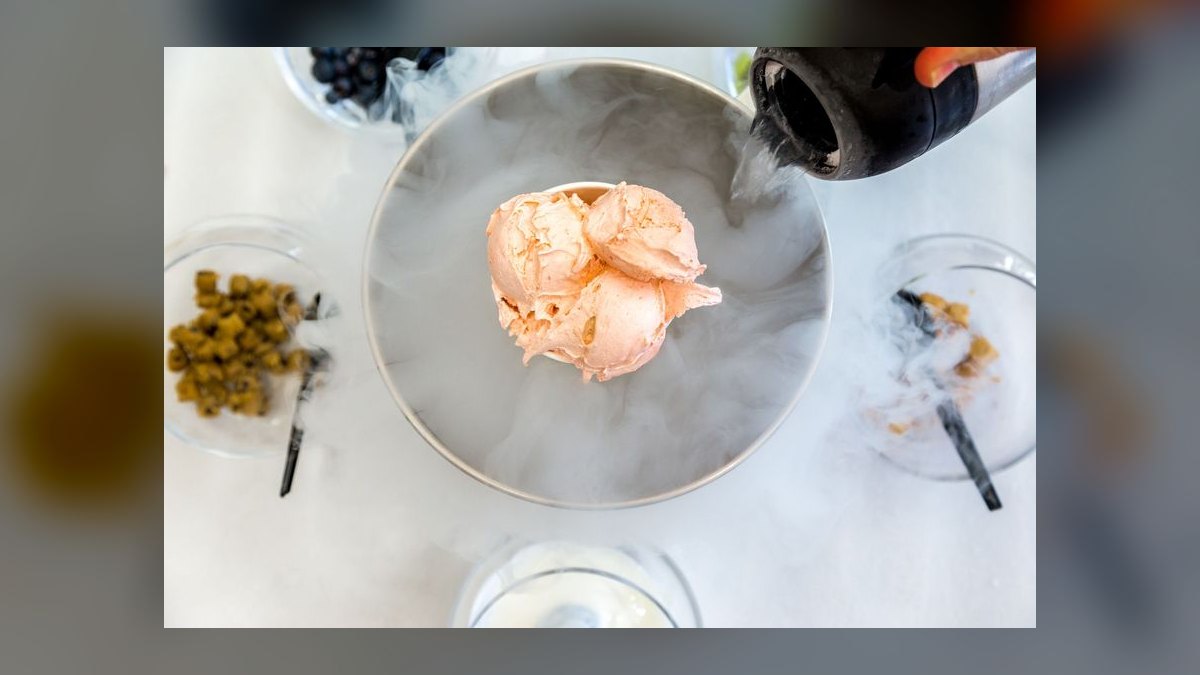
The one thing both paths share is the underlying category question. Sub Zero pioneered liquid-nitrogen made-to-order ice cream starting in 2004 out of Utah, and the category had its explosive moment. By 2027 the nitrogen novelty is a mature niche, not an emerging trend. Neither buying nor opening rescues you from a trade area where the theater has stopped drawing crowds. Answer the category and territory question first; only then does the buy-versus-build question matter.
How to decide between them
The decision is not a preference — it is a sequence of gates, and each gate can kill the deal. Run them in order, because the cheap gates come first and there is no reason to spend on legal review or an appraisal before you know whether the brand and the trade area clear.
Gate one: franchisor health. Pull the current Franchise Disclosure Document and read Item 20, the outlet table. It shows units opened, closed, transferred, and terminated over the prior three years. A system with more closures and terminations than openings is contracting, and a contracting system means thinner field support, weaker national marketing, and fewer buyers when you eventually sell. Also read Item 3 (litigation) and Item 21 (audited financial statements of the franchisor itself). A franchisor with going-concern language in its audit is a franchisor that may not be there to support you in year five.
Gate two: category demand in your specific trade area. Drive a five-mile radius. Count every dessert outlet: ice cream, frozen yogurt, gelato, rolled ice cream, bingsu, custard, cookie shops, boba. Note which ones already run a nitrogen or theatrical preparation. If more than two competitors within that radius already offer nitrogen or an equivalent gimmick, your differentiator is gone and you are competing on location and price like any other scoop shop. Sit in a parking lot on a Friday and Saturday evening in warm weather and count cars at the competitors. Do the same on a Tuesday in the coldest month you can. The gap between those two counts is your seasonality exposure.
Gate three: franchisee validation calls. Call at least ten current franchisees from the Item 20 contact list, and — this is the part most buyers skip — call five former franchisees too. The FDD lists departures. Former operators have no reason to protect the brand and will tell you exactly why the economics stopped working. Ask every one of them the same four questions: what did your first full year gross, what does your slowest month gross, what does nitrogen actually cost you per month, and would you buy this franchise again today.
Gate four: the buy-versus-build fork. Only now does this question have a real answer. If gates one through three cleared and there is a unit for sale in a trade area you like, buying is usually the lower-risk path because you are underwriting verified numbers. If the units for sale are all in trade areas you rejected in gate two, opening new is the only path — and you take on the forecast risk in exchange for site control.
The forcing function on this whole sequence is that you must be willing to exit at any gate. Buyers who have already told their spouse, their banker, and their friends that they are opening an ice cream shop stop evaluating and start rationalizing. Decide before gate one what your walk-away conditions are, write them down, and hold yourself to them.

Concrete numbers behind each option
Here is what each path actually costs, using the ranges the brand's Item 7 disclosure supports.
Opening new. Total initial investment lands in roughly the $150,000 to $400,000 band, and the spread is driven almost entirely by format and buildout. The franchise fee runs about $25,000 to $35,000, which is unremarkable for the quick-service dessert space. Buildout and leasehold improvements are the wild card at $60,000 to $200,000 — a second-generation restaurant space with existing plumbing, grease interceptor, and hood infrastructure can land at the bottom of that range, while a raw shell in a new development lands at the top. Equipment and the nitrogen dispensing system run $45,000 to $110,000; the nitrogen gear is genuinely specialized and there is no meaningful used market for it. Signage and decor run $10,000 to $32,000. Opening inventory is $6,000 to $18,000, grand-opening marketing $8,000 to $25,000, and training plus travel $6,000 to $18,000 depending on how many people you send.
The line item people cut, and should not, is working capital: budget $15,000 to $45,000 to cover the first three months. Dessert concepts open hot on grand-opening novelty and then dip hard in months two through four before settling into a real baseline. If you spend your reserve on a bigger sign, you will be borrowing at month four to make payroll, and that is where operators get into trouble.

Ongoing, you pay approximately 6% of gross in royalty and 2% of gross in marketing fee. On a $400,000 gross year that is $32,000 off the top before you have paid rent, labor, or cost of goods. Mature units in the system gross roughly $250,000 to $600,000. Take the middle of that — call it $400,000 — and run the stack: 8% in fees, roughly 25–30% in cost of goods for a made-to-order dessert with mix-ins, $80,000 to $150,000 in labor depending on your state's wage floor and your hours of operation, rent at whatever your market commands, plus utilities, insurance, and nitrogen. Nitrogen delivery itself runs a few hundred dollars a month depending on volume — a real line item, not a rounding error, and one that first-time owners routinely leave out of the pro forma entirely.
What falls out the bottom for a typical single-unit owner-operator is a modest five-figure annual profit. That is a living in a low-cost market if you are also drawing no separate salary and working the counter. It is not a passive investment return. Treat this as a job you bought, priced accordingly.
Buying existing. The going rate for a Sub Zero unit resale is roughly 30–50% of the original buildout cost. A store that cost $300,000 to open commonly trades at $100,000 to $150,000 if it is profitable. If it is not profitable, it trades at equipment value — call it $30,000 to $60,000 — because there is no goodwill to buy. Resale values in the nitrogen category have softened meaningfully from their peak-decade highs, which cuts both ways: it makes entry cheaper for you and it makes your own eventual exit cheaper for whoever buys from you.

The diligence package you demand is non-negotiable: three years of federal tax returns (not just P&Ls, which are unaudited and easy to dress up), three years of monthly sales reports, the current lease with all amendments, the existing franchise agreement showing remaining term, an equipment list with service records on the nitrogen system, and a payroll register showing actual staffing levels. Reconcile the tax returns to the P&Ls line by line. If the seller will not produce tax returns, the deal is over.
The single clearest sell signal in that package is a year-over-year revenue decline of more than 10% in any of the three years. Dessert revenue declines are rarely temporary; they usually mean a competitor opened, an anchor tenant left, or a road project changed the traffic pattern. Any of those is structural and you are buying it along with the freezer.
Also price in what you must spend after closing. Deferred maintenance on a nitrogen dispensing system is common on units that are being sold — the departing owner has no incentive to fund a service call. Annual maintenance on that system runs on the order of $1,500 to $3,000 in normal years, and a peak-summer breakdown costs you a day of sales in the hundreds to low thousands. Assume the seller deferred at least one service cycle and hold back cash for it. Add retraining: turnover in dessert retail commonly runs well above 100% annually, so the staff you "inherit" is substantially gone within a year, and each replacement needs meaningful paid training hours on nitrogen safety before they touch the dispensing system.

The comparison that matters. Opening new costs more cash and more months but buys you site control and a full ten-year agreement term. Buying existing costs less cash and starts revenue immediately, but you inherit a partially consumed franchise term — if the unit is six years into a ten-year agreement, you have four years before you face a renewal decision you do not control. Renewal is typically not automatic; franchisors can condition it on performance benchmarks. Read the renewal and termination clauses before you value the deal, because remaining term is a real component of price.
Implementation and sequencing once you pick a lane
The two paths diverge sharply in execution. Here is what each actually looks like, in order.
If you are opening new. Sign the franchise agreement only after your attorney has reviewed the FDD and you have completed the four gates. Then site selection, which deserves 3–6 months and outside help — a retail broker who works your market knows which centers have real traffic and which have a vacancy problem for a reason. Prioritize co-tenancy that generates evening and weekend family traffic: a theater, a family entertainment center, a grocery anchor, a busy casual-dining cluster. Avoid centers whose traffic peaks at lunch on weekdays, because that is the inverse of an ice cream daypart.
Negotiate the lease with your buildout timeline in mind. Ask for free rent through construction plus 30–60 days past opening. Ask for a landlord contribution to improvements, especially in a second-generation space. Get an exclusive-use clause naming frozen desserts so the landlord cannot lease the next unit to a rolled-ice-cream shop. That clause is worth more than a rent concession.
Buildout and permitting is where schedules slip. Health department review, sign permits, and electrical inspection each have their own queue, and they do not run in parallel unless you push them. Order the nitrogen dispensing system early — specialized equipment has lead time, and a four-week delay on the one machine your concept depends on delays everything downstream. Establish your industrial gas supplier relationship before you need it, and get a second supplier quoted so you have leverage and a fallback. Separately, find a local industrial gas equipment repair technician and get their number in your phone before opening day, not during your first breakdown.

Hire and train two to three weeks before opening. Nitrogen safety is real — cryogenic burns are a genuine liability — and the initial franchisor training builds knowledge, not muscle memory. Budget extra paid hours per new hire beyond the corporate program, and build a written open/close checklist for the nitrogen system that any new hire can follow.
Then open soft before you open loud. Run three to seven days at limited hours with friends, family, and walk-ins to shake out the line flow, then spend the grand-opening marketing budget once the team can actually execute. A grand opening that overwhelms an untrained crew converts your best marketing dollars into one-star reviews.
If you are buying existing. Start with a letter of intent that includes a diligence contingency and an exclusivity period — you do not want to spend on legal and accounting review while the seller shops your price. Then run the diligence package described above. In parallel, apply for franchisor transfer approval early; transfers require the franchisor's consent, often a transfer fee, and usually completion of the standard training program by the new owner. That approval is the long pole in the schedule and it can be denied.

Interview the staff before closing if the seller will allow it, and plan to retain them for at least ninety days. In a made-to-order concept, the crew holds operational knowledge that is not written down anywhere: which mix-ins jam the dispenser, how long the line takes at peak, which regulars order what. Losing all of it in week one is a self-inflicted revenue hit.
Service the nitrogen system in week one regardless of what the seller says about its condition, and re-key and re-audit inventory the same week. Then hold your marketing spend for sixty to ninety days. Buyers instinctively want to announce "under new ownership" immediately; the better play is to fix whatever the previous owner was doing wrong, get the operation clean, and then spend to bring people back. Marketing a broken operation is the most expensive mistake in this category.
Both paths, first year. Plan to be on-site 40+ hours a week for at least twelve months. A manager's salary consumes a large share of gross at this revenue level, and the margin does not comfortably support absentee ownership. Track weekly gross against a seasonal baseline rather than against last week — ice cream revenue is violently seasonal, and comparing October to August will convince you something is broken when nothing is. Lean into the formats that lower fixed-cost exposure: kiosk, mobile, catering, and event work. The theatrical nitrogen presentation performs best where it is a novelty for the audience — festivals, corporate events, school functions, weddings — and event revenue arrives without a second lease. That flexible-format capability is the most defensible thing this brand offers in a matured category, and operators who build it into the plan from month one rather than discovering it in year three are the ones whose numbers work.
Related questions
Can I get an SBA loan for either path?
Both new units and resales of established franchises are commonly SBA-financeable, since the brand appears in the SBA's franchise registry system for eligibility purposes. Resales often underwrite more easily because there is historical cash flow. Expect to inject roughly 10–20% equity and to personally guarantee.
What if the only unit for sale is losing money?
Then you are buying equipment and a lease, not a business, and you should price it that way — equipment value only. Also ask why the franchisor has not already terminated it. A distressed unit in a good trade area can work; a distressed unit in a bad one is a money pit.
How long is the franchise agreement term?
The standard agreement in this category runs about ten years with a renewal option. Renewal is generally conditional, not automatic — franchisors can require performance benchmarks and updated buildout. When buying existing, remaining term is a price factor.
Is the nitrogen supply a real operational risk?
It is a manageable one, but it is not zero. You depend on an industrial gas supplier rather than a food distributor, delivery cadence is tied to your volume, and regional supply disruptions have caused price spikes. Quote two suppliers before opening.
Should I consider a different dessert franchise instead?
For many buyers, yes. Established custard, cookie, and traditional ice cream systems carry more durable demand than a matured novelty category. Sub Zero's counterweights are its lower capital requirement and its mobile and event formats.
FAQ
How much does it actually cost to open a Sub Zero franchise in 2027?
The total initial investment runs roughly $150,000 to $400,000 based on the Item 7 disclosure. That covers the $25,000–$35,000 franchise fee, buildout, the nitrogen equipment package, signage, opening inventory, grand-opening marketing, training and travel, and three months of working capital. The spread is driven mostly by format — a kiosk or mobile setup lands near the bottom, a full in-line shop in a raw shell near the top.
Is buying an existing unit cheaper than opening new?
Usually, yes. Resales commonly trade at 30–50% of original buildout cost, so a unit that cost $300,000 to open often sells for $100,000–$150,000 when profitable, or equipment value of roughly $30,000–$60,000 when it is not. You also start collecting revenue in 60–120 days instead of 9–14 months. The trade-off is that you inherit the site, the reputation, and a partially consumed franchise term.
Is liquid-nitrogen ice cream still viable in 2027?
In the right trade area, yes — but as a mature niche rather than a growth trend. The category boomed and then cooled, and the theatrical preparation is easy for independents and food trucks to replicate without franchise overhead. Viability now depends on being the only nitrogen option in your radius and on having an event, catering, or high-foot-traffic channel that keeps demand from being purely seasonal.
How long until the business is profitable?
Most new units should plan on 12–24 months to reach consistent positive cash flow, and some take longer. An acquired unit that is already profitable can be cash-flow positive immediately, which is a large part of the case for buying. In both cases, model the off-season honestly — ice cream revenue concentrates heavily in warm months, and a plan built on summer numbers will fail in February.
What ongoing fees will I pay?
Roughly 6% of gross sales in royalty and 2% in marketing fee, which is standard for the quick-service dessert space. On $400,000 in gross sales that is about $32,000 annually before rent, labor, cost of goods, nitrogen, insurance, and utilities. Build those fees into your pro forma as a top-line deduction, not an afterthought.
Can I run this semi-absentee?
It is possible but not advisable, particularly in year one. Made-to-order preparation, nitrogen handling and safety, and high staff turnover all demand an owner on the floor. A manager's salary consumes a meaningful share of gross at typical unit volumes, which is exactly the margin an absentee structure needs and does not have. Plan on 40+ hours a week on-site for the first twelve months.
Sources
- https://www.ftc.gov/business-guidance/resources/franchise-rule-compliance-guide — FTC Franchise Rule compliance guide, including what each FDD item must disclose
- https://www.sba.gov/business-guide/plan-your-business/buy-existing-business-or-franchise — SBA guidance on buying an existing business versus a franchise
- https://www.franchise.org/ — International Franchise Association, industry data and franchising standards
- https://www.franchisebusinessreview.com/ — independent franchisee satisfaction research and performance benchmarking
- https://www.entrepreneur.com/franchises — franchise rankings, cost breakdowns, and category coverage
- https://www.restaurant.org/research-and-media/research/ — National Restaurant Association research on foodservice and dessert category trends
- https://www.bls.gov/oes/current/oes350000.htm — Bureau of Labor Statistics wage data for food preparation and serving occupations
- https://www.cga.ct.gov/ — state franchise registration and disclosure resources for verifying filings
- https://www.osha.gov/chemicaldata/649 — OSHA chemical data for nitrogen, relevant to cryogenic handling and safety training
Related on PULSE
- [How Many Employees Should I Schedule Each Shift at My Ice Cream Shop?](/knowledge/ed0903)
- [How Many Employees Should I Schedule Each Shift at My Ice Rink?](/knowledge/ed0510)
- [Should I open or buy a The Junkluggers franchise in 2027?](/knowledge/ed0978)
- [Should I open or buy a Pak Mail franchise in 2027?](/knowledge/ed0988)
- [Should I open or buy a PostNet franchise in 2027?](/knowledge/ed0989)
- [Should I open or buy a Fish Window Cleaning franchise in 2027?](/knowledge/ed0982)
This page will be disappearing soon. Save it to your device for $1 — or read it free while it is here.
@Kory-White- · if Venmo asks, the last 4 of my number are 2012
This page is gone.
This one is off the shelf now. $1 keeps it on your phone for good — the whole page, pictures and diagrams included.
 pulse-qHow Do I Use Service Fees to Cover Back-Office Payroll in 2026?
 pulse-qHow Many Employees Should I Schedule Each Shift at My Language School in 2026?
 pulse-qWhat Service Fees Should a Junk Removal Company Charge in 2026?
 pulse-qShould I open or buy an Image Studios franchise in 2027?
 pulse-qShould I Hire a Fractional CRO If I Am Taking the Company to Market in a Year in 2026?
 pulse-qShould I open or buy a Dent Wizard franchise in 2027?
 pulse-qShould I open or buy a Pinch A Penny franchise in 2027?
 pulse-qHow Many Employees Should I Schedule Each Day at My Bookstore in 2026?
 pulse-qWhat Service Fees Should a Plumbing Company Charge in 2026?
 pulse-qWhat Service Fees Should a Mobile Mechanic Charge in 2026?