
Should I open or buy a Drama Kids franchise in 2027?
 Curated byKory White · Fractional CRO · Maryland
 PULSEKNOWLEDGE LIBRARY
Quality
Certified
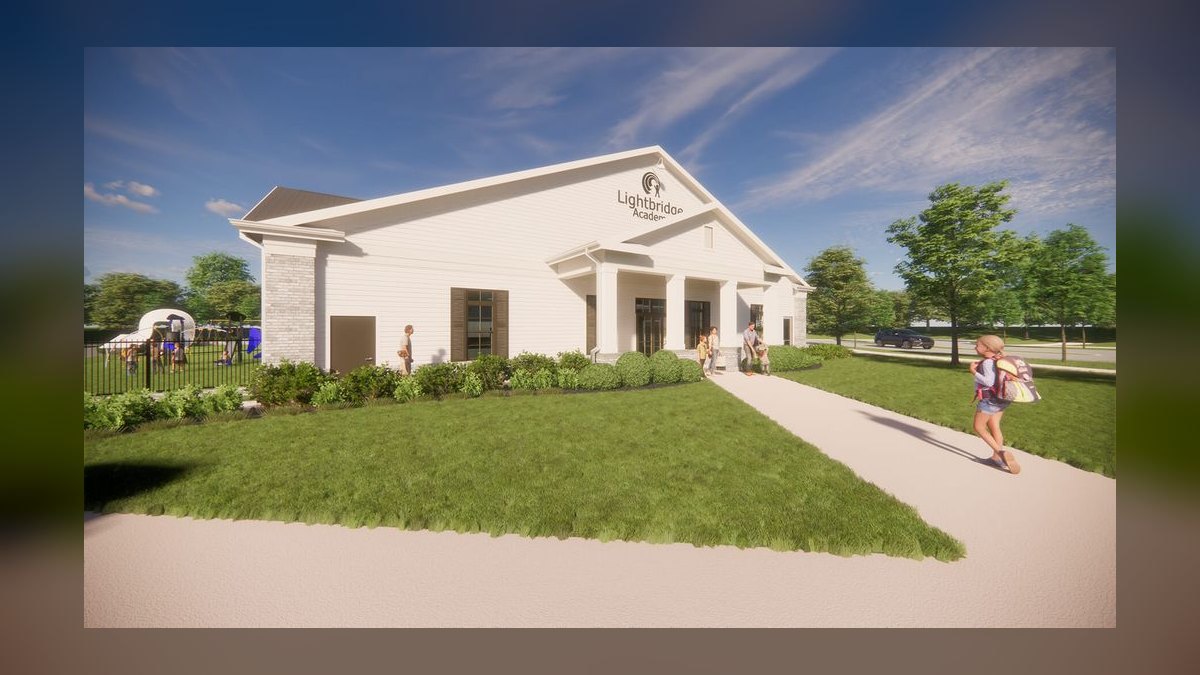
Open a new Drama Kids franchise if you want the lowest entry cost and full territory choice; buy an existing unit if you want school contracts and instructors already in place. New units cost roughly $40,000 to $75,000 and take 12–18 months to break even. Resales cost more upfront but start with revenue.
Opening a new territory versus buying an existing unit
These are two genuinely different businesses wearing the same brand. A new Drama Kids territory is a cold-start sales project. You sign the franchise agreement, complete training, receive the proprietary curriculum, and then spend your first two quarters doing nothing but prospecting elementary schools, preschools, and community centers. You have zero revenue on day one and zero instructors on payroll. Everything you eventually earn traces back to contracts you personally won.
An existing unit resale is an acquisition. You are buying a book of school relationships, a roster of trained part-time instructors, a parent email list, a class schedule that already fills, and — critically — a track record you can underwrite. The seller hands you September contracts in June. Your revenue is not hypothetical; it is on last year's tax return.
The trade-off is price and freedom. A new territory costs you the franchise fee plus launch expenses and nothing more. A resale costs the franchise fee equivalent (usually a smaller transfer fee) plus a multiple of the unit's earnings, which is where the real money goes. In exchange for that premium you skip the hardest twelve months in the model.

Territory selection cuts the other way. When you open new, you pick your market. You can look at a metro, count the number of elementary schools inside a 25-mile radius, check household income and enrichment spending patterns, and choose the geography that fits your model. When you buy, you inherit whatever territory the seller drew years ago — including its weaknesses. If the previous owner picked a sprawling suburban county where every class is a 40-minute drive, that drive time is now yours and you cannot redraw the map.
There is a third path most buyers overlook: buying a *distressed* existing unit. Owners exit for real reasons — burnout, relocation, health, a spouse's job. A unit doing $90,000 with four school contracts and one instructor is not a business, it is a partially de-risked startup. These sell at a steep discount to healthy units and sometimes near the cost of a new territory. You get the trained-instructor problem partially solved and a couple of principal relationships already warm, without paying a full earnings multiple. The risk is that you inherit a damaged reputation with the schools that dropped the unit, which is harder to fix than starting anonymous.

The variables that actually decide it for you
The choice is not a preference question. Four inputs determine it, and once you measure them honestly, the answer is usually obvious.
Your liquid capital and risk tolerance. New territories generally require $30,000–$50,000 liquid on top of net worth requirements. If that is roughly all you have, buying an existing unit at a meaningful premium is not available to you without SBA financing, and SBA lenders want to see the seller's tax returns plus your own management experience. If you have $150,000 liquid and a mortgage, a resale that pays you within 90 days is a materially better use of capital than a cold start that pays you in month 15.
Your B2B sales appetite. This is the single biggest predictor. The owner's job in this system is not teaching drama — the curriculum is provided and instructors deliver it. The owner's job is winning school contracts and keeping instructors staffed. If cold-calling a principal's office in August, following up four times, and presenting at a PTA meeting sounds energizing, open new and keep the money. If it sounds like something you would postpone, buy a unit where those relationships already exist and your job becomes maintenance rather than origination.

Your runway to first paycheck. Model it literally. A new unit that lands its first two school contracts in month five and runs classes September through June will generate meaningful revenue in months 6–10, and most owners describe break-even somewhere in the 12–18 month band, occasionally stretching to 24 if enrollment builds slowly. If you need income within six months, a new territory is the wrong instrument regardless of how much you like the economics.
Market density. Count schools. A territory with 40+ elementary and preschool sites inside a tight radius supports a cold start, because you can lose ten pitches and still have thirty prospects. A territory with 12 schools spread across two counties does not — one bad season and you have exhausted the market. In thin markets, buying the incumbent is often the only sane entry, because the incumbent already holds the handful of contracts that exist.

Two disqualifiers override everything above. If you are expecting passive income, neither path works — this is an owner-operator business where the operator sells. And if you cannot recruit and retain part-time instructors in your labor market, buying a unit only delays the problem, because instructors leave and you will be replacing them within a year.
What each path actually costs
Start with the disclosed numbers for a new unit. The 2026 FDD puts the franchise fee at approximately $40,000, with a total Item 7 initial investment in the range of roughly $40,000 to $75,000 — among the lowest in education franchising, because there is no retail lease. Royalties run about 8%–10% of gross with an additional marketing fee of roughly 1%–2%. Verify every one of these figures in the current FDD you receive; Item 7 ranges get revised and the numbers here are directional, not a substitute for the document.
Inside that range, the recurring components a first-year owner typically funds are curriculum and props, launch marketing aimed at school outreach, owner and instructor training plus travel, scheduling and admin technology, general liability insurance with background checks for every instructor, and working capital for the first few months of payroll before tuition catches up. Treat the high end of the range as your real plan. Owners who budget the low end and land contracts slower than expected are the ones who run out of working capital in month eight, which is the most common preventable failure in low-capital service franchises.

Mature units gross roughly $120,000–$400,000, with owner earnings commonly in the $50,000–$160,000 band. That spread is not noise — it maps almost perfectly to contract count. A unit at the low end holds five or six school contracts. A unit at the high end holds fifteen to twenty across multiple districts and runs summer camps.
For a resale, the price is a function of that owner earnings figure. Small owner-operator service businesses in enrichment typically trade on a multiple of seller's discretionary earnings, and low end of the range is common for units heavily dependent on the departing owner's personal relationships. Underwrite the *quality* of earnings, not just the number. Specifically ask:

- How many separate school contracts produce the revenue, and what percentage comes from the single largest one? Anything above 30% from one school is concentration risk you should price down.
- How many districts are represented? Two contracts in one district is one budget decision away from zero.
- Which contracts are signed for the upcoming school year, and which are verbal or pending renewal? A June closing on a unit with unsigned September contracts is buying a hope.
- How many instructors are currently active, how long have they been with the unit, and are any of them the owner's family members who will leave at closing?
- Is the owner personally teaching a large share of classes? If they teach 40% of classes and you cannot, you must hire replacements and the margin you underwrote disappears.
Then there are the costs neither path escapes. Vehicle expense is the big one — this is a mobile business and your car is the second office. Running eight to twelve classes weekly across four to six sites means real annual mileage for class delivery, school meetings, and supply runs, plus six to ten hours of weekly windshield time that never appears on a P&L. You also need secure storage for props, costumes, and curriculum materials; most owners use a garage or spare room, some rent a small unit. Insurance, background checks, and annual props replacement recur every year. The no-rent advantage is real and substantial versus a brick-and-mortar model, but it is smaller than "we have no rent" implies once vehicle and storage are counted honestly.
The instructor line dominates variable cost. Pay rates for part-time after-school drama instructors vary widely by market, and your true cost per instructor-hour exceeds the posted hourly rate once prep, travel between sites, and mandatory training are included. Model class economics directly: a class of ten students at a given per-session tuition against your fully loaded instructor cost for that hour, then subtract royalty and marketing fee before you call it margin. The difference between an eight-student class and a fourteen-student class, with instructor cost fixed either way, is the entire difference between a struggling territory and a good one. Enrollment per class, not class count, is the lever.

Owners who teach a meaningful share of classes themselves clear noticeably more than owners who rely entirely on hired instructors, because they convert the largest variable cost into their own labor. Decide before you sign whether you are willing to be in front of children several times a week. If you are not, budget instructor cost across every class hour and check whether the math still works.
Sequencing your first twelve months
The evaluation and launch sequence differs by path, but both are governed by the school calendar. Nothing else matters as much. School enrichment decisions cluster in spring for the fall term and in a smaller window in late fall for spring. If you sign a franchise agreement in October, you have effectively missed the fall term and are selling into a thin midyear window. Time your entry so that you are trained and prospecting by February or March for a September start.

For a new territory, the ninety days before you commit should look like this. Weeks one through three: read the FDD end to end, with particular attention to Item 7 (initial investment), Item 19 (financial performance representations, if provided), Item 20 (outlet and franchisee turnover — look hard at closures and transfers), and the territory definition. Weeks four through six: call current franchisees from the Item 20 list, including at least three who have operated five or more years and at least one who has exited. Ask them how many school contracts they have lost to administrative turnover and how they replaced them. Weeks seven through ten: map every elementary school, preschool, and community center in your target territory, note which already run competing enrichment, and identify your first twenty prospects by name. Weeks eleven through thirteen: model your own pro forma using the FDD ranges and your own labor market's instructor rates, then decide.
After signing, the launch order is fixed by dependency: complete training first, because you cannot credibly pitch a program you have not been trained to deliver; then win contracts, because instructors will not commit to a schedule that does not exist yet; then recruit instructors against confirmed class times; then run classes and immediately begin building the summer camp plan that bridges the June–August gap. Owners who recruit instructors before winning contracts lose them to other jobs during the wait.
For a resale, replace the mapping phase with contract diligence: obtain the actual signed school agreements, confirm renewal status for the coming year in writing, meet the instructors before closing, and if possible speak to at least two school contacts about their satisfaction with the program. Structure a portion of the purchase price as an earnout or holdback tied to contract renewal, because contract attrition after a transfer is the specific risk you are exposed to and the seller is the only party who can influence it.

Managing the risks that persist after you decide
Whichever path you take, three risks define the operating year.
Administrative turnover. Principals, vice principals, and PTA enrichment chairs rotate every few years. Contracts are typically one to two years with renewal language, but renewal language is worthless if the incoming principal wants to reset vendor relationships or cut non-core programs. The defense is relationship depth, not contract language: know at least two or three people at every site — the front office manager who controls the calendar, the PTA enrichment chair who controls parent communication, and a classroom teacher who advocates internally. Single-threaded relationships are how owners lose contracts they thought were secure.

Concentration. Fifteen to twenty active contracts spread across three or four districts is a resilient book; one district cutting enrichment costs you a slice, not the business. Eight to twelve contracts concentrated in one or two districts is fragile — a single budget decision or principal departure can take a large share of revenue. Plan to add two or three new contracts every year purely to offset natural attrition, before counting any growth.
Seasonality and labor. Revenue tracks the academic year, roughly September through June, and summer is materially lighter unless you run camps. Camps require separate marketing, separate venue arrangements, and instructors willing to work daytime hours in June and July — a different labor pool than after-school instructors. Meanwhile the instructor market itself tightens: drama and education graduates prefer salaried school roles with benefits, and rising state minimum wages compress your pay scale from below. The retention tactics that work are unglamorous — recruit retired teachers and stay-at-home parents who value flexibility over top dollar, create a senior instructor tier so your best people have somewhere to go, and be personally capable of covering a class when someone cancels.
The honest summary: this is a relationship and sales business with an education mission attached, not the reverse. Open new if you want the cheapest entry, your pick of market, and you genuinely enjoy selling to schools. Buy existing if you want revenue on day one, you have the capital to pay for it, and you would rather maintain relationships than originate them. Both work. Neither is passive.
Related questions
Do I need a theater or drama background to own one?
No. Instructors deliver the proprietary curriculum; the owner's job is winning school contracts, recruiting and scheduling instructors, and running the business. Enthusiasm for children and the arts helps in pitches, but B2B sales and relationship management skills matter far more than performance experience.
Can I start part-time while keeping my job?
Many owners do, because the home-based, low-capital structure allows it. The constraint is that school meetings happen during business hours. Expect slower contract acquisition and a longer path to break-even than a full-time launch, but the model tolerates gradual scaling.
How do I find an existing Drama Kids unit for sale?
Ask the franchisor directly — franchisors typically maintain a resale list and must approve any transfer. Also check franchise resale marketplaces and business broker listings. Any transfer requires franchisor approval and you will still complete the standard training program.
What happens to my territory if I want to expand?
Territory rights are defined in the franchise agreement, so read that section before signing. Expansion usually means acquiring an additional territory or an adjacent existing unit, both subject to franchisor approval and availability. Confirm terms in the FDD rather than assuming.
Is summer really dead for revenue?
Not dead, but materially lighter. Drama camps during June through August are the standard bridge, and community center or library programming can supplement. Plan cash flow so school-year surplus covers summer, and start camp marketing in early spring rather than May.
FAQ
How long until a new Drama Kids territory breaks even?
Most owners describe reaching break-even somewhere in the 12 to 18 month range, with some taking closer to 24 months when enrollment builds slowly or contracts land late in the school calendar. The pace is driven almost entirely by how quickly you secure school contracts and how full those classes get. Because the model has no rent, your fixed burn is low, which extends your runway — but it also means revenue only arrives when classes actually run.
Is a resale worth paying a premium over a new territory?
It depends on what you are buying. A unit with a dozen contracts across multiple districts, a stable instructor roster, and signed agreements for the coming year is worth real money because it eliminates the highest-risk phase of the business. A unit whose revenue depends on the departing owner personally teaching classes and personally knowing three principals is not — you are buying goodwill that walks out the door at closing. Price the diversification, not the headline revenue.
What is the biggest hidden cost people miss?
Vehicle and time. There is no rent, but there is a car doing several thousand miles a year and six to ten hours of weekly driving between sites that never appears on a profit and loss statement. Owners in sprawling suburban territories absorb far more of this than owners with geographically clustered contracts. Map your driving radius before you sign, and cluster your target schools deliberately.
How much of the classes should I teach myself?
Owners who personally teach a meaningful share of classes clear substantially more than those who hire out everything, because instructor pay is the largest variable cost. If you are willing and able to teach, build that into your plan and it improves margin immediately. If you are not, model every class hour at full instructor cost and confirm the business still works — do not assume you will "help out" and then discover you cannot.
What should I ask existing franchisees during validation?
Ask how many school contracts they have lost to administrative turnover and how they replaced them; the good operators will tell you they lose one or two a year and add three or four. Ask what they actually pay instructors in their market and how hard hiring is. Ask what their summer revenue looks like versus the school year. Ask what they wish they had known about the territory they chose. Vague answers to specific questions are a signal.
What disqualifies someone from this franchise entirely?
Wanting passive income, being unwilling to cold-approach schools, or entering a territory with too few sites to absorb rejection. The curriculum and brand are provided; contract origination is not. If the sales half of the job is something you plan to delegate immediately, you are buying a job you do not want to do, and no amount of enthusiasm for children's theater compensates for an empty pipeline.
Sources
- https://www.dramakids.com/
- https://www.franchise.org/
- https://www.sba.gov/business-guide/manage-your-business/buy-existing-business-franchise
- https://www.ftc.gov/business-guidance/resources/consumers-guide-buying-franchise
- https://www.entrepreneur.com/franchises
- https://www.franchisebusinessreview.com/
- https://www.bls.gov/ooh/entertainment-and-sports/actors.htm
- https://www.irs.gov/tax-professionals/standard-mileage-rates
Related on PULSE
- [Should I open or buy a Kids R Kids franchise in 2027?](/knowledge/ed0153)
- [Should I open or buy a The Junkluggers franchise in 2027?](/knowledge/ed0978)
- [Should I open or buy a Pak Mail franchise in 2027?](/knowledge/ed0988)
- [Should I open or buy a PostNet franchise in 2027?](/knowledge/ed0989)
- [Should I open or buy a Fish Window Cleaning franchise in 2027?](/knowledge/ed0982)
- [Should I open or buy a Shine Window Care franchise in 2027?](/knowledge/ed0981)
This page will be disappearing soon. Save it to your device for $1 — or read it free while it is here.
@Kory-White- · if Venmo asks, the last 4 of my number are 2012
This page is gone.
This one is off the shelf now. $1 keeps it on your phone for good — the whole page, pictures and diagrams included.
 pulse-qShould I open or buy a Tint World franchise in 2027?
 pulse-qWhat Service Fees Should a Junk Removal Company Charge in 2026?
 pulse-qHow Do I Use Service Fees to Cover Back-Office Payroll in 2026?
 pulse-qShould I open or buy a Dent Wizard franchise in 2027?
 pulse-qShould I open or buy a Bark Busters franchise in 2027?
 pulse-qHow Many Crew Members Should I Schedule Each Shift at My Hamburger Franchise in 2026?
 pulse-qShould I open or buy a Pinch A Penny franchise in 2027?
 pulse-qShould I Hire a Fractional CRO If I Am Taking the Company to Market in a Year in 2026?
 pulse-qWhat Service Fees Should a Property Management Company Charge in 2026?
 pulse-qShould I open or buy an Ideal Image franchise in 2027?